Dead Wrong About Forensic Pathology

(•_•)         ( •_•)>⌐■-■       (⌐■_■)

[Puts my sunglasses on dramatically]

[Won’t Get Fooled Again by The Who plays]

Image 1. Looks like this medical lab science blogger made quite the … shady… joke. CSI: Miami’s Lt. Horatio Caine (played by David Caruso) donned his shades at pivotal plot times. (Source: CBS)

Okay-okay, I couldn’t resist that. How many times have you just wanted a CSI-style joke on here? No? Just me? That’s fine…

Hello again everybody! Welcome back! Last month I talked a bit about “Just Culture,” a sort of bridge between the values we tout as clinical leaders in our laboratories and the medical culture’s evolving and value-informed paradigm shift. There was a little in there about the lessons paralleled in LMU and the benefits of interdisciplinary teamwork. This month, on the subject of interdisciplinary collaboration, I’d like to talk about our colleagues who often are secluded or in more remote areas in our hospitals, offices, and academic centers. Not here to stereotype; I’m talking about our friends in forensic pathology!

Before I get there, let me go back a bit. I’ve already written several times about the stereotypes that surround our field of lab medicine and there are two times when that is glaringly present: when you’re a medical student or when you’re in forensics. I got the chance to meet someone who falls into both categories.

I’ve just finished up my OB/GYN rotation. But before my last day, I went to the lab at our hospital and followed up on some pending biopsy results. Okay, I can’t lie to you guys: they wanted me to see if I could rush “my lab friends” to expedite the process of fixing, setting, cutting, staining, and reading/reporting—because that’s possible. So, I went to the lab and had a pleasant chat with the staff explaining the situation and they were happy to help. While I was there, however, I happened to see another short white coat (ironically from my same school) who was helping some lab personnel with some grossing. Turns out she wants to match into a pathology residency—just like me—and specifically was interested in forensic path, a field which I don’t know much about. After talking more, I asked if she’d like to share some information. Here’s my conversation with Kyla Jorgenson, a 3rd year medical student at AUC-SOM from Toronto, Canada:

I get lots of hassle when I say I want to become a pathologist. People often ask me, “what’s your back up choice” or “don’t you like patients?” It can be a challenge. What’s your experience been like?

You want to do autopsies, so you want to be a mortician, right? Not quite. Many times, I’ve been faced with blank stares when I say I want to be a forensic pathologist. Other times I get the other end of the spectrum, that’s so cool! Clearly, they’ve seen a few crime-shows and think that I’ll get to go to crime scenes in stiletto high heeled shoes with a song by The Who playing in the background as I arrive. Even today when talking with a dermatopathologist I got a, “well when you realize that hanging out with dead bodies every day isn’t the greatest, you might consider surg path.” Then after hearing my experience as an autopsy assistant and that I’m sure this is what I want to do it was the resigned sigh signalling that I was a lost cause already.

A “lost cause,” that’s frustrating. A lot of specialities rag on other ones, it seems to be part of the culture of medicine—hopefully not forever, but still can’t we all just get along?

So, my background leading to pathology involved me working for several years between college, graduate school, and medical school; in hospitals of various sizes. I have personal experiences in these fields and sort of feel “at home” when I’m dealing with hematopathology, transfusion medicine, cell therapy—that sort of thing. What piqued your interest in forensics?

I started my undergraduate degree in forensic biology at the University of Toronto in the fall of 2008 just as a major review of pediatric forensic pathology in Ontario was being released. After numerous issues came to light, the inquiry looked at policies, procedures, practices, accountability and oversight mechanisms, quality control measures and institutional arrangements within the field in Ontario from 1981 to 2001. Ontario Court of Appeal’s Honourable Justice Stephen T. Goudge developed 169 recommendations on how pediatric forensic pathology in Ontario needed to address and correct its systemic failings to restore public confidence.

(Read more about these inquiries here: https://www.attorneygeneral.jus.gov.on.ca/inquiries/goudge/index.html)

After studying the cases that prompted the inquiry and its recommendations in class, what left the greatest impression was the importance of having medicolegal autopsies performed by those trained in not just pathology, but specifically, forensic pathology. What I took away from the cases of accidental deaths falsely attributed as homicides due to lack of experience on behalf of the pathologist and other such issues, is that forensic pathology isn’t something to be dabbled in. While our patients are no longer alive, there are lives that can be affected by the work we do. In Ontario, false convictions not only stemmed from “junk science” but also from inadequacies in the training of pathologists working in a forensic capacity and also a general shortage of forensic pathologists.

Seems like a lot of us (of the few of us) who enter medical school knowing we want to go into pathology have to sort of wait their turn, as it were, collecting experiences which help make us competitive for residency matching—what keeps your “commitment algorithm” going?

Since discovering that forensic medicine is a career path as a high school student, I’ve geared my education towards training in forensics. First my undergraduate degree and then a side trip for my master’s degree in Forensic Death Scene Investigation and a job as a pathology technician at the Medical Examiner’s office on my way to medical school. I have in each step along the way, confirmed that both medicine and forensics fascinate me. Scroll through my Netflix account and you’ll find crime dramas (with the British shows being my favourite) or my podcast app filled with true crime shows; I am enraptured using science to figure out what happened.

Sidebar: at this point Kyla showed me a first-author published piece in the Journal of Forensic Sciences from 2017 that talked about law enforcement-involved firearm related deaths in Oklahoma, where she worked at the time. Basically, it showed through metadata analysis that gun-related deaths were on the rise. Not just over time, but number of times being shot. Remember when we talked about pathology’s role in the #StayInYourLane/#ThisIsOurLane discussion? Well which pathology speciality do you think works with this stuff directly? Chemistry? Cytology? Last time I checked GSWs don’t get screened for lead poisoning and you can’t FNA a bullet. Forensic pathology has often been tasked with seeing trends in morbidity and mortality and translating that to effective social and public health change: think seatbelts, stents, and maybe someday gun-related legislation changes.

Image 2a. Monthly aggregates of gun-related deaths over a 16-year period in OK. (Source: Jorgenson, K et al (2017) Trends in Officer-Involved Firearm Deaths in Oklahoma from 2000-2015, Journal of Forensic Sciences, doi: 10.1111/1556-4029.13499)
Image 2b. Number of gun shot wounds per victim over time. (Source: Jorgenson, K et al (2017) Trends in Officer-Involved Firearm Deaths in Oklahoma from 2000-2015, Journal of Forensic Sciences, doi: 10.1111/1556-4029.13499)

I was interested when I shadowed at the Cook County ME’s office a few years ago—I saw some cool things. I also remember learning a lot from the first real autopsy I saw in a hospital, ultimately it seems like a totally different field that maybe gets underappreciated even within the pathology umbrella. AP/CP residents have to do a certain number of autopsies to graduate, but the attitude I’ve noticed around the topic is a “necessary evil” and most are working towards not having to do that. So let me ask you definitively, why forensic pathology?

Medicine is science being applied to find out what happened in the body and how we can change or manipulate those variables to diagnose, prevent, treat and manage disease. Each diagnosis is solving a crime occurring within the cells in the body, if you will. In forensic medicine, not only do you get to do all that but add in the crime solving element and you get to be “Dr. Nancy Drew.” While medicolegal systems are different all over the US and Canada, chances are that as a forensic pathologist you won’t only be working on your stereotypical “forensics” cases, the gunshot wounds, stab wounds and other nefarious causes of deaths many associate with that term. You could get the generic, “cause of death atherosclerotic cardiovascular disease, manner of death natural,” for a large proportion of cases.

It’s not glamorous, you could spend your day with a two-week-old decomposing decedent that has a pulsating maggot mass devouring its torso or documenting 51 stab wounds or signing out your cases after reviewing your histology and toxicology reports or testifying on a homicide case you worked on. But for me, those all sound like pretty interesting ways to spend the day, sign me up. As a pathology technician assisting with the autopsies and external exams, I was never required to think about what was happening in the body, but I wanted to understand it all. Now as I progress through medical school and look towards residency and fellowship, I eagerly await the chance to perform my first autopsy as a physician, to put all the knowledge and experience I’ve gained towards helping move Ontario and forensic pathology forward.

Image 3. Kyla M. Jorgenson is a 3rd year medical student at the American University of the Caribbean School of Medicine with prior undergraduate and graduate studies in the field of forensic pathology, professional experience as an autopsy technician, as well as a vested interest in pursuing a career in the field moving forward in residency and fellowship. (Source: Kyla M. Jorgenson)

I’d like to thank Kyla for her time in talking with me and her willingness to share her insights with all of you. I wish her all the best of luck as she continues through her training with electives and core rotations both in the UK and state-side. If you have any questions to relay to her, please feel free to comment below and I will forward appropriately. And as always, don’t forget to share with your colleagues across every discipline!

Thanks for reading, I’ll see you next time where I’ll be writing from the Mayo Clinic Hospital in Rochester, Minnesota, conducting a formal rotation in Anatomic and Clinical Pathology! Don’t miss it, I’ll have lots to share while learning at one of the nation’s top institutions!

Until next time!

–Constantine E. Kanakis MSc, MLS (ASCP)CM graduated from Loyola University Chicago with a BS in Molecular Biology and Bioethics and then Rush University with an MS in Medical Laboratory Science. He is currently a medical student actively involved in public health and laboratory medicine, conducting clinicals at Bronx-Care Hospital Center in New York City.

Surgical Pathology Case Study: A 64 Year Old Man with History of Loose Stools and Abdominal Pain

Case History

A 64 year old male presented with a one year history of loose stools, lower abdominal crampy/gassy pain that improved with defection, and an unclear history of melena. A colonoscopy revealed a circumferential, villous, carpet-like lesion extending from 15 cm to the anal verge, with biopsies demonstrating fragments of a villous adenoma. A follow-up CT scan was negative for metastatic disease. The decision was then made to proceed with a low anterior resection with hand-sewn colo-anal anastomosis and diverting loop ileostomy.

Diagnosis

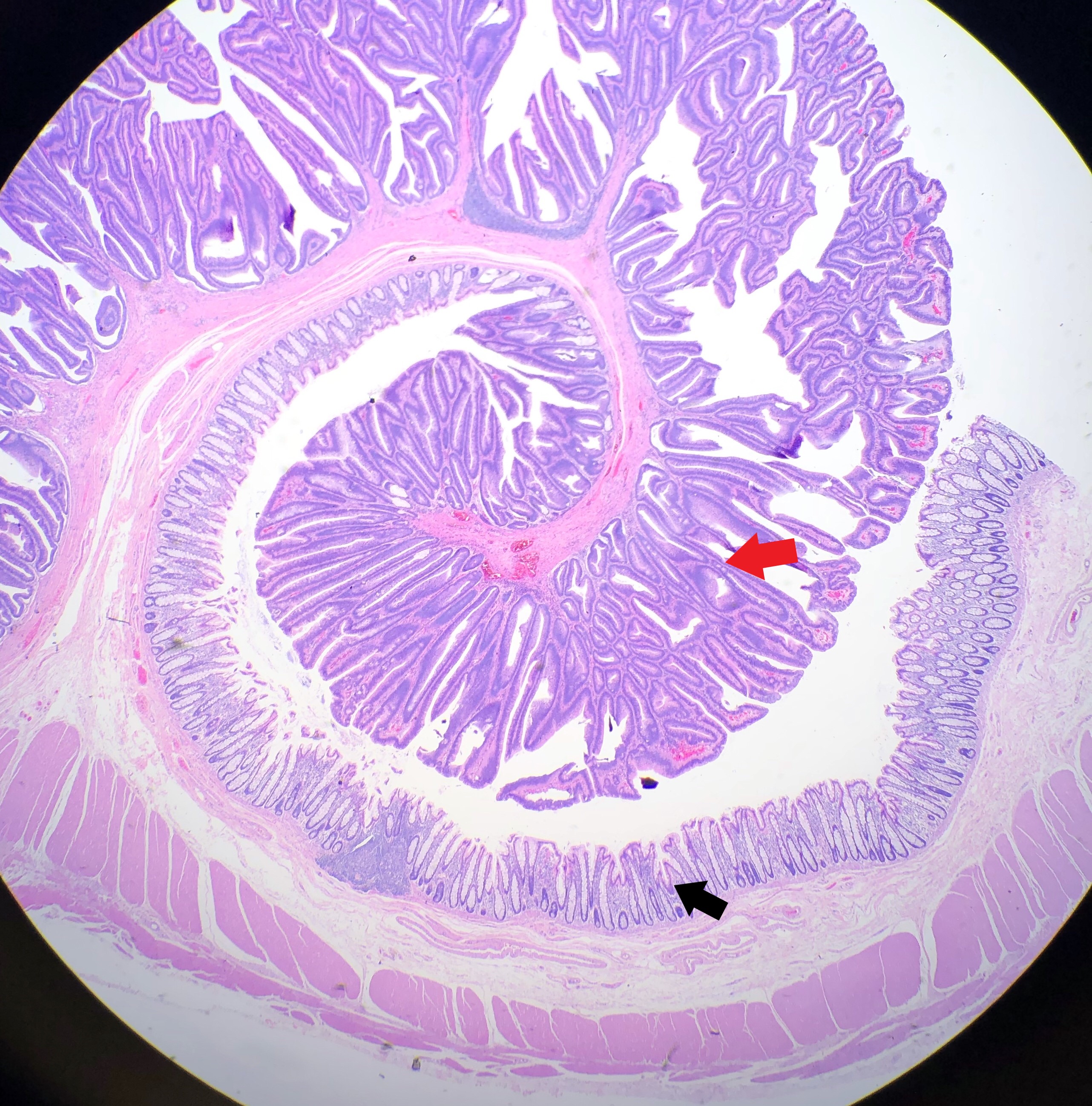
Upon opening the rectum, a 13.8 cm long circumferential, carpet-like lesion is identified, extending to the distal margin (Image 1). Sectioning demonstrated a lesion with a maximum thickness of 1.0 cm, which grossly appears to be confined to the mucosa. Due to the prior biopsy history of a villous adenoma, the entire lesion was completely submitted. This required 116 blocks to be submitted, which were then mapped out to show where each block would have been taken from (Image 2). Although there were many foci of intramucosal carcinoma present, clear cut submucosal invasion was not identified, and the specimen was signed out as a villous adenoma (Image 3).

Image 1. Opened rectum demonstrating the 13.8 cm-long carpet-like lesion.
Image 2. Mapping the lesion to show from where each block is taken.
Image 3. Photomicrograph showing the transition from normal mucosa (black arrow) to villous adenomatous tissue (red arrow).

Discussion

Polyps are an abnormal tissue growth that is a common occurrence within the colon, although they can also be found throughout the small intestine, stomach and esophagus. Polyps can be further classified as being neoplastic or non-neoplastic based on the histological pattern of the cells. The most common types of neoplastic polyps found within the GI tract are colonic adenomas, which are benign polyps that serve as precursors to the majority of colorectal cancers. Nearly half of adults in the Western world will develop adenomas by the age of 50, and there is no gender predilection. It is because of this that it is recommended that all adults get a colonoscopy by the age of 50 (even earlier when there is a family history of developing colorectal cancer).

Most polyps are small, measuring 0.5 cm or less, but can grow to be over 10 cm in size (as seen in this case). When a colonoscopy is performed, these polyps can appear as sessile, meaning flat, or pedunculated, meaning on a stalk. Due to the abnormal epithelial growth of the mucosa, the surface of an adenoma can have a velvety appearance, resembling that of a raspberry. Most patients will not demonstrate any symptoms from their polyps, with the exception of occult bleeding and anemia which are associated with larger polyps.

Dysplasia, which literally means “disordered growth”, occurs when the individual cells lose their uniformity and architecture, often resulting in cells with a hyperchromatic nuclei and a high nuclear to cytoplasmic ratio. The presence of dysplasia contained within the epithelium of a polyp is what classifies the polyp as an adenoma (Image 4). Based on their epithelial growth pattern, adenomas can be classified as either tubular adenomas or villous adenomas. Tubular adenomas tend to be smaller polyps, with a smoother surface and rounded glands on histologic examination. Villous adenomas, in contrast, tend to be larger polyps with long, slender villi noted on histology (Image 5). If an adenoma contains a mixture of tubular and villous elements, they are classified as tubulovillous adenomas. When a dysplastic cell is no longer contained within the epithelium, and instead breaches the basement membrane which separates the epithelium from the underlying tissue, it is termed invasive.

Image 4. Photomicrograph of the villous adenoma, demonstrating the dysplasia that is confined to the mucosa and not extending to the deeper tissue.
Image 5. Photomicrograph of the long, slender villi that are commonly seen in villous adenomas.

What makes this case so interesting is that there is a direct correlation between the size of an adenoma, and the risk of developing colorectal cancer. This is not true with most other cancers, however, as size plays no part in determining whether the tumor is cancerous or not. With colon polyps, the larger the polyp, the greater the chance of developing invasive carcinoma (i.e. cancer). This is why screening colonoscopies are so important. Studies have shown that regular colonoscopies, combined with the removal of the polyps found on the exam, reduce the incidence of colorectal cancer. Why this case is so interesting is that you could assume based on the size of this polypoid lesion, you would find some invasive component. However, after reviewing 116 blocks, not a single focus of invasion could be identified.

It should be stated that although there is a correlation between an adenomas size and the risk of developing cancer, the majority of adenomas will not progress to cancer, and in fact, there are no tools currently available that help to determine why one patient’s adenoma will progress to cancer, while another patient’s adenoma will not.

References

  1. Association of Directors of Anatomic and Surgical Pathology, adapted with permission by the American Cancer Society. Understanding Your Pathology Report: Colon Polyps (Sessile or Traditional Serrated Adenomas). cancer.org. https://www.cancer.org/treatment/understanding-your-diagnosis/tests/understanding-your-pathology-report/colon-pathology/colon-polyps-sessile-or-traditional-serrated-adenomas.html. Accessed February 14, 2019.
  2. Colon Polyps. Mayo Clinic. https://www.mayoclinic.org/diseases-conditions/colon-polyps/symptoms-causes/syc-20352875. Accessed February 14, 2019.
  3. Turner JR. Polyps. In: Kumar V, Abbas AK, Fausto N, Aster JC. Robbins and Cotran Pathologic Basis of Disease, 8th edition. Philadelphia, PA: Elsevier, Inc; 2010: 815-820

-Cory Nash is a board certified Pathologists’ Assistant, specializing in surgical and gross pathology. He currently works as a Pathologists’ Assistant at the University of Chicago Medical Center. His job involves the macroscopic examination, dissection and tissue submission of surgical specimens, ranging from biopsies to multi-organ resections. Cory has a special interest in head and neck pathology, as well as bone and soft tissue pathology. Cory can be followed on twitter at @iplaywithorgans.


Hematology Case Study: Symptomatic Anemia in Myelodysplastic Syndrome with Progression to Acute Myelogenous Leukemia

The patient is a 77 year old woman who presented in late Jan 2019 with severe anemia. In Feb 2017 she was diagnosed with myelodysplastic syndrome with no evidence of transformation to acute myelogenous leukemia. A bone marrow biopsy at the time showed 5-7% blasts in the bone marrow. She went through 5 rounds of chemotherapy with Vidaza (azacytidine) over the course of 9 months, with no significant response. She received one unit of RBCs with her 4th round of chemo and was given Aranesp (darbepoetin alfa) injections for anemia support. Aranesp is a man-made erythropoiesis stimulating protein which can be used to treat symptomatic anemia associated with myelodysplastic syndromes (MDS). After the 5th cycle of chemo, because of the lack of response, Vidaza was discontinued. Since then she has received several RBC transfusions to treat anemia and the Aranesp injections have continued.

In Oct 2018, the patient’s CBC showed leukocytosis, anemia, thrombocytopenia and neutrophilia.  See results below:

Patient results 10/2018       reference ranges

WBC  31.6                         4.5-10.5 x 10³/μL

RBC  3.0                           3.7-5.3 x 10⁶/μL

Hgb  7.0                            12.0-15.5 g/dl

Hct  23.6                            36.0-46.0 %

MCV  78.4                         80-100 fl

Plt  82                                150-450 x 103/μL

The CBC with automated differential performed at this visit flagged for a smear review. The technologist suspected blasts and the slide was sent for a pathologist’s review. The pathologist’s interpretation was that the differential showed “an aberrant myeloblast population, representing 6% of leukocytes along with an immature appearing monocytic population with phenotypic aberrancies representing 21% of leukocytes.” A leukemia/lymphoma flow cytometry was ordered. Results of the flow cytometry commented that an acute myeloid leukemia could not be excluded, however the differential diagnosis could also include chronic myelomonocytic leukemia. 

By Jan 2018, the patient was receiving blood transfusions every 6-8 weeks. CBC results from this visit shown below:

Patient results 1/2019         reference ranges

WBC  36.5                         4.5-10.5 x 10³/μL

RBC  2.7                           3.7-5.3 x 10⁶/μL

Hgb  6.2                            12.0-15.5 g/dL

Plt  65                                150-450 x 103/μL

Unfortunately the differential on this visit showed over 25% myeloblasts, confirmed by pathologist’s review. This sample was sent out for a second leukemia/lymphoma panel. A myeloblast phenotype was detected representing 27% of the leukocytes.

Diagnosis: Acute monoblastic/monocytic leukemia, no remission.

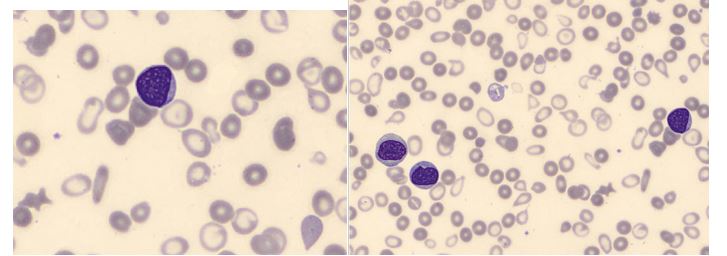
Image 1. Blasts, RBC morphology consistent with severe anemia
Image 2. Blasts seen on slide.

Myelodysplastic syndrome is a disorder of hematopoietic cell production involving clonal proliferation of an abnormal hematopoietic stem cell. It is most commonly diagnosed in patients in their 70s. Failure of the bone marrow to produce mature healthy cells is a gradual process, and therefore MDS is not necessarily a terminal disease. However, pancytopenia is a hallmark of MDS, and when pancytopenia is accompanied by the loss of the body’s ability to fight infections and control bleeding, MDS can be fatal. In addition, patients with MDS have a high risk of conversion to AML. About 30% of patients diagnosed with MDS will progress to acute myeloid leukemia (AML).

This patient was exhibiting pancytopenia, with accompanying anemia and infections, until her WBC began climbing several months ago. This was accompanied by the left shift and blasts seen on the peripheral smear, and prompted the flow cytometry studies.

Acute monoblastic/monocytic leukemia is considered a type of acute myeloid leukemia. In order to fulfill World Health Organization (WHO) criteria for AML-M5, a patient must have greater than 20% blasts in the bone marrow, and of these, greater than 80% must be of the monocytic lineage. AML-M5 can further be classified as M5a or M5b depending on whether the monocytic cells are predominantly monoblasts (>80%) or a mixture of monoblasts and promonocytes (<80% blasts).

The patient’s situation was discussed with the patient and her family. The patient chose more conservative and palliative treatment options over further chemotherapy.

References

https://www.merckmanuals.com/professional/hematology-and-oncology/leukemias/myelodysplastic-syndrome-mds

http://wiki.clinicalflow.com/amol-acute-monoblasticmonocytic-leukemia-m5

-Becky Socha, MS, MLS(ASCP)CM BB CM graduated from Merrimack College in N. Andover, Massachusetts with a BS in Medical Technology and completed her MS in Clinical Laboratory Sciences at the University of Massachusetts, Lowell. She has worked as a Medical Technologist for over 30 years. She’s worked in all areas of the clinical laboratory, but has a special interest in Hematology and Blood Banking. When she’s not busy being a mad scientist, she can be found outside riding her bicycle.

Hematopathology Case Study: A 33 Year Old Man with a Mass Behind the Ear

Case History

A 33 year old man of Japanese ethnicity presents with a 2 month history of a mass behind the right ear. Examination reveals a non-tender local with no other local or generalized adenopathy or hepatosplenomegaly. Laboratory investigations reveal an elevated ESR, serum IgE and peripheral blood eosinophilia. The lesion is excised.

Biopsy Findings

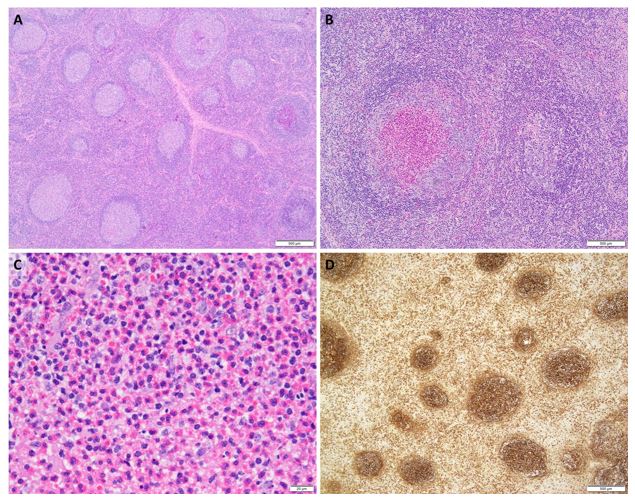
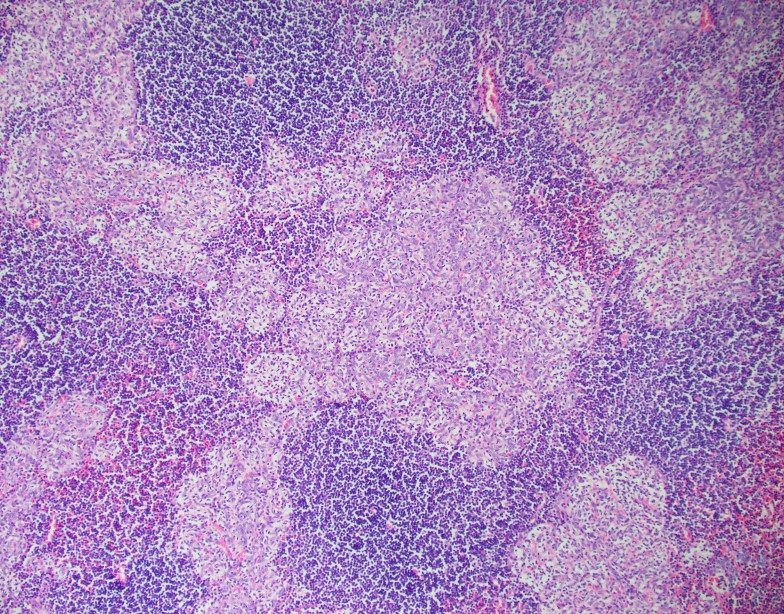
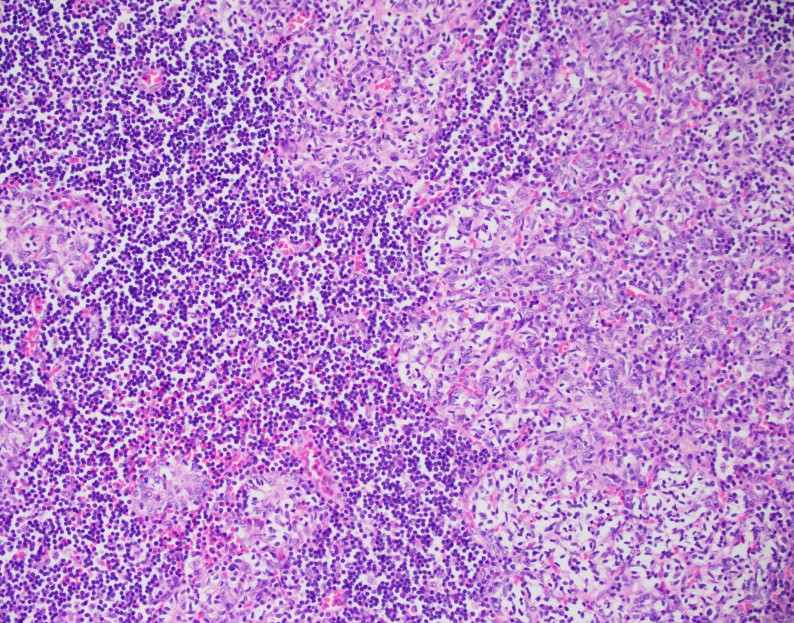
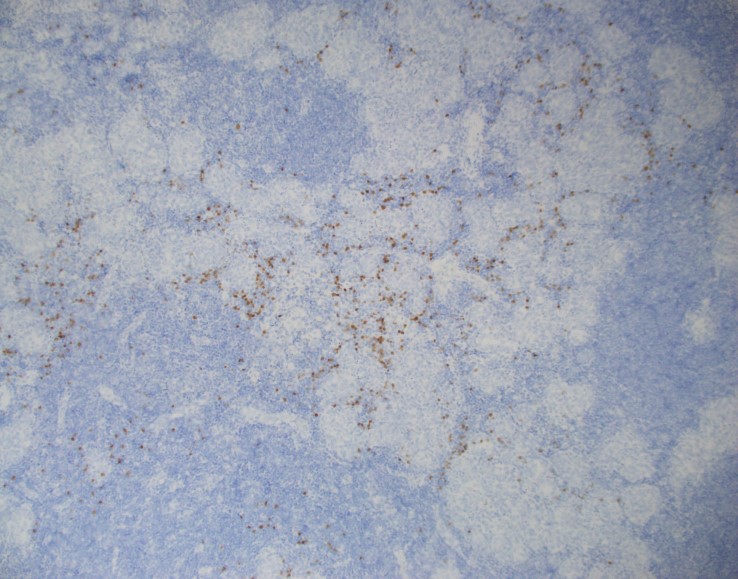
H&E stained sections demonstrate a follicular hyperplasia. The germinal centers demonstrate polarity and tingible body macrophages (A). Focally, follicular centers reveal eosinophilic microabscesses (B, C). Immunohistochemical analysis with an IgE stain reveals deposition in germinal centers (D). A diagnosis of Kimura disease is rendered.

Discussion

Kimura disease, also known as eosinophilic lymphoid follicular hyperplasia is a rare, chronic inflammatory disorder of unknown etiology. While an infectious etiology has been suggested, no pathogen has been identified to be causal, to date. Historically, Kimura disease was considered to be the same as Angiolymphoid Hyperplasia with Eosinophilia (ALHE); however, these entities are not the same.

Generally occurring in Asian males, Kimura disease is most common in the 3rd decade of life and in a head/neck site. It presents as painless, slow-growing adenopathy. An association with nephrotic syndrome has been reported. Peripheral blood eosinophilia, elevated ESR, and serum IgE are common findings. Histologically, nodes reveal hyperplastic follicles with well-formed germinal centers and mantle zones with deposition of IgE and eosinophilic microabscesses, as seen in this case. Perinodal soft tissue may be involved. Necrosis may be present, but is not extensive. Cytologically, FNA material may reveal polymorphous cell population with many eosinophils.

Prognosis is indolent; however, most cases recur after excision and radiation therapy usually yields best outcome.

References:

  1. Zhou P. et al. Kimura disease. Dermatol Online J. 2017 Oct 15;23(10).
  2. García Carretero R et al. Eosinophilia and multiple lymphadenopathy: Kimura disease, a rare, but benign condition. BMJ Case Rep. 2016 Aug 31;2016. pii: bcr2015214211. doi: 10.1136/bcr-2015-214211.
  3. Sun QF et al. Kimura disease: review of the literature. Intern Med J 2008;38:668–72.  

Kamran M. Mirza, MD, PhD, MLS(ASCP)CM is an Assistant Professor of Pathology and Medical Education at Loyola University Health System. A past top 5 honoree in ASCP’s Forty Under 40, Dr. Mirza was named to The Pathologist’s Power List of 2018. Follow him on twitter @kmirza

Potassium Levels in Transgender Women

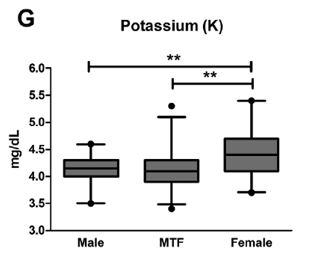
For transgender women, taking pills of estradiol is insufficient to counteract the endogenous levels of testosterone produced by their bodies. To counteract the undesired testosterone, anti-androgens are employed. These include cyproterone acetate (approved only in Europe) or spironolactone. Spironolactone is a potassium sparing diuretic that could have unintended consequences like gynecomastia.1 This effect comes from off-target binding of spironolactone to the androgen receptor. Like the intended spironolactone target (mineralocorticoid receptor), the androgen receptor localizes to the nucleus when activated and acts as a transcription factor. Taking daily high doses of spironolactone (100mg- 300mg daily) has been shown to be safe,1 but can increase Potassium levels. In a cohort of 55 transgender women, potassium was actually not higher (Figure 1).2 This was the first time a study had rigorously measured electrolytes like potassium in transgender patients. Current guidelines recommended checking electrolyte levels in transgender women taking spironolactone.3 Full electrolytes were included for 126 TW in our study and what we found was not what we were expecting.4

Figure 1.

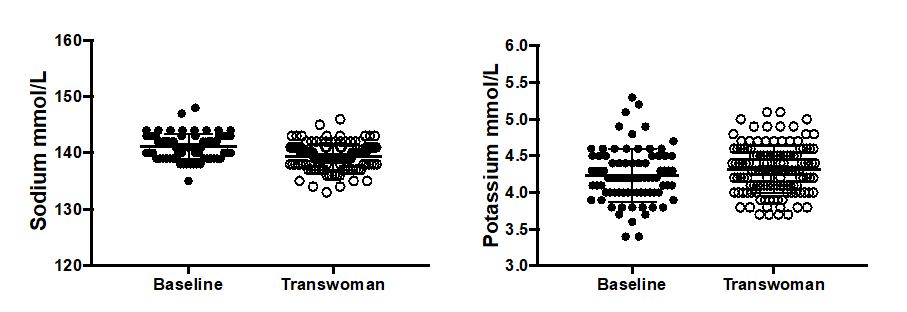
We found no increased potassium levels in TW who had taken hormone therapy for at least 6 months (p>0.05). However, we did see a decrease in sodium which is consistent with the diuretic effect (p<0.0001, Figure 2).

Figure 2.

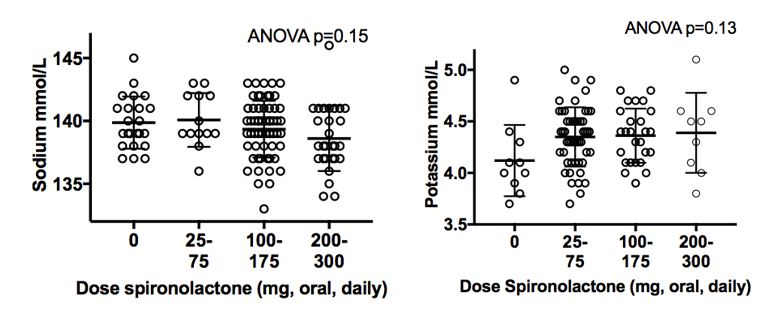
We wondered if variability in spironolactone dosing could explain why no significant potassium change was found. Luckily, we had a large number of patients who were taking various doses of spironolactone for comparison. One-way ANOVA with Tukey post-hoc tests revealed no difference in potassium levels (p>0.05)- even between the lowest (0mg daily) and highest dose (200-300 mg daily) (Figure 3). While the sodium level trended to decrease with higher spironolactone, it was not statistically significant.

Figure 3.

One reason that potassium levels did not increase is a difference in study populations. The original population studied for spironolactone involved patients with heart failure and hypertension whereas our study’s population was mostly in their 20’s and 30’s with very few co-morbid conditions.

Although sodium levels are decreased, they did not fall below the lower limit of normal (135 mmol/L). Low sodium would put transgender women at risk of dizziness and syncope (passing out) from low blood pressure. Thus, the takeaway is: sodium should be clinically monitored as it can decrease in transgender women.

References

  1. Clark E. Spironolactone Therapy and Gynecomastia. JAMA. 1965;193(2):163-164.
  2. Roberts TK et al.  Interpreting Laboratory Results in Transgender Patients on Hormone Therapy. The American Journal of Medicine. 2014; 127(2): 159-162.
  3. Hembree WC, Cohen-Kettenis PT, Gooren L, Hannema SE, Meyer WJ, Murad MH, et al. Endocrine Treatment of Gender-Dysphoric/Gender-Incongruent Persons: An Endocrine Society* Clinical Practice Guideline. J Clin Endocrinol Metab. 2017
  4. SoRelle JA, Jiao R, Gao E et al. Impact of Hormone Therapy on Laboratory Values in Transgender Patients. Clin Chem. 2019; 65(1): 170-179.

-Jeff SoRelle, MD is a Molecular Genetic Pathology fellow at the University of Texas Southwestern Medical Center in Dallas, TX. His clinical research interests include understanding how the lab intersects with transgender healthcare and advancing quality in molecular diagnostics.

Just Culture: Growing Trend or Lab Requisition?

Hello again everyone!

Last month, I discussed some really interesting topics at the intersection between psychiatry and pathology—two fields that aren’t exactly the closest; more so “diverged” in the hospital milieu as if in a poem by Robert Frost. This month I’d like to bring the conversation back to a topic I’ve addressed before: improving multidisciplinary medicine and creating a Just Culture in medicine.

Not exactly culture with a swab or agar dish, a Just Culture is an all-encompassing term for system-based thinking and process improvement not at the expense of individuals. In a post I made last July, the topic of high reliability organizations (or HROs) is one that addresses communication and accountability in high stakes environments—like healthcare!

Just Culture isn’t a stranger to lab medicine. The American Society of Clinical Laboratory Science (ASCLS) published a position paper in 2015 utilizing this trending healthcare buzzword. On the subject of patient safety, ASCLS believes “Medical Laboratory Professionals must adopt a ‘fair and just culture’ philosophy, recognizing that humans make errors, and understanding the science of safety and error prevention.” (Source: ASCLS 2015, https://www.ascls.org/position-papers/185-patient-safety-clinical-laboratory-science) We all know how we maintain patient safety in the lab, right? We do that through quality control, QA measures, competencies (both internal and from accrediting bodies like CAP), and continuing education. Raise your hand if your lab is getting inspected, just finished getting inspected, will be inspected soon, or if you’ve recently done competency/proficiency testing yourself, CE courses for credentialing, or are reading this blog right now! We’re all “continuing” our education in health care ad infinitum because that’s how it works—we keep learning, adjusting, and ensuring best practices concurrent with the latest knowledge. And, instead of punishing lab professionals when we make errors, we try to be transparent so that each error is a learning opportunity moving forward.

Image 1. I’d panic too if my lab was being inspected by 007. What, you wouldn’t?

I’m currently in my OB/GYN rotation at Bronx-Care and during the most recent Grand Rounds we had someone talk about “Just Culture”—a sort of continuation on the themes of the same lecture series that inspired my article on HROs. Essentially, the theme is that disciplining employees for violating rules or causing error(s) in their work is less effective than counseling, educating, and system-oriented and best-practice-informed care. In this talk, we watched a short video (embedded below) which walked us through approaching faults or errors in medicine in a way that empowers and educates. A story from MedStar Health, a Maryland-based health system, demonstrates how systems-based thinking can be the best way to solve problems in healthcare.

Video 1. “Annie’s Story” has become a widespread example of Just Culture for nearly twenty years. Being serious about high reliability and just culture means adopting a system’s approach to analyzing near misses and harm events—shame and discipline are becoming antiques. Learn more about Quality and Patient Safety (http://ow.ly/M1aZk) and Human Factors Engineering in Healthcare (http://MedicalHumanFactors.net)

Annie, a nurse in the MedStar Hospital system, is the spotlight story in this video. She came across an error message on a glucometer after checking someone who was acutely symptomatic. She double checked it and made clinical decisions, with her providing team, to give insulin. This sent the patient into a hypoglycemic event which required ICU support. In the story, she was actually suspended and reprimanded for her “neglect”—other nurses made the same error just days later. This prompted some action, inciting nursing managers and other administrators to investigate further, ultimately involving the biomedical engineers from the company to weigh in on this systemic fault in glucose POCT. Annie returned to work, and the problem was recognized as not user-error, but system error; she went on to talk about how she felt unsure of her clinical competency after being reprimanded. Imagine if you accidentally reported the presence of blast cells in a manual differential in a pediatric CBC while you were alone on a night shift only to find out from the manager on days that you made a pretty big mistake with clinical implications. Then imagine you were suspended for a few weeks instead of simply asked to explain and identify opportunities to increase your knowledge. Pretty harsh, right? I’m glad the MLS who did that didn’t lose his job and only had to do a few more competency trainings…yep.

Fine. It was me. I mentioned mistakes in my discussion on HROs and discussed that particular mistake in part of a podcast series called EA Shorts with a clinical colleague of mine. Everyone makes mistakes, especially in training, and that’s okay! It’s how we deal with them that matters.

Image 2 (a, b). Take a look at that glucometer. Would you have caught the error? Did you catch the “LO” value in the background vs. the out-of-range foreground prompt? Or was the screen prompt as distracting for you as it was for Annie? Who was responsible for this error: nurse, lab, or engineer?

Anyone else notice a stark absence of professional laboratory input in the video? I assume many of you sharp-sighted lab automation veterans didn’t miss the glaring “LO” behind the dialogue box on the glucometer. And, to me, that begs the question: was there any lab input on this instrument, its training, or its users? Nurse Annie made a mistake—but she’s not alone, according to a Joint Commission study from November last year, close to 11% of users make mistakes when prompted with error messages compared to 0% of users misinterpreting normal values on screens of a particular model of glucometer. And that’s just one type of instrument. Imagine 1 in 10 nurses, medical assistants, or patients misinterpreting their glucose readings. (Source: The Joint Commission Journal on Quality and Patient Safety 2018; 44:683–694 Reducing Treatment Errors Through Point-of-Care Glucometer Configuration) This should also be a good opportunity to remind us all of CLIA subpart M, the law that outlines who can accredit, use, and report point-of-care results. Herein lies another problem, stated well by the American Association for Clinical Chemistry (AACC) in 2016, “… another criteria for defining POCT—and possibly the most satisfactory definition from a regulatory perspective—is who performs the test. If laboratory personnel perform a test, then this test typically falls under the laboratory license, certificate, and accreditation, even if it is performed outside of the physical laboratory space, and regardless of whether the test is waived or nonwaived. On the other hand, waived or nonwaived laboratory tests performed by non-laboratory personnel are nearly always subject to a different set of regulatory and accreditation standards, and these can neatly be grouped under the POCT umbrella,” and that can mean trouble when we’re all trying to be on the same clinical page.

In previous posts, I’ve mentioned the excellent knowledge contained within the Lab Management University (LMU) program. One of the modules I went through discussed this topic exactly: Empowerment as a Function of Leadership and Peak Performance. In short, if we want to be good leaders in the lab, we have to set expectations for positive patient outcomes, including safety. Good leadership should empower their staff with education, support, and resources. Poor management can create toxic environments with staff that can be prone to mistakes. If we can be dynamic leaders, who adapt to ever-improving best practices and respond with understanding and compassion to mistakes, then our colleagues become just as reliable as your favorite analyzer during that CAP inspection I mentioned.

Image 3. LMU class module for promoting Just Culture and inciting positive behavior in your department.

I often get clinician input about how the processes between the bedside and the lab can be improved. Often, they include comments about the need to share relevant clinical data for improving diagnostic reporting or improving a process between specimen collection and processing. But what often gets left out is the human element: the scientist behind the microscope, the manager behind the protocol, and the pathologist behind the official sign out report. Let’s continue to incorporate all of the feedback our colleagues provide while maintaining a safe and empowered culture for ourselves, our staff, and our patients.

What do you think? How does your lab, hospital, clinic, etc. address POCT safety or patient safety at large? Do you operate within a Just Culture? Share and comment!

Thanks and see you next time!

–Constantine E. Kanakis MSc, MLS (ASCP)CM graduated from Loyola University Chicago with a BS in Molecular Biology and Bioethics and then Rush University with an MS in Medical Laboratory Science. He is currently a medical student actively involved in public health and laboratory medicine, conducting clinicals at Bronx-Care Hospital Center in New York City.
Hematopathology Case Study: A 60 Year Old Man with Recurrent Bronchitis

Case History

60 year old man with recurrent bronchitis and extensive smoking history underwent CT scan. The CT scan showed an incidental finding of a 2.2 x 1.4 cm anterior mediastinal mass.

Excision

H&E4x
H&E 4x
H&E10x
H&E 10x
H&E20x
H&E 20x
cytokeratin cocktail
Cytokeratin cocktail
CD3
CD3
CD20
CD20
TdT
TdT

Diagnosis

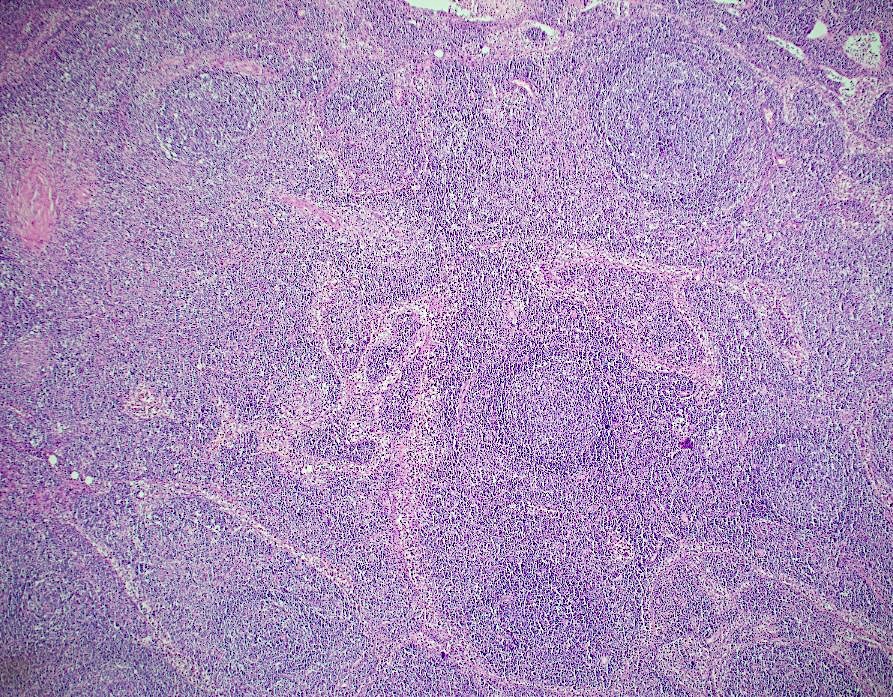
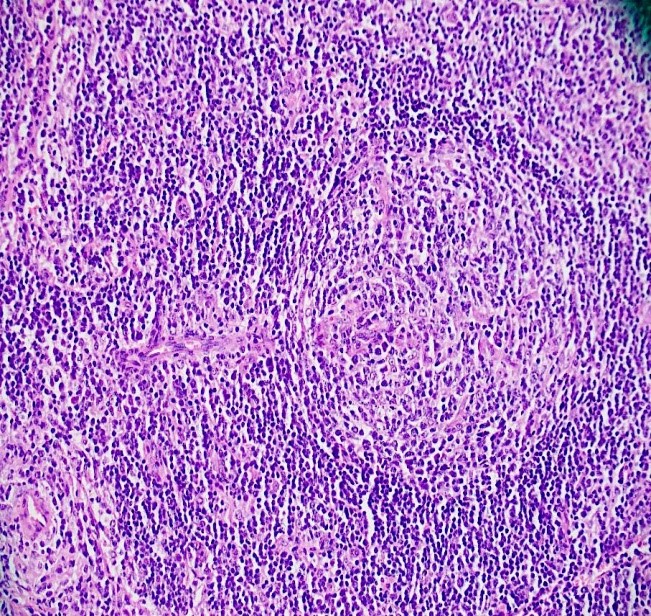
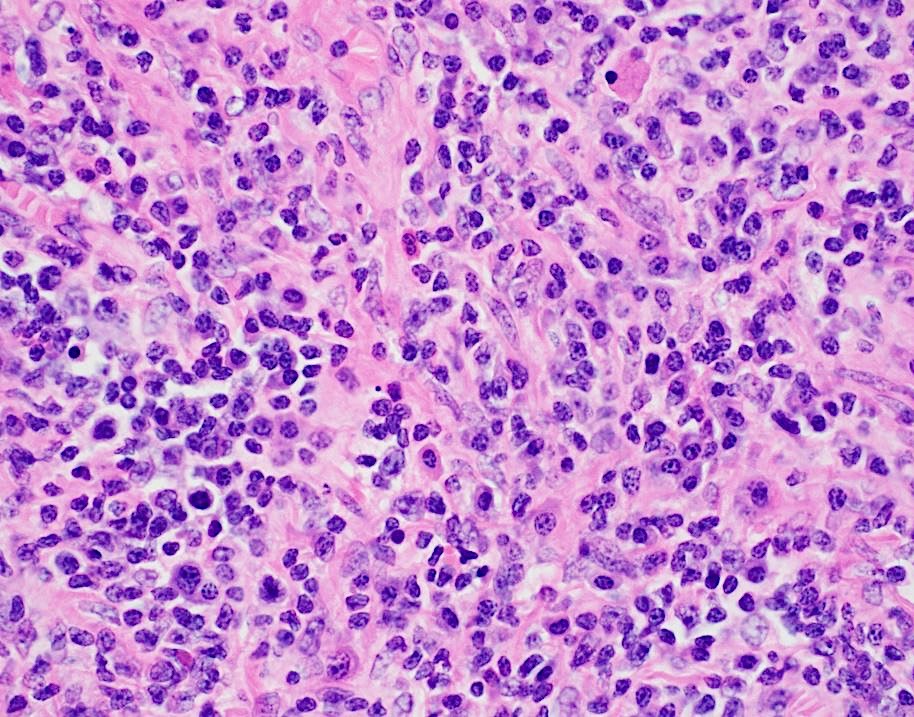
The tissue shows nodules of epithelial cells in a lymphocyte-rich background. The epithelial cells have round to somewhat spindle shaped nuclei, vesicular chromatin and small mostly inconspicuous nucleoli. There is no high grade cytologic atypia, mitotic figures or necrosis seen. The nodules contain very few interspersed lymphocytes, but are surrounded by abundant lymphocytes which are small and mature appearing. A cytokeratin cocktail highlights the epithelial nodules and shows an absence of epithelial cells in the lymphocyte-rich areas. CD20 highlights stromal B-lymphocytes around the epithelial nodules which are arranged in follicles. CD3 highlights stromal T-lymphocytes, which surround the B-cell follicles and the epithelial nodules. TdT highlights only a very small subset of immature T-cells which are found scattered around the rim of the epithelial cell nodules. Overall, the findings are consistent with a micronodular thymoma with lymphoid stroma.

Discussion

The differential diagnosis for an anterior mediastinal mass includes thymoma, lymphoma, germ cell tumors, neurogenic tumors and benign cysts among other less common entities. Patients usually present with cough, chest pain, fever/chills or dyspnea and localizing symptoms are generally secondary to local tumor invasion. Typically, CT scans are the best modality to evaluate the mediastinum. Thymomas are the most common primary neoplasm of the anterior mediastinum, but are less than 1% of all adult malignancies. Patients are generally over 40 years old and between 30-50% of patients with a thymoma have myasthenia gravis, which occurs more frequently in women.1

The WHO has classified thymomas into 5 categories based on the morphology of the neoplastic epithelial cells along with the lymphocyte to epithelial cell ratio. Type A thymomas are composed of bland spindle/oval tumor cells with few or no admixed immature lymphocytes. Type B1 thymoma resembles normal thymus and has scattered epithelial cells in a dense background of immature T-cells. Type B2 thymoma is composed of epithelial cells in small clusters with a lymphocyte-rich background. Type B3 thymoma is primarily composed of mild to moderately atypical epithelial tumor cells in a solid growth pattern with few intermingled immature T-cells. Type AB thymomas are composed of lymphocyte-poor spindle cell (Type A) components as well as lymphocyte-rich (Type B) components.2

Micronodular thymoma with lymphoid stroma (MTWLS) is a rare type of thymoma and accounts for only 1% of all cases. Patients tend to be asymptomatic and the finding is usually incidental. The tumor tends to be well circumscribed and encapsulated with a tan cut surface. The histopathology is characterized by solid nests or nodules of epithelial tumor cells in a background of abundant lymphoid stroma. The tumor cells are bland spindle or oval cells without significant atypia or mitotic activity. The epithelial tumor cells are positive for pancytokeratins. The lymphoid stroma typically lacks keratin positive cells and consists of predominantly CD20 positive mature B-cells in follicles with admixed CD3 positive and TdT negative mature T-cells. There is typically a population of rare TdT positive immature T-cells that surrounds the epithelial nodules, as seen in this case. 2
Due to the rarity of MTWLS with only 74 cases reported since the first case described in 1999, there is limited data on its pathophysiology and prognosis. However, most cases are diagnosed as stage I/II disease according to the Masaoka-Koga staging criteria, involving only micro or macroscopic invasion into thymic or surrounding fatty tissue without invasion into neighboring organs.  Patients tend to have a very favorable prognosis with most patients alive without recurrence or metastasis many years after diagnosis.3

References

  1. Juanpere S, Cañete N, Ortuño P, Martínez S, Sanchez G, Bernado L. A diagnostic approach to the mediastinal masses. Insights Imaging. 2012;4(1):29-52.
  2. Travis WD, Brambilla E, Burke AP, et al. WHO Classification of Tumours of the Lung, Pleura, Thymus and Heart (Revised 4th edition). IARC: Lyon 2015.
  3. Qu L, Xiong Y, Yao Q, Zhang B, Li T. Micronodular thymoma with lymphoid stroma: Two cases, one in a multilocular thymic cyst, and literature review. Thorac Cancer. 2017;8(6):734-740.

Chelsea Marcus, MD is a Hematopathology Fellow at Beth Israel Deaconess Medical Center in Boston, MA. She has a particular interest in High-grade B-Cell lymphomas and the genetic alterations of these lymphomas.

Neuroendocrine Neoplasms of the Pancreas: A Multidisciplinary Approach

Authors: Dr. Maryam Zenali (Department of Pathology), Dr. Eric Ganguly (Department of Gastroenterology), and Dr. Christopher J. Anker (Division of Radiation Oncology), University of Vermont Medical Center

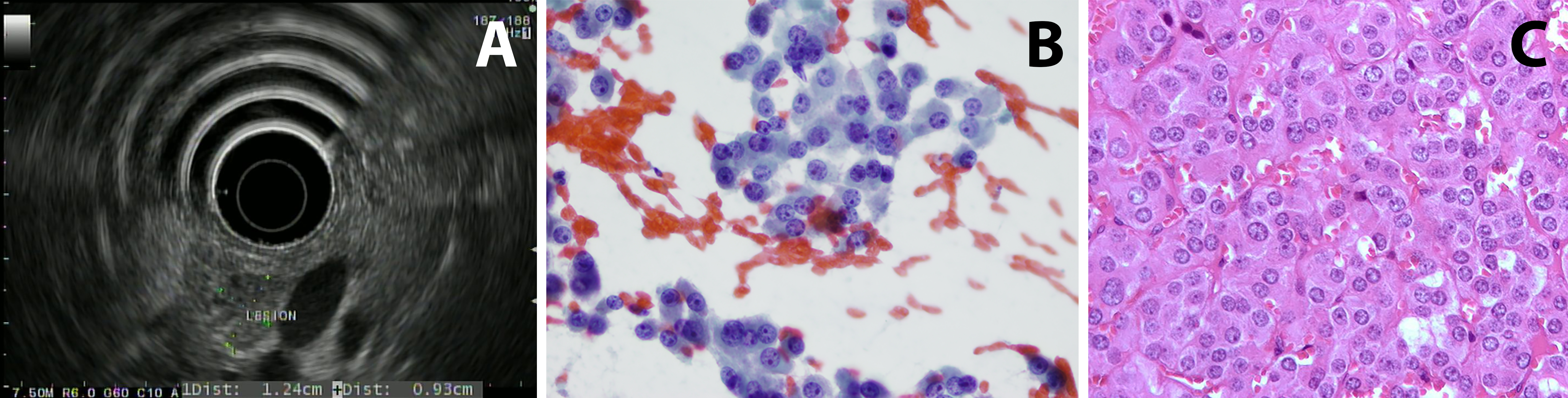
Case 1: Patient 1 is a 75 year old man with a history of gastroesophageal reflux disease (treated with a proton-pump inhibitor) who had an episode of diaphoresis and altered mental status at 3:30 am. He was found to have a glucose of 20 when rescue arrived. He was brought to the ED and symptoms resolved after glucose administration. Work-up showed fasting C-peptide of 3.5 (normal range: 1.1-4.4 ng/mL) ruling out excess insulin use; proinsulin was elevated at 300 (normal range: 3-20 pmol/L). Serum chromogranin A was noted to be mildly elevated. He had a CT scan of the abdomen that did not show any abnormal enhancement or concerning lesion. Endoscopic ultrasound (EUS) imaging demonstrated a slightly hypoechoic mass in the pancreatic head with a hyperechoic halo margin. The mass was adjacent to, although not invading, the portal vein. The remainder of the pancreatic head had a normal echotexture (figure 1A). Fine needle aspiration and biopsy of the lesion were performed; microscopic images are provided (figures 1B and 1C).

Histology: A relatively monotonous, well-differentiated tumor with regular, round salt-and-pepper chromatin and eosinophilic cytoplasm. There were only rare apoptotic cells and no mitosis. 1% of tumor nuclei were immunoreactive with MIB-1 (Ki67 K2 Leica). Tumors cells were diffusely and strongly positive for synaptophysin (27G12, Leica), chromogranin (LK2H10, Ventana) and keratin (AE1-AE3, Biocare) but negative for makers such as TTF1, CK7, Beta-catenin and GATA-3.

What is most likely the diagnosis?

Albumin Values in Transgender Men and Women

This month our study results were published in a special edition of Clinical Chemistry describing how laboratory values in transgender men and women when taking hormone therapy. While retrospective, we hope that this information will help improve transgender medicine.

There were many interesting results found in the study and I hope to describe bits of them in greater detail each month.

We wondered what we might find if we took a broad, unbiased approach comparing all laboratory parameters commonly measured by physicians. Just because there are no sex-specific differences in analytes, changes could still occur secondary to exogenous hormone use.

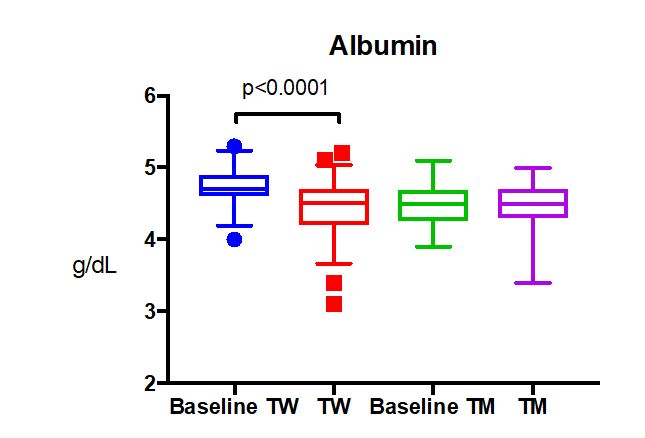
Albumin, which is the principle protein in our blood, was found to be decreased in transgender women after taking at least 6 months of estradiol therapy (p<0.0001)1. This was unexpected, because one reference range for albumin is used for cisgender males and females.

Frequently, changes in lab values move in opposite directions for transgender patients taking estradiol vs. testosterone (ex. hemoglobin goes up with testosterone and down with estradiol). We wondered if a similar opposite change might occur in albumin for transgender men taking testosterone. However, there was no change in albumin levels from baseline for transgender men.

The cause of decreased albumin was not readily available, but several factors could be influential. Albumin levels reflect the long term nutritional status of a patient as it has a long half life for turnover (t½= 3-4 weeks). Thus, the change in albumin could reflect a dietary change in transgender women. However, in the chart review there was nothing to suggest a substantial change in diet. While several of the patients would go on diets and lose weight, the weight loss was (unfortunately) often short lived (< 1 year). Looking towards a more objective reflection of dietary changes, the body mass index was nearly the same for transgender women pre-hormone therapy vs. while on hormone therapy (BMI: 27 vs 29, p>0.05).

Some studies have shown an increased prevalence of disordered eating behaviors among transgender individuals2, which could affect overall nutritional status as reflected in albumin. However, this should be controlled for by the control group, which is just transgender patients who haven’t taken hormones previously. 

Another consideration is that body composition changes in transgender patients such that transgender women lose lean mass and have an increase in body fat percent3. Although this could affect the metabolic profile (which it didn’t in our study), changes in fat percent don’t explain altered albumin levels.

Albumin levels are also low in patients with chronic liver disease, but this would be inconsistent with the patients’ medical history or other lab results. Frank nephrotic syndrome is unlikely as there were no reports of this disease within our population, but we did not have data on urinalysis, so we can’t say for certain.

One study did show that males (TW baseline equivalent) have higher albumin than females at younger ages (<60 y.o.) that equilibrates in later decades4. This sex-specific difference shows how estradiol decreases albumin to cisgender female levels. However, the reverse effect (increased albumin) does not occur with testosterone in transgender males. This demonstrates how sex-specific reference intervals cannot be simply reversed for transgender patients.

In a normal set of outpatients in the UK, oral contraception use (which includes estradiol) in women decreased their albumin levels by 0.2 g/dL, which is a smaller magnitude than found in our study, but supports a hormonal basis for sex-specific differences in albumin4.

Although the decrease in albumin for our cohort was not clinically significant (did not pass lower limit of normal albumin reference interval), it would be important to monitor albumin levels in older or elderly transgender females on hormone therapy. Elderly patients are at increased risk of hypoalbuminemia, especially when hospitalized5.

Summary:

  1. Albumin is decreased in transgender women taking estradiol therapy.
  2. Albumin levels do not fall below normal ranges.
  3. This could be more important in older or elderly transgender patients who are already at risk of hypoalbuminemia.

References

  1. SoRelle JA, Jiao R, Gao E et al. Impact of Hormone Therapy on Laboratory Values in Transgender Patients. Clin Chem. 2019; 65(1): 170-179.
  2. Diemer EW, Grant JD, Munn-Chernoff MA et al. Gender Identity, Sexual Orientation, and Eating-Related Pathology in a National Sample of College Students. J Adolesc Health. 2015; 57(2):144-9.
  3. Auer MK, Cecil A, Roepke Y et al. 12-months metabolic changes among gender dysphoric individuals under cross-sex hormone treatment: a targeted metabolomics study. Sci Rep. 2016; 6: 37005.
  4. Weaving G, Batstone GF, Jones RG. Age and sex variation in serum albumin concentration: an observational study. Annals of Clinical Biochemistry 2016, Vol. 53(1) 106–111.
  5. Cabrerizo S, Cuadras D, Gomez-Busto F et al. Serum albumin and health in older people: Review and meta analysis. Maturitas. 2015; 81(1):17-27.

-Jeff SoRelle, MD is a Molecular Genetic Pathology fellow at the University of Texas Southwestern Medical Center in Dallas, TX. His clinical research interests include understanding how the lab intersects with transgender healthcare and advancing quality in molecular diagnostics.

Hematopathology Case Study: A 66 Year Old Man with Abdominal Pain and Diarrhea

Case History

66 year old man with a past medical history of Sjogren syndrome, hypertension and hypothyroidism presented to an outside hospital with abdominal pain and diarrhea. CT imaging showed extensive lymphadenopathy, splenomegaly, mesenteric thickening and ureteral dilatation, all highly concerning for lymphoma or other malignancy. A needle core biopsy of “mesenteric mass” showed reactive lymphoplasmacytic infiltrate in a sclerotic background. A second needle core biopsy of a retroperitoneal lymph node was performed which showed reactive features and numerous plasma cells. An excisional biopsy of an inguinal lymph node was ultimately performed due to worsening lymphadenopathy with increased PET FDG avidity.

Excisional Biopsy

H&E 10x
H&E 20x
H&E 20x
H&E 40x
IgG
IgG4

Diagnosis

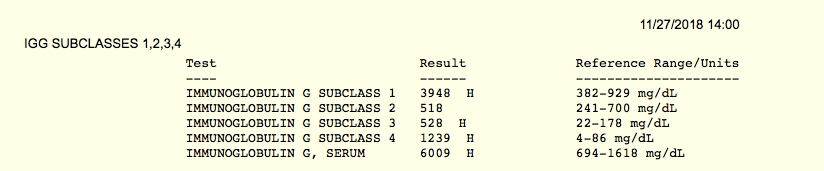
At low power view, there is intact follicular architecture with reactive appearing germinal centers that are polarized and show tingible body macrophages. The higher power view shows a feature that can be seen in Castleman disease called a “lollipop” which has a thickened vessel with hypertrophied endothelial cells penetrating the germinal center. In addition, there are areas with sclerotic remnants of germinal centers, a feature that can be seen in infection or other reactive conditions. Notably, the interfollicular space is expanded by numerous plasma cells and rare scattered eosinophils. Overall, the lymph node shows reactive follicular and paracortical hyperplasia. Stains for IgG and IgG4 showed an elevated IgG:IgG4 ratio with 54% of IgG plasma cells positive for IgG4. These findings raise the possibility of IgG4-related lymphadenopathy (IgG4LAD). In addition to histopathologic findings, the patient was tested for a serum IgG4 level, which is an important diagnostic criterion for the diagnosis of IgG4 disease. Seen above, serum testing on 10/25/18 showed a low/normal IgG subclass 4 of 17 mg/dl. After the excisional biopsy was performed, suspicion of involvement by IgG4-related disease increased. A sample was re-sent on 11/27/18 with instructions to perform serial dilutions in case of the prozone effect (see discussion below). The test came back with an elevated serum IgG subclass 4 of 1239 mg/dl, further supporting the diagnosis of IgG4-related disease.

Discussion

IgG4-related disease is a condition that was originally described in patients with autoimmune pancreatitis. These patients were found to have elevated serum IgG4 concentrations and have large numbers of IgG4-positive plasma cells. IgG4-related disease is now recognized as a fibroinflammatory condition and has been described in almost every organ system. Similar histopathological characteristics can be seen regardless of location and include tumefactive lesions, dense lymphoplasmacytic infiltrate, increased IgG4-positive plasma cells and storiform fibrosis.1

IgG4 normally accounts for less than 5% of the total IgG in healthy people and is the least abundant IgG subclass. IgG4 is also seen to be involved in other immune-mediated conditions such as pemphigus vulgaris, idiopathic membranous glomerulonephritis, and thrombotic thrombocytopenic purpura. The majority of patients with IgG4-related disease have elevated serum IgG4 concentrations, but 30% of patients may have normal IgG4 concentrations.1 When testing IgG4 serum levels, it is important to be aware of the prozone effect. This occurs when very high concentrations of the antibody that is being measured are present. This will prevent appropriate antibody-antigen binding and agglutination from occurring. This will result in a falsely low level of antibody being detected. In a report by Khosroshahi et. al., after identifying the prozone effect in one patient with IgG4-related disease, 38 patients who had previously been tested for serum IgG4 levels were re-tested. The prozone effect was found to affect 26% of patients with IgG4-related disease. The samples were re-tested with serial dilutions and the mean serum concentration rose from 26 mg/dl to 2,008 mg/dl. This could have a large impact on patient care, as elevated serum IgG4 concentrations are very important in making the diagnosis of IgG4-related disease. 2

IgG4-related lymphadenopathy (IgG4LAD) is somewhat distinct from tissue based IgG4-related disease and presents with solitary or multifocal lymph node enlargement. Lymph nodes are involved by a lymphoplasmacytic infiltrate with increased IgG4-positive plasma cells and tissue eosinophils and are not typically involved by storiform fibrosis. Five microscopic subtypes have been described and include multicentric Castleman disease-like changes, follicular hyperplasia, interfollicular lymphoplasmacytic proliferation, progressive transformation of germinal centers, and a variant with the formation of inflammatory pseudotumor-like lesions. The differential diagnosis of this entity is broad and purely reactive lymph nodes as well as multicentric Castleman disease (MCD), in particular needs to be ruled out. The presence of HHV8 infection and elevated IL-6 and CRP can favor MCD, while tissue eosinophilia favors IgG4LAD.3    

The diagnostic criteria for the diagnosis of IgG4LAD includes lymph node involvement,  a serum IgG4 level greater than 135 mg/dl, and histologic findings of lymphoplasmacytic infiltrates with either >10 IgG4-positive plasma cells per hpf or a ratio of IgG4-positive to IgG-positive plasma cells to be greater than 40%. As seen in this case, patients may undergo multiple biopsies, often with extensive work-ups before a diagnosis is made. Treatment depends on the organ involved and extent of damage/dysfunction. While some cases may only need clinical follow-up, others will require urgent aggressive treatment. Glucocorticoids are typically the first line of therapy and have been shown to be effective in a majority of patients with IgG4-related disease. 3

References

  1. Stone, J, Zen, Y, Deshpande, V. IgG4-Related Disease. N Engl J Med 2012; 366:359-551.
  2. Khoroshahi, A, Cheryk, LA, Carruthers, MN, et. al. Brief Report: spuriously low serum IgG4 concentrations caused by the prozone phenomenon in patients with IgG4-related disease. Arthritis Rheumatol 2014; 66(1):213-7.
  3. Wick, M, O’Malley, D. Lymphadenopathy associated with IgG4-related disease: Diagnosis and differential diagnosis. Seminars in Diagnostic Pathology 2018; 35(1)61-66.

Chelsea Marcus, MD is a third year resident in anatomic and clinical pathology at Beth Israel Deaconess Medical Center in Boston, MA and will be starting her fellowship in Hematopathology at BIDMC in July. She has a particular interest in High-grade B-Cell lymphomas and the genetic alterations of these lymphomas.