Slide Review and You

Welcome back everybody!

Last month, I wrote about some projects I did while rotating through the pathology program at Danbury Hospital in Connecticut. This month I’m in a more clinical setting with a hematology/oncology clerkship at Northwell’s Staten Island University Hospital. But, over the past few months of rotations (and arguably a lot longer before medical school) I’ve been noticing a part of laboratory medicine which often intersects with our clinical colleagues at the bedside. I’ve told you about the pitfalls and successes in the relationships between surgeons and anatomic pathologists before, where frozen sections are critical and time is of the essence. And we’ve all seen collaboration between the bench and bedside before—think microbiology and infectious disease, blood bank and literally everyone, etc. Still, one collaborative effort sort of happens behind the shadows, behind phone calls and lab reports, and sometimes with no communication at all! So, what kind of vigilante medicine am I talking about? Who is this Batman of medicine? It’s just our friends in hematology.

When you’re working the hematology bench in the lab, it’s pretty commonplace for a physician on a hematology service to call and ask for a peripheral smear to review. Many times, it’s for the purpose of teaching residents, fellows, or medical students but more often than not it’s a confirmatory exercise. See, when that hematologist asks to review a slide, she’s probably coming down to the lab to look at the morphology of red cells and white cells to help in their differential diagnosis. They might have a patient with a suspected thalassemia or hemoglobinopathy and, before starting the full work up of lab tests, just want to see if there are any RBC morphology traits or target cells that stand out. Thrombocytopenia? Let’s make sure there’s no platelet clumping. Maybe they’ve got a patient with some kind of liver or kidney pathology and are on the hunt for acantho- or echinocytes. Or better yet, someone went hiking, there’s an infectious etiology on their differential—let’s go hunting for babesia, malaria, oh or even erlichia!

Image 1. Here’s a few examples of three parts of a patient’s smear that are contributory to a particular pathology in vivo. Think you know what it is? I bet you’d be surprised…not all that hyper-segments is a B12/Folate deficiency. But technically it is; read about cobalamin and homocysteine pathology in a neonatal patient here: http://www.bloodjournal.org/content/128/21/2584 (Source: Blood 2016)

I know what you’re thinking. Wait—that’s our job as medical laboratory scientists; our literal job. Our instruments, that we validate, and correlate, and make sure work fantastically give us flags. We investigate those flags and look at smears ourselves! We collaborate with other lab techs, and with our pathologist colleagues and send out final lab results with all kinds of helpful information: including platelet clumping, microorganisms, RBC and WBC morphology, and loads more. What gives?

Hold on to your lab coats. I’ll get there in a minute.

Slide review and differential training in medical school and residency

[This section intentionally left blank]

Image 2. There is nothing wrong with your television set. Do not attempt to adjust the picture. You are about to experience the awe and mystery which reaches from the inner mind to… the bench tech working in hematology. The one who went to school for this? Medical school and residency are starkly devoid of any in-depth, comprehensive learning for differentials.

A Differential, Differential

So let me address the issue I brought up: why do hematologists come down to the lab to look at the slides themselves, when perfectly capable BOC certified, degree-holding medical laboratory scientists and pathologists sign out validated differentials? It might not happen this way at all hospitals, but I think the answer is a simple two-part problem.

First, as with the many things I’ve learned in medical school, one of the lab-centric pieces of information that is well understood is that, well, no one really knows what the lab does and how it operates. Virtually nobody knows the depth and breadth of the testing that pathologists manage, let alone the scientific precision and accuracy that instrument validation requires. Learning that MLS techs are certified, can hold graduate degrees, and even do their own research is often surprising to most of our clinical colleagues. And—I will tell you for a fact—that pathology and laboratory testing methodology is not covered in medical school the way you might think. Pathology is more of a class of distinguishing the identifying details of a disease, not understanding the interdisciplinary diagnostic teamwork that goes into those CBC index results on a computer screen on the clinical floors.

Second, hematologists are specialists just like any other practicing clinician. They know their stuff! They manage patient diagnosis, treatment, and follow-up with the most up to date literature, national cancer guidelines, and anything else available to better their patients’ outcomes. Despite the notes in the CBC results that there are numerous macrocytes with hypersegmented neutrophils, or 3+ schistocytes reported in a manual differential—seeing is believing. It helps to see the slide yourself and get a feel for the disease “state” with your own eyes. Moreso, it could be a learning opportunity. It’s well within a clinicians’ scope to come down and look at a peripheral smear, I actually encourage it. But it should come with a few caveats…I’ll get to those too…

I-CARE

One of the places I was proud to hang my lab coat was actually my first job as an assistant lab technician in the blood bank at Rush University Medical Center in Chicago. Before I got my MLS and way before grad school or med school, I was a blood bank “expediter.” Super fancy title, but all I did was make sure specimens were logged in and blood products were up to par with labels on their way out. Clerical but critical! (Let me have this, please…haha) Anyway, part of the culture at that hospital has stayed with me all these years. I’ve talked before about culture and the way it permeates an institution’s practice like at the Mayo Clinic, but for my first foray into clinical work their acronym was clutch: I CARE.

  • I for innovation
  • C for collaboration
  • A for accountability
  • R for respect and
  • E for excellence

Why am I telling you this? No, there are no royalties. I just think it’s an easy way to remind ourselves about the meaning of interdisciplinary medicine and they way we should work together across specialties, and from bench to bedside. When we incorporate those values into our work for the purpose of improving patient care and outcomes, everyone wins. In this case, effective utilization of resources tells us that peripheral slide review means different things to different people. In the setting of hematologic work-ups, flags and review at the bench can signal something to the clinician which could spark a conversation with the pathologist. All parts contributing to a whole of patient care. Vigilante medicine is bad news. Collaboration is key.

One place I was lucky enough to be a part of this interdisciplinary collaboration was Swedish Covenant Hospital. One of the hematology physicians would routinely call me and ask to look as peripheral smears down in the lab, often as a group with med students, residents, and fellows. I’d throw the image of his patients’ slides on a large flat screen and go over what certain traits meant with regard to morphology and identification from the lab setting. Dr. Cilley would add what this all meant clinically and discuss treatment algorithms and next steps. That was collaboration at it’s finest: lab tech working with pathologists, clinicians working with the lab, and patient’s benefiting from all of it.

Video 1. ASCP’s 2015 Membership Video. I was super thrilled to be part of this video back in 2015 after winning the Midwest regional ASCP member of the year. If you’re bored enough to make it about 40 seconds into the video, that was my actual desk where Dr. Cilley and his residents would come to discuss patient slides. I would talk to them about morphology and hematologic clues with digital hardware and software to make it clear in group settings, rather than taking turns at the scope. Good times. (Source: https://www.youtube.com/watch?v=86fBRXGrZFo)
Video 2. Dr. Jeffrey Cilley talks about treating cancer as a “team approach” and he’s right. Hematology/Oncology to patient. Lab to clinician. Bench to bedside. (Source: https://www.youtube.com/watch?v=q0waKLyT1Dg)

Teamwork makes the dream work

About those caveats for collaboration I mentioned earlier… Let me put it briefly: it’s well within the scope of a clinician to come over to the laboratory and get some information on their patient’s lab results/testing. But why not consider the following:

  • If a physician calls to review a smear, offer to go over it with them. Likewise, to our clinical friends: if you go to the lab for a slide don’t be batman—ask the tech what they think!

Experienced techs are one of the hospital’s most valuable resources. Some folks I’ve worked with have been looking at slides longer than I’ve been using my eyes at all! They’ll save you and your residents the time when those terrifying intracellular microorganisms are really just overlying platelets. I mean, they’ve got a cute halo.

  • If you need help, just ask. This applies to everyone.

Talking with the tech about the slide is great start, but there’s more resources in the lab than most people know what to do with! Clinical physicians: check the shelves around the hematology microscope. Stuck on something? Find a CAP atlas or a proficiency survey booklet guide. Easy to read. Techs and pathologists: have someone who constantly comes down for slide review despite your immaculate and detailed SOPs on CBC results reporting? Have a quick chat about the work that goes into resulting those diffs—you might even improve your heme TAT, who knows?

  • If it’s well within the right of a physician to leave the unit and see a patient’s slide, logic says that maybe, just maybe, it should be okay for a pathologist to leave the lab and see a patient at the bedside!

Hospitals are full of never-ending rounding white coats, all asking patients questions, and all contributing specialty notes to their charts. But its not only to prevent patients from getting a decent nap. We’re all parts of a large interdisciplinary patient team. A recent Medscape survey found that somewhere around 3% of pathologists see patients, routinely! Got an interesting case in the lab, someone who’s part of lots of tumor boards, someone with an interesting case to write up, or even someone who nobody knows exactly what’s going on with? Try walking over to 4 south and have a conversation with Mr. Jones; it might help. At least he’ll know how many people are working on his care team!

The bottom line: we’re in this together, and like the flag on the ASCP ship says, we’re Stronger Together. Innovation, collaboration, accountability, respect, and excellence are—and should be—simple cornerstones of clinical medicine that translate across every discipline. When we share information and expertise, everyone gets better at what they do.
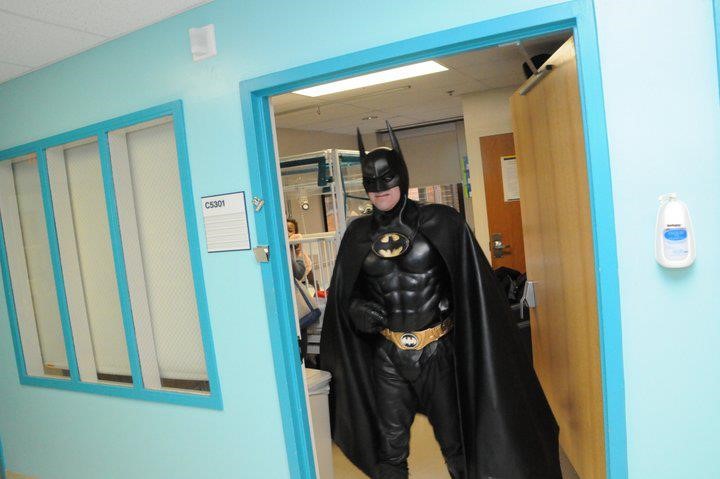
Bonus Image. This was a hard picture to take. Usually, a quick hematologist just comes down to see if there are any real schistocytes. But, after reading a draft of this post, BatDoc’s cool with chatting about red cell indices and automated flow cytometry methods in auto-diff validation. That’s the hero we deserve, and the one healthcare needs! (Source: https://gunaxin.com/batman-doesnt-police-stop-visiting-children-hospital)

Thanks for reading!

See you next time!

–Constantine E. Kanakis MSc, MLS (ASCP)CM graduated from Loyola University Chicago with a BS in Molecular Biology and Bioethics and then Rush University with an MS in Medical Laboratory Science. He is currently a medical student actively involved in public health and laboratory medicine, conducting clinicals at Bronx-Care Hospital Center in New York City.
Microbiology Case Study: A 30 Year Old Male with Fevers and Cough

Clinical History

A 30 year old African American male presented to the emergency department (ED) with fevers and cough. His past medical history was significant for type 1 diabetes & diabetic nephropathy requiring a kidney/pancreas transplant three years prior. He is compliant with his immunosuppressant regimen. He described the cough as non-productive and denied shortness of breath or chest pain. He denied sick contacts, recent travel, and has no pets. After hospital admission, he became septic, developed severe hypotension (70/30s), and was transferred to the intensive care unit (ICU). Chest x-ray showed multifocal consolidations in bilateral lung fields and a small pleural effusion consistent with pneumonia. He was empirically started on vancomycin, piperacillin-tazobactam, azithromycin, and micafungin. Infectious diseases was consulted and recommended a board variety of tests and cultures given the patient immunosuppressed status.

Laboratory Identification

The following results were obtained:

Sputum culture: normal respiratory flora, negative for fungi and acid fast bacilli

Streptococcus pneumoniae & Legionella pneumophila antigens: negative

Histoplasma & Blastomyces urinary antigens: negative

Fungitell: negative

Respiratory viral PCR panel: positive for adenovirus, coronavirus, and rhinovirus

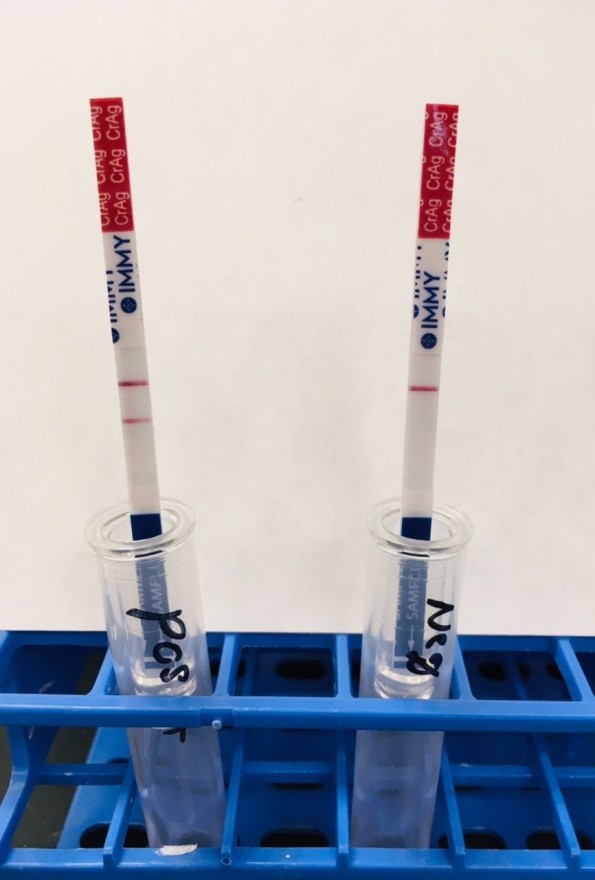
Image 1. Cryptococcal lateral flow assay showing positive (left) and negative (right) results. The patient had a positive result from the serum with a titer of 1:20.

Given this positive serum result for Cryptococcus neoformans despite multiple negative sputum cultures, a bronchoalveolar lavage & lumbar puncture were performed and bacterial & fungal cultures were performed. 

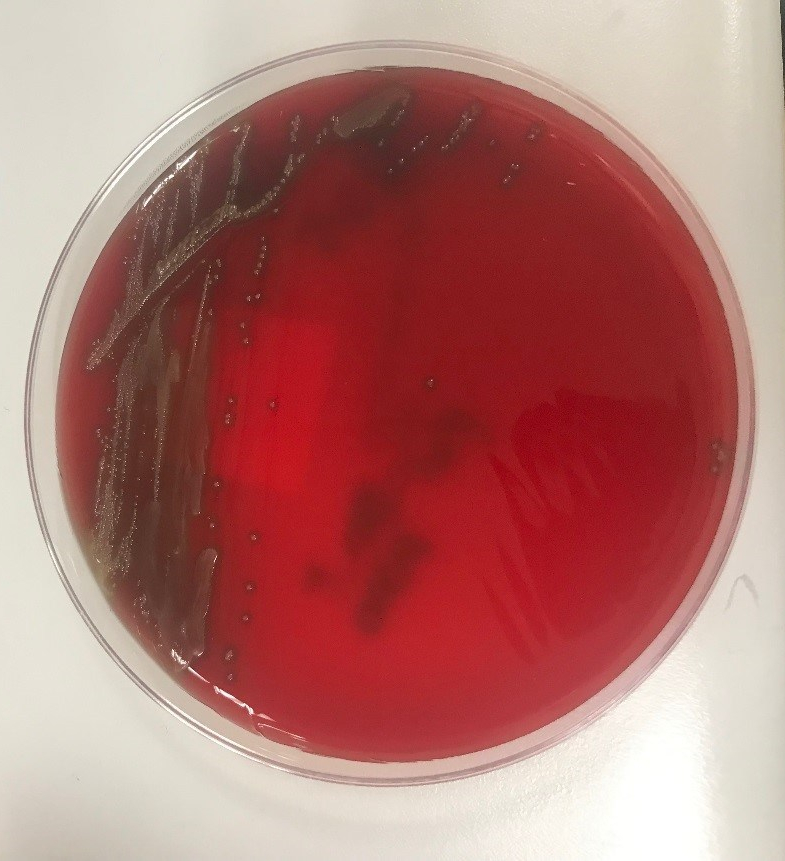
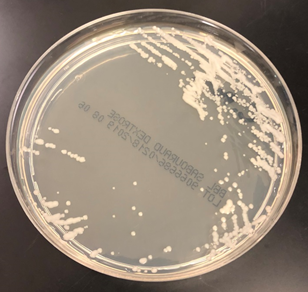
Image 2. Discrete, mucoid, cream colored colonies of Cryptococcus neoformans growing on Sabouraud dextrose agar after the third week of incubation at 25°C from the bronchoalveolar lavage specimen.

Discussion

Cryptococcus neoformans is an encapsulated yeast that is most commonly acquired through inhalation and can infect & disseminate to multiple organ systems including the lungs, central nervous system, skin and bones, especially in immunocompromised patients such as those with HIV or organ transplant patients. The thick polysaccharide capsule gives colonies of C. neoformans a mucoid appearance, serves as a major virulence factor, and also plays an important part in various laboratory identification methods.

In the lab, C. neoformans will grow a variety of selective and non-selective agars including blood, chocolate, Sabouraud dextrose, and cornmeal agars as discrete, cream colored colonies (Image 2). On microscopic examination, the C. neoformans yeast are gram positive with narrow based budding and a thick capsule. The yeast vary in size from 2-20 µm and are evenly spaced from one another due to the capsule. C. neoformans is positive for both urease and phenoloxidase. Historically, India ink stain was performed on CSF specimens to highlight the capsule using direct microscopy. Grocott’s methenamine silver (GMS), mucicarmine, and Fontana-Masson histochemical stains are all positive for C. neoformans.

Cryptococcal antigen tests directed to the capsular polysaccharide can also be used to diagnosis C. neoformans infections from both serum and CSF specimens. Common methods include immunochromatographic lateral flow assays or particle agglutination. Advantages to these methods include increased sensitivity and the ability to provide semi-quantitative titer results which can be used to monitor the patient’s response to therapy. Rarely, false negative results can occur due to extremely high concentrations of the cryptococcal antigen. In order to combat the prozone effect, the sample should be diluted prior to repeating the test if there is a high suspicion of cryptococcal infection. False positive results may also occur when macroglobulins are present in the sample due to disease states such as rheumatoid arthritis or lupus. Use of pronase can prevent the interference of macroglobulins on serum test results. False positive test results have also be documented due to interferences from various collection devices such as anaerobic vials.

In the case of our patient, as C. neoformans is intrinsically resistant to echinocandins, he was switched from micafungin to fluconazole. He responded well and after completing the therapeutic course, he continued on a prophylactic dose of fluconazole. His cerebrospinal fluid culture showed no growth and the cryptococcal lateral flow assay was negative on the CSF specimen.

-Charles Middleton, MD, is a first year Anatomic and Clinical Pathology resident at the University of Mississippi Medical Center.


-Lisa Stempak, MD, is an Assistant Professor of Pathology at the University of Mississippi Medical Center in Jackson, MS. She is certified by the American Board of Pathology in Anatomic and Clinical Pathology as well as Medical Microbiology. She is the Director of Clinical Pathology as well as the Microbiology and Serology Laboratories. Her interests include infectious disease histology, process and quality improvement, and resident education.

Microbiology Case Study: A 69 Year Old Male with Cardiac Symptoms

Case History

A 69 year old male with complicated past medical history of sarcoidosis, pulmonary nodules, atrial flutter, right septic arthritis, pulmonary embolism and coronary artery disease presented to the emergency department with worsening cardiac symptoms for the past few days. He denied any symptoms of fever, cough, dyspnea, or palpitations. He has no history of TB exposure, high-risk occupation or volunteer work. Chest x-ray, echocardiogram and computerized tomography (CT) scan were performed and he was diagnosed with constrictive pericarditis. Pericardiotomy was performed which showed thickened and calcified pericardium. On pericardial biopsy specimen, acute necrotizing and granulomatous pericarditis was identified (Image 1). Acid fast bacteria stain for mycobacteria was performed which showed numerous acid-fast bacilli (Image 2). In house validated testing for M. tuberculosis by PCR amplification of the IS6110 insertion sequence and nontuberculous mycobacteria species determination by heat shock protein 65 (hsp65) gene with melt curve analysis was performed. Testing was negative for M. tuberculosis. Nontuberculous mycobacteria testing was consistent with M. xenopi. For definitive diagnosis, culture was performed which grew M. xenopi (Image 3).

Image 1. H&E stain shows acute necrotizing granulomatous inflammation.
Image 2. Ziehl Neelsen stain shows numerous AFB positive bacilli.
Image 3. Lowenstein Jensen (LJ) media growing M. xenopi.

Discussion

M. Xenopi is a free-living nontuberculous mycobacterium (NTM). NTM are present in the environment, mainly in water, and are occasionally responsible for opportunistic infections in humans.1 With the availability of 16S ribosomal DNA sequencing and high-performance liquid chromatography (HPLC), polymerase chain reaction-restriction length polymorphism analysis (PRA), and multi-gene and whole-genome sequencing, the number of new species of nontuberculous mycobacteria has risen dramatically. There are about 180 different species of mycobacteria. The most common nontuberculous species causing human disease in the United States are the slowly growing species, Mycobacterium avium complex and M. kansasii. Less common human pathogens include the slowly growing species M. marinumM. xenopiM. simiaeM. malmoense, and M. ulcerans, and the rapidly growing species M. abscessus complex, M. fortuitum, and M. chelonae.2 NTM can cause pulmonary disease, osteomyelitis or disseminated disease in immunocompromised patients.

Microscopic examination after acid fast or fluorescent Auramine-Rhodamine staining and AFB culture using LJ and Middlebrook 7H10 media are the cornerstones of the identification of mycobacteria. All mycobacteria share the characteristic of “acid-fastness,” ie, after staining with carbol-fuchsin or auramine-rhodamine, they do not decolorize with acidified alcohol. Confirmation of the presence or absence of mycobacteria in clinical specimens requires culture, because of the relative insensitivity of direct microscopy.

The presented case highlights the importance of NTM causing infection in pericardium which is very rare. Special stains, molecular testing, and culture can aid in timely identification of the organism and aid in patient management.

References

  1. Tortoli E. Microbiological features and clinical relevance of new species of the genus Mycobacterium. Clin Microbiol Rev 2014; 27:727.
  2. Griffith DE, Epidemiology of nontuberculous mycobacterial infections. Reyn CF UpToDate. April 2017.
  3. Griffith DE, Microbiology of nontuberculous mycobacteria. Reyn CF UpToDate. Sept 2018.

-Amandeep Kaur, MD MBBS is a 2nd year anatomic and clinical pathology resident at University of Chicago (NorthShore). Academically, Amandeep has a particular interest in hematopathology.

-Erin McElvania, PhD, D(ABMM), is the Director of Clinical Microbiology NorthShore University Health System in Evanston, Illinois. Follow Dr. McElvania on twitter @E-McElvania. 

Tips for Performing Internal Lab Audits

In previous blog posts we discussed some hints and tips for how to survive when your lab is being inspected. Today we get to flip things around and let you be the inspector. Whether it’s an internal audit of your own laboratory, or an external inspection of a peer laboratory, we’ll discuss some ways to help keep you on track to cover the most important aspects of the overall testing process in a limited amount of time.

For external audit preparation, the CAP has a wonderful training program that all volunteer inspectors are required to take prior to participating in an inspection. For labs that are not CAP accredited, they still have helpful information on their website that is free and open to all: https://www.cap.org/laboratory-improvement/accreditation/inspector-training. CLSI document QMS15-A (Assessments: Laboratory Internal Audit Program; Approved Guideline) is another great resource to use when planning your audit.

The primary role of an auditor is to review policies, processes, and procedures to identify any inconsistencies (does your SOP match the manufacturer recommendations, and is staff following the SOP as written). Audits should focus on collecting objective evidence and facts, rather than subjective opinions. For example, staff failing to document required weekly maintenance tasks, as opposed to an auditor simply not liking the particular form the tasks are being documented on.

Define the Objective of the Audit

Laboratory leadership should be involved in the planning process to help define the scope and expected goal of performing the audit. This can range from an overall assessment of general laboratory quality and safety, to a more directed and focused audit on either a single department, instrument/test, or test process (specimen collection, physician notification of critical values, etc). The format for the audit findings should also be discussed – will the site require a formal, written report outlining all observations detected, or will a simple informal summation discussion be sufficient?

Draft a Schedule for the Audit

Once the scope of the audit is defined, a tentative schedule should be created so all staff involved in the audit process are aware and available to participate. If the audit will encompass multiple departments and all phases of testing (pre-analytic, analytic, post-analytic), it may be necessary to split the audit up over multiple days, or to recruit multiple auditors. The frequency of audits will depend on the perceived risk to quality based on previous findings or complaints received, but at a minimum should be completed annually.

Prepare for the Audit

Reach out to the local management team of the site being audited for help in gathering the information you’ll need to prepare. This can include things such as a testing activity menu, list of new instrumentation or new test validation studies, employee roster if personnel and competency records will be reviewed, and copies of previous audit/inspection results to check for corrective action implementation and sustainability. Review the information provided, and use it as a guide for where you feel your efforts should be focused on based on highest risk.

Utilize a Patient Tracer

Ask the site to pull all related records and reports for a particular patient sample by choosing a date, and specifying any particular characteristics for the specimen that you want to follow (such as age of the patient, sex, or focusing on abnormal/critical results). By asking the sites to prepare a patient tracer ahead of time, this will reduce the amount of time spent waiting and digging for specific files or log sheets as they are already organized and ready when you walk in for the audit. Tracers should adhere to the defined scope/objective of the audit, and will help you follow the path of a specimen through the entire process from pre-analytical, analytical, and finally post-analytical phases.

Pre-analytical: Include any specimen collection instructions or a printout/photocopy from the test directory for each test requested. This information should be compared to the information within the applicable SOPs to ensure they match and are both current and accurate. Physician orders can be included to confirm that the correct test was ordered and performed based on what was requested by the clinician.

Analytical: Copies of the related SOPs for the test being reviewed should be included. Ensure the SOPs have all required elements, including a current, valid signature of approval from the medical director. Instrument QC and maintenance logs for the day of testing, calibration records, and patient correlation studies should also be reviewed, along with the reagent lot-lot validation performed. When available, copies of the actual instrument printouts should be included to check for accuracy in result transcription. Training and competency records for the staff who performed any handling or testing of the specimens in question may also be reviewed.

Post-analytical: Check for supervisory review of patient log sheets and QC records, along with appropriate corrective actions documented as applicable. Review the patient results in the same format that is seen by the physician: confirm reference ranges and units of measure are accurate, interpretive notes are valid and appropriate, test methodology is stated when applicable, abnormal values are flagged, and confirm result transcription accuracy from the original instrument printout. Proficiency testing results should be reviewed for any unsuccessful events to confirm sustainability of corrective actions.

Conduct the Audit

Perform an objective review of the documents provided, along with any affiliated records and logs based on the scope of the audit (temperature logs, reagent inventory records, decontamination records, etc). As with an official inspection, be transparent with the staff as issues are identified so they can have an opportunity to clarify any confusion, or locate additional records that may be missing or incomplete. Document any discrepancies or possible issues noted, as well as any good lab practices observed that should be celebrated. When logging your findings, be specific and provide as much details as possible so the staff can quickly identify what was found and make the needed corrections (SOP numbers, dates, instrument serial numbers, etc).

In addition to reviewing documentation, perform a direct observation of the staff doing specific tasks. Are they following the steps outlined in their procedures, or are deviations noted? Rather than a formal interview, ask the staff to explain what they are doing, or why they are performing certain steps in a particular order. Again, the audit is not meant to be punitive or to ‘catch someone in the act’, but rather to help identify areas for improvement or clarification so that testing processes can be improved and standardized among all staff members. Asking open ended questions will provide more information than directed ones. For example, “Show me how you would access testing instructions if your computer network was down” as opposed to “Where are the paper versions of your SOPs?”

Prepare an Audit Report

The audit findings should be summarized for the site based on the format agreed upon during the initial planning stage (written report, verbal discussion). Whenever possible, similar findings should be grouped together so the location can identify systemic problems that need to be addressed on a more global level (expired reagents found in multiple departments, staff failing to utilize appropriate PPE in multiple departments, etc). Depending on the number and severity of the issues identified, sites may prefer to have the observations grouped by department as well for easy assignment of follow-up action items to the department leaders. Issues should also be ranked by risk severity so that the site knows where to focus their improvement efforts first: 1) Patient care and employee safety issues; 2) Regulatory compliance gaps; 3) Recommendations for improved overall good laboratory practice.

Implement Corrective Actions

Any issues identified during the audit should be assigned to a specific person for follow-up, along with an anticipated date of completion. Perform a proper root cause analysis to identify why the issue happened, and then decide how to correct it and prevent it from happening again. Depending on the scope of the audit, the audit team members may be involved with these tasks, or this may fall to the sole responsibility of the management team being inspected.

Evaluate the Effectiveness of the Audit

The utility of the audits will depend greatly on the commitment of laboratory leadership to both implement, and sustain, effective corrective actions based on the quality gaps identified. This can be assessed by the overall level of compliance with the regulations being checked, and comparing the results of this audit to previous and subsequent ones to hopefully show a downward trend in potential citations detected. The audit team should obtain feedback on the audit process to assess the inspected lab’s overall satisfaction with the program, the amount of support offered to the inspected laboratory, effectiveness of communication between the teams, and any potential areas for improvement in the process.

Performing internal audits is a great way to meet regulatory, accreditation, and customer requirements. It allows you an opportunity to identify non-conformances and risks that can affect both quality, and patient/employee safety. By performing regularly scheduled internal audits, not only will staff members become more experienced and better prepared for the official external inspections from regulatory and accrediting agencies, but the laboratory will move from a culture of reactive, corrective actions to that of a proactive model of continual improvements.


-Kyle Nevins, MS, MLS(ASCP)CM is one of ASCP’s 2018 Top 5 in the 40 Under Forty recognition program. She has worked in the medical laboratory profession for over 18 years. In her current position, she transitions between performing laboratory audits across the entire Northwell Health System on Long Island, NY, consulting for at-risk laboratories outside of Northwell Health, bringing laboratories up to regulatory standards, and acting as supervisor and mentor in labs with management gaps.

What’s in a Differential?

When a complete blood count (CBC) and differential is ordered by a physician, most labs today have instrumentation capable of performing an automated differential. Depending on the instrument results and flags, we may need to perform a scan, review of the slide, or a manual differential. However, the definition of a manual differential today may be a bit different than the historical definition. A typical manual differential, when I first started working as a technologist, consisted of counting and differentiating 100 white blood cells under a microscope, and performing a red blood cell morphology along with a platelet estimate. Today, the 3 components of the manual differential have not changed, but more and more  labs are using an automated digital counting device, such as CellaVision. Whether counting cells under the microscope or scanning and verifying or reclassifying cells in CellaVision, it is important to always address all 3 parts of the manual review.

When an automated CBC has flagged that abnormal RBC morphology may be present, a peripheral blood smear should be reviewed. Reporting the red blood cell (RBC) morphology is an important component of a differential. Evaluation and interpretation of RBC morphology may provide the physician with important diagnostic information regarding the underlying cause of a variety of disorders, including anemia and systemic disease. Therefore, it is important to be able to accurately recognize and identify RBC morphologic abnormalities.

Red blood cell morphology can be subjective, and therefore inconsistent. Therefore, Laboratories must have training and competency programs as well as  procedures which dictate how they will report RBC morphology. Some labs use a numbering system, 1+, 2+, 3+, and others report, ‘rare’, ‘few’, moderate’ or ‘many’. Some morphological, such as rouleaux, can just be reported as present, with no quantified. Any method is acceptable, as long as there is consistency in reporting.

When performing RBC morphology,  these semi-quantitative report formats for should be based on clinical significance. Some RBC morphologies and inclusions are clinically significant,even when they are present in very low numbers. Sickle cells are one of these abnormalities that are significant even if only seen in very small numbers. Malaria or other parasites are clinically significant in any number. Fragmented cells such as schistocytes and helmet cells should also be noted if seen in any number. Other abnormalities which can be clinically significant in very low numbers are polychromasia, spherocytes and teardrop cells.

There are many other abnormal RBC morphologies which are only clinically significant if seen in larger numbers. Laboratories may choose to only report the presence of ovalocytes, target cells, burr cells, macrocytes, microcytes or hypochromia when greater than a defined percentage of cells exhibit these morphologies. Other laboratories choose to not report macrocytes, microcytes and hypochromia at all, instead relying on the physician to use the RBC indicies for their indication. The 2 most important things to remember, whatever your procedures are, is to be consistent, and not to ignore the:RBC morphology.

In addition to performing RBC morphology, a manual differential also requires platelet examination. A smear should be examined for a platelet estimate and abnormalities. This is particularly important when platelet clumps or an abnormal platelet scattergram are flagged on the CBC.  If an instrument uses optical platelet counts, large platelets can be missed. A fluorescent platelet count (PLT-F) , performed on Sysmex analyzers, will stain only platelets and give an accurate platelet count. The fluorescent count eliminates interferences seen with other methods. However, even when reporting a PLT-F, it may still required to review the smear for a platelet estimate, particularly with a very low count, or with clumped platelet flags. Clumped platelets are not an uncommon phenomenon, and an accurate platelet count can not be reported if significant clumping is present. The presence of giant platelets or hypogranular platelets, seen on the slide,  can also aid the physician in diagnosis or patient management.

CellaVision users have the added benefit of automation which simplifies the process of performing manual differentials. The system automatically locates and takes digital images of cells, including white blood cells, red blood cells and platelets.This simplifies the process of performing a manual differential. White  blood cells are pre-classified, RBC images are provided, and platelet images allow platelet estimates to be performed easily. The new advanced RBC application software can pre-classify RBCs.  This makes it even easier than before to perform reliable, standardized RBC morphology. (Watch for my next Hematology blog about the new RBC software!)

Particular disorders or abnormalities often involve characteristic changes to RBC morphology “Assessment of RBC morphology can be the best tool for laboratory hematology professionals to recommend clinical and laboratory follow‐up in a patient with anemia and to select the right tests for definitive diagnosis.”1 Too often, I have seen technologists perform a manual differential and either superficially skim over the RBC and platelet components, or totally forget them. Don’t forget your RBC morphology and platelet estimate and morphology! With today’s automated differential and autovalidation, 75-85% of CBCs are autovalidated. This allows us to spend quality time on those manual reviews that need to be done. Be sure to spend your time thoroughly reviewing the slides. A scan, slide review or manual differential, whether done under the scope of with CellaVision,tells the physician that we have looked at the slide or cells, which must include all 3 parts of manual review… WBCs , RBCs and platelets. Don’t sign it out until it’s complete!

References

  1. J. Ford, Red Blood Cell Morphology. International Journal of Laboratory Hematology. 2013
  2. https://www.labce.com/red-cell-morphology.aspx

-Becky Socha, MS, MLS(ASCP)CM BB CM graduated from Merrimack College in N. Andover, Massachusetts with a BS in Medical Technology and completed her MS in Clinical Laboratory Sciences at the University of Massachusetts, Lowell. She has worked as a Medical Technologist for over 30 years. She’s worked in all areas of the clinical laboratory, but has a special interest in Hematology and Blood Banking. When she’s not busy being a mad scientist, she can be found outside riding her bicycle.

Microbiology Case Study: A 72 Year Old Woman with Persistent Cough

Clinical History

The patient is a 72 year old female who overall has been fairly healthy. She has struggled with a cough for several years. A CT scan in 2015 showed some tree-in-bud changes in the lungs potentially consistent with an atypical mycobacterial infection. She had a positive methacholine challenge test and was diagnosed with asthma. Her cough has not improved with inhaled asthma treatments. The cough has been persistent and is at times productive of small amounts of whitish sputum. She has not noted any progressive shortness of breath. Over the last several months she has tried trials of both nasal corticosteroids, and treatment with Prilosec for gastroesophageal reflux. Both of these trials had no effect on her cough. At the end of November 2018, a CT scan of the chest was consistent with an atypical mycobacterial infection.

In January 2019, she came back from a skiing trip. She tried to ski but was unable to because of shortness of breath; she came home on the third day prematurely. During this time, she developed increased cough, fevers and chills. An x-ray was obtained by her primary care provider, which showed a right lower lobe infiltrate, and was placed on levofloxacin for 5 days. After completing the antibiotic, she is still very fatigued and still coughing. She presented to her pulmonologist in March 2019. She denied any fevers, chills or chest pain. Her cough has continued with intermittent sputum production. Her appetite and weight have been stable, along with bladder and bowel habits.

The patient’s past medical history is significant for arthritis, cataracts, depression, polymyalgia rheumatica, and sciatic nerve pain. Her past surgical history is only a tonseillectomy in her childhood. Her social and family history is that she runs an educational travel business, is currently divorced, has never been a smoker, and has no family history significant for recurrent infections.

Laboratory Findings

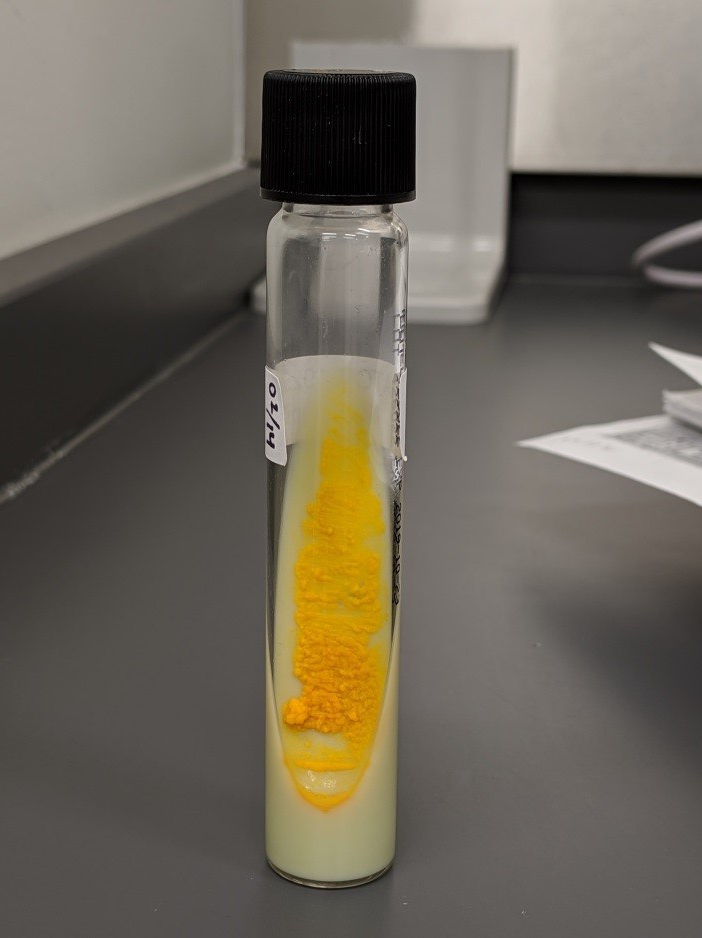
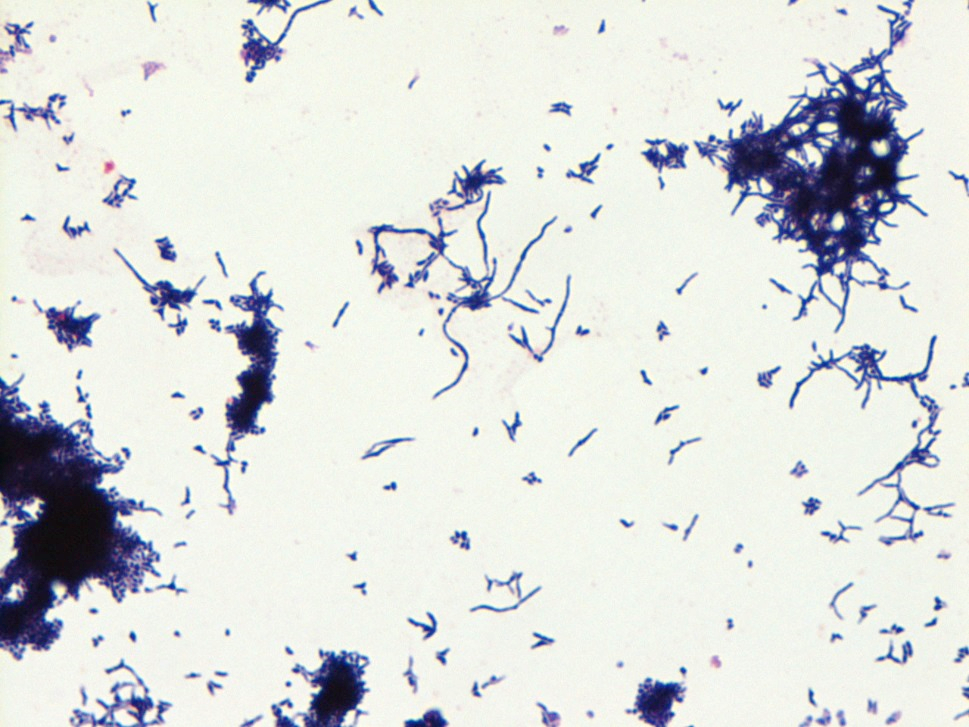
Induced sputum samples were obtained and inoculated on a 7H9 bottle that was incubated and continuously monitored for growth. Eight days later, the 7H9 bottle flagged positive for growth. A gram stain showed branching gram positive bacilli. The Kinyoun acid-fast stain was negative, but a modified Kinyoun showed rare positive staining cells. The bottle was subcultured onto chocolate agar, 7H11 agar, buffered charcoal yeast extract (BCYE) agar, and LJ slants. Two days later, all plates except the 7H11 plate showed growth of white, dry, crinkled colonies as depicted in Image 1. A gram stain of the colonies showed branching gram positive bacilli as shown in Image 2. Again, the Kinyoun stain of the colonies was negative but the modified Kinyoun again highlighted cells as seen in Image 3. A representative colony was sent for identification to Mayo laboratories a day later. MALDI-TOF performed by Mayo Laboratories revealed the bacteria to be Rothia aeria. An attempt was made to set up sensitivities but the organism was not able to grow out on the test medium.

Image 1. Isolated bacteria culture on chocolate agar.
Image 2. Gram stain, 1000x.
Image 3. Modified AFB stain, 1000x.

Discussion

Rothia aeria is a very rare pathogen with a current PubMed search yielding 20 references. It was first isolated from the MIR space station (1) and genomic sequencing was perform on the bacteria (2). It has been shown to be a normal oral flora (3), but also seems to be most associated with endocarditis. A few case reports have discussed sepsis, respiratory infections, and joint infections. Importantly, it has been documented to be confused with Nocardia species (4).

References

  1. Li, Y. et al. Rothia aeria sp. nov., Rhodococcus baikonurensis sp. nov., and Arthrobacter russicus sp. nov., isolated from air in the Russian space laboratory Mir. Int J Syst Evol Microbiol. 2004; 54(pt. 3): 827-835.
  2. Nambu, T. et al. Complete Genome Sequence of Rothia aeria Type strain JCM 11412, Isolated from Air in the Russian Space Laboratory Mir. Genome Announc. 2016 Dec 29; 4(6).
  3. von Graevenitz, A. et al. Coryneform bacteria in throat cultures of healthy individuals. J Clin Microbiol. 1998; 36: 2087-2088.
  4. Saraya, T. et al. Rothia aeria: a great mimicker of the Nocardia species. BMJ Case Rep. Published Online: November 18, 2014.

-Jeff Covington, MD, PhD is a 2nd year anatomic and clinical pathology resident at the University of Vermont Medical Center.

-Christi Wojewoda, MD, is the Director of Clinical Microbiology at the University of Vermont Medical Center and an Associate Professor at the University of Vermont.

Surgical Pathology Case Study: A 3 Year Old Male with a Suspicious Lesion on Imaging Following an Injury

Case History

The patient is a 3 year old male with no significant past medical history who presented to the ED with left lower extremity pain for 24 hours after falling while playing with family members. The patient’s mother was present at bedside providing the history, but was not present at the time of the fall. It is unclear how the patient injured his ankle, but family members noticed the child grabbing his ankle and suspected that he may have twisted it. After the fall, the patient was unable/unwilling to ambulate on the ankle. There is no history of fractures or cancer.

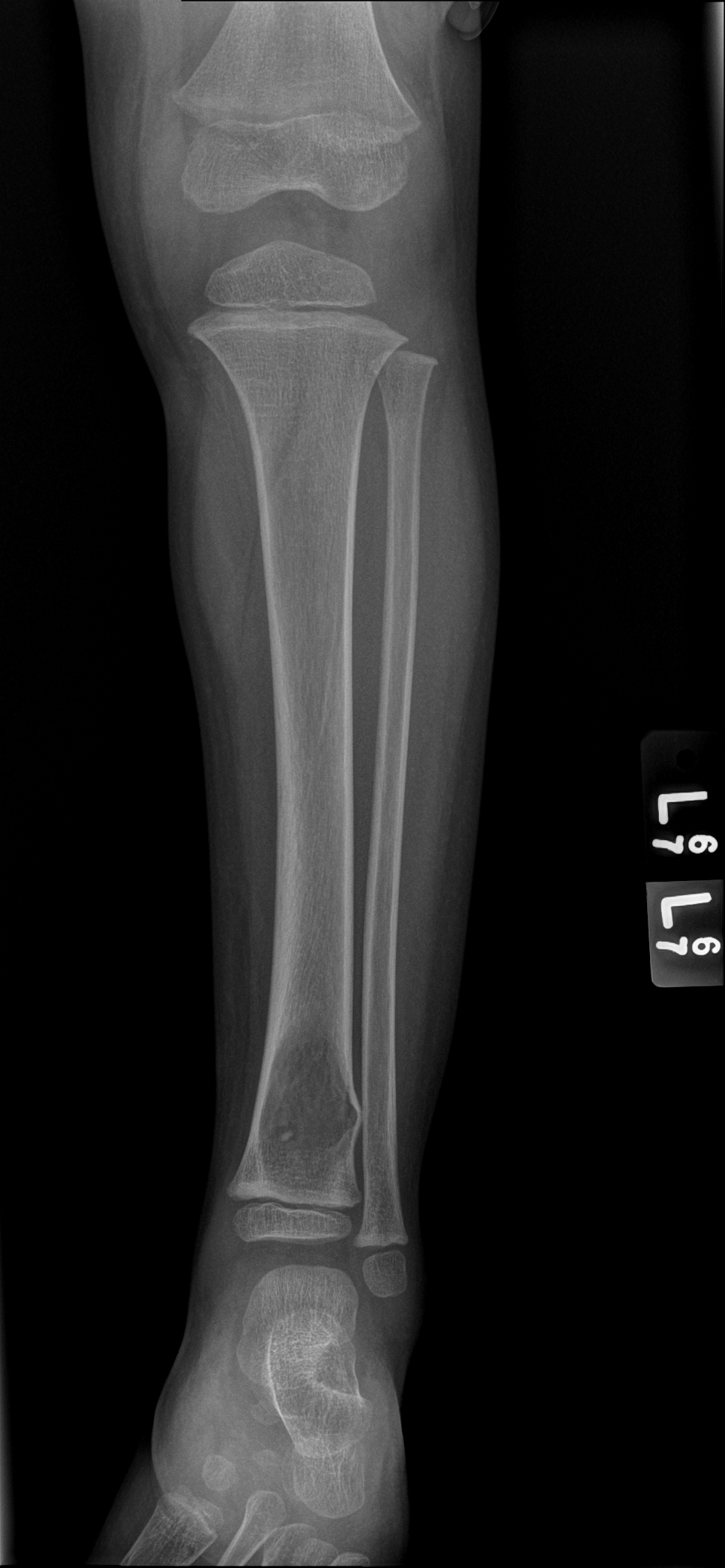
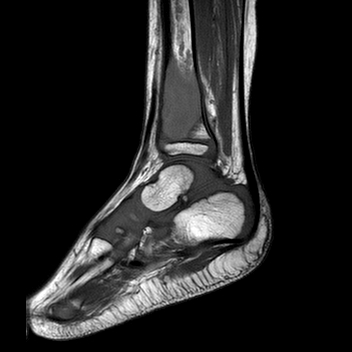
An x-ray and subsequent MRI were ordered of the ankle which demonstrated an expansile lytic lesion involving the metaphysis of the distal tibia measuring approximately 3.4 x 2.2 cm (Figure 1 and 2). The margins of this lesion are indistinct, and there is cortical irregularity at the anterior and lateral aspect of the distal metaphysis of the tibia, likely representing a pathologic fracture. The differential diagnosis includes infection, aneurysmal bone cyst, nonossifying fibroma, osteoblastoma and histiocytosis.

The patient and family then followed up with Orthopedics, who proceeded to perform a biopsy of the lytic lesion in order to determine the nature of the lesion. The results are below.

Figure 1. Xray of the distal tibia demonstrating the lesion.
Figure 2. MRI demonstrating the lytic lesion involving the metaphysis of the distal tibia.

Diagnosis

Received fresh for intraoperative consultation is a 1.1 x 0.6 x 0.5 cm aggregate of white-tan soft tissue fragments. Half of the tissue fragments are frozen and read out as “spindle cell proliferation. Consideration of low-grade vasoformative lesion. Defer to permanent,” with 3 pathologists consulting on the diagnosis. The remainder of the tissue not submitted for frozen section, as well as the entirety of a second container from the same lesion, is submitted for routine processing.

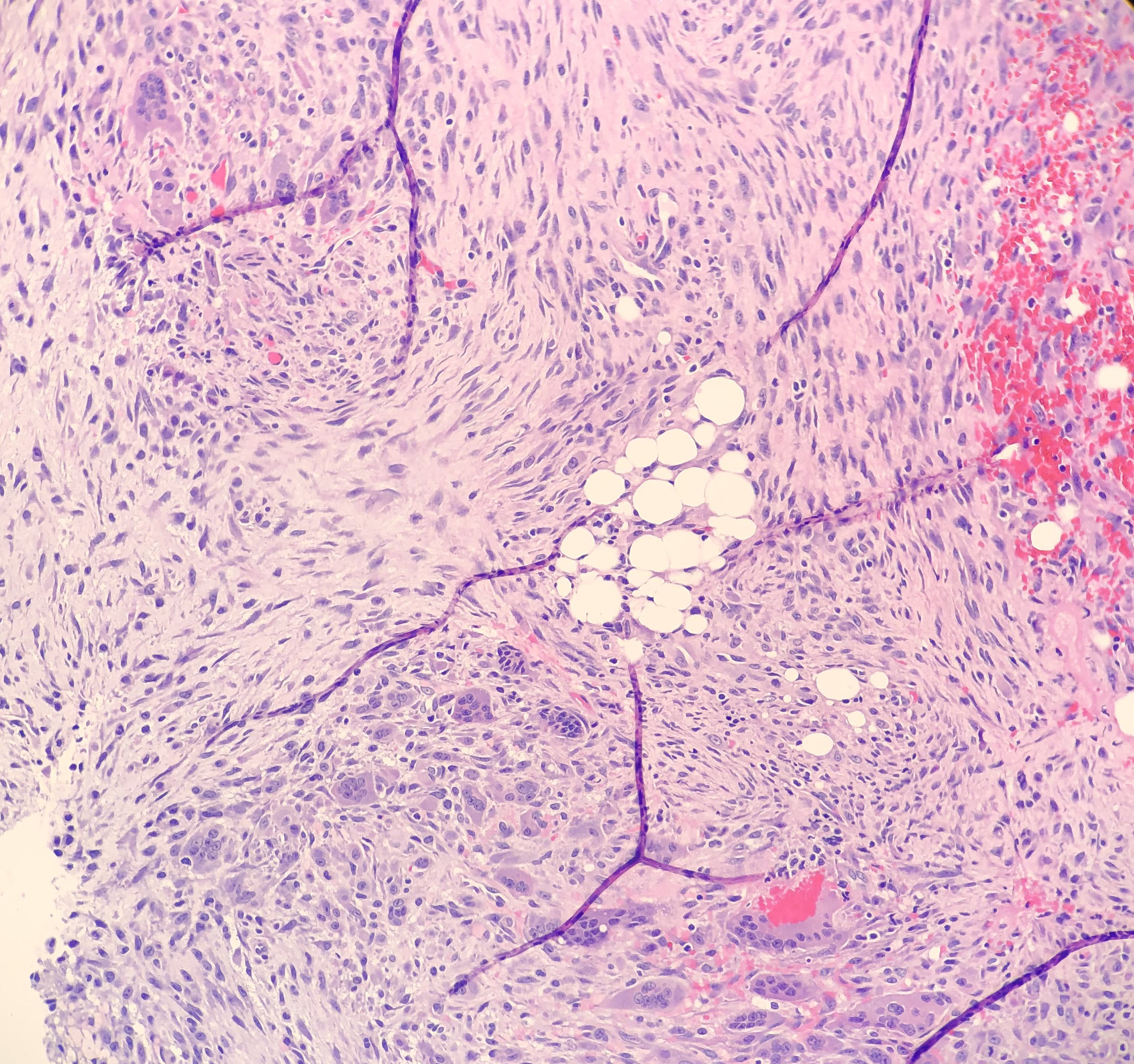
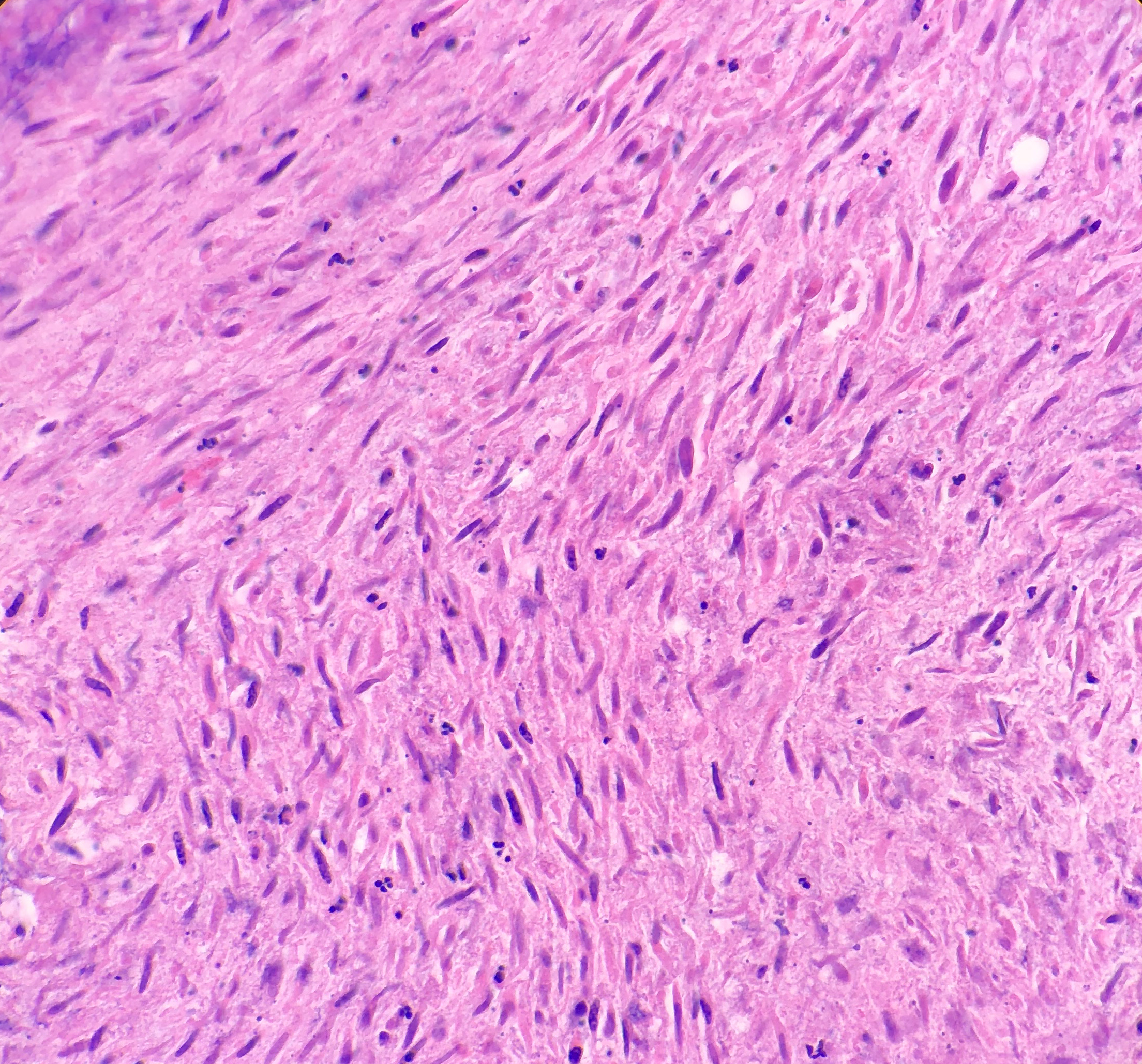
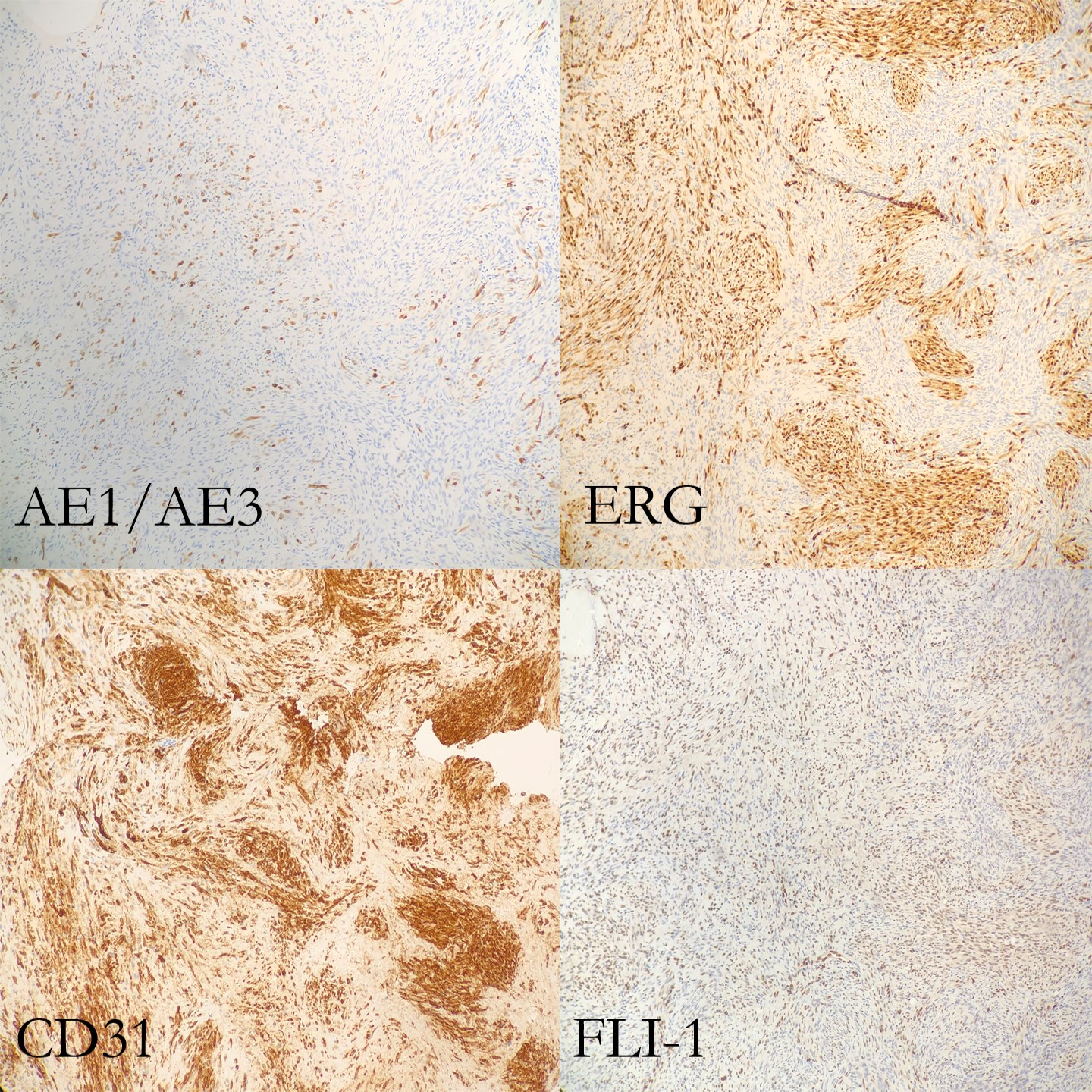
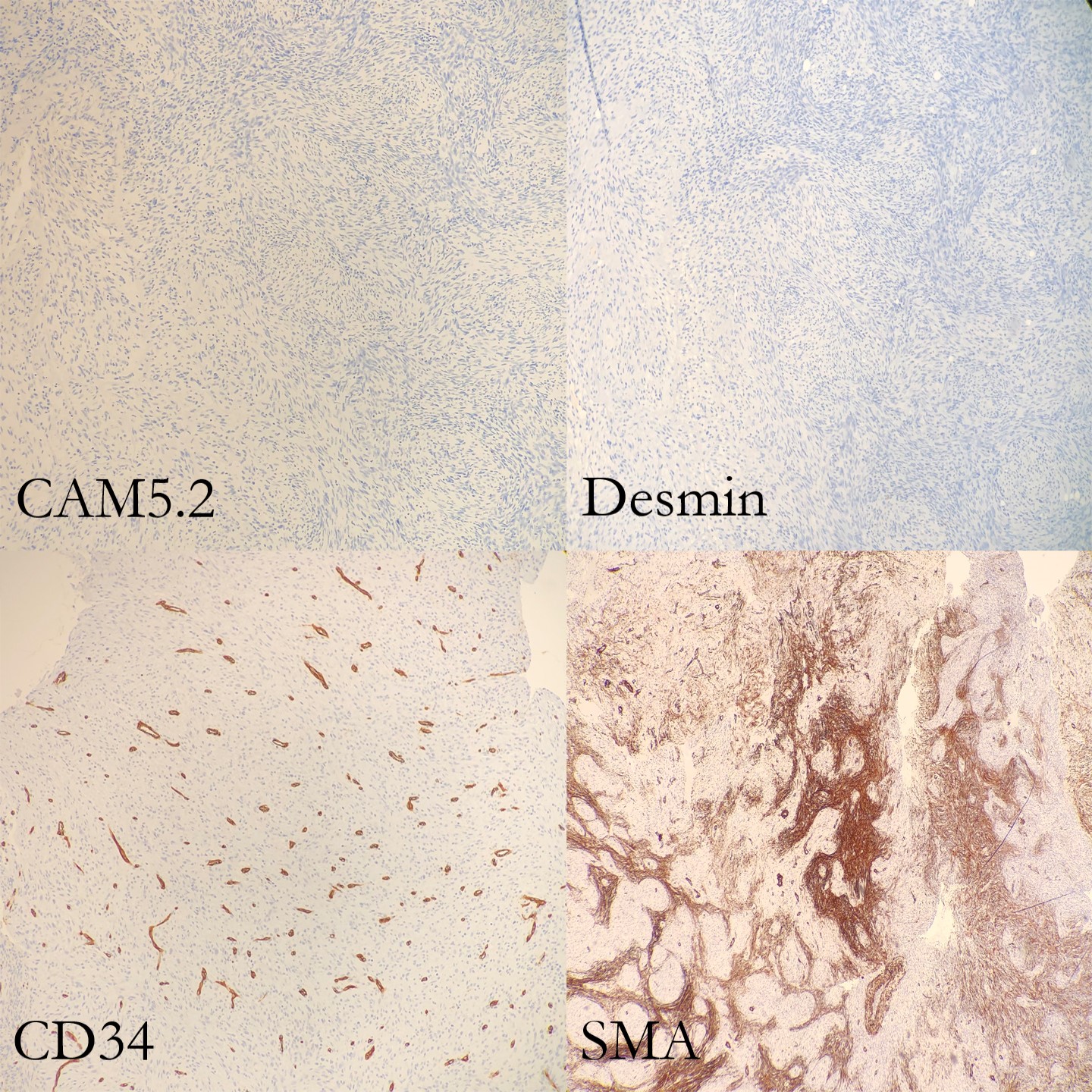
On microscopy, the biopsies demonstrate a moderately cellular proliferation of fasciculated spindle cells in a collagenous to myxoid stroma. Nuclei are predominantly oval with variably fine to granular chromatin. Many cells have moderate amounts of tapering eosinophilic cytoplasm, resembling strap cells. Inflammatory cells and osteoclast-like giant cells are admixed (Figure 3 and 4). Immunohistochemical stains demonstrate lesional spindle cells to be positive for CD31, ERG, and FLI1. AE1/AE3 and CAM5.2 highlight rare lesional spindle cells. SMA stains some stellate spindle cells, favored to represent associated myofibroblasts. Desmin, MDM2, CDK4, ALK, and S100 are negative in plump lesional cells (Figure 5 and 6). Overall, the features are consistent with pseudomyogenic hemangioendothelioma, a rare vascular tumor. Although more commonly present in soft tissue, primary bone cases have been reported. These neoplasms have some risk for local recurrence, but only rarely distant metastasis. A portion of tissue was sent to the University of Nebraska Medical Center to evaluate for a characteristic gene rearrangement (SERPINE1-FOSB) that is present in at least a subset of pseudomyogenic hemangioendotheliomas. This was negative.

The lesion was then curettaged by the surgical team.The patient and his family had two follow up office visits with the Orthopedics department. The first one, a week after surgery, was unremarkable. The second visit, two weeks after surgery, was notable for the patient developing a cutaneous rash on both arms and chest. Due to literature citing that these tumors generally arise in the soft tissue, the clinician suggested that the patient and family follow up with pediatric dermatology to ensure that this new rash is not related to the pseudomyogenic hemangioendothelioma. Unfortunately due to insurance, the patient and family had to see a dermatologist at a different institution, and no further visits have taken place.

Figure 3. Photomicrograph of the strap-like cells with tapering eosinophilic cytoplasm , and osteoclast-like giant cells.
Figure 4. Higher power photomicrograph demonstrating the appearance of the strap-like cells with tapering eosinophilic cytoplasmFigure 4.

Discussion

Pseudomyogenic hemangioendothelioma (PHE) is a rare vascular tumor that most commonly arises in the skin and soft tissues of the extremities. It is usually multifocal, appearing in multiple tissue planes, such as the mucosa, dermis, subcutis and skeletal muscle, in a variety of different anatomic sites. Although even less common, PHE can also involve bone (such as this case). PHE has a male predilection, typically appearing in the second to fourth decades of life. Of the most common symptoms that the patient presents with, pain appears to top the list, although it should be stated that only about half of the patients experience pain.

Grossly, skin and soft tissue PHE tumors appear firm, ill-defined and gray-white. When they involve bone, they appear as multiple discrete, pink-tan to dark brown hemorrhagic tumors with surrounding sclerosis, ranging from 0.1 to 6.5 cm in greatest dimension.

Histologically, PHE demonstrates plump spindle and rhabdomyoblast-like cells with densely eosinophilic cytoplasm that grows in sheets and fascicles. The cells can be mistaken as rhabdomyoblasts because of the eosinophilic cytoplasm that pushes the nucleus to the periphery of the cell. Immunohistochemical studies are very helpful in order to determine a diagnosis of PHE. AE1/AE3, ERG, FLI-1 and CD31 are positive, whereas CD34, desmin and S100 are negative. Karyotyping has revealed a fusion of genes SERPINE1-FOSB that corresponds to the recurrent translocation t(7;19)(q22;q13). In this case, the SERPINE1-FOSBgene rearrangement was negative, but could possibly be due to a variant fusion gene.

Making a histologic diagnosis can be difficult for a Pathologist, due to the wide variety of differential diagnoses that will need to be excluded first.

The differential diagnosis for a cutaneous tumor includes:

  • Cellular benign fibrous histiocytoma (lacks rhabdomyoblast-like cells and neutrophilic infiltrates, contains mitotic figures, and is negative for cytokeratin and CD31)
  • Spindle cell squamous cell carcinoma (usually in sun-damaged skin, with nuclear atypia and negative endothelial markers)
  • Epithelioid sarcoma (negative INI1, positive EMA and CD34, and a nodular architecture with central necrosis and more nuclear atypia)

The differential diagnosis for soft tissue tumors include:

  • Epithelioid sarcoma (see above)
  • Epithelioid hemangioendothelioma (usually intracytoplasmic vacuoles, positive CD34 and CAMTA1, and a t(1;3)(p36.3;q25) translocation resulting in WWTR1-CAMTA1 gene fusion)
  • Epithelioid angiosarcoma (vasoformative architecture with sheet-like pattern, nuclear atypia, high nuclear grade, frequent mitosis and irregular vascular channels)

 The differential diagnosis for bone tumors includes:

  • Epithelioid hemangioma (lacks rhabdomyoblast-like cells)
  • Giant cell tumor (lacks rhabdomyoblast-like cells and fascicles of spindle cells)
  • Osteoblastoma (lacks rhabdomyoblast-like cells and fascicles of spindle cells)

In a study by Inyang et al, when PHE involved bone, imaging would demonstrate multiple to innumerable discontinuous tumors throughout the affected bone, involving the cortex and/or medullary cavity of the epiphysis, metaphysis, or diaphysis. On x-ray and computed tomography, the lesions appeared as well circumscribed, lobulated and lytic, with a sclerotic rim on some of the lesions. On magnetic resonance imaging, T1-weighted images would appear dark, and T2-weighted images would appear hyperintense.

PHE has a tendency to recur locally, but rarely develops distant metastases. Since PHE presents as a multifocal disease and can be easily confused for a distant metastasis, care needs to be taken to ensure that a diagnosis of PHE is not overlooked.

Surgical ablation and excision is the standard treatment for a patient with PHE, with a few cases noted of patients being treated with radiotherapy and/or adjuvant chemotherapy, in addition to surgery. Everolimus and sirolimus have recently been found to be effective in cases of patient with PHE that had metastatic and relapsing multifocal PHE.

Figure 5. Immunohistochemical stains (part 1 of 2)
Figure 6. Immunohistochemical stains (part 2 of 2)

References

  1. Hornick JL, Fletcher CDM. “Pseudomyogenic Hemangioendothelioma: A Distinctive, Often Multicentric Tumor With Indolent Behavior.” Am J Surg Pathol. 2011; 35: 190201.
  2. Inyang A, et al. “Primary Pseudomyogenic Hemangioendothelioma of Bone.” Am J Surg Pathol. 2016; 40: 587598.
  3. Pradhan D. “Pseudomyogenic hemangioendothelioma of skin, bone and soft tissue; a clinicopathological, immunohistochemical, and fluorescence in situ hybridization study.” Hum Pathol. 2018; 71: 126134.
  4. Sugita S, Hirano H, Kikuchi N, et al. Diagnostic utility of FOSB immunohistochemistry in pseudomyogenic hemangioendothelioma and its histological mimics. Diagn Pathol. 2016;11(1):75. Published 2016 Aug 11. doi:10.1186/s13000-016-0530-2

-Cory Nash is a board certified Pathologists’ Assistant, specializing in surgical and gross pathology. He currently works as a Pathologists’ Assistant at the University of Chicago Medical Center. His job involves the macroscopic examination, dissection and tissue submission of surgical specimens, ranging from biopsies to multi-organ resections. Cory has a special interest in head and neck pathology, as well as bone and soft tissue pathology. Cory can be followed on twitter at @iplaywithorgans.

Regulating Your Lab Medical Waste

In general, there are two reasons employees in the laboratory should care about proper waste disposal. Improper disposal is expensive. Laboratorians like raises, bonuses, and updated equipment, but there is less money for those things when paper items are tossed into sharps containers or when used gloves go into red bag trash containers. Labs in many states also risk large fines if items with biohazard symbols are disposed of into regular trash containers. The other reason to care about trash disposal involves the environment. Regulated Medical Waste (red bag trash and sharps) has to be treated, and some of it is incinerated while some ends up in special biohazard landfills. Both of those are things we want less of in our environment.

As a lab safety professional, you may know of several other reasons to implement and maintain proper lab waste segregation, but in my years of safety training, money and the environment are the two that tend to hit home with staff. There are multiple waste streams generated in the lab setting, and while management in some departments may choose to offer only biohazard waste receptacles for everything, the safety savvy professional knows this is wasteful and perhaps a bit lazy. With proper education and training, laboratorians are capable of goo trash segregation that meets the regulations and meets best practice standards.

Appropriate trash segregation in the lab requires knowledge about what waste goes into what type of container, and it requires availability and proper placement of those containers. If a processing department only uses red bag trash cans, for example, then much of the non-hazardous waste will end up there. Assess the laboratory areas for proper placement of all necessary types of waste receptacles.   

In one lab, it was discovered that staff was throwing out urine containers with embedded needles into red bag trash containers. Why? There simply were no sharps containers in the area. It was a simple fix to move containers nearby, but no one was paying attention, and there could have been an unnecessary needle stick exposure. In another lab staff emptied urine sample cups into the sink and tossed them into regular trash bins. From a waste standpoint, that was fine, but because there was patient information on the container labels, HIPAA violations occurred.

Many venipuncture sample tubes used today are plastic, and they cannot be broken to create sharp edges. Given that, those items could be disposed of into biohazard trash bags. That can save a lab some money by reducing the volume of sharps containers used (they are more expensive to handle). However, glass specimen tubes are still available for purchase. Be sure to check for these in your racks before throwing out all lab tubes into a plastic bag. A broken tube can cause a very unfortunate exposure event.

Place patient information and extra labels into bins for shredding if available. Teach staff that in most cases it is acceptable to place used disposable lab coats and gloves into regular trash receptacles provided they are not visibly bloody. Other items can go into the regular waste stream such as plastic transfer pipettes, gauze pads, and paper towels (again, provided there is no blood visible on them).

If items can be broken to create a sharp edge, they should be disposed of into a sharps container. That includes specimen cups made of hard plastic, sharp pipette tips, and any glass item. Agar plates and wooden applicator sticks should also go into a sharps container. Remember, if the item breaks while a trash bag is handled, an employee may become exposed, and the incident would need to be treated as an unknown source exposure, something that should always be avoided.

Make sure staff know the proper disposal of chemical waste as well. Never pour chemical waste down the drain unless your facility has a permit to do so. Place chemical waste containers in appropriate locations and label them according to EPA regulations. Provide proper training for employees who sign waste manifests when hazardous waste is hauled away from the lab. If you take the easy route and combine all of your laboratory waste, you would be responsible for both increased departmental expenses and for unnecessarily adding bio-waste to the environment. Talk regularly to your group of trained lab scientists about proper waste segregation, use signage as reminders, and assess their lab waste knowledge regularly. Proper waste management takes work. Mistakes can be made easily, and some of them can cause injury and invoke heavy fines. Invest in a robust laboratory waste management program to avoid those issues and to create a safety savvy example for others.

Dan Scungio, MT(ASCP), SLS, CQA (ASQ) has over 25 years experience as a certified medical technologist. Today he is the Laboratory Safety Officer for Sentara Healthcare, a system of seven hospitals and over 20 laboratories and draw sites in the Tidewater area of Virginia. He is also known as Dan the Lab Safety Man, a lab safety consultant, educator, and trainer.

Hormone Blockers = Blood Letting for Female Athlete with high T?

Caster Semenya celebrates as she wins gold in the women’s 800 meters in the Commonwealth Games on April 13, 2018, on Australia’s Gold Coast (1). Jason O’Brien/Getty Images

I will continue this month along the thread of last month’s post, which addressed the controversy surrounding South African female mid-distance runner Caster Semenya. Caster has won many international mid-distance races (400-800m), but she has been suspected of naturally producing higher levels of testosterone.

Since last month, I’ve learned the reason for the higher testosterone is uncertain: it could be due to natural production (hyperandrogenism) or rumors of her being intersex1. Regardless, what I will discuss here is how the proposed actions of the International Olympic Committee would be expected to affect Semenya’s performance. Specifically, how would lowering testosterone levels affect her athletic performance?

Last month, we saw that muscle mass might be expected to decrease, but this may not affect athletic performance significantly.

Another important effect of testosterone is on red blood cell levels including hemoglobin, which by carrying oxygen to muscle is a central part of calculating VO2max. VO2max is maximal oxygen consumption. This is strongly linked to performance in cardiovascular athletic events.

Mid-distance running requires a large cardiovascular capacity. Maybe not the same level of Tour-de-France long distance bikers in the Alps, but still substantial. As a runner that feels pretty proud at having run a sub-3 minute 800m, I can say Caster’s feat of running it in less than 2 minutes is incomprehensible. From the burning feeling in my lungs and thudding, maximum heart rate at the end of the half-mile, I can attest that this event requires substantial cardiovascular efficiency.

Maximal oxygen consumption (VO2max) by exercising skeletal muscle is principally limited most by cardiac output and oxygen-carrying hemoglobin levels. This has been shown quite convincingly in a series of experiments in the 1950’s-70’s2,3 that probably wouldn’t be approved by the IRBs of today charged to protect research subject rights.

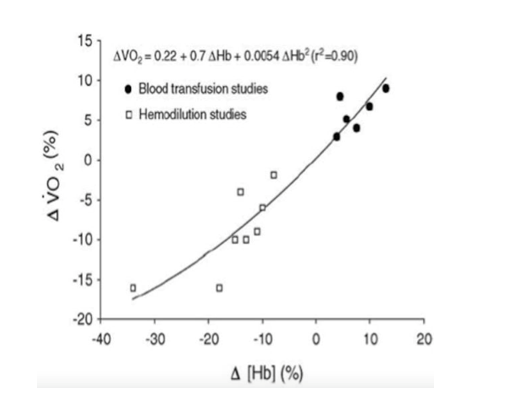
First, transfusing blood increased hemoglobin concentration and similarly the VO2max and exercise endurance of participants.  (This practice was exploited most notably later on in the Tour de France).  In other studies3, blood was removed from participants before assessing their exercise tolerance (10% loss of hemoglobin à 13% reduction in VO2max). Another study removed 400mL, 800mL and 1,200mL over several days, which decreased hemoglobin by 10%, 15%, and 18% respectively. There was a concomitant decrease in endurance time (-13%, -21%, -30%) and VO2max as well (-6%, -10%, -16%)3.  A summary of blood transfusion and hemodilution studies is shown in Figure 1 from Otto JM et al4.

Figure 1. Reproduced from Otto JM et al (4)

In transgender women (gender incongruent with sex assigned male at birth), hormone therapy to increase estrogen levels (oral estradiol) and block testosterone (anti-androgen: spironolactone) reduces hemoglobin by 9% on average (from 15.2 g/dL to 13.9 g/dL)5. I would expect a smaller decrease for Semenya as she will likely not get a full dose hormone regimen used for transgender transition and because her testosterone levels wouldn’t be as high as biologic males’.  However, she would still be expected to have lower hemoglobin- similar to donating a half or whole unit of blood. If hemoglobin decreased even just 5%, that could affect her performance substantially when the difference between competitors boils down to seconds in mid-distance races.

Arguably, forced blood donation could produce the same effects as testosterone-lowering therapy. But it would be far too dramatic to suggest something like bloodletting by the International Olympic Committee.

In the end, I don’t feel qualified to say what should be done in this case. All I can say is that I don’t think lowering Caster Semanya’s testosterone levels will have the intended effect of decreasing muscle mass. On the other hand, it would decrease hemoglobin levels tempering her performance. But who should determine the point where her hormone levels should be? There is such a strong biologic connection between hormone levels and physiology that manipulating them for athletic fairness could be akin to playing puppeteer.

References

  1. North, Anna. ““I am a woman and I am fast”: what Caster Semenya’s story says about gender and race in sports” Vox. May 3, 2019
  2. BALKE B, GRILLO GP, KONECCI EB, LUFT UC. Work capacity after blood donation. J Appl Physiol. 1954 Nov; 7(3):231-8.
  3. Ekblom B, Goldbarg AN, Gullbring B. Response to exercise after blood loss and reinfusion. J Appl Physiol. 1972 Aug; 33(2):175-80.
  4. Otto JM, Montgomery HE, Richards T. Haemoglobin concentration and mass as determinants of exercise performance and of surgical outcome. Extrem Physiol Med. 2013; 2: 33.
  5. SoRelle JA, Jiao R, Gao E et al. Impact of Hormone Therapy on Laboratory Values in Transgender Patients. Clin Chem. 2019; 65(1): 170-179.

-Jeff SoRelle, MD is a Molecular Genetic Pathology fellow at the University of Texas Southwestern Medical Center in Dallas, TX. His clinical research interests include understanding how the lab intersects with transgender healthcare and advancing quality in molecular diagnostics.

Microbiology Case Study: A 75 Year Old Female with Breast Erythema and Drainage

Clinical History

A 75 year old female with a past medical history of breast cancer presented to the Emergency Department with chills 3 weeks status-post bilateral breast reconstruction due to ruptured silicone breast implants. Her white blood cell count was 13,440/cmm and her temperature was 39.4ºC. Physical examination revealed erythema of the right breast incision and purulent drainage from the Jackson-Pratt (JP) drain. Two blood cultures were drawn and a specimen was collected from the JP drain fluid and sent for gram smear and culture.

Laboratory Findings

Blood cultures were negative for growth. Gram stain of the drain fluid was significant for many polymophonuclear neutrophils, however no bacteria were seen. Aerobic cultures grew gram positive cocci. Matrix assisted laser desorption ionization-time of flight mass spectrometry (MALDI-TOF) analysis identified Streptococcus gordonii. The patient was started on doxycycline and amoxicillin-clavulanate. Antibiotic susceptibility testing subsequently showed susceptibility to ceftriaxone and penicillin.

Image 1. Blood agar showing alpha-hemolytic colonies.
Image 2. Gram stain from media showing gram positive cocci.

Discussion

Streptococcus gordonii is a gram positive, non-motile, facultative anaerobic cocci that is part of the Streptococcus sanguinis group of viridans group streptococci (VGS). It is a common oral bacteria that has been implicated in invasive infections such as endocarditis and septic arthritis. It is less frequently a cause of soft-tissue infections such as orbital cellulitis, osteomyelitis, and subcutaneous abscesses. There are case reports of joint prosthesis infections, however breast implant infections have not been reported. Breast implant infections are most commonly caused by Staphylococcus aureus, Pseudomonas aeruginosa, and Staphylococcus epidermidis. There are reports of different VGS species causing breast implant infections. As the bacteria primarily resides in the mouth, infections are usually caused by oral trauma. Although symptoms may often be minor, in cases caused by VGS, systemic symptoms can occur including a toxic shock-like syndrome. In these cases there is a case fatality rate as high as 80%. S. gordonii has been reported as susceptible to clindamycin, ceftriaxone, erythromycin, and levofloxacin. Prompt treatment is important to prevent progression to systemic illness and mortality.

References

  1. Seng P, Bayle, S, Alliez, A, et al. The microbial epidemiology of breast implant infections in a regional referral centre for plastic and reconstructive surgery in the south of France. Int J Infect Dis. June 2015;35:62-66.
  2. Fenelon C, Galbraith JG, Dalton DM, Masterson E. Streptococcus gordonii—a rare cause of prosthetic joint infection in a total hip replacement. J Surg Case Rep. 2017 Jan;1:235.
  3. Liao CY, Su KJ, Lin CH, et al. Planta purpura as the initial presentation of viridans streptococcal shock syndrome secondary to Streptococcus gordonii bacteremia. Can J Infect Dis Med Microbiol. 2016:946385.
  4. Dadon Z, Cohen A, Szterenlicht YM, et al. Spondylodiskitis and endocarditis due to Streptococcus gordonii. Ann Clin Microbiol Antimicrob. 2017:16:68.
  5. Krantz AM, Ratnaraj F, Velagapudi M et al. Streptococcus gordonii empyema: a case report and review of empyema. Cureus. 2017 Apr;9(4):e1159.

-Jonathan Wilcock, MD is a 1st year anatomic and clinical pathology resident at the University of Vermont Medical Center.

-Christi Wojewoda, MD, is the Director of Clinical Microbiology at the University of Vermont Medical Center and an Associate Professor at the University of Vermont.