COVID19 and the Lessons We Learned from Prior Pandemics

With recent criticisms in the media, both foreign and domestic, on the United States’ response to COVID19 as well as accusations and summary conclusions that the United States is not a global health power house nor is it as prepared to handle COVID19 as nations around the world that are plagued by infectious challenges daily, it is important to revisit history of recent pandemics and the prior US responses to them to put the current interpretations of “failing” into perspective.

In 2003, the SARS epidemic began in China with the first possible case documented in November 2002. At the time, US relations with China were such that CDC field offices and CDC field officers, including permanent deploys and temporary lead deploys from central CDC in Atlanta, GA, were available to assist the Chinese healthcare system and government with the response to SARS. Through this effort, statements from CDC field directors such as, “This town is going to have a spike and we need 300 more beds,” was answered by the Chinese with a new hospital being built with 300 beds in less than 3 days. Such transparency, collaboration, and communication were possible at the time but relationships have diminished in recent years. During the SARS outbreak, there were 8,098 patients infected (known by positive testing) and 774 deaths (9.5%) which affected 26 countries including the US; however, the US only had 8 to 27 cases (depending on source) and no deaths. Although the first cases traced back to late 2002, the disease was not sequenced and declared until April 2003, but testing was available shortly thereafter. Control measures locally and globally with some help from testing stifled the pandemic in a matter of weeks and the threat was near zero by the end of 2003. No resurgence has occurred. From this outbreak, the US and the world learned how to deal with novel coronaviruses and how to coordinate and collaborate for future potential outbreaks. Such lessons include the need for transparent communication and direct in country collaboration, rapid move to testing distribution, and high-level knowledge of pandemics and who nations should respond.

In 2009, the H1N1 pandemic began. The CDC activated its emergency system within 7 days of the first case, the US and the WHO declared the pandemic within 9 days of the first case, and testing was available within 14 days of the first case. The US had 60.8 million cases (confirmed positive tests) with 274,000 hospitalizations (0.5%) and 12,469 deaths (4.5% of hospitalizations, 0.02% of cases). The incidence from the disease was due to the rapid respiratory spread very similar to routine influenza but on top of a system (including hospital processes and national approaches to testing with integrated public health laboratory systems) that was prepared and able to nimbly adapt. In this case the rapid advent of testing was crucial to controlling case, getting patients on treatment, and tracking the disease. H1N1 was then subsequently included in the annual influenza vaccines.

From 2012-2014, the MERS-CoV virus, originating from and primarily endemic in the Arabian Peninsula, was a challenge for global heatlh because of the high mortality rate (30 to 40%) and the very efficient spread of the virus. All cases arising outside of the Arabian Peninsula were traced to travelers from that region. The first known cases were in April 2012 with the first recognition of the virus causing the disease in September 2012. The CDC developed a test for MERS in 2012 and subsequently an EUA from FDA was granted on June 5, 2013. The first positive cases of MERS in the US occurred in May 2014, almost 1 year after testing had been available. To date, only 2 confirmed cases of MERS have been diagnosed in the US which were traveling healthcare workers who had treated patients in Saudi Arabia.

The Ebola epidemic in West Africa from 2014-2016 had a total global case count of 27,000+ with 11,000+ deaths (46% mortality). However, in the US only 4 patients were ever diagnosed with EBOLA and 11 patients were treated for EBOLA with only 2 total deaths (18% mortality). Why was the case count so low for the US and why was the mortality nearly a 1/3rd of the overall epidemic? Immediate response from the US government to control incoming patients (the only transmission inside the US was from patients who were travelers to healthcare workers) and availability of testing prior to the outbreak (with the CDC). Nigeria was able to diagnose the first case in Lagos (a traveler from Liberia) because a scientist in Nigeria had developed a rapid EBOLA PCR six months before the outbreak occurred. Nigeria only had 8 deaths from 20 confirmed infections (40% mortality). Why did Nigeria get ahead of the game? Immediate response from government and availability of testing. The unfortunate results in Liberia, Sierra Leone, and Guinea were less about lack of response and lack of testing and mostly due to poor infrastructure for health.

The current pandemic of COVID19 started on November 17th (earliest confirmed case in China) and was a reported disease cluster from China to WHO by December 31st, 2019. The first case in the US was documented to have occurred on January 19, 2020. The FDA, in response to information from central administration and pressure from multiple entities, allowed testing for COVID19 through Emergency Use Authorization (EUA) on February 28, 2020 (more than one month after the first US case). As of April 28, 2020, the US has had 1,026,771 confirmed cases (positive testing) and 58,269 deaths (5.7% mortality) affecting all 50 states in the setting of an unprepared system (i.e., insufficient testing, insufficient pandemic planning at the national level, insufficient in country data from source countries). Data has shown in the laboratory that the SARS-CoV-2 virus shares 74 to 90% genetic homology with the original SARS virus but has a 10-fold increased affinity for binding which suggests that its natural biological virulence could be 10x that of SARS. If proper systems, testing, and planning had been in place, we can conservatively estimate that there would currently be 102,667 confirmed cases in the US and 5,827 deaths. These excess cases and excess death are, therefore, a direct result of the lack of systems, testing, and planning (52,442 excess deaths of US citizens).

There are conspiracy theorists that argue SARS-CoV-2 was created or modified from a different virus by human manipulation with a most recent endorsement of HIV Nobel Prize Laureate Luc Montagnier—statements that were almost immediately refuted by other prominent scientists. If there was a credible threat from SARS-CoV-2 when the sequence was released, that would have been an even more convincing argument that preparation was needed. But the threat of SARS-CoV-2 from just the observed medical cases and initial reports should have warranted a brisk and complete response from leadership. That such responses were delayed because of a multitude of failed responses (pandemic planning, testing, situational awareness, field deployments, etc.) can be argued from now until the next pandemic occurs. But our collective prior experience with pandemics (4 of them in 2 decades) provided plenty of evidence and case-studies for how we should have responded.

ASCP along with other organizations reached out to our membership and the community for support of a call for a National Testing Strategy resulting in tens of thousands of letters to elected representatives and a subsequent plan for a National Testing Strategy released by the US government. The CARES Act released this week includes billions for testing.

These efforts are for our membership who are the medical laboratory professionals working 12 hours shifts to provide the testing needed by their patient populations.

These efforts are for our pathologist members who are informing and controlling hospital and government responses around testing through their rapid decisions and their expertise.

These efforts are for our pathologist’s assistance at all levels who keep anatomic pathology running with our pathology trainees despite massive volume challenges.

These efforts are for our PhD members whose expertise in science, design, and evidence acquisition is rapidly leading to new testing and eventually new vaccines.

These efforts are, most importantly, for our patients, the center of all that we do, to ensure that they have access to testing and the peace of mind they need to move forward from this pandemic.

References

  1. https://www.webmd.com/lung/news/20030411/sars-timeline-of-outbreak#1
  2. https://www.ncbi.nlm.nih.gov/pmc/articles/PMC1904415/
  3. https://en.wikipedia.org/wiki/2002%E2%80%932004_SARS_outbreak
  4. https://www.fda.gov/media/72313/download
  5. https://www.who.int/csr/sars/testing2003_04_18/en/
  6. https://www.cdc.gov/about/history/sars/timeline.htm
  7. https://www.cdc.gov/flu/pandemic-resources/2009-pandemic-timeline.html
  8. https://www.cdc.gov/flu/pandemic-resources/2009-h1n1-pandemic.html
  9. https://www.cdc.gov/coronavirus/mers/about/index.html
  10. https://www.cdc.gov/about/ebola/timeline.html
  11. https://en.wikipedia.org/wiki/Western_African_Ebola_virus_epidemic
  12. https://www.scmp.com/news/china/society/article/3074991/coronavirus-chinas-first-confirmed-covid-19-case-traced-back
  13. https://www.who.int/news-room/detail/27-04-2020-who-timeline—covid-19 https://www.nature.com/articles/s41467-020-15562-9
  14. https://www.worldometers.info/coronavirus/country/us/
  15. https://www.nejm.org/doi/full/10.1056/NEJMoa2001191
  16. https://en.wikipedia.org/wiki/COVID-19_testing
  17. http://www.xinhuanet.com/english/2020-04/21/c_138995464.htm

milner-small

-Dan Milner, MD, MSc, spent 10 years at Harvard where he taught pathology, microbiology, and infectious disease. He began working in Africa in 1997 as a medical student and has built an international reputation as an expert in cerebral malaria. In his current role as Chief Medical officer of ASCP, he leads all PEPFAR activities as well as the Partners for Cancer Diagnosis and Treatment in Africa Initiative.
Microbiology Case Study: A 53 Year Old Man with an Aortic Valve Mass

Case History

The patient is a 53 year old male with a past medical history of chronic obstructive pulmonary disease, who presented to the emergency department with one day of right calf pain, worse with weight-bearing, with radiating paresthesias, and a pale, cold right foot. He also endorsed a history of intermittent fatigue and knee pain. The patient works on farm and has an 82 pack year smoking history. He was diagnosed with a right popliteal artery occlusion and started on IV heparin. A transthoracic echocardiogram revealed an aortic valve mass.

Five days after admission he underwent a thromboembolectomy of the occluded vessel. A further six days later he underwent a procedure to excise the aortic valve mass, but ended up having an aortic valve replacement. Cardiothoracic surgery described a friable mass with a large base, consistent with a vegetation that might be seen in infective endocarditis, and sent the mass for surgical pathology and aerobic and anaerobic cultures. He was started on empiric vancomycin by infectious disease.

The patient denied recent fevers, chills, sweats, weight loss or changes in appetite, cough, chest pain, abdominal pain, nausea, vomiting, diarrhea, constipation, painful urination, rash, or unusual bone or joint pain. Doxycycline and rifampin were added for further coverage.

Laboratory Identification

Blood cultures drawn on admission showed no growth at 5 days. Initial gram stain of tissue from the mass showed many gram positive beaded rods. Anaerobic cultures of this tissue grew a single colony of Micrococcus and a single colony of a gram positive bacilli, which also grew aerobically and was identified by Mayo as Corynebacterium spp., not jeikeium. Serology for Bartonella was negative. Q fever serology showed elevated titers of phase I Ab IgG only.

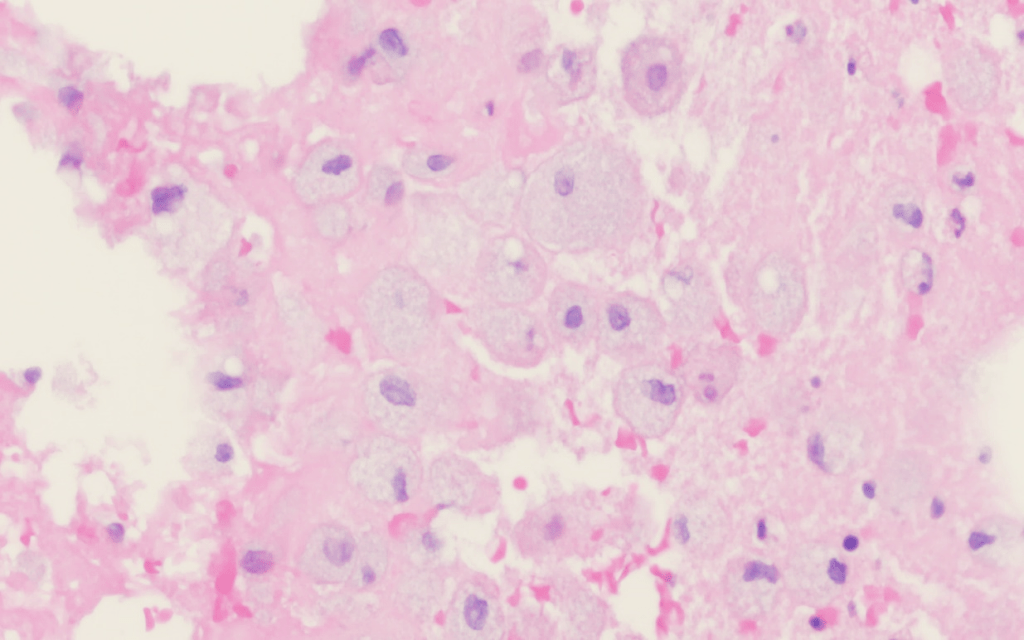
Surgical pathology of the aortic valve mass is shown below:

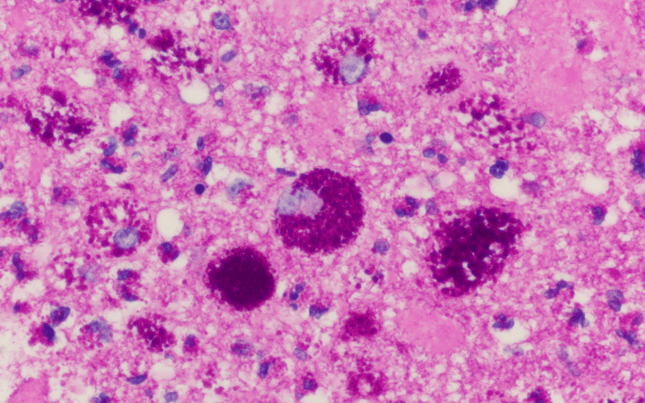
Image 1. H&E stain of the removed aortic valve, demonstrating foamy macrophages. Not shown are abundant necrotic debris and dystrophic calcifications. Photo taken by Jessica Crothers, MD.
Image 2. Periodic Acid-Schiff (PAS) stain of the area depicted in Figure 2. The foamy macrophages are diffusely PAS positive. Photo taken by Jessica Crothers, MD.

GMS, B&B, AFB, and Fite staining were negative for definitive organisms.

A second set of blood cultures showed no growth and 5 days, and AFB cultures were negative, and second Q fever serology showed a decrease in the titer of phase I Ab IgG.

A PCR of residual heart valve tissue identified Tropheryma whipplei.

Discussion

The diagnosis of Tropheryma whipplei is made by T whipplei PCR, PAS stain, or T whipplei immunohistochemical staining.1 As these are all non-routine tests for a microbiology work-up, the diagnosis depends on high clinical suspicion.

Most often seen in the gut, T whipplei infection classically manifests as arthralgias, abdominal pain, weight loss, and diarrhea.2 However, it is also a rare source of culture-negative endocarditis, as seen in the case above.

The organism is a gram positive bacillus that is common in the environment and found in the saliva of up to 35% of healthy hosts.3 Furthermore, IgG antibodies to T whipplei have been detected in the blood of up to 70% of healthy individuals.4 Microscopically, there is minimal inflammatory response to this organism. Because of this and the classic symptoms, the characteristic foamy macrophages were initially thought to be indicative of a metabolic disorder.5 Once discovered and studied, it was found to most commonly affect males of European descent, which with the minimal inflammatory response to the organism led to the postulation that this population may have a heritable immunodeficiency.6 Others have suggested that the organism itself may have a role in down-regulating the immune response.7 A variety of immunologic disturbances have been associated with the disease, including down-regulation/absence of MHC II molecules and general dysfunction of monocytes/macrophages.1,7,8

Treatment varies by extent of disease, but it generally includes ceftriaxone or penicillin G followed by an extended course of TMP-SMX.1

In the case of our patient, he demonstrated symptomatic improvement after aortic valve repair followed by four weeks of ceftriaxone, with a plan to transition to TMP-SMX for one year.

References

  1. Apstein, MD, and T Schneider. “Whipple’s Disease.” UpToDate, Wolters Kluwer, 28 June 2019. Accessed 23 March 2020: https://www.uptodate.com/contents/whipples-disease?search=whipples%20disease%20children&source=search_result&selectedTitle=4~70&usage_type=default&display_rank=4#H703772001
  2. Durand DV, Lecomte C, Cathébras P. “Whipple disease. Clinical review of 52 cases.” Medicine (Baltimore). 1997;76(3):170.
  3. Street S, Donoghue HD, Neild GH. “Tropheryma whippelii DNA in saliva of healthy people.” Lancet. 1999;354(9185):1178.
  4. Raoult D, Birg ML, La Scola B, et al. “Cultivation of the bacillus of Whipple’s disease.” N Engl J Med. 2000;342(9):620.
  5. Whipple GH. “A hitherto undescribed disease characterized anatomically by deposits of fat and fatty acids in the intestinal and mesenteric lymphatic tissues.” Bull. Johns Hopkins Hosp. 1907; 18:382–391.
  6. Fenollar F, Puéchal X, Raoult D. “Whipple’s Disease.” N Engl J Med. 2007;356(1):55.
  7. Ectors NL, Geboes KJ, De Vos RM, et al. “Whipple’s disease: a histological, immunocytochemical, and electron microscopic study of the small intestinal epithelium.” J Pathol. 1994;172(1):73.
  8. Moos V, Schmidt C, Geelhaar A, et al. “Impaired immune functions of monocytes and macrophages in Whipple’s disease.” Gastroenterology. 2010;138(1):210. 

-Frederick Eyerer, MD is a 2nd year anatomic and clinical pathology resident at the University of Vermont Medical Center.

-Thomas Koster, DO is a 1st year anatomic and clinical pathology resident at the University of Vermont Medical Center.

-Christi Wojewoda, MD, is the Director of Clinical Microbiology at the University of Vermont Medical Center and an Associate Professor at the University of Vermont.

Patient Advocacy: A Laboratory Professional at the Bedside

Before I became an MLS Program Director, I worked for nearly 20 years in Hematology. I was particularly interested in Coagulation and was excited to work as the Coordinator of the Special Hematology lab, overseeing coagulation and special RBC testing. Our Pathology Department offered a consultation service for these cases and I was included along with a team of pathologists, residents, fellows, and clinicians that worked with patients and their families to diagnose patients and manage their treatment plans.

One of my most memorable moments was when we had a patient with a previously diagnosed platelet disorder who became pregnant and sought advice regarding the delivery of her child. Her doctors worked with our pathologists to weigh the risk of bleeding complications associated with different modes of delivery, while also considering the welfare of the child who may have inherited the platelet disorder. It was decided that they would take a non-surgical approach to minimize risk for the mother, but would monitor the baby closely. That’s where I came in!  I was asked to be on call for the child’s delivery in order to be available to collect samples to monitor the baby’s progress and perform the necessary testing to inform her doctor’s decisions. At the time, on-call meant carrying a pager. When my pager went off, I met the obstetrical team at the hospital and accompanied them into the delivery suite. Labor progressed as expected and when the baby’s head was visible, I assisted the doctor in collecting a tiny amount of blood from the baby’s head, enough to look quickly under a microscope to determine if the baby’s platelets showed any similarity to the mom’s. I was delighted to say that the platelets appeared normal in number and size, minimizing the bleeding risk for the baby. The patient continued to deliver a healthy baby girl without complications.

Once the delivery was complete, I was able to collect enough blood from the placenta to perform definitive testing to rule out any evidence of the platelet disorder in the baby. This was an opportune time as the testing required a large volume which would have been difficult to collect from an infant. Once again, the testing ruled out any evidence of the bleeding disorder in the baby. Mom not only had a beautiful baby, but enjoyed the peace of mind associated with the results of her laboratory testing. As was often the case with our patients, we would see them from time to time in the management of their bleeding disorder. It was always a joy to see our patient visit with her daughter.

-Susan Graham, MS, MT(ASCP)SHCM is the Chair and MLS Program Director in the Department of Clinical Laboratory Science at SUNY Upstate Medical University. Ms. Graham is a current volunteer for ASCP, serving on the BOC Board of Governors, the Hematology and Joint Generalist Exam Committees and the Patient Champions Board. 

Love in the Time of COVID-19

Hi everybody—welcome back!

Although you better not have gone too far since last time, self-isolation and social distancing are still critical for us to get through this. Wash those hands, and dust off books and board games. #StrongerTogether (apart), am I right?

Yes, it’s going to be another piece on the current pandemic. It probably will continue to be so until conditions change. So, as your contributor to virology and testing these last two months, I’d like to take a minute to “zoom out” a bit and look at this pandemic in a different way.

It’s highlighting lots of things in healthcare from supply chain, to political regulatory red tape, to the mechanism of deliverables in the United States. And despite the title, I have no romantic epilogues about anything happening in Columbia at the turn of the 20th century. However, very much like the original book’s protagonist, I’d say there are a lot of us in Pathology and Laboratory Medicine alike who are champions of the scientific cause for advancement, education, and positive outcomes. And what better, more fitting of a time to celebrate this cause, than Laboratory Professionals Week 2020!

*** Never forget how vital you all are at every level. Technicians, technologists, medical laboratory scientists, administrators, directors, managers, residents, fellows, faculty, and staff all fit together in a magnificent (but often too unseen) tapestry that makes every patients’ tests results mean something so much more than numbers on a printed report. You’re all lab heroes, we’re all lab heroes. Go make sure you thank some of them this week (or anytime) and a heartfelt thank you to all of you from me as well! ***

In the mere month since I last wrote a piece for Lablogatory, so much has changed with the pandemic as well as my role in local and academic public health efforts. To name a few, I trained with the New York City Medical Reserve Corps as a public health educator early during the pandemic, I was invited to give a lecture on SARS-CoV-2 and COVID-19 testing considerations for lab professionals by the excellent pathologists who run the PathCast series, and I just recently finished a two-day series with an organization called Proceed who are sponsored by the National Center for Training, Support, and Technical Assistance (NCTSTA)—a CDC grant-funded education web series. I’ll mention a little bit about all these things (and of course link you to the material) and talk about how it all fits into what has quickly become a complicated social pandemic response.

NYC-MRC

Almost as soon as I set up shop to start my medical school clerkships and clinical training in New York City, I joined the New York City Medical Reserve Corps—a collection of volunteer healthcare first responders in the event that the city at large ever needed to mobilize every available healthcare personnel during a disaster or health emergency. *Spoilers: turn on the news* At the same time I was prepping some pre-clinical research in infectious disease healthcare and contributing to ASCP’s Choosing Wisely initiatives addressing Hepatitis C testing in vulnerable communities with some of the nation’s highest rates of infection (read the flashback primers I wrote here and here), I was attending NYC-MRC seminars and becoming a nationally certified disaster responder. There have been drills, seminars, and lectures since joining in 2018 but nothing to really contribute to while I moved through clinicals. Welp, clinicals ended, I had a few weeks off for residency interviews, then Kung Pow! Enter the defining viral pandemic of 2020! Smooth sailing lectures became phone network scrambles to see if I obtained my medical license yet since New York’s hospitals were slammed! The last meeting I remember going to was a training on disseminating appropriate information to various levels of practice/professions. I didn’t know it yet, but this became paramount knowledge for me.

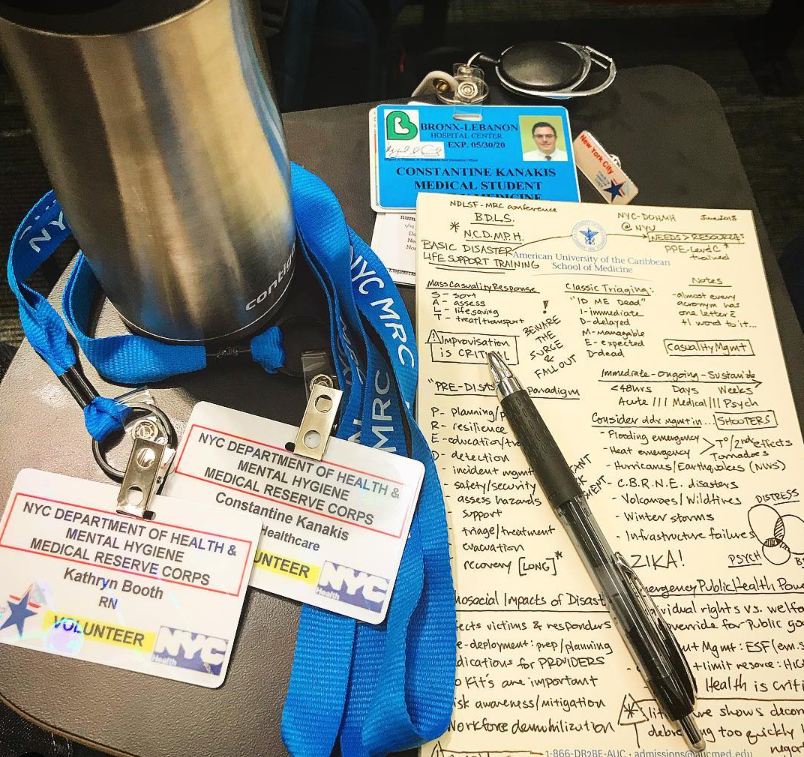
Image 1. Throw back from my Instagram (@CEKanakisMD) and one of my first sessions on training to become a disaster responder for the NYC-MRC.
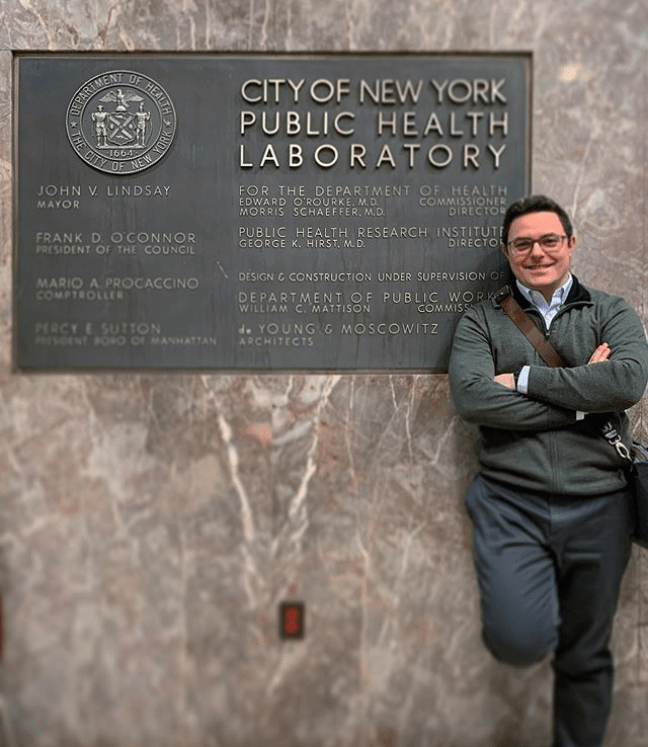
Image 2. The last meeting I attended, and probably the last meeting I’ll have attended while living in Manhattan. Learning some tools, tips, and tricks on effective communication during uncertain times proved invaluable for what was to come. (also from my Instagram @CEKanakisMD)

What Information Matters Most?

So what exactly did I learn? Essentially, it’s nothing groundbreaking or new, but the way you address certain topics matters more than you might realize. I once found myself in a room of mixed level healthcare providers, homeless shelter staff, local public health officials, hospital nurses, and lay people—that’s a broad range of knowledge and practice exposure. If you talk about upregulated ACE-2 receptor expression in intra-viral inflammatory response before full blown ARDS and DAD visible in lung biopsies you’ve lost half the crowd; and if you talk about epidemiology basics like reproductive number (R0), first cases found (FFX), and trace tracking, your provider audience is suddenly looking at their phones. But almost none of them know enough about laboratory testing, regulations, or quality assurance measures—so that became my target, and my bridge to connect everyone. I began collaborating with a friend and colleague Dr. Emeka Ajufo, who matched into his top-choice pain management and rehabilitation (PM&R) residency, and started creating content that connected topics like wellness, one health, and prevention while at the same time understanding deliverables and quality behind lab testing.

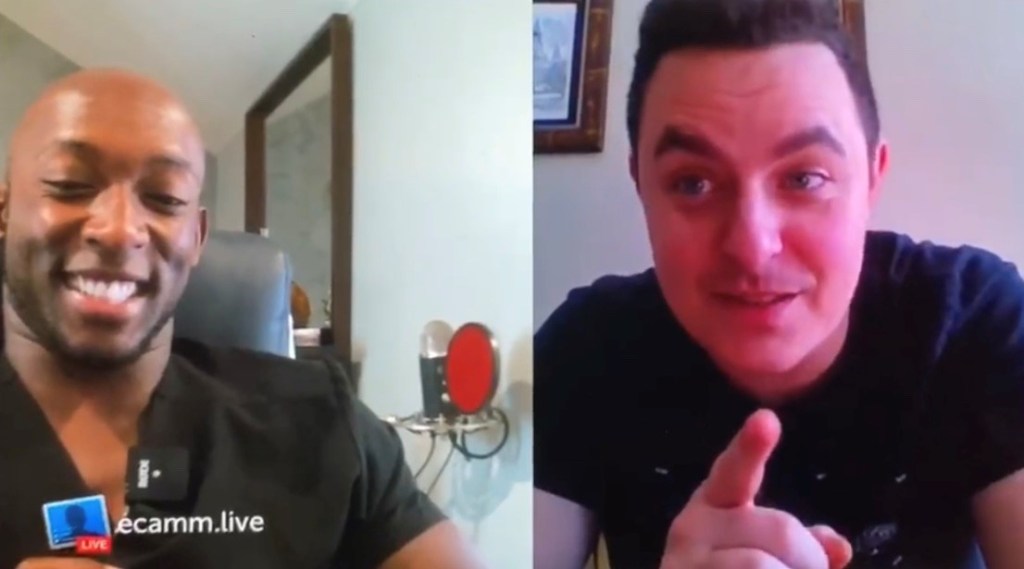
Image 3. We’re still in editing and sound production, but we’ve worked together before on podcasts and other content I’ve featured in previous blog posts, like this one! Check out more of Dr. Ajufo’s PM&R work here. (We may or may not be discussing the finer points of adequate nasopharyngeal swab technique here…)

PathCast

So this partnership content got noticed on Twitter (@CEKanakisMD) by the folks that run the PathCast simulcast series on Facebook and YouTube. Dr. Rifat Mannan (@mannanrifat03 on Twitter) from the University of Pennsylvania Hospital and Dr. Emilio Madrigal (@EMadrigalDO on Twitter) from Massachusetts General Hospital have been hosting and promoting a mountain of impressive faculty lectures for all kinds of topics in pathology since 2016. They host them live for viewing across an international audience, take questions, and save each video for future viewers. Their wide and comprehensive hour-a-piece lecture series is enjoyed my many and offers a free, no-hassle viewing experience. I was honored enough to be considered to give a talk on their channel, and after discussing more details with them, it appeared that there was a unique opportunity for some high-value topical information on laboratory and quality testing during this COVID-19 pandemic. If you haven’t heard of this series, you’re missing out. Please go like and subscribe to both their Facebook and YouTube platforms ASAP—you won’t be disappointed!

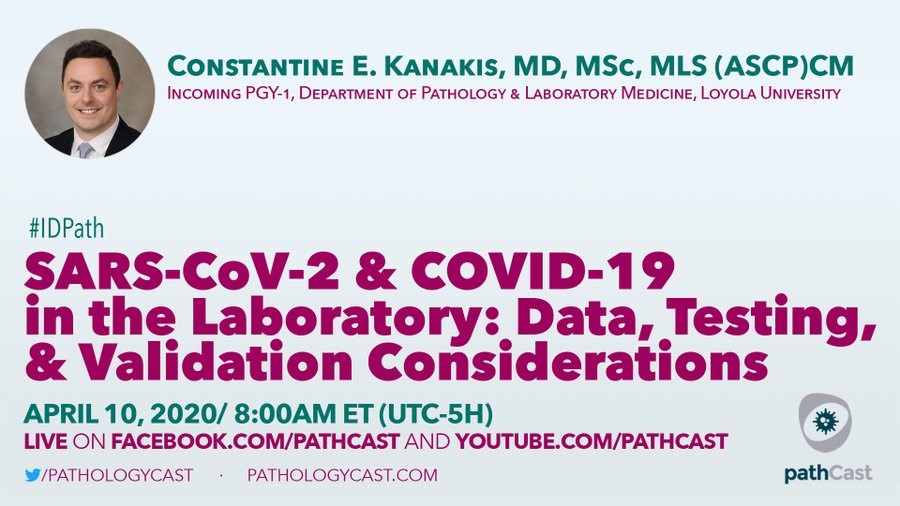
Image 4. Here’s the title card for my lecture on SARS-CoV-2 and COVID-19 testing considerations for laboratorians. It aired on Friday, April 10th at 8:00 ET and I’m proud to say that it received almost 20,000 individual views from just under 100 countries around the globe. Talk about global pandemic attention and response timing! Got an hour? Check it out here.

What’s a Good Test in a Pandemic?

Excellent question! You’ve probably already heard me talk about this before… This specific question came from discussions on social media with friend, colleague, and fellow ASCP Social Media Committee member Dr. Rodney Rhode (@RodneyRohde on Twitter). If I make it sound like I’ve been busy these last months, Dr. Rhode operates at another level: he’s publishing articles on the pandemic, running laboratory operations, is a research dean and department chair at Texas State, and is disseminating clinical information faster than I could even process it—he’s one of many pathology rockstars in our field! When we spoke before the PathCast series, we talked a bit about the problems in FDA fast-track clearance of all these new tests that would barely make the cut during non-pandemic “peace time.” The Emergency Use Authorization program allows the FDA to push forth tests available for commercial distribution with around 30 or so specimen validations that often don’t break the 60-70% sensitivity/specificity ceiling—yeah, I know. But it’s the best we’ve got and hospitals all over the country are working as hard as they can to bolster their validation studies with more specimens, better controls, modified protocols, and enhanced LDTs (laboratory developed tests) just to meet demand.

Image 5a. Here’s an updated slide from the PathCast talk. The current situation report: 43 commercially available kits, pumped out daily like an overworked approval factory, some are better than others. We’re focused more on molecular/PCR/NAAT for now for its clinical and diagnostic utility. Antibodies will become useful when we discuss “post peak curve” solutions like tracking, vaccines, and therapies like convalescent plasma. What makes a good test in a pandemic? Good laboratory practices.
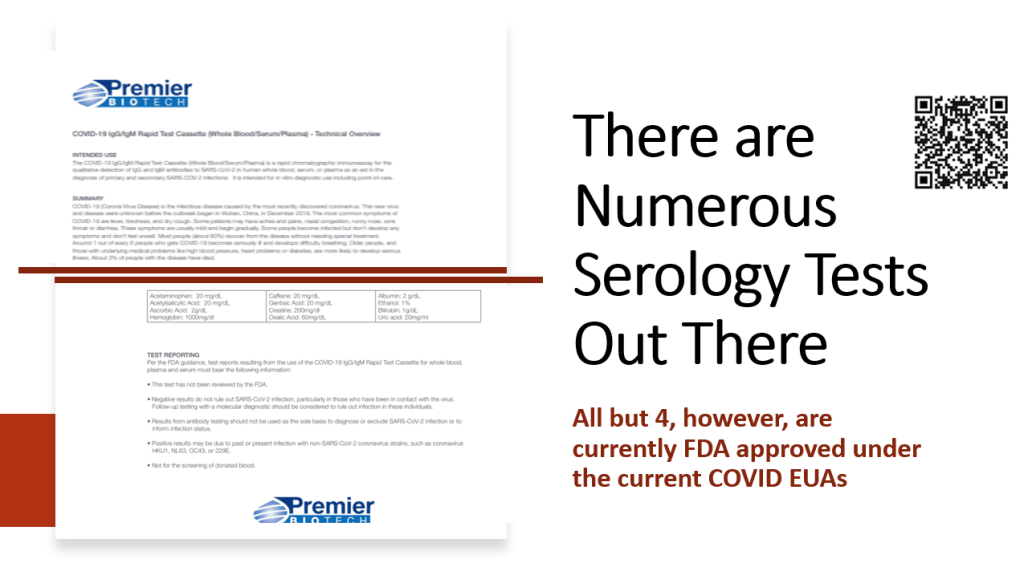
Image 5b. This is the rapid serology kit that is commercially available but not FDA reviewed, at all. Courtesy of Kelly Swails. I’m not here to name or shame, but this is just one of hundreds of these tests out there. And it’s a definite challenge when those of us in Laboratory Medicine are not part of the process. So caveat emptor/buyer beware—don’t let your lab’s precious time or resources go into snake oils.

There are not enough tests, but there are also too many tests. Just before that PathCast lecture went live, I got an email from our awesome Lablogatory manager and editor, Kelly Swails (@kellyswails on Twitter) about some generic antibody testing kit that people were going nuts over. The problem was on page 6 of the manufacturers’ insert: “this test has not been reviewed or cleared by the FDA.” Well, there’s a problem—and they’re a dime a dozen. Since then, friends, colleagues, and all kinds of inquiries have come my way to ask, “is this a good test?” as people find kits available for purchase… it’s been a mess to say the least. But we laboratorians know: one of our core principles isn’t to let quantity overrule quality, especially when it comes to patient testing. That’s a non-starter.

NCTSTA

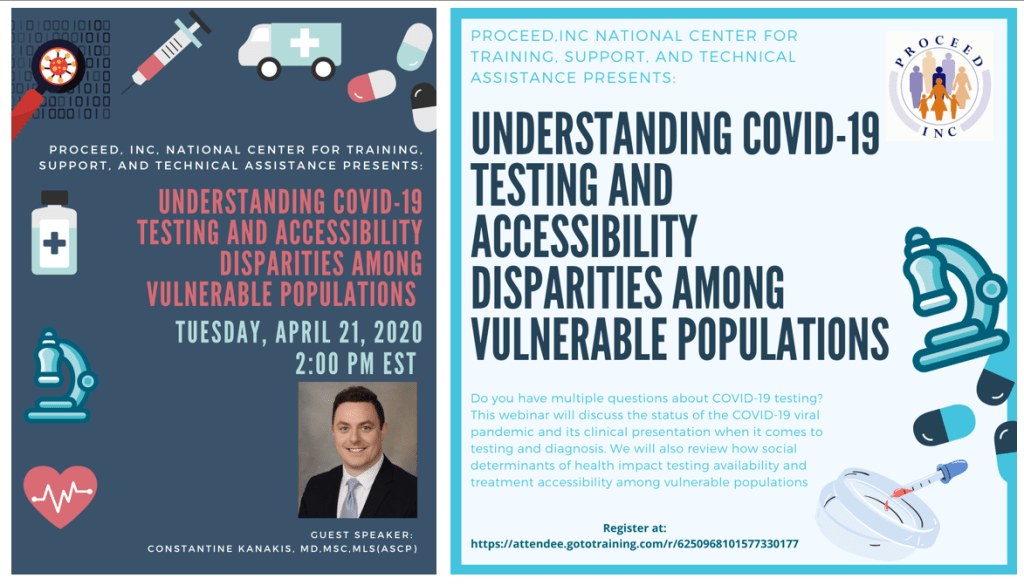
Shortly after the PathCast buzz started to settle, one of my MLS grad school classmates who now works with a local public health education and training organization in New Jersey, reached out to see if I could expand the discussion on testing to include problems with access and issues with vulnerable populations. Check and check. Go back and look at some of my posts on Zika and arbovirus work in the Caribbean and you just know I was excited to help! Proceed, Inc. has been a supportive community leader in addressing health and accessibility concerns in their local region and reaching out to form partnerships under the banner of the National Center for Training, Support, and Technical Assistance program (supported by the Centers for Disease Control and Prevention (CDC), Office of Minority Health (OMH), Administration for Children & Families (ACF), and other local entities.)

Image 6. Title card and promotional material for the Proceed/NCTSTA webinar on April 21st, at 2:00p ET with question and answer session and a following day’s meeting called “coffee house chat” where informal discussion and questions were directed at me regarding the topics discussed. It was a fantastic dual session, something I would promote and do again in the future. Unlike the previous hour lecture aimed exclusively at a pathology audience, these attendees came from mixed roles from frontline healthcare workers to government officials in public health and were located all over the US! Here’s the link to the recorded webinar, check it out here.

Who’s Vulnerable?

If you watch the news it’s individuals over 65 years of age and/or anyone with a significant related underlying condition: asthma, COPD, hypertension, etc. And, while that’s true, that’s just the tip of the vulnerability iceberg. Let’s remind ourselves for a minute about the inward and outward concepts of “social determinants of health.” When we want to label a population as vulnerable, or better put, increasingly susceptible to the negative effects of their living conditions in the setting of health care access, we have to think about all the things that contribute to a person’s health: their relationships, their stable/unstable living conditions, level of education, their income/expense ratio, possible language barriers, race/creed/color, disability, addiction, those experiencing homelessness, and concerns for their individual safety to name just a few! Inwardly, should we choose to engage these vulnerable communities we must do so with proper inclusion and a foundation of trust, communication, clarity of purpose, partnership, support, and—arguably most importantly—cultural humility. I also offered the attendees two resources as handouts which are available to you if you attend the recorded webinar as well: one COVID-19 safety factsheet directly from the CDC, and an adaptation of social determinants inventory I designed when my arbovirus team worked on Zika education in Sint Maarten. In truth, we’re all vulnerable in different ways, but when we work together to address gaps in delivery and access we end up #StrongerTogether—and that’s something our laboratory community knows a thing or two about!

Image 7a. Some selected slides from the Proceed/NCTSTA webinar on testing and vulnerability. (51) addresses that “tip of the vulnerability iceberg” that goes beyond physical susceptibility to viral infection, (52) clearly demonstrates that the number of confirmed cases in the 5 boroughs of New York City—the hardest hit location in the United States right now—correlates not only to income/expense ratios, but also people of color, and especially those individuals who can’t leave their work because of the “essential” nature of the service industry. (53) This tense situation between paycheck-to-paycheck workers and depending on employment for insurance is point proven if you look at unemployment claims going back to the 60’s! Notice the dramatic spike of 3.3 million claims this year because of the pandemic! That’s more than any oil embargo, dot-com burst, housing bubble, or recession we’ve ever seen! Finally, in (54) I introduce what I think is a “new” type of vulnerable population: individuals who don’t “buy-in” to the science and medical literacy of the current situation. That’s a whole other blog post folks…
Image 7b. Here it is, my COVID-19 Assessment and Preparedness Inventory Toolkit which incorporates data from FEMA, the CDC, the WHO, previous literature on inciting behavioral changes, and evidence-based best practices for addressing the most vulnerable populations.

The Tipping Point

The $64,000 two-part question: are things getting better or worse, and when will things go back to normal? My 64¢ answer: we don’t really know yet because there’s not enough active current data. The best estimates have case-peaks in places like Manhattan reaching a sort-of plateau as non-emergent hospitalizations, intubations, and COVID-19 cases slow down—but don’t mistake that for a full-on stop. Social distancing and quarantine initiatives in places like New York, Chicago, and other cities are the most effective NPI (non-pharmaceutical intervention) we’ve got. And that’s saying a lot. We have data that suggests previous pandemics had second waves as soldiers came back from war during the 1918 Flu pandemic in the states, so we’ve got to be careful and mindful of what we’re up against. But it’s getting easier and easier to become listless and bored of Netflix and stress-baking. People are getting legitimate cabin fever, although I’d rather we all had that than another, more topical viral illness these days. We’ve got a ways to go with all our frontline work, our NPI distancing, and stratified testing/tracking measures and we have to keep at it, otherwise we’ll undo all the progress we’ve made. And, that “new” vulnerable population, with motivations most certainly rooted in fear and stress, demanding to “reopen” the country since COVID is, after all, a hoax: don’t underestimate their power to tip the scales and send us back. The marriage of policy and politics is a patchy one at best, but efforts from professional advocacy societies like the ASCP are making strides, pushing both at the local and federal levels to demand active and appropriate responses to address proper COVID testing. But things don’t have to be so contentious.

Image 8. “Operation Gridlock”: re-open protestors in Denver, CO come face-to-face with frontline workers like this nurse in the middle of this tenuous mass protest and battle between politics and science. Scenes like this are happening all over the country like in Ohio, Michigan, and more. (Image: NBC news)
Image 9. ASCP has been the definitive forefront in leading the national charge to address our federal response to proper testing guidelines, strategy, and support. Read more about it here.

Fear and Loathing vs. Love in the Time of COVID?

So where does this leave us now? You’ve listened to my litany of testing complexities and considerations for preserving quality of healthcare delivery to all types of patients and you know where I stand on having a passion for preserving the importance and integrity of our professional role as leaders in this field. Do we give in to frustration or keep fighting this pandemic in more, creative ways? The answer, to me, is obvious. We move forward, as always. But most especially, this lab week should be something different because it not only highlights our work as traditionally “behind the scene,” but underscores our critical importance to the delicate house of cards balanced between clinical healthcare, decision making, public health, and public opinion. It’s not only our job to make sure the tests are good (even during pandemics) but that we represent a consistent and reliable message of evidence-based truth for patients and clinicians to rely on—like we always do.

Happy Lab Week 2020. Stay safe, wash your hands, and remember social distancing doesn’t just mean staying at home. It also means integrating compassion into a new routine, and caring for neighbors, colleagues, and friends in new profound ways.

See you all next time!

Image 10. Lab week 2020, ASCP’s Fellowship of the Lab, One Team to Diagnose Them All


-Constantine E. Kanakis MD, MSc, MLS (ASCP)CM is a new first year resident physician in the Pathology and Laboratory Medicine Department at Loyola University Medical Center in Chicago with interests in hematopathology, transfusion medicine, bioethics, public health, and graphic medicine. His posts focus on the broader issues important to the practice of clinical laboratory medicine and their applications to global/public health, outreach/education, and advancing medical science. He is actively involved in public health and education, advocating for visibility and advancement of pathology and lab medicine. Watch his TEDx talk entitled “Unrecognizable Medicine” and follow him on Twitter @CEKanakisMD.

Introduction to Short Tandem Repeat

Hello again!

I hope everyone is staying safe and healthy during these unfortunate times. My last post was in relation to being a new MLS grad and beginning my career as a molecular technologist at Northwestern University’s Transplant Lab. Time definitely flies by!

Today I’m going to provide a basic introduction on an assay I’ve recently been trained on called Short Tandem Repeat (STR). If you were to take a glance at your genome, it would be littered with many repeating sequences. While there are many different classifications of repeating sequences, STRs are a type of tandem repeating sequence where each repeat is approximately 2 to 7 nucleotides in length.1,2,3 STR is well-known in forensic science to help identify a suspect at a crime scene when different sources of DNA are present. Yet, its applications are many – from cell line confirmation, paternal testing, and all the way to chimerism analysis!4

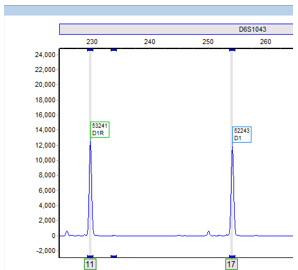
Image 1. Electropherogram depicting two different alleles (11 and 17) within 1 locus (D6S1043). Allele 11 has 11 repeats and allele 17 has 17 repeats.

STRs are polymorphic, one useful characteristic among many, which make its utilization in identifying the source of DNA particularly advantageous. An STR allele is defined by the number of times the repeating sequence, defined above, repeats. (Image 1).1 Individuals are either heterozygous or homozygous at each locus. As the number of STR loci being evaluated increases, the statistical power of discrimination increases and the likelihood of another individual having the same profile becomes increasingly unlikely and detecting small differences increases.3,4 In our lab, we evaluate a total of 21 different loci!

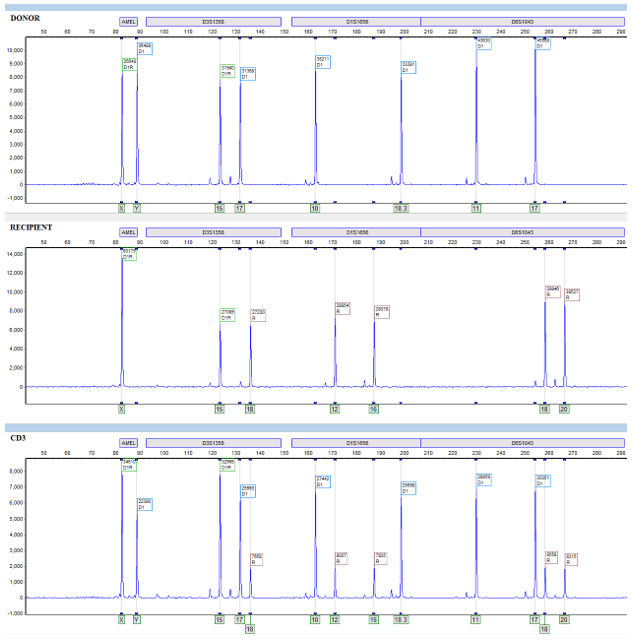
Additionally, in our HLA lab we utilize STR to monitor chimerism status in patients who have undergone an allogeneic stem cell transplant. Before their transplant, patients are matched to a donor through their HLA system (different from STR). Once an HLA match is confirmed, we utilize the patient’s pre-transplant and the donor’s sample to generate STR informative alleles. Informative alleles are alleles that are present only in the recipient and not the donor. These alleles are important because stem cell transplants replace the recipient’s marrow and the detection of recipient DNA in post-transplant samples is crucial to identifying rejection or relapse of their disease. Additionally, loci that contain informative alleles are defined as informative loci, these are the loci then used to identify the percentage chimerism (Image 2).

Image 2. Donor and recipient (pre-transplant) are represented in the first two electropherograms. The green “D1R” tags represent shared alleles, the blue “D1” tags represent donor specific alleles, and the brown “R” tags represent recipient specific alleles. In the first locus, AMEL, there are no informative alleles and therefore it is not an informative locus. In the next locus, D3S1358, there is one shared allele, 15, one donor allele, 17, and one recipient informative allele, 18. Informative loci have recipient informative alleles and can detect the presence of recipient DNA in a sample – in this case all of the following loci after AMEL are informative loci. CD3 (post-transplant) is represented on the third electropherogram. In this example, it is clear that the patient is having some sort of graft failure or reoccurrence of their disease because their own cells, instead of just the donor, are present.

When recipient cells begin to re-emerge, we can detect the relative allele peaks and assign them to the recipient or donor by referring to the informative alleles. Allele peaks are then utilized through equations in our software that measure the area under these defined peaks and then compute a donor percentage chimerism. Once that informative report is created, we can compare any proceeding post-transplant sample to determine the patient’s chimerism status (Image 2).

Interesting enough, we don’t simply isolate the DNA from the post-sample buffy like we would with other samples. Rather, we separate each post sample into a total of three sub-samples. The first is simply the patient’s peripheral blood – nothing fancy. The other two are isolated from the rest of the peripheral blood that was not used into two separate cell lineages – lymphocytes (CD3+) and myelocytes (CD33+). This process is extremely labor-intensive, being able to process a set of up to 8-12 patients at a time and each set taking up to 4-5 hours.

The process begins by aliquoting peripheral blood for DNA isolation (sample 1) and taking the remainder and layering it over a lymphocyte separation medium (LSM). Then harvesting the lymphocyte/white cell layer from the spun down LSM. We then go on to add CD3 and CD33 antibody selection cocktails and magnetic beads. Then, we do a series of washes with magnets and eventually end up with our purified CD3 and CD33 cell populations. Their purity is determined through flow cytometry, an important component to confirm that our leukocyte subsets aren’t contaminated with other leukocyte populations – as contamination would defeat the purpose of analyzing different lineages.

Finally, we take the isolated DNA from the three sub-samples and amplify it with specific primers and fluorescent tags through PCR. Then the samples are loaded onto a capillary electrophoresis instrument. This instrument will detect each fragment length, defined by the primers and the repeats within, and be able to identify these fragments through size, fluorescent tags, lasers, and detectors. The instrument will then generate data that we can take to our analyzing platform, which is ChimerMarker. Through this we can analyze the data and generate our clinical reports.

Though extremely time intensive, lineage-specific chimerism is critical in stem cell transplant because it is more informative and sensitive than total leukocyte analysis – being several magnitudes more sensitive than analyzing just peripheral blood alone. It permits early detection of small chimeric cell populations that otherwise may go undetected, as one subset in the peripheral blood may “mask” another subset that has increasing percent recipient cells. Diagnosing these small cell chimeric cell populations as early as possible is critical for therapeutic interventions and reductions in graft rejections.2,5,6

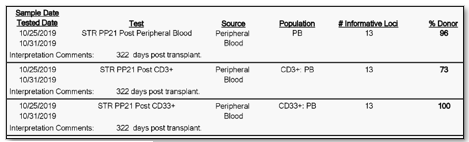
Furthermore, not only is their detection important, but through our analysis we can calculate the percentage of donor cells and recipient cells. We oftentimes report out the donor percentage (%) chimerism. For example, a patient at 322 days post-transplant could have a donor chimerism of 96% in their peripheral blood, 100% in their CD33 lineage, and 73% in their CD3 lineage. Then, at day 364 post-transplant they may then be at 100% in their peripheral blood, 100% in their CD33 lineage, and 92 percent in their CD3 lineage. Two things to notice in this example is that the percentages are changing (increasing in donor chimerism in this case) and that the peripheral blood expressed 100% chimerism in the second sample at 364 days, but when we look specifically at the CD3 sub-population at 364 days there was still 8% of recipient cells present (Image 3 & 4).

Image 3. Samples at 322 days post-transplant. Peripheral blood reports 96% donor chimerism. CD3 and CD33, purified from peripheral blood, reports 73% and 100% donor chimerism, respectively.
Image 4. Samples at 364 days post-transplant, same patient as in Image 3 above. Peripheral blood reports 100% donor chimerism. CD3 and CD33, purified from peripheral blood, reports 92% and 100% donor chimerism, respectively.

Some studies have focused not only on the trends in percentages changing, but also in their relative percentage constellation. For example, one study found that increased recipient CD3 cells had an increased predictive factor of graft rejection. It was also found that further sub-leukocyte populations increased this predictive power.5 Even more, there have been some studies that have looked at chimerism and its usefulness in predicting graft versus host disease (GvHD). This disease is defined by donor leukocytes attacking the leukocytes and tissues of the recipient. Through these and other findings, the potential and applicability of chimerism monitoring is extremely crucial to patient care during their transplant progression.2,5,6,7

While engraftment is a very dynamic process, varying from individuals and disease-types, engraftment monitoring is one way to monitor and ultimately influence therapeutic approaches.2,5,6 I am proud to be able to contribute to the wonderful team here at Northwestern University and I strive to learn more about the process – both clinical and in the lab. In future articles, I hope to go into more detail about the process and other assays that we perform.

Thanks for reading! Until next time! Stay well and safe during these uncertain times!

References

  1. Life Technologies. 2014. DNA Fragment Analysis by Capillary Electrophoresis. Thermo Fisher Scientific. http://www.thermofisher.com/content/dam/LifeTech/global/Forms/PDF/fragment-analysis-chemistry-guide.pdf.
  2. Kristt, D., Stein, J., Yaniv, I., & Klein, T. (2007). Assessing quantitative chimerism longitudinally: technical considerations, clinical applications and routine feasibility. Bone Marrow Transplantation, 39(5), 255–268. doi: 10.1038/sj.bmt.1705576
  3. Clark, J.R., Scott, S.D., Jack, A.L., Lee, H., Mason, J., Carter, G.I., Pearce, L., Jackson, T., Clouston, H., Sproul, A., Keen, L., Molloy, K., Folarin, N., Whitby, L., Snowden, J.A., Reilly, J.T. and Barnett, D. (2015), Monitoring of chimerism following allogeneic haematopoietic stem cell transplantation (HSCT): Technical recommendations for the use of Short Tandem Repeat (STR) based techniques, on behalf of the United Kingdom National External Quality Assessment Service for Leucocyte Immunophenotyping Chimerism Working Group. Br J Haematol, 168: 26-37. doi:10.1111/bjh.13073
  4. Short Tandem Repeat Analysis in the Research Laboratory. (2012). Retrieved April 10, 2020, from https://www.promega.com/resources/pubhub/short-tandem-repeat-analysis-in-the-research-laboratory/
  5. Breuer, S., Preuner, S., Fritsch, G., Daxberger, H., Koenig, M., Poetschger, U., … Matthes-Martin, S. (2011). Early recipient chimerism testing in the T- and NK-cell lineages for risk assessment of graft rejection in pediatric patients undergoing allogeneic stem cell transplantation. Leukemia26(3), 509–519. doi: 10.1038/leu.2011.244
  6. Buckingham, L. (2012). Molecular diagnostics: fundamentals, methods, and clinical applications. Philadelphia: F.A. Davis Company.
  7. Rupa-Matysek, J., Lewandowski, K., Nowak, W., Sawiński, K., Gil, L., & Komarnicki, M. (2011). Correlation Between the Kinetics of CD3 Chimerism and the Incidence of Graft-Versus-Host Disease in Patients Undergoing Allogeneic Hematopoietic Stem Cell Transplantation. Transplantation Proceedings43(5), 1915–1923. doi: 10.1016/j.transproceed.2011.02.011

-Ben Dahlstrom is a recent graduate of the NorthShore University HealthSystem MLS program. He currently works as a molecular technologist for Northwestern University in their transplant lab, performing HLA typing on bone marrow and solid organ transplants. His interests include microbiology, molecular, immunology, and blood bank.

COVID-19 Laboratory Safety: The Wrong Conclusion?

In the classic Barry Manilow song, Copa Cabana, the singer admonishes his audience at the end not to fall in love. We are told to avoid love because some guy named Rico might exterminate our loved one and we will end up a drunken barfly like Lola in did in the song. It’s a pretty funny conclusion when you think about it. If you were the victim in the story though, you might draw the same conclusion, however flawed. As the COVID-19 pandemic continues, laboratorians are seeing people draw incorrect conclusions as well, and some of those assumptions are leading to some potentially unsafe practices in some laboratories.

It’s easy to understand and even to forgive any misconceptions. The COVID-19 pandemic is unprecedented in our lifetime. The virus is new, it has spread very quickly, and there are unknowns about its make-up and mode of transmission. The situation has changed rapidly, and agencies like the CDC have had to change safety recommendations almost daily at times. Couple that with a media that by its nature uses fear and drama to ensure continued viewership, and people everywhere are going to make some fast decisions, and not all of them will be good.

One example of a change in guidance came from the CDC. At first, they were very careful not to give out any more information for lab safety than what was posted on their COVID-19 web page. When asked if typical lab specimens (blood and urine) from COVID-19 patients could be transported via a pneumatic tube system, they said that all specimens should be hand-carried to the lab. Since many patients were asymptomatic and many more could not be tested because of kit shortages, that would basically mean that all specimens in all hospitals would be carried to the lab. Before hospitals could react or even find the information, the CDC changed its recommendations. Only respiratory specimens from these patients should be carried directly to the lab (https://www.cdc.gov/csels/dls/locs/2020/transport_recommendations_for_covid-19_specimens.html), blood and urine can safely be transported. Given what is known about viruses and other pathogens in blood, walking all specimens to the lab doesn’t sound like a necessary guideline, does it? But this judgement in guidance simply illustrates what can happen when a situation changes rapidly.

With the push for the need for COVID-19 testing, news has come out about specimen collection kits and new and faster testing platforms. Not everything that has been reported has been factual. Every night we see numbers of cases and mortality rates reported in the media. Mathematically, one cannot determine a mortality rate without knowing the total number of patients’ cases. If there aren’t enough test swabs and reagents, and if we don’t test those who are asymptomatic (estimated to be about 25% of cases), how can we calculate any kind of accurate rate? Some laboratories have been pushed to bring on testing, and with little experience with brand new instruments, there has been work performed in some locations without adequate PPE or other safety measures. Look at your testing platform. Review the steps to see if there are any potential aerosol-creating steps. Are the correct PPE or engineering controls in place? Now more than ever it is vital to adhere to lab safety regulations while paying attention to the latest COVID-19 safety guidance. If you feel there is work being performed without adequate safety protection, escalate the situation as soon as possible. There will be no one to run teste if all of the laboratory staff becomes sick.

In many locations, hospitals have responded to the shortage of N95 respirators and surgical masks by developing methods to decontaminate and reuse them. While that is an innovative idea, make sure the system in place has physical and biological checks in place to ensure the reprocessing is effective. Spot test disinfected N95 respirators by performing fit-testing with them as batches are reprocessed. Use a biological indicator to ensure the COVID-19 virus particles have been eradicated. Do not reprocess N95 respirators used for protection against tuberculosis unless it is certain the disinfection process is known to effectively destroy TB bacteria.

Sometimes we come to the wrong conclusion, and sometimes mistakes are made, even in the world of science. But we are human, and we have to come to terms with that or we might end up alone in a disco like the aforementioned Lola. That’s why it’s important that we stop for a moment and pause, especially when an event occurs rapidly and transforms the very environment where we work. Take the time to ensure safety measures are in place for everyone involved. If something doesn’t make sense, question it. Examine it, and work with your staff as a team to make sure we can do what we are called to do- to safely perform lab work in order to provide quality results for the patients we serve.

Dan Scungio, MT(ASCP), SLS, CQA (ASQ) has over 25 years experience as a certified medical technologist. Today he is the Laboratory Safety Officer for Sentara Healthcare, a system of seven hospitals and over 20 laboratories and draw sites in the Tidewater area of Virginia. He is also known as Dan the Lab Safety Man, a lab safety consultant, educator, and trainer.

Biomarker Testing for Cancer Patients: Barriers and Solutions Part 5

This month we will continue discussing the common barriers to biomarker testing for cancer patients in the community.

As you may recall, these are the top 10 barriers that I’ve seen to biomarker testing in the community:

  1. High cost of testing.
  2. Long turnaround time for results.
  3. Limited tissue quantity.
  4. Preanalytical issues with tissue.
  5. Low biomarker testing rates.
  6. Lack of standardization in biomarker testing.
  7. Siloed disciplines.
  8. Low reimbursement.
  9. Lengthy complex reports.
  10. Lack of education on guidelines.

When I go into the community and discuss barriers to biomarker testing while everyone can relate to 1-2 barriers, those barriers are typically not the same at every hospital. However, reimbursement is almost always presented as a barrier to biomarker testing. The reimbursement process may be confusing and there have been recent changes. If everything is not submitted properly, testing may not be covered. Let me start by saying I have no magic bullet to fix the problems with molecular pathology billing and I’m not the expert on billing. I have had to navigate the reimbursement process and can share my experiences.

Let’s start with Medicare as they represent a payer all of us have to work with and we frequently see other insurers make coverage decisions based on Medicare rates. The Medicare coverage for single gene testing has historically covered the testing, albeit maybe not at a rate we consider acceptable. In 2018 Medicare issued a national coverage determination (NCD) for NGS if the patient has stage III or IV cancer and the NGS assay has an FDA-approved or cleared indication for use in that patient’s cancer and results are provided to the treating physician for management of the patient using a report template to specify treatment options (1). This means if you use a reference laboratory that has an assay that is approved as a companion diagnostic for a drug that is approved in the tumor type you are testing, the test could be covered. For the test to be covered the correct CPT code from the AMA would need to be applied, an ICD-10 qualifying code to meet medical necessity, and if your state is covered by the MolDX program you would also need to provide a Z-code that is specific for the test. Confused yet?  

There is also a Medicare 14-day rule (formally called Date of Service Regulation 42 C.F.R. §414.510). This rule requires the performing lab to bill the hospital for certain tests that are ordered less than 14 days after an inpatient or outpatient discharge. There was a change as of January 1, 2018 that allows labs to bill for certain molecular pathology tests if the patient was admitted as an outpatient (think biopsy performed in hospital but patient was not admitted as an inpatient). This does not negate the 14 day rule, but it gives us some exceptions so that we may bill for molecular pathology testing ordered after the patient was discharged. This rule also mandates that the performing lab is the billing lab.

For payers that are not Medicare, it is helpful to have a conversation with the medical director or a customer service representative to get information on how to get your test covered. We have presented to the medical directors for private payers. While we did cover the scientific merit of our testing, we also had to go over financials for the payer. It was helpful to speak their language and provide clear information on the financial benefit to NGS over single gene testing.

Many of the reference laboratories will handle the billing for you if your hospital contract with them is written that way. This would allow those of us that are not billing experts to ensure all of the coding is applied properly. Of course you would still need to supply the information to the reference laboratory. These labs also offer low out of pocket costs to the patient. If you are insourcing testing, I would recommend having a molecular billing consultant. There are consultants available that allow you to submit questions and pay per question. This has come in handy for my organization.

Lastly, I urge you to join and get involved with organizations that represent the laboratory community such as CAP, AMP, ASCP, etc. These organizations help address policy change to ensure molecular testing is reimbursed in a fair manner. Molecular pathology results have value for the patient and cost money to be performed. We should expect fair payment for the service rendered.

Reference

  1. National Coverage Analysis (NCA) for Next Generation Sequencing (NGS) for Medicare Beneficiaries with Advanced Cancer (CAG-00450N). 1/21/19

-Tabetha Sundin, PhD, HCLD (ABB), MB (ASCP)CM,  has over 10 years of laboratory experience in clinical molecular diagnostics including oncology, genetics, and infectious diseases. She is the Scientific Director of Molecular Diagnostics and Serology at Sentara Healthcare. Dr. Sundin holds appointments as Adjunct Associate Professor at Old Dominion University and Assistant Professor at Eastern Virginia Medical School and is involved with numerous efforts to support the molecular diagnostics field. 

Microbiology Case Study: A 70 Year Old with Altered Mental Status

Clinical History

A 70 year old patient with a history of sarcoidosis, diabetes mellitus type 2, and interstitial lung disease on prednisone presented to an outside hospital with subacute altered mental status and dizziness. Head imaging showed 3 ring-enhancing lesions most concerning for intracranial abscesses and the patient was transferred to a larger institution for management. Upon further imaging and physical examination, 3 additional lesions were found, one in the abdominal wall and two subcutaneous lesions on the extremities. An IR-guided biopsy of the abdominal wall lesion was performed and the specimen was sent for bacterial culture and smear.

Laboratory findings

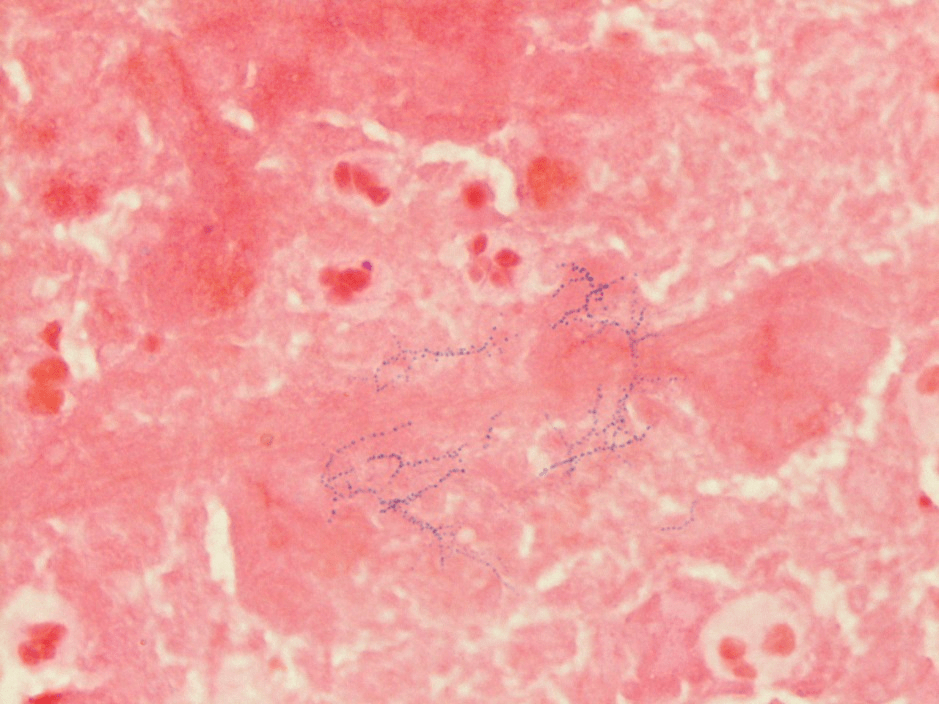
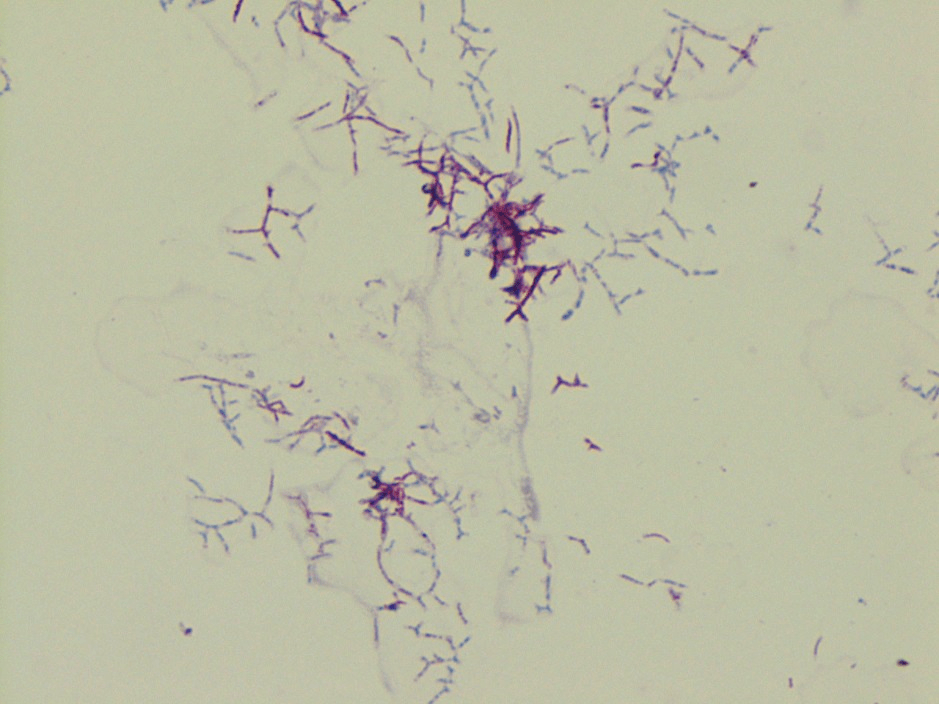
An initial gram stain was interpreted as many neutrophils and no bacteria seen; however, Acridine Orange staining demonstrated the presence of fungi or bacteria on the smear. Further review of the gram stain showed many neutrophils with few filamentous beading and branching gram positive bacilli predominantly in the thick regions of the smear (image 1).

Image 1. A gram smear from the patient’s abdominal wall abscess at 100x magnification showing filamentous beading and branching gram positive organisms.
Image 2. A modified Kinyoun staining demonstrates that the organism is weakly acid fast positive (100x magnification).

Discussion

Nocardia encompasses a group of delicate aerobic gram positive and weakly acid fast positive rod-shaped bacteria that, due to their branching appearance, were once thought to be fungi. The N. farcinica species are not found in normal flora, but instead in soil around the world and are most often associated with decaying vegetation. It is the bacteria’s ability to become airborne on dust particles that may result in inhalation and lead to the most common presentation, pulmonary nocardiosis. Other modes of entry include ingestion and cutaneous disease after traumatic inoculation. CNS involvement is a common site for secondary infection.1

The pathogenicity of Nocardia is the result of several mechanisms that the bacteria possess to evade the host’s defense system. Nocardia are often resistant to phagocytosis when they are in their log-phase. If the bacteria are phagocytosed, some species have the ability to inhibit the lysosome-phagosome fusion. Nocardia farcinica, in particular, is especially important to identify as it is more likely to progress to disseminated disease and has a higher rate of antimicrobial resistance.2

Most cases of nocardiosis, as with ours above, are in immunocompromised patients either by disease states such as HIV, diabetes, and malignancy or iatrogenically with corticosteroids or other immunosuppressing or immunomodulating drugs. The clinical presentation of nocardiosis is non-specific and is dependent on the site of infection, but the diagnosis should be on the differential for immunocompromised patients with a suspected CNS abscess, particularly if they have concurrent cutaneous, soft tissue, or pulmonary infections.3

Therapy is based on site of infection and species of nocardia isolated; however, trimethoprim-sulfamethoxazole is accepted as part of the first-line treatment. Severe disease, such as that exhibited in our patient, warrants combination therapy and may include a carbapenem, third generation cephalosporin, or an extended spectrum fluoroquinolone.4 Our patient was originally treated with trimethoprim-sulfamethoxazole and imipenem, but the trimethoprim-sulfamethoxazole was discontinued due to hyperkalemia and the patient was started on Linezolid.

References

  1. Spelman, Denis. “Microbiology, epidemiology, and pathogenesis of nocardia”. UpToDate, Wolters Kluwer, May 08, 2019. https://www.uptodate.com/contents/microbiology-epidemiology-and-pathogenesis-of-nocardiosis?search=nocardiosis&source=search_result&selectedTitle=3%7E94&usage_type=default&display_rank=3. Accessed on March 10, 2020.
  2. Bell M, McNeil MM, and Brown JM. Nocardia species (Nocardiosis). 2014. http://www.antimicrobe.org/b117.asp. Accessed on March 24, 2020.
  3. Spelman, Denis. “Clinical manifestations and diagnosis of nocardiosis”. UpToDate, Wolters Kluwer, May 08, 2019. https://www.uptodate.com/contents/clinical-manifestations-and-diagnosis-of-nocardiosis?search=nocardiosis&source=search_result&selectedTitle=1~94&usage_type=default&display_rank=1. Accessed on March 10, 2020.
  4. Spelman, Denis. “Treatment of nocardiosis”. UpToDate, Wolters Kluwer, November 11, 2019. https://www.uptodate.com/contents/treatment-of-nocardiosis?search=nocardiosis&source=search_result&selectedTitle=2~94&usage_type=default&display_rank=2. Accessed on March 24, 2020.

-Kayla Elliott, MD is a 1st year anatomic and clinical pathology resident at the University of Vermont Medical Center.

-Christi Wojewoda, MD, is the Director of Clinical Microbiology at the University of Vermont Medical Center and an Associate Professor at the University of Vermont.

Maintaining Laboratory Personnel Competency During a Pandemic

The COVID-19 pandemic crises the United States is experiencing has highlighted the importance of having trained and competent laboratory professionals. Providing accurate, reliable, and timely testing to aid in the diagnosis and treatment of disease is the primary goal of the medical laboratory. The ability to meet the laboratory’s goal hinges on the competency of the individuals performing patient testing.

The importance of having qualified personnel to perform laboratory testing is magnified during a disease pandemic where each positive or negative result has public as well as patient concerns. (The results are also monitored by local and national officials as well as the media.) Verifying the competency of qualified individuals performing patient testing is accomplished through conducting knowledge and skill assessments at defined frequencies.

Despite the urgency of the moment, laboratories must still follow the CLIA ’88 regulations allowing only trained and qualified individuals to perform patient testing. In addition, CLIA ’88 mandates that the competency of laboratory testing personnel conducting non-waived moderate and/or high complexity testing must be assessed semi-annually after the individual begins patient testing, and thereafter annually (CFR §493.1413.9 and 493.1451.9). (The terms semi-annual and six-month are used interchangeably.)

Some specific initiatives have been implemented in response to the pandemic. The FDA has issued several emergency use authorizations (EUA) for COVID-19 tests to help address the testing needs of the nation. (A EUA allows a company to bring a medical device to the market much faster.) The College of American Pathologist (CAP) has also clarified the training requirements for laboratory testing personnel. According to the CAP’s latest guidance, the same training records may be used at different hospitals if testing is standardized across a hospital system. However, competency of non-waived testing must be completed at each site testing is performed irrespective of whether testing is standardized or not.

CLIA regulations explicitly state that competency of an individual performing non-waived moderate or high complexity testing at a CLIA-approved laboratory must be assessed semi-annually in the first year the individual performs patient testing. Many laboratories have interpreted the regulation as requiring an employee to do six-month competencies in each discipline. That is an incorrect interpretation.

Regardless of the discipline, once an employee has been trained on a test system, CLIA only requires two six-month competencies after the individual has begun patient testing unobserved.

Many laboratory training programs include the employee performing patient testing under the supervision of a qualified trainer. The trainee may test patient samples during training, but the tasks are considered a part of the overall test system training program. Once a trainee has completed training on a test system, signed-off by the trainer, and begins performing patient testing on a test system, the laboratory should schedule the two competency assessment dates.

Simply stated, the clock for the timing of the two six-month competencies begins when the employee is trained on a test system and begins testing patient samples unobserved. (Often, this is the day when the employee has been placed on the laboratory’s work schedule even though they may still need training in other departments.)

Depending on the length of training and size of the laboratory, the first six-month competencies may include test systems from different disciplines. Almost without exception (especially in small to medium-sized hospital laboratories), the second six-month competencies should cover the majority of the tests in the laboratory the employee uses to perform patient testing. It is important to remember that all test systems the employee is using to perform patient testing must be assessed on the due date of each six-month competency.

It is not unreasonable to expect there may be delays in meeting the timing of competencies during a pandemic. However, there are no exceptions for training and competency frequency. With many cities having a large number of civilians and employees infected, it is highly likely laboratory staffing will be negatively affected. Laboratory managers and supervisors should be vigilant in documenting any problems or delays which may impact compliance with the regulations. Documents explaining the circumstances involved in any regulatory or accrediting failure will prove invaluable during and after an inspection.

The COVID-19 pandemic is challenging the nation’s healthcare system. It has placed a spotlight on the valuable role laboratories fill in delivering quality healthcare. Medical laboratories are only able to meet the challenges because dedicated qualified and highly-trained individuals staff them. Laboratory administrators, managers, and supervisors must remember that training and competency assessments are ongoing and required during the pandemic and after.

Darryl Elzie, PsyD, MHA, MT(ASCP), CQA(ASQ), has been an ASCP Medical Technologist for over 30 years and has been performing CAP inspections for 15+ years. He has a Masters of Healthcare Administration from Ashford University, a Doctorate of Psychology from The University of the Rockies, and is a Certified Quality Auditor (ASQ). He is a Laboratory Quality Coordinator for Sentara Healthcare. Sentara Laboratory Services provides services for 12 full-service hospitals, five ambulatory care centers, and a large number of medical group practices. Dr. Elzie provides laboratory quality oversight for four hospitals, one ambulatory care center, and supports laboratory quality initiatives throughout the Sentara Healthcare system.

Microbiology Case Study: A 29 Year Old Man with Fevers and Chills

Case History

A 29 year old African American male presented to the emergency department for a 3 day history of fever, chills, and night sweats, approximately four weeks after returning home from a trip to Uganda. He denied any diarrhea, vomiting, cough, abdominal pain, nausea, or sick contacts. His past medical history was non-contributory. A complete blood count (CBC) was performed, which revealed anemia and low platelets. The patient’s blood was also analyzed through Giemsa stain on a thin smear preparation (Image 1). Findings revealed only several platelets present. In addition, the patient’s red blood cell morphology was varied and atypical. The cells appear smaller than normal (microcytic) with several shapes and form being present: acanthocytes (burr cells), schistocytes (fragmented red blood cells), and bite cells (red blood cells which appear as if a “bite” has been taken out of them). In addition, many red blood cells contained a delicate ring form with either a central chromatin dot or two dots in a “headphone” arrangement (Image 2). This ring form was the only form identified in the thin smear. In addition, it was only present inside the red blood cells (with no forms present outside the cells) and the red blood cells with the ring form were the same size as those blood cells without the ring form. Finally, several red blood cells were seen occupied by more than one ring form. A thick smear of the patient’s blood was prepared in order to lyse the red blood cells so that the cellular contents could be analyzed with increased sensitivity. Findings on the thick smear revealed the similar delicate ring form structure found inside the red blood cells on the thin smear. These were the only forms identified and they also contained either a central chromatin dot or two bi-lobed dots (“headphone” forms) (Image 3).

Image 1. Thin smear with variable red blood cell morphology (acanthocytes, schistocytes, and bite cells) and lowered platelet number.
Image 2. Delicate ring form with a central chromatin dot inside a red blood cell.
Image 3. Numerous delicate ring forms with either a central chromatin “dot” or bi-lobed “dots.”

Diagnosis

The main differential diagnoses of ring forms present in red blood cells include two parasitic organisms: Babesia and Plasmodium species. Endemic regions for Babesia include the Midwest and Eastern United States, the majority of Europe, and parts of central Asia and Far East Asia. In addition, the ring forms of Babesia are pleomorphic (varying in size and shape from cell-to-cell) with rare distinctive “Maltese cross” forms (indicative of asexual budding).

Plasmodium, on the other hand, is endemic to South America, most of Sub-Saharan Africa (including Uganda), and parts of Asia (such as India, Southern China, and Indonesia). The most common Plasmodium sub-species in Uganda is P. falciparum, which accounts for over 90% of Plasmodium cases. The ring forms of Plasmodium are monomorphic. Considering the patient’s travel history, as well as the findings on the thin smear and thick smear of the patient’s blood, the organism was confirmed as Plasmodium falciparum through polymerase chain reaction (PCR).

Discussion

Malaria is caused by the single-cell parasitic protozoan Plasmodium species, which is transmitted through an arthropod vector (Anopheles mosquito). Approximately 40% of the world’s population lives in endemic areas, 300-500 million clinical cases occur world-wide per year, resulting in 1.5-2.7 million deaths (90% of which are in Africa). However, this is an increasing problem even in non-endemic areas, considering the ease and flexibility of international travel, vague generalized clinical symptoms which could cause a delay in diagnosis, and drug resistance to the main active agents against the protozoan.

The Anopheles mosquito injects a sporozoite form of the parasite into humans, which then penetrates liver cells and matures into a schizont. The schizont then breaks through the liver cell and enters the blood stream as a merozoite, which invades red blood cells. The trophozoite form then matures in the red blood cells (as a “ring form”), which then re-enters the blood stream as a merozoite form. Finally, the merozoite matures into macrogametocytes and microgametocytes, which are taken up by the Anopheles mosquito.

The onset of symptoms usually occurs within 1 month (for patients that are not endemic to the region) or up to 6 months (for patients who have lived in Plasmodium regions and have presumably developed some sort of an immune tolerance to the parasite). These symptoms are characterized as “paroxysmal” and “cyclical,” which include chills, fever, sweats, and resolution, followed by another cycle of symptoms. Studies have shown that symptoms correlate with the release of merozoites into the blood stream, causing tissue necrosis factor release from circulating white blood cells. Patients may also develop anemia, splenomegaly, and acute renal failure. A unique complication of P. falciparum is its ability to infect a large number of mature red blood cells, rather than only young red blood cells. This results in high levels of parasitemia and increased clumping of red blood cells due to the induction of proteins in the cell that cause agglutination to other cells. This may result in “cerebral” malaria, which may cause altered mental status, coma, or even death.

References:

  1. Laboratory diagnosis of malaria: Plasmodium falciparum. CDC Laboratory Identification of Parasites of Public Health Concern. https://www.cdc.gov/dpdx/resources/pdf/benchAids/malaria/Pfalciparum_benchaidV2.pdf
  2. Kerlin, Douglas and Gatton, Michelle. Preferential Invasion by Plasmodium Merozoites and the Self-Regulation of Parasite Burden. Public Library of Science. 2013; 8(2): e57434. https://www.ncbi.nlm.nih.gov/pmc/articles/PMC3584029/

Jamaal Rehman, MD is a 4th year anatomic and clinical pathology resident at University of Chicago (NorthShore) program based at Evanston Hospital, Evanston, IL. His academic interests include Surgical pathology, specifically Gastrointestinal pathology. He will be matriculating to the University of Iowa for a Gastrointestinal pathology fellowship following residency training.

-Erin McElvania, PhD, D(ABMM), is the Director of Clinical Microbiology NorthShore University Health System in Evanston, Illinois. Follow Dr. McElvania on twitter @E-McElvania.