Just Culture: Growing Trend or Lab Requisition?

Hello again everyone!

Last month, I discussed some really interesting topics at the intersection between psychiatry and pathology—two fields that aren’t exactly the closest; more so “diverged” in the hospital milieu as if in a poem by Robert Frost. This month I’d like to bring the conversation back to a topic I’ve addressed before: improving multidisciplinary medicine and creating a Just Culture in medicine.

Not exactly culture with a swab or agar dish, a Just Culture is an all-encompassing term for system-based thinking and process improvement not at the expense of individuals. In a post I made last July, the topic of high reliability organizations (or HROs) is one that addresses communication and accountability in high stakes environments—like healthcare!

Just Culture isn’t a stranger to lab medicine. The American Society of Clinical Laboratory Science (ASCLS) published a position paper in 2015 utilizing this trending healthcare buzzword. On the subject of patient safety, ASCLS believes “Medical Laboratory Professionals must adopt a ‘fair and just culture’ philosophy, recognizing that humans make errors, and understanding the science of safety and error prevention.” (Source: ASCLS 2015, https://www.ascls.org/position-papers/185-patient-safety-clinical-laboratory-science) We all know how we maintain patient safety in the lab, right? We do that through quality control, QA measures, competencies (both internal and from accrediting bodies like CAP), and continuing education. Raise your hand if your lab is getting inspected, just finished getting inspected, will be inspected soon, or if you’ve recently done competency/proficiency testing yourself, CE courses for credentialing, or are reading this blog right now! We’re all “continuing” our education in health care ad infinitum because that’s how it works—we keep learning, adjusting, and ensuring best practices concurrent with the latest knowledge. And, instead of punishing lab professionals when we make errors, we try to be transparent so that each error is a learning opportunity moving forward.

Image 1. I’d panic too if my lab was being inspected by 007. What, you wouldn’t?

I’m currently in my OB/GYN rotation at Bronx-Care and during the most recent Grand Rounds we had someone talk about “Just Culture”—a sort of continuation on the themes of the same lecture series that inspired my article on HROs. Essentially, the theme is that disciplining employees for violating rules or causing error(s) in their work is less effective than counseling, educating, and system-oriented and best-practice-informed care. In this talk, we watched a short video (embedded below) which walked us through approaching faults or errors in medicine in a way that empowers and educates. A story from MedStar Health, a Maryland-based health system, demonstrates how systems-based thinking can be the best way to solve problems in healthcare.

Video 1. “Annie’s Story” has become a widespread example of Just Culture for nearly twenty years. Being serious about high reliability and just culture means adopting a system’s approach to analyzing near misses and harm events—shame and discipline are becoming antiques. Learn more about Quality and Patient Safety (http://ow.ly/M1aZk) and Human Factors Engineering in Healthcare (http://MedicalHumanFactors.net)

Annie, a nurse in the MedStar Hospital system, is the spotlight story in this video. She came across an error message on a glucometer after checking someone who was acutely symptomatic. She double checked it and made clinical decisions, with her providing team, to give insulin. This sent the patient into a hypoglycemic event which required ICU support. In the story, she was actually suspended and reprimanded for her “neglect”—other nurses made the same error just days later. This prompted some action, inciting nursing managers and other administrators to investigate further, ultimately involving the biomedical engineers from the company to weigh in on this systemic fault in glucose POCT. Annie returned to work, and the problem was recognized as not user-error, but system error; she went on to talk about how she felt unsure of her clinical competency after being reprimanded. Imagine if you accidentally reported the presence of blast cells in a manual differential in a pediatric CBC while you were alone on a night shift only to find out from the manager on days that you made a pretty big mistake with clinical implications. Then imagine you were suspended for a few weeks instead of simply asked to explain and identify opportunities to increase your knowledge. Pretty harsh, right? I’m glad the MLS who did that didn’t lose his job and only had to do a few more competency trainings…yep.

Fine. It was me. I mentioned mistakes in my discussion on HROs and discussed that particular mistake in part of a podcast series called EA Shorts with a clinical colleague of mine. Everyone makes mistakes, especially in training, and that’s okay! It’s how we deal with them that matters.

Image 2 (a, b). Take a look at that glucometer. Would you have caught the error? Did you catch the “LO” value in the background vs. the out-of-range foreground prompt? Or was the screen prompt as distracting for you as it was for Annie? Who was responsible for this error: nurse, lab, or engineer?

Anyone else notice a stark absence of professional laboratory input in the video? I assume many of you sharp-sighted lab automation veterans didn’t miss the glaring “LO” behind the dialogue box on the glucometer. And, to me, that begs the question: was there any lab input on this instrument, its training, or its users? Nurse Annie made a mistake—but she’s not alone, according to a Joint Commission study from November last year, close to 11% of users make mistakes when prompted with error messages compared to 0% of users misinterpreting normal values on screens of a particular model of glucometer. And that’s just one type of instrument. Imagine 1 in 10 nurses, medical assistants, or patients misinterpreting their glucose readings. (Source: The Joint Commission Journal on Quality and Patient Safety 2018; 44:683–694 Reducing Treatment Errors Through Point-of-Care Glucometer Configuration) This should also be a good opportunity to remind us all of CLIA subpart M, the law that outlines who can accredit, use, and report point-of-care results. Herein lies another problem, stated well by the American Association for Clinical Chemistry (AACC) in 2016, “… another criteria for defining POCT—and possibly the most satisfactory definition from a regulatory perspective—is who performs the test. If laboratory personnel perform a test, then this test typically falls under the laboratory license, certificate, and accreditation, even if it is performed outside of the physical laboratory space, and regardless of whether the test is waived or nonwaived. On the other hand, waived or nonwaived laboratory tests performed by non-laboratory personnel are nearly always subject to a different set of regulatory and accreditation standards, and these can neatly be grouped under the POCT umbrella,” and that can mean trouble when we’re all trying to be on the same clinical page.

In previous posts, I’ve mentioned the excellent knowledge contained within the Lab Management University (LMU) program. One of the modules I went through discussed this topic exactly: Empowerment as a Function of Leadership and Peak Performance. In short, if we want to be good leaders in the lab, we have to set expectations for positive patient outcomes, including safety. Good leadership should empower their staff with education, support, and resources. Poor management can create toxic environments with staff that can be prone to mistakes. If we can be dynamic leaders, who adapt to ever-improving best practices and respond with understanding and compassion to mistakes, then our colleagues become just as reliable as your favorite analyzer during that CAP inspection I mentioned.
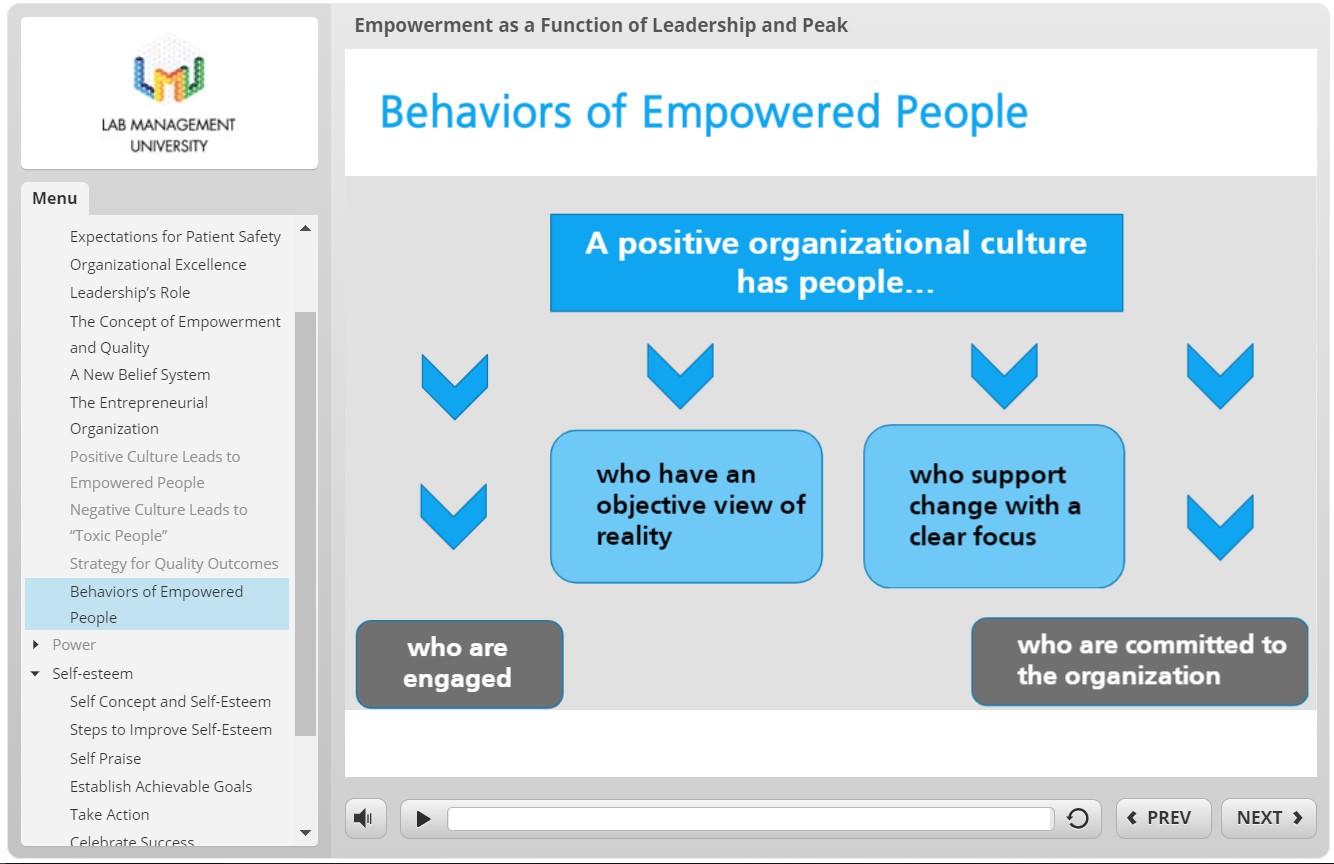
Image 3. LMU class module for promoting Just Culture and inciting positive behavior in your department.

I often get clinician input about how the processes between the bedside and the lab can be improved. Often, they include comments about the need to share relevant clinical data for improving diagnostic reporting or improving a process between specimen collection and processing. But what often gets left out is the human element: the scientist behind the microscope, the manager behind the protocol, and the pathologist behind the official sign out report. Let’s continue to incorporate all of the feedback our colleagues provide while maintaining a safe and empowered culture for ourselves, our staff, and our patients.

What do you think? How does your lab, hospital, clinic, etc. address POCT safety or patient safety at large? Do you operate within a Just Culture? Share and comment!

Thanks and see you next time!

–Constantine E. Kanakis MSc, MLS (ASCP)CM graduated from Loyola University Chicago with a BS in Molecular Biology and Bioethics and then Rush University with an MS in Medical Laboratory Science. He is currently a medical student actively involved in public health and laboratory medicine, conducting clinicals at Bronx-Care Hospital Center in New York City.


Working With Baby Boomers: How Other Generations Can Adapt

Baby Boomers were for a long time to largest working generation in the workplace. They are slowly retiring and the next largest generation, Generation Y, is becoming the largest. However, Baby Boomers’ impact on the workplace is still profound and most organizations, if not all, are currently employing many Boomers. They are likely to be working in leadership roles and exert influence on many policies, procedures, systems, and organizational cultures.

Similar to Traditionalists, Baby boomers also appreciate face-to-face meetings. However, their preference for leaving and receiving voicemails is a lot higher than Traditionalists. They also appreciate social media more, especially as their children and grandchildren are using it. Baby Boomers utilize the internet more than Traditionalists and send text messages, even if they still prefer to talk over the phone instead of texting.

Working with Baby Boomers is all about the relationship. Establishing interpersonal connection should therefore be one of your main priorities when collaborating with someone from this generation. Because of the personal nature of their working style, it can sometimes take a few weeks (or longer) for decisions to be made. Calculate that in when working on a proposal or project. Baby Boomers appreciate formal presentations and a consensus-based process.

A Baby Boomers’ approach to leadership centers on incentives, data-driven decisions, and a democratic process. They typically are open to input from peers and their leadership style is friendly. They value receiving recognition, so any award or reward is appreciated and they will often display them publically. Because of their focus on interpersonal relationships, they do not respond to people who are not friendly and who indicate their hierarchy. Instead, make sure that they feel you are listening to them and including them. One way to do this is by taking notes and asking follow up questions.

Baby Boomers’ professional dream is continuing to be useful and productive in the workplace while feeling they are wanted and rewarded. If you want to increase your working relationship with Baby Boomers, connect with them on an interpersonal level by inviting them out to lunch and get to know who they are outside of the workplace. Provide them with positive affirmations, recognitions, and awards to make them feel they are a valued members of the organization and that they input and work is essential to producing results. Baby Boomers bring a lot of patients, experience, and knowledge and they help create and foster a team environment when they feel they are contributing members of the organization. Do not show impatience and question their ways of doing things openly. If you do need them to change something, include them in the process to make it a consensual and democratic process. Adding a Baby Boomer to a team can greatly improve the outcomes and success of that team.

lotte-small

-Lotte Mulder earned her Master’s of Education from the Harvard Graduate School of Education in 2013, where she focused on Leadership and Group Development. She’s currently working toward a PhD in Organizational Leadership. At ASCP, Lotte designs and facilitates the ASCP Leadership Institute, an online leadership certificate program. She has also built ASCP’s first patient ambassador program, called Patient Champions, which leverages patient stories as they relate to the value of the lab.


I’d like to tell you a story that happened at the ASCP Annual Meeting last October, 2018 in Baltimore.

Lotte Mulder and I presented a course on “Discovering Your Diversity Strengths” to about fifty people. Lotte is a Millennial and I am a Baby Boomer, and we’ve been working closely together for over three years on a daily basis. The presentation went really well and the audience was very participative and interactive. We talked about how different we were, how we complimented each other, and the value of human diversity in the workplace. 

At noon that day, we both participated in a Lunch Roundtable where the topic was Diversity in the laboratory. We quickly learned that those at our table had a strong interest and frustration about working with people from different generations. The focus was primarily on Millennials and Boomers. There were eight other people at our table and they each shared their frustration about working in the lab with either older or younger people.

This was a real opportunity for us to share the generational strengths and differences with each of these people. The Boomers seemed to think that the Millennials didn’t have a good work ethic. The more I asked questions of those in both generational groups, the more I was able to help them to share their opinions and/or frustrations. Most importantly, I made a point of asking each person what was important to them in the workplace.

The Millennials learned that the Boomers were “bred” to work beyond the expectations of their job. Most importantly, they found their identity in their work. This is one reason the “Boomer co-worker” delayed their retirement because of the fear of losing their identity.

The Boomers learned that the Millennials had a very good work ethic, they just valued work-life balance. It was actually Generation X that introduced work life balance to the workplace and the Millennials bought into the concept. The other strength of the Millennial is their passion for finding a purpose in their job.

By the time our hour was up, you could see the difference in how they related to each other. It’s amazing what education and awareness can do for people.

As a final note, the next day we co-taught a course on Stress Management. Wouldn’t you know it, we experienced the same situation at our “Stress Management Roundtable” lunch! It was fun to see how people began to see their co-workers through a different lens.

Stakenas-small

-Catherine Stakenas, MA, is the Senior Director of Organizational Leadership and Development and Performance Management at ASCP. She is certified in the use and interpretation of 28 self-assessment instruments and has designed and taught masters and doctoral level students.  

Hematopathology Case Study: A 60 Year Old Man with Recurrent Bronchitis

Case History

60 year old man with recurrent bronchitis and extensive smoking history underwent CT scan. The CT scan showed an incidental finding of a 2.2 x 1.4 cm anterior mediastinal mass.

Excision

H&E4x
H&E 4x
H&E10x
H&E 10x
H&E20x
H&E 20x
cytokeratin cocktail
Cytokeratin cocktail
CD3
CD3
CD20
CD20
TdT
TdT

Diagnosis

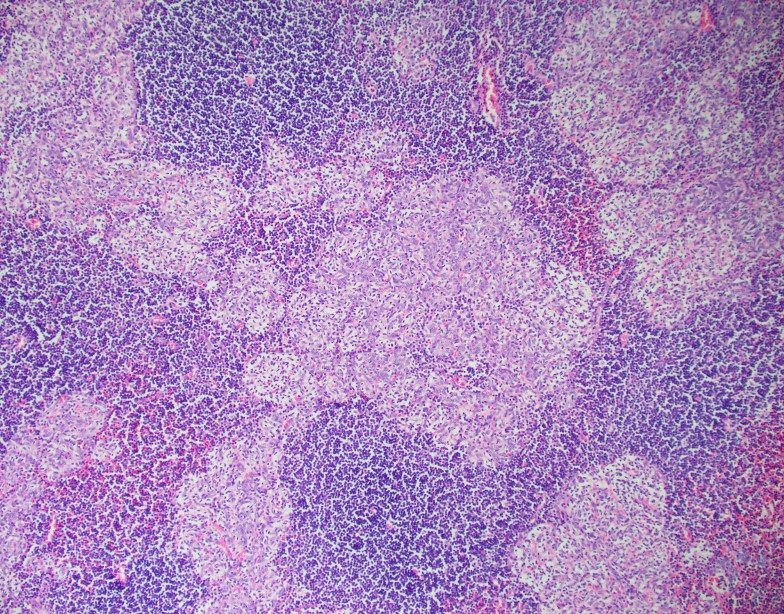
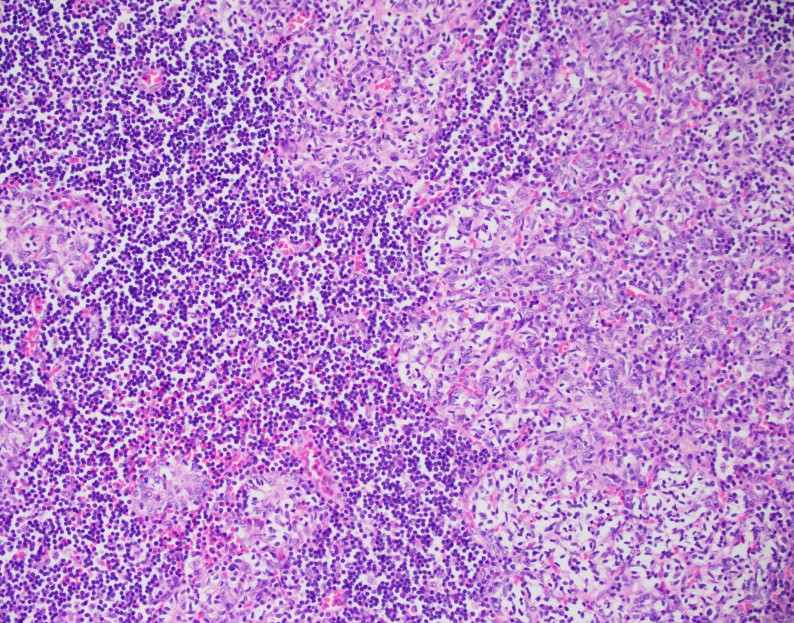
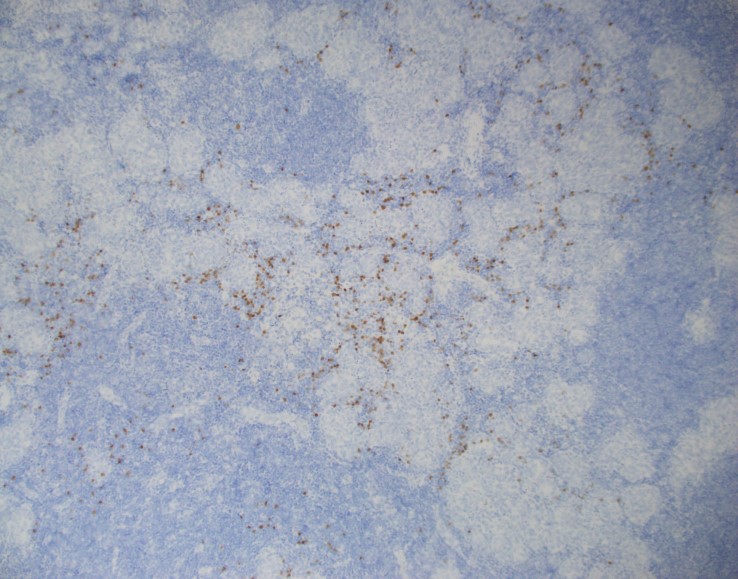
The tissue shows nodules of epithelial cells in a lymphocyte-rich background. The epithelial cells have round to somewhat spindle shaped nuclei, vesicular chromatin and small mostly inconspicuous nucleoli. There is no high grade cytologic atypia, mitotic figures or necrosis seen. The nodules contain very few interspersed lymphocytes, but are surrounded by abundant lymphocytes which are small and mature appearing. A cytokeratin cocktail highlights the epithelial nodules and shows an absence of epithelial cells in the lymphocyte-rich areas. CD20 highlights stromal B-lymphocytes around the epithelial nodules which are arranged in follicles. CD3 highlights stromal T-lymphocytes, which surround the B-cell follicles and the epithelial nodules. TdT highlights only a very small subset of immature T-cells which are found scattered around the rim of the epithelial cell nodules. Overall, the findings are consistent with a micronodular thymoma with lymphoid stroma.

Discussion

The differential diagnosis for an anterior mediastinal mass includes thymoma, lymphoma, germ cell tumors, neurogenic tumors and benign cysts among other less common entities. Patients usually present with cough, chest pain, fever/chills or dyspnea and localizing symptoms are generally secondary to local tumor invasion. Typically, CT scans are the best modality to evaluate the mediastinum. Thymomas are the most common primary neoplasm of the anterior mediastinum, but are less than 1% of all adult malignancies. Patients are generally over 40 years old and between 30-50% of patients with a thymoma have myasthenia gravis, which occurs more frequently in women.1

The WHO has classified thymomas into 5 categories based on the morphology of the neoplastic epithelial cells along with the lymphocyte to epithelial cell ratio. Type A thymomas are composed of bland spindle/oval tumor cells with few or no admixed immature lymphocytes. Type B1 thymoma resembles normal thymus and has scattered epithelial cells in a dense background of immature T-cells. Type B2 thymoma is composed of epithelial cells in small clusters with a lymphocyte-rich background. Type B3 thymoma is primarily composed of mild to moderately atypical epithelial tumor cells in a solid growth pattern with few intermingled immature T-cells. Type AB thymomas are composed of lymphocyte-poor spindle cell (Type A) components as well as lymphocyte-rich (Type B) components.2

Micronodular thymoma with lymphoid stroma (MTWLS) is a rare type of thymoma and accounts for only 1% of all cases. Patients tend to be asymptomatic and the finding is usually incidental. The tumor tends to be well circumscribed and encapsulated with a tan cut surface. The histopathology is characterized by solid nests or nodules of epithelial tumor cells in a background of abundant lymphoid stroma. The tumor cells are bland spindle or oval cells without significant atypia or mitotic activity. The epithelial tumor cells are positive for pancytokeratins. The lymphoid stroma typically lacks keratin positive cells and consists of predominantly CD20 positive mature B-cells in follicles with admixed CD3 positive and TdT negative mature T-cells. There is typically a population of rare TdT positive immature T-cells that surrounds the epithelial nodules, as seen in this case. 2

Due to the rarity of MTWLS with only 74 cases reported since the first case described in 1999, there is limited data on its pathophysiology and prognosis. However, most cases are diagnosed as stage I/II disease according to the Masaoka-Koga staging criteria, involving only micro or macroscopic invasion into thymic or surrounding fatty tissue without invasion into neighboring organs.  Patients tend to have a very favorable prognosis with most patients alive without recurrence or metastasis many years after diagnosis.3

References

  1. Juanpere S, Cañete N, Ortuño P, Martínez S, Sanchez G, Bernado L. A diagnostic approach to the mediastinal masses. Insights Imaging. 2012;4(1):29-52.
  2. Travis WD, Brambilla E, Burke AP, et al. WHO Classification of Tumours of the Lung, Pleura, Thymus and Heart (Revised 4th edition). IARC: Lyon 2015.
  3. Qu L, Xiong Y, Yao Q, Zhang B, Li T. Micronodular thymoma with lymphoid stroma: Two cases, one in a multilocular thymic cyst, and literature review. Thorac Cancer. 2017;8(6):734-740.

Chelsea Marcus, MD is a Hematopathology Fellow at Beth Israel Deaconess Medical Center in Boston, MA. She has a particular interest in High-grade B-Cell lymphomas and the genetic alterations of these lymphomas.

Microbiology Case Study: An 8 Month Old Female with Vomiting and Diarrhea

Clinical History

An 8-month-old female presented to the pediatric emergency department (ED) due to vomiting and diarrhea for the past 10 days.  Per mother, the baby has had a fever and 6-8 episodes of diarrhea & 2-3 episodes of vomiting each day. On the day of admission, the mother noted the diarrhea was like mucous and contained blood and the baby was unable to tolerate anything by mouth. Past medical history was not significant and sick contacts included a sibling with a recent viral illness. In the ED, the baby had a fever of 103.1°F and was tachycardic. On physical exam, the baby was weak & lethargic with dry mucous membranes and a capillary refill of 2-3 seconds. Mom noted the baby did not produce tears when she cried and had decreased urinary output for the past 24 hours, consistent with dehydration. Initial labs revealed an elevated white count of 20.0 TH/cm2 and a C-reactive protein of 6.60 mg/dL, suggestive of an infectious process. Blood, urine, and stool cultures were sent to the microbiology laboratory and the baby was received IV fluids and ceftriaxone. 

Laboratory Identification

Blood culture signaled positive after 36 hours of incubation on the automated instrument and revealed gram negative rods.

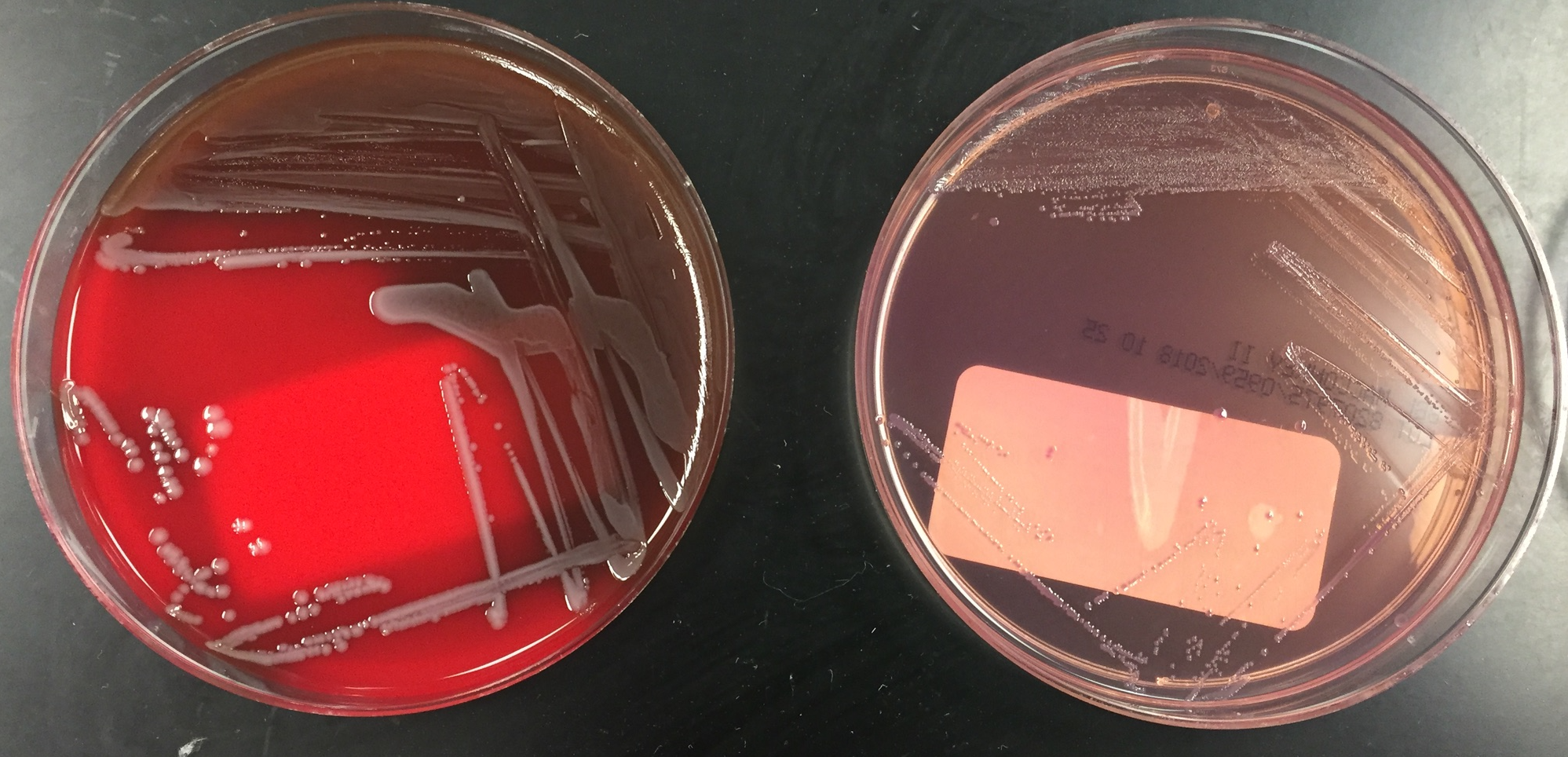
Image 1. Whitish gray colonies on sheep blood and MacConkey agars after 48 hours of incubation at 35°C in ambient air.
Image 2. “Bull’s eye” colonies with a pink center and white outer edge on cefsulodin-Irgasan-novobiocin (CIN) agar after 48 hours of incubation at 22°C in ambient air.

MALDI-TOF mass spectrometry identified the isolate as Yersinia enterocolitica. The urinalysis was positive and the urine culture grew >100,000 CFU/ml of Escherichia coli. Stool culture was negative for Salmonella, Shigella, E. coli O157:H7, Aeromonas, and Plesiomonas. Antigens for Shiga toxin and Campylobacter jejuni were both negative. Stool culture for Y. enterocolitica was not ordered. A multiplex PCR panel for gastrointestinal pathogens also identified Y. enterocolitica

Discussion

Yersinia enterocolitica is a member of the Enterobactericeae family and when transferred via the fecal oral route, can cause gastroenteritis, terminal ileitis, and mesenteric lymphadenitis, particularly in young children, the elderly, and immunocompromised patients, who consume raw or undercooked pork, chitterlings, or drink unpasteurized milk products. Because Y. enterocolitica can survive and multiple at refrigerated temperatures, prepackaged lunchmeats and packed red blood cells can be common sources for infection as well. Rarely, septicemia can result from migration of the organisms into the lymph nodes and then the blood.

Stool, blood, and lymph node cultures are often submitted to the microbiology laboratory for the detection of Y. enterocolitica. The organism is a gram-negative rod that can grow well on routine media such as sheep blood, chocolate, and MacConkey agars at 22°C and 35°C in ambient air. When there is a clinical concern for gastroenteritis caused by Y. enterocolitica, a selective media such as cefsulodin-Irgasan-novobiocin (CIN) agar should be added to the stool culture to enhance isolation. Y. enterocolitica grows as “bull’s eye” colonies with a pink center and surrounding clear to white border on CIN agar.

The organism ferments glucose & sucrose, is positive for catalase & urease, and is oxidase negative. Y. enterocolitica is able to be identified by manual and automated biochemical systems, such as API 20E and Vitek as well as MALDI-TOF mass spectrometry. Culture independent multiplex PCR panels for the diagnosis of gastrointestinal syndromes are gaining popularity due to sensitivity & improved turnaround times; however, reimbursement and the necessity for the isolated organism for susceptibility testing and typing the in the case of outbreak investigations continue to be items of concern.

The majority of cases of Y. enterocolitica gastroenteritis do not require antimicrobial treatment. In the case of severe disease and those that are immunocompromised or with systemic disease should receive treatment with a fluorquinolone or trimethoprim sulfamethoxazole. While Y. enterocolitica produces beta lactamases, it is still uniformly susceptible to extended spectrum cephalosporins as well.    

In the case of our patient, she received 8 days of ceftriaxone and was transitioned to oral trimethoprim sulfamethoxazole and discharged home to finish the 21-day course of antibiotics due to bacteremia from Y. enterocolitica. Mother was counseled to fully cook pork products before feeding to the baby.    

-Lisa Stempak, MD, is an Assistant Professor of Pathology at the University of Mississippi Medical Center in Jackson, MS. She is certified by the American Board of Pathology in Anatomic and Clinical Pathology as well as Medical Microbiology. She is the Director of Clinical Pathology as well as the Microbiology and Serology Laboratories. Her interests include infectious disease histology, process and quality improvement, and resident education.

ASCP’s Inaugural Global Health Trainee Fellowship – My Experience in Addis Ababa, Ethiopia

ASCP has led the way in bringing pathology and laboratory medicine to the forefront of the discussion about global health. Through their many international partnerships, they have been working to bring high quality pathology services to patient populations in need worldwide.

In an effort to engage and enrich the next generation of pathologists, ASCP created the Global Health Trainee Fellowship in which those in a residency or fellowship (in the US or Canada) have the opportunity to apply for a minimum of a four-week rotation at one of ASCP’s global partner sites. This serves as an opportunity for trainees to gain hands-on laboratory medicine experience in low resource settings and to broaden their knowledge of pathology outside of the scope found in the typical western demographic. As a recipient of the inaugural American Society of Clinical Pathology Global Health Trainee Fellowship, I chose to go to Addis Ababa, Ethiopia for the month of December 2018. I knew that laboratory services were actively advancing, and I hoped that this would help me understand the challenges faced by an expanding laboratory working with constrained resources. Ethiopian people are known to be warm-natured, welcoming, and hospitable. Reputable also for their love of good food and coffee (both of which are near and dear to my own heart!), I knew I would be heading to a vibrant community of kindred spirits.

Ethiopia

Known as the birthplace of humanity, Ethiopia is a country that is rich in culture, ancient traditions, and beautiful scenery. In the last 100 years, Ethiopians have faced attempts at invasion and occupation, severe famine, drought, ongoing water shortages, and challenges most in the western world would never need to even think about. Despite these challenges, Ethiopia has shown to be a resilient nation, constantly moving forward, and is now considered to be the fastest growing economy in East Africa.1

Ethiopia’s Cancer Problem

Worldwide, cancer incidence is increasing each year. Developing countries are no exception; not only do they bear the burden of communicable diseases; they are also faced with an increase in non-communicable diseases, creating a ‘double burden of disease’. One estimate of the growing cancer epidemic in Ethiopia demonstrated that death from cancer accounts for nearly 6% of total national mortality with 80% of reported cases diagnosed at advanced stages.2 The Ethiopian Federal Ministry of Health has composed a national cancer control plan to address the growing threat of cancer. In it, issues such as lack of expertise on cancer diagnosis and treatment as well as lack of diagnostic and treatment facilities are cited as major obstacles to achieving cancer control. Addressing these factors is an enormous task, as there are currently only approximately 40 pathologists in Ethiopia to serve a population of over 100 million.3 Training enough pathologists in sub-Saharan Africa at the current rate of matriculation is a major barrier to developing a rapid solution. It is estimated that it would take over 400 years to match the number of pathologists to the population to reflect the ratio found in the USA or UK.4 Therefore, those in higher resource settings have a unique opportunity to help close this gap by joining in the effort to improve access to pathology services.

My work with ASCP in Ethiopia

In Ethiopia, ASCP has partnered with the two largest hospitals – Black Lion and St. Paul’s Hospital Millennial Medical College (SPHMMC). They are working to improve the quality management systems, introduce immunohistochemistry into the testing menu, and provide mentorship.

SPHMMC-Future Cardiac and Cancer Center

I had the privilege of spending a month with the remarkable anatomic pathology team at St. Paul’s; here, there is an impressive staff of pathologists, a residency program, a busy fine needle aspiration biopsy (FNAB) clinic, and a histopathology laboratory. They average around 600 surgical specimens monthly and perform between 40-50 fine needle aspiration biopsies daily. This volume will only increase in the future, as a major cancer treatment center is in construction now. I was fortunate to attend daily sign-outs where I saw innumerable cases of tuberculosis- and HIV-related pathology, massive thyroid goiters and malignancies, breast lesions that were sampled by both FNAB and surgical methods, and a spectrum of tumors with the majority presenting in advanced stage. I was so impressed by the diagnostic ability of both the pathologists and the residents, and they were eager to share and teach the cases that were rare to me. This was very valuable to me as a third-year resident, as I do not see nearly as many infectious disease related specimens and was exposed to an abundance of very advanced cases with unusual presentations. In addition to these sign-outs, I had the opportunity to help with frozen section diagnostics, which was quite challenging, but an extremely rewarding experience.

One of my favorite experiences was working with the talented and committed laboratory staff. I had the pleasure of working with George Okbazgi, the anatomic laboratory manager, and Eshetu Lemme, the ASCP local representative – both of whom are extremely passionate about quality standards in the laboratory. We accomplished many things together, including conducting a thorough mock inspection of the cytopathology department that concluded with a detailed written report, and plan for improvements. We also went through all the laboratory standard operating procedures as well as the AP quality manual – we spent many hours going through these documents revising and editing, identifying missing portions, and comparing to current laboratory procedures. This was tedious work, but fortunately, we had an abundance of delicious Ethiopian coffee to carry us through!

George Okbazgi and I discussing laboratory quality improvement plans (over coffee, of course!)

I reached out to the residents and attendings to see where else I could be of use. I was excited that they asked for my help with editing and revising several research reports, proposals, and grant applications. I was delighted with this task because, in my residency, we’ve had ample opportunity to participate in research and I’ve been fortunate enough to receive training in manuscript writing. This was an area that the team at St. Paul’s felt that they could improve, so it was a fantastic opportunity for me to be able to share the benefits of my training.

I’m excited that my departure from the lab back to the US did not mark the end of the relationship, as I was asked by the department to be involved in their endeavor to develop a fellowship program in gynecologic pathology – which will make this the first pathology fellowship program for the nation! I am thrilled to be a partner in such a monumental venture and hope that this will be the first of many long-term collaborative projects with the wonderful pathology group at St. Paul’s.

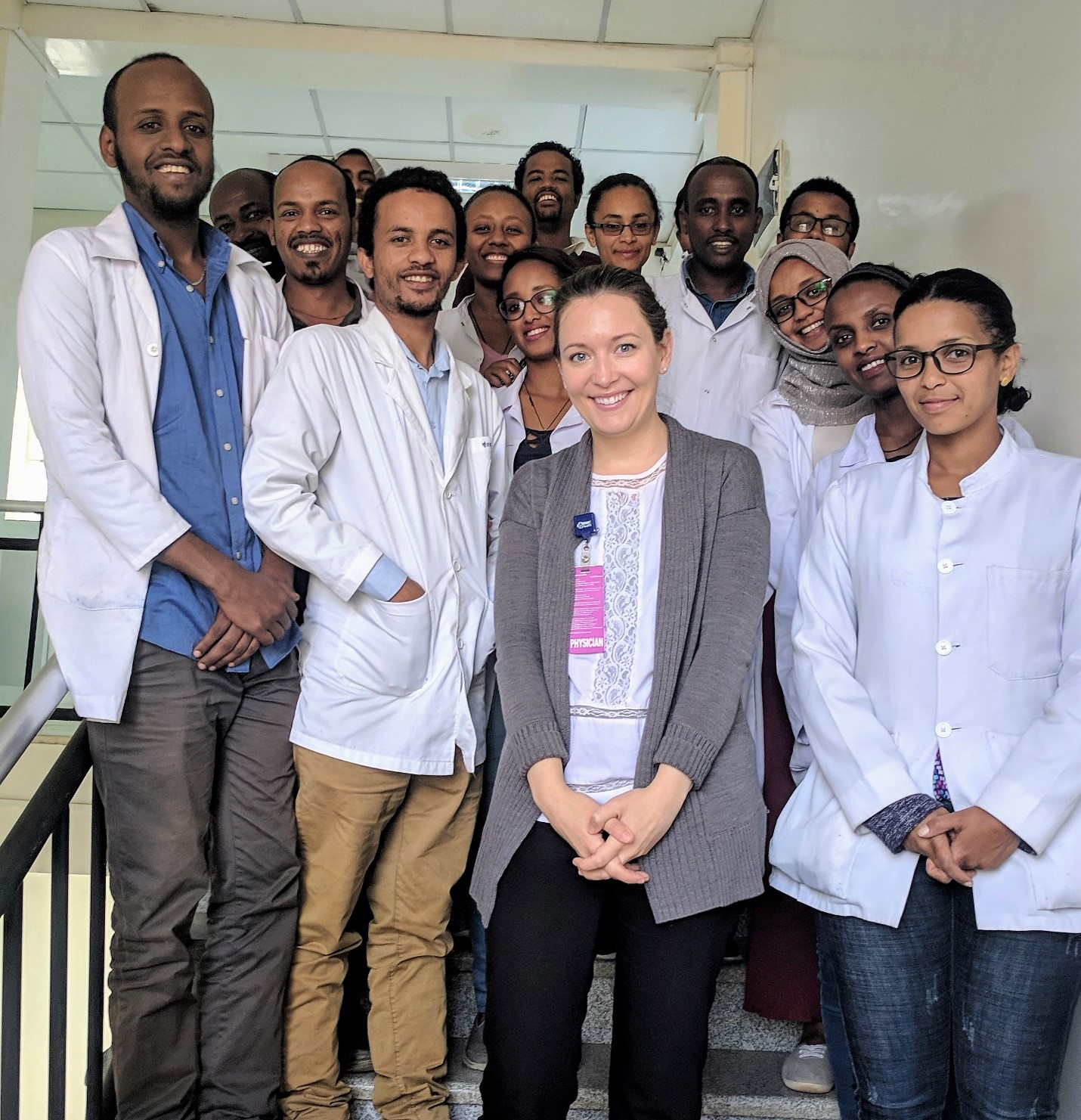
The wonderful pathology team at St. Paul’s!
(From left to right):
Back Row: Drs. Addishiwot Tadesse; Aisha Jibril; Dawit Solomon; Eyerusalem Fekade; Amanuel Yeneneh.
Middle Row: Drs. Eskindir Redwan; Nebiat Zerabruk; Melat Debebe; Hewan Hailemariam; Mersha Mekonnen; Menal Hassen.
Front Row: Drs. Taye Jemberu; Dana Razzano; Samrawit Goshu; Abinet Admas.
Pathologists and Residents missing from photo: Drs. Bereket Berhane (Chairperson); Mesfin Asefa (Program Director); Zewditu Chayalew; Selamawit Tadesse; Kirubel Girma; Tsion Betremariam; Zemen Asmare; Mahlet Guu’sh; Tadesse Musie; Azeb Gezahegn; and Ashenafi Getachew.

Conclusion

My time in Ethiopia was time truly well spent – together, we were able to make significant gains in improving the quality of the laboratory, engaging in research, and began laying the foundation for future collaborations.

I highly encourage all residents and fellows to apply to participate in this trainee fellowship with ASCP. It is an invaluable opportunity to exchange knowledge, build new collegial relationships, and help develop solutions to problems unique to these settings. And for the pathologists out of training, ASCP offers many ways to get involved in global health – please visit the ASCP Center for Global Health Website for more information about the changes they are making worldwide and how you can play a role: https://www.ascp.org/content/get-involved/center-for-global-health

References

  1. Ethiopia Overview. World Bank. http://www.worldbank.org/en/country/ethiopia/overview. Accessed January 7, 2019.
  2. Federal Ministry of Heatlh Ethiopia. National Cancer Control Plan of Ethiopia. 2015.
  3. Adesina A, Chumba D, Nelson AM, et al. Improvement of pathology in sub-Saharan Africa. Lancet Oncol. 2013;14(4):e152-e157. doi:10.1016/S1470-2045(12)70598-3
  4. Wilson ML, Fleming KA, Kuti MA, Looi LM, Lago N, Ru K. Access to pathology and laboratory medicine services: a crucial gap. The Lancet. 2018;391(10133):1927-1938.

-Dana Razzano, MD is a Chief Resident in her third year in anatomic and clinical pathology at New York Medical College at Westchester Medical Center and will be starting her fellowship in Cytopathology at Yale University in 2020. She was a top 5 honoree in ASCP’s Forty Under 40 2018 and was named to The Pathologist’s Power List of 2018. Follow Dr. Razzano on twitter @Dr_DR_Cells.

Neuroendocrine Neoplasms of the Pancreas: A Multidisciplinary Approach

Authors: Dr. Maryam Zenali (Department of Pathology), Dr. Eric Ganguly (Department of Gastroenterology), and Dr. Christopher J. Anker (Division of Radiation Oncology), University of Vermont Medical Center

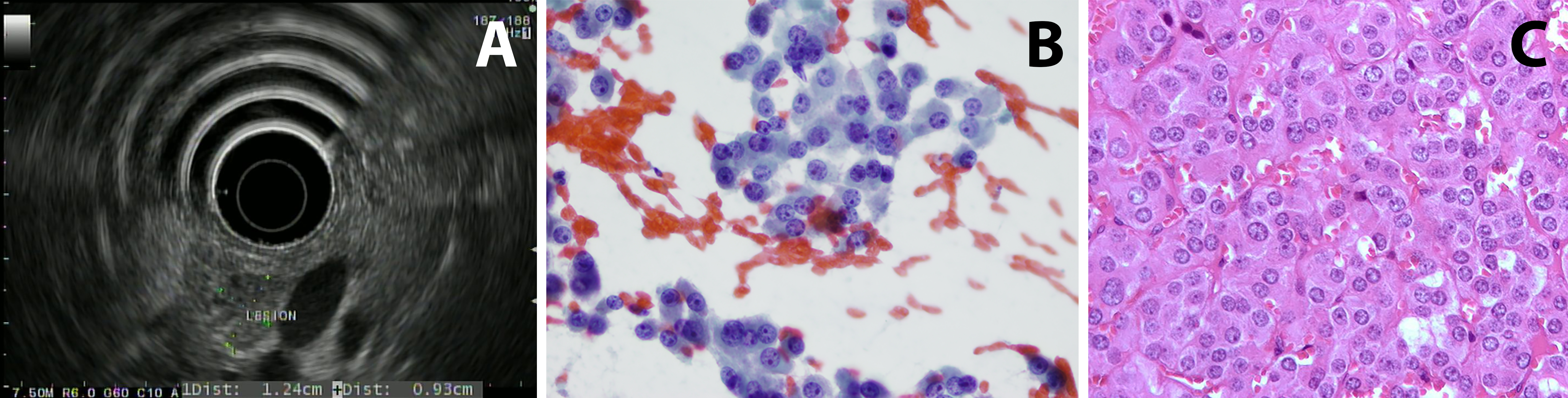
Case 1: Patient 1 is a 75 year old man with a history of gastroesophageal reflux disease (treated with a proton-pump inhibitor) who had an episode of diaphoresis and altered mental status at 3:30 am. He was found to have a glucose of 20 when rescue arrived. He was brought to the ED and symptoms resolved after glucose administration. Work-up showed fasting C-peptide of 3.5 (normal range: 1.1-4.4 ng/mL) ruling out excess insulin use; proinsulin was elevated at 300 (normal range: 3-20 pmol/L). Serum chromogranin A was noted to be mildly elevated. He had a CT scan of the abdomen that did not show any abnormal enhancement or concerning lesion. Endoscopic ultrasound (EUS) imaging demonstrated a slightly hypoechoic mass in the pancreatic head with a hyperechoic halo margin. The mass was adjacent to, although not invading, the portal vein. The remainder of the pancreatic head had a normal echotexture (figure 1A). Fine needle aspiration and biopsy of the lesion were performed; microscopic images are provided (figures 1B and 1C).

Histology: A relatively monotonous, well-differentiated tumor with regular, round salt-and-pepper chromatin and eosinophilic cytoplasm. There were only rare apoptotic cells and no mitosis. 1% of tumor nuclei were immunoreactive with MIB-1 (Ki67 K2 Leica). Tumors cells were diffusely and strongly positive for synaptophysin (27G12, Leica), chromogranin (LK2H10, Ventana) and keratin (AE1-AE3, Biocare) but negative for makers such as TTF1, CK7, Beta-catenin and GATA-3.

What is most likely the diagnosis?

Personal and Situational Variables of Leadership Development

Several aspects influence whether people learn from experiences in order to become a better leader. These variables can either be personal traits of the individual learner or situational aspects of the circumstances. Both personal and situational variables of experiential learning increase the development of leaders.

Personal Variables

Being exposed to experiences does not necessarily mean that people learn from them. There are some personal attributes necessary to foster learning from experiences in order to develop one’s leadership potential. The main variable that influences experiential learning is the capacity and practice of self-reflection. Being able to draw lessons from experiences is indeed what drives leadership development and self-reflection increases the number of lessons noticed in each experience. Furthermore, experiences that are challenging promote learning. How challenging an experience is can be seen as situational, however it is also personal as some people are more drawn to challenging experiences than others. Additionally, motivation to learn increases experiential leadership development. Whether the learning is motivated through goals, actions, or to simply seek knowledge, motivation influences leadership development.

In addition to being reflective, motivated, and challenged, experiential learners also need to think and act. Thinking is important because it allows the learning to plan and strategize. Finally, acting is one of the most critical aspects of learning, because it closes the cycle of learning and creates the next cycle of experiential learning.

Furthermore, assessments bring a deep level of self-awareness about their behavioral and thinking patterns, behaviors, and preferences. Knowing what one does well, where one can improve, and where the developmental gaps are is essential for leadership development. The experience with assessment is both a personal and situational variable, because how people are rated or rate themselves depends on the situation and on the personality of the person being rated. Finally, vicarious learning is learning through other people’s experiences. However, not everyone who witness other people’s leadership challenges, solutions, and behaviors develop their own leadership skills. Therefore, this is both a situational and personal variable as a person needs to be motivated to learn but also needs access to a vicarious learning opportunity.

Situational Variables

Some of the factors that influence learning from experiences are situational. This means that people have to be in a specific type of situation in order to not merely experience something but to increase their leadership effectiveness based on that experience. Experiences in themselves are situational; for the most part one cannot make certain experiences happen but they happen to people instead. However, there are three specific aspects of employment that people can seek that foster situational learning opportunities. The first one is getting a new job, changing job status, or job location. There is a tremendous amount of experiential learning that takes place when one of these aspects of a current job changes. The second is a change in task-related characteristics, such as a process or systems change. Thirdly, obstacles increase learning. Such obstacles can be difficult supervisors or employees, another company launching a similar program, or a crisis. All these experiences promote learning because jobs are central in leadership development, as well as, different assignments and experience with obstacles.

Support is an additional situational variable that increases learning. Support promotes learning because it makes people feel reassured and safe. Feeling safe also increases learners’ motivation, competency, and self-efficacy, which all promotes learning. Additionally narrative accounts shared by leaders and the organization promotes learning from experience, even if the narratives are fictional. Hearing stories about effective and ineffective leadership increases listeners’ own leadership skills through cognitive elaboration and transportation. Finally, allowing people to experience the consequences of decisions increases their learning and develop their leadership potential. Experiencing the consequences will increase people’s understanding of the impact of decisions and how departments and tasks are interconnected.

People learn in many different ways, but we all go through experiences, whether they happen to people directly, through vicarious learning, or through narratives. The better leaders can maximize learning from experiences, the more prepared the next generation of leaders will be to tackle challenges, dilemmas, and problems.


lotte-small

-Lotte Mulder earned her Master’s of Education from the Harvard Graduate School of Education in 2013, where she focused on Leadership and Group Development. She’s currently working toward a PhD in Organizational Leadership. At ASCP, Lotte designs and facilitates the ASCP Leadership Institute, an online leadership certificate program. She has also built ASCP’s first patient ambassador program, called Patient Champions, which leverages patient stories as they relate to the value of the lab.

The Not So Legendary Chimera

In the Iliad, Homer described the chimera as “a thing of immortal make, not human, lion-fronted and snake behind, a goat in the middle, and snorting out the breath of the terrible flame of bright fire (1).” This mythical creature has a lion’s head, a goat’s middle and the tail of a serpent, and the siting of a chimera was considered to be an omen for disaster! Thankfully, not so much in blood bank. Though ABO discrepancies can be a challenge, even most chimeras can easily be resolved with a few additional steps and a patient history.

Figure 1. The mythical chimera.

To review, an ABO discrepancy occurs when unexpected reactions occur in the forward or reverse grouping, or the forward typing does not match the reverse typing. Some weak subgroups of A (notably A3) are known for giving mixed field reactions. Weak activity with anti-A, anti-B or anti-D can also in result mixed field reactions in leukemia patients. In these examples, the mixed field reactions are due to the weakened expression of the corresponding antigens.

Chimerism is the presence of 2 cell populations in a single individual. There are scenarios where ABO discrepancies causing mixed field reactions indicate an apparent chimera. A group A positive patient who received several units of O negative blood will have mixed field reactions due to the presence of two blood types in their peripheral blood. This would be a temporary situation. A patient who received a bone marrow or stem cell transplant from a non-group identical donor will have 2 populations of red blood cells until the new type is established. We refer to these as artificial chimera cases, as the second blood type is not naturally occurring, but present due to the introduction of a different blood type via transfusion or transplantation.

Table 1. Group A pos patient who received several units of group O neg red cells

Like the mythical beast, a chimera in biology describes an organism that has cells from two or more zygotes. When chimerism exhibits only in the blood, the phenomenon can be termed an artificial chimerism, as described above, as dispermic chimerism or as twin chimerism. Dispermic chimerism occurs in other animal species but is a rarity in humans. It occurs when 2 eggs are fertilized by 2 sperm and these products are fused into one body. In this case, the chimerism is not limited to blood, but may also result in hermaphroditism, or two different skin colors or eye colors.

Twin chimerism occurs when, in utero, one twin transfuses blood cells, including stem cells,  to the other. Sine the fetal immune system is immature, the host does not see these transfused blood cells as foreign antigens.  The stem cells can proliferate and this results in the production of cells from both the donor and the host for the rest of the individual’s life. Two non-compatible blood groups can co-exist in one individual! This phenomenon is usually discovered by coincidence during a routine type and screen. This patient could be found to have mixed field or weak reactions on ABO typing, or could have missing reactions in the back type, all with no history of transfusion, transplantation and no disorder that could explain the findings. What is a tech to do? An important step in resolving all ABO discrepancies is to review patient history.

In 1953 a human chimera was reported in the British Medical Journal. A woman was found to have blood containing two different blood types. Apparently this resulted from her twin brother’s cells living in her body (2). More recently, in 2014, a case described in Blood Transfusion describes a 70 year old female who was found to have mixed field reactions with ABO and RhD typing during routine testing before surgery. She had no history of transfusion or transplantation, and a history of seven pregnancies. Repeat testing by other methods and with different reagents gave the same results. On further questioning, the patient affirmed that she had been born a twin, but her twin brother had died as an infant. Since chimerism was suspected, molecular typing and flow cytometry were performed. The presence of male DNA was found by PCR testing and flow cytometry confirmed two distinct populations of red blood cells (3).

Twin chimeras with mixed blood types of 50%/50% or 75%/25% are easily picked up in ABO typing as mixed field reactions. A twin chimera with 95% group O blood and 5% group A may show a front type of a group O and a back type that lacks anti-A . Because there is immune tolerance to A cells from the twin, the expected naturally occurring anti-A is not present. On the other hand, a twin chimera who is primarily group A with 5% O cells would not be recognized as a chimera in routine ABO typing.

Table 2. Group O chimera with 5% minor cell population A cells
Table 3. Group A chimera with 5% O cells

How common is blood group chimerism?  A 1996 study found that such blood group chimerism is not rare. Though we do not often encounter this in blood bank, their study of 600 twin pairs and 24 triplet pairs showed that this occurs more often than was originally thought, with a higher incidence in triplets than in twins. Because it does not cause any symptoms or medical issues, many such chimeras go undetected. In addition, the study found that many of these chimeras had very minor second populations, making them undetectable in serological testing. In blood bank, we generally test for ABO/RH  and do not test for other antigens in routine testing. The study used 849 marker antigens. They also used a very sensitive fluorescent technique which they developed for detecting these very subtle minor populations. This study showed that while chimeras are not rare, they are something that, with present testing methods, we will not encounter too often (4).

Dual cell populations induced by chimeras have been the subject of many studies. Historically, most chimeras were naturally occurring. With newer medical interventions and therapies, we may see more situations that lead to mixed cell populations. Transfusion, stem cell transplants, kidney transplantation, IVF and artificial insemination can all lead to temporary and sometimes permanent chimeras. These can present challenges in the blood bank laboratory in interpreting results and for patient management. A question of chimera presentation can usually be solved by putting on our detective hats and investigating patient history. Further testing can be done with flow cytometry and molecular methods, if needed. Modern medicine may have given us more blood bank challenges but modern technology has equipped us with newer methods to solve them. A chimera is no longer a sign of impending trouble!

References

  1. Homer, Iliad.  In Richmond Lattimore’s Translation.
  2. Bowley, C. C.; Ann M. Hutchison; Joan S. Thompson; Ruth Sanger (July 11, 1953). “A human blood-group chimera” (PDF). British Medical Journal: 8
  3. Sharpe, C.; Lane, D.; Cote J.; Hosseini-Maaf, B.; Goldman, M; Olsson, M.; Hull, A. (2014 Oct ). “Mixed Field reactions in ABO and Rh typing chimerism likely resulting from twin hematopoiesis”, Blood Transfusion:12(4): 608-610
  4. Van Dijk, B. A.; Boomsma, D. I.; De Man, A. J. (1996). “Blood group chimerism in human multiple births is not rare”. American Journal of Medical Genetics. 61(3): 264–8 

-Becky Socha, MS, MLS(ASCP)CM BB CM graduated from Merrimack College in N. Andover, Massachusetts with a BS in Medical Technology and completed her MS in Clinical Laboratory Sciences at the University of Massachusetts, Lowell. She has worked as a Medical Technologist for over 30 years. She’s worked in all areas of the clinical laboratory, but has a special interest in Hematology and Blood Banking. When she’s not busy being a mad scientist, she can be found outside riding her bicycle.

Meaningful Metrics

Performance improvement (PI) metrics are a great way to assess the overall quality of your laboratory program. They allow you to track vital data related to CMS outcome measures, which can directly impact the financial well being of your organization. However, labs should be careful when choosing which metrics to monitor, and should routinely evaluate if the metrics they’re using are still meaningful to them.

Even a small laboratory will generate a ton of data throughout the year. The key questions to ask yourself are: 1) What do I want to know? 2) What will I do about it once I have the answer?

There may be different sets of metrics that laboratories will have to monitor and report, depending upon who the target audience of the final data analysis will be. Metrics and reports can be generated for your patients/customers, internal laboratory staff, management, and senior leadership. You may also be called upon to share your metrics with regulatory agencies as well to prove the effectiveness of your quality assurance program.

Ensure your reports are relevant and meaningful to the audience they are being shared with. Customer/Patient centered metrics can include items such as satisfaction survey results, average waiting time for outpatient blood drawing locations, and average cost/revenue per test. Internal laboratory staff metrics can include turnaround time reports for STAT tests, compliance with critical call notifications to providers, and percent completion for required monthly maintenance tasks. Higher level metrics that can be reported to management and administration may include performance on proficiency testing surveys, regulatory inspection results, and percent of corrected reports that were issued.

If goals have been met and sustained consistently, consider raising the bar and challenging yourself even further. Each metric should have 3 goals: 1) Minimum Threshold (must be achieved each review period), 2) Annual Goal (desired overall goal to account for monthly fluctuations in the data), 3) Stretch Goal (motivational tool, achievable but not guaranteed a high rate of success). Increase your minimum threshold limits to be closer to your stretch goals, and see what your particular organization can realistically meet and sustain. Be careful to not set unrealistic expectations, as this can lower morale and result in misleading interpretations of the data. Work with your clinicians and regulatory agencies to determine appropriate, and realistic goals, and utilize national benchmark standards when available.

Metrics that were added to address and monitor a specific known issue or problem should be evaluated for necessity once the issue is corrected. Consider reducing the monitoring of these items from monthly down to quarterly, semi-annually, or annually until you have confidence that it no longer requires monitoring.

When issues are identified, a root cause investigation should be performed with the intent of identifying the true cause of the problem – not to point blame to a particular person. The depth and intensity of your investigation will depend upon the specific metric which failed to meet its goal.

Properly identify the problem. To learn from our mistakes, we must first properly identify them. What may seem like an obvious root cause, may not be the real reason for an issue. For example, turnaround time metrics – if you did not complete STAT troponin tests in <45 minutes, simply purchase a new instrument that is faster. Well, it’s not quite that simple.

Break it down further into pre-analytic, analytic, and post-analytic times. Is the bulk of your 45 minute window taken up in the pre-analytic phase? Are samples being held in a central receiving area for 20 minutes and batched before being brought to the chemistry department? Are you testing serum (which needs to first clot before being spun) or plasma (which can be spun down immediately)? Is there a delay in verifying/releasing results into your LIS where autoverification would improve this process?

Before attributing instrument downtime as a cause, confirm that the outliers were in fact during the time period when the instrument was down. There’s a higher chance you have a pattern of poor TAT performance around change of shifts or meal breaks, than during a 6hr downtime on a single day in the month. Also look at how you are analyzing your metrics to ensure they are accurate. Are you including add-on tests based on their original received time, or based on when the troponin was added to the original order?

Develop a corrective action/preventive action plan. Based on what you identified to be the true root cause(s) that contributed to poor PI metrics, develop a plan for addressing these weaknesses. Identify who specifically will be responsible for performing each step in the action plan, and who will be held accountable for ensuring it was performed.

Implement the plan(s). Document the date the corrections were fully implemented, along with any delays or obstacles encountered.

Collect and analyze more data. Depending on the severity of the failed metric, you may want to begin analyzing the effectiveness of your improvement plan immediately. If there was a spike in the number of employee safety incidents reported last month due to ongoing construction in a department, the work conditions should be monitored daily/weekly for improvements.

Conversely, looking at data too soon may not paint an accurate picture of the true effectiveness of your corrective actions. Some corrective action plans may require several steps or phases for full implementation. For example, a process change will require an update to your procedure manual, retraining of all staff, and then rolling out the new process. This may take several days-weeks before 100% implemented and improvements can be detected.

Monitor the results. Check for sustainability of your corrections – staff may be on their best behavior the first week after being spoken to, but can return to old habits after that. They may not fully understand that although one process is easier for them, it is adversely affecting the overall performance of the entire lab team.

If you are consistently struggling to meet your metrics, consider looking for ways to implement lean process changes. Upgrading to a STAT spin centrifuge may save you 5 minutes on the pre-analytical side; but you may still have room for improvement. Do you consistently receive 20 samples at a time, meanwhile your centrifuge will only hold 8 tubes? Do you receive tubes of different sizes (adult vs pediatric), and is your centrifuge capable of quickly and easily interchanging inserts to accommodate both types?

Ultimately, be sure to engage your frontline staff and listen to their opinions on what is working, and what could be improved upon. They are the ones doing the tasks day in/day out, and are your subject experts on where some of the shortfalls may lie. Even if the answer is simply not having enough staff available, having detailed analytical metrics can help management justify the cost of adding additional team members, and also pinpoint the exact days and times where the help is needed most.

Bio

Kyle Nevins, MS, MLS(ASCP)CM is one of ASCP’s 2018 Top 5 in the 40 Under Forty recognition program. She has worked in the medical laboratory profession for over 18 years, and is currently employed at Northwell Health Laboratories on Long Island, NY. In her current position as a Laboratory Supervisor for the Northwell Consulting Team, she transitions between performing laboratory audits across the entire Northwell Health System, consulting for at-risk laboratories outside of Northwell Health, bringing laboratories up to regulatory standards and acting as supervisor and mentor in labs with management gaps.

-Kyle Nevins, MS, MLS(ASCP)CM is one of ASCP’s 2018 Top 5 in the 40 Under Forty recognition program. She has worked in the medical laboratory profession for over 18 years. In her current position, she transitions between performing laboratory audits across the entire Northwell Health System on Long Island, NY, consulting for at-risk laboratories outside of Northwell Health, bringing laboratories up to regulatory standards, and acting as supervisor and mentor in labs with management gaps.

Albumin Values in Transgender Men and Women

This month our study results were published in a special edition of Clinical Chemistry describing how laboratory values in transgender men and women when taking hormone therapy. While retrospective, we hope that this information will help improve transgender medicine.

There were many interesting results found in the study and I hope to describe bits of them in greater detail each month.

We wondered what we might find if we took a broad, unbiased approach comparing all laboratory parameters commonly measured by physicians. Just because there are no sex-specific differences in analytes, changes could still occur secondary to exogenous hormone use.

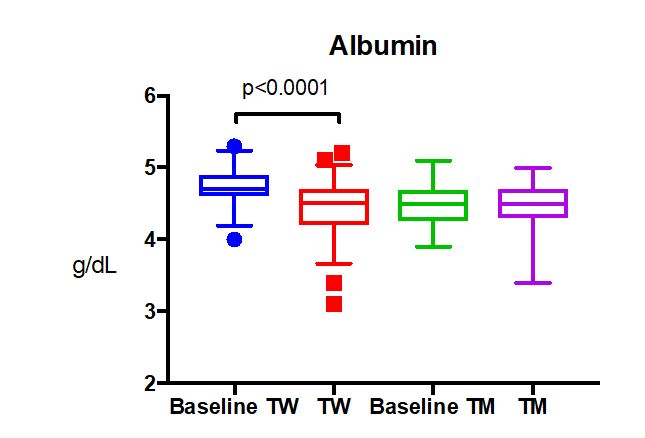
Albumin, which is the principle protein in our blood, was found to be decreased in transgender women after taking at least 6 months of estradiol therapy (p<0.0001)1. This was unexpected, because one reference range for albumin is used for cisgender males and females.

Frequently, changes in lab values move in opposite directions for transgender patients taking estradiol vs. testosterone (ex. hemoglobin goes up with testosterone and down with estradiol). We wondered if a similar opposite change might occur in albumin for transgender men taking testosterone. However, there was no change in albumin levels from baseline for transgender men.

The cause of decreased albumin was not readily available, but several factors could be influential. Albumin levels reflect the long term nutritional status of a patient as it has a long half life for turnover (t½= 3-4 weeks). Thus, the change in albumin could reflect a dietary change in transgender women. However, in the chart review there was nothing to suggest a substantial change in diet. While several of the patients would go on diets and lose weight, the weight loss was (unfortunately) often short lived (< 1 year). Looking towards a more objective reflection of dietary changes, the body mass index was nearly the same for transgender women pre-hormone therapy vs. while on hormone therapy (BMI: 27 vs 29, p>0.05).

Some studies have shown an increased prevalence of disordered eating behaviors among transgender individuals2, which could affect overall nutritional status as reflected in albumin. However, this should be controlled for by the control group, which is just transgender patients who haven’t taken hormones previously. 

Another consideration is that body composition changes in transgender patients such that transgender women lose lean mass and have an increase in body fat percent3. Although this could affect the metabolic profile (which it didn’t in our study), changes in fat percent don’t explain altered albumin levels.

Albumin levels are also low in patients with chronic liver disease, but this would be inconsistent with the patients’ medical history or other lab results. Frank nephrotic syndrome is unlikely as there were no reports of this disease within our population, but we did not have data on urinalysis, so we can’t say for certain.

One study did show that males (TW baseline equivalent) have higher albumin than females at younger ages (<60 y.o.) that equilibrates in later decades4. This sex-specific difference shows how estradiol decreases albumin to cisgender female levels. However, the reverse effect (increased albumin) does not occur with testosterone in transgender males. This demonstrates how sex-specific reference intervals cannot be simply reversed for transgender patients.

In a normal set of outpatients in the UK, oral contraception use (which includes estradiol) in women decreased their albumin levels by 0.2 g/dL, which is a smaller magnitude than found in our study, but supports a hormonal basis for sex-specific differences in albumin4.

Although the decrease in albumin for our cohort was not clinically significant (did not pass lower limit of normal albumin reference interval), it would be important to monitor albumin levels in older or elderly transgender females on hormone therapy. Elderly patients are at increased risk of hypoalbuminemia, especially when hospitalized5.

Summary:

  1. Albumin is decreased in transgender women taking estradiol therapy.
  2. Albumin levels do not fall below normal ranges.
  3. This could be more important in older or elderly transgender patients who are already at risk of hypoalbuminemia.

References

  1. SoRelle JA, Jiao R, Gao E et al. Impact of Hormone Therapy on Laboratory Values in Transgender Patients. Clin Chem. 2019; 65(1): 170-179.
  2. Diemer EW, Grant JD, Munn-Chernoff MA et al. Gender Identity, Sexual Orientation, and Eating-Related Pathology in a National Sample of College Students. J Adolesc Health. 2015; 57(2):144-9.
  3. Auer MK, Cecil A, Roepke Y et al. 12-months metabolic changes among gender dysphoric individuals under cross-sex hormone treatment: a targeted metabolomics study. Sci Rep. 2016; 6: 37005.
  4. Weaving G, Batstone GF, Jones RG. Age and sex variation in serum albumin concentration: an observational study. Annals of Clinical Biochemistry 2016, Vol. 53(1) 106–111.
  5. Cabrerizo S, Cuadras D, Gomez-Busto F et al. Serum albumin and health in older people: Review and meta analysis. Maturitas. 2015; 81(1):17-27.

-Jeff SoRelle, MD is a Molecular Genetic Pathology fellow at the University of Texas Southwestern Medical Center in Dallas, TX. His clinical research interests include understanding how the lab intersects with transgender healthcare and advancing quality in molecular diagnostics.