The Exciting World of Molecular Diagnostics

Hello everyone! I am Sharleen Rapp and I’m a Molecular Diagnostics Coordinator at Nebraska Medicine. I feel lucky to be able to discuss all about the exciting world of Molecular Diagnostics. For my first post, I’d like to give you a little background about myself and why I feel I am lucky to be in the career that I’m in.

Ever since I was little, science has intrigued me. Perhaps it was the experiments my Dad performed in our kitchen as practice for his labs for his high school chemistry classes (who doesn’t enjoy watching salt crystals “grow” on string in peanut butter jars?) or watching my brother set up his fruit fly experiment for his high school science class, but I’ve always enjoyed learning about how things work.

I went to a small parochial school in the middle of Nebraska, and unfortunately we didn’t have the funds for elaborate science class labs. Interestingly enough, the event that clinched science for me was a project that I did for my government class. We were responsible for writing, essentially, a textbook, complete with chapters, endnotes, quizzes and tests, on a topic of our choosing. I chose to write about the Human Genome Project. I wrote this in the year 2000, when the Project was in full swing. I had read about it in the previous years, and I was completely amazed by what it accomplished. In the middle of the school year, in fact, Time magazine came out with an issue titled “The Future of Medicine – How genetic engineering will change us in the next century.” It contained nineteen different articles, all focused on how the information from the Human Genome Project would impact the future – one of which discussed the way pharmaceutical companies were designing drugs to combat the mutations in different types of cancer. I knew then I would be a part of that future; I just didn’t know how. At this time, I had no idea how I could go about working in this field. I had never heard of the discipline “Molecular Diagnostics” or medical technology.

I went off to college and got a degree in Biological Sciences with the intent to go to graduate school and study in Genetics, but I still had no real idea about how to get into the field of study of DNA. Through some interesting twists and turns, including working in a fruit fly lab in college and an amazing internship at Washington University under Elaine Mardis, I ended up at a small private company where my job was to sequence mitochondrial DNA and mitochondrial-related genes, and in doing this, I knew I had found my career. I am a self-proclaimed science nerd and I love sequencing, the whole process from wet bench to analysis, more than anything that I have ever done. When I moved over to Nebraska Medicine and began working in the Molecular Diagnostics lab, I was amazed at the work that was being done there. I’ve had some amazing opportunities to work with all different types of sequencing – dideoxy sequencing, pyrosequencing, and now, massively parallel (aka, next generation) sequencing. I am so excited to be sharing some of my experiences and case studies from the work that we do in our lab in future posts.

Thanks for reading!!

 

rapp_small

-Sharleen Rapp, BS, MB (ASCP)CM is a Molecular Diagnostics Coordinator in the Molecular Diagnostics Laboratory at Nebraska Medicine. 
Local is Global

The words “global health” usually triggers thoughts of exotic diseases in exotic locales. But, we should remember that “global” includes our own backyard! Public health and clinical laboratories and lab professionals in the US play an important role in global health efforts, just as labs and lab initiatives in remote, resource poor areas. Labs are important for healthcare at local, national, and international levels. Without labs, we risk antimicrobial resistance, spread of infectious diseases, environmental exposures, and inadequate management of chronic non-communicable diseases like diabetes.

Despite their significant role in healthcare, our labs at home face funding and staffing challenges. It is estimated that 7,000 medical technologist positions need to be filled annually, and only 6,000 are produced each year. The number of training programs have decreased by 15% since 1990. CMS has recently announced that a bachelor’s degree in nursing is equivalent to a degree in biological sciences required to perform high-complexity testing. While nursing education provides invaluable medical knowledge, it does not include in-depth scientific study of principles behind laboratory testing and technology.

Both clinical and public health labs in the US are facing financial challenges. Public health labs, especially, have functioned on minimal budgets for several years. With these challenges, maintaining status quo can be difficult let alone scaling up activities when needed for managing crises. We see this play out with the Zika virus. The CDC has already spent 87% of funding allotted for Zika. State public health labs are worried about their ability to continue to meet routine needs while scaling up to be able to perform Zika testing. The FDA recommendation for screening donated blood products puts additional burden on laboratories and blood banks.

The reason we don’t think of our own backyard when we hear “global health” is because we don’t have as many of the exotic diseases seen in other locales. This is in large part because we do have quality laboratory systems in place. While in the field, comments such as “I had no idea pathologists did this much” have been made to me. As lab professionals we need to advocate for laboratory medicine, at home and abroad.


Sarah Brown Headshot_small

-Sarah Brown, PhD, DABCC, is an Assistant Professor of Pediatrics and Pathology and Immunology at Washington University in St. Louis School of Medicine. She is passionate about bringing the lab out of the basement and into the forefront of global health.  

Microbiology Case Study: A 46 Year Old Man Newly Diagnosed with HIV

Clinical Case

A 46 year old male with history of anal HPV with AIN II and anal fissure status-post sphincterectomy and fissurectomy, tobacco and cannabis use, and recent shingles outbreak presented with 1 year of diarrhea, fevers, chills and weight loss and a 2 week history of congestion and productive cough. He was found to have diffuse ground glass opacities with large cysts of the lungs on CT scan, and after admission was found to be positive for HIV with concern for AIDS. He received a bronchoscopy on that showed Pneumocystis jiroveci pneumonia. He was treated and clinically improved over several days when HAART therapy was initiated. Shortly afterwards he became neutropenic with his ANC as low as 150. The initial BAL fluid and stool became positive for acid fast bacilli.

Laboratory Identification

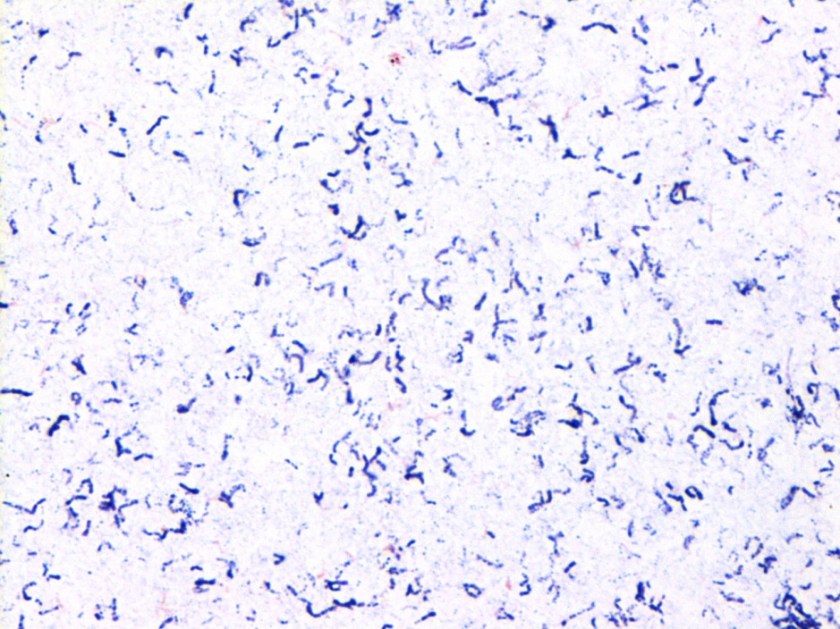
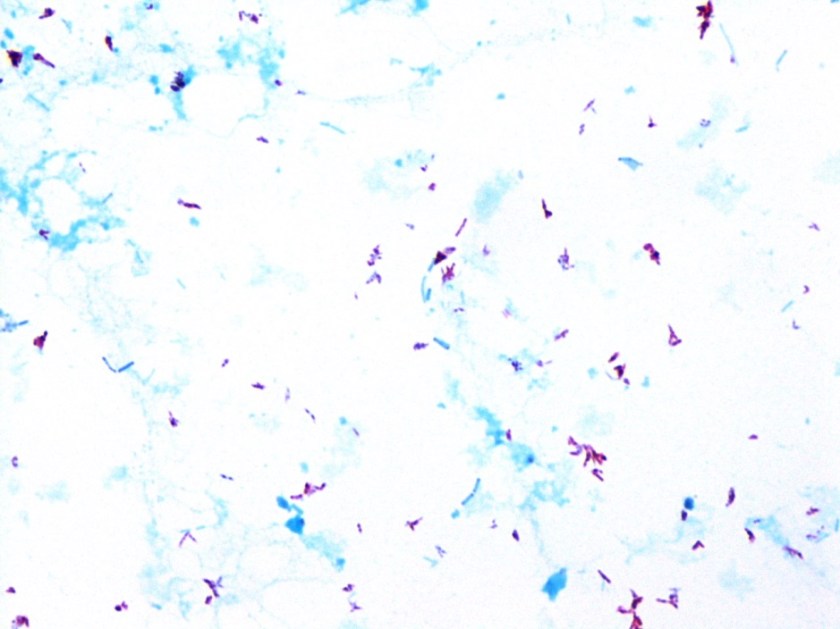
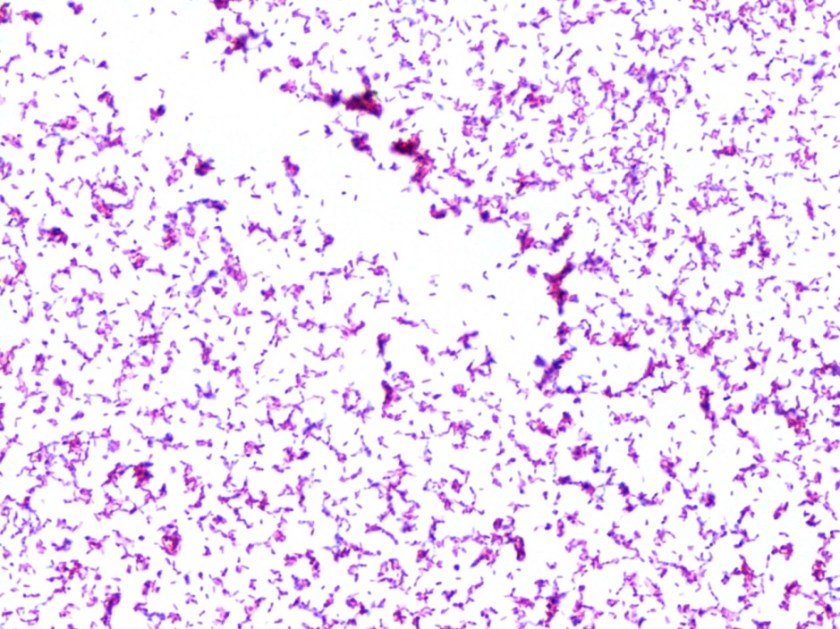
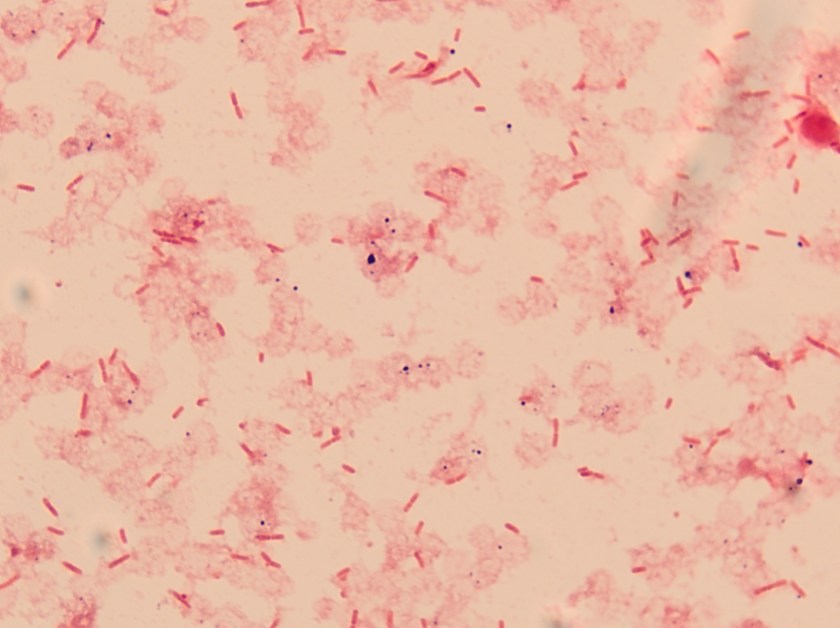
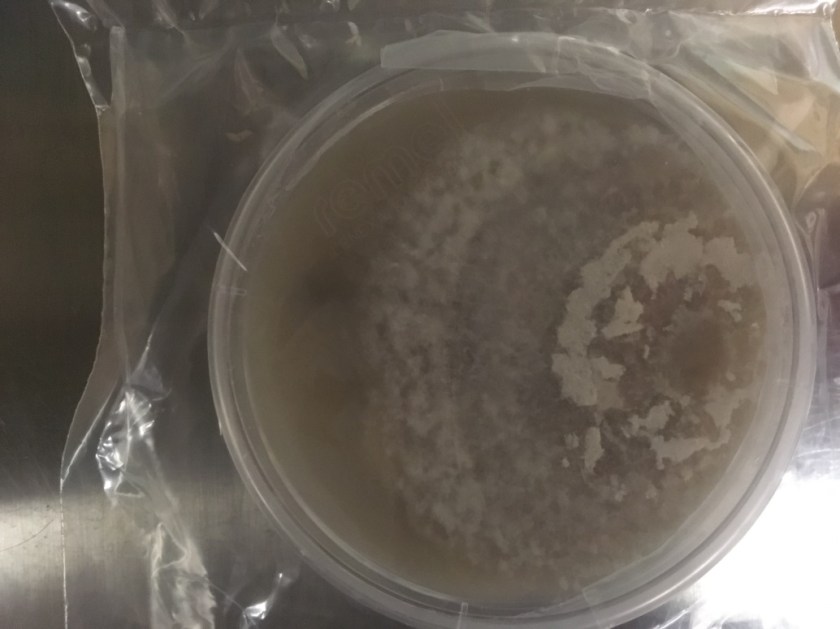
On Löwenstein-Jensen media, the organisms show small, flat, translucent, smooth colonies. They are slow-growers readily detected by acid fast and Kinyoun staining. In broth, the organisms do not show clustering or “cording.”


mac1
Gram stain, from Middlebrook 7H11 agar
mac2
Kinyoun stain, from Middlebrook 7H11 agar
mac3
Kinyoun stain, from Middlebrook 7H11 agar
mac4
Growth on Löwenstein-Jensen media

Discussion

Mycobacterium avium complex (MAC) is the most common nontuberculous mycobacterium (NTM) species causing human disease in the United States and is ubiquitous in the environment. MAC refers to infection caused by one of two slowly-growing NTM species, M. avium and M. intracellulare.

The pathogenesis of MAC lung disease is poorly understood. Infection is most likely acquired via ingestion or inhalation of aerosols from the environment inoculating a mucosal surface. Soon after inhalation or ingestion of MAC organisms, the infection disseminates lymphohematogenously. The bacteria are taken up by mononuclear phagocytic cells throughout the body, seeding other organs and tissues. Unlike M. tuberculosis, there is no convincing evidence demonstrating human-to-human transmission of MAC.

Disseminated NTM disease occurred in 5.5% of AIDS cases reported to the Centers for Disease Control and Prevention (CDC) from 1981 to 1987. This dropped to 4% after 1996, and is now at a rate of less than 1% per year. The dramatic decline in the disseminated disease is attributed to the use of effective prophylaxis with clarithromycin and azithromycin, as well as the advent of potent antiretroviral therapy. However, as in our case, patients with low CD4 cell counts remain at risk. Blood cultures for MAC isolation should be obtained before prophylaxis is initiated if there is any suspicion of clinical disease; the treatment regimen is different if blood cultures are positive (ie, the patient has active disease).

Traditional methods of speciating mycobacterial isolates were based upon growth characteristics on solid media and subsequent biochemical tests, requiring additional weeks for subcultures. Now we have commercially available highly-accurate nucleic acid probes that can identify MAC isolates within one day of growth. Other techniques such as 16S ribosomal DNA sequencing, Matrix-assisted laser desorption/ionization time-of-flight mass spectrometry, PCR-restriction length polymorphism analysis (PRA), and high-performance liquid chromatography (HPLC) are also available.

Susceptibility testing of MAC is difficult and controversial compared with M. tuberculosis. Exceptions to this are macrolides and amikacin, for which the MICs have been shown to correlate clinically with in vivo response. Additionally, clarithromycin resistance can be detected by a mutation in the 23S ribosomal macrolide binding site.


-Thomas Rogers, DO is a 3rd year anatomic and clinical pathology resident at the University of Vermont Medical Center.

Wojewoda-small

-Christi Wojewoda, MD, is the Director of Clinical Microbiology at the University of Vermont Medical Center and an Assistant Professor at the University of Vermont.


Microbiology Case Study: 37 Year Old Male with Cyclic Fever and Severe Headache

Case History

A 37 year old Indian male presents to the emergency department with complaints of a cyclic fever (102-103°F), chills, fatigue and a severe headache. He denies nausea, vomiting or diarrheal symptoms. His travel history is significant for a recent 2 month vacation to India and he is concerned he has malaria, given his symptoms. He reports no sick contacts or suspicious ingestions during his trip and his other family members are well. On physical exam, he is ill appearing, with dry mucous membranes but has no aversion to light or neck pain. Blood work revealed a normal white blood cell count and elevated liver enzymes (ALT 383 U/L, AST 282 U/L). Blood and CSF were collected and sent to the microbiology laboratory for Gram stain and culture. Additional tests for influenza, viral hepatitis and malaria were performed.

Laboratory Identification

salm1

Figure 1. Gram stain from a positive blood culture illustrating large Gram negative rods (100x, oil immersion).

salm2

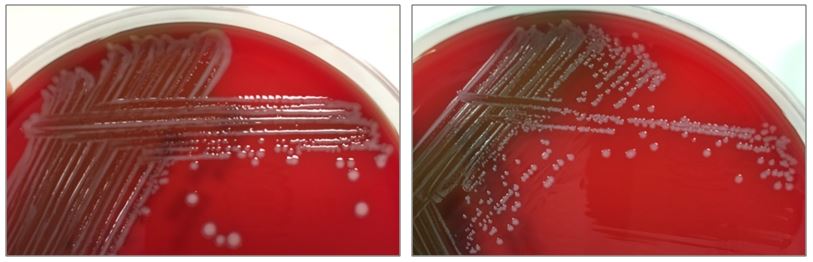
Figure 2. Small, lactose negative colonies growing on MacConkey agar after 24 hours incubation in CO2 at 35°C.

salm3

Figure 3. Green colonies growing on Hektoen enteric agar after 24 hours incubation in O2 at 35°C.

Within a day of collection, multiple blood cultures were positive for a large Gram negative rods (Figure 1). The organism grew after 24 hours incubation in CO2 at 35°C on blood, chocolate and MacConkey agars and was lactose negative (Figure 2). The identification by MALDI-TOF was Salmonella group. The isolate was then sent to the public health department for additional testing via molecular typing methods. The diagnosis of Salmonella serotype Typhi was confirmed. Testing for influenza, viral hepatitis and malaria were all negative.

Discussion

Salmonella serotype Typhi is a motile, Gram negative rod that is a member of Enterobacteriaceae family.  Typhoid fever is the cause of serious bloodstream infections in developing countries and the great majority of cases in the United States are identified after recent travel. Clinically, it presents with high fever and headaches, in the absence of gastrointestinal manifestations and causes a more severe illness than other Salmonella serotypes. The infecting organism, of which humans are the only known reservoir, is transmitted by food or drink contaminated with feces or person to person contact and has a low infectious dose. Healthy carriers that are able to asymptomatically shed the bacteria have been documented.

Salmonella serotype Typhi is more commonly isolated from blood rather than fecal specimens and grows well on a variety of media including blood, chocolate and Hektoen enteric agar (Figure 3). The characteristic reaction on a triple sugar iron (TSI) slate is alkaline/acid (K/A, only glucose fermented) with a small moustache of H2S production at the site of inoculation and no gas production. In addition, a positive lysine decarboxylase reaction helps to distinguish Typhi from non-typhoidal Salmonella subspecies I members. MALDI-TOF mass spectrometry is successfully able to identify the isolate as Salmonella spp., but additional testing must be performed to determine the particular serotypes.

Traditionally, serotyping of the O (somatic), H (flagellar) and Vi (capsular) antigens and applying results to the Kauffmann-White scheme is useful in confirming the diagnosis of Salmonella and defining the serotype name. In the case of Salmonella serotype Typhi, the somatic antigen groups as D1 and the Vi antigen is present. The Vi antigen (heat labile) sometimes masks the identity of the O antigen (heat stable). In these cases, heating the bacterial suspension in boiling water for 15 minutes and repeating the O antigen serotyping yields the correct O antigen. Given the expansion in molecular testing, methods based on identifying the genes responsible for the serotype are gaining favor.

Due to the high mortality rate in untreated cases of typhoid fever, treatment with antibiotics is necessary and given the increasing levels of resistance reported, particularly to ciprofloxacin, susceptibility testing should be performed in all cases of Salmonella serotype Typhi. It is recommended that ampicillin, a fluoroquinolone, trimethoprim-sulfamethoxazole and a 3rd generation cephalosporin be reported for all typhoid isolates based on the most current M100S-26 CLSI guidelines. Also, in the case of S. Typhi, reporting susceptibilities to azithromycin is encouraged (MIC ≤16 µg/mL S, ≥32 µg/mL R, interpretative criteria based on MIC distribution data).

In the case of our patient, he was started on ceftriaxone and continued to receive this IV antibiotic for seven days after blood cultures became negative. Susceptibility testing showed intermediate results for ciprofloxacin by disk diffusion and azithromycin was found to be susceptible with an MIC of ≤16 µg/mL. The patient has an uncomplicated hospital course and made a complete recovery.


Stempak

-Lisa Stempak, MD, is an Assistant Professor of Pathology at the University of Mississippi Medical Center in Jackson, MS. She is certified by the American Board of Pathology in Anatomic and Clinical Pathology as well as Medical Microbiology. Currently, she oversees testing performed in both the Chemistry and Microbiology Laboratories.  Her interests include infectious disease histology, process and quality improvement and resident education. 

Antimicrobial Stewardship Down Under

If you’re an infectious disease/antimicrobial stewardship/microbiology geek, then the Australian blog AIMED is relevant to your interests. AIMED focuses on practical antimicrobial prescribing issues of relevance to hospital and community prescribers. It is supported by a local brains trust of General Practitioners, Pharmacologists, Pharmacists, Microbiologists and Infectious Disease Physicians. It also provides internet access to key Hunter New England resources for medical staff including guides to local antibiograms, infection control resources and personnel.

For those who don’t know, AIMED is an acronym for five principles that guide patient treatment with antimicrobials:

  • Antimicrobial selection and dosage
  • Indication for antimicrobial treatment
  • Microbiological assessment
  • Evaluate patient at 48-72 hours
  • Duration should be specified

If you’d like to learn more, check out their blog.

The Lonely Life of a Clinical Pathologist: Rounding with the Clinical Care Team

A recent article in Critical Values by Dr. H. Cliff Sullivan (Claiming Our Seat at the Cool Kid’s Table: A Rallying Call to Pathologists) discussed how pathologists can be a part of the clinical care team but it is a hard job to complete when we are isolated to our offices or laboratories. One of the recommendations by Dr. Sullivan was to engage fellow clinicians in whatever way we can as pathologists. For this blog post I want to talk about one task in particular that has allowed me to be involved with clinicians: clinical Rounding.

When I first started my job, the most senior pathologist and critical care chair asked that I round in the intensive care unit once a week with the clinical team, consisting of nurses, mid-level providers, residents, pharmacists, and attendings . I am sure my face conveyed my baffled thoughts: what could I offer by rounding in the ICU and more importantly, how will I have time for that? However, being a new pathologist, who was I to say no to my boss and the ICU chair? I might be bold on occasion, but not that bold. The first day I arrived for rounds (still wondering what I would be doing, hoping they would not ask a question I did not know the answer to) a question came up about a susceptibility report: the mid-level provider did not understand how an isolate could be resistant to piperacillin but susceptible to piperacillin/tazobactam. It was a perfect way to impart pathology knowledge to the clinical team. As I continued to round on a weekly basis, question after question would come up – what does it mean if an HSV PCR is negative in a cerebrospinal fluid; why are peripheral smears not reported out at certain times; what does this new LIS Sunquest do differently and why is it so slow; what do you think about an alpha-fetoprotein level of 27; what is the mechanism of ADEM? These questions were sometimes very easy to answer and at other times I needed to do more investigation. In addition to answering questions on rounds, these times spent in the ICU have built up relationships; it puts a face on the name of the laboratory and has allowed the team members to reach out to me on different occasions even when I am not “rounding.”

Over the past year I have found that this one undertaking that I was so uncertain of how I could contribute to has now been one of the constant reminders of why I chose clinical pathology as a profession. While these clinical team members might not understand what I do on a daily basis, they all have one goal in mind: providing the best patient care. I like the role of being a consultant and being able to contribute to medical discussions and I have always known that laboratory results can define patient care but attending these rounds has given me first-hand experiences of how the laboratory truly affects patient care. It has been apparent through these interactions how important it is to have someone involved on the patient care team that understands the laboratory and can shed light about why the assay the provider wants to run may or may not be appropriate or why interpreting specific test results based off other confounding factors is so vital. While being a clinical pathologist may be lonely in the fact few people perform my exact job, however being involved with the clinical care team absolves that loneliness and has reminded me that each role has their place in medicine.

Now to hear from you – how do you interact with clinicians outside of the lab? Have you found a way to round with other interdisciplinary teams and if so, what has been the best approach?

Thanks for reading!


racsa_small

-Lori Racsa, DO, is the director of microbiology, immunology, and chemistry at Unity Point Health Methodist, and a Clinical Assistant Professor at the University Of Illinois College Of Medicine at Peoria. While microbiology is her passion, has a keen interest in getting the laboratory involved as a key component of an interdisciplinary patient care team.

Microbiology Case Study: 3-year-old Female with Facial Wound


Case History

A 3-year-old female with no significant past medical history presented to the emergency department 1 day following a provoked dog bite to the right cheek. At home, the bite area was cleaned, but it subsequently developed progressive erythema, swelling, and purulent discharge. Review of systems was otherwise negative. Both the patient and dog were up-to-date on vaccinations. On exam, the patient displayed a 1 cm area of induration with surrounding erythema and actively draining whitish fluid.

Fluid from the draining wound was sent to the microbiology laboratory for Gram stain and culture. On Gram stain, rare gram-negative rods were identified, as well as few polymorphonuclear leukocytes.  The following organism was recovered from culture the next day.

past1

Figure 1: Growth on blood, chocolate and MacConkey agars. Note one larger and one smaller colony morphology growing on blood and chocolate agars.  The organism did not grow on MacConkey agar.

past2

Figure 2. Subcultures of the two distinct colony types. The larger colonies (left) appeared more mucoid than the smaller colonies (right).

past3

Figure 3. Gram stains of the two colony types revealed a small, Gram-negative coccobacilli identified as Pasteurella multocida (right) and a larger, pleomorphic Gram-negative rod identified as Pasteurella canis (left).

Laboratory Work-Up

The specimen was cultured on 5% sheep blood, chocolate, and MacConkey agars. Two colony morphologies emerged on the blood and chocolate agar plates (Figure 1). The organism did not grow on MacConkey agar. Representatives of each colony morphology were subcultured onto 5% sheep blood agar with growth shown in Figure 2. One colony is larger and mucoid (Figure 2, left) while the second is smaller and non-mucoid (Figure 2, right).

MALDI-TOF (Matrix Assisted Laser Desorption/Ionization Time-of-Flight) identified two different species of Pasteurella. Colony Gram stains show P. multocida as small Gram-negative coccobacilli (Figure 3, right) and P. canis as pleomorphic Gram-negative rod (Figure 3, left).

Discussion

The Pasteurella spp. are non-motile, facultatively anaerobic, Gram-negative coccobacilli found in the respiratory tracts of nonhuman mammals, most notably cats and dogs. By current classification the genus includes P. multocida (with 3 subspecies), P. dagmatis, P. canis, and P. stomatis, with P. multocida being the most common human pathogen and species recovered from animals (>70% carriage in cats, >40% in dogs) [1]. The foremost human infection is bite or scratch wound with cellulitis, with rapid development of erythema, swelling, and purulent drainage as observed in this case. Licking may also transmit the bacteria.  Possible associated findings include fever and regional lymphadenopathy. More serious potential infections include osteomyelitis, septic joint, endocarditis, bacteremia, sepsis, and meningitis. Systemic illness typically requires immunocompromise (classically liver disease). The organisms are generally penicillin-sensitive [2].

Key identification features of Pasteurella spp. include oxidase positivity and failure to grow on MacConkey agar, both differentiating Pasteurella from the Enterobacteriaceae. Other common features include and catalase and indole positivity. Unlike other certain fastidious gram negative bacteria (e.g., Haemophilus), Pasteurella grow independently on blood agar without the requirement for hemin or NAD. Of note, Capnocytophaga spp. (also associated with dog bites) also grows on blood and chocolate but not MAC. However, Capnocytophaga require a CO2-enriched environment and the Gram stain is notably different as they are long, slender Gram-negative rods [1].

This case was notable for a dual Pasteurella infection, an uncommon but previously reported phenomenon [3]. The organisms differed by colony morphology, with P. multocida appearing larger and mucoid (reflecting capsule production) on the blood agar, and P. canis appearing smaller, grey, and non-mucoid. Capsule is a key virulence factor of P. multocida and tends to be associated with more severe infections [4].

The patient was treated with a 10 day course of amoxicillin-clavulanate and has completely recovered.

References

  1. Procop, G. W., Church, D. L., Hall, G. S., Janda, W. M., Koneman, E. W., Schreckenberger, P. C., & Woods, G. L. (2016). Koneman’s Color Atlas and Textbook of Diagnostic Microbiology (7th ed.). Philadelphia: Wolters Kluwer.
  2. Graevenitz, A., & Zbinden, R. (n.d.). Actinobacillus, Capnocytophaga, Eikenella, Kingella, Pasteurella, and Other Fastidious or Rarely Encountered Gram-Negative Rods. In Manual of Clinical Microbiology, 10th Edition (pp. 574–587). American Society of Microbiology.
  3. Holst, E., Rollof, J., Larsson, L., & Nielsen, J. P. (1992). Characterization and distribution of Pasteurella species recovered from infected humans. Journal of Clinical Microbiology, 30(11), 2984–7.
  4. Harper, M., Boyce, J. D., & Adler, B. (2006). Pasteurella multocida pathogenesis: 125 years after Pasteur. FEMS Microbiology Letters, 265(1), 1–10.


-William Phipps, M.D., 1st year Anatomic and Clinical Pathology Resident, UT Southwestern Medical Center

-Erin McElvania TeKippe, Ph.D., D(ABMM), is the Director of Clinical Microbiology at Children’s Medical Center in Dallas Texas and an Assistant Professor of Pathology and Pediatrics at University of Texas Southwestern Medical Center.

Microbiology Case Study: A 68 Year Old with Refractory Pneumonia

Case History

After failing to improve on outpatient treatment for community acquired pneumonia, a 68 year-old New England man was admitted to the hospital for refractory pneumonia. Despite the initiation of triple antibiotic therapy, he continued to spike fevers and his respiratory status progressively declined. Notably, the patient reported recent travel to Arizona.

Laboratory Identification

This sputum sample was received from an outside hospital with no accompanying clinical history. After a couple days, the sample grew wooly, white-beige colonies on both potato flake and mycobiotic agars. A cellophane tape test performed on day 6 revealed narrow septate hyphae with alternating arthrocondia and empty cells. No conidiophores were present.


cocci1
Sputum fungal culture on Potato Flake Agar
cocci2
Sputum fungal culture on Mycobiotic agar
cocci3
Cellophane tape test


While the overall morphology was most consistent with Malbranchea species, rare slightly swollen arthrocondia were identified prompting increased handling precautions and further investigation into the patient’s clinical course at the referring hospital. After several more days of growth, a repeat cellophane tape test (Figure 3) demonstrated thick-walled, barrel-shaped arthrocondia alternating with empty cells as is characteristic of Coccidioides species.

The organism was then confirmed as Coccidioides immitis/posadasii by PCR.

Discussion

Coccidioides immitis and Coccidioides posadasii are pathogenic soil fungi with limited geographic distribution. Coccidioides immitis is found primarily in California’s San Joaquin Valley, Arizona, and Mexico while Coccidioides posadasii is slightly more widespread throughout arid regions of the Americas. Although genetically distinct, the two species are clinically and morphologically identical.

Coccidioides species cause Coccidioidomycosis, also known as Valley fever, which typically presents as a primary pulmonary infection about 1-4 weeks after exposure. While the majority of infected individuals will be entirely asymptomatic, 40% of cases result in a mild, self-limiting influenza-like illness with fever, sore throat, cough, headache, pleuritic chest pain, and occasionally a maculopapular rash on the trunk and limbs.  The fatigue and arthralgia associated with disease may persist for months after resolution of the pulmonary infection and is therefore sometimes referred to as “desert rheumatism”.

As with many infectious diseases, immunocompromised patients are at greater risk for developing more severe forms of the disease including extra-pulmonary manifestations.  Other risk factors for disseminated disease include high inoculum exposure, chronic illness, and primary infection during pregnancy.  While most infections will resolve without treatment, an extended course of azole therapy is recommended in these more complicated cases.

Since Coccidioidomycosis has relatively nonspecific symptoms, obtaining a history of exposure is often the key to the initiation of appropriate laboratory identification. Serologic testing for Coccidioides is available and is often the method of choice in the ambulatory setting. While highly specific, these tests are not very sensitive due to delayed formation and rapid clearance of the targeted antibodies. Therefore, a negative test result should not be used to exclude a Coccidioides infection especially early in the course of the disease.

In tissues and body fluids, Coccidioides is identified as round, thick-walled spherules (10-80µm) containing multiple endospores (2-5µm). When cultured at both 25°C and 37°C, Coccidioides forms wooly, white-grey colonies which may turn brown as they mature. The coarse hyphae are hyaline and septate with alternating thick-walled, barrel-shaped arthroconidia and empty cells. Although colonies usually form within three to five days, the distinctive arthroconidia may take up to 2 weeks to fully mature. Due to this delayed maturation, Coccidioides is often initially misidentified as its non-pathogenic look-a-like Malbranchea.  Confirmatory testing by PCR may be performed on both bodily fluids and paraffin embedded tissue.

Coccidioides was once considered a “select agent” with the potential to pose a severe threat to human health but advancements in diagnostic techniques and antifungal medications resulted in the loss of that status in 2012. However, since inhalation of even just 10 of its highly infectious arthroconidia may result in disease, Coccidioides is still a major source of laboratory-acquired infections. Technologists should use increased biosafety precautions whenever handling specimens suspicious for Coccidioides.


-Elaine Amoresano, MD, is a 2nd year anatomic and clinical pathology resident at the University of Vermont Medical Center.

Wojewoda-small

-Christi Wojewoda, MD, is the Director of Clinical Microbiology at the University of Vermont Medical Center and an Assistant Professor at the University of Vermont.


Waste Not, Want Not

In the year 1987 medical waste became a national issue when syringes, needles and other medical wastes began to wash up on the shores of New Jersey. There were multiple episodes that both posed danger to the general public and revealed a potential healthcare-created environmental disaster. It was obvious that many hospitals and laboratories were not properly handling and disposing of their wastes. In the ensuing years, many laws and regulations were put into place that affect how labs and hospitals should handle their many different types of wastes. How is waste segregated in your areas? Do you separate regular waste from biohazard trash? Do you store chemical wastes in a room or department away from the lab? Some of these practices are not safe, and others may harm the environment and break the law.

There are multiple waste streams generated in the lab. Staff should be aware of each, and they should handle each differently. While a few waste streams may be combined legally, it is important not to do so in order to reduce department expenses and in order to protect the environment. Regular (non-hazardous) waste includes paper items, specimen transport bags, and gauze pads used for disinfection. In many areas of the country, items that are not visibly dripping with blood or body fluids (saturated) can be placed into regular waste containers. These items might include disposable lab coats, plastic transfer pipettes, and gloves. Knowledge of proper disposal here is key- fines can be levied against the hospital or lab for disposing of bloody items into the local landfills. Also, in many states, any item with a biohazard symbol may not be disposed of into the regular waste stream, even if the item is clean. Be careful about tossing away biohazard-labeled specimen transport bags.

Another common lab waste includes Regulated Medical Waste (RMW) which encompasses biohazard waste and biohazard sharps. RMW should be placed into containers that are closable and constructed to contain all contents and to prevent fluids from leaking during handling, storage, transport, or shipping. If the lab is responsible for changing its own biohazard waste bags, they should be tied in such a way that the bags will not leak (i.e. the use of a gooseneck knot rather than a square knot). Then the bags need to be placed into a container with a tight-fitting lid for removal from the department. It is not a requirement that RMW trash containers in use in the lab have a lid (unless it is a sharps container). RMW removal is expensive, and it is typically charged by weight. Sharps container disposal is also charged by weight and is much more expensive than bag disposal since these containers are usually incinerated.

This is why trash segregation in the lab is critical, and teaching it to staff is not difficult. Some biohazard waste ends up in biohazard landfills. These landfills are more expensive to create and to maintain, and the potential for environmental contamination is greater than from standard municipal landfills. If environmental concerns aren’t a motivator on the lab, then cost may be. Throwing items into biohazard trash bags and sharps containers that do not belong there creates unnecessary spending. That money would be better utilized for product purchases, equipment, and salaries. Many labs decide it is easier to provide only biohazard trash containers and no waste education. That is not a good practice.

A third lab waste is Hazardous or Chemical waste. Often hazardous waste is removed from the lab via a contracted waste handler which may charge the lab by chemical weight, number of barrels, or even time spent in waste collection.  Final disposal of the chemical waste usually occurs via incineration, fuel blending, or even burial. Once hazardous waste is generated in the lab, the labeling, storage and tracking of it become vital processes that must be properly managed. A Satellite Accumulation Area (SAA) is a place in the lab where chemical waste may be temporarily stored before it is moved to a Central Accumulation Area or until it is picked up for final disposal. The SAA should be within view of the point of generation of the waste- you should not move the waste to another area unless that area is a CAA. A Central Accumulation Area (CAA) is where hazardous waste is stored until it is picked up for final disposal at an outside facility. These regulations about chemical waste may vary by facility depending on the facility’s EPA waste designation- bit that’s a topic for another time. If you aren’t aware of that designation, speak to your facility director to find out.

Some laboratories generate other types of waste that may need consideration. Radioactive waste, universal waste (batteries, light bulbs), and mixed wastes (hazardous and radioactive) all need to be managed and require proper disposal. Labs should also look at waste reduction methods such as solid and liquid recycling and replacement of hazardous chemicals.

Performing waste audits is the final step in the waste program management. Reviewing regulations, physically inspecting lab waste streams, and reviewing waste records will help you understand what your lab needs are. If you need help with training, contact your waste vendors, they may have the education materials you need. Management of the laboratory waste program is important, and it accomplishes multiple goals – money savings, regulatory compliance, and the safety of your staff.


Scungio 1

-Dan Scungio, MT(ASCP), SLS, CQA (ASQ) has over 25 years experience as a certified medical technologist. Today he is the Laboratory Safety Officer for Sentara Healthcare, a system of seven hospitals and over 20 laboratories and draw sites in the Tidewater area of Virginia. He is also known as Dan the Lab Safety Man, a lab safety consultant, educator, and trainer.


The Importance of Laboratories to Global Health

While in graduate school, before I knew anything about laboratory medicine or pathology, I served as a translator for a medical team in Haiti. The team traveled from village to village setting up temporary clinics that consisted of little more than several chairs set up for the physicians and patients. A makeshift pharmacy of donated medications – NSAIDs, vitamins, basic broad-coverage antibiotics, mostly – set up in the corner completed the clinic. While translating for patients, hearing their complaints, and hearing the physician attempt a diagnosis based on clinical signs, I was profoundly struck by how the lack of laboratory diagnostics complicated establishing a diagnosis. It was this poignant awareness that led me to the field of laboratory medicine and clinical chemistry.

Laboratory medicine is a vital part of public health. It is important for detection of disease in individuals and populations. Laboratory tests are also important for detection of environmental toxins such as lead. As we laboratory professionals know well, for a lab test to be useful is has to be available and accurate. For most of the United States, this is not a problem. There are 18,000 pathologists in the U.S. – around 5.7 per 100,000 people – plus clinical laboratory scientists such as clinical chemists and microbiologists. There are over 250,000 accredited clinical laboratories.

However, in the developing world, there is a severe shortage of both quality laboratories and laboratory professionals. For example, all sub-Saharan countries, except Botswana and South Africa, have less than one pathologist for every 500,000 people. Haiti, a country of over 1 million, has only 7 pathologists. Diagnostic testing is offered by the occasional network of unregistered laboratories, operating without regulatory oversight. A survey of 954 labs in Kampala, Uganda, revealed 688 unregistered labs completely unknown to the Ministry of Health. Lack of professional direction and oversight might contribute to poor quality tests, misguided use of tests, and faulty interpretation of results. In fact, the WHO estimates 80% of suspected malaria cases are treated without confirmatory test results, in part due to lack of availability and in part due to physician mistrust of inadequate testing.

Because the gap is so big, it’s easy for me to tell you about the differences in access to quality lab testing in the developing world compared to the US. But it would be remiss of me to not mention the public health burden here at home, and how expansion of laboratory programs within our own boarders could help alleviate the problem. For instance, could a lead screening program have caught the lead exposure in Flint, Michigan earlier?

Global health – a healthy global population – needs quality laboratories and dedicated laboratory professionals both at home and abroad. It’s our responsibility to stay abreast of the issues, to stay active in advancing the field, and to educate those in healthcare, public health, and policy formation about what labs can do. This blog will explore applications of laboratory medicine to global health. Stay tuned!


Sarah Brown Headshot_small

-Sarah Brown, PhD, DABCC, is an Assistant Professor of Pediatrics and Pathology and Immunology at Washington University in St. Louis School of Medicine. She is passionate about bringing the lab out of the basement and into the forefront of global health.