Microbiology Case Study: A Newborn Baby in Respiratory Distress

Case History

A 29 year old G2P1 woman presented in labor at 39+2 weeks gestational age. Her pregnancy had been previously uncomplicated. Prenatal infectious disease testing showed that she was negative for HIV and Hepatitis C, but that she was positive for Group B Streptococcus. No test results were available for rubella, VZV, toxoplasmosis, or syphilis.

A term male infant was born shortly afterwards by spontaneous vaginal delivery; the mother received less than 4 hours of antibiotics.  The baby was noted to be covered in petechiae, and in a moderate amount of respiratory distress. A CBC showed thrombocytopenia to 23 K/cmm. The baby was transported emergently to the neonatal intensive care unit, where platelet transfusions were given. Blood cultures were drawn. The baby was started empirically on ampicillin/gentamycin, and the following day, once platelet counts were improved, a lumbar puncture was performed. The cell counts in the CSF were unremarkable. A cranial ultrasound showed scattered bilateral parenchymal calcifications, mineralized vasculature of the lenticulostriate arteries, and a subependymal cyst. Urine PCR testing was positive for CMV.

Laboratory Work-up

  • Bacterial Culture and Smear, CSF: No neutrophils, no bacteria. No growth.
  • CSF Viral PCR: Negative for HSV and VZV.
  • Urine CMV PCR: Positive.
  • The placenta was not sent for pathologic examination.

CMV1

Cranial ultrasound demonstrating scattered parenchymal calcifications.
CMV2
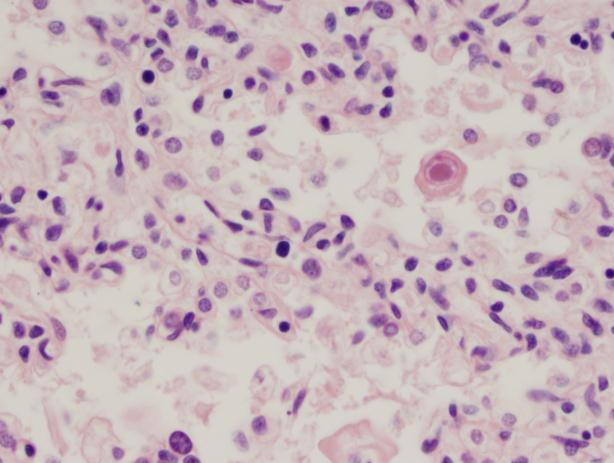
Photomicrograph of a lung from a 20 week gestation fetus demonstrating the characteristic “Owl’s Eye” inclusion of CMV.
CMV3
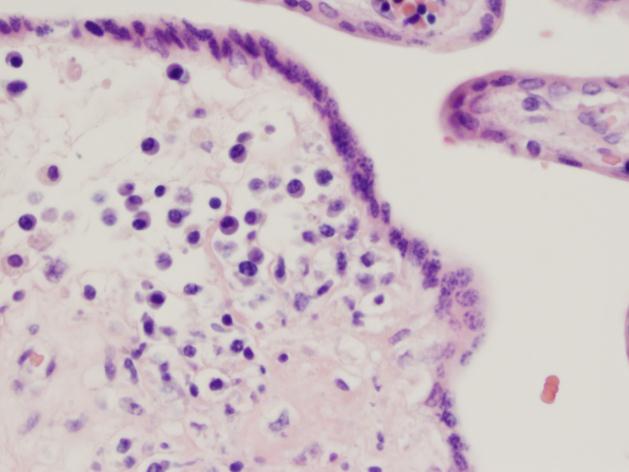
Photomicrograph of the placenta from the same case as B. The chronic villitis with plasma cells seen here is a sign of CMV infection.


Discussion

Cytomegalovirus is one of the classic “TORCH” infections. TORCH is an acronym for a group of pathogens that can cause in-utero or intrapartum infections:

  •                 T= Toxoplasmosis
  •                 O= other (syphilis, VZV, parvovirus)
  •                 R= rubella
  •                 C= CMV
  •                 H= HSV

Although these infections share several common signs and symptoms, there are clinically suggestive findings that can help target testing. The combination of thrombocytopenia and intracranial calcifications in this infant raised strong suspicion for congenital CMV. CMV is a member of the herpesvirus family.  It is a double-stranded DNA virus with both a viral capsid and envelope. While most babies born with congenital CMV are asymptomatic (~90%), congenital CMV infection is the main etiology of non-hereditary sensorineural hearing loss. This occurs in up to 50% of symptomatic infants and in 10-15% of asymptomatic infants. Symptomatic infants may be small for gestational age, and can be afflicted by thrombocytopenia, petechiae, intracranial calcifications, chorioretinitis, hepatosplenomegaly, microcephaly, and jaundice. While toxoplasmosis can also cause intracranial calcifications, it does not typically cause thrombocytopenia. Congenital HSV can cause thrombocytopenia, but is not associated with intracranial calcifications.

CMV infection during pregnancy is most often acquired by contact with young children. CMV has the ability to remain latent in the host, and become reactivated at a later time, so pregnancies can be affected by either primary infection or by reactivation of the virus. The risk of vertical transmission is much higher with primary CMV infection (32%) than with recurrent infection (1.4%). Although the rate of vertical transmission increases if the infection occurs later in pregnancy, infections acquired in early pregnancy are more likely to cause symptomatic disease. Treatment for the baby is generally supportive, with antivirals generally used only in symptomatic disease (their utility in asymptomatic infection is debated).

An audiology screen and ophthalmologic exam were both normal in the infant presented here. Oral valgancyclovir was started in addition to other supportive measures.


-Alison Krywanczyk, MD is a 3rd year anatomic and clinical pathology resident at the University of Vermont Medical Center.

Wojewoda-small

-Christi Wojewoda, MD, is the Director of Clinical Microbiology at the University of Vermont Medical Center and an Assistant Professor at the University of Vermont.

Daratumumab and Blood Bank Testing

Daratumumab, also known as Darzalex, DARA, or Dara-T, is a new medication recently approved in the US by the FDA to treat multiple myeloma. Daratumumab is a novel monoclonal antibody that targets CD38, an integral membrane protein expressed on both plasma cells and red blood cells (RBC). So while the CD38 antibodies are busy destroying the malignant myelomatous plasma cells, they will also be binding onto RBCs. Thankfully, the anti-CD38 binding of RBCs has not been shown to cause severe hemolysis. However, it has been shown to result in false-positive screening test results in the blood bank in all media (saline, PEG, LISS).

The daratumumab effect manifests as a warm autoantibody and will pan-react to any testing carried out including indirect (IAT) and direct antiglobulin tests (DAT), antihuman globulin (AHG) testing, and antibody screening and identification panels. Thankfully, ABO/RhD testing is not affected. To summarize (adopted from AABB Bulletin #16-02):

  1. ABO/RhD typing: no issues.
  2. Immediate spin crossmatch: no issues.
  3. Antibody screen: all cells positive.
  4. Antibody identification panel: all cells positive (autocontrol may be positive or negative).
  5. DAT: positive or negative.
  6. AHG crossmatch: positive with all RBC units tested.
  7. Adsorptions: panreactivity cannot be eliminated.

Potential future techniques to resolve interference, such as anti-idiotype antibodies to neutralize anti-CD38 in vitro, are on the horizon. In the meantime however, our institution’s Blood Bank has asked the clinical teams and pharmacy to notify the Blood Bank if a patient is going to receive daratumumab so that a baseline type and screen and RBC antigen phenotype or genotype is performed prior to initiating treatment. Once the patient receives daratumumab dithiothreitol (DTT) is used to eliminate the CD38 antigen from the surface of the reagent RBCs thereby eliminating the antibody screen and panel panreactivity. DTT treatment also destroys antigens in the Kell family. Therefore, unless the patient is known to be Kell-positive by phenotype/genotype, Kell-negative units are provided to patients on daratumumab.

Communication between clinicians, pharmacy and Blood Bank when a patient is receiving daratumumab is paramount to prevent delays in Blood Bank testing and transfusion needs. Protocols to handle Blood Bank specimens from patients receiving daratumumab can help streamline testing and reduce turnaround time for transfusion.

For further reading check out the AABB Bulletin #16-02 issued this year.


Rogers

-Thomas S. Rogers, DO is a third-year resident at the University of Vermont Medical Center, a clinical instructor at the University of Vermont College of Medicine, and the assistant medical director of the Blood Bank and Transfusion Medicine service.

An Arbovirus Abroad

Hello! My name is Constantine Kanakis and I am very happy to contribute to Lab Medicine’s online blog! As my first post, I would like to introduce myself, tell you a little bit about my interests in laboratory medicine, and also discuss Zika virus research I’m actively involved in.

I studied molecular biology at Loyola University and medical laboratory science at Rush University, both in Chicago. From undergraduate to graduate school, I was fortunate enough to work on research topics involving the neurology of nematodes, enzymatic plant assays, social justice/urban planning work, microbiological lab equipment development, and novel biochemical hematopoietic interventions. This comprehensive experience in research work provided a strong foundation which I have found useful in my career both in and out of the hospital laboratory. Other than research, I spent nearly nine years working in some of Chicago’s busiest hospitals. I learned the ropes in a variety of settings: trauma center transfusion medicine, academic center quality assurance, public health work, and community hospital laboratory work. I feel personally drawn to laboratory medicine and pathology, as it connects translational research to patient outcomes and puts us in a position to mobilize fellow professionals to improve health care in our communities.

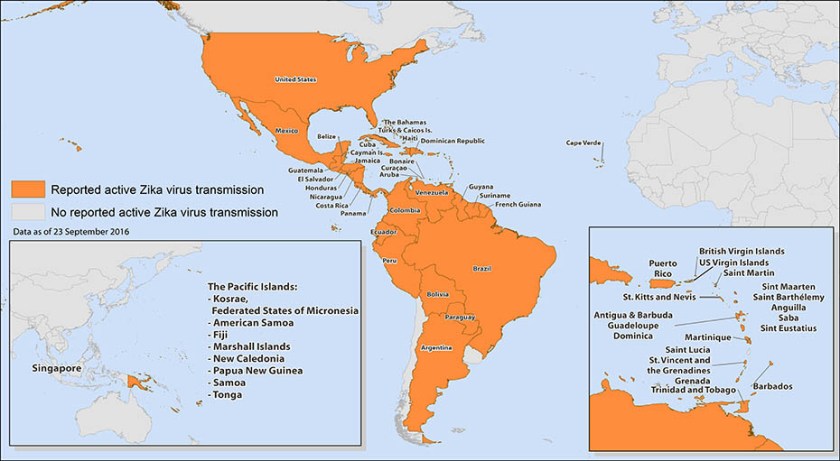
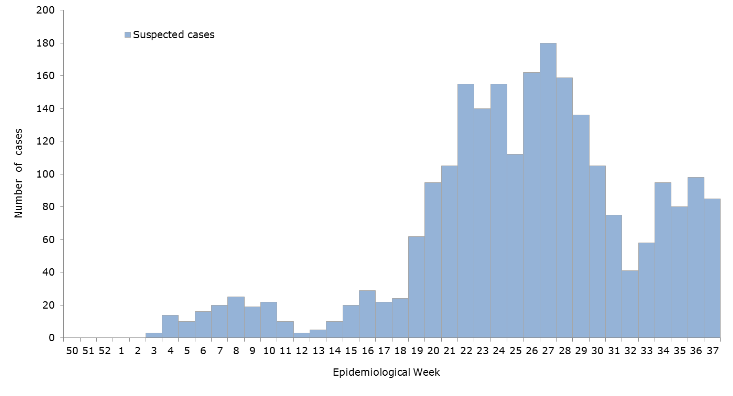
This bridge from lab discoveries to bedside and beyond motivated me to write for this blog community. The current Zika virus outbreak as well as the start of my medical school career has provided a great opportunity for me to explore translational research and its direct impact into a local community. Currently, I am a second year medical student at American University of the Caribbean School of Medicine located on the island of Sint Maarten, in the Netherlands Antilles (Figure 1). I find myself in the epicenter of the now infamous viral epidemic of everyone’s new favorite Arbovirus: Zika. Studying in the Caribbean, I am actively involved in projects assessing the emergence of this viral phenomenon. Today, CDC lists countries with active infections with a Level 2 travel active warning notice, “[to] Practice Enhanced Precautions.” These projects have three tiers: laboratory studies, collaboration with local health partners, and integration of research with public health efforts. My location here provides ample opportunity to gather information at its source, most notably from our neighbors in Brazil, Puerto Rico, and even Florida. This island is high on the list of endemic countries with 1,730 suspected Zika cases reported as of July, 2016, however only 12% of those cases were serologically confirmed. The suspected cases have been rising in the last few months (Figure 2) and epidemiologists are watching the trends very closely.

10-24-fig1

Figure 1. The Centers for Disease Control and Prevention (CDC), updates regions on the world map which have reported active Zika virus infections, CDC 5 October 2016.

10-24-fig2

Figure 2. Suspected Zika viral infection cases per epidemiological week, Pan-American Health Organization (PAHO) and World Health Organization (WHO) 2016.

As a primer for those who are interested, the Zika virus is a Flavivirus/Arbovirus undergoing its second recent epidemic spread in the last decade. Discovered in the 1950s, it has been considered a minor viral infectious agent. To date, researchers near and far are exploring both potential vaccination and prevention measures, as well as infection control efforts as some claims link the virus to microcephaly, Guillain-Barre, and other various sequale. It is transmitted primarily by mosquito bites directly into the blood, though its antigenic presence has persisted in urine and even seminal fluid. Research in public health and epidemiology has also related the management of this outbreak to previous ones, including that of the 2014 Ebola epidemic. There is contention between various public health organizations and laboratory researchers in detailing any exact correlation of the viruses secondary effects as well as the difficulty in specific detection and diagnosis relative to reported vs. confirmed cases (Figure 3).

10-24-fig3

Figure 3. A general demonstration of the purported Zika infection cases and how this reflects the true nature of the epidemic in the Caribbean in collaboration with the PAHO and WHO, from the Caribbean Public Health Agency (CARPHA) 2016.

Several research projects are starting here on campus, a majority of which involve serologic prevalence and surveillance studies. Some new studies are aimed directly at using commercially available testing, while others compound data from previously significant outbreaks of other arboviruses (e.g. Chikungynya, Dengue, Yellow Fever, West Nile). Our work in the laboratories here is also matched with significant public outreach. I am involved in one particular service and outreach project through the university here which targets the dissemination of Zika prevention/infection knowledge through various informational outlets such as town hall meetings, health drives for children, and vector control projects in the field. Our school-based task forces have been fortunate enough to form partnerships with the local Ministry of Public Health, Social Development, and Labor here on the island. And, coordinating with their Collective Prevention Services, they are now involved in reaching out to the community at large (see Figure 4).

10-24-fig4

Figure 4: One of the newest school projects sponsored this year included a vector control initiative partnership with the Sint Maarten Red Cross, and the Ministry of Health’s Collective Prevention Services, conducting home inspections in areas of statistically high reportable cases, photo credit: A. Yancone 2016.

On a personal note, I will add that my wife and I, along with several of our friends here have ironically been “bitten by the Zika bug.” We all suffered the same relative symptoms (fever, malaise, myalgia, headaches, and the infamous maculopapular rash), so I can speak personally on the effects of an active Zika infection! Really though, it isn’t that bad; it felt like a bad flu—most locals are not too worried about Zika because they already have several other arthropod-borne viral infections to stay away from with significantly worse courses of infection. Chikungynya, Dengue Fever, Yellow Fever, West Nile, less often Plasmodium/Malaria, and others offer more of a threatening presence than the several day woes of a Zika infection. Moreover, those other infections sometimes have even worse complications and clinical presentations.

As I begin and continue my work through these projects, I will provide updates—both on our efforts here in the laboratory as well as our work in reaching out and partnering with local public health officials to try and make a positive impact on our local community. And since I am now “inoculated,” I’ll be happy to get really close to the action for all of you.

Thanks for reading!


ckanakisheadshot_small

-Constantine E. Kanakis MSc, MLS (ASCP)CM graduated from Loyola University Chicago with a BS in Molecular Biology and Bioethics and then Rush University with an MS in Medical Laboratory Science. He is currently a medical student at the American University of the Caribbean and actively involved with local public health.


Microbiology Case Studies: Babesia vs. Malaria

Patient History: Case 1

A 55 year old Asian woman presented to an emergency department in southern New England in September with complaints of a high fever with chills for the past 5 days. She noted feelings of excessive tiredness, muscle aches, and headache. She also described a decrease in appetite and nausea with vomiting and diarrhea. On physical exam, she was febrile (103.8°F) and scleral icterus was identified. Laboratory workup revealed findings suggestive of hemolysis including increased LDH (401 U/L) and increased unconjugated bilirubin (1.7 mg/dL), despite hemoglobin & hematocrit values in the normal range (13.7 g/dL & 39.3%, respectively). Elevated liver enzymes were also noted; AST 81 U/L and ALT 72 U/L. When questioned regarding traveling history, she reported a trip to Spain and Portugal 5 months earlier. Though she acknowledged living in a rural area of the Northeastern U.S. and indicated that her husband was diagnosed with Lyme disease one year earlier, she denied both recent time outdoors and arthropod or mosquito bites.

Patient History: Case 2

A 31 year old African American woman with a history of sickle cell trait presented to an emergency department in southern New England in September complaining of fevers of 5 days duration. She described being asymptomatic in the mornings followed by high spiking fevers with muscle aches and dull frontal headaches in the evenings. A physical exam revealed a fever (103°F), but no evidence of meningismus. Laboratory workup revealed a mild, microcytic anemia (hemoglobin & hematocrit: 10.7 g/dL & 32.5%, MCV: 76.3 fL), a decreased absolute lymphocyte count and increased band neutrophils. When questioned regarding recent travel, she reported having returned from Africa 10 days earlier. While abroad, she had primarily been in Nigeria’s capital, but she had also visited rural areas. She did not recall having been bitten by mosquitos, but she did not take any anti-malarial prophylaxis. Further, she denied both recent travel to the woods in the Northeastern U.S. and recent arthropod bites.

babmal1

Figure 1. Peripheral blood smear from patient 1 showing ring-like forms which contain a small amount of cytoplasm and a chromatin dot as illustrated by the arrows. Both intra-erythrocytic and extra-cellular forms are present. Platelets are denoted by arrowheads.

babmal2

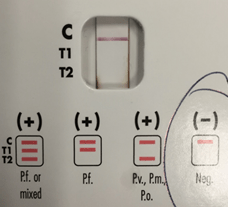
Figure 2. BinaxNOW lateral flow assay from patient 1 is negative for the various Plasmodium spp.

babmal3

Figure 3. Peripheral blood smear from patient 2 showing ring forms and trophozoites within red blood cells as denoted by arrows. Inset illustrates a scattered gametocyte. Platelets are denoted by arrowheads.

babmal4

Figure 4. BinaxNOW lateral flow assay from patient 2 is positive for non-falciparum malaria species as indicated by the faint positive reaction denoted by the red arrow in the T2 region.


For patient 1, given the results from the peripheral blood (Figure 1), the negative BinaxNow results (Figure 2) and her lack of recent travel to malaria endemic regions, her illness was attributed to infection by Babesia spp. Further serologic testing was positive for Babesia microti. She was seronegative for Anaplasma phagocytophilum, Borrelia burgdorferi, Ehrlichia chaffeenesis. This finding was confirmed by PCR of her blood, which detected B. microti, but failed to detect B. duncani or B. divergens/MO-1. Approximately 3% of her red blood cells contained intracellular parasites.

For patient 2, her disease was most consistent with an infection by a non-falciparum species of malaria, including P. ovale, P. vivax or P. malariae, given her recent travel to Nigeria and advanced forms seen in the peripheral blood (Figure 3). Further speciation was uncertain due to low parasitemia levels (<1%) and the findings were unable to exclude a mixed infection with a low P. falciparum burden.

Discussion

The clinical and laboratory presentations of babesiosis and malaria are quite similar despite the fact that each infection is caused by a distinct and highly unique microorganism. As seen in the two cases above, both illnesses often begin insidiously with fevers, headache and muscle & joint aches. The non-specific nature of the patient’s symptoms results in an unclear etiology unless key elements of the patient’s history, including exposure to insect and arthropod vectors and travel or habitation in endemic areas, are provided.

Examination of thick and thin blood smears is useful in the diagnosis of these two diseases. While both organisms have a very similar sized lifecycle forms which selectively infect red blood cells and prompt hemolysis, there are a few useful distinguishing characteristics. In the case of babesiosis, which is transmitted by the Ixodes scapularis tick in the United States, there are small ring like structures, both within red blood cells and extra-cellularly. The diagnostic tetrad form, known as a Maltese Cross, is helpful if identified but is not frequently observed in human infections. No advanced forms or pigment is present. In the case of malaria, which is transmitted via the female anopheline mosquito, protozoa are only found within red blood cells and advanced forms, including schizonts or gametocytes, are helpful in further speciation, if present. Other features, such as size of the infected red cell, number of merozoites, level of parasitemia and gametocyte shape, are helpful in the morphologic assessment of the Plasmodium spp.

Due to the pathogenic severity of P. falciparum, it is important that the microbiology laboratory has the ability to make the diagnosis in real time across all shifts. The BinaxNOW is an FDA approved lateral flow assay that is simple to perform and provides rapid diagnostics, though it isn’t as sensitive as microscopy. The test is comprised of two antigens: one specific to P. falciparum (T1) and one antigen common to all Plasmodium spp. (T2). The test will be positive for levels of parasitemia greater than 5,000 parasites per microliter.

As utilized in the above cases, other various laboratory modalities can aid in the diagnosis of babesiosis and malaria, including serologic tests and PCR, however, these tests may not be available in STAT situations. Using a variety of tests and obtaining a thorough travel history, will help the provider arrive at the correct diagnosis of blood protozoa.


lavik

-JP Lavik, MD, PhD, is a 3rd year Anatomic and Clinical Pathology Resident at Yale New Haven Hospital.

Stempak

-Lisa Stempak, MD, is an Assistant Professor of Pathology at the University of Mississippi Medical Center in Jackson, MS. She is certified by the American Board of Pathology in Anatomic and Clinical Pathology as well as Medical Microbiology. Currently, she oversees testing performed in both the Chemistry and Microbiology Laboratories. Her interests include infectious disease histology, process and quality improvement and resident education.

Minimal Inhibitory Concentrations and Antimicrobial Dosing: How are they related?

Microbiology laboratories use clinical breakpoints to categorize microorganisms as susceptible, intermediate, or resistant. These breakpoints help guide the selection of antimicrobial therapy having a high likelihood of achieving therapeutic success in patients. One in vitro marker of antimicrobial activity is the minimal inhibitory concentration (MIC), the lowest concentration of antibiotic that prevents visible growth of a standard bacterial inoculum. National committees, such as the Clinical Laboratories Standards Institute (CLSI), Food and Drug Administration (FDA), and The European Committee on Antimicrobial Susceptibility Testing (EUCAST) define clinical practice breakpoint MIC values for each bacterial genus. These defined values are determined using wild type value distributions in relation to what serum drug levels are achievable with standard antimicrobial dosing.

All drugs have individual pharmacokinetic properties such as absorption, volume of distribution, and rate of elimination. These factors contribute to what concentration of drug will be achieved at a certain site of infection. A good index of overall antibiotic exposure in a patient is the serum area-under-the-curve (AUC), which is influenced directly by the drug dose and clearance. Antibiotics also have pharmacodynamic properties, which relate to the drug’s effect on the microorganism over time. There are two main groups of pharmacodynamic characteristics seen with antimicrobial agents: time-dependent bactericidal action (Figure 1) and concentration-dependent bactericidal action (Figure 2). The clinical efficacy of an antibiotic is related to the relationship between pharmacokinetic/pharmacodynamic (PK/PD) parameters of a drug and the MIC of the specific organism. Bacterial strains with an increase in MIC may exhibit relative resistance by in vitro laboratory standards, but because there is no increase in the PK/PD parameters, the increased MIC can sometimes be overcome by altering dosing regimens to optimize the drug concentrations achieved.

For example, β-lactam antibiotics exhibit time-dependent killing activity, so dosing regimens which maximize duration of exposure to drug concentrations above the MIC of the organism are particularly effective for treating bacteria with this this class of antibiotics. Prolonged infusion times and smaller fractions of total daily doses given more frequently are two strategies through which this can be achieved. For drugs exhibiting concentration-dependent killing, such as aminoglycosides, dosing regimens can be optimized by giving a higher dose in order to achieve higher peak concentrations. The pharmacokinetic properties of drug can also be used to overcome elevated MICs for some organisms depending on the site of the infection. A good example of this would be urinary tract infections. Antibiotics that achieve high concentrations in the urine, such as aminoglycosides, can be used to successfully treat organisms with elevated MICs. Therefore, while healthcare providers utilize breakpoint MIC values to select antimicrobial regimens, understanding characteristics of an antimicrobial, including PK/PD parameters and tissue distribution, along with taking into account the site of infection and the MIC of the infecting organism, can provide the opportunity for optimization of antimicrobial dosing strategies.

fig1

Figure 1. For antibiotics which confer time-dependent antimicrobial activity, microbial killing is optimized when the concentration of antibiotic is above the MIC for as long of a time period as possible.

fig2

Figure 2. For antibiotics which confer concentration-dependent antimicrobial activity, microbial killing is optimized when a high peak concentration of antimicrobial is achieved.


References:

  1. Mouton JW, Brown DFJ, Apfalter P et al. The role of pharmacokinetics/pharmacodynamics in setting clinical MIC breakpoints: the EUCAST approach. Clin Microbiol Infect. 2012;18:E37-E45.
  2. Levison ME, Levison JH. Pharmacokinetics and pharmacodynamics of antibacterial agents. Infect Dis Clin North Am. 2009;23(4):791-vii.
  3. MacGowen AP. Role of pharmacokinetics and pharmacodynamics: does the dose matter? CID. 2001;33(suppl 3):S238-239.
  4. Martinez MN, Papich MG, Drusano GL. Dosing regimen matters: the importance of early intervention and rapid attainment of the pharmacokinetic/pharmacodynamic target. Antimicrob Agents Chemother. 2012;56(6):2795-2805.


burns

-Alaina Burns, PharmD, is a PGY-2 Pediatric Pharmacy Resident at Children’s Health, Children’s Medical Center in Dallas, Texas.

Online Learning for Clinical Laboratory Science Programs

What does “Reversing the Lecture Homework Paradigm,” “Transactional Distance Theory,” and constructivism have to do with teaching? Everything! These are all education theories that can provide a road map for creating a solid learning strategy in the online world of distance and blended education.

In 2008, when our first class of medical laboratory science students came to class, there was no lecture, nor furious note taking. Instead, when these 24 students met face-to-face, they came to our new teaching laboratory at Mayo with their first lesson already under their belts and finished assignments in hand. My intent for this blog post (and those to follow) is to talk about the strategies we implemented to bring up our 43-credit medical laboratory science curriculum as a blended learning model, incorporating both online and traditional methods, and I will also share our experiences.

We can all relate to the desire to have the latest and greatest online lessons that entertain like movie trailers and infomercials, but medical laboratory science faculty often work within the constraints of a budget that translates into a “DIY” model. Knowledge of related education theories is important because it helps us prioritize and understand what really makes for effective online learning experiences. It turns out that it’s not necessarily the “bells and whistles” within a lesson plan but the quality of the actual written content, how it’s formatted, and how readily the learner can navigate the online software platform.

If you are at all like me, you probably took on educational responsibilities because you have a passion for teaching and learning and a desire to utilize your creative side. I began this journey back in 1998 when my employer partnered with another academic center to offer a degree in medical laboratory science for our employees through distance learning. I quickly realized that I knew very little about online learning theory and enrolled in a distance education certificate program at the University of Wisconsin – Madison, my alma mater.  The experience and success of our partnership delivering a distance education program for our employees gave us the confidence to bring up our own accredited program utilizing a blended model of curriculum delivery. In the upcoming months, I will outline our specific online learning strategies, discuss our experiences and highlight our successes and challenges.


Lehman_small

-Susan M. Lehman, M.A., MT(ASCP)SM graduated from the University of Wisconsin-Madison in 1983 with a BS in medical technology. She is program director for the Medical Laboratory Science Program and course director for Clinical Microbiology I and II; her areas of interest include distance education and education methodology.

The Lonely Life of a Clinical Pathologist: Joining Committees

My first rotation in pathology was at a smaller community hospital; one of the pathologists there used to say, “If you aren’t at the table, you’re on the menu.” I’m not sure the source of this quote, but his point was  good pathologists are involved with different committees in the hospital system, not only to contribute to the well-being of the institution, but to let them know how the laboratory could be of assistance, or if the items they were discussing were not feasible from the laboratory standpoint. This also ensured that any decisions made did not negatively affect the laboratory.

When I started working as a pathologist, it felt like before I could even put my bag down the microbiology coordinator was introducing me to the infection control nurse, whom requested I be a part of the infection control committee. My original plan had been to ease into my position and not over-commit myself, rather just observe the first year and then decide where I could best be utilized and dedicate my focus outside the lab. However, I figured infection control would be a great place to talk microbiology so I went to the meeting and was added to the members list that day. The involvement in this committee has led to some great relationships and changes in our labs. The infection control staff had a difficult time with our C. difficile assay since it was performed as a batch test, leaving their patients in isolation for up to 24 hours after submitting specimens. By attending these meetings I was able to see how the lab could implement a change and we brought in a different assay that had random access for C. difficile. This helped improve patient care, and strengthened the relationship between infection control staff and the laboratory. Since that time, I have gotten involved in a couple of other in-house committees on an ad-hoc basis. The involvement has allowed me to actively participate in other areas of the hospital and make connections with staff and physicians to see how the lab can best serve our patients.

In addition to the in-house committees, I was asked to participate in corporate laboratory service group that includes members of each corporate affiliate in our system. This committee discusses laboratory issues that affect the corporate system as a whole and has a sub-committee for test utilization.  This committee was very active in laboratory utilization and gave me great information and a strong foundation to start from on how our own institute could implement some of these standards. For instance, there was a drive to remove sedimentation rates from most order sets and replace with CRP. This topic gave me a purpose to interact with other clinicians within our institution and talk about how these changes will affect lab results, ultimately the care of their patients, and get everyone on the same page.

While my year of ease and observation did not become a reality, the mentor I had in medical school’s advice did. Being involved with these committees has really shown me that by being at the table as a laboratory representative, we have a voice for how issues will affect patient care.

How about you – what has been the best committee you have gotten involved with? How are you sitting at the table? I look forward to hearing how others have been the voice for the laboratory.


racsa_small

-Lori Racsa, DO, is the director of microbiology, immunology, and chemistry at Unity Point Health Methodist, and a Clinical Assistant Professor at the University Of Illinois College Of Medicine at Peoria. While microbiology is her passion, has a keen interest in getting the laboratory involved as a key component of an interdisciplinary patient care team.

Microbiology Case Study: A 60 Year Old Woman with Increasingly Frequent Asthma Attacks

Case History

After experiencing increasingly frequent asthma attacks and multiple episodes of pneumonia within the last two years, a 60 year-old woman with a longstanding history of allergic asthma presents to a pulmonologist complaining of increased shortness of breath and cough. The patient reports a history of abnormal lung infiltrates for which she was previously treated with a three month course of azithromycin. A repeat chest CT shows diffusely scattered, nodular, ground-glass opacities which have increased in number since her last CT two year prior. A bronchoalveolar lavage is performed and specimen is sent for bacterial, fungal, and AFB cultures as well as a respiratory virus PCR panel.

nocar1
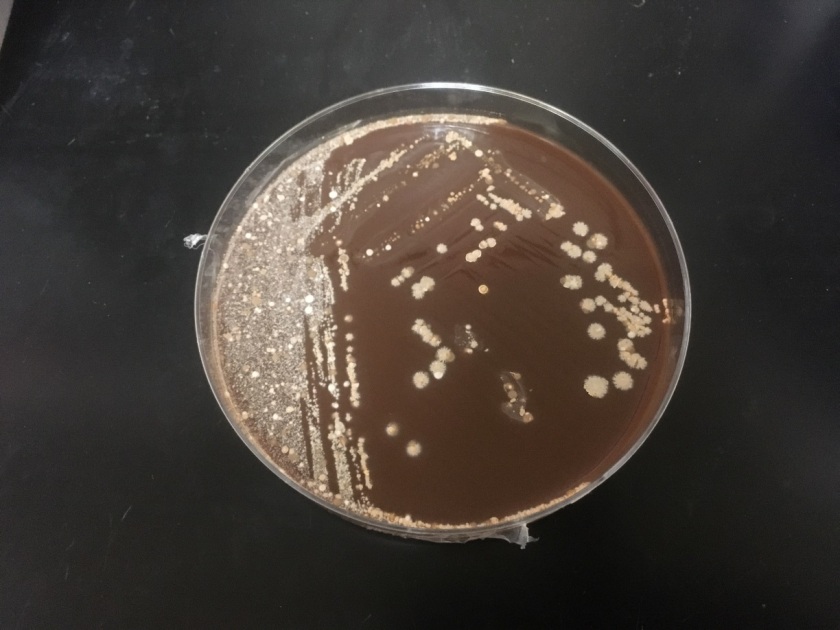
BAL on Chocolate agar
nocar2
BAL on 7H11 agar
nocar3
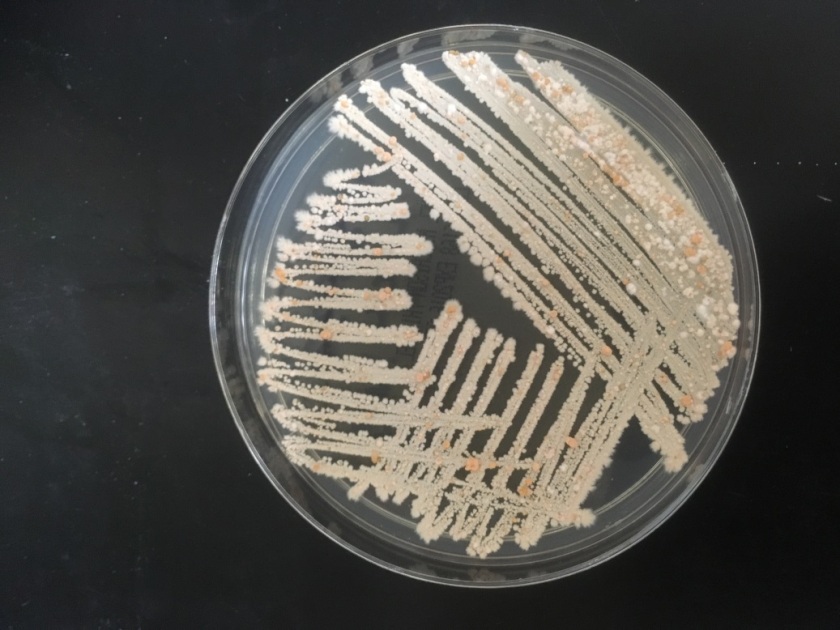
BAL on BCYE agar
nocar4
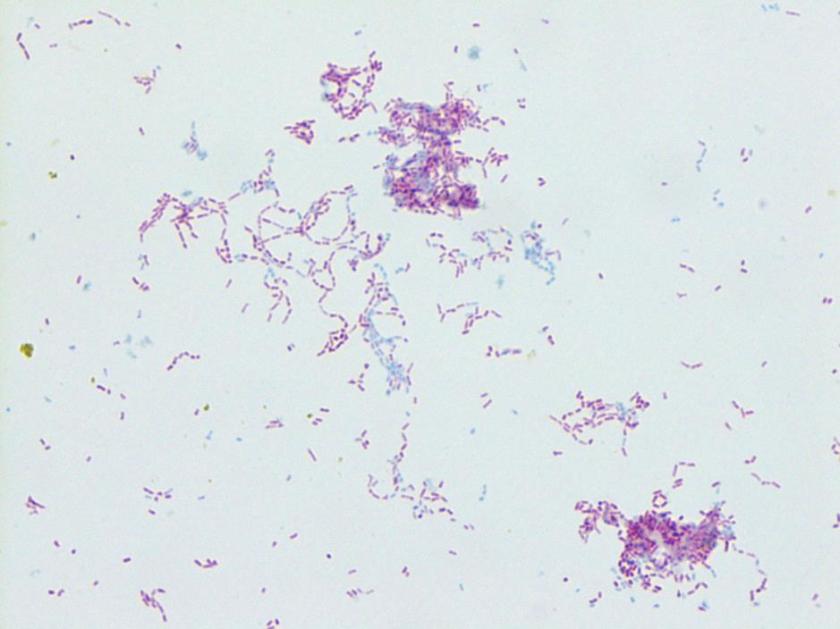
BAL with Modified Kinyoun stain


Laboratory Identification

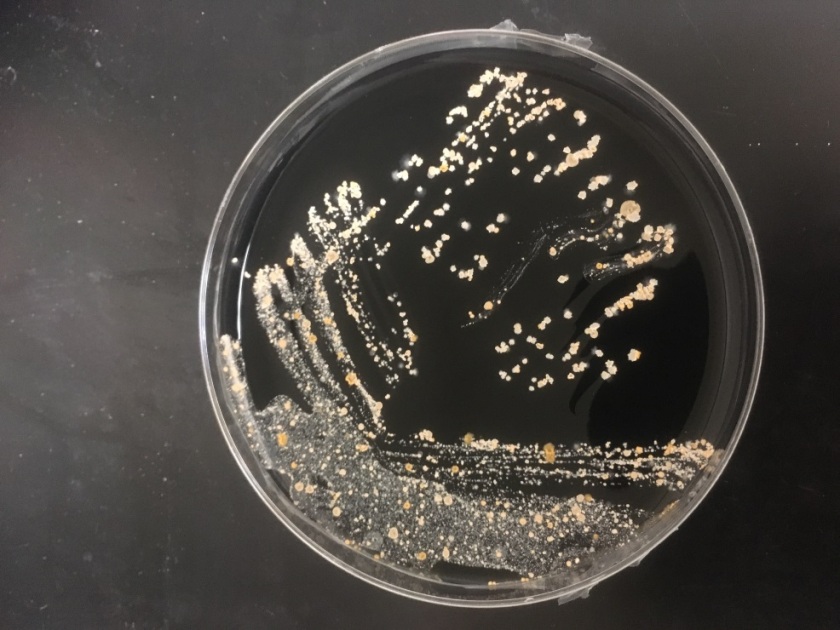
The bacterial and fungal cultures do not grow any pathogens and the respiratory virus panel is negative. The AFB culture, however, grows beaded, Gram-Positive bacilli which are Auramine/Rhodamine negative and Modified Kinyoun positive. The organism grows well on 7H11, Chocolate, and Buffered Charcoal Yeast Extract (BCYE) agars forming irregular, chalky, white-pink colonies.

The organism is confirmed as Nocardia nova by molecular methods.

Discussion

Nocardia nova is a ubiquitous soil bacteria and one of several Nocardia species known to cause disease in humans. When contracted through traumatic inoculation, Nocardia may cause cutaneous diseases such as a mycetoma, superficial abscesses, or cellulitis. More commonly, however, Nocardia is contracted via inhalation and presents as a chronic, slowly progressive pulmonary infection with cough, shortness of breath, and fever. Complicated pulmonary infections may result in pleural effusions, empyema, pericarditis, chest wall abscesses, or dissemination to the brain and other deep organs. Due to low virulence, Nocardia primarily affects only the immunocompromised but those with pre-existing pulmonary disease are also susceptible to infection.

Nocardia is identified in the laboratory as an aerobic filamentous, beaded, Gram-Positive bacilli demonstrating right-angled branching. Nocardia is also weakly acid-fast and is usually identified by a Modified Kinyoun stain. While Nocardia grows within 3-5 days on blood and chocolate agar, it is often isolated on mycobacterial media or BCYE plates where it forms chalky white to faintly pigmented colonies. Accurate identification and speciation of Nocardia currently requires the use of molecular methods (primarily 16S ribosomal RNA gene sequencing). While many infections are successfully treated with a sulfonamide for 6 months to 1 year, the CDC recommends performing speciation and anti-microbial susceptibility testing on every clinical isolate due to species specific susceptibility profiles and multi-drug resistant strains. Nocardia farcinica, for example, is resistant to many antibiotics including 3rd generation cephalosporins.


-Elaine Amoresano, MD, is a 2nd year anatomic and clinical pathology resident at the University of Vermont Medical Center.

Wojewoda-small

-Christi Wojewoda, MD, is the Director of Clinical Microbiology at the University of Vermont Medical Center and an Assistant Professor at the University of Vermont.
 

Facing CJD and Prion Diseases in the Lab

According to the National Institute of Health (NIH), Creutzfeldt-Jakob disease (CJD) is a rare, degenerative, fatal brain disorder that affects about one person in every one million people per year worldwide. In the United States there are about 300 cases per year. Some of us know the ailment better as “Mad Cow disease,” but that is only one form of this illness which is not caused by a virus or bacteria. CJD is a prion disease. A prion is a protein that exists in both a normal form, which is a harmless, and in an infectious form. The infectious form of the protein takes on a different folded shape, and once these abnormal proteins appear, they aggregate or clump together. Investigators think these prion aggregates may lead to the neuron loss and other brain damage seen in CJD. However, they do not know exactly how this damage occurs.

Since laboratory professionals may deal with specimens from possible CJD patients, we need to know how to properly handle them should such a situation arise. If the Operating Room calls your labs to process a brain biopsy specimen from a patient who was suspected of having a prion disease, would you know what to do? Can your lab do that? Should your lab do that?

Prions are dangerous, but CJD cannot be transmitted through the air or through touching or most other forms of casual contact. Prion transmission can occur, however, from contact with highly-infectious specimens. Brain tissue, eye tissue, and pituitary tissue are considered high-risk specimens, and contact with these should be avoided. When asked to handle a brain biopsy, medical staff and safety experts should work out a plan. For instance, a lab tech who is trained in Category A packaging could go to the OR, dress in fully protective PPE (including a body suit, gloves, and hood), and receive the specimen in the OR and package it there. The specimen is then ready for transport to the reference laboratory. If another department asks you to handle tissue samples from a suspected CJD patient, stop everything and escalate the issue immediately. Contact your medical director, your manager, or the safety officer and await further instructions.

There are other specimen types a lab might receive from a prion patient. Blood, serum, urine, feces, and sputum are considered no-risk specimens. Prions are not found in these types of specimens, and they may be handled and processed as usual.

The last category of specimens from prion patients is known as “low-risk.” These specimens include CSF, kidney, liver, spleen, lung, lymph nodes, placenta, and olfactory epithelium tissues. Of course the most common specimen a lab would see from this group is a spinal fluid, and labs do need to make sure they do not handle it as a normal specimen.

Lab staff should be notified when a specimen is going to be sent from a prion patient, particularly when a low-risk specimen like a CSF is on the way. Procedures should be in place, and it is recommended that such specimens have special labels on them to alert those of the potential risks.

There is no record of lab employees becoming infected with prions from handling low-risk specimens, but they must still be handled with care. All testing of low-risk specimens should be performed inside a Biological Safety Cabinet (BSC). Use disposable equipment as much as possible. For example, use disposable cups for stains or reagents where possible. Perform manual testing only; do not run low-risk specimens on automated analyzers as disinfection is not easily accomplished.

While using standard bleach solutions to disinfect surfaces is recommended after processing low-risk specimens, a lab spill of such a specimen is an entirely different matter, and this is why lab specimens should have special labeling. When a low-risk specimen spills, the area should be flooded with 2N Sodium Hydroxide (NaOH) or undiluted sodium hypochlorite (bleach). Remember, never mix bleach with formaldehyde as it produces a dangerous gas, so if a pathology specimen is spilled, only use NaOH. Leave the solution on the spilled material for one hour, then rinse with water. Place the spill materials into a sharps container so that they will be incinerated. If a spill of a low-risk CJD or prion specimen occurs, contact a manager, a medical director, or the safety officer immediately.

Laboratory professionals handle infectious specimens every day which is why it is so important that we utilize Standard Precautions. Wear PPE when working in the lab and treat all specimens as if they were infectious. It’s the only way to prevent a lab-acquired infection. If you see a co-worker not wearing gloves or a lab coat and working at a lab counter or computer, use coaching to remind them that those surfaces are potentially contaminated with pathogens, and they can be deadly. We can protect ourselves from low-risk prion disease (and other pathogens) with everyday PPE. If a specimen is processed in the lab and it is found later the patient was prion-positive, you do not want to be the one who wasn’t wearing PPE when you handled the specimens. The results will be potentially disastrous for you and your family.

Remember, if you receive a phone call that a CJD or prion specimen is being sent to the lab, escalate the situation immediately. Find out if your lab is able to receive and process that type of specimen. Protect yourself, and keep your lab safe from CJD and other infectious pathogens.


Scungio 1

-Dan Scungio, MT(ASCP), SLS, CQA (ASQ) has over 25 years experience as a certified medical technologist. Today he is the Laboratory Safety Officer for Sentara Healthcare, a system of seven hospitals and over 20 laboratories and draw sites in the Tidewater area of Virginia. He is also known as Dan the Lab Safety Man, a lab safety consultant, educator, and trainer.


Microbiology Case Study: 12 Year Old with Abdominal Pain

Case presentation

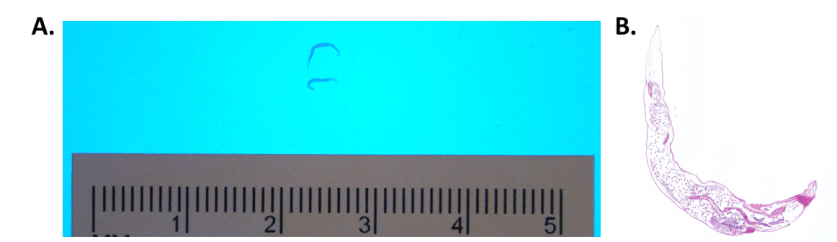
A 12-year-old female is seen in gastroenterology clinic following 2 weeks of abdominal pain. She is an otherwise healthy child with no significant past medical history. Her abdominal pain was diffuse, but it has worsened in the past 5 days and is now localized to the left upper quadrant and is sharp in nature. The pain was severe enough to prevent her from attending school last week. She was evaluated for appendicitis, which was ruled out. The patient was admitted for further management including an upper and lower endoscopy. During the endoscopy procedure, small, mobile worms were visualized in the ascending colon. Two worms were collected and removed for identification (Figure 1).

pin1

Figure 1. (A) Small, threadlike worms measuring 5-10 mm. Note pointed posterior tail. (B) Haematoxylin and eosin (H&E) stained cross section of the worm.

pin2.png

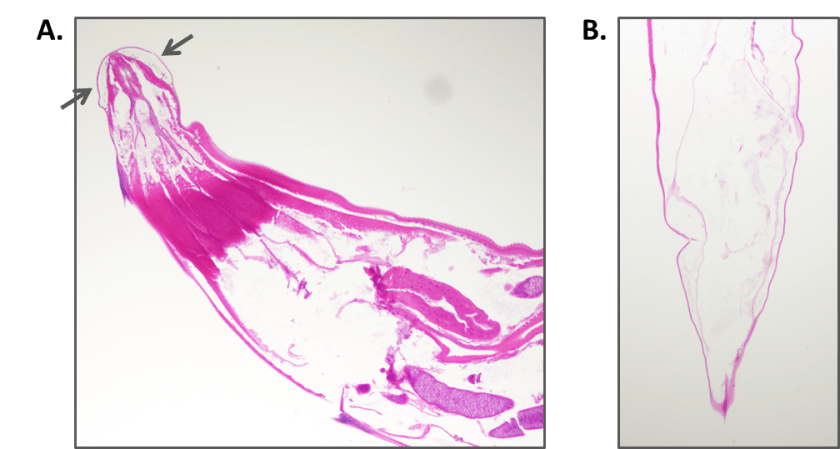
Figure 2. Cross section of the worms shows (A) anterior with cephalic inflations of the cuticle (arrows) and (B) a long pointed tail.

pin3

Figure 3. Internal eggs are 50-60 µm x 20-30 µm in size. They are elongated, flattened on one side, and have a thick colorless shell.


Discussion

The worms were identified as Enterobius vermicularis or pinworm. E. vermicularis is a nematode or round worm. Adult worms are 2.5 mm x 0.1 mm (males) and 8-13mm x 0.3-0.5mm (females). Both male and female worms have cephalic inflations of the cuticle at their anterior end (Figure 2A, arrows). Males have a wide blunt posterior tail while females have a long, pointed tail (Figure 1, 2B). Our worms were females as internal eggs were found in both worms. The eggs of E. vermicularis are 50-60 µm x 20-30 µm in size. They are elongated, flattened on one side, and have a thick colorless shell (Figure 3).

E. vermicularis infection is very common in preschool and school aged children as well as families and caregivers of infected children. Transmission occurs through the fecal-oral route. Embryonated eggs are ingested and travel to the small intestine. Adult worms reside in the colon. Gravid females migrate to the anus and deposit eggs onto the perianal area during the night. A single female can deposit as many as 10,000 fertilized eggs. Larvae within the eggs develop and become infective as quickly as 4-6 hours after they are deposited. The entire life cycle from ingestion until eggs are laid by a gravid female in the perianal area is 1-2 months. Perianal scratching and autoinfection are common as well as infection from contaminated fomites such as bedding, clothes, and shared toys.

The most common method of E. vermicularis detection is the Tape Prep method. Briefly, transparent (unfrosted) tape is used to touch the perianal region, after which the tape is placed on a glass slide for microscopic examination. The best time to detect E. vermicularis is 2-3 hours after the patient has gone to sleep due to the nocturnal cycle of the gravid females. Because E. vermicularis does not enter the stool stream, ova and parasite examination often fails to detect the parasite and is not recommended.

Discovery of E. vermicularis in our patient was an unexpected finding, as our patient had no perianal itching. Asymptomatic detection of E. vermicularis has been described in the past, so this finding is not unique. The patient was given a dose of albendazole and will receive another in two weeks, as the drug has reduced effectiveness at killing the eggs or larval stages of development. Her abdominal pain was attributed to overuse of nonsteroidal anti-inflammatory drugs (NSAIDS) and she is being monitored by gastroenterology outpatient clinic.


References

  1. Ash and Orihel’s Atlas of Human Parasitology, 5th
  2. Red Book 2015 Report of the Committee on Infectious Diseases, 30th


I would like to thank the staff of the Children’s Medical Center Histology Laboratory for sharing my enthusiasm for parasites as well as sectioning, staining, and taking images of the worms for educational purposes.


-Erin McElvania TeKippe, PhD, D(ABMM), is the Director of Clinical Microbiology at Children’s Medical Center in Dallas Texas and an Assistant Professor of Pathology and Pediatrics at University of Texas Southwestern Medical Center.