A Serious Aside

As an unscheduled post, I’d like to make a quick side note separate from public health, zika, and medical school. You may have seen a post I wrote last January about the potential stereotypes and stigmas we might face in laboratory medicine. But, just because we as laboratory professionals operate behind-the-scenes most of the time, we’re still healthcare professionals—and clinician burnout can affect any of us.

I recently watched a video of Dr. Zubin Damania, also known as “ZDoggMD,” a primary care physician and founder of Turntable Health in Las Vegas. He’s a brilliant and passionate doctor with great opinions and an even greater creative sense of humor. Among his many parodies, and “rounds” Q&A questions, ZDoggMD recently had a guest on one of his Facebook shows called “Against Medical Advice” to address the serious issue of suicide and depression in medicine. Janae Sharp was the guest on this episode speaking about her husband, John, a physician fresh into his residency who committed suicide. They go on to talk about her life after this tragedy and how if flipped her and their children’s’ lives upside down. Janae’s described John as a father, a writer, a musician, an idealist, who always wanted to become a doctor. My interest was definitely piqued by this—I tend not to miss most of Dr. Damania’s content—and this is something I’ve been hearing more and more about as my path through medical school continues. But, at one point in the interview my heart just stopped: John was a clinical pathologist. Too close to home, for me at least. I was admittedly surprised.

Pathologist’s don’t have that much stress to make depression and suicide part of that life, I thought. But that is a cold hard assumption. Depression affects so many people at large, and when you’re in healthcare it almost seems like a risk factor on top of issues one might be struggling with. Med school is touted as one of the hardest intellectually, physically, and emotionally grueling experiences you could go through—I will personally vouch for Dr. John and Dr. Damania’s statements about how much these experiences push you to your limits. No sleep, no recognition, no support, fear of failure, imposter syndrome, a wealth and breadth of knowledge that makes you feel like you’re drowning—not to mention that if you do ask for help you’re immediately “lesser” for doing so.

Video 1. ZDoggMD interviews Janae Sharp about her tragic loss, her husband John’s suicide, and the rampant problem of depression and burnout in medicine. Against Medical Advice, Dr. Damania.

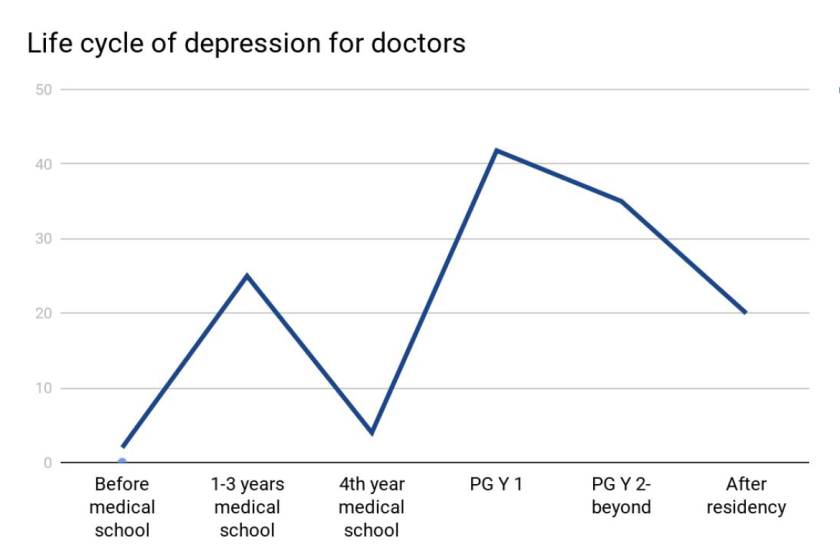
Last month, I was fortunate enough to attend a grand rounds session at my current hospital about this very topic. Presented by Dr. Elisabeth Poorman, internal medicine attending physician, and clinical instructor at Harvard Medical School, who talked about how (because of stigmas) medical trainees don’t get the help they need. She demonstrated that prior to med school students are pretty much on-par with their peers with regard to depression. However, once medical school starts, those peers all plummet together as depression rates rise and fall dramatically throughout the various stages of their careers. (I’m just going to go ahead and vouch for this too.) Dr. Poorman shared several case studies that effectively conveyed just how hard it can be when it seems like you are a source of help for many, but no one is there to help you. Story and story recounted the same model of apparent—and often secretive—burnout which ultimately led to a decrease in the quality of care, and in some instances suicide. Dr. Poorman was also brave enough to share her own story. No stranger to depression, herself, it was something that she encountered first hand. She connected herself with this increasingly difficult picture of inadequate support for those of us spending our lives serving others.
docs-depression1
Figure 1. Dr. Poorman’s data reveals that depression rates for medical school classmates in a cohort generally rise and fall as their duties and responsibilities change during their career trajectory. I’m currently on the slope downward between the first 1-3 years of school’s peak and the 4th year trough.

There are clear problems facing those of us in healthcare jobs. An ironic consequence, however, of modern scientific advancement is the “doubling time” of medical knowledge. While not necessarily a problem, this refers to the amount, depth, and scope of knowledge physicians and medical scientists are expected to master in order to effectively treat, make critical clinical decisions, and educate our patients. While in 1980 it took 7 years for all medical knowledge to double in volume, it only took 3.5 years in 2010, and in 2020 it’s expected to double every 73 days!1. The problems come as a result of this knowledge because more data means more to do. More time on the computer, higher critical responsibility, and less time to focus on your own mental health all lend themselves to a cyclic trap of burnout. Physicians commit suicide at a rate of 1.5 – 2.3 times higher than the average population.1

Physicians, nurses, clinical scientists, lab techs, administrators, phlebotomists, PCTs—we’re all over worked, under-supported, fall victim to emotional fatigue, and have some of the highest rates for depression, substance abuse, PTSD, and suicide.1 Sometimes, reports from Medscape or other entities will report that burnout is a phenomenon of specialty, hypothesizing that critical nature specialties have more depression than lesser ones2 (the assumption that a trauma surgeon might burn out before a hematopathologist). But truthfully, this is just part of the landscape for all providers. A May 2017 Medscape piece wrote “33% chose professional help, 27% self-care, 14% self-destructive behaviors, 10% nothing, 6% changed jobs, 5% self-prescribed medication, 4% other, 1% pray.”3

So I’m talking about this. To get your attention. So that people reading know they’re not alone. So that  people with friends going through something can lend a hand. I’m talking about this. ZDoggMD is talking about this. Jamie Katuna, another prolific medical student advocate, is talking about this. Dr. Elisabeth Poorman is talking about this. This is definitely something we should come together to address and ultimately solve.

What will you do to help?

This was a heavy topic. So in a lighter spirit, I have to share this with all of my laboratory family. If you haven’t heard or seen Dr. Damania’s videos yet, this is the one for you:

Thanks! See you next time!

References

  1. Poorman, Elisabeth. “The Stigma We Live In: Why medical trainees don’t get the mental health care they need.” Cambridge Health Alliance, Harvard Medical School. Grand rounds presentation, Feb 2018. Bronx-Lebanon Hospital Center, New York, NY.
  2. Larkin, Mailynn. “Physician burnout takes a toll on U.S. patients.” Reuters. January 2018. Link: https://www.reuters.com/article/us-health-physicians-burnout/physician-burnout-takes-a-toll-on-u-s-patients-idUSKBN1F621U
  3. Wible, Pamela L. “Doctors and Depression: Suffering in Silence.” Medscape. May, 2017. Link: https://www.medscape.com/viewarticle/879379


ckanakisheadshot_small

Constantine E. Kanakis MSc, MLS (ASCP)CM graduated from Loyola University Chicago with a BS in Molecular Biology and Bioethics and then Rush University with an MS in Medical Laboratory Science. He is currently a medical student at the American University of the Caribbean and actively involved with local public health.

The “C” in HCV Stands for “Curable”

Hi everyone! It has felt so good to find myself back in the throes of hospital life. My time in the classroom during the first half of medical school was great—but this new chapter is what makes medical school very worth it. As with any new hospital, orientation was pretty run-of-the-mill: administrative paperwork, employee/student health clearance, and yet another Mantoux PPD (despite having a current QuantiFERON—lab family, you get me).

However, after all the introductory logistics, I finally reported to my first rotation. It is an elective clerkship in primary care focused primarily on patients with HIV and/or Hepatitis. My familiarity with hospital life made the transition back easy enough as I made my way to the nurses’ station looking for my attending. Being forwarded in the direction I had to go, I knocked on the door and started to introduce myself—but was abruptly interrupted. There were already two fellow student colleagues in that room with my attending and a patient. I was enthusiastically included in the process right away, and it has been non-stop since then. I am told this is a “different” rotation where I’m going to feel lucky to have so much hands-on experience, and so far, I agree. While I reminisce on these past few weeks, it’s not a specific patient or case that has stuck with me, but an overall theme I’ve noticed in this rotation. With heavy utilization of the right test at the right time (I’m sure we’re all familiar with ASCP’s Choosing Wisely campaign) and proper interpretations of lab data, patients’ chronic illnesses are being managed well and even cured.

Essentially, pharmaceuticals have been advancing so well in the last 5-10 years that treatment regimens for chronic diseases like HIV and HCV are now being actively controlled and cured, respectively. Why does this pique my interest enough to share it with all of you? As I try my best each month to provide you a window into the life of a medical lab scientist/medical student, I do so while focusing on the lab details that seem to be present in every aspect of my journey. The cures and treatments I’m currently working with are tied to lab tests like CD4 counts, viral loads, liver and kidney function tests, and many other routine values. Diagnostic criteria for different patients’ stages of hepatic damage are classified using a Child-Pugh (CTP) score from clinical information such as ascites and encephalopathy along with lab data like INR, bilirubin, and albumin. Patients with chronic conditions come back for follow up week in and week out for lab tests that let us as care providers adjust therapy accordingly. The clinic I currently rotate in provides its patients with the most up to date treatment protocols based on current literature. For example, The American Association for the Study of Liver Diseases (AASLD) and the Infectious Diseases Society of America (IDSA) regularly publish their recommendations for patients with Hepatitis C. It’s heavy reading, and anyone who goes through literature on standards of care knows it’s dense, so I’ll leave the link to the most recent guidelines on HCV testing, management, and treatment here (https://www.hcvguidelines.org/sites/default/files/full-guidance-pdf/HCVGuidance_September_21_2017_g.pdf). Actively and accurately incorporating these treatment protocols into the patient care algorithms works and demonstrates great utilization of lab driven data with new available therapies.

HIV-HCV1
Figure 1. AASLD and IDSA HCV Recommendations Standards, 2018.

As a baseline it is critical to understand that patients with positive HCV antibodies will always test positive; once exposed at any point patients will remain positive. While 20% of patients can clear the infection on their own, the remaining majority develop a chronic HCV infection. There is no vaccine for HCV currently; however, there is potential to cure patients—assuming the lab values are interpreted correctly. So, we’ve established that positive HCV antibodies don’t necessarily provide diagnostic data, so the next logical step is to examine a patient’s HCV viral load. Since 2015, the New York State Department of Health established a mandate and protocol for reflex testing HCV Ab positive patients with HCV RNA viral loads. Read the public letter here (https://www.health.ny.gov/diseases/communicable/hepatitis/hepatitis_c/docs/reflex_testing_letter.pdf). While it makes logical sense, it’s still taking some time to get off the ground as I have seen patient records of different clinics’ providers ordering repeat HCV Ab testing for in-house confirmation—not the best use of resources or lab data. A clear example here of Choosing Wisely for the appropriate lab test. However, so long as HCV viral load stays undetectable by a validated testing method, patients with chronic HCV are promoted to a status of “cured HCV” and need no further testing or follow-up unless new clinical reasons appear to add testing as needed.

HIV-HCV2
Figure 2. HCV Infection testing and treatment algorithm seen in literature from the Centers for Disease Control and Prevention (CDC), the NYS Health Department, the AASLD, and the IDSA.

Protocols for treatment are based on things like genotype, cirrhosis, and naïve vs. previously failed treatment; treatment schedules last from 8 weeks up to 24 weeks. So, what does a patient’s first visit for HCV treatment therapy look like? Right away (assuming a positive HCV Ab has been obtained) a Hepatitis C RNA viral load is ordered, along with genotype (older treatments are dependent on genotype due to potential for resistance, while newer treatments are pangenotypic), hepatic fibrosis scans (because cirrhosis status determines length of treatment), PT/INR, CBC, CMP, HIV, RPR/CG and other STI screening, and urine drug testing. New generation therapies allow us to proceed despite any comorbid conditions, while maintaining upwards of 95% or greater cure rates. Coinfected patients with HIV or otherwise compromised immune systems are no longer contraindicated to receive HCV treatment. The only significant contraindication in the standards of care currently is that patients not be terminal (i.e. they must have a general prognosis of greater than 6 months).

HIV-HCV3
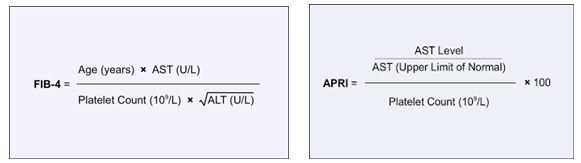
Figure 3. Calculated FIB-4 and APRI scores are useful in prognostic and treatment decision-making, demonstrating how crucial laboratory-driven data is in managing chronic illness.

Being able to watch these treatment protocols in action is great, but one patient in particular will stay with me beyond this clerkship. We received lab results back for a male in his 60s. It was his final HCV viral load based on his treatment schedule. His chart had a box at the end of his schedule labeled “test for cure” and it had remained non-detectable the whole time through treatment. The staff at this clinic does painstaking follow-up with their patients via telephone with impressive results in patient adherence and treatment success. My task one day was to call this patient and inform him that, unless he needed any medical treatment outside of his annual physical, he no longer needed to come in for therapy or testing—his Hep C was cured. He was extremely delighted to hear this news, and I was happy to give it to him. He had been on therapy for less than a few months but had lived with HCV for years. It was an excellent experience! And even more excellent—being part of the connection between lab tests, clinics, and patients. When I started I was just excited to wear that white coat and go visit the hospital’s lab, but I was pleasantly surprised to see the impact on patients’ treatments. Especially considering using the right test at the right time, and truly making a visible difference with excellent data.

See you next time!

HIV-HCV4
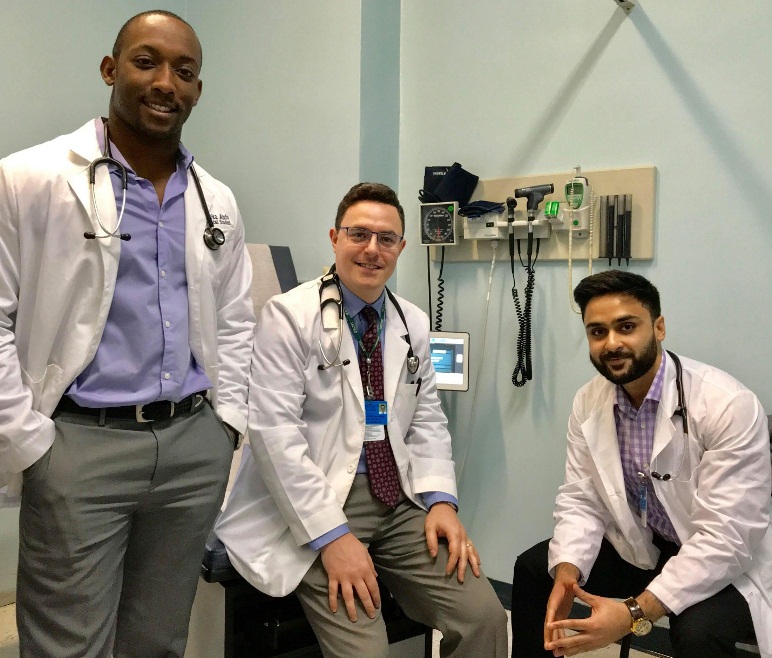
Image 1. Me (center) and my medical student colleagues Ahmad M. Khan (right) and Emeka Ajufo (left).

 Post script: listen to a new podcast my colleagues and I are in where we discuss clinical stories and pearls of wisdom through medical school. As they relate to my posts here on Lablogatory I’ll include a link—this post will focus more in depth on what I presented here regarding HCV cures and lab data.


ckanakisheadshot_small

Constantine E. Kanakis MSc, MLS (ASCP)CM graduated from Loyola University Chicago with a BS in Molecular Biology and Bioethics and then Rush University with an MS in Medical Laboratory Science. He is currently a medical student at the American University of the Caribbean and actively involved with local public health.
A Primer on HIV, Hepatitis, and Clinicals: A Bronx Tale

Hello again everyone! Last time on Lablogatory, I discussed the importance of patient advocacy and how it was especially poignant around the recent holiday season. We all have families, and sometimes those families and our medical professions intersect. Since then, I hope you’re all having a good start to the new year!

For me, the new year means a new start in medical school with clinical clerkships in New York City. Building off the theme I started last year, I hope to continue a message of patient advocacy through a laboratorian’s lens as I learn and navigate the clinical side of our field. My first such rotation is in a clinic serving a population with very significant statistics, both from the standpoint of laboratory data and epidemiology: HIV, hepatitis, and chronic infectious disease. As such, let me use this as a primer and explore what that really means for the patients in that community.

Now it’s no surprise that laboratory professionals like ourselves are deeply involved with public health efforts aimed at mitigating chronic/infectious diseases through screening, collaborating, and advancing technology. Last year I was fortunate enough to be part of the 2017 ASCP Annual Meeting in Chicago. Participating in sessions, and roundtable discussions, I was also able to listen to US Global AIDS Coordinator, Deborah L. Birx, MD had to say regarding ASCP’s global contributions to HIV/AIDS research and public health efforts. She spoke about resource limited laboratories and how ASCP has been an active and longstanding partner to the President’s Emergency Plan for AIDS Relief (PEPFAR), a global health initiative to address HIV/AIDS.

HIV1
Image 1. My wife Kathryn C. Booth, RN, MSN, CNL, and I, take part in a roundtable discussion at ASCP Chicago 2017. From Critical Values: 2017;11(1):34-39. doi:10.1093/crival/vax040
HIV2.png
Image 2. US Global AIDS Coordinator Deborah Birx, MD, delivers the scientific general session at ASCP 2017 in Chicago. From Critical Values: 2017;11(1):34-39. doi:10.1093/crival/vax040

The relationship between laboratory data and epidemiology is evident, as results from screening and routine testing demonstrates both snapshots of evolving health statistics as well as progress in public health initiatives like PEPFAR. ASCP’s global initiatives reach all the way to Africa as those resource-limited laboratories gain support from telecommunications and shared materials. From rapid HIV tests with Western Blots, to Zika seroprevalence research, laboratory data and public health are dependent on each other. So how does this manifest in a place like New York, specifically the Bronx where my clinical rotations are located?

First, let me illustrate a snap shot of the scene in this New York borough. Something that demonstrates important data are a region’s social determinants of health—something I have found in my research and experience to be invaluable pieces of information when trying to address health concerns and influence outcomes with particular patient populations.

HIVfig1
Figure 1. A clear layout of New York’s Boroughs. I currently live in Manhattan and go to clinical sites in the Bronx for my clerkship rotations. (Alamy stock photo. Photo credit: http://www.alamy.com/stock-photo-new-york-city-5-boroughs-map-96927034.html)

HIVfig2HIVfig3HIVfig4

HIVfig5
Figures 2-5. 2015 NYC Rates of Persons Living with Diagnosed HIV compared against variable social determinants of health including poverty, high school education, median income, and income inequality. Accessed through AIDSVu.org interactive map, visit it here: https://tinyurl.com/y8u9op8v

It’s clear to see here that the Bronx area has the most significant epidemiologic presence of active and new HIV cases. Parallel to this, the data demonstrates that the social determinants of health illustrated in Figures 2-5 are clearly correlative. More so, in the most recent report by the New York City Department of Health and Mental Hygiene (DOHMH) and the office of HIV Epidemiology and Field Services Program (HEFSP), data collected since 1981 from reported clinical encounters, viral loads, CD4 counts, and HIV genotypes reveal significant social health statistics. According to their 2016 NYC HIV/AIDS Annual Surveillance Statistics, the Bronx remains plighted with high numbers for HIV. It would appear as well, that regardless of HIV status, an overwhelming majority of the population (>71%) live in very high poverty—defined as >30% of the federal poverty line. According to data from Community Board 6, the local representation for the Bronx and specifically the zip code around my clinical site, the median household income is $24,537. A majority of this population is comprised of minorities as well, >40% Black and >40% Latino. The data differs slightly between men and women (including transgendered men and transgendered women) with regard to transmission risk. For men the highest risk factor continues to be sexual transmission between homosexual men, or men who have sex with men (MSM). For women, the risk stratifies to a high majority of heterosexual transmission (>70%). Read the full 2016 NYC DOHMH report here: https://tinyurl.com/ycf82xld. According to AIDSVu.org nearly 3,000 people out of 100,000 residing in the Bronx are living with active diagnosis of HIV/AIDS. The same source reports that between 2011 and 2015, the number of new cases approaches 200 annually.

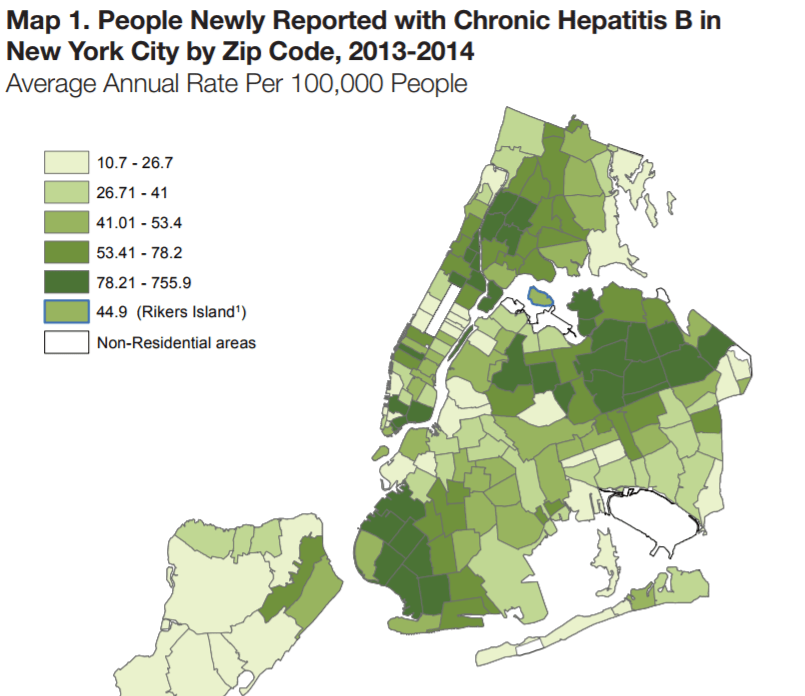
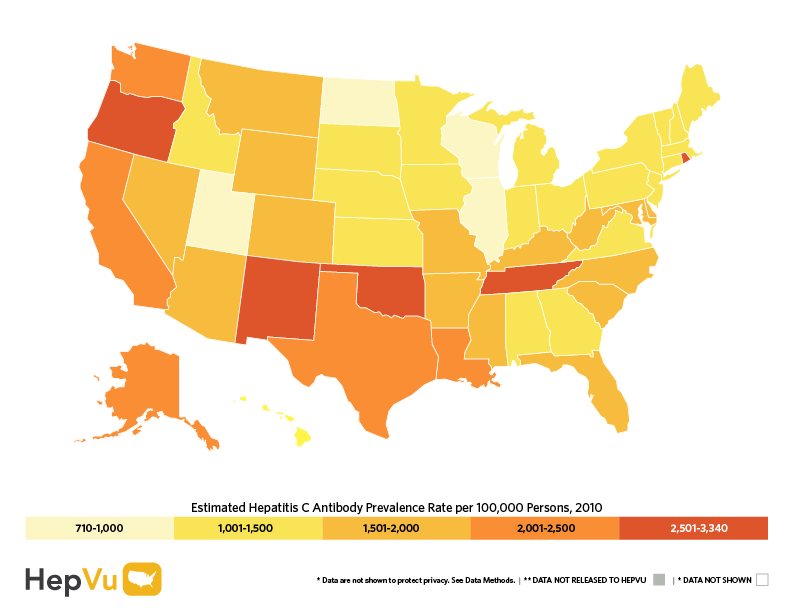
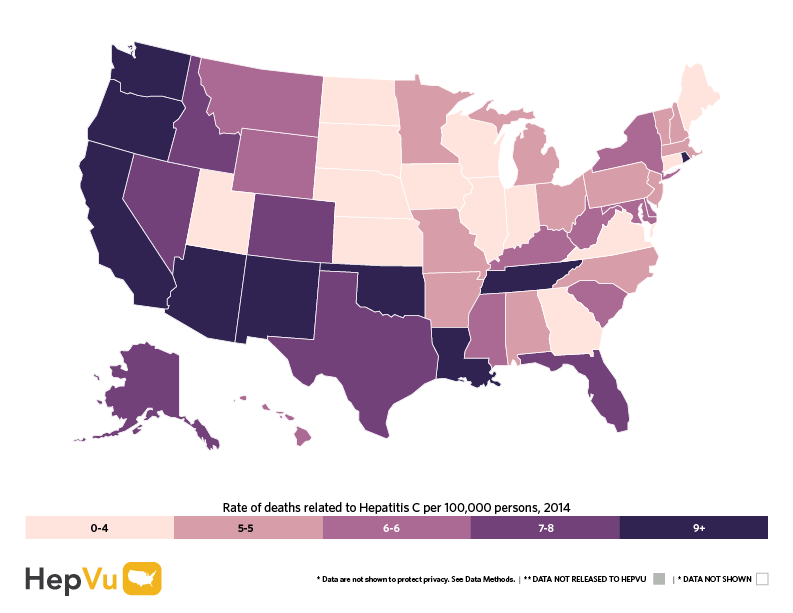
Another valuable function of the AIDSVu.org website is their HepVu.org companion site which provides incidence and infographic data about Hepatitis infections. The Hepatitis B and C Annual Report for 2014 published by the NYC DOHMH in 2016 also provides information about this chronic condition and how it affects the population. The maps below demonstrate that chronic Hepatitis is a serious and prevalent problem, and at a slight majority directly affects patients proportional to age.

HIVfig6HIVfig7

HIVfig8
Figures 6-8. Maps from the DOHMH NYC Hepatitis B and C Annual Report for 2014 published in 2016. (Source: https://www1.nyc.gov/assets/doh/downloads/pdf/cd/hepatitis-b-and-c-annual-report.pdf)
HIVfig9
Figure 9. Mortality rates of HepB, HepC, and HIV in New York City at large. Note the decrease in HIV and slight increase in HepC. (Source: https://www1.nyc.gov/assets/doh/downloads/pdf/cd/hepatitis-b-and-c-annual-report.pdf)

HIVfig10

HIVfig11
Figures 10-11. Maps that demonstrate that even though New York State has a lower-than-average HepC prevalence rate, it has a relatively higher rate of mortality. Source: https://hepvu.org/resources/

But what does all this data mean? First and foremost it means progress. Progress for our patient populations because we’re busy tracking and keeping ahead of health statistics as they happen, and progress in our innovative ways to test earlier, screen better, and use the data wisely. None of this would be possible without the lab. From every hepatitis viral load, antigen immunoassay, and serology, lab data becomes translated to health data. And, all the while, clinical encounters with real patients experiencing real chronic illnesses are reported into epidemiologic data. Together we use those two sets of data to improve patient outcomes—I talked about that a lot with Zika in Sint Maarten.

I am honored to be at that bridge between the lab and the patient. Translating data back and forth from bedside to primary source is something that brings me a real sense of purpose. As part of this clinical rotation I will have to be involved in patient education, delivering presentations and conducting follow-up with those in the community who these public health messages are targeted to. So, instead of boring you some more with facts about lab science, testing/screening opportunities, and a promising future for those with chronic illness, I’ll go ahead and get a presentation ready for them!

Talk to you soon with some more in-depth clinical case-based blogging! Thanks for reading!


ckanakisheadshot_small

Constantine E. Kanakis MSc, MLS (ASCP)CM graduated from Loyola University Chicago with a BS in Molecular Biology and Bioethics and then Rush University with an MS in Medical Laboratory Science. He is currently a medical student at the American University of the Caribbean and actively involved with local public health.
New Year. New Skills.

I do not recall if it was an email or if I saw it on the ASCP website, but the byline caught my attention: New Year. New Skills. My mind quickly started racing. January marks a fresh beginning, the time to make new resolutions, the time to feel the excitement of new possibilities. 

The Issue

We are more than halfway through the month and I have yet to identify the skill I would next like to acquire. So many questions! So much to learn, so little time! How do you choose what to focus on? Where do you start? What can you manage? Is there anyone who can help or teach you? And if you are like me, you might also ask yourself, “Why do I always pile more on my plate?” Maybe this is the year you choose to learn to say no? Nah. So what’s it going to be?

The Solution

Since our lives are all different and there are millions of possible distinct scenarios, I will share what I decided to do. First, I evaluated my work-life balance and determined if I wanted to acquire a skill that would benefit my work (career and ambition) or lifestyle (health, pleasure, leisure, family) (1). I also took into consideration how much more I could fit onto my already overflowing plate.

I decided to work on something that would help me with both work and lifestyle (because who doesn’t like to maximize their return on investment?). I chose something I do not like to do, something that scares me, something I have difficulty with, something I avoid like the plague, but most importantly it’s something that I wish I could do better; a skill that I envy: having difficult conversations.

Communication is a vital component of our lives. We all communicate, but how many of us have mastered the skill of communicating? Also, there are many aspects of communication (2). Poor communication can make or break a situation or relationship. Being able to communicate well is a great skill to possess (3). Reference two provides a long list of skills that I highly recommend you also take a look at (https://www.thebalance.com/communication-skills-list-2063737). I went down the list and individually assessed which skills I feel that I do well with and which ones I do not (2). This little exercise served as a reality check as to where I stand in regard with my aptitude to communicate. I invite you to do the same. You may be surprised at what you find!

The Importance of Good Communication

As a laboratory director, many facets of my job depend on my ability to communicate well. I must communicate with clinicians, technologists, administrators, other coworkers, vendors, students, etc. Not only do I communicate with a variety of groups of people, in a multitude of different platforms (individually, small groups and meetings, or large groups; such as national conferences), but it is also important that my written, verbal, and non-verbal communication skills are clear and easily understood.

As laboratory professionals, one very important aspect of our job is to communicate critical results. It is essential that we not only relay the data, but it is equally important for us to communicate it well so that the clinician completely understands the information so that they can properly care for the patient. Moreover, we must not forget the golden rule: garbage in, garbage out. What I mean by this is that good communication should begin in the pre-analytical phase. We want the clinician to provide the laboratory with the best possible specimen so that in turn, we can provide them with the most accurate result. So how do we ensure that we obtain the best possible specimen? We communicate.

The laboratory communicates our needs to the provider in order to properly do our job. For example, we provide detailed information on how to properly collect specimens, which container type to use, how to handle the specimen, how much (volume) specimen to submit, which temperature to submit the specimen, etc. Properly communicating these details is essential.

The Difficult Conversation

As laboratory professionals, we are just one part of a larger healthcare team. If you stop to think about it, we all have to participate in difficult conversations as part of our jobs. Doctors have to tell patients that they are going to die, laboratory professionals have to tell clinicians we lost their specimen, executive administrators have to tell downstream leadership that the budget has been cut again, managers and supervisors have to tell employees they are being written up or worse. Being able to successfully have a difficult conversation would serve us all well. As such, most institutions provide classes or webinars to help employees develop this skill.

The definition of difficult is: not easily or readily done; requiring much labor, skill, or planning to be performed successfully; hard (4). Carrying out a difficult conversation with grace is an extraordinary skill that encompasses a variety of communication attributes. Regardless of the scenario, the communicator must be clear, articulate, and courteous. However, depending on the scenario, being concise, confident, strategic, diplomatic, convincing, empathetic, motivating, open-minded, and/or quick thinking may also be useful skills to possess during a difficult conversation. Other valuable skills are conflict management, being able to explain, and/or listening. 

The Conclusion

For many, the New Year marks the time to set new goals, to accept new challenges, and welcome new beginnings. Why not use this opportunity to learn a new skill? The good news is that no matter what your new skill will be, it will also benefit your health. In order to acquire a new ability, you must work to actively learn to become proficient in that ability; therefore learning a new skill will also benefit your brain function. There are many studies that demonstrate that active learning keeps the mind sharp (5). Challenging your mind improves brain function and active learning slows cognitive decline (6). If you want to be brave, then don’t only choose a skill that will be fun or helpful, but choose to learn something that also challenges you to face one of your fears. For me, I hope to learn how to master the art of having difficult conversations….successfully. In the words of Marie Curie, “Nothing in life is to be feared, it is only to be understood. Now is the time to understand more, so that we may fear less.”

Happy learning! Happy New Year!


The References

  1. Work-life Balance. https://en.wikipedia.org/wiki/Work–life_balance. Accessed January 16, 2018.
  2. The balance. List of Communication Skills for Resumes. https://www.thebalance.com/communication-skills-list-2063737. Accessed January 16, 2018.
  3. The balance. Communication Skills for Workplace Success. https://www.thebalance.com/communication-skills-list-2063779. Accessed January, 16, 2018.
  4. com. Difficult. http://www.dictionary.com/browse/difficult. Accessed January 16, 2018.
  5. Stenger, M. 2013. New Study Shows How Active Learning Improve Cognitive Function. https://www.opencolleges.edu.au/informed/other/new-study-highlights-activities-to-improve-cognitive-function-6008/. Accessed January 17, 2018.
  6. Park, D.C., Bischof, G.N. 2013. The aging mind: neuroplasticity in response to cognitive training. Dialogues Clin Neurosci. 15(1): 109-119. PMC23576894. https://www.ncbi.nlm.nih.gov/pmc/articles/PMC3622463/. Accessed January 17, 2018.


Martinez Headshot-small 2017

-Raquel Martinez, PhD, D(ABMM), was named an ASCP 40 Under Forty TOP FIVE honoree for 2017. She is one of two System Directors of Clinical and Molecular Microbiology at Geisinger Health System in Danville, Pennsylvania. Her research interests focus on infectious disease diagnostics, specifically rapid molecular technologies for the detection of bloodstream and respiratory virus infections, and antimicrobial resistance, with the overall goal to improve patient outcomes.

Safety Motivation

If you search for top motivational movie speeches, you will see things that might work in real life. The President’s speech from Independence Day (1996), for example, might influence you to never be oppressed by alien tyranny. Freedom will be your rally cry after listening to William Wallace in Braveheart (1995), or Maximus from Gladiator (2000) can speak to your heart about teamwork. Unfortunately, such speeches do to tend to maintain motivation for great lengths of time. Also, none of them will translate to a motivational discussion about safety with your lab staff.

Over many years I have watched what motivates people to do the right thing or take the safe actions in the laboratory, and that motivation varies. Different groups of people are persuaded by different forces, and understanding that can help you move your lab safety culture in the direction you desire. You may not agree with or even like some of the influencers, but learning them can help you be more effective in achieving overall safety compliance.

They say money is a motivator for people in all kinds of circumstances, and that’s true for lab safety as well, although not in the way you might believe (while some businesses may pay a bonus for fewer safety incidents, that is not typical in the lab setting). Lab staff who are concerned about finances are more open to following some lab safety practices if they realize the cost savings. Obviously, lab injuries and exposures cost the department both monetarily and with staff absences. Following proper regulations can reduce costly citations and fines that can be levied by organizations like OSHA, the EPA, or CMS. Some lab team members want funds available for new equipment or more staff. Use that to encourage them to follow proper safety procedures. Make sure staff properly segregates waste in the lab, for example, since doing things like placing paper into a sharps container costs the department extra money. Hospital and lab leadership also respond well to financial motivation. If you need something fixed or replaced because it is unsafe, always explain the financial consequences to the facility if the fix is not approved.

Knowledge can also be a powerful safety stimulator for some staff. Understanding the consequences of poor safety behaviors will discourage some, and education about those consequences needs to be given regularly. Let’s look at waste disposal again- those who are concerned about the environment should know that tossing clean items into a biohazard container could increase the need for biohazard landfills in the area- something we should avoid. Talking about the follow up testing and unpleasant effects of prophylaxis following an exposure from an unknown source can be very eye-opening. It may spur staff to be more careful when potential exposure situations arise.

You might not like to hear that punishment can be a motivator for correct behaviors, but for some staff members it is. Sometimes, explaining that a written corrective counseling or even termination will occur if safety practices are not followed will keep laboratorians working carefully and correctly. No one wants to “threaten” people to do the right things, but there will be those who are only motivated by not wanting to “get in trouble.” Knowing who those employees are can be important to guiding your leadership approach when working with them.

Lastly, some lab staff are inspired to act safely because the environment is designed to make doing so easy. PPE is readily available- lab coats of all sizes are accessible, gloves are out and not in a drawer, and face protection is mounted conveniently. There are hooks for lab coats near exit doors and hand washing sinks so that staff can properly doff and exit. Cleaning supplies and spill kits are readily available and instructions to use them are posted and up to date. Warning signs are there for staff and for visitors not used to the dangers in the department. I know that many labs are older, and the physical layout is not always conducive to making safety easy, but there are always steps that can be taken in order to make safety easier to achieve. You may need to step back and look at your environment with fresh eyes in order to envision what can be done to make improvements.

Think about what incentives are important to you when it comes to lab safety. Is it simply self-preservation? That’s good, but for many who are complacent about safety, their motivation may be different. Finding their reasons to be safe is a worthwhile task. It helps you understand better who your staff is as a people, and it will help you gain expertise for providing the stimuli they need to continue to work safely today and every day.


Scungio 1

Dan Scungio, MT(ASCP), SLS, CQA (ASQ) has over 25 years experience as a certified medical technologist. Today he is the Laboratory Safety Officer for Sentara Healthcare, a system of seven hospitals and over 20 laboratories and draw sites in the Tidewater area of Virginia. He is also known as Dan the Lab Safety Man, a lab safety consultant, educator, and trainer.

Which Potassium Do You Believe?

A patient presented to the Emergency Department at the St. Paul’s Hospital. Initial blood was collected by phlebotomy staff (one poke) at 6:55 am in the morning and the specimen was received in the lab at 7:11 am.

Venous blood gases: Potassium  7.3 mmol/L
Plasma Lytes: Potassium  3.3 mmol/L

Emergency phoned the lab about these discrepant potassium results. What is going on?! The venous gas specimen was centrifuged and appeared hemolysed (3+), while the plasma sample had no evidence of hemolysis.

The phlebotomist indicated there was no problem with the collection. Repeat testing was initiated an hour later.

Venous blood gases: Potassium  6.4 mmol/L
Plasma Lytes: Potassium  3.6 mmol/L

The venous gas specimen was centrifuged and appeared hemolysed (3+).

Because the venous gas specimens were transported on ice and the other tubes of blood collected were sent at room temperature, the biochemist discussed the possibility of a red cell cold agglutinin with the ER physicians. The ER physicians requested evaluation for a cold agglutinin (the EDTA tube collected for early hematology was used for this analysis). Lab staff performed the screen and it was 4+ for cold agglutinin.  ER physicians were advised to believe the lower potassium results and to avoid sending further specimens on ice for this patient.


Lyon-small

-Dr. Andrew Lyon, PhD, FCACB, DABCC is a clinical chemist and clinical toxicologist. He is the current past-president of the Canadian Society of Clinical Chemists. He is currently Division Head of Clinical Biochemistry of the Saskatoon Health Region and teaches general pathology residents as a clinical associate professor of Pathology and Laboratory Medicine at the University of Saskatchewan.

Lymphocytosis Can Be Anything

Case History

A 63 year old patient presented with a high white cell count of 108 K/uL and thrombocytopenia of 110 K/uL.

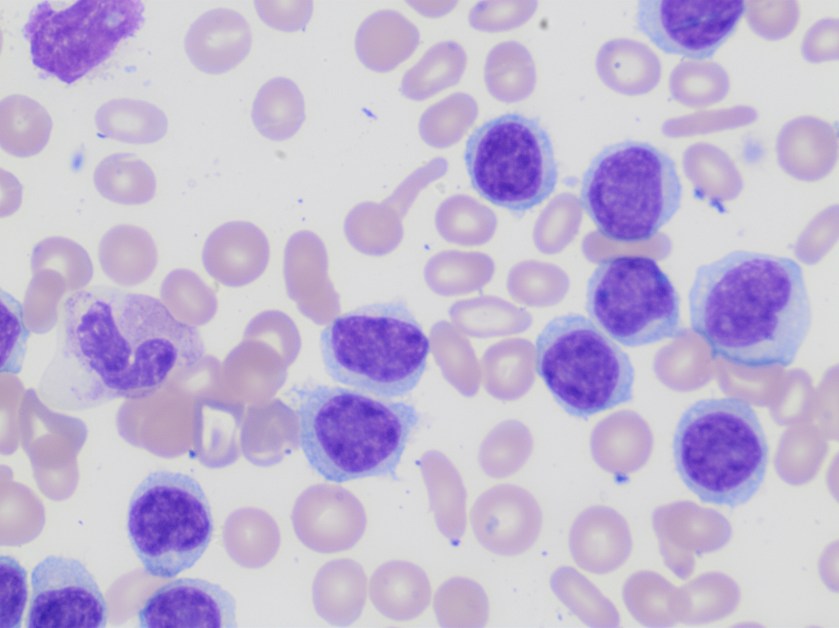
Peripheral smear examination revealed marked lymphocytosis with presence of numerous small to medium sized lymphoid cells with round to oval nuclei, clumped nuclear chromatin and variable amount of cytoplasm, some with cytoplasmic projections. As the features were consistent with a lymphoproliferative disorder peripheral blood was sent for flow cytometry.

lymph1

lymph2

Based on the morphology the differential diagnosis included B-cell lymphoproliferative disorders such as marginal zone lymphoma, hairy cell leukemia/variant, or less likely chronic lymphocytic leukemia and/or mantle cell lymphoma.

Flow cytometry revealed presence of clonal B-cells expressing CD19, CD20, Cd11c, CD103 and FMC-7. The cells were negative for CD5, CD10, and CD25.

The phenotype together with the morphology and CBC findings were diagnostic of hairy cell leukemia variant.

Discussion

Hairy cell leukemia variant ( HCL-v) is a B-cell lymphoproliferative disorder that resembles classic hairy cell leukemia but exhibits variant cytological and hematological features such as leukocytosis and also shows variant immunophenotype including absence of CD25, CD123 and/or annexin A1.

HCL-v is about one tenth as common as HCL (hairy cell leukemia) with an annual incidence of approximately 0.03 cases per 100,000 population. There is slight male preponderance. Patients with HCL-v typically present with leukocytosis with an average WBC of 30 K/ul and /or thrombocytopenia.

The 5 year survival rate is around 50-60%. Most patients require therapy which can range from splenectomy to combination chemotherapy with Rituximab.


Reference

  1. WHO classification of Tumors of Haematopoietic and Lymphoid Tissues; IARC 2017


Vajpayee,Neerja2014_small
-Neerja Vajpayee, MD, is the director of Clinical Pathology at Oneida Health Center in Oneida, New York and is actively involved in signing out surgical pathology and cytology cases in a community setting. Previously, she was on the faculty at SUNY Upstate for several years ( 2002-2016) where she was involved in diagnostic work and medical student/resident teaching.

Safety in the Pre-analytic Phase

The courier suddenly became sleepy in the middle of his daily driving route. It was cold outside and he had all of the windows in the vehicle closed. He also had filled his cooler with four pounds of dry ice, and it was sitting in his back seat.

There was no education at the hospital for specimen collection staff regarding proper label placement on collection tubes. Since the CBC analyzer would not accept tubes with labels that were too long, the lab techs kept a razor blade handy to slice off extra label paper. It wasn’t long before someone cut their finger.

The phlebotomist completed the outpatient collection, but the large elderly patient was unable to stand up from the chair without assistance. The phlebotomist bent at the waist and attempted to lift the patient to standing. The back muscle pull that followed kept the phlebotomist out of work for two weeks.

Every laboratory professional understands the value of quality in the pre-analytic phase of laboratory testing. If you have ever worked where phlebotomy has been decentralized and is no longer overseen by the laboratory, you may have experienced the many pitfalls due to inadequate specimen collection techniques. Laboratory professional by nature want to provide good diagnostic results, and compromised specimens hinder that resolve. Sometimes, however, the aspects of safety that are important during the pre-analytic phase of lab testing get overlooked.

Needle safety and ergonomics should be considered during blood collection from patients. Using a needle with an attached safety device and activating it as soon as possible are important steps in needle stick prevention. Make sure there is a sharps disposal container near the point of collection or wherever needles are used so that the potential hazard can be eliminated quickly. When collecting blood, be sure to raise the bed height (or the arm height if in a chair) so that excessive bending is avoided. Use a chair or a task stool to sit on while performing the collection to maintain a better posture throughout the procedure. Never attempt to lift patients by yourself, always ask for help. Thousands of back injuries occur every year in healthcare due to avoidable patient lifting errors.

For many laboratories, couriers are a vital part of the pre-analytic process. They bring specimens from clients and other labs, and their safety should be considered as well. Teaching dry ice safety is vital if it is used, and both couriers and lab staff need to be taught how to handle it appropriately. Dry ice sublimates (or changes to gas from a solid state), so it should never be placed into a sealed container, or the building pressure from expansion will cause the container to explode. Couriers should never place more than one pound of dry ice inside a vehicle, and the windows should be opened when transporting it to create good ventilation. The gas created from dry ice quickly reduces the oxygen content in the air, and the elevated Carbon Dioxide levels can quickly cause unconsciousness or even death. Never place dry ice leftovers in the sink for disposal. While it might be fun to run water on it to see movie special effects, the cold temperatures can burst sink pipes and even make the entire sink fall out of place.

If specimens for analysis arrive in the testing area, and they frequently aren’t ready for analysis- for instance the labels aren’t placed properly- go to the source of the error to make corrections. If inappropriate labeling is a constant problem, staff will create work-arounds to get the work done, and some of these work-arounds may not be safe. Poorly-labeled samples may prompt a lab tech to remove gloves in order to adjust the sticky labels, and that should never occur. The use of sharp blades may be another work-around, and staff injuries can occur. Be sure to explain to specimen collection staff the importance of proper labeling. Turnaround times are delayed, but staff safety is also a concern.

Lab Quality and Safety are often related, and rarely is it more so than during the pre-analytical phase of testing. Proper collection, labeling, and processing are all vital in order to provide high quality lab results, and that is the crux of what laboratorians wish to do. The same can be said for laboratory safety: that pre-analytical process can’t be done well without proper safety considerations. Safety events here will create staff injury, turnaround time delays, and potential errors with test results. Make sure staff understand the impact of good quality as well as safety in the pre-analytical phase.


Scungio 1

Dan Scungio, MT(ASCP), SLS, CQA (ASQ) has over 25 years experience as a certified medical technologist. Today he is the Laboratory Safety Officer for Sentara Healthcare, a system of seven hospitals and over 20 laboratories and draw sites in the Tidewater area of Virginia. He is also known as Dan the Lab Safety Man, a lab safety consultant, educator, and trainer.

Pitfalls of Prolactin Biochemistry Assay

Laboratories occasionally get questions from clinicians about prolactin results, mainly to either rule out high-dose hook effect or assess interference from macroprolactin. In most laboratories, sandwich immunoassay is used to measure prolactin concentration and it is widely known that older generations of prolactin assays suffer from hook effect and interference from macroprolactin. In the presence of extremely high concentration of prolactin, antibodies can be saturated, resulting in falsely low results, which is known as high-dose hook effect. Multiple cases have been reported in patients with giant prolactinomas, that their prolactin results were measured as normal or moderately elevated. In order to rule out high-dose hook effect, clinicians normally request laboratories to perform appropriate dilutions for prolactin in patients with large pituitary tumors. Newer generation of prolactin assays have better performance in this aspect, and most assays nowadays have no hook effect up to concentrations of 10,000 ng/mL, claimed by manufactures.

Another pitfall of prolactin assay is the interference from macroprolactin. Macroprolactin is a complex of prolactin bound to immunoglobulin, and thought to be biologically inactive. In the presence of elevated macroprolactin, patient is asymptomatic. However, macroprolactin can be picked up by prolactin immunoassays to some extent, and results in misdiagnosis as hyperprolactinemia. Reports showed that 15-20% of cases with hyperprolactinemia was due to elevated macroprolactin. Therefore, macroprolactinemia should be considered while evaluating hyperprolactinemia cases in the absence of symptoms or pituitary imaging evidence. Laboratories could easily perform dilution study to test if interference exists. To confirm the presence of macroprolactin, polyethylene glycol (PEG) 6000 can be used to precipitate macroprolactin followed by prolactin measurement in the supernatant. The presence of macroprolactin is suggested when the pull-down percentage is greater than 40-50%. This test is offered by many reference laboratories.

These two pitfalls of prolactin biochemistry assays should always be kept in mind by laboratorians, to provide better guidance to clinicians’ concern and workups on prolactin related cases.   


Xin-small

-Xin Yi, PhD, DABCC, FACB, is a board-certified clinical chemist, currently serving as the Co-director of Clinical Chemistry at Houston Methodist Hospital in Houston, TX and an Assistant Professor of Clinical Pathology and Laboratory Medicine at Weill Cornell Medical College.

Patients and Patience

Holiday season is around the corner! And, as such, I’d like to take this opportunity to share a few thoughts I have on how our professional scope as laboratorians extends all the way from the bench to the dinner table.

How many times have you been asked by friends and family what it is exactly you “do” at work? And how many times have you done your best to explain, being met with references to unrealistic television shows or generalizations that go beyond your scope of practice? It’s happened to me a million times. It’s the nature of our laboratory culture. It’s a vital role in patient outcomes, but often behind the scenes. But just for a moment, let’s say you get beyond those surface explanations—what happens next? Probably, in most cases, not much.

One of the main tenets of the ASCP mission which we all work together is advocacy: for our communities, our institutions, our teams, and our patients. More often than not I would bet that family members venture into that turnpike, mostly as patients. When a grandparent, uncle, sister, or friend says they’ve got an upcoming procedure or test, how many of us would share our knowledge with him or her? I know I would. Not in a way that goes beyond our scopes as phlebotomists, medical laboratory scientists, or cytotechnologists, or medical students, or pathologists—but as someone who wants to empower their loved one to be the most informed and prepared patient they can be. In 2012, the Agency for Healthcare Research and Quality (AHRQ) promoted their campaign “Questions to Ask Your Doctor.” In it, they cite that good health depends on good communication and that patients should not be afraid to ask their physician questions about their health outcomes. You remember, the commercials with the guy at the cell phone store that asked a hundred free train-of-thought questions but was speechless in front of his doctor…I loved those.

In that same holiday spirit that celebrates thankfulness, family, and relationships, let’s include laboratory professionals! If you have a loved one who it applies to, explain just what happens after those six different colored tubes were drawn, explain how that removed mole was set, sectioned, and reviewed, explain how staining different cells in a body fluid give a clinician important data about their health. Hundreds of thousands of laboratory professionals in the United States could offer not just invaluable information to their friends and family, but peace of mind. Demystifying the medical process might make those patience more confident in asking informed questions and, together with their provider, improve their health outcomes.

I find myself in an interesting position today. Having years of explaining what CBCs or CMPs actually measure and why someone might have to fast before a lipid panel, I’ve started a slow transition to learning how to explain what that means to an individual’s health. What a fantastic foundation lab medicine gave me to build on! (Really a recurring theme you’ll see in lots of my posts.) By moving from what different stains mean to a clinician, I am now on a path toward being able to use that information for the next step in professional scope: diagnosis and management.

Just like I’m on this academic and professional journey, lots of us are on a path through or toward something. But back to our ASCP message, advocacy for patients means recognizing their journey—especially when they’re our family and friends. The best outcomes for any patients rely on valuable information, communication, and rapport. And while you help your loved ones through the steps of their journey as a patient you might empower them to be a more involved member of their healthcare team. As a result, they might experience more personal and effective care. And a bonus just for us: maybe more people would appreciate some behind the scenes lab medicine. Who knows?

So, from me and mine to you and yours, have a great holiday season and a wonderful new year! I’ll return with stories, cases, and commentary on medical school clinicals in January!

Take care and thanks for reading!


ckanakisheadshot_small

Constantine E. Kanakis MSc, MLS (ASCP)CM graduated from Loyola University Chicago with a BS in Molecular Biology and Bioethics and then Rush University with an MS in Medical Laboratory Science. He is currently a medical student at the American University of the Caribbean and actively involved with local public health.