Help! OSHA is in My Lab!

Hospitals and other healthcare facilities have been on OSHA’s “high-risk” workplace list for a few years. That means the regulatory agency has noticed an increased number of employee injuries there, and therefore OSHA inspections have increased in hospitals and labs as well. If an OSHA inspector arrives at your facility, you should not panic, but you should know some very specific steps to follow.

If inspectors come directly to your department and you belong to a hospital or larger facility, be sure to contact your administration and accreditation departments immediately. This is a government agency on site, and the facility representatives need to be aware and involved. Verify the identity of the inspector(s). Sadly, there are imposters who pose as inspectors for the purpose of collecting money. OSHA inspectors will never talk about fine amounts during an inspection, and they certainly would not collect money on site. To prove the inspectors’ identity contact the state or federal OSHA office and verify that an inspector is scheduled to be on site. Twenty seven U.S. states and territories operate OSHA-approved State Plans, and if that is true in your area, it will be the state inspector on site rather than someone from the federal government.

OSHA is legally authorized to conduct workplace inspections to enforce health and safety standards, so it is usually best to allow them to inspect if requested. That said, you do have the right to require the inspector to obtain a search warrant before allowing them into your lab. However, as you can imagine, this will give an inspector the wrong idea about what you may or may not be hiding. They may dig deeper when they do return with that warrant, so it may not be the best course of action to turn them away.

An OSHA inspection begins with an opening conference which details the scope and purpose of the inspection. In the initial meeting, it is acceptable to ask the purpose of the inspection and its anticipated length. Ask what documents the inspector will want to see, and ask if there are any specific employees he or she will need to interview. If the inspection was triggered by an employee complaint, ask for a copy of the written report. The inspector may review certain lab documents pertinent to the investigation, and these may include the chemical hygiene plan, exposure control plan, or other policies and procedures.

While on site, the OSHA inspector should always be accompanied by a representative of your employer, an escort, and their next steps will usually be a walk-through of the inspected areas to look for safety hazards and to talk to employees. The inspector may talk to staff, take notes, and take pictures. The lab escort should take copious notes while this is happening, and it is advisable to take pictures of whatever the inspector documents with photographs.

If the inspector asks to interview an employee, he may do so in private so long as the employee agrees to that. Train staff to never volunteer information during an OSHA inspection; they should answer only what is asked. An OSHA inspector may ask if the employee familiar with lab safety policies and procedures, and whether or not the employee follows those procedures. They will try to determine if staff is aware of hazards in the workplace. If the inspector points out safety violations he notes, do not agree to them; it may be taken as an admission of wrong-doing and could incur a fine. If you are able to correct the violation on site, do so immediately, but understand that you could still be cited. However, this goes a long way toward showing the inspector that your interest truly is in cooperating and keeping employees safe.

Once the investigation is complete, the inspector will hold a closing session on site. During that time the lab will be notified about citations that will appear in the written report. The inspector will explain your right to appeal noted violations and give information on how and by when to appeal. They will answer any questions you may have. If on-site corrections were allowed during the inspection, be sure the inspector states that the follow up was completed.

If a citation will be incurred, start right away to prepare your response while the information is fresh in your mind. An OSHA report can take up to six months to be sent to the facility. Post OSHA citations at or near the site of the violation in the department.  If the correction of the violation takes longer than three days, the posting must remain until the correction is completed. After correcting a hazard, notify OSHA in writing. Employers have up to 25 days to submit OSHA an abatement of the safety issue or issues. If the abatement will take a long time (greater than 90 days), the first abatement progress report is due to OSHA within 55 days.

OSHA fines increased in 2016 for the first time in over 30 years. A single fine amount can range from $12,500 up to $125,000 depending on the seriousness of the violation. That’s just one reason to make sure your lab is following OSHA safety regulations. Keep your staff safe, but if OSHA knocks on your door, remain calm, and follow the steps to ensure a smooth inspection and follow-up process.


Scungio 1

Dan Scungio, MT(ASCP), SLS, CQA (ASQ) has over 25 years experience as a certified medical technologist. Today he is the Laboratory Safety Officer for Sentara Healthcare, a system of seven hospitals and over 20 laboratories and draw sites in the Tidewater area of Virginia. He is also known as Dan the Lab Safety Man, a lab safety consultant, educator, and trainer.

Pathologist on Call: There Is No Perfect Lab Test for Smoking Assessment

Cigarette smoking can affect both innate and adaptive immunity, and introduces concerns when evaluating a patient’s eligibility for surgery. It has been shown to hinder time required for healing and long-term survival of patients. It can promote vascular complications, increase the rates of hepatocellular carcinoma and reduce lung function.1 For lung transplantation, one of the common requirements of eligibility is smoking abstinence for at least 6 months. Smoking post-surgery is associated with worse outcomes for the patients including complications and higher rates of mortality.2 Relapse to smoking post lung transplantation has been reported to range from 11% to 23% in various patient populations.3 As a result, clinical testing for cigarette smoking abstinence is an important part of initial workup and follow-up of transplant patients.

In some situations, the burden of lung allocation weighs heavily on a single clinical laboratory result that is perceived to definitively confirm or exclude active cigarette smoking. This subsequently factors into the decision by the physicians to deem the patient eligible to receive a lung transplant. The perception of nicotine testing as definitive proof of smoking is misleading and does not reflect the complexity of situations that can lead to a positive test result.

How can we assess smoking?

Ideally, many factors should weigh into the final smoking status determination including self-reporting (used historically), witnesses to behavior, odor, and past history including cessation attempts. Clinical laboratory testing is important and thought to be more reliable means for smoking assessment. It can involve testing for nicotine (originating from tobacco or nicotine replacement therapy, NRT) and its metabolites: cotinine, 3-hydroxycotinine (3-OH-cotinine), and nornicotine. Moreover, nicotine contains a number of alkaloids that are not usually present in nicotine-replacement therapies (NRTs) including anatabine and anabasine.4 Nicotine testing can involve a combination of metabolites such as cotinine as well as alkaloids like anabasine. Various sample types have been used including saliva, blood and urine.5 In addition, measurements of the exhaled carbon monoxide (CO) have been used to assess recent smoking status (within the last 8 hours).6

Clinical case: patient with detectable nicotine metabolites

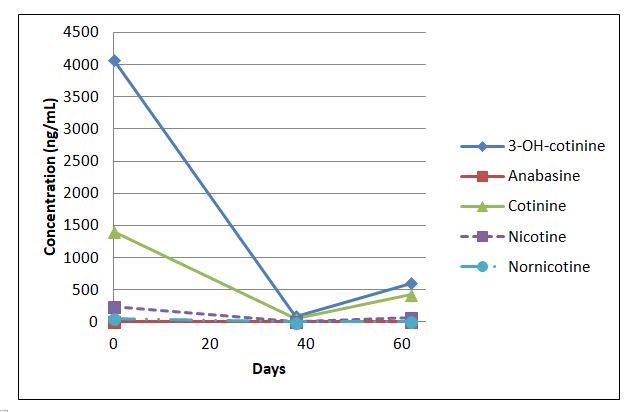
A case involving a patient being considered for lung transplantation was received by our department. The patient had been tested for anabasine, nicotine, and its metabolites in urine. Testing of random urine specimens was performed by liquid chromatography tandem mass spectrometry (LC-MS/MS) at different time points from samples collected during hospital visits (days 0, 38, and 62). The urine contained variable concentrations of nicotine and its metabolites, with anabasine concentrations below the detection limit in 2 out of the 3 testing instances. Testing at day 0 showed an interfering substance that prevented the determination of accurate anabasine concentration. The nicotine and its metabolite concentrations in the random urine specimens were lower from day 0 to day 38, but a noticeable increase of 3-OH-cotinine and cotinine concentrations was observed in the specimen collected on day 62. The physician was seeking information about the current smoking status of the patient and was planning to use this information to determine the patient’s lung transplant eligibility.

smoking-1


Days 0 38 62
Analyte concentration (ng/mL)
3-OH-cotinine 4074 89 603
Anabasine interf. subst. < 3 < 3
Cotinine 1404 47 425
Nicotine 241 < 2 72
Nornicotine 58 < 2 6


Figure and table 1. Nicotine, metabolite and anabasine concentrations (ng/mL) at different time points for a patient evaluated for lung transplantation eligibility. Anabasine was not detected on days 38 and 62, with an interfering substance preventing quantitation on day 0.

How definitive are these results?

No information was available regarding self-reported smoking or NRT use history for this patient. The physician had high suspicion that the patient was an active smoker and was attempting to use higher concentrations of nicotine and metabolites observed on day 62 as evidence of recent tobacco use.

For cotinine, values can range from 20-550 ng/mL for daily tobacco use.5 Nicotine concentrations in urine can approach over 5000 ng/mL with daily use. Together, high nicotine and cotinine can support tobacco or high-dose nicotine patch use. Furthermore, presence of nornicotine above 30 ng/mL along with anabasine greater than 10 ng/mL would be consistent with current tobacco use rather than NRT.7

Given that these were random urine specimen and the urinary creatinine values are not routinely measured, it’s important to consider the possible contributions of the variable urine concentration to the analyte concentrations. It has previously been reported that individuals abstaining from smoking for at least two weeks should present with nicotine of <30 ng/mL, cotinine of < 23 ng/mL, 3-OH-cotinine of <120 ng/mL, nornicotine < 3 ng/mL, and anabasine of < 2 ng/mL in urine.7 Based on these cut-offs, all analytes except anabasine would suggest new nicotine intake within the last two weeks.

In general, a positive anabasine result, in combination with the presence of nicotine metabolites, is consistent with active use of a tobacco product, whereas anabasine values of < 2ng/mL may suggest that NRT is the likely source.8 This can imply that the patient is abstinent from smoked or chewed tobacco if anabasine is not detected. However, anabasine is not a sensitive marker of smoked tobacco. It has been reported that the compound may not be detectable in 60% of self-reported smokers (N=51; 3 ng/mL cut-off in urine)9  and its urinary concentrations do not correlate well with self-reported tobacco use.8

As a result, anabasine has low sensitivity for determining eligibility for UNOS (United network for organ sharing) listing. There are some recommendations that this marker should not be used alone. Given that other alkaloids can originate from tobacco plant, it has been proposed that anatabine should be added to analysis due to higher expected concentration.9 However, this alkaloid is not completely specific to tobacco as it has been proposed to also arise from other plant sources 10,11  leading to possible implications for the patient that may be misclassified. In addition, anatabine sensitivity in detecting smoked tobacco use varies depending on the tobacco source and the clinical cut-off used. Clinical tests that include anatabine are not routinely available.

Can we improve this process?

Unfortunately, there is no definitive marker distinguishing smoking from NRT.

The determination of smoking status has advanced from reliance on self-reporting to quantitative and specific measurements of metabolites of nicotine and minor components of tobacco. Additional analyte incorporation into a test panel leads to additional complexities and considerations in interpretation of the results. Therefore, it is important to educate the physicians about various nicotine sources causing a positive nicotine and/or metabolite test result including NRT or e-cigarettes. It is also important to convey the limitations of tobacco alkaloid testing in such scenarios. Both the lab and the physician need to be cautious about implying active smoking in the absence of indirect supporting evidence and/or positive clinical test results.

At the same time, there is a need to improve the utility and availability of other tobacco alkaloid testing in distinguishing cigarette smoking from NRT in specific transplant populations and consider the value of testing alternative specimens. This may lead to a more effective implementation of secondary markers of tobacco use.

References

  1. Qiu, F.; Fan, P.; Nie, G. D.; Liu, H.; Liang, C.-L.; Yu, W.; Dai, Z., Effects of Cigarette Smoking on Transplant Survival: Extending or Shortening It? Frontiers in Immunology 2017, 8, 127.
  2. Zmeskal, M.; Kralikova, E.; Kurcova, I.; Pafko, P.; Lischke, R.; Fila, L.; Valentova Bartakova, L.; Fraser, K., Continued Smoking in Lung Transplant Patients: A Cross Sectional Survey. Zdravstveno varstvo 2016, 55 (1), 29-35.
  3. Vos, R.; De Vusser, K.; Schaevers, V.; Schoonis, A.; Lemaigre, V.; Dobbels, F.; Desmet, K.; Vanaudenaerde, B. M.; Van Raemdonck, D. E.; Dupont, L. J.; Verleden, G. M., Smoking resumption after lung transplantation: a sobering truth. The European respiratory journal 2010, 35 (6), 1411-3.
  4. Hukkanen, J.; Jacob, P., 3rd; Benowitz, N. L., Metabolism and disposition kinetics of nicotine. Pharmacological reviews 2005, 57 (1), 79-115.
  5. Raja, M.; Garg, A.; Yadav, P.; Jha, K.; Handa, S., Diagnostic Methods for Detection of Cotinine Level in Tobacco Users: A Review. Journal of clinical and diagnostic research : JCDR 2016, 10 (3), Ze04-6.
  6. Sandberg, A.; Skold, C. M.; Grunewald, J.; Eklund, A.; Wheelock, A. M., Assessing recent smoking status by measuring exhaled carbon monoxide levels. PloS one 2011, 6 (12), e28864.
  7. Moyer, T. P.; Charlson, J. R.; Enger, R. J.; Dale, L. C.; Ebbert, J. O.; Schroeder, D. R.; Hurt, R. D., Simultaneous analysis of nicotine, nicotine metabolites, and tobacco alkaloids in serum or urine by tandem mass spectrometry, with clinically relevant metabolic profiles. Clinical chemistry 2002, 48 (9), 1460-71.
  8. Jacob, P., 3rd; Hatsukami, D.; Severson, H.; Hall, S.; Yu, L.; Benowitz, N. L., Anabasine and anatabine as biomarkers for tobacco use during nicotine replacement therapy. Cancer epidemiology, biomarkers & prevention : a publication of the American Association for Cancer Research, cosponsored by the American Society of Preventive Oncology 2002, 11 (12), 1668-73.
  9. Feldhammer, M.; Ritchie, J. C., Anabasine Is a Poor Marker for Determining Smoking Status of Transplant Patients. Clinical chemistry 2017, 63 (2), 604-606.
  10. Lanier, R. K.; Gibson, K. D.; Cohen, A. E.; Varga, M., Effects of dietary supplementation with the solanaceae plant alkaloid anatabine on joint pain and stiffness: results from an internet-based survey study. Clinical medicine insights. Arthritis and musculoskeletal disorders 2013, 6, 73-84.
  11. von Weymarn, L. B.; Thomson, N. M.; Donny, E. C.; Hatsukami, D. K.; Murphy, S. E., Quantitation of the minor tobacco alkaloids nornicotine, anatabine, and anabasine in smokers’ urine by high throughput liquid chromatography mass spectrometry. Chemical research in toxicology 2016, 29 (3), 390-397.


VG

-Dr. Valentinas Gruzdys developed interest in clinical chemistry early in his academic training which led him to pursue and obtain a PhD in Clinical and Bioanalytical Chemistry at Cleveland State University. Valentinas is enthusiastic about teaching and helping improve the understanding of limitations and utility of clinical laboratory testing. He is currently enrolled in a clinical chemistry fellowship program at the University of Utah. He enjoys learning more about various aspects of clinical chemistry and cannot wait to make his own contributions to the field after his training.

Boards and Wards

As a little detour before I start my medical school clerkship rotations as a 3rd year student, I’d like to take a moment to appreciate—yes appreciate—board exams. I just sat for the daunting and arduous United States Medical Licensing Exam (USMLE) called “Step 1.” It is roughly an eight-hour endeavor to prove that some of the tomes of information I was exposed to throughout my first two years of medical school made it somewhere into my hippocampus. That said, yes board exams are always daunting and yes, they can even be quite stressful. There’s a lot depending on your scores, in any field you find yourself testing in. Some are pass/fail and some provide you with a scaled score performance.

For what feels like forever ago to me now, I sat for a state licensure exam for the Illinois Department of Public Health as an Emergency Medical Technician Basic provider, or EMT-B. I absolutely failed it—missed it by a point or so. Scheduled a retake, studied hard, and passed round two. Lesson learned. That license opened many doors for me back in the day, and that’s precisely the point: professional certification, official licensures, and (often) professional society membership will bolster anyone looking to get ahead in their career.

Other times, these board exams are highly encouraged. After graduate school at Rush for my MLS degree I had to sit for the ASCP BOC Board Exam for the professional credentials of a Medical Laboratory Scientist, or MLS (ASCP). When I passed, I was able to advance in my career then and have excellent opportunities that would be unavailable otherwise. More so, certain jobs would have been completely unavailable to me without those clinical credentials! I would say that like ASCP cites 70% of patient results originate from the lab, 70% of my CV depends on those professional credentials.

aki-fig-1
Figure 1. A previously renewed ASCP BOC certificate, proudly displayed.

This brings up a somewhat related point. There is a professional debate that’s been going on for a few years: board certification vs. regulatory licensure. Organizations like ASCP and CAP have been on board with licensure for a while, citing the critical roles we play in patient care and the specialized education training required. An article from 2015 had circulated well explaining the advantages and regulatory compliance improvement offered by licensure as medical laboratory science evolved since the Clinical Laboratory Improvement Act of 1988 (known as CLIA ’88). Those authors established that virtually all laboratory professional organizations, as well as local state public health departments, favor licensure to guarantee regulatory oversight for the quality of personal and testing results (Rohde et al., 2015). With so many questions today about what qualifies laboratory personnel since the Center for Medicaid Services decision in 2016 that says a bachelor’s degree in nursing is sufficient to perform and manage laboratory moderate to complex testing, professional organizations like ASCP, CAP, and ASCLS continue to investigate what measures would maintain quality and regulations for positive patient outcomes.

aki-fig-2
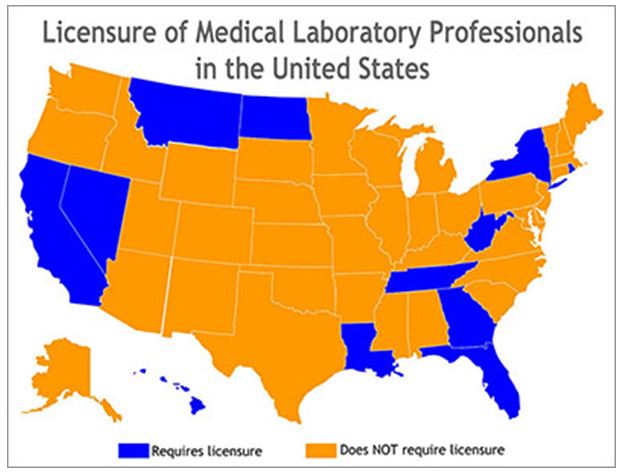
Figure 2. States with licensure, and without. I was trained and practiced medical laboratory science in Chicago, Illinois, a state that does not require licensure. (Rohde et al., 2015)
aki-fig-3
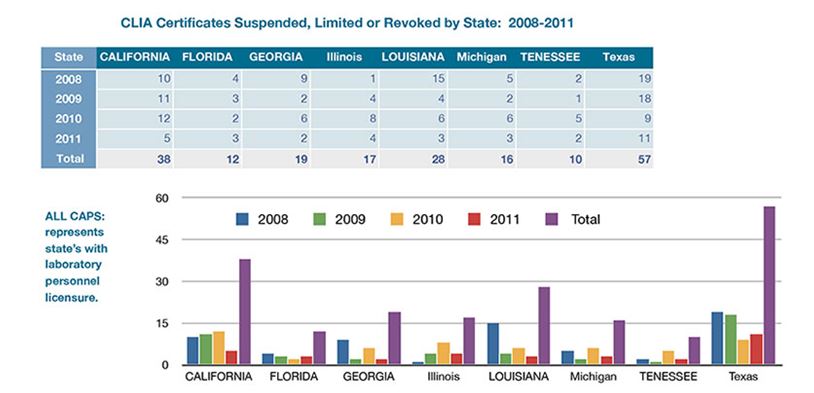
Figure 3. These graphs show the number of sanctions under CLIA imposed on labs in the following states. This demonstrates the ineffectiveness of CLIA improving laboratory testing or personnel quality. (Rohde et al., 2015)

Like the EMS exam, the USMLE is absolutely mandatory if I in any capacity wish to continue my medical education, match into a residency program, and ultimately practice as a physician. So, as daunting as these tests might be, they provide a good benchmark standard for the quality of physicians from around the world who want to practice in the United States. USMLE actually has a series of four board exams I’ll be taking in the coming years—so bear with me as I try to stay positive. The Step exams check the depth and breadth of one’s understanding of medical concepts from anatomy to the minutiae of biochemistry. Like ASCP’s board exam, it was a mix of hematology, microbiology, immunology, with added clinical vignettes and patient outcomes. At the end of the test day, I didn’t have a single neuron left working at 100%, but I’ve since recovered. And now it’s onto the next chapter: clinicals. Hope to catch you all again soon, as I’ll try to write up some interesting lab-related cases I will most assuredly come across. Thanks!


aki-fig-4
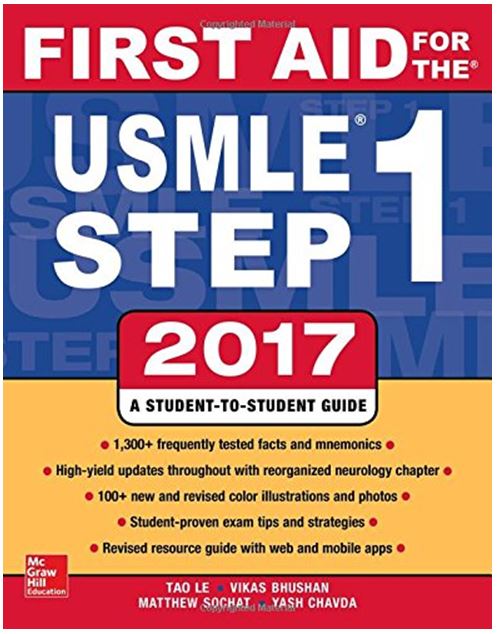
Figure 4. One of many medical students’ bibles. (Stock photo from Amazon.com)

References

Rohde, R., Falleur, D. Ellis, J. (2015) “Almost anyone can perform your medical laboratory tests – wait, what?” Elsevier.com March 10th, 2015; retrieved from: https://www.elsevier.com/connect/almost-anyone-can-perform-your-medical-laboratory-tests-wait-what


Centers for Medicaid and Medicare Services (2016) Personnel Policies for Individuals Directing or Performing Non-waived Tests, Revised due to typographical error under citation of §493.1443(b)(3). Center for Clinical Standards and Quality/Survey & Certification Group. April 1, 2016; retrieved from: https://www.cms.gov/Medicare/Provider-Enrollment-and-Certification/SurveyCertificationGenInfo/Downloads/Survey-and-Cert-Letter-16-18.pdf


ckanakisheadshot_small

Constantine E. Kanakis MSc, MLS (ASCP)CM graduated from Loyola University Chicago with a BS in Molecular Biology and Bioethics and then Rush University with an MS in Medical Laboratory Science. He is currently a medical student at the American University of the Caribbean and actively involved with local public health.

Bringing it Home

A recent report from the Centers for Disease Control (CDC) found that twenty-four laboratory workers were infected with a strain of Salmonella typhimurium, an enteric pathogen. The infections were reported in sixteen states across the country. Of those infected, six were hospitalized with symptoms such as diarrhea, fever, and severe abdominal cramps. Luckily, there were no deaths reported. These infections occurred in various teaching and clinical laboratories. The worst part? This could have been avoided.

When interviewed, some of those who became ill said they remembered specific exposure events. Many others who were unsure of how they became exposed described unsafe behaviors in the laboratory. Those victims admitted to working in the lab setting without lab coats or gloves, and many reported not washing their hands before leaving the department.

If you’re a laboratory leader, you very likely work during the day shift. Hopefully, when management is on site, staff is compliant with safety. If not, you may need to examine your safety program and leadership style. Do you enforce safety regulations in the lab? Do you lead by example? Do you don PPE when you pick up the phone or use a computer in the lab?

If safety seems to be good during the day, you may want to make a visit during the off-shifts. Depending on the level of safety culture, there may be anything happening from solid safe practices to open eating and drinking in the department. I know that was the norm in many labs 25 years ago, but those unsafe practices and safety violations should now be ancient history. Unfortunately, that is not the case, and that is one reason we have bacterial infection outbreaks in our laboratories.

An experienced lab auditor will tell you it is not difficult to assess the lab safety culture in a department, even on inspection day. I once entered a lab as part of an accreditation inspection team, and I watched as the lab staff struggled to find gloves. Even though they knew the inspection was imminent, they could not hide the fact that glove use was not the norm for them in that lab. A complete lab safety audit can reveal a number of inappropriate practices such as improper PPE use, gum chewing, cell phone use, and many others.

The National Institute for Occupational Safety and Health (NIOSH) has educated workers for years about hazard and exposure control. The “Hierarchy of Controls” is an excellent model to use in the laboratory setting, although certain facts about it may be surprising. The first and best two controls to remove hazards are elimination and substitution. Of course, these are not always possible in the lab setting. While there are substitutes for hazardous chemicals, the inherently dangerous specimens that are handled cannot be replaced or removed.

Engineering controls create physical barriers between the hazard and the employee. Biological Safety Cabinets (BSCs) and Chemical Fume Hoods are powerful engineering controls. Administrative and Work Practice controls are the safety policies and actual practices that help prevent infection. Written safety procedures are designed to change the way people work, and standard work practices include not eating or drinking in the lab setting and practicing hand hygiene when necessary.

The final control for infection prevention is Personal Protective Equipment (PPE). In the hierarchy, PPE is considered the last resort for staff protection. Since the lab hazard cannot be eliminated, and since humans commit errors with procedures, that final method of protection must be utilized. Lab coats, gloves and face protection need to be used at all times when working in the laboratory. Without it, the worker is at great risk for exposure- and that is what happened in the labs where the Salmonella infections occurred. Each of the controls that should be in effect in the lab were bypassed, and there were consequences.

It is always better to read about incidents that occur in other laboratories rather than have to report them about your own. When I hear of such stories, I always look at my own labs to see if such an event could occur there. What opportunities exist in my lab safety program? What about yours? Be sure to learn from these unfortunate events and keep your own staff safe.

The personal (and probably painful) part of the infection outbreak was that these laboratory workers were infected on the job, and then they brought it home. The CDC report says nothing about infections being spread to family members or friends, but it certainly could have happened. If there are weaknesses in your lab safety program, what could your staff be bringing home? What infections or diseases could be spread because of unsafe work practices? Now is the time to take the lead for your safety program before such an event can occur. Bring safety home for your staff. Teach them and lead them so that the unsafe practices of the past turn into practices that keep everyone healthy into the future.


Scungio 1

Dan Scungio, MT(ASCP), SLS, CQA (ASQ) has over 25 years experience as a certified medical technologist. Today he is the Laboratory Safety Officer for Sentara Healthcare, a system of seven hospitals and over 20 laboratories and draw sites in the Tidewater area of Virginia. He is also known as Dan the Lab Safety Man, a lab safety consultant, educator, and trainer.

Guest Post: Drone Transport of Specimens

On a hot afternoon in late September 2016 the Johns Hopkins Medical Drones team drove to a flight field in the Arizona desert with 40 vacutainer tubes filled with human blood obtained from volunteers. The individually wrapped tubes sat in two custom-designed white plastic cooler boxes which had wires coming out of one end, ventilation holes at the other, and ran off the drone’s battery power. We carefully placed one of the boxes on the drone, stood back, and flew the samples around for 260 kilometers in what seemed like an unending series of concentric circles. Great. But why would doctors be involved in this exercise?

For the last 3 years, the Johns Hopkins medical drones team has examined the stability of human samples transported via drone. Our approach has been similar for each study. Get two sets of samples, fly one on the drone, then take both sample sets back to laboratory for analysis to see if there are any changes. However, until this study in Arizona we had only flown these samples up to about 40km, in mild weather, and for up to 40 minutes at a time. A request to set up a drone network in a flood-prone area of a country in Southwestern Africa made us realize that we needed to repeat the stability tests in warmer weather and for longer flights. This drone network would serve clinics that were up to 50 km away from each other, therefore requiring round-trips of at least 100km. Once we received this request it became clear pretty quickly that our previous tests flying for to 40km were not good enough for an aircraft that would have to fly in a hot environment between several clinics that were each 50km away from each other.

After the 3-hour 260km flight, we took both sets of samples back to the Mayo Clinic laboratories in Scottsdale, Arizona and performed 19 different tests on the samples. Each pair of samples was compared to check for differences between the flown and not-flown sample sets. Although results from sample pairs were similar for 17 of the 19 tests, small differences were seen in Glucose and Potassium, which do also vary in other transport methods. We suspect the differences seen in this test arose because the not-flown samples were not as carefully temperature controlled as the flown samples in the temperature-controlled chamber. This study (which is the longest flight of human samples on a drone to date) shows that drones can be used for blood samples even for long flights in hot conditions. However, the temperature and other environmental variables must be well-controlled to keep the blood stable.


TimAmukele-small

-Dr. Timothy Amukele is an Assistant professor in the Department of Pathology at the Johns Hopkins School of Medicine and the Director of Clinical Laboratories at Johns Hopkins Bayview Hospital. He is also the Medical Director of two international research laboratories in Uganda and Malawi. He has pioneered the use of unmanned aerial systems (colloquially known as drones) to move clinical laboratory samples.

Jeff Street-small

-Jeff Street is an unmanned systems engineer and pilot at the Johns Hopkins School of Medicine with more than 10 years of experience in the development of new and innovative vehicles. He is leading the Johns Hopkins aircraft development efforts for a wide range of medical cargo applications.


Will Anyone See This Test Result?

We are all aware that there is substantial waste in testing. The mantra of utilization management is “the right test for the right patient at the right time.” This month, I want to focus on the right time. It turns out that many test results are never seen because they arrive after the patient has been discharged. This occurs for both routine and send-out testing. I will examine both.

Turnaround times for send-out testing are generally longer than those for tests performed in house. This means that results for tests ordered toward the end of a hospital stay are likely to be received after the patient has been discharged. Sendout tests are often expensive and, unlike tests performed in house, reducing sendout testing saves the hospital the full charge of the test. The savings can be substantial.

How do you prevent this? A recent article by Fang et al. shows one approach.[1] In this study, conducted at Stanford University, researcher displayed the cost and turnaround time of sendout tests in the computerized provider order entry (CPOE) system and achieved a 26% reduction in orders. I am aware of another hospital that restricts orders of sendout tests when the expected turnaround time is close to the expected remaining length of stay. Consider the graph in Figure 1. The upper panel shows the expected length of stay for a particular patient. The lower panel shows the expected turnaround time for a sendout test. In this case, there is a 62% chance that the test result will arrive after the patient has left the hospital.  Expected discharge dates are routinely kept and it is relatively easy to maintain a database of turnaround times. A hospital could combine these data and set a threshold for orders based on the probability that the result will arrive in time.

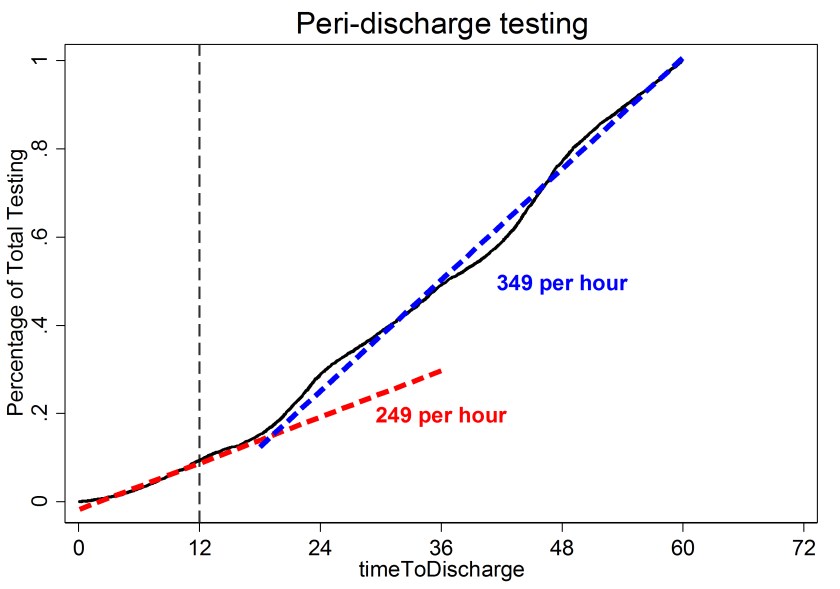
Standing orders are another source of waste.  I recently performed an analysis of the test rate as a function of the time until discharge (Figure 2). The test rate was 249 tests per hour for patients who were within 12 hours of discharge and 349 tests per hour for all other patients. It seems odd to me the testing rate in the final 12 hours is 70% of the “normal” testing rate. Further, the distribution of tests in both groups (those about to be discharged vs. all other patients) is very similar (Table 1). The main tests are basic metabolic panels and complete blood counts.  I suspect the majority of the testing within 12 hours of discharge is due to standing orders and the results were not needed for patient care.  The best intervention is less clear in this case because some peri-discharge testing is appropriate and it is difficult to distinguish the appropriate testing from the inappropriate testing. Education is one option. Perhaps the CPOE could raise a flag on orders for patients who are about to be discharged; however, this could be cumbersome and clinicians object to flags and popups that interfere with their workflow. I would be interested in readers’ thoughts on methods to reduce inappropriate peri-discharge testing.

In summary, some results do not reach clinicians in time to affect patient care. This is a source of waste. It is relatively easy to create an intervention to reduce inappropriate sendout testing but more difficult to reduce unnecessary peri-discharge testing.


Reference

  1. Fang DZ, Sran G, Gessner D, Loftus PD, Folkins A, Christopher JY, III, Shieh L: Cost and turn-around time display decreases inpatient ordering of reference laboratory tests: A time series. BMJ Quality and Safety 2014, 23(12):994-1000.


8-2017-fig-1
Figure 1: Comparison of expected length of stay (upper) and turnaround time (lower) for a sendout test.
8-2017-fig-2
Figure 2: Peri-discharge testing
8-2017-tab-1
Table 1: Test patterns stratified by time to discharge. The table shows the percentage of total testing accounted for each group. For example, BMP represents 15% of the total test volume among patients who are within 12 hours of discharge.

Schmidt-small

-Robert Schmidt, MD, PhD, MBA, MS is a clinical pathologist who specializes in the economic evaluation of medical tests. He is currently an Associate Professor at the University of Utah where he is Medical Director of the clinical laboratory at the Huntsman Cancer Institute and Director of the Center for Effective Medical Testing at ARUP Laboratories.


Planning Lab Testing for Medical Missions, Part 2

Last month I blogged about key points to consider when preparing to do lab testing in the field. Here I will expand on using point of care testing in medical missions. Point of care testing is easy to use and relatively easy to access, making it very attractive for use in the field or on medical missions. In fact, it is tempting to take these tests and go rogue – it’s not uncommon for point of care diagnostics to be obtained by non-laboratory professionals and tossed in luggage to be used by short-term medical teams. However, this is not in the best interest of the patients or the community. Helping establish point of care testing for medical missions is one very important way that a laboratory professional can get involved in this kind of outreach.

Proper utilization and quality assurance practices are just as critical in the outreach situation as at home in a large lab. Perhaps even more so; for example, in areas with high disease prevalence, false positives and negatives can significantly affect patient care and population health. Under-diagnosis due to false negatives means that those who need treatment might not get it, just as over-diagnosis due to false positives may cause patients to get unnecessary treatment. Unnecessary treatment, especially for infectious diseases, harms the community by contributing to drug resistance.

Most point of care tests, especially lateral flow tests, have built-in controls which lessens the need to run QCs with patient testing. However, it is important to know the limitations of the testing. Sometimes point of care testing systems that are not available in the United States are selected for use in outreach in foreign countries. It’s more likely that an American medical team would be unfamiliar with the tests. A laboratory professional can help establish or at least verify the validity of the tests, including limits of detection and accuracy, before they are deployed. Also, it is often helpful to have the results interpreted for the end user. Little interpretation is needed for the more straightforward qualitative tests that simply give a positive or negative result. Even with these tests, the limit of detection should be available to the provider, especially if this is significantly different from that which the provider is accustomed. Tests that involve titration, such as some of the rapid typhoid and syphilis testing, benefit from having an explanation of what the titers mean clinically available to the end user.

Other tests with results that are prone to confusion are point of care versions of assays more commonly performed in clinical laboratories. Difference in reference intervals for the POCT compared to a conventional test can be particularly confusing. For example, the results of a lateral flow point of care C-reactive protein assay have a different reference interval than results from high-sensitivity C-reactive protein assays used in clinical labs. Using the incorrect reference interval to determine whether a result is normal can lead to over- or under-treatment, which is contrary to the purpose of diagnostic testing. Yet, when using point of care tests in the field, there is not a neat little interpretive comment accompanying the result.

So, how can this be remedied? If the laboratory professional is also on the team, they can be available to provide information as needed. However, if the team is not so fortunate as to have their own laboratory professional, another way to provide the information is to provide a short guide to cheat sheet that briefly explains how to use test results.

Proper utility is also important, especially in areas with high burden of disease or in areas where there is no confirmatory testing. Consider rapid tests for H. pylori. These typically detect antibody to H. pylori, which can be found in up to 70% of asymptomatic populations. The rapid test is of little utility since positive results only indicate the presence of antibody and not necessarily an active infection. Consider using rapid screening tests, such as for HIV, when confirmatory testing is not available. Sometimes a second screening test that employs a different method than the first can be used as a confirmatory test if nothing else is available.

Consider environmental limitations of the testing when selecting tests for use in the field. Many tests are unreliable at extremes of temperature and humidity. This might not always be obvious even when quality controls are used properly. For example, Tang et al (1) showed that the effect of temperatures and humidity similar to what was experienced in Louisiana after Hurricane Katrina on quality control material for a POCT glucose meter system caused significantly depressed results. Also keep in mind that exposure to environmental extremes can reduce the shelf life of POCT and related reagents. If using POCT long term, it is good practice to routinely test a known standard – even on tests with built in quality controls such as the test line on lateral flow tests – to ensure there has not been degradation in quality due to the environment.

Preparing POCT for medical missions is a great way for a laboratory professional to get involved in global health and outreach. From helping to select appropriate tests, to verifying test validity, to teaching proper utilization of testing and providing interpretive guideline, the laboratory professional is a vital part of a medical mission – even if they never leave their lab!

  1. Tang CS, Ferguson WJ, Louie RF, Vy JH, Sumner SL, Kost GJ. Ensuring quality control of point-of-care technologies: effects of dynamic temperature and humidity stresses on glucose quality control solutions. Point of Care 2012;11:147-51.


Sarah Brown Headshot_small

Sarah Riley, PhD, DABCC, is an Assistant Professor of Pediatrics and Pathology and Immunology at Washington University in St. Louis School of Medicine. She is passionate about bringing the lab out of the basement and into the forefront of global health.  

Owning Safety in the Autopsy Suite

The hospital security guard placed the deceased patient into the morgue refrigerator while chatting with his co-worker. They walked away without realizing the door did not close completely. Within the hour the automated temperature recording system sent an alert to the lab on the third floor.

The body had been unclaimed, and it stayed on the bottom shelf in the morgue. No one in the hospital wanted to take ownership of it. After a couple of months, fluids began to fill the shelf where the body was. The environmental services staff refused to clean up the mess since some staff were afraid.

The pathologist wanted to finish the autopsy quickly, so he started before the complete patient chart arrived. When the phone rang in the morgue, the physician on the other end of the phone said he believed the patient may have Creutzfeldt-Jakob Disease (CJD).

Managing safety in the autopsy suite can be difficult, but as these case studies show, it is important. One reason for the struggle is that clear ownership of the area is often not defined. Multiple internal departments and even external agencies may work in the morgue and autopsy suite. Pathologists, medical examiners, research physicians, security personnel, nurses, and organ procurement staff are just some of the various people that may perform tasks in the autopsy suite. This can create some unique and unwanted problems. The laboratory should take the lead in making sure all safety regulations are followed and that other users of the suite comply to avoid any unfortunate mishaps.

The morgue should be treated as a laboratory space, and it should be designed similarly to a BSL-3 laboratory space which includes an anteroom. Warning signs indicating the presence of biological and chemical materials should be placed on entry doors. Whenever work is performed in the area, proper personal protective equipment should be utilized. This PPE may include lab coats, gowns, gloves, respirators, and face protection. Make sure PPE is available in the area at all times. The autopsy space should be adequate, such that procedures may be performed effectively and that items such as knives and saws can be stored and used safely. Ventilation should be adequate (with a recommended minimum 12 air exchanges per hour), and the ambient temperature should be monitored as well.

While other personnel may access the morgue body storage refrigerator, it is often the lab or security departments who monitor the temperature. Since CAP inspectors set specific morgue refrigerator temperature ranges (1.1 to 4.4° Celsius), it can be important to communicate with the people who utilize the unit often. If placing or removing a body takes longer than expected, make sure there is adequate communication so that proper documentation of the temperature outages can be made. If a department other than the lab is responsible for temperature monitoring, make sure it is done correctly so there are no citations during an inspection.

Proper decontamination in the morgue is crucial. Instruments, tables, and counters must be disinfected to remove contamination of bloodborne pathogens. Use a chemical germicide for instrument and surface decontamination such as a 10-percent solution of sodium hypochlorite (or bleach). This intermediate-level disinfection will eliminate most bacteria (including Mycobacterium tuberculosis), and all fungi, and it inactivates viruses such as the hepatitis B virus. Rinsing with water or ethanol after disinfecting will help prevent the pitting of any stainless-steel surfaces.

Dealing with Creutzfeldt-Jakob Disease (CJD) in the autopsy suite requires special safety measures. Procedures should be posted in the area directing staff how to handle tissue and clean up in cases where patients are infected with CJD. The intact brain should be fixed in formaldehyde for one to two weeks before handling or cutting in order to reduce the prion activity. Non-disposable implements used with such patients should be immersed in 1N sodium hypochlorite (NaOH) for one hour before reuse. Surfaces on which autopsies occurred should also be immersed in NaOH for one hour for disinfection purposes.

Chemicals are stored and used in the autopsy suite, and standard safe lab practices should be used. Make sure staff is trained in proper the handling, labeling, and storage of chemicals as well as prepared to handle spills. Spill kits should be available and suitable to the chemicals used in the area. If formaldehyde is used, be sure an appropriate neutralizer is available for spill incidents.

As the most involved and best educated about its dangers, laboratory personnel should take the lead in making sure safety is a priority in the morgue, and educate all who may enter the area. Make sure communication is clear about who will use the suite and when- it’s never good to have someone walk in during an autopsy or organ removal. Use signage when necessary, and be willing to help in any unusual situations, because with a morgue, they definitely will arise. Work together as a team with all who utilize the area, and that ownership of safety will translate into safety for all.


Scungio 1

Dan Scungio, MT(ASCP), SLS, CQA (ASQ) has over 25 years experience as a certified medical technologist. Today he is the Laboratory Safety Officer for Sentara Healthcare, a system of seven hospitals and over 20 laboratories and draw sites in the Tidewater area of Virginia. He is also known as Dan the Lab Safety Man, a lab safety consultant, educator, and trainer.
Chemistry Case Study: Falsely Elevated Methotrexate

High dose methotrexate infusion is widely used in the treatment of malignancies such as leukemia, high risk lymphoma, and osteosarcoma. It can be associated with multiple adverse effects, especially renal toxicity, which could leads to acute kidney injury (AKI), delaying drug elimination and worsening its toxicity. Leucovorin, a reduce folic acid, is commonly used with methotrexate treatment to lessen its toxicity. After administration of methotrexate, serum creatinine and methotrexate concentration should be closely monitored. The levels of serum methotrexate to be associated with a high risk for nephrotoxicity are: 24 h, > 10 μmol/L; 48 h, > 1 μmol/L; 72 h, > 0.1 μmol/L.

In this case, the patient is a 33-yo old male with T-lymphoblastic leukemia in complete remission. He was given consolidation therapy with high dose methotrexate. Leucovorin rescue was given 24 hours after methotrexate administration. Patient’s methotrexate level was at 4.7 μmol/L 3 days postinfusion due to AKI and poor methotrexate clearance. An alternative rescue, glucarpidase (Garboxypeptidase G2), was then given to patient to rapidly lower serum methotrexate level. Glucarpidase cleaves methotrexate molecule to inactive metabolite, DAMPA (2,4-diamino-N-methylpteroic acid). After glucarpidase rescue, patient’s methotrexate level were still remained above the toxic level on the following two days (1.02 μmol/L and 0.68 μmol/L).

In most clinical laboratories, serum methotrexate is measured by immunoassays, and the inactive metabolite of methotrexate after glucarpidase rescue, DAMPA, cross-reacts with immunoassays and interferes the measurement of methotrexate. After glucarpidase treatment, patient’s methotrexate level can be falsely high for 5-7 days, before accurate measurement can be obtained using immunoassays. In this case, the concentrations of methotrexate after glucarpidase rescue were falsely high results due to DAMPA interference. There are laboratory-developed LC-MS methods to detect methotrexate. LC-MS methods are more specific and have no interference from the metabolite, can be used for accurate methotrexate measurement in the case of glucarpidase rescue.


Xin-small

-Xin Yi, PhD, DABCC, FACB, is a board-certified clinical chemist, currently serving as the Co-director of Clinical Chemistry at Houston Methodist Hospital in Houston, TX and an Assistant Professor of Clinical Pathology and Laboratory Medicine at Weill Cornell Medical College.