A Med Tech Gives a TEDx Talk

Hello again everyone!

After a lot of positive responses and sharing on social media, my article last month got lots of people talking about annual meetings and how great they are for networking, learning, and advancing our profession. Not too long after the ASCP Annual Meeting in Phoenix, I was back in my Manhattan apartment working on my speech and graphics for a real life TEDx session hosted at my medical school.

Let’s pause here: if you either haven’t heard of the TED/TEDx brand or if you binge watch their 18 minute videos and want more links to watch now, now, now!

TED is a non-profit organization whose mission is to share “ideas worth spreading.” They’re about 35 years old and based in NYC stateside, and Vancouver in Canada. Basically, over the last few decades they hold conferences at those flagship sites called “TED talks” where selected speakers present on a myriad of topics. TEDx conferences are officially licensed but off-site events which operate under TED protocol and guidelines. There have even been spin-off conferences like TED MED, which focus solely on healthcare.

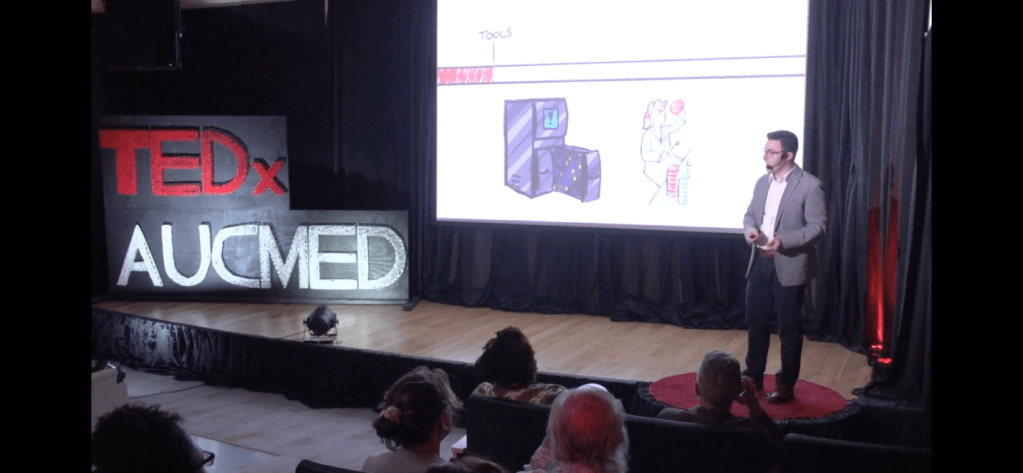
Image 1. What’s a TEDx talk? Basically, an off-site, officially sanctioned, “idea sharing” conference.

Some of the students at AUC School of Medicine, organized such a conference with official TED licensing and recruited me to join their list of speakers to deliver talks on their chosen theme: resilience. Officially called TEDxAUCMed, this conference included community members, students, artists, activists, and more discussing the human capacity for resilience in ways not commonly discussed. “Weathering the Storm” was the official event title, as the school located in the island nation of St. Maarten displays daily resilience especially since being hit by Hurricane Irma in 2016. Among their list of incredible speakers, I was humbled to be included! I titled my talk “Unrecognizable Medicine” and wanted to deliver a talk to students, clinicians, and those of us in medicine witnessing first-hand a tidal wave of new technologies and paradigms that redefine the way we discuss health. Oh, and since I’m a huge fan of #GraphicMedicine more and more each day, I hit that hashtag hard and decided to illustrate my whole talk!
Image 2. Title Card from my TEDx talk.

So what did I talk about, exactly…and what’s the big deal? I’m not going to re-hash my presentation for you in text—that’d be boring, and I’m obviously going to put a link at the bottom for you to watch it yourself. I got you, lab fam! But essentially, what I set up was a three-tiered template to assess and navigate that tidal wave of tech. Tools, skills, and strengths—three things inherent to the practice of medicine in any specialty.
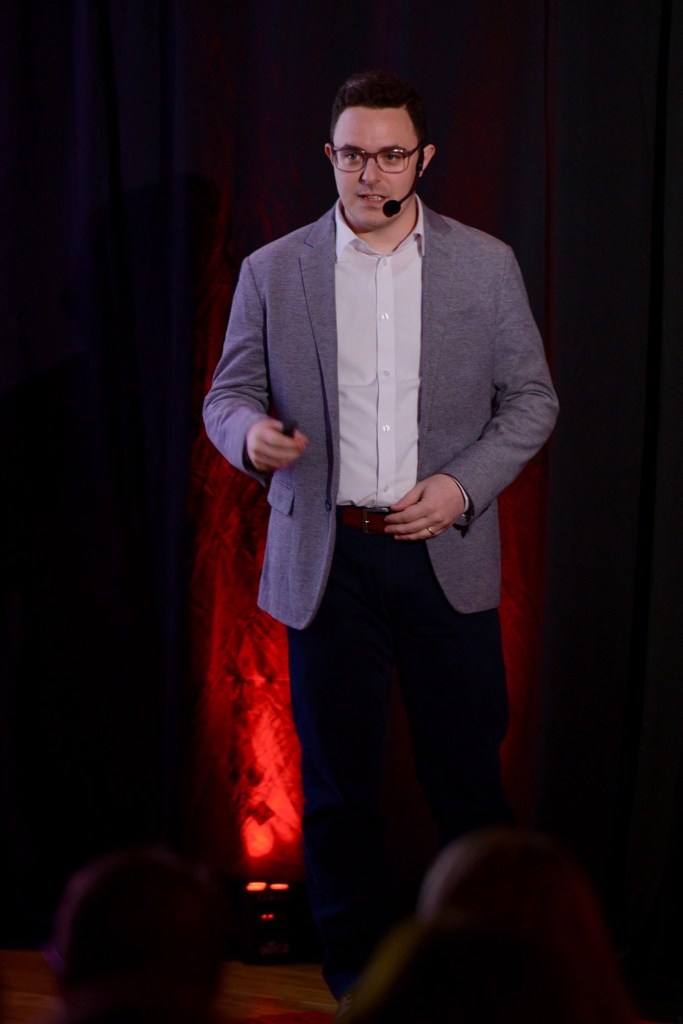
Image 3. Red back-ligting. So intense. Thanks for coming to my TEDx Talk, literally!

There are untapped topics in medicine which are looming over the horizon. As medicine continues to evolve and change, the problems we face and the needs we must meet will become moving targets. New specialties will emerge, and new technologies will replace centuries old tools we cling to today. A shift in thinking is both proactive and healthy in a profession that mandates our commitment to preserving health and quality of life. I have spent years battling stereotypes in medicine and hope to challenge the fabric that places individuals in professional or academic boxes. Fresh first-years at some schools are already using point-of-care ultrasounds (POCUSes) instead of stethoscopes—which student sounds like they have better info on morning rounds, a student who maybe kinda-sorta heard some non-descript murmur, or a mini-pocket echocardiogram with an ejection fraction of 45%? Stereotypes have too long shaped the way students choose specialties, equating some areas to colloquial high school cliques! No offense to orthopedics or dermatology. Troponins used to be something you could hang your white coat on, but not anymore. What do you do with a new 5th generation Trop of 39 with a delta of 18? ACS or acute MI? Cancer therapy is exploding with personalized treatments being added every day! Any student right now would impress their heme/onc attending on rounds if they suggested PDL-1 and other immunotherapy testing for patients with newly diagnosed lung cancers. *Deep breath*

Ok. My point is, tomorrow’s medicine is going to have a lot of different therapies, tools, and even vocabulary that schools may never catch up with. How do you prepare for this explosion of knowledge? You look to yourself to take an inventory of your strengths and use those to guide your clinical sails. Addressing stereotypes head-on, learning on the spot, dealing with complex identities in your patients, and always practicing with compassion will lend itself to staying ahead and staying fulfilled.
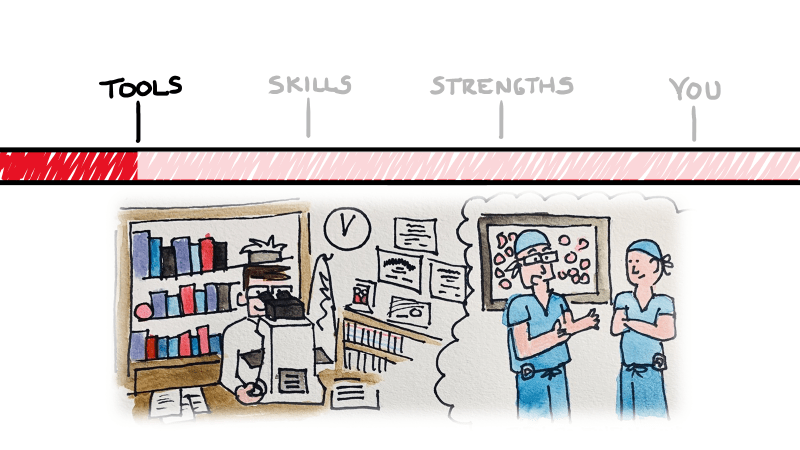
Image 4. If you’re drawing cartoons of pathologists for an educational series, you probably make them look like you. Or in this case me, I guess. Keep an eye out for my #PathDoodles on social media!

Pretty heavy stuff right? But there’s something else that caught my attention in reflection on the TEDx talk… I’ve searched the TED library of videos, and while there are plenty of doctors, scientists, and pioneers in research discussing medical ideas, I haven’t seen any medical laboratory scientists. If you find any, please correct me. But, as I understand it, it’s just me. And that’s something special.
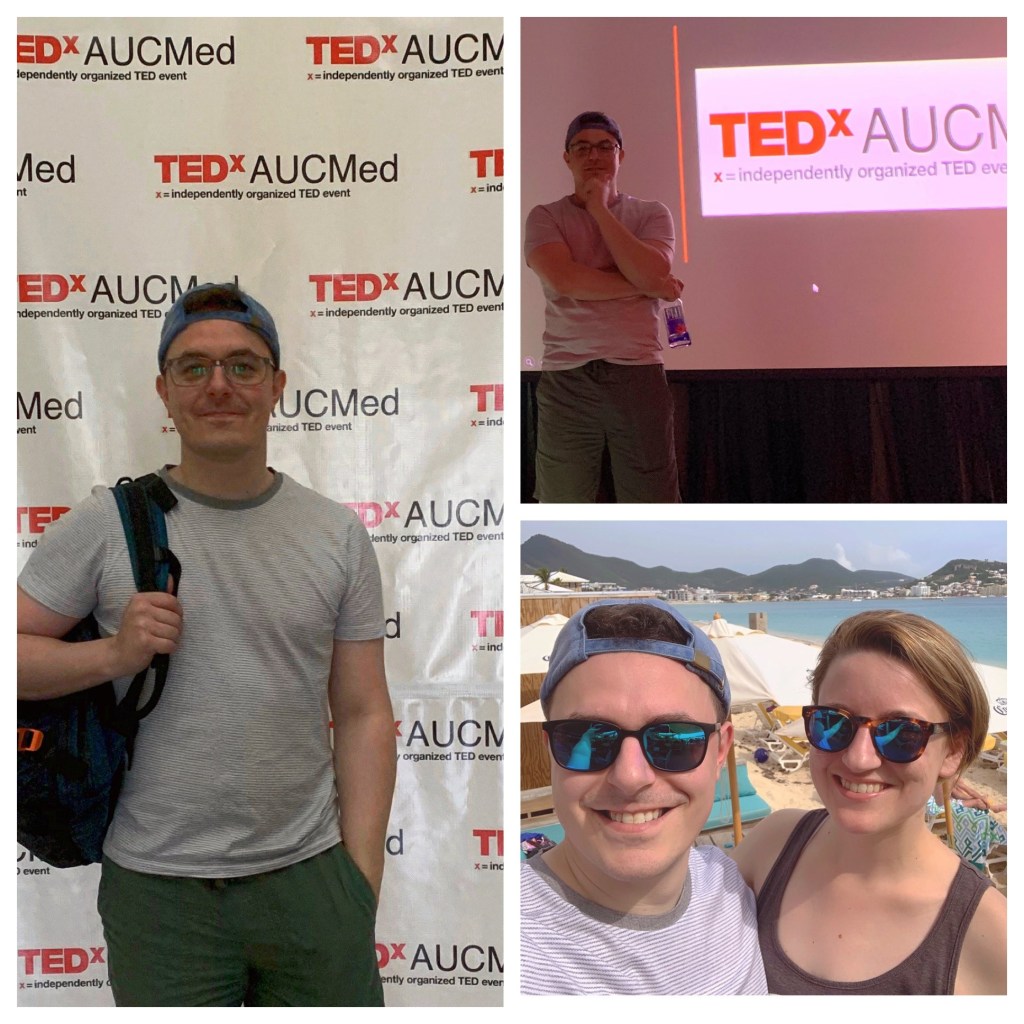
Image 5. My wife and I check-in for rehearsal at the TEDxAUCMed conference in sunny St. Maarten.

There’s a culture shift in our profession, and a lot of us are talking about it. Pathology and laboratory medicine are stepping out from behind the healthcare curtain and asserting itself as a champion for patients, truth, and the importance of data-driven medicine. Not only do I talk to groups of folks every time I get a stage, but I use social media to reach clinicians and patients! Yes, I’m one of few medical students-turned-residency applicants who didn’t change their name to hide their online presence for the winter. But instead of a secret twitter hibernation, I’ve used social media as a tool to network, engage, and connect.

One of my favorite new projects is something I call #PathDoodles where I break down the aspects of pathology and some specialty topics for those outside of medicine (and sometimes just outside our profession). I’ve already covered things like “what is pathology?” and the importance of autopsies, the role of medical laboratory scientists, and I continue to add more regularly!
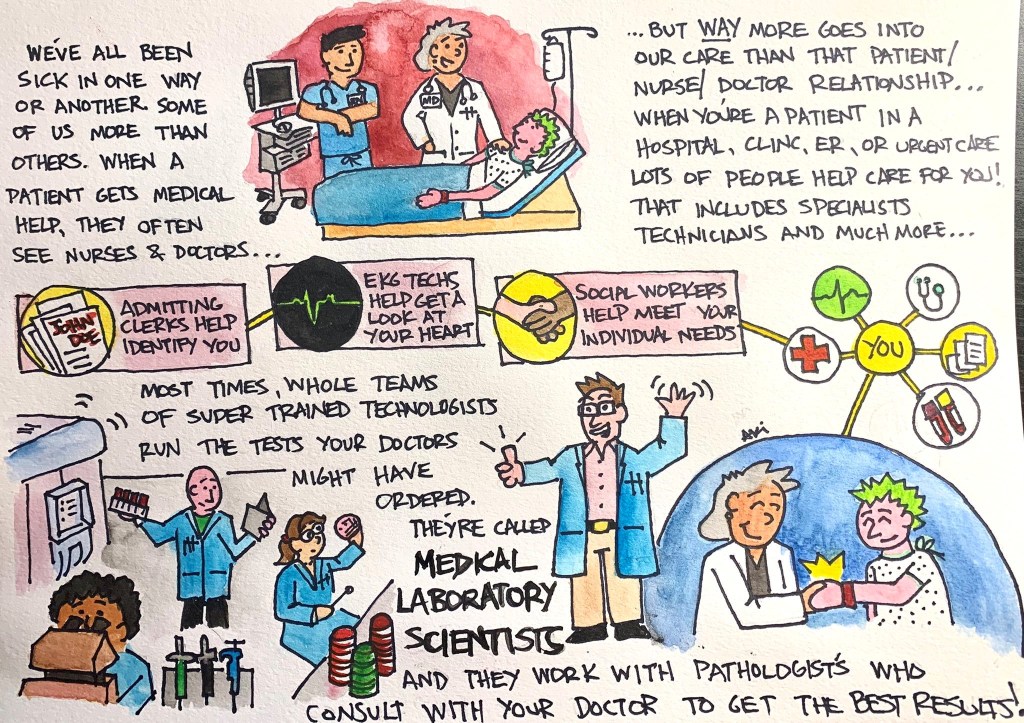
Image 6. One of a growing list of #PathDoodles.

There’s a culture shift in our profession, and a lot of us are talking about it. Pathology and laboratory medicine are stepping out from behind the healthcare curtain and asserting itself as a champion for patients, truth, and the importance of data-driven medicine. Not only do I talk to groups of folks every time I get a stage, but I use social media to reach clinicians and patients! Yes, I’m one of few medical students-turned-residency applicants who didn’t change their name to hide their online presence for the winter. But instead of a secret twitter hibernation, I’ve used social media as a tool to network, engage, and connect.

One of my favorite new projects is something I call #PathDoodles where I break down the aspects of pathology and some specialty topics for those outside of medicine (and sometimes just outside our profession). I’ve already covered things like “what is pathology?” and the importance of autopsies, the role of medical laboratory scientists, and I continue to add more regularly!

Follow me on Twitter (@CEKanakisMD) and check out my TEDx talk:
My talk begins at 5:00:00. Enjoy!

Constantine E. Kanakis MD, MSc, MLS (ASCP)CM completed his BS at Loyola University Chicago and his MS at Rush University. He writes about experiences through medical school through the lens of a medical lab scientist with interests in hematopathology, molecular, bioethics, transfusion medicine, and graphic medicine. He is currently a 2020 AP/CP Residency Applicant and actively involved in public health and education, advocating for visibility and advancement of pathology and lab medicine. Follow him on Twitter @CEKanakisMD

Global Health Narratives Interview Series: Meet Dr. Constantine E. Kanakis.

Constantine E. Kanakis, MSc, LS(ASCP)CM is a board certified Medical Laboratory Scientist and is a newly minted MD. Any pathology program director reading this should pay close attention, since he is currently completing the Pathology Match for July 2020 and you would be lucky to have him in your program. Constantine has done incredible work in the field of pathology already, and was recognized in the prestigious ASCP 40 Under Forty award program in 2017 and he was recognized as a Top Ten medical student with the ASCP Academic Achievement Award in the same year.It was his passion for working to better his community that earned him these, and I can only imagine what else he will do in his career. I came across his work through reading his ASCP Lablogatory blog contributions, to which he has contributed insightful and quality material for years. His work in global health particularly stands out as what he has been able to accomplish in such a short time and while in medical school is really spectacular. If you want to know how to get engaged in your community and make a tremendous impact in the world, read on, you will surely be inspired to do so after reading this!

Q: Can you tell me about your background and what led you into Pathology for your career choice?

A: I received my undergraduate and masters in Chicago studying molecular biology, political science, bioethics, and medical laboratory science. I’ve worked in various laboratory roles for the last ten years, mostly in blood bank and hematology. After some time, I decided to return to pursuing a more advanced career in medicine and go to medical school and was naturally drawn to pathology from having worked extensively in the lab.

Public health was always something I was interested in, but didn’t know how to get involved. This changed when I had an opportunity to take a service-learning elective course in medical school focused on community outreach. We were prompted to choose a project to focus on, and since Zika virus was such a heightened threat to the community of Sint Maarten in 2015-2016, as well as the region at-large, I decided to focus my efforts there. I organized an effort to reach out to the community and help educate them on Zika prevention/infection through speaking at town hall meetings, health drives, and by creating vector control projects in the field. Together with a team, we developed school-based task forces to educate children so they would bring the information home to their parents and siblings. This arm of the project was mirrored after the recycling initiative in the 90’s that was targeted at US school children to bring recycling programs into the home. Recycling started in schools and it was effective in changing the home culture. Our Zika education based program was so successful that the Sint Maarten Ministry of Health adopted it as an official outreach program as part of their Collective Prevention Services. And was even touted as a success by representatives at the 2016 Global Health Security Agenda session in Miami.

I also married this community outreach project to the Zika virus research that I was involved in with my medical school. We used commercially available antibody kits and I both wrote the SOPs and ran testing alongside other team members in the laboratory.

With my background in public health, research, and working in the laboratory as a technologist, Pathology is a career that will allow me to engage in all of these things. Pathology is a perfect career for focusing on global health due to its ability to intervene on behalf of the population in a data driven way. Rather than helping one person at a time, I can help entire demographics through epidemiologic based interventions. 

Constantine Kanakis (center right, first row) and the team in the fight against mosquito borne diseases.

Q: Why do you think medical students should get involved in global or public health?

A: Getting involved in solving the problems in your community enriches your education in a way that solely reading about issues cannot. When you are actively engaged in the solution, the problem becomes more than just something you are reading and learning about in the text. Not only does this enhance your education and understanding, but it also gives you the benefit of being part of your community in a meaningful way. There are so many preventable issues to focus on – in the US and abroad.

Q: How can someone get started in serving their community?

A: Start by looking around at your immediate surroundings and take an assessment of the issues affecting the community. Anyone can do this, whether you are a physician, scientist, or a community member. The first step is to collect data to define the issue and narrow your target. Next is to plan an intervention; start small and organize or join a group working on the issue and just get involved. You will be surprised at how quickly things can develop. And don’t be afraid of failure—taking setbacks are critical in a continuing process of reevaluating and readjusting your project!

Q: Now that you have finished with medical school, what is next for you and where do you see for your future?

A: In between residency program interviews this month, I will be flying to Sint Maarten to deliver a TEDx talk about the rapid evolution of medicine and how we can prepare for the changing landscape. [You can view the talk here: https://vimeo.com/365844585 (skip ahead to 5:00 to jump straight to Constantine’s presentation)].

Next I’m planning to present an abstract in the next Caribbean Center for Disaster Medicine conference. With hurricanes threatening the Caribbean islands and in particular Sint Maarten which was hit in 2016, there’s been a lot of energy centered around disaster preparedness. My focus is on making sure the planning efforts including blood bank and other lab services are ready in the case of a major disaster.

In the future, as a pathology resident and beyond, I want to continue to work in both my local US setting and abroad. In the US, there are many public health issues that need to be focused on. For example, there’s been a record resurgence in preventable infectious diseases due to the anti-vaccination movement. There are also people suffering from Hepatitis C related cirrhosis who aren’t aware that Hepatitis C is curable. There are many educational campaigns for issues like this that can change lives, and pathologists are the ones that can fulfill that role as health educators.

My wife is a RN, has a master’s of nursing science (MSN), is a certified nurse leader (CNL), and is finishing her Doctorate of nursing practice (DNP) in advanced public health with a focus on vulnerable populations and disaster planning, has been an excellent partner and resource for community outreach all along and we hope to focus on these issues throughout our careers. It’s exciting to think of all the possible ways we can help make our community better!

Constantine Kanakis delivering a recent TEDx talk.

-Dana Razzano, MD is a former Chief Resident in her fourth year in anatomic and clinical pathology at New York Medical College at Westchester Medical Center and will be starting her fellowship in Cytopathology at Yale University in 2020. She is passionate about global health and bringing pathology and laboratory medicine services to low and middle income countries. She was a top 5 honoree in ASCP’s Forty Under 40 in 2018 and was named to The Pathologist’s Power List of 2018 and 2019. Follow Dr. Razzano on twitter @Dr_DR_Cells.

Hemoglobin Electorphoresis in Children

This last month, I rotated through our Children’s hospital, which included reviewing hemoglobin electrophoresis tests. I’d learned about them before in residency, but they can be quite more interesting (complicated) than I expected.

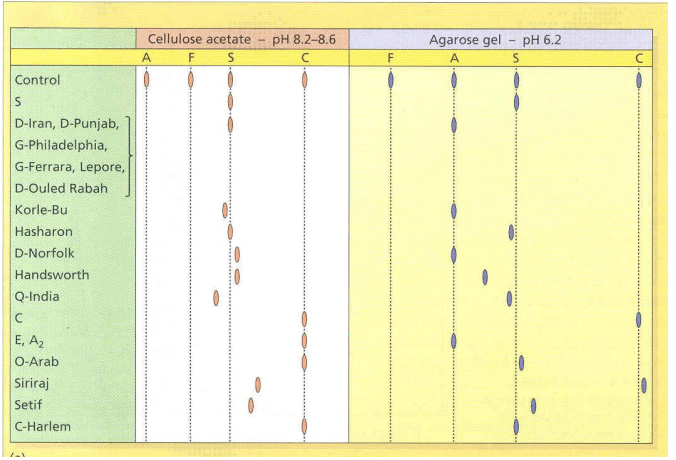
Hemoglobin electrophoresis is a blood test to look at different types of hemoglobin to determine if there are any abnormalities. In a children’s hospital it is frequently ordered as a reflex for an abnormal newborn screen or when a child is incidentally found to be anemic. The test is performed in 2 stages. 1st lysed blood samples are run on gel electrophoresis and different types of hemoglobin are separated as they move at different speeds. Several types of hemoglobin will run within the same region, so a secondary method of separation is always employed.

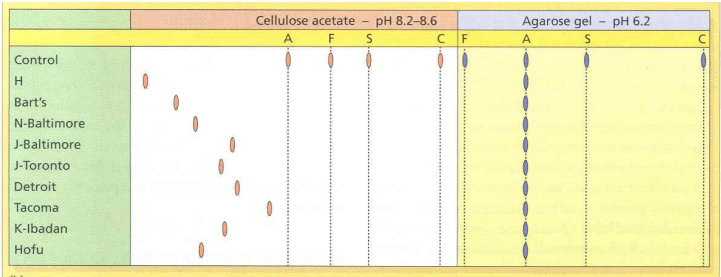
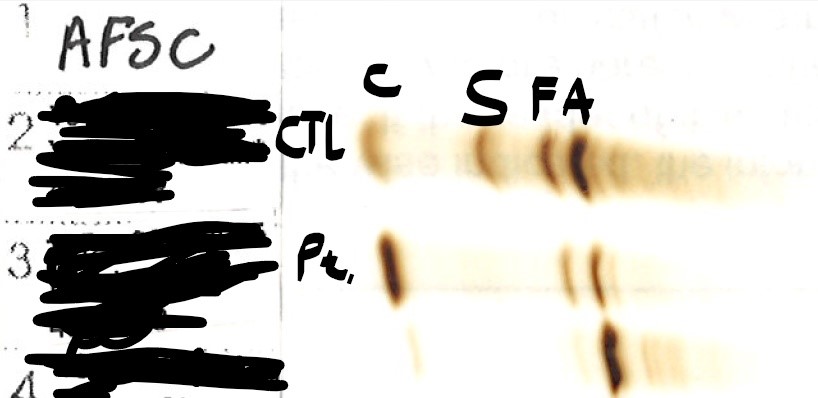
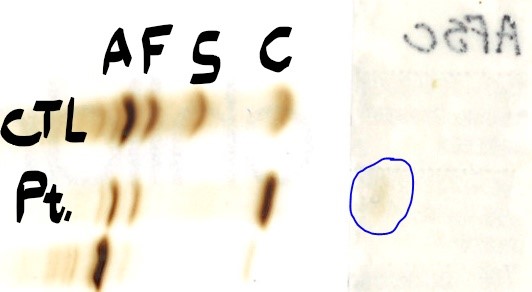
Below, you can see how some bands in the same area of an acidic gel (agarose) are actually very different on the alkaline gel (cellulose acetate) and vice versa.

At our hospital, we use HPLC and measure retention times of the hemolysate to quantify and identify different hemoglobin types present. As a basic primer you should recall that hemoglobin is a tetramer with a pair of alpha globin + a pair of either beta, delta or gamma globin (each separate genes).

Alternative hemoglobins are enriched in populations where malaria is endemic as these variants may provide improved fitness by promoting resistance to the malarial parasite that reproduces inside red blood cells. Thus, many people of African or south east Asian descent may carry these variants.

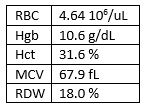
Our case is that of a 2 year old girl with anemia who had testing sent by her primary care doctor for the following CBC:

This is indicative of microcytic anemia, but unlike some Thalessemias the RBC isn’t very high. More on this later.

Looking at the gel result, there is a large band in the area coinciding with Hgb C. We also see the normal Hgb A2 and a small amount of Hgb F. We know Hgb F can be increased in Hgb SS and thus could also be present if she had Hgb C trait or disease.

InkedBlog 1B_LI

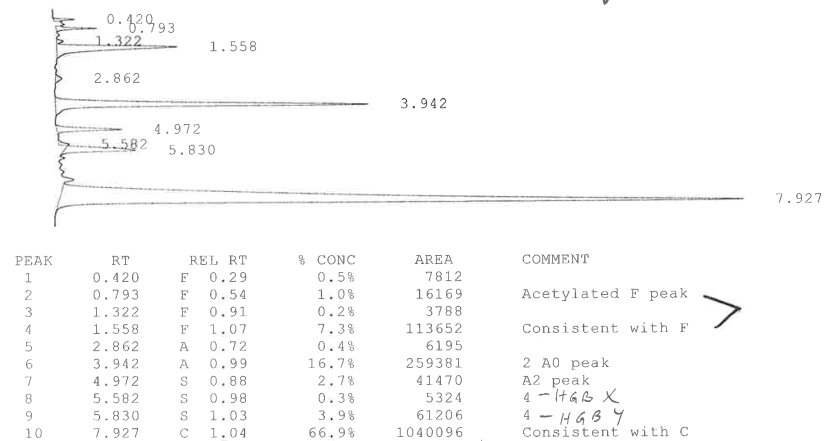
Looking at the next HPLC result, we see there is a similar very high level of Hgb C (68%) with corresponding levels of Hgb F and Hgb A2 (note: acetylated Hgb F and Hgb F are added together). Thus, this fits with a homozygous C with some compensatory A1 and F, right?

Remember Hgb C is a β -globin variant and you only have 2 β -globin genes, so if you are homozygous for the C variant on the β-globin gene (HBB), then Hgb A1, which is made of normal β-globin would be impossible to produce. Also you might be bothered by all of these small peaks. However, there are often small peaks that can’t be definitively identified and are likely post-translationally modified hemoglobin. But in the context of an abnormal Hgb A1 that shouldn’t be there, we dug deeper.

One of the most common hemoglobinopathies is Beta Thalassemia (β-Thal), which clinically manifests when less of the beta hemoglobin protein is produced. Heterozygous mutations lead to Beta Thalassemia minor with minimal symptoms, while homozygous mutations lead to β-thal major with symptoms of anemia. Mutations in the β -globin gene, HBB, can lead to complete loss of β-globin (β0 variant) or partial of β-globin (β+ variant).

As this patient has less than 50% of Hgb A present (expected amount), they could also have a β+ variant as well. This would make them compound heterozygous for C and β+.

One of the hallmarks of Thalassemia is an increase in Hgb A2 (normal 2.5-3.5%). Hemoglobin A2 is a normal variant of A that is composed of two alpha and two delta chains (δ2α2). We see in our case that the Hgb A2 is normal at 2.5%. So it seems the patient doesn’t display a typical Thalassemia picture.

One condition that could create this scenario is if there is a variant in the delta chain of A2 that causes it to elute differently. Indeed, there is a delta variant that creates hemoglobin A2 prime (A2’) that moves near the S region of the HPLC. And when we look back at our unknown hemoglobins, Hgb X is marked at 1.03 of the S region and has an abundance of 3.9%. This supports it being the Hgb A2’ and if we add this together with the Hgb A2 we get an elevated 6.6% A2 total, which would be consistent with Beta Thalassemia. Lastly, one would wonder if we could find this third hemoglobin variant A2’ on the alkaline gel. Previous studies have shown the A2’ variant is more negatively charged, so on a basic gel, it should move further from the negative anode than the other hemoglobins. We don’t see anything to the left of the HgbC, but if we flip the gel over and look under the patient label, you can see a faint band that is likely the A2’!

In summary this case arose from 3 separate mutations in a single patient. She was compound heterozygous for a Hgb C and β+ variants in the β-globin gene and she was heterozygous for an A2’ variant on the delta-globin gene.  This was certainly a case where paying close attention mattered.

References:

  1. Abdel-Gadir D, Phelan L, and Bain BJ. Haemoglobin A2′ and its significance in beta thalassaemia diagnosis. Int J Lab Hematol. 2009 Jun;31(3):315-9. doi: 10.1111/j.1751-553X.2008.01038.x. Epub 2008 Feb 21.
  2. https://ghr.nlm.nih.gov/condition/beta-thalassemia

-Dr. Charles Timmons MD PhD is a pediatric pathologist at Children’s Medical Center in Dallas, TX. His responsibilities include signing out hemoglobin electrophoresis, HPLC and globin sequencing, and has been residency director for 17 years.

-Jeff SoRelle, MD is a Chief Resident of Pathology at the University of Texas Southwestern Medical Center in Dallas, TX. His clinical research interests include understanding how the lab intersects with transgender healthcare and improving genetic variant interpretation.

Surgical Pathology Case Study: An Elderly Patient with Unexplained Pain, an Unremarkable CT Scan, and Enlarged Rugal Folds on EGD

Case History

The patient is a 72 year old woman who presented to her physician’s office with postprandial pain and unintentional weight loss. A CT scan was performed that showed no obvious abnormality or cause for the patient’s abdominal pain. The patient subsequently underwent an EGD and EUS which revealed enlarged gastric folds without hemorrhage. In addition, there was wall thickening seen in the body of the stomach within the luminal interface, superficial mucosa, deep mucosa and submucosa consistent with possible gastritis versus an infiltrative process. The remainder of the EGD and EUS was grossly unremarkable. These findings were concerning for possible linitis plastica. Pathology on the samples taken from the EGD were consistent with poorly differentiated adenocarcinoma that was invasive in both the gastric fundus and gastric body. The patient was initially taken to the operating room for a staging laparoscopy to ensure that there was no metastatic disease before beginning a preoperative chemotherapy regimen. The staging laparoscopy revealed a thickened gastric wall from the fundus to the antrum, consistent with linitis plastica, and no obvious evidence of metastatic disease. The patient then underwent peritoneal washings which showed no evidence of positive cytology. Based on these findings, the patient was started on a chemotherapy regimen of epirubicin, cisplatin and fluorouracil (5-FU), which she tolerated well. The patient was then taken to the operating room for a total gastrectomy procedure with Roux-en-Y esophagojejunostomy.

Diagnosis

Received fresh for intraoperative consultation is a total gastrectomy specimen with a black stitch designating the proximal side. It was requested by the surgical team to have the proximal esophageal margin frozen to ensure that esophageal tissue was indeed present, as well as to exclude the presence of any carcinoma. The proximal margin was negative for carcinoma with squamous mucosa present. The stomach measures 17.0 cm in length with an internal circumference ranging from 14.7 cm proximally to 9.0 cm distally. There is a 1.0 cm long portion of attached duodenum with an internal circumference of 5.8 cm. The serosal surface of the stomach is glistening, pink-tan and smooth with a scant amount of attached yellow, lobulated adipose tissue and omentum along the length of one entire edge measuring 26.0 x 13.0 x 1.0 cm. The stomach is opened to reveal glistening, tan mucosa with irregular rugal folds which are diffusely nodular, predominantly in the body of the stomach. There is a 6.5 x 5.0 cm are of flattened mucosa in the pyloric region (Image 1). The wall thickness measures 0.5 cm throughout. There are no grossly identifiable masses or nodules. Gross images are taken and the serosal surface is inked entirely in black. The adipose tissue is examined for candidate lymph nodes. Representative sections are submitted as follows:

B1 FS: Frozen section remnants

B2-B6:     multiple representative sections from the cardia

B7-B10:   multiple representative sections from the body

B11-B12:   multiple representative sections from the pylorus

B13:     representative perpendicular section through the distal resection margin

B14:     seven putative lymph nodes

B15:     five putative lymph nodes

B16:     three putative lymph nodes

B17:     seven putative lymph nodes

B18:     six putative lymph nodes

B19:     three putative lymph nodes

B20:     six putative lymph nodes

Histologically, the specimen consisted of diffuse, poorly differentiated, discohesive cells throughout all the layers of the stomach, penetrating into the serosa, with fibrosis, inflammation and signet ring cells present. In addition, angiolymphatic invasion was present. Based on the gross presentation and histologic appearance, the specimen was signed out as a diffuse gastric adenocarcinoma with a stage of T3.

Image 1.

Discussion

As of 2018, gastric cancer is the sixth most common cancer with approximately 1.03 million cases, and the third leading cause of cancer deaths worldwide, resulting in 783,000 deaths. Due to a better understanding of epidemiology, pathology, and molecular testing, as well as advances in new forms of treatments, the incidence and mortality in gastric cancer has been declining over the years. Of the gastric cancer types, rates of intestinal type carcinoma have been decreasing, however, the incidence of poorly cohesive gastric carcinoma (PCGC) and signet ring cell carcinoma (SRC) has increased. In order to accurately discuss PCGC, there must first be a discussion about the standardization of gastric cancer subtype definitions. Poorly cohesive, signet ring cell, and diffuse gastric carcinomas have commonly been used interchangeably. In 2010, the World Health Organization defined poorly cohesive gastric carcinoma as being composed of isolated or small groups of tumor cells. If there was a predominance of signet ring cells, then it would be termed a signet ring cell carcinoma. Mariette et al. proposed that a PCGC composed of 90% or more signet ring cells should be classified as SRC. The term “diffuse” corresponds to the same term “poorly cohesive”, and because of this, I will be using the term “poorly cohesive” solely going forward. In addition to this, the term “linitis plastica” would commonly be used interchangeably, but is best used as a term to describe the macroscopic appearance of PCGC or SRC.

Gastric carcinoma is classified as either early or advanced stage to help determine the appropriate type of intervention. Early gastric carcinoma is defined as invasive carcinoma confined to the mucosa and/or submucosa, regardless of lymph node metastases or tumor size. These tumors are generally smaller, measuring less than 5 cm in size, and found most commonly on the lesser curvature of the stomach at the angularis. Histologically, early gastric carcinoma will commonly present as well differentiated, mostly with tubular and papillary architecture. If the biopsies are composed of only mucosa, then distinguishing between well-differentiated carcinoma and carcinoma in situ or high grade dysplasia can be difficult. The presence of stromal desmoplasia in invasive carcinoma can help differentiate it from intramucosal invasion, which can contain single tumor cells within the lamina propria. This is an important distinction to make as intramucosal carcinoma does metastasize. Advanced gastric carcinomas will present grossly as either exophytic, ulcerated, or infiltrative tumors. Histologically, advanced gastric carcinomas will invade the muscularis propria and demonstrate cytologic and architectural heterogeneity, with a combination of patterns.

The 2010 World Health Organization classification determined four major histologic patterns of gastric cancer, which will often present with a combination of elements from the other patterns:

  1. Tubular: Most common pattern in early gastric carcinoma, with branching, distended or fused tubules containing intraluminal mucus, and nuclear and inflammatory debris
  2. Papillary: Most common in the proximal stomach with epithelial projections containing an underlying fibrovascular core. Also, it is frequently associated with liver metastases and an increased risk of lymph node involvement.
  3. Mucinous: Extracellular mucin makes up at least 50% of the tumor volume
  4. Poorly cohesive (including SRC): Mixture of signet ring and non-signet ring cells. Signet ring cells will have mucin pushing the nucleus to the periphery of the cell.

Helicobacter pylori (H. pylori) is a gram negative infectious bacteria that has been linked to gastric cancer. H. pylori is present in about half of the world’s population and other than gastric cancer, it is also associated with chronic gastritis, peptic ulcer disease, and gastric lymphomas. The bacteria is typically acquired during infancy and will remain for life if left untreated, with reactive oxygen species being generated that are capable of causing DNA damage due to the chronic infection. In addition, H. pylori can induce hypermethylation, resulting in the inactivation of tumor suppressor genes. Although H. pylori infection is considered a strong risk factor for developing gastric cancer, more commonly in intestinal type than diffuse type gastric cancer, only a small portion of those infected with the bacteria actually develop the malignancy. It is believed that approximately 80% of distal gastric cancers are due to a H. pylori infection, whereas there is little association between H. pylori and cardia gastric cancers.

In PCGC, such as this case, it is generally diagnosed in younger patients without a gender bias. Although PCGC can be associated with an H. pylori infection, it is more commonly related to a mutation in the tumor suppressor gene epithelial cadherin, also known as E-cadherin and CDH1. PCGC presents as an infiltrative growth of poorly differentiated, discohesive malignant cells that appear to arise from the middle layer of the mucosa. These cells can infiltrate as individual cells or as small clusters, but usually do not form glands (Image 2). If the gastric wall becomes extensively infiltrated by malignancy, the wall can be thickened and rigid, a macroscopic presentation termed as linitis plastica, which can lead to pyloric obstruction. Within PCGC, numerous signet ring cells can be present, leading to SRC. There is also a hereditary form of poorly cohesive gastric cancer referred to as hereditary diffuse gastric carcinoma, with an autosomal dominant pattern of inheritance. Histologically, it will include hyperchromatic nuclei, occasional mitoses, patchy intramucosal signet ring cells in the lamina propria, and carcinoma in situ associated with pagetoid spread of tumor cells along the preserved basement membrane. Hereditary diffuse gastric carcinoma will present with multifocal tumors under an intact mucosal surface, making diagnosis difficult. In patients with a CDH1 mutation and a family history of gastric carcinoma, a prophylactic gastrectomy is often the recommended treatment option.

Image 2.

References

  1. Adachi Y, Yasuda K, Inomata M, et al. Pathology and prognosis of gastric carcinoma well versus poorly differentiated type. Cancer. 2000;89(7)1218-24.
  2. Cancer. World Health Organization. Who.int. https://www.who.int/news-room/fact-sheets/detail/cancer. Published September 20, 2018. Accessed September 18, 2019.
  3. Carcas LP. Gastric cancer review. J Carcinog. 2014;13:14. Published 2014 Dec 19. doi:10.4103/1477-3163.146506
  4. Hu B, El Hajj N, Sittler S, Lammert N, Barnes R, Meloni-Ehrig A. Gastric cancer: Classification, histology and application of molecular pathology. J Gastrointest Oncol. 2012;3(3):251–261. doi:10.3978/j.issn.2078-6891.2012.021
  5. Mariette C, Carneiro F, Grabsch HI, et al. Consensus on the pathological definition and classification of poorly cohesive gastric carcinoma. Gastric Cancer. 2019;22(1):1-9 https://doi.org/10.1007/s10120-018-0868-0-
  6. Pernot S, Voron T, Perkins G, Lagorce-Pages C, Berger A, Taieb J. Signet-ring cell carcinoma of the stomach: Impact on prognosis and specific therapeutic challenge. World J Gastroenterol. 2015;21(40):11428–11438. doi:10.3748/wjg.v21.i40.11428
  7. Van Cutsem E, Sagaert X, Topal B, et al. Gastric Cancer. Lancet. 2016;388(10060):2654-64. https://doi.org/10.1016/S0140-6736(16)30354-3
  8. Weisenberg E. Diffuse (poorly cohesive) type carcinoma. Pathology Outlines. http://www.pathologyoutlines.com/topic/stomachdiffuse.html. Revised August 22, 2019. Accessed September 18, 2019

-Cory Nash is a board certified Pathologists’ Assistant, specializing in surgical and gross pathology. He currently works as a Pathologists’ Assistant at the University of Chicago Medical Center. His job involves the macroscopic examination, dissection and tissue submission of surgical specimens, ranging from biopsies to multi-organ resections. Cory has a special interest in head and neck pathology, as well as bone and soft tissue pathology. Cory can be followed on twitter at @iplaywithorgans.

An Introduction to Laboratory Regulations – Part III (Accreditation)

So far we have reviewed the different federal regulatory agencies responsible for establishing laboratory testing guidelines, a brief overview of the different roles each department plays, as well as a discussion on testing complexity. In today’s post we’ll cover the optional accreditations available to labs, and how accreditation differs from certification.

In the simplest of terms, certification is a mandatory requirement, whereas accreditation is optional. Certification is required in order for laboratories to receive payments from Medicare or Medicaid. Laboratories must meet the minimum requirements set forth by CLIA to earn and maintain their certification status.

Accreditation is an extra additional step that laboratories can take to set themselves apart from neighboring labs by holding themselves to a higher standard. Accredited laboratories must still adhere to the minimum CLIA requirements, but there are additional rules and requirements to be satisfied depending upon the different accreditation agencies.

More rules and paperwork, why would anyone volunteer to take that on? Depending on the size, complexity, and client population that your lab serves, the benefits to obtaining accreditation can greatly outweigh the challenges of maintaining that accreditation status.

One of the requirements to maintaining your CLIA certification is routine inspections to confirm compliance with the rules. Accreditation agencies require inspections as well, but thankfully in most cases your CLIA inspection can be satisfied by your accrediting agency; meaning your lab will receive a single inspection to satisfy both groups. Results will vary for each lab, but generally speaking the accreditation inspections are perceived to be easier to get through than those conducted by the federal inspectors. For example, agencies like The CAP and COLA tend to be more focused on sharing of ideas and good laboratory practices, rather than coming in as the “lab police” and looking only for problems. The explanation of their regulatory requirements tends to be more user friendly and easier to interpret as well, rather than the formal CLIA laws which are legal documents and read as such.

Recognition by an accrediting agency confirms that the laboratory is qualified and competent to perform testing for which it has received the accreditation for. This stamp of approval can help patients and clients feel comfortable in choosing your laboratory for their testing needs. For laboratories that perform testing as part of clinical trial evaluations, this can help reduce the number of requested on-site audits by the client themselves, as the client may choose to rely on the third-party accreditation assessment due to their high standards. It may also help encourage new clients to choose you for their testing needs, as the accreditation confirms your commitment to higher quality standards.

Another possible benefit of having accreditation status is the impact on your laboratory staff. Continually striving to raise the bar on your standards and going above the bare minimum instills a sense of professionalism in your employees. By continually reviewing the regulations and preparing for or responding to inspections, staff are more likely to be committed to complying with your organization’s quality management system and standards of performance. Staff who are familiar with the requirements and the reasoning behind why a certain task is performed or documented, are more likely to comply with those policies and procedures.

There are currently 7 CLIA approved accreditation agencies: https://www.cms.gov/Regulations-and-Guidance/Legislation/CLIA/Downloads/AOList.pdf. Some agencies are focused on a specific discipline, such as AABB for transfusion medicine, and others are more encompassing for all of the laboratory departments.  Organizations looking to become accredited should research each option in order to determine which ones would be best to meet their specific needs. It is also common for labs to maintain more than one accreditation at a time, for example AABB and CAP. As always, the regulatory agency with the most stringent rules would be the ones the lab is expected to adhere to. In cases of joint accreditation, multiple inspectors may be needed to complete the biennial inspection; however the agencies will try to coordinate efforts and work together so that the inspections occur simultaneously. Sticking with our AABB & CAP example, CAP will work with AABB to locate an AABB approved inspector for the transfusion medicine checklist, while the remainder of the CAP inspection will be carried out by CAP inspectors. The AABB inspector would then inspect the transfusion medicine department for compliance with both CAP and AABB requirements at the same time.

The accreditation process may be challenging, but once you have obtained that esteemed status, the opportunities for continual education and improvement of your laboratory will be endless.


-Kyle Nevins, MS, MLS(ASCP)CM is one of ASCP’s 2018 Top 5 in the 40 Under Forty recognition program. She has worked in the medical laboratory profession for over 18 years. In her current position, she transitions between performing laboratory audits across the entire Northwell Health System on Long Island, NY, consulting for at-risk laboratories outside of Northwell Health, bringing laboratories up to regulatory standards, and acting as supervisor and mentor in labs with management gaps.

Microbiology Case Study: A 61 Year Old Male with Fevers and Weight Loss

Case History

The patient is a 61 year old male in good health until about 4 weeks prior to presentation when he sustained a tick bite on his left arm. He subsequently developed chills, fatigue, loss of appetite, and weight loss. Concerned that his symptoms were not improving, the patient presented to urgent care and a CBC was ordered. His CBC was remarkable for mild anemia (RBC count 3.96, HB 12.9) and thrombocytopenia (platelet count 78,000/cmm). Review of the peripheral blood smear revealed organisms present within his neutrophils. Given his history of a tick bite, Doxycycline was initiated for 14 days with immediate improvement of his symptoms, including a notable increase in appetite over the next few days.

Laboratory Identification

Image 1. Giemsa Stain showing a morulae within a neutrophil.

Within the neutrophils are purple organisms distinct from the nuclei identified as morulae. PCR testing for Anaplasma confirmed the result.

Discussion

 Anaplasmosis is a disease caused by the bacterium Anaplasma phagocytophilum, previously known as Ehrlichia phagocytophilum causing human granulocytic ehrlichiosis (HGE). A taxonomic change in 2001 identified that this organism belonged to the genus Anaplasma, and resulted in a change in the name of the disease to Anaplasmosis (1). These bacteria are obligate intracellular organisms in the Rickettsia family (1,2). Anaplasma cannot survive outside the cell and once it has been released, it rapidly induces uptake signals in other host cells (3). The number of Anaplasmosis cases reported to CDC has increased steadily since the disease became reportable, from 348 cases in 2000, to 5,762 in 2017(1).

Anaplasmosis is spread to people by tick bites primarily from the blacklegged tick (Ixodes scapularis) and the western black legged tick (Ixodes pacificus)(1,2). Anaplasmosis can be transmitted through blood transfusion and has been found in refrigerated blood more than a week after collection. Transfusion related infections have occurred from asymptomatic donors (1).

Signs and symptoms of Anaplasmosis typically begin within 1–2 weeks after the bite of an infected tick, which can be painless and often goes unnoticed. Early signs and symptoms (days 1-5) are usually mild or moderate and may include fever, chills, headache, muscle ache, nausea, vomiting, and lack of appetite (1,3). Rarely, if treatment is delayed or if there are other medical conditions present, Anaplasmosis can cause severe illness. Signs and symptoms of severe (late stage) illness can include respiratory failure, bleeding problems, organ failure, and death. Laboratory findings can include mild anemia, thrombocytopenia, leukopenia (characterized by relative and absolute lymphopenia and a left shift) and mild to moderate elevations in hepatic transaminases (1). Abnormal laboratory findings can appear in the first week of illness; however, normal laboratory findings do not rule out possible infection.

Co-infection with other tick borne illnesses such as Borrelia burgdorferi (Lyme disease), Babesia microti (Babesiosis), Ehrlichia muris eauclairensis (Erlichiosis), and Powassan virus can be seen so additional testing may be necessary in some patients. Methods for diagnosing Anaplasmosis include serology, molecular methods, and morphological identification. Though morphologic identification is extremely specific is lacks sensitivity making molecular methods such as PCR the diagnostic methods of choice (2). Treatment for most Rickettsial illnesses including Anaplasmosis are tetracyclines, especially doxycycline which is the drug of choice (1,3).

References

  1. Centers for Disease Control and Prevention: Anaplasmosis. https://www.cdc.gov/anaplasmosis/index.html
  2. Procop, Gary W., et al. Konemans Color Atlas and Textbook of Diagnostic Microbiology. 7th ed., Wolters Kluwer Health, 2017.
  3. Tille, Patricia M. Bailey & Scotts Diagnostic Microbiology. 13th ed., Elsevier, 2014.

-Casey Rankins, DO, is a 3rd year Anatomic and Clinical Pathology resident at the University of Vermont Medical Center.

-Christi Wojewoda, MD, is the Director of Clinical Microbiology at the University of Vermont Medical Center and an Associate Professor at the University of Vermont.

Pathology in Ethiopia: Here is the Data… What Do We Do?

Giorgis Okubazgi, an ASCP certified histotechnologist living and working in Ethiopia, and colleagues have published a brief editorial this month in AJCP detailing the current state of histopathology in Ethiopia: https://academic.oup.com/ajcp/article/doi/10.1093/ajcp/aqz144/5581862/. This type of cross-sectional survey of pathology infrastructure is crucial to understanding the gaps that exist in the current service provision models and where resources need to be focused to improve patient care and outcomes. If we just consider the incidence and prevalence of cancer in Ethiopia in a given year, we can start to grasp the magnitude of the problem. It is not fair or just to talk about the “current volume” of any of the 13 pathology laboratories Okubazgi et al reviewed because we can assume (and rightly so based on dozens of other observations in African countries) that, whatever the current volume of these laboratories, it is only a fraction of the population need for services. Consider the 2018 IARC data for Ethiopia, which estimates 67,573 new cancers for Ethiopia per year with 47,954 deaths (71% mortality). Comparing this directly with the US where 1,762,450 new cancers are expected in 2019 with 606,880 deaths (34% mortality), we can see immediately that the mortality differences is horrendous (and must be dealt with immediately) but that the relative rates of cancer seem to be skewed (why so many more cancers in the US?). These numbers for the US work out to about ~5400 cancers per year per 1,000,000 people in the US. Subtracting out skin cancers in Caucasians, assuming Ethiopia will economically improve its healthcare system overtime such that patient access increases, and shooting for a 50% malignant/benign ratio in surgical pathology biopsies of suspect lesions, we can estimate that the total country volume for suspected cancer tissue biopsies will eventually be between 131,146 and 2.5 million. Although that range seems quite vast, it at least provides us with figures to now understand the massive capacity challenges in Ethiopia. Considering there are 13 laboratories currently and equally dividing all that work among them, that would be 10,088 to 192,307 cases per lab per year. Another way to parse this would be by pathologists (again, assume a completely even distribution) for which there are currently 70 in country and 75 trainees. That would be 1873 to 35,714 cases per pathologist per year today or 904 to 17,241 cases per pathologists per year within the next 5 years. Keep in mind that this is JUST for suspected cancer biopsies and does not consider medical disease biopsies, asymptomatic screening tests (such as cervix or colon), obviously benign lesions, or products of conception evaluation. Considerations also have to be included for cytology samples which have been in practice in Ethiopia since 1965 and the role and volume of both forensic and medical autopsies. And, of course, as Okubazgi points out, 54% of these current labs serve only 20% of the population. So, what should surgical pathology services look like in Ethiopia going forward? Despite having three recognized major population concentrations, with a population of over 100 million, multiple populations of more than 1 million people are located in rural/non-urban settings. Only 6 of the current 13 laboratories are located in these areas and some 40 million people live in regions with no access to pathology. There are two solutions (not exclusive) to this type of access challenge which include 1) building additional laboratories and 2) created clear specimen referral networks. Several countries with much smaller populations such as Uganda and Rwanda have either built country-wide referral networks or increased the number of labs and pathologists/technicians to meet the current and projected population needs, respectively. Although neither of these countries has solved every challenge or optimized pathology services perfectly, they have instigated the programs and built value around these solutions which will lead to improved capacity and better patient care. However, for Ethiopia and its West African cousin, Nigeria, the distribution of citizens and size of the population will require a combined approach of both increased numbers of laboratories AND regional and/or national specimen referral networks. For both Nigeria and Ethiopia, there is a spectrum of wealth within the countries which means that robust public and private systems are needed in order to provide access to all citizens. With such a lack of capacity and resources currently in Ethiopia, the time is right for investment in Ethiopia through solid public programs with universal healthcare ideals, diversified private systems, and, most importantly, the opportunity to forge public-private partnerships as the system is being built up. As Paul Kagame has said, “In Africa today, we recognized trade and investment, and not aid, are pillars of development.” The gross domestic product (GDP) per capital in Ethiopia is currently $712; however, Ethiopia has one of the fastest growing economies in the world which means that disposable income and income spent on healthcare for a large cohort of citizens is expanding. By matching both internal and external investors in health, infrastructure, and technology with the sectors of the economy that are either under capacity or expected to grow, Ethiopia is ripe for solving its healthcare challenges, including access to diagnostics, through sustained economic development. This proposition is not without its challenges due to Ethiopia’s current restrictive policies on foreign investment as a non-collaborative endeavor. Despite this situation, there are channels and processes, most of which require local Ethiopian entrepreneurs and/or investing partners, through which powerful investments can be made for the betterment of health and society. It is at this moment when the healthcare infrastructure is under capacity but the economy is growing that Ethiopia needs investments in both public and private sector services so that the result on the far end of this economic boom is NOT a lack of access for the lowest incomed citizens. Nigeria’s boom in GDP and growth in economy happened nearly 30 years ago (with a relatively flat economy now) but those types of investments were not made such that now, the lowest incomed or impoverished citizens of Nigeria are left with essentially zero access to a global fee-for-service healthcare system. Let’s learn from the history of economies on the brink of transformation and not leave a single patient in Ethiopia without the chance for treatments and cure.

milner-small

-Dan Milner, MD, MSc, spent 10 years at Harvard where he taught pathology, microbiology, and infectious disease. He began working in Africa in 1997 as a medical student and has built an international reputation as an expert in cerebral malaria. In his current role as Chief Medical officer of ASCP, he leads all PEPFAR activities as well as the Partners for Cancer Diagnosis and Treatment in Africa Initiative.

Microbiology Case Study: An 18 Year Old with Gastrointestinal Bleeding

An 18 year old female with no significant past medical history experienced multiple episodes of gastrointestinal bleeding over the course of a few weeks. The most recent bout included a bloody episode that filled the toilet, for which she provided a picture for the clinician. She denies any other associated symptoms including epigastric pain, nausea, vomiting, fever, or chills. Her travel history is unknown.

Review of her history reveals an unremarkable family and social history. She has never had an incident similar to this in the past and no other family members have ever complained of similar symptoms. Review of systems was unremarkable and within normal limits. Physical exam was unremarkable. A rectal exam was performed and was noted to have brown stool that was guaiac (occult blood) positive. Non bleeding internal hemorrhoids were noted. There were no external hemorrhoids present.

Labs drawn including CBC were within normal ranges with the exception of absolute eosinophils which were at the upper limit of normal range at 0.6 x 10³/µL [normal range= 0.0 – 0.6 103/µL].

The patient had an esophagogastroduodenoscopy (EGD) to further investigate the gastrointestinal bleed. The exam was otherwise normal with exception of the ascending colon where they noted a worm on the surface of the mucosa (Image 1-2). The worm was collected and transported to microbiology for examination (Image 3-4).

Image 1. View of a worm seen on the mucosal surface of the ascending colon.
Image 2. Another view of a worm seen on the mucosal surface of the ascending colon.
Image 3. Adult worm viewed under the dissecting microscope.
Image 4. Eggs viewed under the dissecting microscope.

Discussion

Examination of the worm and eggs revealed morphology consistent with Trichuris trichiura, or whipworm.

T. trichiura is most prevalent in warm, moist regions. The worldwide prevalence of infection is estimated to be roughly 800 million, mostly among poorer populations. Infection from T. trichiura is spread via fecal-oral route and caused by ingesting embryonated eggs. This occurs when contaminated dirt is ingested or by consumption of vegetables or fruits that have not been carefully cooked, washed or peeled.

The male and female worms both have the long whip-like structures at the anterior end. T. trichiura worms are 30-50 mm in length and the average life span is 1 year but they can live up to 10 years. The females have a straight and thick head while the males have a curly ended head. The males are typically longer the females. The eggs classically have barreled shaped, brown eggs with thick shells that measure 50-55 µm long by 22-24 µm wide. At each pole is lucent mucoid plug. The can also vary in size as noted in Image 5.

The adult female T. trichiura produces 1,000-7,000 eggs per day. The life cycle begins as unembryonated eggs passed in feces into soil (Figure 1). It takes approximately 21 days in the soil for an unembryonated egg to go through the process of embryonation to become the infective form of the parasite. Once ingested, the embryonated eggs hatch in the human intestine.

Image 5. T. trichiura eggs (CDC DPDx website)
Figure 1. Lifecycle of T. trichiura (CDC, DPDx)

Clinically, symptoms vary depending on the worm biomass present with most infections being asymptomatic. Symptoms include cramping, weight loss, growth restriction in children, bloody stool, and anemia. It can also result in Trichuris dysentery syndrome, which is more common in children. Recurrent rectal prolapse has also been reported. Lab findings include peripheral eosinophilia. T. trichiura is treated with Albendazole for 5-7 days +/- Ivermectin. Our patient was then prescribed albendazole and is being followed in GI clinic.

References

  1. Centers for Disease Control and Prevention. “Laboratory Identification of Parasites of Public Health Concern: Trichuriasis”. https://www.cdc.gov/dpdx/trichuriasis/index.html
  2. Procop, G. W., Church, D. L., Hall, G. S., Janda, W. M., Koneman, E. W., Schreckenberger, P. C., & Woods, G. L. (2017). Koneman’s color atlas and textbook of diagnostic microbiology (Seventh edition.). Philadelphia: Wolters Kluwer Health.

-Sharif Nasr, MD, 4th year anatomic and clinical pathology resident at University of Chicago (NorthShore). Dr. Nasr has an interest in GI pathology.

-Erin McElvania, PhD, D(ABMM), is the Director of Clinical Microbiology NorthShore University Health System in Evanston, Illinois. Follow Dr. McElvania on twitter @E-McElvania.