Microbiology Case Studies: Babesia vs. Malaria

Patient History: Case 1

A 55 year old Asian woman presented to an emergency department in southern New England in September with complaints of a high fever with chills for the past 5 days. She noted feelings of excessive tiredness, muscle aches, and headache. She also described a decrease in appetite and nausea with vomiting and diarrhea. On physical exam, she was febrile (103.8°F) and scleral icterus was identified. Laboratory workup revealed findings suggestive of hemolysis including increased LDH (401 U/L) and increased unconjugated bilirubin (1.7 mg/dL), despite hemoglobin & hematocrit values in the normal range (13.7 g/dL & 39.3%, respectively). Elevated liver enzymes were also noted; AST 81 U/L and ALT 72 U/L. When questioned regarding traveling history, she reported a trip to Spain and Portugal 5 months earlier. Though she acknowledged living in a rural area of the Northeastern U.S. and indicated that her husband was diagnosed with Lyme disease one year earlier, she denied both recent time outdoors and arthropod or mosquito bites.

Patient History: Case 2

A 31 year old African American woman with a history of sickle cell trait presented to an emergency department in southern New England in September complaining of fevers of 5 days duration. She described being asymptomatic in the mornings followed by high spiking fevers with muscle aches and dull frontal headaches in the evenings. A physical exam revealed a fever (103°F), but no evidence of meningismus. Laboratory workup revealed a mild, microcytic anemia (hemoglobin & hematocrit: 10.7 g/dL & 32.5%, MCV: 76.3 fL), a decreased absolute lymphocyte count and increased band neutrophils. When questioned regarding recent travel, she reported having returned from Africa 10 days earlier. While abroad, she had primarily been in Nigeria’s capital, but she had also visited rural areas. She did not recall having been bitten by mosquitos, but she did not take any anti-malarial prophylaxis. Further, she denied both recent travel to the woods in the Northeastern U.S. and recent arthropod bites.

babmal1

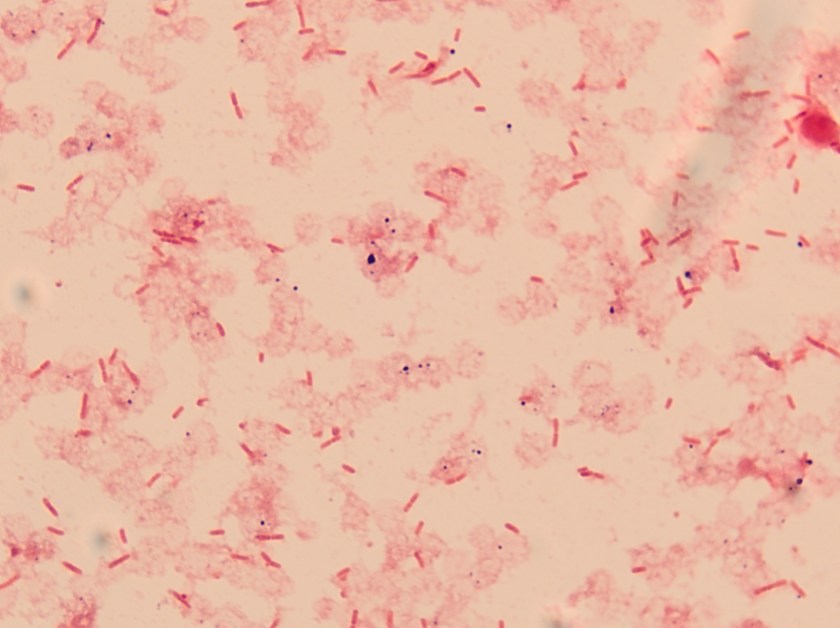
Figure 1. Peripheral blood smear from patient 1 showing ring-like forms which contain a small amount of cytoplasm and a chromatin dot as illustrated by the arrows. Both intra-erythrocytic and extra-cellular forms are present. Platelets are denoted by arrowheads.
babmal2

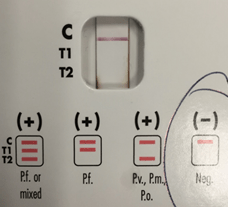
Figure 2. BinaxNOW lateral flow assay from patient 1 is negative for the various Plasmodium spp.

babmal3

Figure 3. Peripheral blood smear from patient 2 showing ring forms and trophozoites within red blood cells as denoted by arrows. Inset illustrates a scattered gametocyte. Platelets are denoted by arrowheads.

babmal4

Figure 4. BinaxNOW lateral flow assay from patient 2 is positive for non-falciparum malaria species as indicated by the faint positive reaction denoted by the red arrow in the T2 region.


For patient 1, given the results from the peripheral blood (Figure 1), the negative BinaxNow results (Figure 2) and her lack of recent travel to malaria endemic regions, her illness was attributed to infection by Babesia spp. Further serologic testing was positive for Babesia microti. She was seronegative for Anaplasma phagocytophilum, Borrelia burgdorferi, Ehrlichia chaffeenesis. This finding was confirmed by PCR of her blood, which detected B. microti, but failed to detect B. duncani or B. divergens/MO-1. Approximately 3% of her red blood cells contained intracellular parasites.

For patient 2, her disease was most consistent with an infection by a non-falciparum species of malaria, including P. ovale, P. vivax or P. malariae, given her recent travel to Nigeria and advanced forms seen in the peripheral blood (Figure 3). Further speciation was uncertain due to low parasitemia levels (<1%) and the findings were unable to exclude a mixed infection with a low P. falciparum burden.

Discussion

The clinical and laboratory presentations of babesiosis and malaria are quite similar despite the fact that each infection is caused by a distinct and highly unique microorganism. As seen in the two cases above, both illnesses often begin insidiously with fevers, headache and muscle & joint aches. The non-specific nature of the patient’s symptoms results in an unclear etiology unless key elements of the patient’s history, including exposure to insect and arthropod vectors and travel or habitation in endemic areas, are provided.

Examination of thick and thin blood smears is useful in the diagnosis of these two diseases. While both organisms have a very similar sized lifecycle forms which selectively infect red blood cells and prompt hemolysis, there are a few useful distinguishing characteristics. In the case of babesiosis, which is transmitted by the Ixodes scapularis tick in the United States, there are small ring like structures, both within red blood cells and extra-cellularly. The diagnostic tetrad form, known as a Maltese Cross, is helpful if identified but is not frequently observed in human infections. No advanced forms or pigment is present. In the case of malaria, which is transmitted via the female anopheline mosquito, protozoa are only found within red blood cells and advanced forms, including schizonts or gametocytes, are helpful in further speciation, if present. Other features, such as size of the infected red cell, number of merozoites, level of parasitemia and gametocyte shape, are helpful in the morphologic assessment of the Plasmodium spp.

Due to the pathogenic severity of P. falciparum, it is important that the microbiology laboratory has the ability to make the diagnosis in real time across all shifts. The BinaxNOW is an FDA approved lateral flow assay that is simple to perform and provides rapid diagnostics, though it isn’t as sensitive as microscopy. The test is comprised of two antigens: one specific to P. falciparum (T1) and one antigen common to all Plasmodium spp. (T2). The test will be positive for levels of parasitemia greater than 5,000 parasites per microliter.

As utilized in the above cases, other various laboratory modalities can aid in the diagnosis of babesiosis and malaria, including serologic tests and PCR, however, these tests may not be available in STAT situations. Using a variety of tests and obtaining a thorough travel history, will help the provider arrive at the correct diagnosis of blood protozoa.

 

lavik

-JP Lavik, MD, PhD, is a 3rd year Anatomic and Clinical Pathology Resident at Yale New Haven Hospital.

Stempak

-Lisa Stempak, MD, is an Assistant Professor of Pathology at the University of Mississippi Medical Center in Jackson, MS. She is certified by the American Board of Pathology in Anatomic and Clinical Pathology as well as Medical Microbiology. Currently, she oversees testing performed in both the Chemistry and Microbiology Laboratories. Her interests include infectious disease histology, process and quality improvement and resident education.

Minimal Inhibitory Concentrations and Antimicrobial Dosing: How are they related?

Microbiology laboratories use clinical breakpoints to categorize microorganisms as susceptible, intermediate, or resistant. These breakpoints help guide the selection of antimicrobial therapy having a high likelihood of achieving therapeutic success in patients. One in vitro marker of antimicrobial activity is the minimal inhibitory concentration (MIC), the lowest concentration of antibiotic that prevents visible growth of a standard bacterial inoculum. National committees, such as the Clinical Laboratories Standards Institute (CLSI), Food and Drug Administration (FDA), and The European Committee on Antimicrobial Susceptibility Testing (EUCAST) define clinical practice breakpoint MIC values for each bacterial genus. These defined values are determined using wild type value distributions in relation to what serum drug levels are achievable with standard antimicrobial dosing.

All drugs have individual pharmacokinetic properties such as absorption, volume of distribution, and rate of elimination. These factors contribute to what concentration of drug will be achieved at a certain site of infection. A good index of overall antibiotic exposure in a patient is the serum area-under-the-curve (AUC), which is influenced directly by the drug dose and clearance. Antibiotics also have pharmacodynamic properties, which relate to the drug’s effect on the microorganism over time. There are two main groups of pharmacodynamic characteristics seen with antimicrobial agents: time-dependent bactericidal action (Figure 1) and concentration-dependent bactericidal action (Figure 2). The clinical efficacy of an antibiotic is related to the relationship between pharmacokinetic/pharmacodynamic (PK/PD) parameters of a drug and the MIC of the specific organism. Bacterial strains with an increase in MIC may exhibit relative resistance by in vitro laboratory standards, but because there is no increase in the PK/PD parameters, the increased MIC can sometimes be overcome by altering dosing regimens to optimize the drug concentrations achieved.

For example, β-lactam antibiotics exhibit time-dependent killing activity, so dosing regimens which maximize duration of exposure to drug concentrations above the MIC of the organism are particularly effective for treating bacteria with this this class of antibiotics. Prolonged infusion times and smaller fractions of total daily doses given more frequently are two strategies through which this can be achieved. For drugs exhibiting concentration-dependent killing, such as aminoglycosides, dosing regimens can be optimized by giving a higher dose in order to achieve higher peak concentrations. The pharmacokinetic properties of drug can also be used to overcome elevated MICs for some organisms depending on the site of the infection. A good example of this would be urinary tract infections. Antibiotics that achieve high concentrations in the urine, such as aminoglycosides, can be used to successfully treat organisms with elevated MICs. Therefore, while healthcare providers utilize breakpoint MIC values to select antimicrobial regimens, understanding characteristics of an antimicrobial, including PK/PD parameters and tissue distribution, along with taking into account the site of infection and the MIC of the infecting organism, can provide the opportunity for optimization of antimicrobial dosing strategies.

fig1

Figure 1. For antibiotics which confer time-dependent antimicrobial activity, microbial killing is optimized when the concentration of antibiotic is above the MIC for as long of a time period as possible.

fig2

Figure 2. For antibiotics which confer concentration-dependent antimicrobial activity, microbial killing is optimized when a high peak concentration of antimicrobial is achieved.


References:

  1. Mouton JW, Brown DFJ, Apfalter P et al. The role of pharmacokinetics/pharmacodynamics in setting clinical MIC breakpoints: the EUCAST approach. Clin Microbiol Infect. 2012;18:E37-E45.
  2. Levison ME, Levison JH. Pharmacokinetics and pharmacodynamics of antibacterial agents. Infect Dis Clin North Am. 2009;23(4):791-vii.
  3. MacGowen AP. Role of pharmacokinetics and pharmacodynamics: does the dose matter? CID. 2001;33(suppl 3):S238-239.
  4. Martinez MN, Papich MG, Drusano GL. Dosing regimen matters: the importance of early intervention and rapid attainment of the pharmacokinetic/pharmacodynamic target. Antimicrob Agents Chemother. 2012;56(6):2795-2805.


burns

-Alaina Burns, PharmD, is a PGY-2 Pediatric Pharmacy Resident at Children’s Health, Children’s Medical Center in Dallas, Texas.

Microbiology Case Study: A 60 Year Old Woman with Increasingly Frequent Asthma Attacks

Case History

After experiencing increasingly frequent asthma attacks and multiple episodes of pneumonia within the last two years, a 60 year-old woman with a longstanding history of allergic asthma presents to a pulmonologist complaining of increased shortness of breath and cough. The patient reports a history of abnormal lung infiltrates for which she was previously treated with a three month course of azithromycin. A repeat chest CT shows diffusely scattered, nodular, ground-glass opacities which have increased in number since her last CT two year prior. A bronchoalveolar lavage is performed and specimen is sent for bacterial, fungal, and AFB cultures as well as a respiratory virus PCR panel.

nocar1
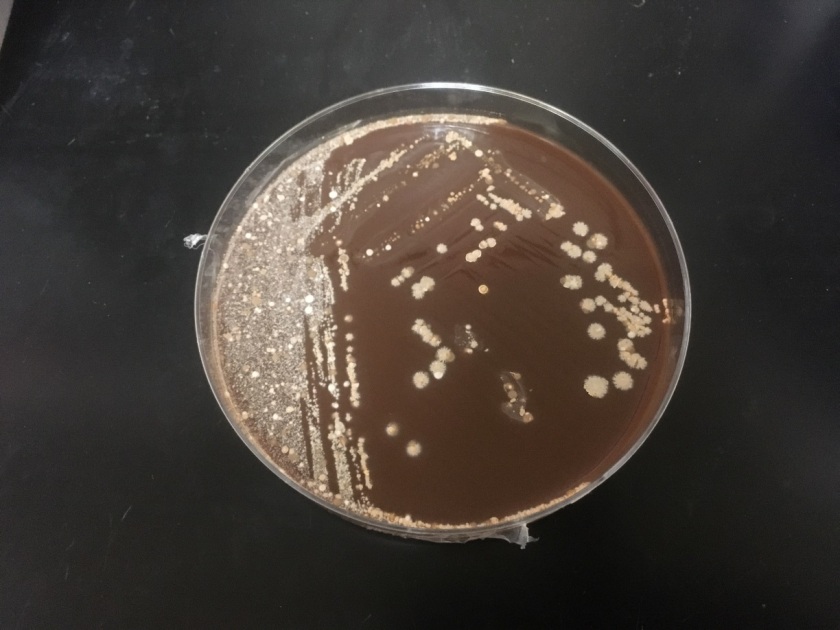
BAL on Chocolate agar
nocar2
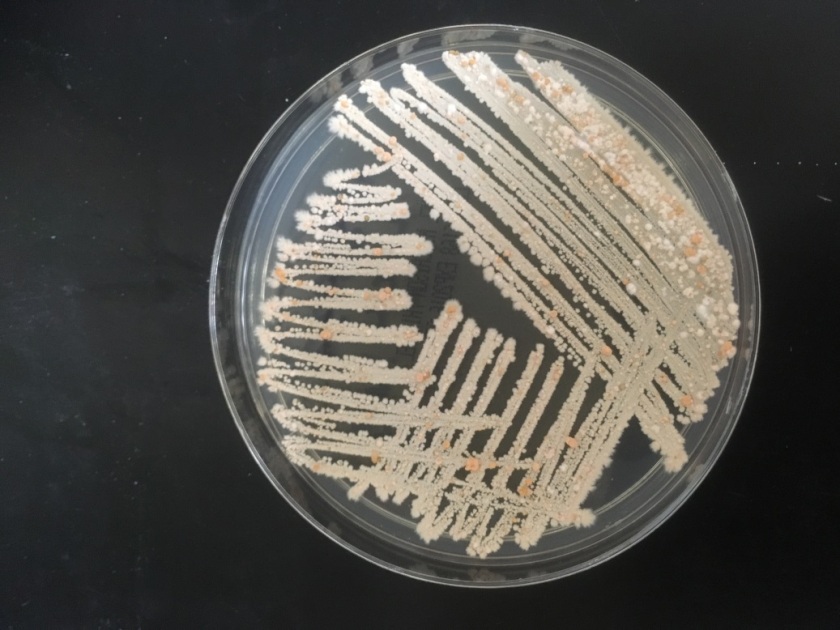
BAL on 7H11 agar
nocar3
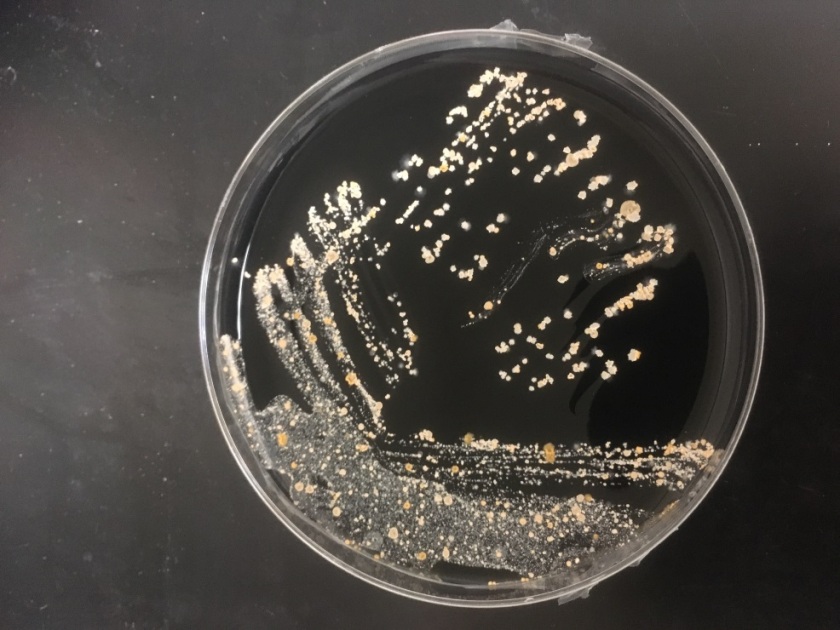
BAL on BCYE agar
nocar4
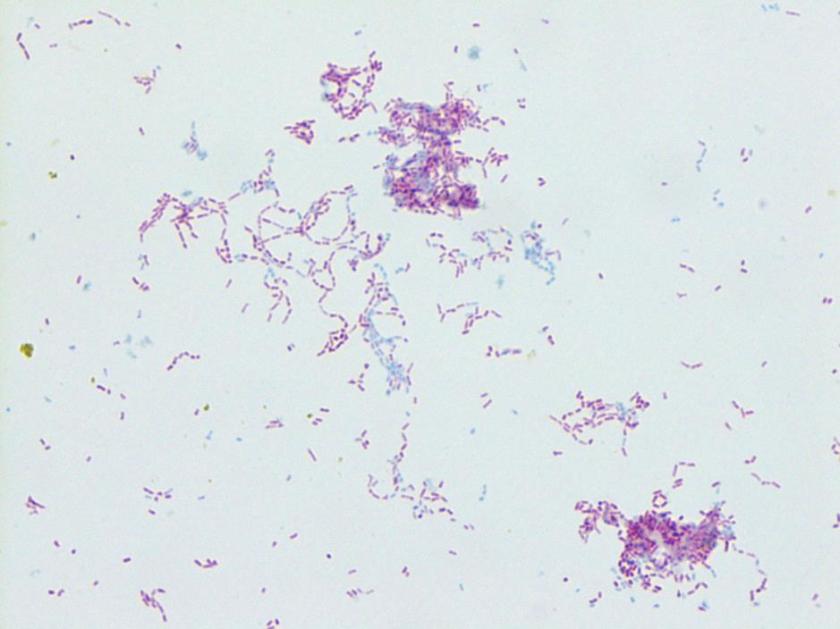
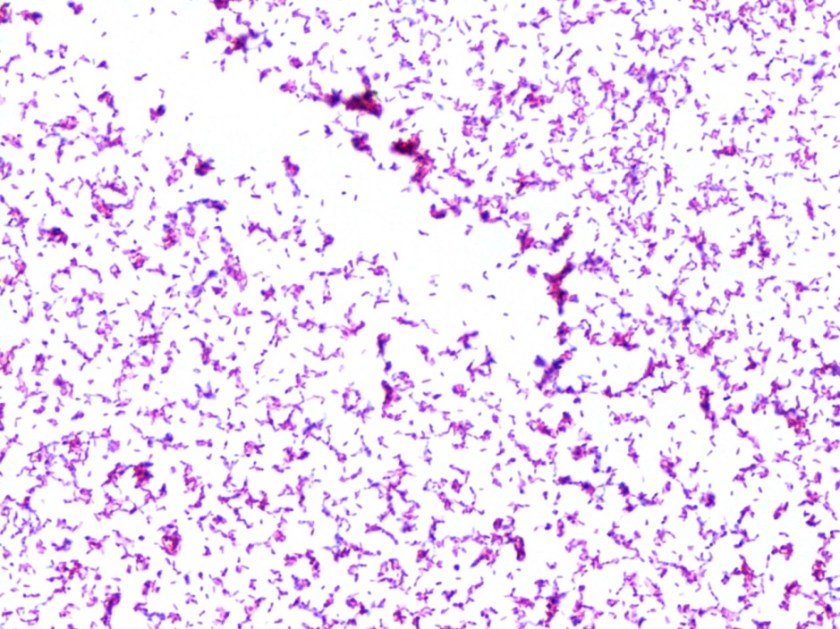
BAL with Modified Kinyoun stain


Laboratory Identification

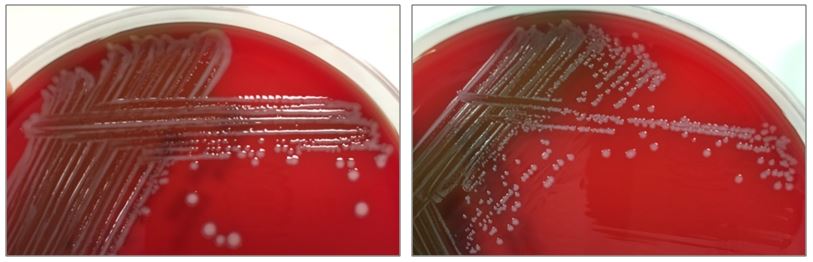
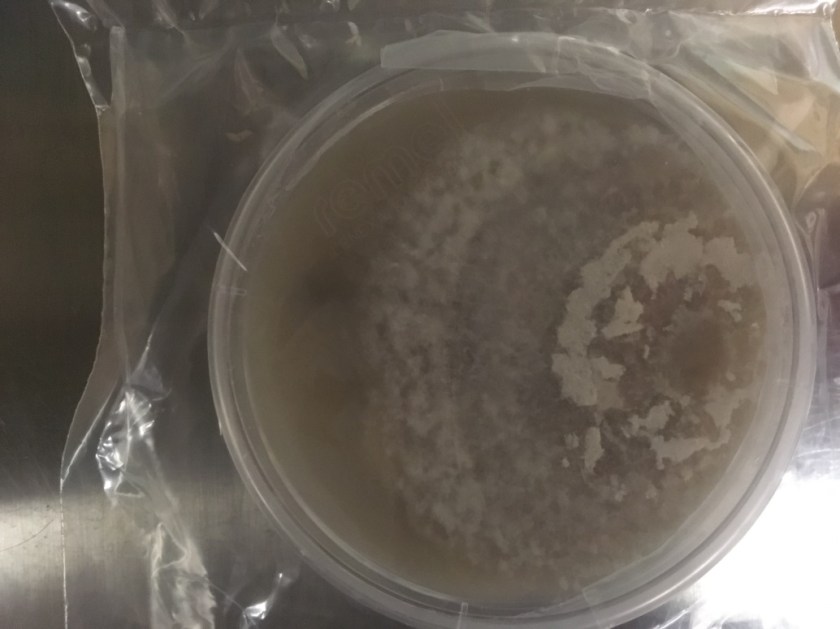
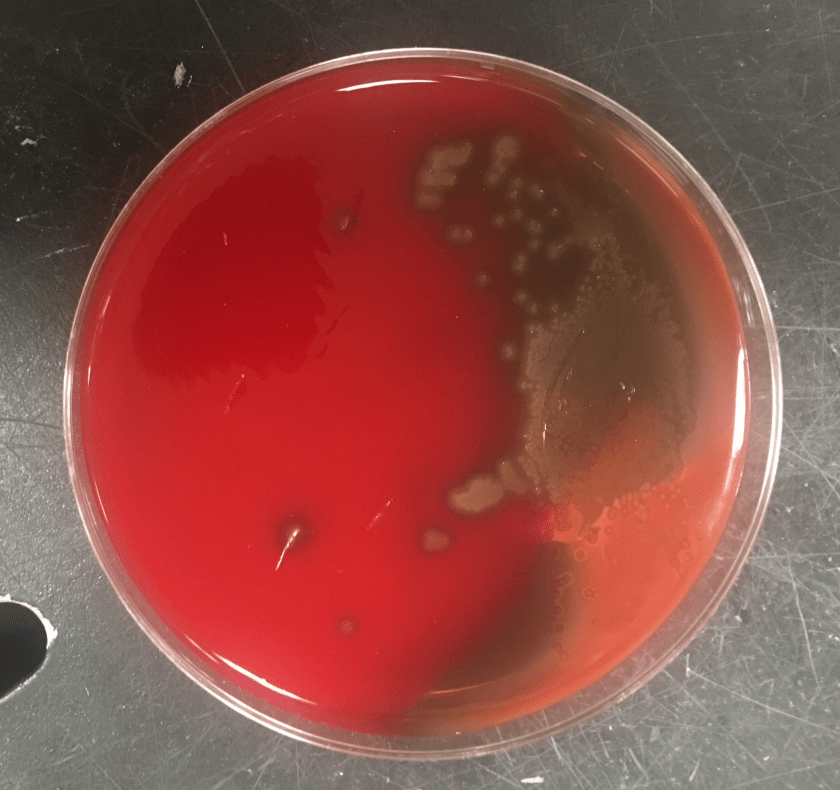
The bacterial and fungal cultures do not grow any pathogens and the respiratory virus panel is negative. The AFB culture, however, grows beaded, Gram-Positive bacilli which are Auramine/Rhodamine negative and Modified Kinyoun positive. The organism grows well on 7H11, Chocolate, and Buffered Charcoal Yeast Extract (BCYE) agars forming irregular, chalky, white-pink colonies.

The organism is confirmed as Nocardia nova by molecular methods.

Discussion

Nocardia nova is a ubiquitous soil bacteria and one of several Nocardia species known to cause disease in humans. When contracted through traumatic inoculation, Nocardia may cause cutaneous diseases such as a mycetoma, superficial abscesses, or cellulitis. More commonly, however, Nocardia is contracted via inhalation and presents as a chronic, slowly progressive pulmonary infection with cough, shortness of breath, and fever. Complicated pulmonary infections may result in pleural effusions, empyema, pericarditis, chest wall abscesses, or dissemination to the brain and other deep organs. Due to low virulence, Nocardia primarily affects only the immunocompromised but those with pre-existing pulmonary disease are also susceptible to infection.

Nocardia is identified in the laboratory as an aerobic filamentous, beaded, Gram-Positive bacilli demonstrating right-angled branching. Nocardia is also weakly acid-fast and is usually identified by a Modified Kinyoun stain. While Nocardia grows within 3-5 days on blood and chocolate agar, it is often isolated on mycobacterial media or BCYE plates where it forms chalky white to faintly pigmented colonies. Accurate identification and speciation of Nocardia currently requires the use of molecular methods (primarily 16S ribosomal RNA gene sequencing). While many infections are successfully treated with a sulfonamide for 6 months to 1 year, the CDC recommends performing speciation and anti-microbial susceptibility testing on every clinical isolate due to species specific susceptibility profiles and multi-drug resistant strains. Nocardia farcinica, for example, is resistant to many antibiotics including 3rd generation cephalosporins.


-Elaine Amoresano, MD, is a 2nd year anatomic and clinical pathology resident at the University of Vermont Medical Center.

Wojewoda-small

-Christi Wojewoda, MD, is the Director of Clinical Microbiology at the University of Vermont Medical Center and an Assistant Professor at the University of Vermont.


Microbiology Case Study: 12 Year Old with Abdominal Pain

Case presentation

A 12-year-old female is seen in gastroenterology clinic following 2 weeks of abdominal pain. She is an otherwise healthy child with no significant past medical history. Her abdominal pain was diffuse, but it has worsened in the past 5 days and is now localized to the left upper quadrant and is sharp in nature. The pain was severe enough to prevent her from attending school last week. She was evaluated for appendicitis, which was ruled out. The patient was admitted for further management including an upper and lower endoscopy. During the endoscopy procedure, small, mobile worms were visualized in the ascending colon. Two worms were collected and removed for identification (Figure 1).

pin1

Figure 1. (A) Small, threadlike worms measuring 5-10 mm. Note pointed posterior tail. (B) Haematoxylin and eosin (H&E) stained cross section of the worm.

pin2.png

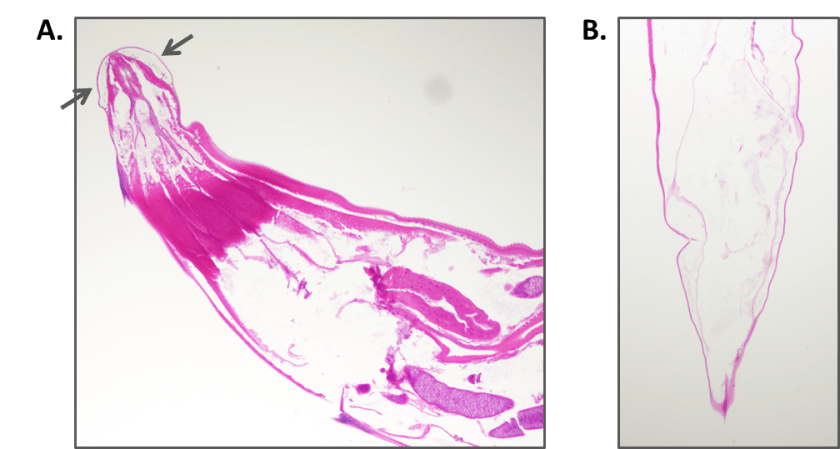
Figure 2. Cross section of the worms shows (A) anterior with cephalic inflations of the cuticle (arrows) and (B) a long pointed tail.

pin3

Figure 3. Internal eggs are 50-60 µm x 20-30 µm in size. They are elongated, flattened on one side, and have a thick colorless shell.


Discussion

The worms were identified as Enterobius vermicularis or pinworm. E. vermicularis is a nematode or round worm. Adult worms are 2.5 mm x 0.1 mm (males) and 8-13mm x 0.3-0.5mm (females). Both male and female worms have cephalic inflations of the cuticle at their anterior end (Figure 2A, arrows). Males have a wide blunt posterior tail while females have a long, pointed tail (Figure 1, 2B). Our worms were females as internal eggs were found in both worms. The eggs of E. vermicularis are 50-60 µm x 20-30 µm in size. They are elongated, flattened on one side, and have a thick colorless shell (Figure 3).

E. vermicularis infection is very common in preschool and school aged children as well as families and caregivers of infected children. Transmission occurs through the fecal-oral route. Embryonated eggs are ingested and travel to the small intestine. Adult worms reside in the colon. Gravid females migrate to the anus and deposit eggs onto the perianal area during the night. A single female can deposit as many as 10,000 fertilized eggs. Larvae within the eggs develop and become infective as quickly as 4-6 hours after they are deposited. The entire life cycle from ingestion until eggs are laid by a gravid female in the perianal area is 1-2 months. Perianal scratching and autoinfection are common as well as infection from contaminated fomites such as bedding, clothes, and shared toys.

The most common method of E. vermicularis detection is the Tape Prep method. Briefly, transparent (unfrosted) tape is used to touch the perianal region, after which the tape is placed on a glass slide for microscopic examination. The best time to detect E. vermicularis is 2-3 hours after the patient has gone to sleep due to the nocturnal cycle of the gravid females. Because E. vermicularis does not enter the stool stream, ova and parasite examination often fails to detect the parasite and is not recommended.

Discovery of E. vermicularis in our patient was an unexpected finding, as our patient had no perianal itching. Asymptomatic detection of E. vermicularis has been described in the past, so this finding is not unique. The patient was given a dose of albendazole and will receive another in two weeks, as the drug has reduced effectiveness at killing the eggs or larval stages of development. Her abdominal pain was attributed to overuse of nonsteroidal anti-inflammatory drugs (NSAIDS) and she is being monitored by gastroenterology outpatient clinic.


References

  1. Ash and Orihel’s Atlas of Human Parasitology, 5th
  2. Red Book 2015 Report of the Committee on Infectious Diseases, 30th


I would like to thank the staff of the Children’s Medical Center Histology Laboratory for sharing my enthusiasm for parasites as well as sectioning, staining, and taking images of the worms for educational purposes.


-Erin McElvania TeKippe, PhD, D(ABMM), is the Director of Clinical Microbiology at Children’s Medical Center in Dallas Texas and an Assistant Professor of Pathology and Pediatrics at University of Texas Southwestern Medical Center.


Microbiology Case Study: A 46 Year Old Man Newly Diagnosed with HIV

Clinical Case

A 46 year old male with history of anal HPV with AIN II and anal fissure status-post sphincterectomy and fissurectomy, tobacco and cannabis use, and recent shingles outbreak presented with 1 year of diarrhea, fevers, chills and weight loss and a 2 week history of congestion and productive cough. He was found to have diffuse ground glass opacities with large cysts of the lungs on CT scan, and after admission was found to be positive for HIV with concern for AIDS. He received a bronchoscopy on that showed Pneumocystis jiroveci pneumonia. He was treated and clinically improved over several days when HAART therapy was initiated. Shortly afterwards he became neutropenic with his ANC as low as 150. The initial BAL fluid and stool became positive for acid fast bacilli.

Laboratory Identification

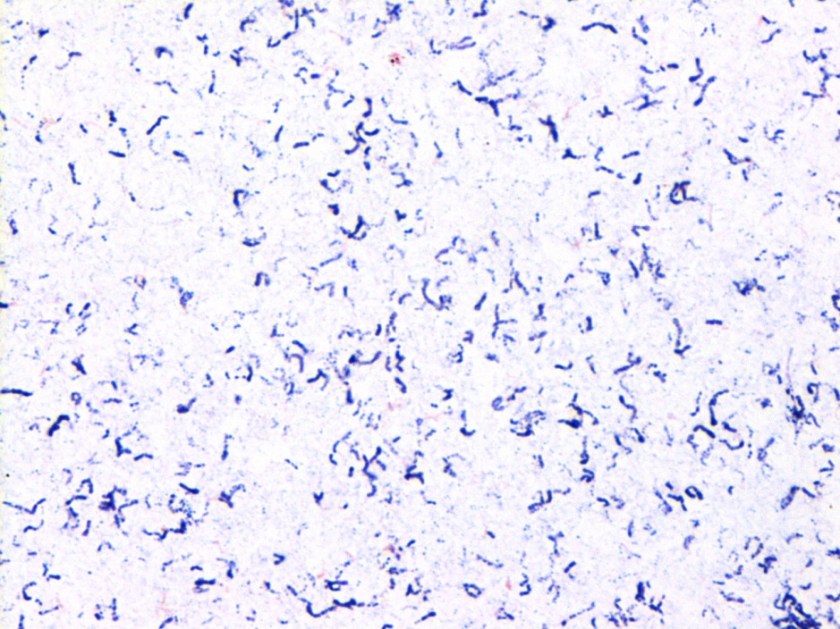
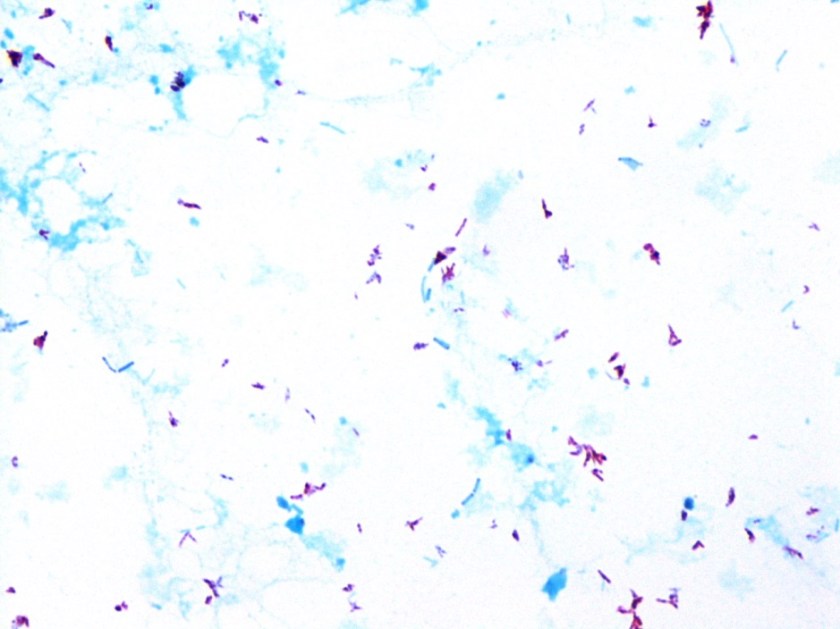
On Löwenstein-Jensen media, the organisms show small, flat, translucent, smooth colonies. They are slow-growers readily detected by acid fast and Kinyoun staining. In broth, the organisms do not show clustering or “cording.”


mac1
Gram stain, from Middlebrook 7H11 agar
mac2
Kinyoun stain, from Middlebrook 7H11 agar
mac3
Kinyoun stain, from Middlebrook 7H11 agar
mac4
Growth on Löwenstein-Jensen media

Discussion

Mycobacterium avium complex (MAC) is the most common nontuberculous mycobacterium (NTM) species causing human disease in the United States and is ubiquitous in the environment. MAC refers to infection caused by one of two slowly-growing NTM species, M. avium and M. intracellulare.

The pathogenesis of MAC lung disease is poorly understood. Infection is most likely acquired via ingestion or inhalation of aerosols from the environment inoculating a mucosal surface. Soon after inhalation or ingestion of MAC organisms, the infection disseminates lymphohematogenously. The bacteria are taken up by mononuclear phagocytic cells throughout the body, seeding other organs and tissues. Unlike M. tuberculosis, there is no convincing evidence demonstrating human-to-human transmission of MAC.

Disseminated NTM disease occurred in 5.5% of AIDS cases reported to the Centers for Disease Control and Prevention (CDC) from 1981 to 1987. This dropped to 4% after 1996, and is now at a rate of less than 1% per year. The dramatic decline in the disseminated disease is attributed to the use of effective prophylaxis with clarithromycin and azithromycin, as well as the advent of potent antiretroviral therapy. However, as in our case, patients with low CD4 cell counts remain at risk. Blood cultures for MAC isolation should be obtained before prophylaxis is initiated if there is any suspicion of clinical disease; the treatment regimen is different if blood cultures are positive (ie, the patient has active disease).

Traditional methods of speciating mycobacterial isolates were based upon growth characteristics on solid media and subsequent biochemical tests, requiring additional weeks for subcultures. Now we have commercially available highly-accurate nucleic acid probes that can identify MAC isolates within one day of growth. Other techniques such as 16S ribosomal DNA sequencing, Matrix-assisted laser desorption/ionization time-of-flight mass spectrometry, PCR-restriction length polymorphism analysis (PRA), and high-performance liquid chromatography (HPLC) are also available.

Susceptibility testing of MAC is difficult and controversial compared with M. tuberculosis. Exceptions to this are macrolides and amikacin, for which the MICs have been shown to correlate clinically with in vivo response. Additionally, clarithromycin resistance can be detected by a mutation in the 23S ribosomal macrolide binding site.


-Thomas Rogers, DO is a 3rd year anatomic and clinical pathology resident at the University of Vermont Medical Center.

Wojewoda-small

-Christi Wojewoda, MD, is the Director of Clinical Microbiology at the University of Vermont Medical Center and an Assistant Professor at the University of Vermont.


Microbiology Case Study: 37 Year Old Male with Cyclic Fever and Severe Headache

Case History

A 37 year old Indian male presents to the emergency department with complaints of a cyclic fever (102-103°F), chills, fatigue and a severe headache. He denies nausea, vomiting or diarrheal symptoms. His travel history is significant for a recent 2 month vacation to India and he is concerned he has malaria, given his symptoms. He reports no sick contacts or suspicious ingestions during his trip and his other family members are well. On physical exam, he is ill appearing, with dry mucous membranes but has no aversion to light or neck pain. Blood work revealed a normal white blood cell count and elevated liver enzymes (ALT 383 U/L, AST 282 U/L). Blood and CSF were collected and sent to the microbiology laboratory for Gram stain and culture. Additional tests for influenza, viral hepatitis and malaria were performed.

Laboratory Identification

salm1

Figure 1. Gram stain from a positive blood culture illustrating large Gram negative rods (100x, oil immersion).

salm2

Figure 2. Small, lactose negative colonies growing on MacConkey agar after 24 hours incubation in CO2 at 35°C.

salm3

Figure 3. Green colonies growing on Hektoen enteric agar after 24 hours incubation in O2 at 35°C.

Within a day of collection, multiple blood cultures were positive for a large Gram negative rods (Figure 1). The organism grew after 24 hours incubation in CO2 at 35°C on blood, chocolate and MacConkey agars and was lactose negative (Figure 2). The identification by MALDI-TOF was Salmonella group. The isolate was then sent to the public health department for additional testing via molecular typing methods. The diagnosis of Salmonella serotype Typhi was confirmed. Testing for influenza, viral hepatitis and malaria were all negative.

Discussion

Salmonella serotype Typhi is a motile, Gram negative rod that is a member of Enterobacteriaceae family.  Typhoid fever is the cause of serious bloodstream infections in developing countries and the great majority of cases in the United States are identified after recent travel. Clinically, it presents with high fever and headaches, in the absence of gastrointestinal manifestations and causes a more severe illness than other Salmonella serotypes. The infecting organism, of which humans are the only known reservoir, is transmitted by food or drink contaminated with feces or person to person contact and has a low infectious dose. Healthy carriers that are able to asymptomatically shed the bacteria have been documented.

Salmonella serotype Typhi is more commonly isolated from blood rather than fecal specimens and grows well on a variety of media including blood, chocolate and Hektoen enteric agar (Figure 3). The characteristic reaction on a triple sugar iron (TSI) slate is alkaline/acid (K/A, only glucose fermented) with a small moustache of H2S production at the site of inoculation and no gas production. In addition, a positive lysine decarboxylase reaction helps to distinguish Typhi from non-typhoidal Salmonella subspecies I members. MALDI-TOF mass spectrometry is successfully able to identify the isolate as Salmonella spp., but additional testing must be performed to determine the particular serotypes.

Traditionally, serotyping of the O (somatic), H (flagellar) and Vi (capsular) antigens and applying results to the Kauffmann-White scheme is useful in confirming the diagnosis of Salmonella and defining the serotype name. In the case of Salmonella serotype Typhi, the somatic antigen groups as D1 and the Vi antigen is present. The Vi antigen (heat labile) sometimes masks the identity of the O antigen (heat stable). In these cases, heating the bacterial suspension in boiling water for 15 minutes and repeating the O antigen serotyping yields the correct O antigen. Given the expansion in molecular testing, methods based on identifying the genes responsible for the serotype are gaining favor.

Due to the high mortality rate in untreated cases of typhoid fever, treatment with antibiotics is necessary and given the increasing levels of resistance reported, particularly to ciprofloxacin, susceptibility testing should be performed in all cases of Salmonella serotype Typhi. It is recommended that ampicillin, a fluoroquinolone, trimethoprim-sulfamethoxazole and a 3rd generation cephalosporin be reported for all typhoid isolates based on the most current M100S-26 CLSI guidelines. Also, in the case of S. Typhi, reporting susceptibilities to azithromycin is encouraged (MIC ≤16 µg/mL S, ≥32 µg/mL R, interpretative criteria based on MIC distribution data).

In the case of our patient, he was started on ceftriaxone and continued to receive this IV antibiotic for seven days after blood cultures became negative. Susceptibility testing showed intermediate results for ciprofloxacin by disk diffusion and azithromycin was found to be susceptible with an MIC of ≤16 µg/mL. The patient has an uncomplicated hospital course and made a complete recovery.


Stempak

-Lisa Stempak, MD, is an Assistant Professor of Pathology at the University of Mississippi Medical Center in Jackson, MS. She is certified by the American Board of Pathology in Anatomic and Clinical Pathology as well as Medical Microbiology. Currently, she oversees testing performed in both the Chemistry and Microbiology Laboratories.  Her interests include infectious disease histology, process and quality improvement and resident education. 

Antimicrobial Stewardship Down Under

If you’re an infectious disease/antimicrobial stewardship/microbiology geek, then the Australian blog AIMED is relevant to your interests. AIMED focuses on practical antimicrobial prescribing issues of relevance to hospital and community prescribers. It is supported by a local brains trust of General Practitioners, Pharmacologists, Pharmacists, Microbiologists and Infectious Disease Physicians. It also provides internet access to key Hunter New England resources for medical staff including guides to local antibiograms, infection control resources and personnel.

For those who don’t know, AIMED is an acronym for five principles that guide patient treatment with antimicrobials:

  • Antimicrobial selection and dosage
  • Indication for antimicrobial treatment
  • Microbiological assessment
  • Evaluate patient at 48-72 hours
  • Duration should be specified

If you’d like to learn more, check out their blog.

Microbiology Case Study: 3-year-old Female with Facial Wound


Case History

A 3-year-old female with no significant past medical history presented to the emergency department 1 day following a provoked dog bite to the right cheek. At home, the bite area was cleaned, but it subsequently developed progressive erythema, swelling, and purulent discharge. Review of systems was otherwise negative. Both the patient and dog were up-to-date on vaccinations. On exam, the patient displayed a 1 cm area of induration with surrounding erythema and actively draining whitish fluid.

Fluid from the draining wound was sent to the microbiology laboratory for Gram stain and culture. On Gram stain, rare gram-negative rods were identified, as well as few polymorphonuclear leukocytes.  The following organism was recovered from culture the next day.

past1

Figure 1: Growth on blood, chocolate and MacConkey agars. Note one larger and one smaller colony morphology growing on blood and chocolate agars.  The organism did not grow on MacConkey agar.

past2

Figure 2. Subcultures of the two distinct colony types. The larger colonies (left) appeared more mucoid than the smaller colonies (right).

past3

Figure 3. Gram stains of the two colony types revealed a small, Gram-negative coccobacilli identified as Pasteurella multocida (right) and a larger, pleomorphic Gram-negative rod identified as Pasteurella canis (left).

Laboratory Work-Up

The specimen was cultured on 5% sheep blood, chocolate, and MacConkey agars. Two colony morphologies emerged on the blood and chocolate agar plates (Figure 1). The organism did not grow on MacConkey agar. Representatives of each colony morphology were subcultured onto 5% sheep blood agar with growth shown in Figure 2. One colony is larger and mucoid (Figure 2, left) while the second is smaller and non-mucoid (Figure 2, right).

MALDI-TOF (Matrix Assisted Laser Desorption/Ionization Time-of-Flight) identified two different species of Pasteurella. Colony Gram stains show P. multocida as small Gram-negative coccobacilli (Figure 3, right) and P. canis as pleomorphic Gram-negative rod (Figure 3, left).

Discussion

The Pasteurella spp. are non-motile, facultatively anaerobic, Gram-negative coccobacilli found in the respiratory tracts of nonhuman mammals, most notably cats and dogs. By current classification the genus includes P. multocida (with 3 subspecies), P. dagmatis, P. canis, and P. stomatis, with P. multocida being the most common human pathogen and species recovered from animals (>70% carriage in cats, >40% in dogs) [1]. The foremost human infection is bite or scratch wound with cellulitis, with rapid development of erythema, swelling, and purulent drainage as observed in this case. Licking may also transmit the bacteria.  Possible associated findings include fever and regional lymphadenopathy. More serious potential infections include osteomyelitis, septic joint, endocarditis, bacteremia, sepsis, and meningitis. Systemic illness typically requires immunocompromise (classically liver disease). The organisms are generally penicillin-sensitive [2].

Key identification features of Pasteurella spp. include oxidase positivity and failure to grow on MacConkey agar, both differentiating Pasteurella from the Enterobacteriaceae. Other common features include and catalase and indole positivity. Unlike other certain fastidious gram negative bacteria (e.g., Haemophilus), Pasteurella grow independently on blood agar without the requirement for hemin or NAD. Of note, Capnocytophaga spp. (also associated with dog bites) also grows on blood and chocolate but not MAC. However, Capnocytophaga require a CO2-enriched environment and the Gram stain is notably different as they are long, slender Gram-negative rods [1].

This case was notable for a dual Pasteurella infection, an uncommon but previously reported phenomenon [3]. The organisms differed by colony morphology, with P. multocida appearing larger and mucoid (reflecting capsule production) on the blood agar, and P. canis appearing smaller, grey, and non-mucoid. Capsule is a key virulence factor of P. multocida and tends to be associated with more severe infections [4].

The patient was treated with a 10 day course of amoxicillin-clavulanate and has completely recovered.

References

  1. Procop, G. W., Church, D. L., Hall, G. S., Janda, W. M., Koneman, E. W., Schreckenberger, P. C., & Woods, G. L. (2016). Koneman’s Color Atlas and Textbook of Diagnostic Microbiology (7th ed.). Philadelphia: Wolters Kluwer.
  2. Graevenitz, A., & Zbinden, R. (n.d.). Actinobacillus, Capnocytophaga, Eikenella, Kingella, Pasteurella, and Other Fastidious or Rarely Encountered Gram-Negative Rods. In Manual of Clinical Microbiology, 10th Edition (pp. 574–587). American Society of Microbiology.
  3. Holst, E., Rollof, J., Larsson, L., & Nielsen, J. P. (1992). Characterization and distribution of Pasteurella species recovered from infected humans. Journal of Clinical Microbiology, 30(11), 2984–7.
  4. Harper, M., Boyce, J. D., & Adler, B. (2006). Pasteurella multocida pathogenesis: 125 years after Pasteur. FEMS Microbiology Letters, 265(1), 1–10.


-William Phipps, M.D., 1st year Anatomic and Clinical Pathology Resident, UT Southwestern Medical Center

-Erin McElvania TeKippe, Ph.D., D(ABMM), is the Director of Clinical Microbiology at Children’s Medical Center in Dallas Texas and an Assistant Professor of Pathology and Pediatrics at University of Texas Southwestern Medical Center.

Microbiology Case Study: A 68 Year Old with Refractory Pneumonia

Case History

After failing to improve on outpatient treatment for community acquired pneumonia, a 68 year-old New England man was admitted to the hospital for refractory pneumonia. Despite the initiation of triple antibiotic therapy, he continued to spike fevers and his respiratory status progressively declined. Notably, the patient reported recent travel to Arizona.

Laboratory Identification

This sputum sample was received from an outside hospital with no accompanying clinical history. After a couple days, the sample grew wooly, white-beige colonies on both potato flake and mycobiotic agars. A cellophane tape test performed on day 6 revealed narrow septate hyphae with alternating arthrocondia and empty cells. No conidiophores were present.


cocci1
Sputum fungal culture on Potato Flake Agar
cocci2
Sputum fungal culture on Mycobiotic agar
cocci3
Cellophane tape test


While the overall morphology was most consistent with Malbranchea species, rare slightly swollen arthrocondia were identified prompting increased handling precautions and further investigation into the patient’s clinical course at the referring hospital. After several more days of growth, a repeat cellophane tape test (Figure 3) demonstrated thick-walled, barrel-shaped arthrocondia alternating with empty cells as is characteristic of Coccidioides species.

The organism was then confirmed as Coccidioides immitis/posadasii by PCR.

Discussion

Coccidioides immitis and Coccidioides posadasii are pathogenic soil fungi with limited geographic distribution. Coccidioides immitis is found primarily in California’s San Joaquin Valley, Arizona, and Mexico while Coccidioides posadasii is slightly more widespread throughout arid regions of the Americas. Although genetically distinct, the two species are clinically and morphologically identical.

Coccidioides species cause Coccidioidomycosis, also known as Valley fever, which typically presents as a primary pulmonary infection about 1-4 weeks after exposure. While the majority of infected individuals will be entirely asymptomatic, 40% of cases result in a mild, self-limiting influenza-like illness with fever, sore throat, cough, headache, pleuritic chest pain, and occasionally a maculopapular rash on the trunk and limbs.  The fatigue and arthralgia associated with disease may persist for months after resolution of the pulmonary infection and is therefore sometimes referred to as “desert rheumatism”.

As with many infectious diseases, immunocompromised patients are at greater risk for developing more severe forms of the disease including extra-pulmonary manifestations.  Other risk factors for disseminated disease include high inoculum exposure, chronic illness, and primary infection during pregnancy.  While most infections will resolve without treatment, an extended course of azole therapy is recommended in these more complicated cases.

Since Coccidioidomycosis has relatively nonspecific symptoms, obtaining a history of exposure is often the key to the initiation of appropriate laboratory identification. Serologic testing for Coccidioides is available and is often the method of choice in the ambulatory setting. While highly specific, these tests are not very sensitive due to delayed formation and rapid clearance of the targeted antibodies. Therefore, a negative test result should not be used to exclude a Coccidioides infection especially early in the course of the disease.

In tissues and body fluids, Coccidioides is identified as round, thick-walled spherules (10-80µm) containing multiple endospores (2-5µm). When cultured at both 25°C and 37°C, Coccidioides forms wooly, white-grey colonies which may turn brown as they mature. The coarse hyphae are hyaline and septate with alternating thick-walled, barrel-shaped arthroconidia and empty cells. Although colonies usually form within three to five days, the distinctive arthroconidia may take up to 2 weeks to fully mature. Due to this delayed maturation, Coccidioides is often initially misidentified as its non-pathogenic look-a-like Malbranchea.  Confirmatory testing by PCR may be performed on both bodily fluids and paraffin embedded tissue.

Coccidioides was once considered a “select agent” with the potential to pose a severe threat to human health but advancements in diagnostic techniques and antifungal medications resulted in the loss of that status in 2012. However, since inhalation of even just 10 of its highly infectious arthroconidia may result in disease, Coccidioides is still a major source of laboratory-acquired infections. Technologists should use increased biosafety precautions whenever handling specimens suspicious for Coccidioides.


-Elaine Amoresano, MD, is a 2nd year anatomic and clinical pathology resident at the University of Vermont Medical Center.

Wojewoda-small

-Christi Wojewoda, MD, is the Director of Clinical Microbiology at the University of Vermont Medical Center and an Assistant Professor at the University of Vermont.


Microbiology Case Study: A 68 Year Old Man with Lung Cancer

A 68-year-old gentleman with a 50 pack year smoking history, COPD, and poorly differentiated lung cancer diagnosed after asymptomatic lung cancer screening, and status-post lobectomy presented to the pulmonology clinic for a one year follow-up. At this visit, the patient endorsed ongoing mild shortness of breath when climbing stairs and non-productive cough, but no fevers or chills. He underwent chest CT, which was notable for an enlarging right paratracheal LN as compared to a CT from six months prior, and RML collapse thought secondary to either mucous plugging versus tumor involvement of the bronchus. After a discussion with his physician, the patient agreed to undergo a flexible bronchoscopy with bronchoalveolar lavage (BAL) and lymph node biopsy instead of waiting six months for a repeat CT.


streppseudo1
Gram Stain showing Gram positive cocci in pairs.
streppseudo2.png
Growth on chocolate agar.
streppseudo3.png
Alpha hemolytic colonies on sheep blood agar.

Lab Identification

Gram smear of BAL fluid revealed moderate polys, few squamous epithelial cells, and moderate gram positive cocci. Colony morphology was notable for small, smooth-edged colonies displaying alpha hemolysis, that were bile insoluble. The organism was determined to be Streptococcus pseudopneumoniae by MALDI-TOF.

Discussion

Streptococcus pseudopneumoniae is a novel species of Streptococcus that belongs to the mitis group first described in 2004 by Arbique in an analysis of lower respiratory tract samples. Gram smear reveals GPCs without a capsule, and culture shows tiny, pinpoint, smooth-edged colonies with alpha-hemolysis. It may also resemble a smaller version of typical pneumococcal “checkers,” with raised edges and a depressed center. Species identification has been challenging given the greater than 99% homology of the 16S rRNA gene among S. mitis, S. oralis, S. pneumoniae, and S. pseudopneumoniae (however DNA-DNA similarity of the entire genome is < 60%). It was initially characterized phenotypically, based on its bile insolubility and variable optochin susceptibility (resistance to optochin in the presence of 5% CO2, and susceptibility at ambient atmosphere). The latter is thought to be due to a novel mutation in the F0F1 ATP Synthase subunit c.

The incidence of S. pseudopneumoniae is believed to be low, but it may be underreported due to labs identifying it as an atypical pneumococci. Furthermore, the pathologic significance is poorly understood. Jensen et al. performed molecular mapping of tonsillar crypt microbiota in healthy subjects and patients with recurrent tonsillitis, and found that S. pseudopneumoniae was present in all samples. Multiple retrospective studies looking at patients with S. pseudopneumoniae in their sputum compared to matched controls found that it was more likely to be present in patients with COPD (Keith et al.) and pneumonia (Laurens et al.). It has also been isolated from blood, ascitic fluid, and conjunctival samples. One case report from 2014 described a case of bleb-related endophthalmitis in a 63 year old man who had undergone glaucoma surgery 46 years prior.

A real-time PCR assay specific for S. pseudopneumoniae has been developed by Sistek et al. based on a mutation in the recA gene; however, it has yet to be validated.

As S. pseudopneumoniae belongs to the viridans group, susceptibility breakpoints for determining MIC are based on this group rather than S. pneumoniae. It is generally susceptible to vancomycin, carbapenems, and quinolones, and resistant to macrolides and tetracycline.


References

Janda et al. “The Genus Streptococcus Part II: New Species and Pathogens in the “Miscellaneous” Streptococci and “Viridans” Streptococci Groups.” Clinical Microbiology Newsletter Vol. 36, No. 21 November 1, 2014

Kawakami et al. “Late-onset bleb-related endophthalmitis caused by Streptococcus pseudopneumoniae.” International Ophthalmology (2014) 34:643–646 DOI 10.1007/s10792-013-9835-2


-Sean Bullis is a 4th year medical student at the University of Vermont College of Medicine.

Wojewoda-small

-Christi Wojewoda, MD, is the Director of Clinical Microbiology at the University of Vermont Medical Center and an Assistant Professor at the University of Vermont.