Blotting and Probing Techniques

“Blotting,” in relation to molecular diagnostics, is a term that refers to the process of detecting the presence and quantity of DNA, RNA, or protein in cells. There are three main types of blotting procedures that those in the field should be familiar with: Southern, Northern, and Western. Three additional blotting procedures are termed Southwestern, Eastern, and Far-Eastern. These are also summarized in the table below.

Southern Blot Steps

  1. DNA is isolated and cut with restriction enzymes.
  2. The DNA fragments are then analyzed by gel electrophoresis and separated by size (see previous blog post on Separation and Detection).
  3. Depurination – Gel is soaked in hydrogen chloride (HCl) to remove the purine bases from the sugar-phosphate backbone. This loosens up larger fragments before denaturation.
  4. Denaturation – The DNA is denatured by exposing the gel to sodium hydroxide (NaOH). Denaturation breaks the hydrogen bonds that hold the DNA strands together.
  5. Blotting – The denatured DNA is transferred to a solid substrate (nitrocellulose) that helps to facilitate probe binding and signal detection.
  6. Pre-hybridization – Prevents non-specific binding of the probe to other sites on the membrane surface.
  7. The membrane is exposed to the hybridization probe, usually a single DNA fragment with a specific sequence to the target DNA. The probe DNA is labelled either with radioactivity or fluorescent dyes.

Importance of the Membrane

Nitrocellulose and nylon membranes are best for smaller sized single stranded DNA fragments. It is compatible with many types of buffers and transfer systems. These membranes work well with protein and nucleic acids.


METHODS OF TRANSFER
Capillary Transfer Ÿ Utilizes capillary movement of the buffer from a soaked paper to the dry paper

Ÿ Denatured DNA moves from the gel to the membrane

Electrophoretic Transfer Ÿ Electric current moves the DNA from the gel to the membrane
Vacuum Transfer Ÿ The force from suction moves the DNA from the gel to the membrane


Northern Blots

Northern blots are used in the laboratory to look at RNA structure and quantity. It’s a powerful method that can measure levels of gene expression, as well as structural abnormalities in RNA.

  • Needs to take place in an RNase-free environment.
  • The samples are applied directly to an agarose gel.
  • The sample is cut out from the gel, soaked in ammonium acetate to remove the denaturant (denaturant is inhibitory to the binding of RNA to nitrocellulose membranes), and stained with acridine orange or ethidium bromide.

Western Blots

Western blots detect proteins and separates them according to their molecular weight or charge

  • Run using a polyacrylamide gel with molecular weight standards / markers.
  • Utilizes capillary or electrophoretic transfer methods.
  • Membrane must be blocked with a solution to prevent binding of the primary antibody probe to the membrane.


TYPES OF PROBES
DNA Probes Southern Blots Complementary to the target gene
RNA Probes Northern Blots Complementary to the target sequence
Protein Probes Western Blots Antibodies bind to the target protein


SUMMARY OF HYBRIDIZATION TECHNIQUES
Method Target Probe Purpose
Southern Blot DNA Nucleic Acid ·      Gene structure
Northern Blot RNA Nucleic Acid ·      RNA transcript structure, processing, and gene expression
Western Blot Protein Protein ·      Protein processing and gene expression
Southwestern Blot Protein DNA ·      DNA binding proteins and gene regulation
Eastern Blot Protein Protein ·      Modification to western blot using enzymatic detection

·      Detection of specific agriculturally important proteins

Far-Eastern Blot Lipids None ·      Transfer of HPLC-separated lipids to PVDF membranes for analysis by mass spectrometry


L Noll Image_small

-LeAnne Noll, BS, MB(ASCP)CM is a molecular technologist in Wisconsin and was recognized as one of ASCP’s Top Five from the 40 Under Forty Program in 2015.


Microbiology Case Study: A 52 Year Old Woman’s Routine Colonoscopy Results

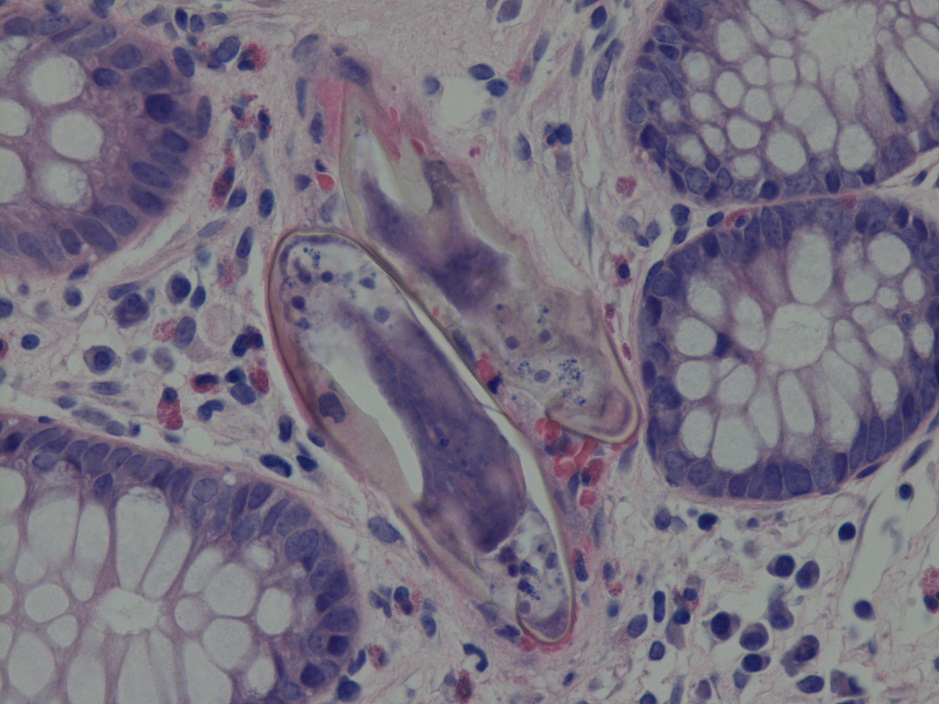
A 52 year old woman with no significant past medical history presented for a routine colonoscopy screening. During the colonoscopy, the mucosa of the colon was abnormal with a vascular pattern that was distorted. There were whitish punctate lesions, particularly in the right colon and a biopsy was taken.

H&E stain of colon biopsy

Based on the microscopic morphology, a diagnosis of schistosomiasis was made. Evaluation of the morphology reavealed lateral spines which is consistent with the diagnosis of Schistosoma mansoni.

Schistosomiasis is a disease caused by infection with parasitic blood flukes. The parasites that cause schistosomiasis live in certain types of freshwater snails. The infectious form of the parasite is known as cercariae. Individuals can become infected when skin comes in contact with contaminated water and is penetrated by cercariae.

Five schistosome species can cause infection in humans:

  • Schistosoma mansoni (Africa and South America)
  • S. japonicum(East Asia)
  • S. haematobium(Africa and Middle East).
  • S. mekongi(Laos, Cambodia)
  • S. intercalatum(West and Central Africa);

The adult worms travel against portal blood flow to the mesenteric venules of the colon. The male schistosome forms a groove for the female in which mating occurs, and in 1-3 months, the females deposit eggs in the small venules of the mesenteric or perivesical systems. The eggs of S. mansoni and S. japonicum move toward the lumen of the intestine while the eggs of S. haematobium move toward the bladder and ureters. They leave the body in feces or urine. Adult worms have an average lifespan of 5-7 years but have been known to survive up to 30 years

S. mansoni and S. japonicumgenerally cause intestinal tract disease and S. haematobiumcauses genitourinary tract disease. More than 200 million people have been infected, leading to approximately 200,000 deaths per year.

Most people infected do not develop symptoms, however infection can lead to swimmer’s itch, acute schistosomiasis syndrome (sudden onset of fever, urticaria and angioedema, chills, myalgias, arthralgias, dry cough, diarrhea, abdominal pain, and headache), and intestinal schistosomiasis (abdominal pain, poor appetite, and diarrhea).

The acute phase of infection is treated with corticosteroids. Praziquantel should be started after acute symptoms have resolved and should be given with corticosteroids.


-Mustafa Mohammed, MD is a 2nd year anatomic and clinical pathology resident at the University of Vermont Medical Center.

Wojewoda-small

-Christi Wojewoda, MD, is the Director of Clinical Microbiology at the University of Vermont Medical Center and an Assistant Professor at the University of Vermont.

A Strategy for Patients with Sickle Cell Disease

Transfusion of red blood cells (RBCs) is a cornerstone of treatment to prevent the complications of sickle cell disease (SCD). SCD is caused by a mutation of the β-globin gene, resulting in glutamic acid being substituted by valine at position 6. The mutation results in an abnormal hemoglobin (Hb SS) that aggregates into a rigid sickle-shape under certain conditions. Individuals with SCD frequently require transfusion of RBCs to treat acute pain crisis (i.e. acute chest syndrome) and prevent chronic complications (i.e. stroke). RBC transfusion helps SCD patients by providing RBCs with hemoglobin A thus decreasing the amount of HbSS RBCs that can sickle and contribute to pain crisis and chronic complications. Unfortunately, alloimmunization to non-ABO RBC antigens is a potential complication of any patient receiving chronic transfusion therapy. The most life-threatening consequence of alloimmunization in SCD is the development of a delayed hemolytic transfusion reaction with hyperhemolysis. Alloimmunization also puts SCD patients at increased risk of receiving an incompatible transfusion due to difficulty in finding compatible blood and increases costs for the health care system.

Antigen matching beyond standard ABO and Rh typing can help reduce the alloimmunization rate in chronically transfused patients. A widely accepted antigen matching strategy used by transfusion services is to initially provide Rh and Kell-matched RBC units to SCD patients, even if the patient has not yet made an alloantibody (i.e. antibody screen negative) since the Rh (D, C, c, E and e) and Kell (K) antigens are among the most immunogenic.  Providing Rh and K-matched RBC units continues until the patient proves to be an antibody former (i.e. anti-Jk(b)), after which the transfusion service provides fully phenotype matched RBCs for non-emergent transfusion when available.  A “full” phenotype usually includes Rh, K, Jk(a), Jk(b), Fy(a), Fy(b), M, N, S and s.

In summary, the strategy for patients with SCD is as follows:

  1. Determine the patient’s full RBC phenotype (D, C, c, E, e, K, Kidd, Duffy, M, N, S, s) before transfusions begin. If transfusions already started, consider molecular testing.
  2. Provide Rh (D, C, c, E, e) and K-matched RBCs until the patient proves to be an antibody former.
  3. If the patient proves to be an antibody former, provide full phenotype matched RBC units to attempt to prevent any additional antibody formation and it becomes increasingly impossible to find compatible units.


Rogers

-Thomas S. Rogers, DO is a second-year resident at the University of Vermont Medical Center, a clinical instructor at the University of Vermont College of Medicine, and the assistant medical director of the Blood Bank and Transfusion Medicine service.

New Zika Test on the Horizon?

According to a recent press release, Rheonix is pursuing a rapid Zika Virus diagnostic test. Lablogatory recently discussed this test with the senior vice president for scientific and clinical affairs at Rheonix.

Lablogatory: I understand this test is a so-called “self-confirming” assay; it corroborates serological results with a molecular confirmation. Can you tell readers a bit about the methodology behind this?

Richard Montagna, PhD, FACB: It works much like the “dual assay” for HIV that we recently developed. Using microfluidics, the sample will be split between two sections of the same cartridge. One section will test for antibodies in a methodology similar to ELIZA. The other section will use LAMP technology to lyse, extract, purify, and amplify Zika-specific RNA sequences.

Lab: Sounds efficient! How long do you anticipate the assay will take to run?

RM: We expect it would take less than an hour to perform. Using our existing equipment base, we anticipate the capacity to perform 24 tests in an hour.

Lab: Given the timeline of the impending outbreak, will you seek Emergency Use Authorization (EUA) from the FDA?

RM: Once development is complete, we’ll discuss EUA with the FDA to determine if that approach is feasible.

Microbiology Case Study: 24 Year Old with Loss of Consciousness

Case History

A 24 year old African American male presents to the emergency department after he lost consciousness and fell at home.  Currently, he complains of a significant headache, double vision and confusion. He also states he has a cough and shortness of breath with exertion. Over the past month, he has generally felt unwell and reports recurrent subjective fevers, night sweats, a 20 pound unintentional weight loss and nausea with a loss of appetite.  On physical exam he is found to be febrile (103.1°F), with coarse breath sounds over the right chest. His neurological exam is normal. Chest x-ray shows right lobe infiltrates and bilateral perihilar opacities. A lumbar puncture is performed and showed an elevated opening pressure (28 cm H2O) with an increased white cell count (58% neutrophils, 32% lymphocytes). Blood, sputum and CSF specimens are sent to the microbiology laboratory for Gram stain and culture.

Laboratory Identification

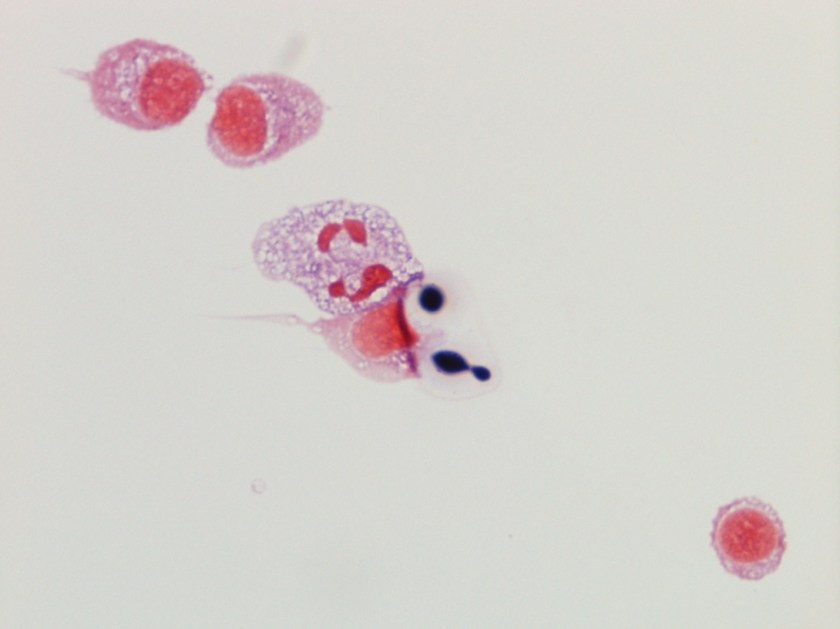
crypto1
Figure 1. Cerebral spinal fluid with narrow based budding yeast forms surrounded by a thick capsule and background neutrophils and lymphocytes (Gram stain, 1000x).
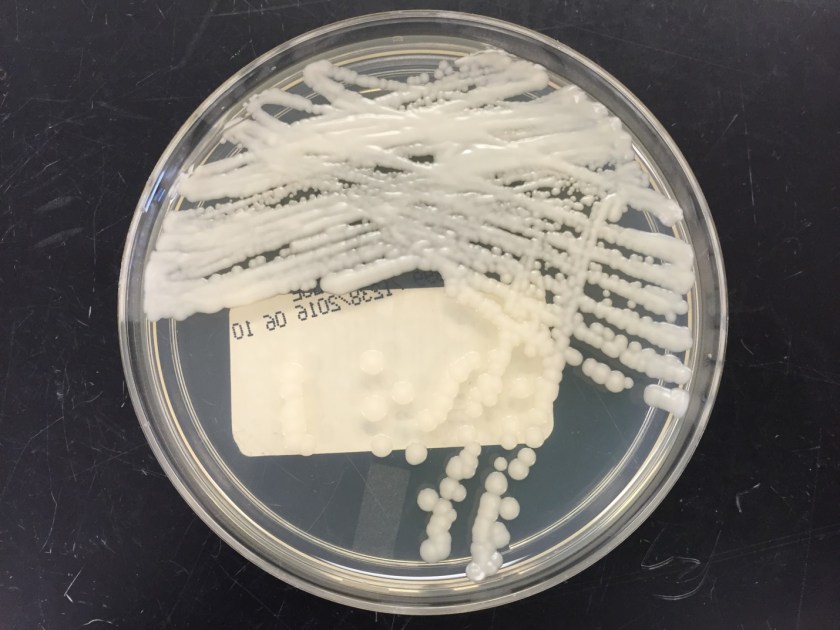
crypto2
Figure 2. Growth of a white, mucoid yeast on Sabouraud’s agar with chloramphenicol after 4 days incubation at 30°C.


The centrifuged Gram stain of the CSF showed few yeast forms that exhibited narrow based buds and were surrounded by outline of a thick capsule (Figure 1).  Bacterial and fungal culture of the CSF revealed a white, creamy yeast that grew after 2-3 days incubation (Figure 2). The organism was identified by MALDI-TOF as Cryptococcus neoformans. A cryptococcal antigen test was performed on the CSF and showed a titer of 1:1024. In addition, C. neoformans grew from 4/4 of the patient’s blood cultures. While waiting for the culture results, the patient was found to be HIV positive for a viral load of 975,882 vc/ml and an absolute CD4 count of 17 cells/cm2. No other significant pathogens grew from any of the other cultures obtained.

Discussion

Cryptococcus neoformans is an encapsulated yeast found widely in nature.  It is typically found in soil that is contaminated with pigeon droppings or bat guano that has a high nitrogen content allowing the organisms to proliferate. C. neoformans is acquired via the inhalational route particularly when dust is generated. Individuals with a higher risk of infection include those who work in poultry farms, excavators and spelunkers. In addition, immunosuppressed people, especially with cellular immunodeficiencies such as HIV, those with hematopoietic malignancies and those taking immunosupressants have an increased risk of acquiring infection with C. neoformans. While the organism commonly causes pulmonary infections, fungemia and disseminated disease with cutaneous involvement have been reported. C. neoformans has a particular tropism for the central nervous system and often initially presents as meningoencephalitis without evidence of disease elsewhere.

Historically, the first step in diagnosis of suspected meningitis due to Cryptococcus in the HIV era was to perform an India ink preparation on a CSF specimen. This test served to identify the variably sized (2-20 µm), narrow based budding yeast forms due to the prominent capsule not allowing the ink to reach the cell wall of the organism and creating a halo like appearance around the yeast. While this test provided a rapid diagnosis and was inexpensive to perform, its lack of sensitivity has paved the way for detection of the cryptoccocal polysaccharide antigen via a latex agglutination method. This test can be performed on serum & CSF specimens and provides both diagnostic (qualitative) and prognostic (quantitative) information. By following titers by this method throughout the disease course and therapy, clinicians can monitor response to treatment (declining titers) and relapsed infections (increasing titers).

In culture, C. neoformans appears as white, creamy to mucoid colonies which grow well on Sabouraud dextrose agar within 3 days.  It is positive for both urea and phenoloxidase, which is exemplified by the colony’s reddish-brown pigmentation on bird seed agar. The presence of pigment on this agar helps to differentiate C. neoformans and C. gatti from other cryptococcal species, a distinction that may be important therapeutically as the latter are often more resistant to standard treatments. Microscopically on cornmeal agar, C. neoformans shows variability in size and is uniformly spaced among each yeast form due to the presence of the thick capsule. This characteristic is described as resembling glass beads. No pseudohyphae are present. Other commonly employed laboratory methods currently used to identify C. neoformans include automated instruments, such as the Vitek, and MALDI-TOF mass spectrometry.

In the case of our patient, he received two weeks of induction with amphotericin B and flucytosine. He was discharged home on oral fluconazole maintenance therapy as well as bactrim and azithromycin for prophylaxis from other infectious organisms. It is important to note that C. neoformans is resistant to echinocandins and this group of antifungals should not be used for treatment.


TV

-Tudor Vladislav, MD, is a 2nd year Anatomic and Clinical Pathology resident at the University of Mississippi Medical Center.

Stempak

-Lisa Stempak, MD, is an Assistant Professor of Pathology at the University of Mississippi Medical Center in Jackson, MS. She is certified by the American Board of Pathology in Anatomic and Clinical Pathology as well as Medical Microbiology. Currently, she oversees testing performed in both the Chemistry and Microbiology Laboratories.  Her interests include infectious disease histology, process and quality improvement and resident education. 


Microbiology Case Study: A 62 Year Old Male with Coronary Artery Disease

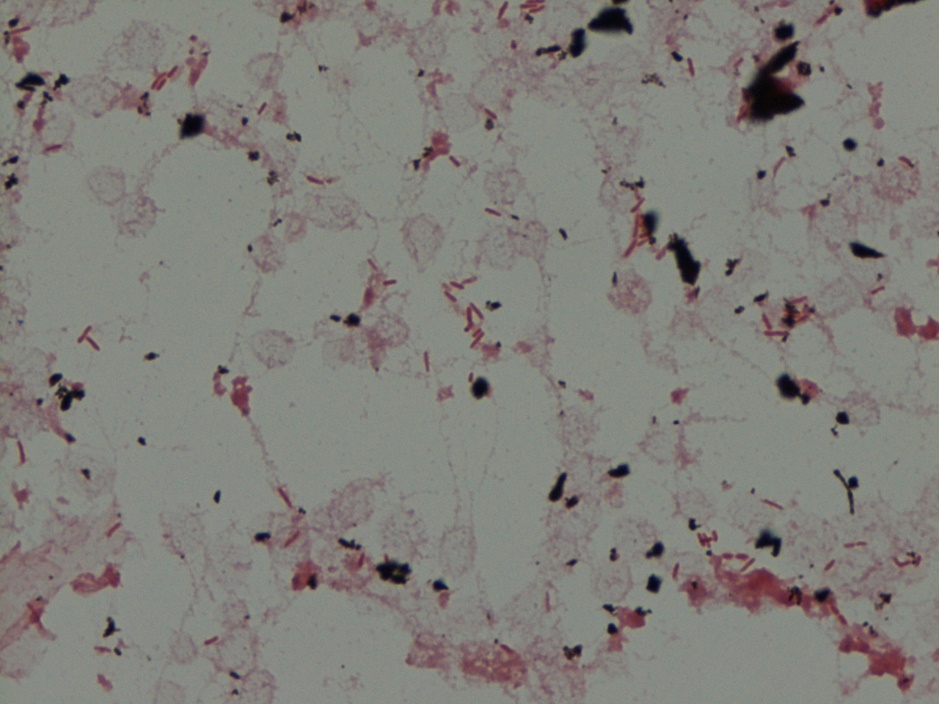
A 62 year old male with a past medical history of CAD, CABG x 4, HTN, DMII, OSA on CPAP, and GERD was admitted for acute onset of chest pressure that radiated to his back. He also complained of nausea, vomiting. He had a similar episode of pain two weeks ago which resolved with nitroglycerin. The patient was found to have Type 1A aortic dissection on CTA. Decision was made to proceed to the OR emergently. Status post the operation, he continued to have hemodynamic instability and evidence of pneumonia. He had been intermittently febrile with leukocytosis (WBC=12.66). Blood cultures were drawn and were positive for gram negative bacilli in one bottle.

Gram stain demonstrating Gram-negative rods.
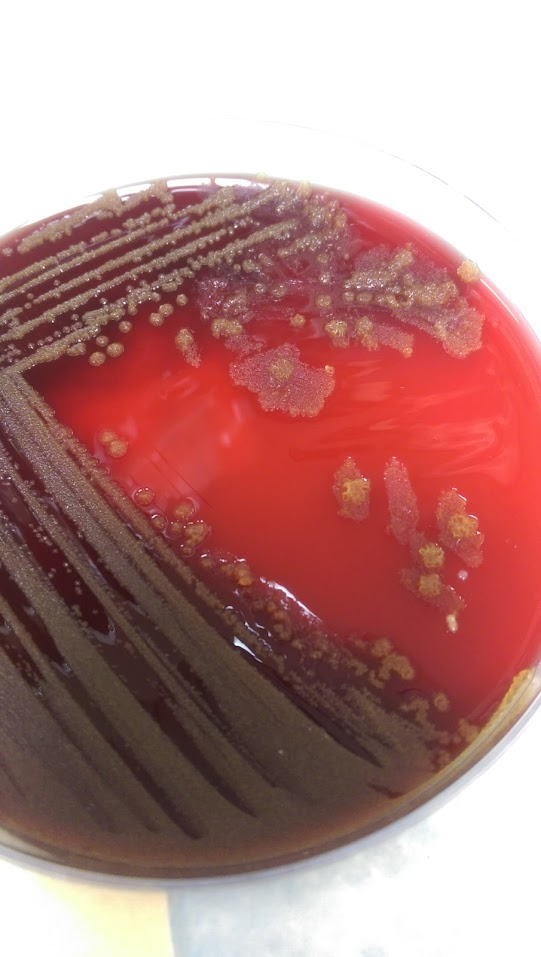
Blood agar plate with dry, yellow colonies.

Identification:

Pseudomonas luteola was identified on the MALDI-TOF.

P. luteola was originally identified as Chryseomonas, but later changed to be a part of the Pseudomonas family. It is an opportunistic pathogen found in damp environments. It is a gram negative rod of 0.8 μm to 2.5 μm and is a motileaerobe. Its motility is created by multitrichous flagella. Colonies produce a yellow-orange pigment. P. luteola can be differentiated from most other motile yellow-pigmented nonfermenters by a negative oxidase reaction and from the Enterobacteriaceae by its strict aerobic growth. Optimal temperature for growth is 30°C, although it can grow at 42°C and not at 5°C. It grows best on heart infusion agar supplemented with 5% horse blood, but is also able to grow on TSA, Nutrient Agar, MacConkey or CASA Agar. The pathogenic form of P. luteola is a saprophyte and it can cause septicemia, peritonitis, endocarditis in patients with health disorders or with indwelling devices, and meningitis. Most strains are susceptible to broad-spectrum antibiotics, such as cephalosporins and ciprofloxacin.

Based on the history, the clinical team was unsure if it was a false positive/contaminant or truly a pathogen. The patient did have grafts and bioprosthetic material and due to the virulence of Pseudomonas, they decided to treat with cefepime and remove the central line. The patient clinically improved after removal of the line, which favored a line infection.

-Mustafa Mohammed, MD is a 2nd year anatomic and clinical pathology resident at the University of Vermont Medical Center.

Wojewoda-small

-Christi Wojewoda, MD, is the Director of Clinical Microbiology at the University of Vermont Medical Center and an Assistant Professor at the University of Vermont.

The Final Countdown

As June 1 rapidly approaches, I hear many questions about OSHA’s final deadline in its implementation of the Globally Harmonized System (GHS) for the classification and labeling of chemicals. For laboratories in the United States, this journey began in 2013 when the first training deadline arose. All employees who work with chemicals were required to have training on the changing chemical label elements and the updated and standardized Safety Data Sheets (SDS).

Helpful Hint: Neither you nor your staff should be writing or saying “Material Safety Data Sheet” or “MSDS.” Those are outdated terms and should no longer be used. Unlike the old versions, the new SDS are standardized with 16 uniform sections that are the same no matter which chemical manufacturer provides the information.

The 2013 GHS training provided a good amount of information, and it raised many questions. Will manufacturers really be using pictograms and signal words to identify hazards? Would they truly be able to make those changes by the next deadline dates? How does that affect secondary chemical container labeling? What about changes to the lab’s chemical hygiene plan and signage? It was a great deal to absorb and digest.

The year 2015 held within it two more deadlines that would affect all laboratories. First, chemical manufacturers would have to create only products which contained GHS-compliant labels, and they would have to produce only GHS-compliant SDS. OSHA realized that these manufacturers would have a substantial amount of non-compliant inventory at this point, so there was a six month period before the next requirement would be enforced. That meant these companies would have six months to continue delivering non-compliant chemicals and SDS to laboratories. The second deadline in 2015 was the cut-off period for these manufacturers. They would no longer be permitted to ship chemicals with non-compliant labels or SDS. The last deadline would also provide a six month gap. OSHA has given laboratories time to accept and use these chemicals with non-compliant labels.

Helpful Hint: Walk around your laboratory and look at all of your primary chemical container labels. If you find any that are not GHS-compliant, you need to remove them from your lab before June 1 of this year. OSHA does NOT allow the re-labeling of primary chemical containers.

The final GHS implementation deadline, June 1, 2016, requires that labs complete the updates of all workplace labels, Safety Data Sheets, and any hazard communication policies and procedures. The lab Chemical Hygiene Plan should be updated to include newer terminology and labeling instructions. The chemical inventory may need updating as well to include signal words or pictograms if used on that form. While this last deadline has an impact on primary chemical container labels, it does not need to affect secondary container labeling. OSHA does allow the continued use of NFPA or HMIS labels for secondary containers in the lab provided staff is trained on those hazard warning systems as well.

Helpful Hint: For consistency and better staff understanding, choose one labeling convention for secondary chemical containers in the lab. Using GHS and NFPA/HMIS may be confusing. Labeling is an important piece of hazard communication, and staff needs to be clear on what hazards they may be handling.

Some signs in the lab may need updating in certain areas. Buried in OSHA’s Formaldehyde Standard (1910.1048) is a GHS reference that points to a required wording change. If the formaldehyde warning sign is posted in your lab, the GHS implementation requires updated wording. The sign is required in labs where the formaldehyde concentration exceeds OSHA’s limits as detected via vapor badge monitoring. The updated signage must read as follows:

DANGER

FORMALDEHYDE

MAY CAUSE CANCER

CAUSES SKIN, EYE, AND RESPIRATORY IRRITATION

AUTHORIZED PERSONNEL ONLY

The full implementation of the Globally Harmonized System is here, and it is a modern system designed to adequately communicate hazards to those who work with chemicals. Many countries around the world have been or are in the process of adopting GHS, a system which provides standardized warnings and information. Once fully implemented in your laboratory, these updated chemical hygiene practices will assist in providing an environment for working with chemicals that is both comprehensible and safe.


Scungio 1

-Dan Scungio, MT(ASCP), SLS, CQA (ASQ) has over 25 years experience as a certified medical technologist. Today he is the Laboratory Safety Officer for Sentara Healthcare, a system of seven hospitals and over 20 laboratories and draw sites in the Tidewater area of Virginia. He is also known as Dan the Lab Safety Man, a lab safety consultant, educator, and trainer.

Microbiology Case Study: 8 Day Old with Meningitis

Case:

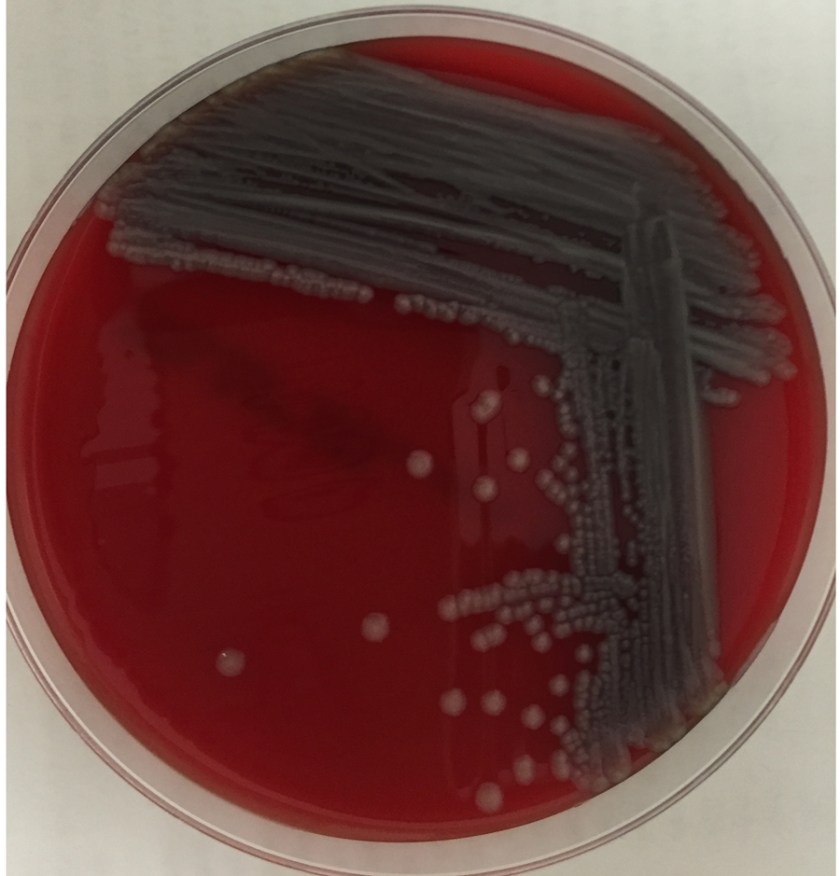
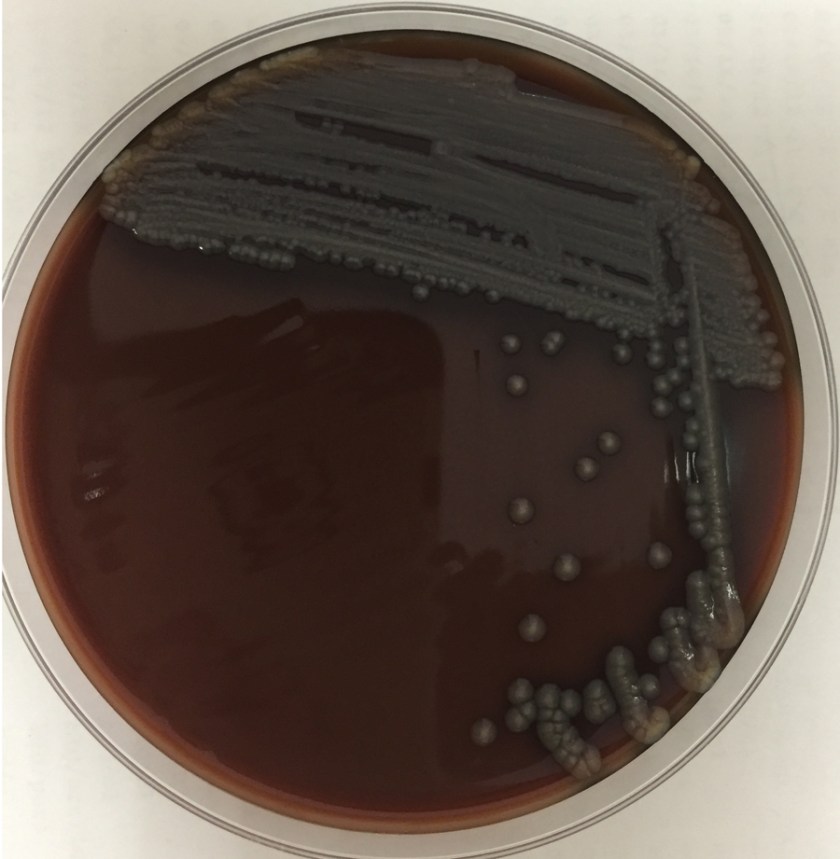
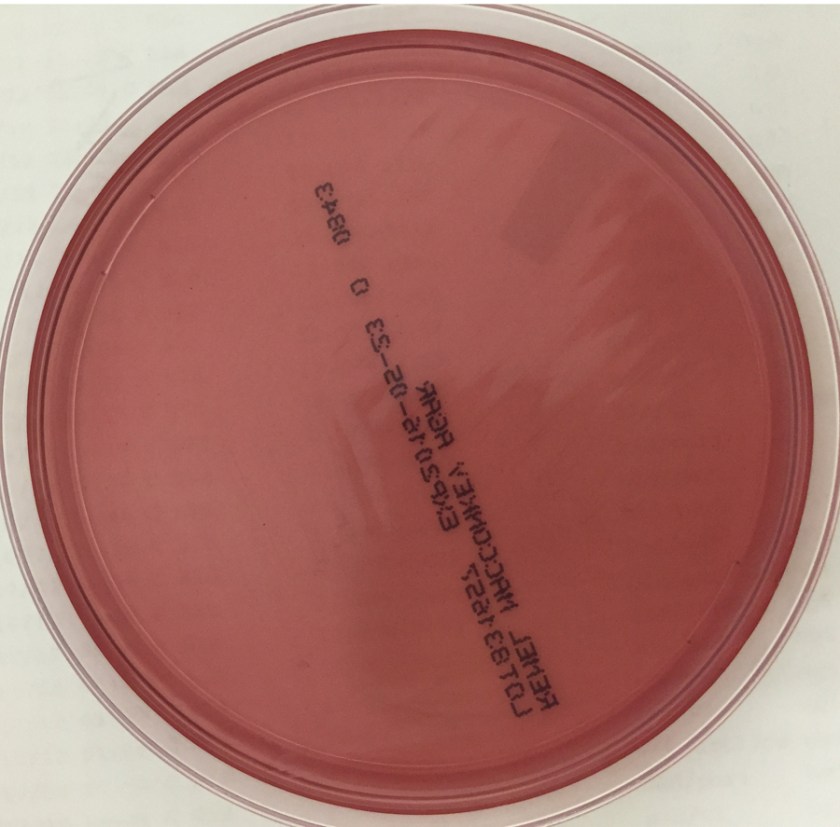
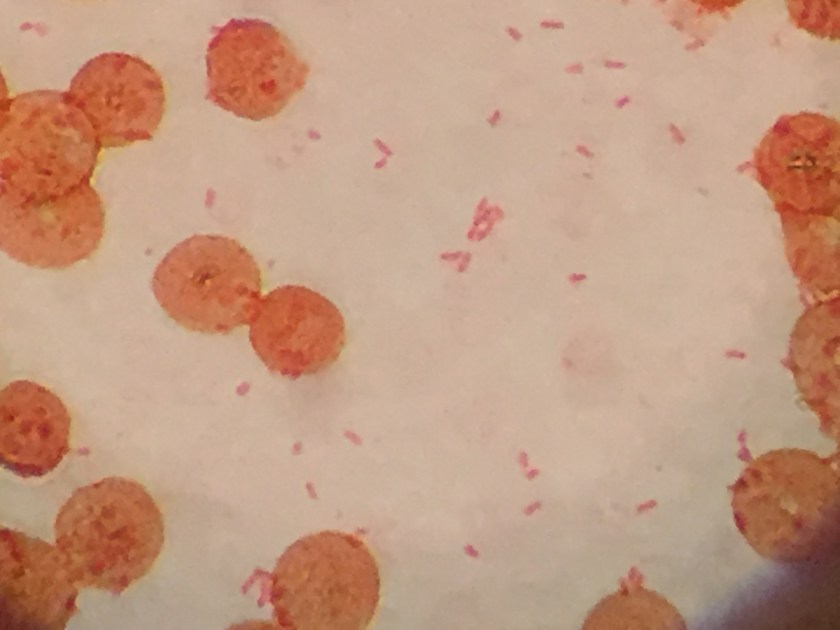
An 8-day-old baby was brought by his family to the Emergency Department. The baby had become irritable in the past 12 hours and was refusing to eat. He was born via vaginal birth at 38 weeks gestation and the pregnancy was uncomplicated besides an intrapartum fever for which mom received antibiotics during labor and baby received 48 hours of antibiotics after birth. In the ED, a lumbar puncture was performed and the resulting cerebral spinal fluid (CSF) had a protein of 353 mg/dL and glucose of <1 mg/dL. The CSF contained 2,935 nucleated cells with a differential of 76% polymorphonuclear cells, 14% macrophages, and 10% lymphocytes. Cytospin Gram stain of the CSF showed many white blood cells but no microorganisms. After 24 hours, an organism was growing on blood and chocolate agar, but not on MacConkey or Colistin Naladixic Acid (CNA) agar (Figure 1A, 1B, and 1C). Before this organism could be identified, the patient’s blood culture signaled positive with the same organism (Figure 2).

eliz1
Figure 1A. Growth on blood agar.
eliz2
Figure 1B. Growth on chocolate agar.
eliz3
Figure 1C. Growth (or lack thereof) on MacConkey agar.
eliz4
Figure 2. Gram stain of blood culture.

Discussion:

The organism was identified by MALDI-TOF MS (Matrix-assisted laser desorption/ionization time-of-flight mass spectrometry) as Elizabethkingia meningoseptica. This organism was previously named Chyrsiobacterium meningosepticum and before that Flavobacterium meningosepticum.

E. meningoseptica is an oxidase-positive, indole-positive, nonmotile, glucose nonfermenting, Gram-negative rod. It grows well on blood and chocolate agars after 24-48 hours of incubation, but does not grow on MacConkey agar. Colonies appear smooth and can be non-pigmented, like our isolate, or contain a slightly yellow or salmon pigment. Elizabethkingia spp. are environmental organisms which are ubiquitous in water and soil. They can also become nosocomial pathogens due to colonization of hospital sinks and other medical devices associated with water (humidifiers, ice chests, respirators, ect.).

E. meningoseptica is a rare cause of neonatal meningitis with prematurity being the greatest risk factor for infection. E. meningoseptica meningitis has a mortality rate of up to 57% and causes severe sequelae such as brain abscesses and developmental delay in those that survive the infection. Besides neonates, Elizabethkingia spp. have been associated with a variety of infections in immunocompromised patients and currently Wisconsin is in the middle of an outbreak of > 50 patients with Elizabethkingia anopheles bloodstream infections.

E. meningoseptica have a very unusual susceptibility pattern for Gram-negatives rods, which is shared by the closely related organisms Sphingomonas, Chryseobacterium, and Empedobacter spp. They produce β-lactamases making them resistant to most β-lactam antibiotics including carbapanems and aztreonam. E. meningoseptica is generally resistant to colistin and anaminoglycosides as well. They have variable resistance to vancomycin, rifampin, and fluroquinolones, making treatment options scant.

Our case patient cleared his blood and CSF of E. meningoseptica and is clinically improving. Only time will tell the extent of long term sequelae caused by this infection.


References:

  • Manual of Clinical Microbiology, 11th edition
  • Mehmet Ceyhan and Melda Celik, “Elizabethkingia meningosepticum (Chryseobacterium meningosepticum) Infections in Children,” International Journal of Pediatrics, vol. 2011, Article ID 215237, 7 pages, 2011. doi:10.1155/2011/215237
  • 2016 Wisconsin Outbreak of Elizabethkingia anopheles https://www.dhs.wisconsin.gov/disease/elizabethkingia.htm


-Erin McElvania TeKippe, Ph.D., D(ABMM), is the Director of Clinical Microbiology at Children’s Medical Center in Dallas Texas and an Assistant Professor of Pathology and Pediatrics at University of Texas Southwestern Medical Center.


Separation and Detection of Nucleic Acids via Electrophoresis Methods

Analysis of a DNA sequence can be accomplished via a method called electrophoresis. Electrophoresis is a term that basically describes the movement of molecules by way of an electric current and separation of those molecules based on size. This process occurs through agarose or polyacrylamide gels, which serve as a way to limit migration of molecules as they move from the negative anode to positive anode. Small molecules move through the gel matrix faster than larger molecules.

How does it work?

Each phosphate group from a DNA molecule is ionized

DNA becomes negatively charged

DNA migrates towards the positive pole (anode)


Factors Affecting Electrophoretic Separation

  • Ÿ Strength of the electric current (voltage)
  • Ÿ Concentration and type of the buffer
  • Ÿ Gel density
  • Ÿ Size of the DNA
AGAROSE CONCENTRATION AND SEPARATION RANGES
Agarose Concentration (%) Separation Range (base pair size)
0.3 5,000 – 60,000
0.6 1,000 – 20,000
0.8 800 – 10,000
1.0 400 – 8,000
1.2 300 – 7,000
1.5 200 – 4,000
2.0 100 – 3,000

As agarose concentration increases, the separation range decreases


TYPES OF ELECTROPHORESIS SYSTEMS
Pulsed Field Electrophoresis
  • Ÿ Best for very large DNA molecules
  • Ÿ Current is applied in alternating directions
Field Inversion Gel Electrophoresis

(FIGE)

  • Ÿ Alternates the + and – electrodes
  • Ÿ Requires temperature controls and a switching mechanism
Polyacrylamide Gel Electrophoresis

(PAGE)

  • Ÿ Best for very small DNA fragments
  • Ÿ Initially used for protein separation, but can also be used for high resolution of nucleic acids
Capillary Electrophoresis
  • Ÿ Molecules are separated by size and charge
  • Ÿ Small Molecules = Fast
  • Large Molecules = Slow
  • Negatively Charged = Fast
  • Positively Charged = Slow
  • Ÿ Utilizes a polymer inside of a capillary instead of a gel
  • Ÿ Increased sensitivity

Understanding Buffer Systems

In order to change the pH of a buffered solution by one point, either the acidic or basic form of the buffer must be brought to a concentration 1/10th that of the other form.

Test Your Knowledge

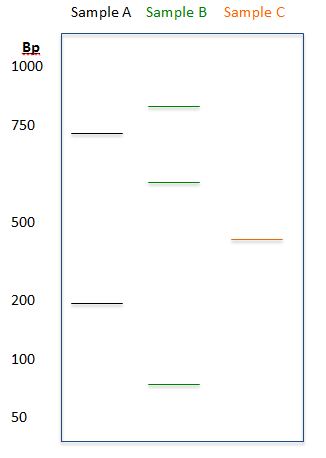
  1. Based on the diagram, determine the sizes (to the best approximation) of the DNA fragments for each of the samples:


electro1

Answer:

  • Sample A: 200bp, 700bp
  • Sample B: 90bp, 600bp, 875bp
  • Sample C: 400bp


L Noll Image_small

-LeAnne Noll, BS, MB(ASCP)CM is a molecular technologist in Wisconsin and was recognized as one of ASCP’s Top Five from the 40 Under Forty Program in 2015.