Hematopathology Case Study: An 80 Year Old Man with Rapid Onset Cervical Adenopathy

Case History

An 80 year old man presented with rapid onset of cervical adenopathy over a period of few months. The largest lymph node measuring 6 cm was biopsied and sent for histopathological evaluation.

Biopsy Findings

Sections from the lymph node showed effacement of the lymph node architecture by a fairly monotonous population of medium to large sized lymphoid cells arranged in vague nodular pattern. Focally, a starry sky pattern was observed. The cells were 1.5-2 times the size of an RBC, with high N:C ratio, irregular angulated nuclei and small nucleoli. A high mitotic rate of 2-3 mitoses/hpf was seen.

Immunohistochemistry

Immunohistochemical stains showed that the lymphoma cells were positive for CD20, CD5, SOX-11, and negative for Cyclin D1, CD10, CD23, CD30, BCL-1, and BCL-6. Ki67 index was about 70%.

Diagnosis

A diagnosis of Mantle cell lymphoma, pleomorphic variant was made.

Discussion

Mantle cell lymphoma is a peripheral B cell lymphoma, occurring in middle aged or older adults, with a male: female ratio of 7:1. Although Cyclin D1 expression is considered a hallmark of mantle cell lymphoma, yet about 7% cases are known to be Cyclin D1 negative. In these cases, morphological features and SOX-11 positivity helps in establishing a definitive diagnosis.

Differential Diagnosis

In the assessment of morphological features of lymphoma, the cell size is an important starting point. In this case, the lymphoma cells ranged from medium to large sized. The following differential diagnoses were considered:

  • Burkitt lymphoma

This case showed a “starry sky” pattern focally. A medium sized population of cells, high mitotic rate and a high Ki67 index (70%) favoured a Burkitt lymphoma. However, although commonly seen in Burkitt lymphoma, a “starry sky” pattern is not specific for this type of lymphoma. Also, the lack of typical “squaring off” of nuclei, basophilic cytoplasmic rim were against the diagnosis of Burkitt lymphoma. The nuclei in this case showed 0-1 small nucleoli, unlike the typical basophilic 2-3 prominent nucleoli of Burkitt lymphoma. Moreover, Ki67 index, even though high was not enough for Burkitt lymphoma where it approaches 100%. The cells were negative for CD10 and Bcl-6, which are almost always found in a Burkitt lymphoma. Hence, a diagnosis of Burkitt lymphoma was ruled out.

  • Diffuse Large B cell Lymphoma

The presence of interspersed large cells with nucleoli, irregular nuclei, high mitotic rate, and a high Ki67 index with a history of very rapid enlargement of lymph node suggested a diagnosis of Diffuse Large B cell lymphoma. However, the scant cytoplasm, lack of bizarre cells, and absence of CD10, BCl-2, BCl-6 were against a diagnosis of DLBCL.

  • Lymphoblastic lymphoma

A diagnosis of lymphoblastic lymphoma was favoured by the irregularly angulated nuclei, and presence of nucleoli. However, the cells of lymphoblastic lymphoma have a more delicate nuclear chromatin, higher mitotic rate as against the relatively condensed chromatin and the low to high variable mitotic rate of Mantle cell lymphoma. Also, lymphoblastic lymphomas are more commonly of the T cell subtype and occur commonly in younger individuals. In this case, B cell markers were positive (CD 20), and the patient was 80 year old, disfavouring a lymphoblastic lymphoma. The blastoid variant of mantle cell lymphoma is practically indistinguishable from lymphoblastic lymphoma, except that it is Tdt negative.

Cyclin D1 negativity in Mantle cell lymphoma

In the cases of Cyclin D1 negative mantle cell lymphomas, morphology plays a critical role in coming to a diagnosis of mantle cell lymphomas. In this case, points that favoured the diagnosis of mantle cell lymphoma were clinical features such as older age (80 years), and male gender, and morphological features such as a vaguely nodular pattern of growth, irregular nuclei, and 0-1 small nucleoli. Due to the presence of variably sized cells with distinct nucleoli, a pleomorphic variant was considered. Even though Cyclin D1 was found to be negative, the cells were positive for SOX-11.

SOX-11 is a transcription factor that is not normally expressed in B cells, but is sensitive and fairly specific for mantle cell lymphomas. It is important to note that SOX-11 is also positive in 25% Burkitt lymphoma, 100% lymphoblastic lymphoma, and 66% T-prolymphocytic leukemia. Herein lies the importance of recognising morphological features, as all of these lymphomas that may express SOX-11 were ruled on the basis of morphology. A more specific antibody, MRQ-58 may be used for greater specificity. The presence of SOX-11 is considered a specific biomarker for Cyclin-D1 negative mantle cell lymphomas. In these cases, there is upregulation of Cyclin D2 or D3 that may substitute for Cyclin D1 upregulation. But, immunohistochemical detection of Cyclin D2 or D3 is not helpful for establishing a diagnosis, as other lymphomas are commonly positive for these markers. Hence, it is important to perform SOX-11 immunohistochemistry to diagnose the Cyclin D1 negative variant of mantle cell lymphoma.

SOX-11 can be used not just for the diagnosis, but also for determining prognosis of mantle cell lymphoma. Indolent MCL usually lack SOX-11 expression. The pattern of SOX-11 staining has also been used a marker of prognosis. Cytoplasmic expression of MCl, seen in only a few cases was associated with a shorter survival as compared to the more common nuclear staining of SOX-11.

Conclusion

In this age, lymphoma diagnosis relies heavily on the use of immunohistochemical markers. However, this case highlights the importance of morphological features in diagnosing lymphomas with unusual immunohistochemical marker profile. Although, this case was negative for Cyclin D1, considered a hallmark of Mantle cell lymphoma, yet, the combination of morphological features with SOX-11 staining helped in clinching the diagnosis. To avoid a misdiagnosis, it would be prudent to perform SOX-11 staining in all lymphoma cases morphologically resembling MCL, but lacking Cyclin-D1.

-Swati Bhardwaj, MD has a special interest in surgical pathology and hematopathology. Follow her on Twitter at @Bhardwaj_swat.

–Kamran M. Mirza, MD, PhD, MLS(ASCP)CM is an Assistant Professor of Pathology and Laboratory Medicine, Medical Education and Applied Health Sciences at Loyola University Chicago Stritch School of Medicine and Parkinson School for Health Sciences and Public Health. A past top 5 honoree in ASCP’s Forty Under 40, Dr. Mirza was named to The Pathologist’s Power List of 2018 and placed #5 in the #PathPower List 2019. Follow him on twitter @kmirza.

Microbiology Case Study: A 40 Year Old Woman with Fever, Chills, and Leg Pain

Clinical History

A 40 year old African American female with a history of sickle cell disease presented to an outpatient clinic with fever, chills, and leg and back pain consistent with a sickle cell crisis. Her past medical history was also significant for asthma and seizures. She rated her pain as 10 out of 10, her vitals showed a temperature of 101.0°F, and she was also tachycardic and hypotensive. Her white blood cell count was 23.0 TH/cm2, hemoglobin 8.4 g/dL, hematocrit 26.0%, and platelets 619,000 TH/cm2. In clinic, she received pain medications and a fluid bolus, two sets of blood cultures were collected, and she was transferred to the emergency department for further work up.

Laboratory Identification

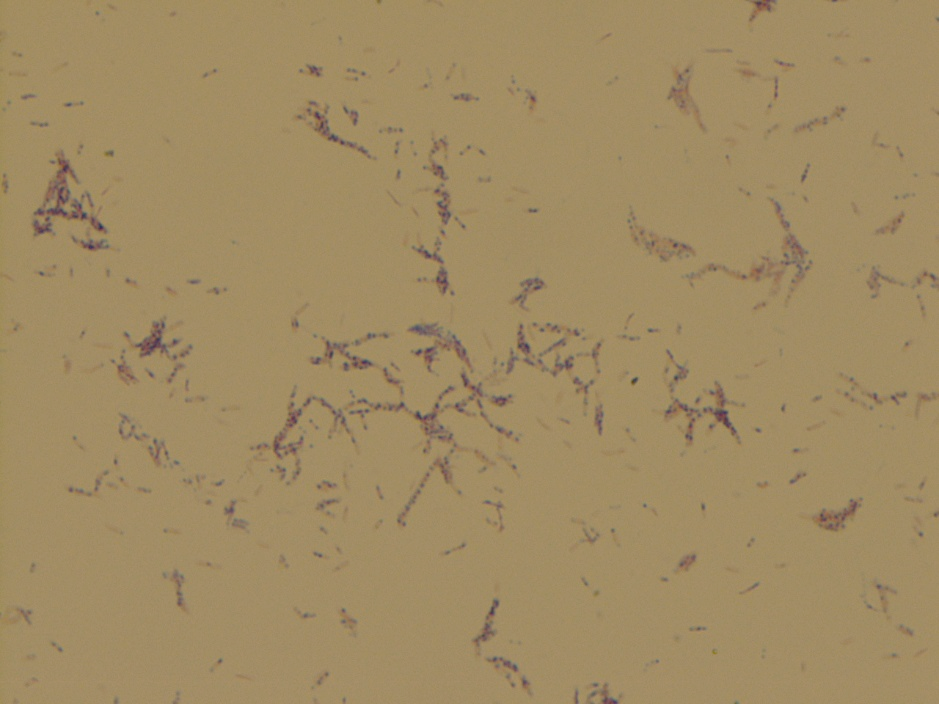
Image 1. Gram stain from a positive blood culture bottle showing small, gram positive budding yeast (1000x oil immersion).
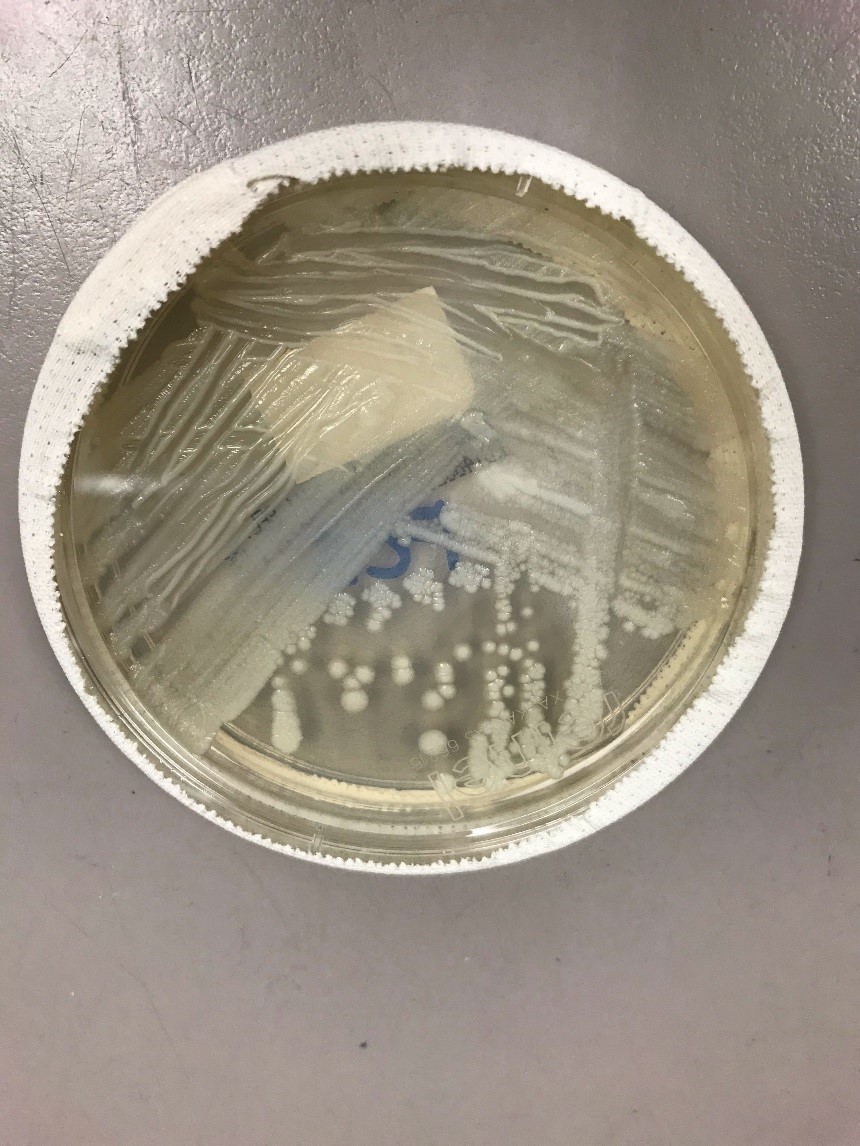
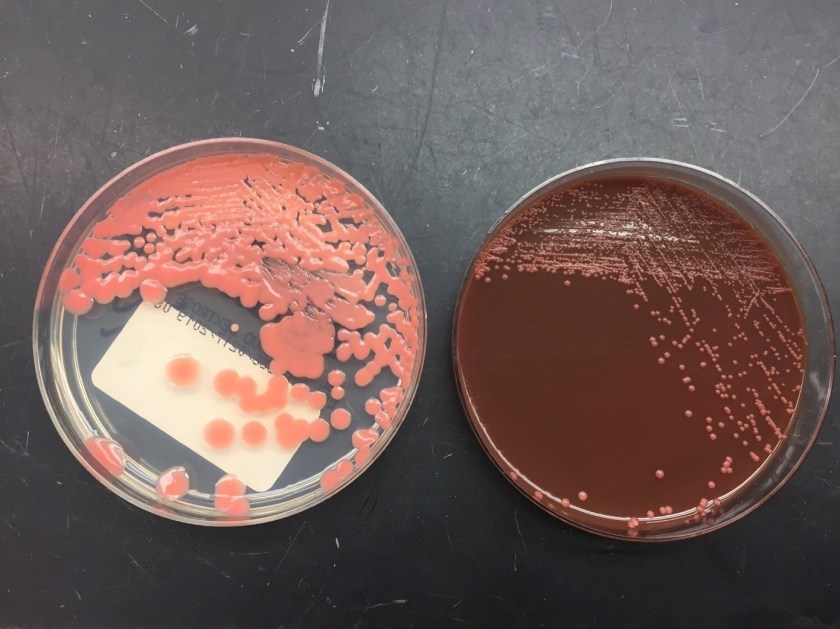
Image 2. A mucoid, salmon-colored yeast grew on Sabouraud dextrose and chocolate agars.

Blood culture bottles were positive after approximately two days on the automated instrument. The Gram stain showed small, gram positive budding yeast (Image 1). The BioFire FilmArray for blood culture identification was negative for Candida albicans, C. glabrata, C. krusei, C. parapsilosis, and C. tropicalis. At this time, she was started on micafungin for antifungal therapy. A mucoid, salmon colored yeast grew on both Sabouraud dextrose and chocolate agars (Image 2) and was identified by Vitek 2 as Rhodotorula spp.

Discussion

Rhodotorula spp. are basidiomycetous yeasts that make up the normal microbiota on moist skin and can be found in bathtubs and on shower curtains. Rhodotorula spp. are usually considered contaminants, but can rarely cause fungemia in patients with central lines, endocarditis, peritonitis, and meningitis, especially in those that are immunocompromised. R. mucilaginosa, R. glutinis, and R. minuta are the species commonly associated with human disease. 

In the laboratory, Rhodotorula spp. grow as a mucoid, salmon colored yeast within 1-3 days of incubation. On Gram stain or lactophenol cotton blue prep, the yeast is small and round to oval with multilateral budding. Pseudohyphae are not usually present. Rhodotorula spp. produce urease and fail to ferment carbohydrates. R. mucilaginosa is negative for nitrate assimilation. Identification can also be confirmed by commercial kits, automated systems, and MALDI-TOF mass spectrometry. Rhodotorula spp. are intrinsically resistant to echinocandins and fluconazole.

In the case of our patient, she was switched to intravenous amphotericin B after the identification of Rhodotorula spp. was made. Reference laboratory testing identified the isolate as R. mucilaginosa with high minimum inhibitory concentrations (MIC) to fluconazole and echinocandins. Amphotericin had an MIC of 0.5 µg/ml. She successfully completed a 14 day course with close monitoring of creatinine, electrolytes, and platelet count. Repeat blood cultures were negative and no other focuses of infection were found on CT scans, transthoracic echocardiogram, and ophthalmology exam.

-Lisa Stempak, MD, is an Assistant Professor of Pathology at the University of Mississippi Medical Center in Jackson, MS. She is certified by the American Board of Pathology in Anatomic and Clinical Pathology as well as Medical Microbiology. She is the Director of Clinical Pathology as well as the Microbiology and Serology Laboratories. Her interests include infectious disease histology, process and quality improvement, and resident education.

Hematology Case Study: Thrombocytopenia in a 4 Year Old Child

A 4 year old child was brought to the pediatrician by her mother with a complaint of new onset of severe bruising on her legs. The mother could not recall any falls or bumps that would have caused the bruising. On exam, the physician also noted mucosal bleeding in the oral cavity. Questioning revealed that the patient had experienced flu like symptoms several weeks earlier. The physical exam was normal except for the bleeding. There was no family history of bleeding disorders. A CBC was ordered.

Reported CBC Results

WBC, RBC, Hgb, Hct, RBC indicies normal

Platelet count 26 x 103/μL

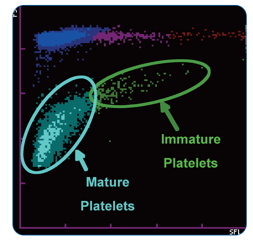
IPF 22% (reference range IPF% 1.0-7.0%) The physician evaluated the results, noting the normal CBC but decreased platelet count. The above results also show the immature platelet fraction (IPF), an additional Advanced Clinical Parameter reported from the Sysmex XN hematology analyzer. A low platelet count, as seen in this patient, will reflex a fluorescent platelet count (PLT-F). The impedance count (PLT-I) can be falsely increased if small RBCs or fragments are counted as platelets. On the other hand, in an optical platelet count, when measuring platelets by size (PLT-O), large platelets can be missed, giving a falsely low count. In this case there was a low platelet count and an instrument flag for an abnormal platelet scattergram. The PLT-F, on the other hand, uses a platelet specific dye which eliminates interference seen with other methods. The fluorescent dye labels the RNA, and forward scatter is used to determine size while side fluorescence is used to measure RNA content. With gating set based on cell volume and RNA content, the PLT-F can be measured. Therefore, the reflexed and more reliable PLT-F was the reported count.

Figure 1. PLT-F scattergram. The PLT-F channel measures forward scatter (FSC) on the Y axis and side fluorescence (SFL) on the X axis.1

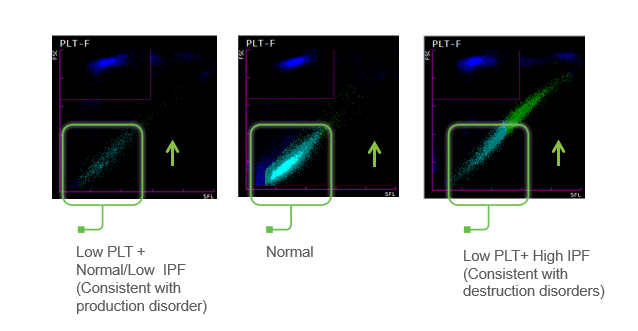
Additionally, when there is an abnormal scattergram or a low platelet count, the IPF% and IPF# are also reported. The immature platelet fraction is a measure of the youngest platelets, or reticulated platelets. These are the first circulating platelets, right out of the bone marrow. An increased IPF indicates an increase in platelet production, yet this child’s platelet count was very low. This suggests that the thrombocytopenia may be due to excessive destruction of platelets; the bone marrow was actively making platelets, but they were being destroyed, causing the low platelet count.

Figure 2. Platelet scattergrams from a healthy individual with a normal IPF (a) and a patient with a high IPF (b). Mature platelets appear as blue dots, green dots represent the IPF with increased cell volume and higher fluorescence intensity compared to mature platelets.1

Diagnosis

Immune Thrombocytopenia- ITP.

Primary immune thrombocytopenia (ITP), formerly known as idiopathic thrombocytopenic purpura or immune thrombocytopenic purpura, is one of the most common bleeding disorders of children. In most cases, it presents with sudden onset of bruising and petechiae in an otherwise healthy child, with normal WBC and hemoglobin. ITP is an autoimmune bleeding disorder in which the immune system makes anti-platelet antibodies which bind to platelets and cause destruction. Even though the exact cause of ITP remains unknown, it is recognized that it can follow a viral infection or live vaccinations. While there are some similarities between pediatric ITP and ITP in adults, in children this tends to be an acute disease which is self-limiting and resolves itself in several weeks, with no treatment. However, in a small number of children, the disorder may progress to a chronic ITP. In contrast to ITP in children, a chronic form is more commonly seen in adults. It is usually a diagnosis of exclusion, does not follow a viral illness and requires treatment.

This patient recovered in a few weeks. One month after the initial episode, her PLT was 174 x 103/μL and her IPF% was 6.0%

Conclusion

An IPF reported with a CBC, in combination with a low platelet count, is fast, inexpensive, and can be extremely beneficial in aiding in a timely diagnosis. As the child’s platelet count recovered, the IPF% returned to normal range. ITP can therefore be monitored with a CBC. Thus, the IPF can be used not only to help diagnose but also as an indicator of remission.

References

  1. Sysmex America, 2019. www.sysmex.com/us. Used with permission
  2. Arshi Naz et al. Importance of Immature platelet Fraction as a predictor of immune thrombocytopenic purpura. Pak J Med Sci 2016 Vol 32 No 3:575-579
  3. Briggs,C. Assessment of an immature plateletfraction (IPF) in peripheral thrombocytopenia. Br J Haematol 2004Jul;126(1):93-9
  4. Sysmex White Paper. The role of the ImmaturePlatelet Fraction(IPF) in the differential diagnosis of thrombocytopenia. www.sysmex.com/us
  5. D-Orazio, JA, Neely, J, Farhoudi,N. ITP in children: pathophysiology and current treatment approaches.J Pediatr Hematol Oncol.2013 Jan;35(1): 1-13

-Becky Socha, MS, MLS(ASCP)CM BB CM graduated from Merrimack College in N. Andover, Massachusetts with a BS in Medical Technology and completed her MS in Clinical Laboratory Sciences at the University of Massachusetts, Lowell. She has worked as a Medical Technologist for over 30 years. She’s worked in all areas of the clinical laboratory, but has a special interest in Hematology and Blood Banking. When she’s not busy being a mad scientist, she can be found outside riding her bicycle.

Microbiology Case Study: A 35 Year Old Female with Post-Op Drainage

Case History

A 35 year old female with a history of BRCA-positive breast cancer (status-post right radical mastectomy February 2018) underwent prophylactic left mastectomy and revision of right mastectomy. She received prophylactic clindamycin and cefazolin. She was discharged on post-op day 5 with bacitracin and 3 weeks of cefadroxil. She initially healed well. On post-op day 43 she noted drainage from the left incision site. At presentation she was afebrile.  There was a 3.0 x 2.0 cm area of induration and erythema on the right lateral aspect of her abdominal incision with seropurulent drainage. Incision and drainage was performed in office and a swab of the fluid was sent to microbiology. The initial gram stain and cultures were negative for bacteria. The patient was placed on sulfamethoxazole-trimethoprim and levofloxacin. At follow up 7 days later, another abscess was medial to the prior site was incised and drained. A swab of the fluid was sent to microbiology for bacterial and fungal cultures.

Laboratory Identification

Fungal cultures grew at 36 hours on potato-flake agar. Gram stain revealed gram-variable bacilli. Growth on 7H10 agar produced colonies at 72 hours, and Kinyoun staining was positive for acid-fast bacilli. Matrix assisted laser desorption ionization-time of flight mass spectrometry (MALDI-TOF) at 72 hours identified Mycobacterium abscessus complex.

Image 1. Growth on 7H10 agar.
Image 2. Gram stain from 7H10 agar showing gram variable bacilli.
Image 3. Kinyoun stain showing acid-fast bacilli.

Discussion

M. abscessus complex is a group of rapidly-growing, nontuberculous mycobacteria. As such they are acid-fast bacilli that grow within 7 days when transferred from solid media to solid media. The subspecies are M. abscessus abscessus, M. abscessus massiliense, and M. abscessus bolletii. The complex is known to cause progressive pulmonary disease in patients with underlying structural lung diseases. It has been estimated to comprise up to 13% of all mycobacterial pulmonary infections. It has also been implicated in skin and soft tissue infections (SSTIs) following surgical procedures or environmental exposure (i.e. spas). SSTIs can also occur by seeding from disseminated disease. Rarer manifestations include central nervous system (CNS) and ocular involvement. Identification is by culture and molecular techniques. It is classically resistant to many drug classes with limited consensus on appropriate therapy. It can harbor the erm gene, which confers inducible erythromycin resistance. Clarithromycin, amikacin, and cefoxitin tend to have the lowest rates of resistance. Long-term multidrug regimens are recommended, based on susceptibility testing. Changes to initial therapy are usually required due to side effects or lack of efficacy. Surgical therapy is often required, when possible. Mortality post therapy is approximately 15%.

At two-week follow up, the wound had no purulent drainage or erythema. The plan was for prolonged three-drug therapy tailored to susceptibility data.

  1. Griffith DE. Rapidly growing mycobacterial infections: Mycobacteria abscessus, chelonae, and fortuitum. Von Reyn CF and B A, eds. UpToDate. Waltham, MA: UpToDate Inc. https://www.uptodate.com (Accessed on May 21, 2019.)
  2. Lee MR, Sheng WH, Hung CC, Yu CJ, Lee LN, Hsueh PR. Mycobacterium abscessus Complex Infections in Humans. Emerg Infect Dis. 2015;21(9):1638–1646.
  3. Novosad SA, Beekmann SE, Polgreen PM, et al. Treatment of Mycobacterium abscessus Infection. Emerging Infectious Diseases. 2016;22(3):511-514.

-Jonathan Wilcock, MD is a 1st year anatomic and clinical pathology resident at the University of Vermont Medical Center.

-Christi Wojewoda, MD, is the Director of Clinical Microbiology at the University of Vermont Medical Center and an Associate Professor at the University of Vermont.

Microbiology Case Study: A 55 Year Old Male with Altered Mental Status

Case History

A 55 year old male presented to the emergency department (ED) with altered mental status (AMS). His past medical history includes stage 4 pancreatic cancer with known invasion into the distal splenic vein. Currently undergoing chemotherapy, his last infusion was one week prior to presentation. On physical exam, the patient is a cachectic male with dry mucous membranes, scleral icterus, hypotension (79/37), hypothermia (35o C), tachypnea (Respiratory Rate of 20/min) and tachycardia (pulse up to 130s). Initial labs were ordered including blood cultures and were significant for hypoglycemia (40mg/dL), pancytopenia, mild liver function test abnormalities, an ammonia level of 80 µmol/L and lactate of 11.2 mmol/L. It was concluded that the AMS resulted as a consequence of hypoglycemia. However, there was also concern for intracranial pathology vs. stroke vs. metastatic disease. Brain imaging showed no obvious lesion or mass. The cause of the hypotension was uncertain but could be a result of volume depletion or sepsis. Empiric vancomycin and cefepime were initiated in the ED. However, the patient decompensated, developing mid-abdominal and periumbilical ecchymoses suspicious for a retroperitoneal hemorrhage. Despite aggressive therapy, he expired in the ED.

Laboratory Identification

An anaerobic blood culture bottle flagged positive at 5 hours incubation. A gram stain showed large, boxy, gram positive rods without spores (Image 1). Brucella blood agar was inoculated and incubated anaerobically.  Following overnight incubation, the surface of the plate showed a subtle film of growth covering the plate and detectable hemolysis (Image 2). No discreet colonies were identified. A catalase test was performed and was negative. Definitive identification of Clostridium septicum was obtained by MALDI-TOF.

Image 1. Gram stain from the anaerobic blood culture bottle that flagged as positive following 5 hours of incubation. Boxy, large gram positive rods without spores are observed. Oil immersion photomicrograph (x100 objective).
Image 2. Brucella agar plate following 24 hours of incubation under anaerobic conditions at 35oC. Significant bacterial growth in a haze and detectable Beta hemolysis can be observed. No discreet colonies can be identified. Identification by MALDI-TOF was Clostridium septicum.

Discussion

Clostridium septicum is an anaerobic gram positive bacillus that can produce spores; however, spores are not frequently seen, especially in nutrient-rich environments. Spores, when present, are typically oval and located subterminally. Infection by C. septicum was once thought to be extremely rare, but improvements in anaerobic laboratory techniques have allowed for the discovery of the true potential of this agent. C. septicum is one of several bacteria that can cause myonecrosis (i.e., gas gangrene). Infections are typically seen in settings of immunodeficiency, trauma, surgery, malignancy, skin infections/burns, and septic abortions. The colon may promote the growth of C. septicum better than other anatomic sites due to its anaerobic conditions. As one of the more aggressive etiologies of gas gangreneC. septicum infection progresses very rapidly, with a mortality rate of approximately 79% in adults, typically occurring within 48 hours of infection. Symptoms of infection include pain, described as a heaviness or pressure that is disproportionate to physical findings, tachycardia, and hypotension. Tissue necrosis then causes edema and ischemia resulting in metabolic acidosis, fever, and renal failure. The carbon dioxide and hydrogen produced during the growth of the organism move through tissue planes, causing their separation, producing features characteristic of palpable emphysema (i.e., crepitus). This also results in a magenta-bronze skin discoloration and bulla filled with a foul-smelling serosanguinous fluid.

Four toxins have been isolated from C. septicum: the lethal alpha toxin, DNase beta-toxin, hyaluronidase gamma toxin, and the thiol-activated/septicolysin delta toxin. Alpha toxin causes intravascular hemolysis and tissue necrosis and is well known as the primary virulence factor of C. septicum

C. septicum derived gas gangrene has shown strong correlations with increased levels of malignancy. Patients with C. septicum infections may have an occult colon cancer or a tumor that has metastasized to the colon. C. septicum bacteremia is also associated with typhlitis (defined as inflammation of the cecum that can extend proximally into the terminal ileum or distally into the ascending colon), which can develop in patients with hematologic malignancy receiving chemotherapy. Because the organism may be harbored in the gastrointestinal tract, the organism may gain access to the bloodstream through the ileocecal region.

Therapy includes antibiotics and surgical debridement (with occasional amputation). For antibiotic selection, typical anaerobic coverage includes piperacillin/tazobactam, ampicillin/sulbactam, metronidazole or meropenem. Vancomycin is also effective. Susceptibility testing is not typically performed; moreover, the CLSI makes an annual antibiogram which can be used as a guide. 

Key points

  • C. septicum often has swarming growth that covers the plate surface.
  • Spontaneous myonecrosis with C. septicum bacteremia can be an indicator of possible occult colonic malignancy.
  • C. septicum can be associated with typhlitis in neutropenic patients with hematologic malignancy undergoing chemotherapy.

 References

  1. Smith-Slatas CL, Bourque M, and Salazar JC (2006). Clostridium septicum infections in children: a case report and review of the literature. Pediatrics 117(4): e796-e805.
  2. Alpern, RJ and Dowell, VR (1969). “Clostridium septicum infections and malignancy”. JAMA. 209: 385–388.
  3. Ballard, J, Crabtree, J, Roe, BA, and Tweten, RK (1995). “The primary structure of Clostridium septicum alpha-toxin exhibits similarity with that of Aeromonas hydrophila aerolysin”. Infection and Immunity. 63 (1):340–344.
  4. Sidhu JS, Mandal A, Virk J, and Gayam V (2019). “Early detection of colon cancer following incidental finding of Clostridium septicum bacteremia”. J Investig Med High Impact Case Rep. Jan-Dec;7:2324709619832050.
  5. Srivastava I, Aldape MJ, Bryant AE, and Stevens DL. (2017). “Spontaneous C. septicum gas gangrene: A literature review” Anaerobe. Dec;48:165-171

Xiang Xu, MD, PhD and Dominick Cavuoti, DO contributed to this case.

-Clare McCormick-Baw, MD, PhD is an Assistant Professor of Clinical Microbiology at UT Southwestern in Dallas, Texas. he has a passion for teaching about laboratory medicine in general and the best uses of the microbiology lab in particular.

Hematopathology Case Study: A 69 Year Old Male with Weight Loss and Generalized Lymphadenopathy

Case History

The patient is a 69 year old male who presented to the hospital with a 3-month history of drenching night sweats, weight loss, fatigue, and generalized lymphadenopathy. He also endorsed a very itchy rash all over his body. He denied smoking. There was no other relevant social or family history.

Physical examination confirmed diffuse lymphadenopathy, hepatosplenomegaly and a mild diffuse skin rash. Notably, there was a 2.5 cm level-1 lymph node palpated in the left neck. This was subsequently biopsied.

Biopsy

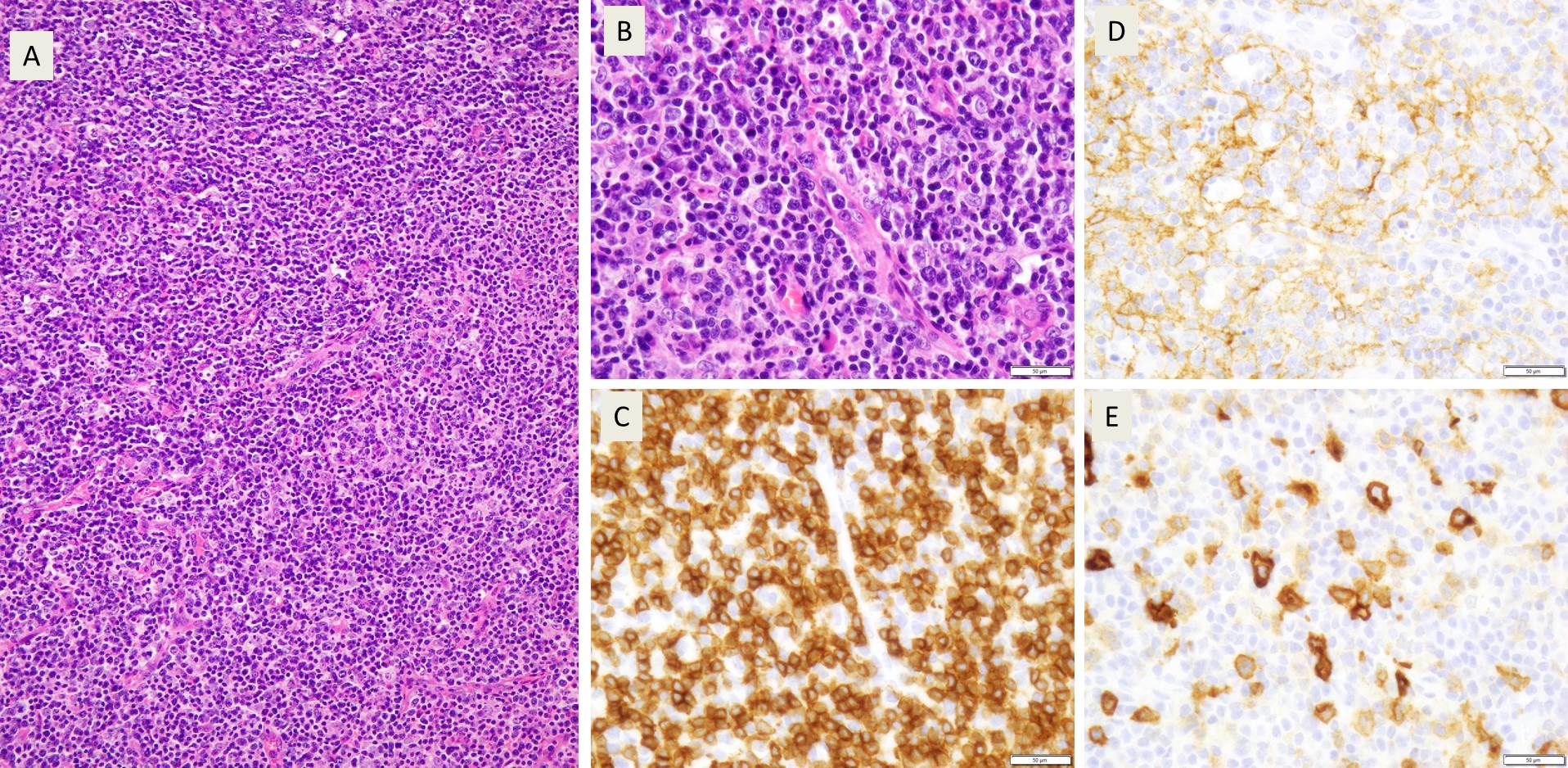
Biopsy of the level-1 neck lymph node revealed a 2.3 x 1.5 x 1.2 cm mass pink-tan and firm mass. Sectioning revealed a glossy white-tan cut surface. H&E staining revealed a polymorphic lymphocytic infiltrate of in the interfollicular zones. The infiltrating lymphocytes ranged from small to large cells with abundant cytoplasm, eosinophils, and plasma cells. There was also a notable increase in the number of high endothelial vessels lined by lymphocytes with irregular nuclear borders and clear cytoplasmic zones.

Image 1. Polymorphic infiltrate of small, mature appearing lymphocytes (A), with prominent blood vessels and clear cytoplasm (B). Most of these cells were CD3 positive T cells (C) with expanded CD21 positive FDC meshworks (D) and scattered CD30 positive immunoblasts (E)

Further characterization by immunohistochemical staining showed the majority of the interfollicular cells to be CD3 and CD5 expressing T cells. These were a mix of CD4 and CD8 positive cells but with marked CD4 predominance. CD7 appeared positive in a smaller population of T-cells compared to CD3 (consistent with loss of this pan-T-cell marker). Varying numbers of the interfollicular cells were positive for CD10, BCL-6, CXCL-13, and PD-1 with a strong positivity for ICOS, phenotypically consistent with an expansion of Tfh (T-follicular helper cell) cells.

Interspersed between the T cells were numerous CD20 positive cells with prominent nucleoli that also revealed CD30 positivity. CD21 staining revealed expanded follicular dendritic cell meshworks. EBER ISH was positive in a rare subset of cells. Kappa and lambda ISH showed an increased number of polytypic plasma cells.

Flow Cytometry showed the presence of a small population of T-cells that were CD4 positive but CD3 negative. There was no evidence of B-cell clonality. TCR-G PCR was positive.

A final diagnosis of Angioimmunoblastic T-cell lymphoma (AITL) was rendered.

Discussion

AITL is a relatively rare neoplasm of mature T follicular helper cells, representing about 1-2% of all non-Hodgkin lymphomas. It is; however, one of the more common subtypes of peripheral T-cell lymphomas, accounting for 15-30% of this subgroup. The condition was first reported in 1974 in Lancet as a non-neoplastic abnormal immune reaction1. It was first recognized as a distinct clinical entity in in 1994 in the Revised European American Lymphoma Classification2. The disease shows a geological preference to Europe (28.7%) over Asia (17.9%) and North America (16%). AITL occurs primarily in middle aged and elderly individuals and shows a slight predominance of males over females.

The disease has a strong association with EBV infection, but the neoplastic T-cells are almost always EBV negative, creating an interesting question of EBV’s function in the etiology of AITL. AITL most often presents late in the disease course with diffuse systemic involvement, including hepatosplenomegaly, lymphadenopathy and other symptoms such as rash with pruritis and arthritis. Lab findings include cold agglutinins, rheumatoid factor and anti-smooth muscle antibodies. There also tends to be immunodeficiency secondary to the neoplastic process. The clinical course of AITL is variable, but the prognosis is poor, with the average survival time after diagnosis being < 3 years. The histological features and genetic findings have not been found to impact clinical course.

Microscopically, AITL presents with either partial or total effacement of the normal lymph node architecture with perinodal infiltration. The cells of AITL are small to medium-sized lymphocytes with clear to pale cytoplasm, distinct cell membranes and very minimal cytological atypia. These cells often congregate around the high endothelial venules. The T-lymphocytes are present in a largely polymorphous inflammatory background of other lymphocytes, histiocytes, plasma cells and eosinophils. There are 3 overlapping sub-patterns of AITL. The first of these is similar to a reactive follicular hyperplasia, and can only be distinguished from normal hyperplasia by use of immunohistochemical stains to differentiate the neoplastic cells from normal reactive cells. The second pattern has retained follicles, but they show regressive changes. The third pattern has completely or sub totally effaced. These three patterns seem to be on a spectrum with one another, given that progression from the first to the third pattern has been seen on consecutive biopsies in the same patient.

Cytologically, AITL cells express pan-T-cell markers including CD2, CD3 and CD5 and the vast majority are CD4 positive. CD3 may be quantitatively decreased or absent by flow cytometry. There are a variable number of CD8 positive T-cells. The tumor cells also show the immunophenotyping of normal T follicular helper cells including CD10, CXCL13, ICOS, BCL6 and PD1 in 60-100% of cases. CXCL13 and CD10 are the most specific, whereas PD1 and ICOS are the most sensitive.

References

  1. Horne, C., Fraser, R., & Petrie, J. (1974). Angio-Immunoblastic Lymphadenopathy With Dysproteinemia. The Lancet, 304(7875), 291. doi:10.1016/s0140-6736(74)91455-x
  2. Harris, N.l. “A Revised European-American Classification of Lymphoid Neoplasms: a Proposal from the International Lymphoma Study Group.” Current Diagnostic Pathology, vol. 2, no. 1, 1994, pp. 58–59., doi:10.1016/s0968-6053(00)80051-4.
  3. Swerdlow, Steven H. WHO Classification of Tumours of Haematopoietic and Lymphoid Tissues. International Agency for Research on Cancer, 2017.
  4. “Angioimmunoblastic T Cell Lymphoma.” Pathology Outlines – PathologyOutlines.com, http://www.pathologyoutlines.com/topic/lymphomanonBAITL.html.

-Zachary Fattal is a 4th year medical student at the Central Michigan University College of Medicine. He is pursuing a career in pathology and has a special interest in hematopathology, cytopathology and blood bank/transfusion medicine. You can follow him on Twitter @Paraparacelsus.

Kamran M. Mirza, MD, PhD, MLS(ASCP)CM is an Assistant Professor of Pathology and Medical Education at Loyola University Health System. A past top 5 honoree in ASCP’s Forty Under 40, Dr. Mirza was named to The Pathologist’s Power List of 2018. Follow him on twitter @kmirza.
Microbiology Case Study: A 64 Year Old Post-Chemotherapy Female

Case History

A 64 year old female with metastatic left breast cancer, status-post chemotherapy, presented for erythema, discomfort, and oozing from her port site for approximately one month. At presentation she was afebrile. Her port site exhibited erythema and fluctuance. Her most recent absolute neutrophil count was 1910/cmm. Her port was removed, and a tissue specimen was sent for microbiologic examination.

Laboratory Identification

Gram stain showed neutrophils without bacteria. Aerobic cultures grew a beaded gram positive rod on blood agar at 36 hours. Kinyoun stain was positive for acid fast bacilli. Matrix assisted laser desorption ionization-time of flight mass spectrometry (MALDI-TOF) at that time identified Mycobacterium fortuitum group.

Image 1. Growth on 7H10 agar.
Image 2. Kinyoun stain showing acid fast bacilli.

Discussion

M. fortuitum is a group of rapid growing mycobacteria. Within the group is M. conceptionense, M. houstonense, and M. senegalense. The group comprises the second most-commonly isolated rapidly growing mycobacterial respiratory isolates in patients (after M. abscessus), generally those with underlying lung disease. Progressive pulmonary disease is generally not seen.  It has also been associated with skin and soft tissue infections (SSTIs), surgical wound infections, lymphadenitis, and catheter-related infections. It is seen in the environment and represents a common contaminant. Identification is by culture and molecular techniques. It is susceptible to many antibiotics (typically aminoglycoside, cefoxitin, imipenem, or levofloxacin). Therapy includes two agents based on susceptibility testing for 6 to 12 months. This is somewhat controversial in pulmonary disease as the clinical significance is not clear.

This patient is being treated through a peripheral IV. The chest port site at two weeks showed dehiscence of the wound with drainage. Susceptibilities are pending.

References

  1. Park S, Suh GY, Chung MP, Kim H, Kwon OJ, Lee KS, Lee NY, and Koh WJ. Clinical significance of Mycobacterium fortuitum isolated from respiratory specimens. Respiratory Medicine. March 2008;102(3):437-442.
  2. Sethi S, Arora S, Gupta V, Kumar S. Cutaneous Mycobacterium fortuitum Infection: Successfully Treated with Amikacin and Ofloxacin Combination. Indian J Dermatol. 2014;59(4):383–384.

-Jonathan Wilcock, MD is a 1st year anatomic and clinical pathology resident at the University of Vermont Medical Center.

-Christi Wojewoda, MD, is the Director of Clinical Microbiology at the University of Vermont Medical Center and an Associate Professor at the University of Vermont.

Microbiology Case Study: An 18 Year Old with Fever, Chills and Abdominal Pain

Clinical History

An 18 year old male presented to the emergency department (ED) with fever, chills, and generalized lower abdominal pain. He noted the fever began 6 days ago and had been intermittent since that time. He also reported nausea and vomiting with a decrease in appetite. The patient was from India and was treated for malaria 8 months ago, directly prior to arrival in the United States. He stated he received three days of intravenous medications with resolution of symptoms. In the ED, his vitals were blood pressure 129/75, heart rate 133, temperature 104.1°F, respirations 20, and 99% oxygen saturation on room air. On physical exam, patient had mild jaundice and scleral icterus and severe right lower quadrant pain on palpation. CT scan of the abdomen showed mesenteric adenitis, but no appendicitis. Initial laboratory testing showed a mild anemia and thrombocytopenia (hemoglobin 12.1 g/dL, hematocrit 35.9%, platelets 78,000 TH/cm2) and increased indirect bilirubin (2.67 mg/dL). The patient received piperacillin-tazobactam while blood and urine cultures as well as a malaria smear were pending.  

Laboratory Identification

The BinaxNOW lateral flow immunochromatographic assay for Plasmodium spp. was performed.

Image 1. The BinaxNOW assay was positive for malaria protein antigen, representing P. vivax, P. ovale, P. malariae, or a mix of these species.
Image 2. A thin smear showed amoeboid gametocytes in enlarged red blood cells as compared to uninfected cells (Giemsa stain, 100x oil immersion).
Image 3. A thin smear showed very rare trophozoites with thick chromatin bands and single, large chromatin dots (Giemsa stain, 100x oil immersion).

The positive BinaxNOW results and morphologic findings on smear review were most consistent with a P. vivax infection. The level of parasitemia was approximately 0.2%. Blood and urine cultures were negative.

Discussion

Malaria classically presents with fever and chills, weakness, headache, myalgias, nausea, and vomiting in patients who live in tropical and subtropical regions. The four most common species that infect humans through transmission by the female Anopheles mosquito include P. falciparum, P. vivax, P. ovale, and P. malariae. If malaria is not diagnosed and treated in a timely manner, complications including anemia, thrombocytopenia, renal failure, acute respiratory distress syndrome (ARDS), and cerebral malaria can result. P. falciparum is the most deadly species due to the parasite’s ability to cause high levels of parasitemia.  

In laboratories in the United States, malaria testing often times incorporates Plasmodium spp. antigen detection via the BinaxNOW assay and peripheral blood smears. While the performance of the BinaxNOW is acceptable, particularly for P. falciparum, thick and thin peripheral blood smears remain the gold standard for malaria diagnosis, especially when the parasitemia level is low. The thick blood smear allows for screening a large amount of blood for malarial parasites and the thin smear allows for species identification and assessment of parasitemia. Ideally, multiple blood smears obtained from different times of the day should be collected in order to exclude the diagnosis. The window prior to a febrile spike is the best time to obtain the specimen, as the number of circulating parasites is greatest.

Clinically, the most important distinction is between P. falciparum and all other species. A number of features including the morphology of the trophozoites, schizonts, and gametocytes, size of the infected red cells, the presence of multiply infected red blood cells, and the region that the patient lives in or traveled to are helpful in determining species level identification.

P. vivax infects enlarged, young red blood cells and multiple trophozoites may be present in one red blood cell. The trophozoites have thick, blue cytoplasm and usually one, large chromatin dot. The schizont can contain 12 to 24 merozoites and the gametocyte is large and oval in shape. Schuffner’s stippling and malarial pigment are common. It is important to correctly identify P. vivax and P. ovale as they have hypnozoite forms in the liver and patients can relapse unless they are treated with an additional medication to eradicate these forms.

In the case of our patient, he received chloroquine, the treatment of choice for P. vivax arising in India. Primaquine and tafenoquine are both options for eradication of the hypnozoite form in the liver. These medications can cause hemolytic anemia in patients with glucose-6-phosphate dehydrogenase (G6PD) deficiency so quantification of the enzyme is required prior to administering therapy. Our patient had normal G6PD levels and received tafenoquine as well. 

-Karla Perrizo, MD, is a clinical pathology resident at the University of Mississippi Medical Center.

-Lisa Stempak, MD, is an Assistant Professor of Pathology at the University of Mississippi Medical Center in Jackson, MS. She is certified by the American Board of Pathology in Anatomic and Clinical Pathology as well as Medical Microbiology. She is the Director of Clinical Pathology as well as the Microbiology and Serology Laboratories. Her interests include infectious disease histology, process and quality improvement, and resident education.

Microbiology Case Study: A 57 Year Old Man with Fever

Case History

A 57 year old male with a recent history of a left above the knee amputation developed a fever during the same admission of 101.1°F. His amputation had been complicated by poor wound healing, and he had a simultaneous right leg abscess that grew methicillin-sensitive Staphylococcus aureus. Examination of his wound showed serosanguinous drainage with no erythema or purulence. Blood cultures and a wound swab were sent for microbiological analysis.

Laboratory Findings Wound cultures grew methicillin-resistant Staphyloccocus aureus thought to represent colonization rather than true infection. Blood cultures flagged positive in one anaerobic bottle only at 30 hours. A gram smear showed gram-negative cocci (Image 1). Anaerobic blood plates grew pinpoint colonies (Image 2). MALDI-TOF identified the bacteria as a Veillonella species.

Image 1. Gram stain from anaerobic culture showing gram negative cocci.
Image 2. Growth on anaerobic blood plate.

Discussion

Veillonella species are gram negative cocci. They are lactate fermenting, obligate anaerobes and are considered normal flora of the intestines and oral mucosa. As such, they are usually regarded as a contaminant. They have, however, been implicated in osteomyelitis, prosthesis infections, and endocarditis. They are particularly associated with poor oral hygiene, chronic periodontitis, and smoking. They have important implications in dental disease due to their ability to form biofilms. They are frequently resistant to ampicillin and have also been noted to be resistant to tetracyclines in periodontal patients. Identification is done by molecular methods, typically MALDI-TOF. PCR has also been developed, but is not routinely used.

This was considered a contamination due the absence of symptoms and isolation in one bottle only. A follow up blood culture was negative. Routine wound care was resumed.

References

  1. Rovery C, Etienne A, Foucault C, Berger P, Brouqui P. Veillonella montpellierensis endocarditis. Emerg Infect Dis. 2005;11(7):1112–1114.
  2. Mashima I, Theodorea CF, Thaweboon B, Thaweboon S, Nakazawa F. Identification of Veillonella Species in the Tongue Biofilm by Using a Novel One-Step Polymerase Chain Reaction Method. PLoS One. 2016;11(6):e0157516. Published 2016 Jun 21.

-Jonathan Wilcock, MD is a 1st year anatomic and clinical pathology resident at the University of Vermont Medical Center.

-Christi Wojewoda, MD, is the Director of Clinical Microbiology at the University of Vermont Medical Center and an Associate Professor at the University of Vermont.

Surgical Pathology Case Study: A 6 Year Old Patient with Sudden Onset Abdominal Pain and a Worrisome Mass on Imaging

Case History

The patient is a 6 year old who developed abdominal pain 2 days prior to admission. The patient was in school when the abdominal pain began, resulting in the patient doubling over in pain. The pain resolved within 1 hour, however, because the initial presentation was an unremitting abdominal pain, the patient was taken to an outside hospital for evaluation. There was no vomiting, diarrhea, or constipation. On physical exam, the patient was very tender to palpation in the right lower quadrant and was unable to tolerate deep palpation. A computed tomography scan was subsequently ordered which showed a large mass in the pelvic peritoneum. The patient was admitted to surgery for an exploratory laparotomy, with resection of the pelvic mass.

Diagnosis

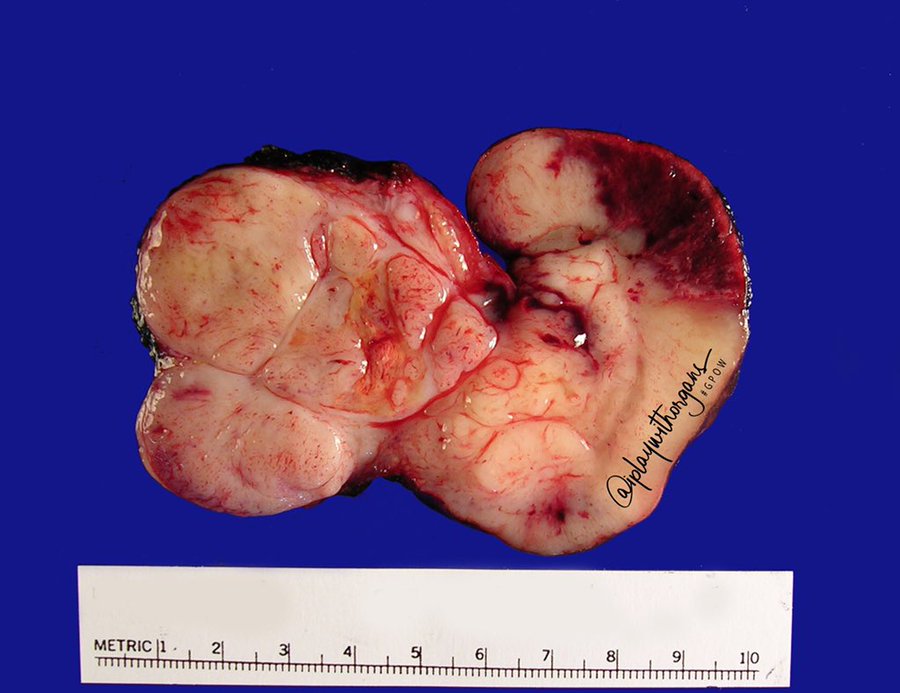
Received fresh in the Surgical Pathology laboratory is a 162.5 gm, 10.2 x 7.5 x 4.0 cm lobulated, ovoid mass of pink-tan, rubbery tissue that appears encapsulated by a thin translucent membrane. The margins are inked black and the specimen is serially sectioned revealing glistening, gray-tan soft tissue with focal areas of yellow discoloration and softening. Along one edge of the specimen, there is a 4.0 x 1.5 cm rim of dark red-brown, rubbery tissue (Figure 1). Portions of the fresh specimen are submitted in glutaraldehyde for electron microscopy if needed, RPMI for cytogenetics, and are snap-frozen as well. Touch preparations are also made and gross photographs are taken. Representative sections are submitted as follows:

Cassette 1-7:    Sections of mass including inked capsule

Cassette 8-10:   Representative sections from central portion of mass including areas of softening and discoloration

Cassette 11-13: Additional representative sections of the mass

Image 1. Cut surface of a gray-tan mass with yellow areas of discoloration and hemorrhage around periphery.

Histologically, the mass is composed of sheets and nests of small round cells along thin fibrous septa, giant multinucleated cells, and rare strap cells. Necrosis less than 5%. The margins are positive, although the specimen is unoriented. Venous and lymphatic invasion is absent. Immunohistochemical (IHC) stains are ordered and the results are listed below:

Positive IHC stains: Myogenin, desmin, CD56 and Bcl-2

Negative IHC stains: S-100, keratin AE1/AE3, CAM 5.2, SMA, CD99, Fli-1, WT-1, and EMA

In addition to the IHC stains, a portion of tissue was sent for cytogenetics testing, which showed a chromosomal translocation at t(2;13)(q35;q14). Based on the histologic appearance, IHC stains, and cytogenetic testing, the specimen was signed out as an alveolar rhabdomyosarcoma with a pathologic stageof pT2b, N0, MX.

Following the diagnosis, the patient was placed on a chemotherapy regimen of Vincristine, Adriamycin, Etoposide and Cytoxan, as well as radiation therapy.

Discussion

Rhabdomyosarcoma is the most common malignant soft tissue tumor in children and is the most common malignant solid tumor in children after neuroblastoma and Wilms tumor, accounting for 5-10% of all childhood tumors. 90% of these tumors occur in patients under the age of 25, and approximately 70% occur in children under 10 years of age. The most common locations of rhabdomyosarcoma are in the head and neck region, followed by the genitourinary system, extremities and then torso.

The 2013 World Health Organization classification of skeletal muscle tumors divided rhabdomyosarcoma into four types based on histology:

  1. Embryonal rhabdomyosarcoma (botryoides and anaplastic variant)
  2. Alveolar rhabdomyosarcoma (solid and anaplastic variant)
  3. Pleomorphic rhabdomyosarcoma
  4. Spindle cell/sclerosing rhabdomyosarcoma

Alveolar rhabdomyosarcoma (ARMS) accounts for approximately 20-30% of all rhabdomyosarcoma tumors, with no genetic predisposition. Although it is most common in teenagers, ARMS affects all ages. Most patients will present with a painless soft tissue mass, but based on the size and location of the mass, it may cause mass effect. A quarter of patients will have metastasis at the time of diagnosis, most commonly to the bone marrow, bones, and lymph nodes.

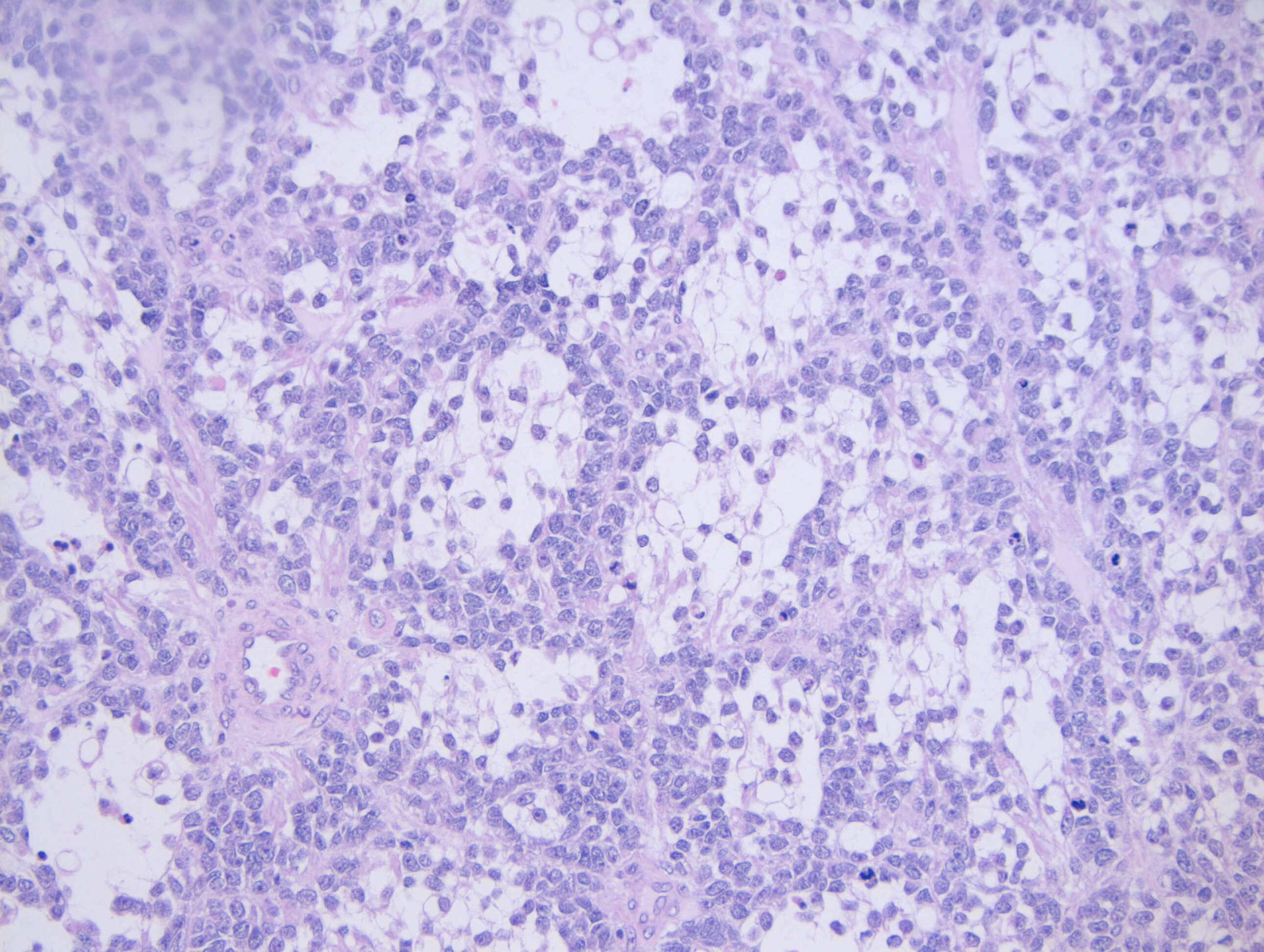
Grossly, ARMS presents as a solid, well-defined mass with a fleshy, tan-gray cut surface. Histologically, it is composed of small, blue, round cells and occasional round to spindle shaped rhabdomyoblasts. When compared to embryonal rhabdomyosarcoma, the rhabdomyoblasts in ARMS are slightly larger. ARMS is broken down into two subtypes: the classic subtype and the solid subtype. In the classic subtype, the tumor is composed of nests of cells that adhere to the edges of fibrous septa, resembling pulmonary alveoli (hence the name alveolar rhabdomyosarcoma). Multinucleated giant cells with a peripherally located nuclei may also be present. In the solid subtype, there will be nests and sheets of neoplastic cells that are separated by thin fibrovascular septa, but will not form in the classic alveolar pattern (Image 2).

Image 2. 20x photomicrograph demonstrating the neoplastic cells lining up along thin fibrous septa, giving the appearance of pulmonary alveoli

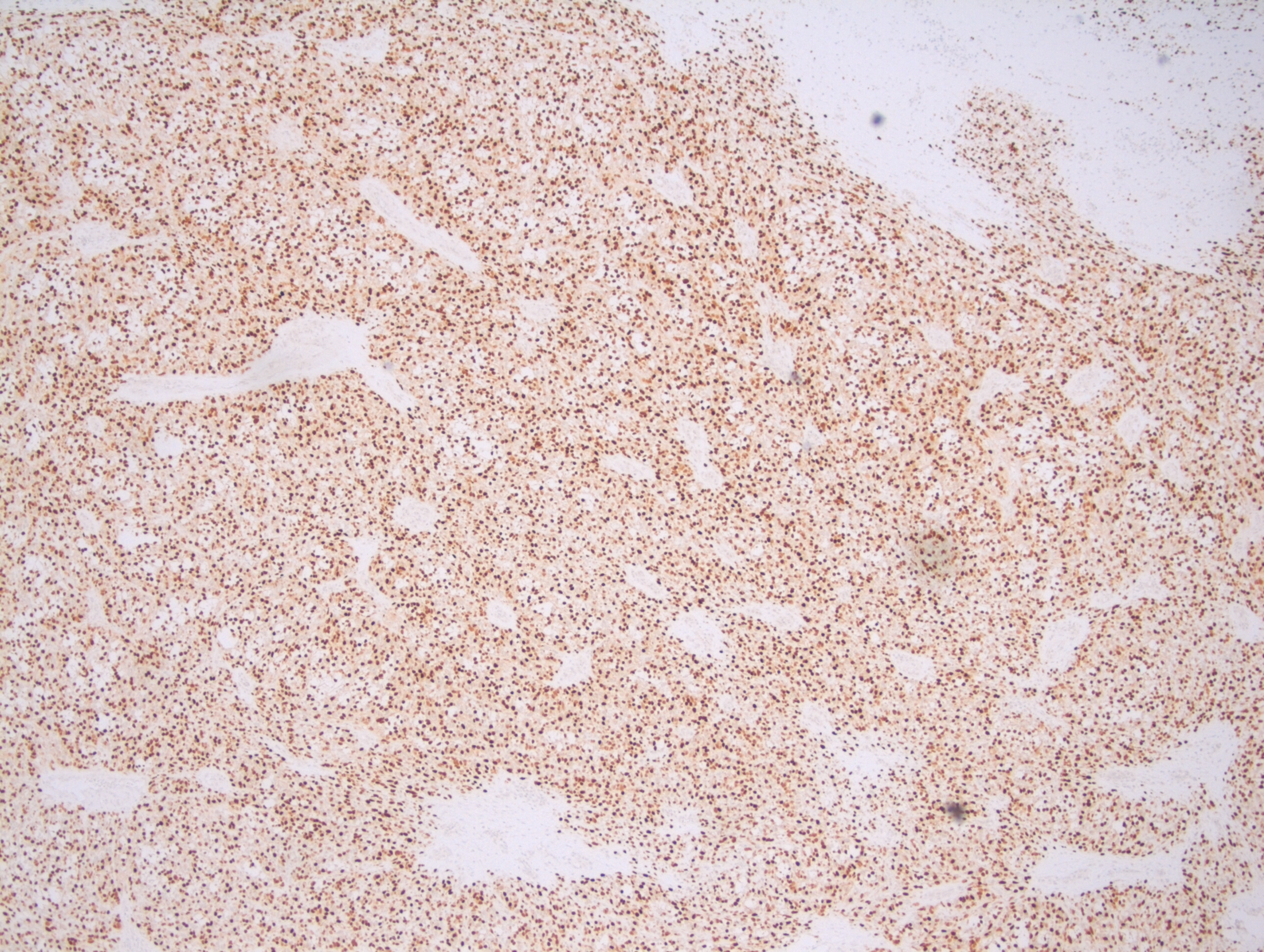
Due to the various appearances of rhabdomyosarcoma, it has become important to integrate immunohistochemical (IHC) stains and molecular testing into the diagnosis. The most common IHC stains that are used to determine the rhabdomyoblastic differentiation of a sarcoma is through the use of Myogenin and Myogenic differentiation 1 (MyoD1) stains, in which both stains will be positive in rhabdomyosarcoma. These two stains can be furthered used to help narrow down a diagnosis of ARMS because if more than 50% of the neoplastic cells express Myogenin, this is highly suggestive of a diagnosis of ARMS (Figure 3). In ARMS, the MyoD1 will have a variable expression. Additional positive IHC stains for ARMS can include: desmin, P-cadherin, and bcl-2.

Image 3. Myogenin IHC stain demonstrating a strong, homogenous expression

To go along with IHC stains, molecular testing has been shown to be affective with determining the type of rhabdomyosarcoma. There have been two translocations that have been identified in ARMS. The first is at t(2;13)(q35;q14), which results in a fusion of the PAX3 gene with the FOXO1 gene (previously known as the FKHR gene). This translocation is present in 60% of all ARMS cases, and has been found to occur mostly in older children and younger adults. The second translocation is at t(1;13)(p36;q14), which results in a fusion of the PAX7 gene with FOXO1, and is present in approximately 20% of all ARMS cases. The remaining 20% are fusion negative, and are associated with the solid subtype histologically. There is early preliminary data that shows a less aggressive disease course in patients with the PAX7-FOXO1 fusion, compared to those with the PAX3-FOXO1 fusion.

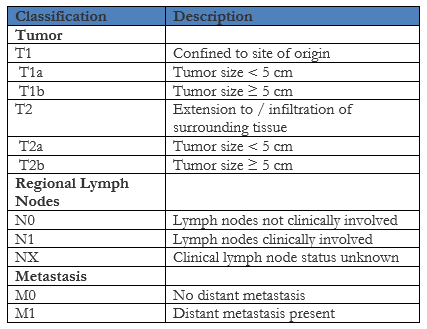
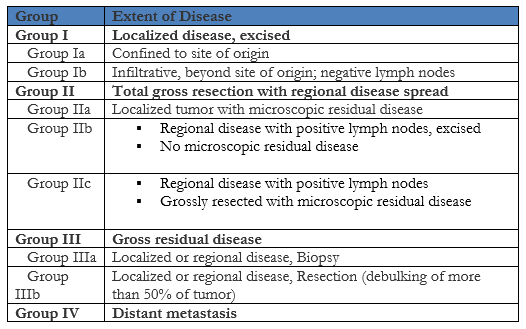
In order to determine the best treatment course, patients who are diagnosed with rhabdomyosarcoma are divided into a low risk, intermediate risk or high risk group based on the pathologic stage, clinical stage and clinical group. The pathologic stage is determined using the Pretreatment TNM Staging System that was set forth by the Intergroup Rhabdomyosarcoma Study (IRS) group (not the same as the TNM staging system put out by the American Joint Committee on Cancer) below:

The clinical stage is then determined using the TNM staging above and the Pretreatment Clinical Staging System below that is also put out by the IRS group:

In the above Clinical Staging System, a favorable site is defined as occurring in the orbit, biliary tract, head and neck region (excluding parameningeal) and genitourinary region (excluding prostate and bladder). Any other site not listed is considered unfavorable. Next, a clinical group is assigned based on the extent of the disease using the Clinical Grouping System below, which again is put out by the IRS group:

Lastly, based on the clinical stage and clinical group determined above, the patient is assigned a risk group of either low risk, intermediate risk, or high risk using the Children’s Oncology Group guidelines listed below:

When compared to embryonal rhabdomyosarcoma, which is the most common type of rhabdomyosarcoma, ARMS has a worst prognosis. The IRS group clinical group and stage can help to predict the overall outcome of the patient, with the standard treatment regimen composed of surgery, radiation therapy and chemotherapy.

References

  1. Dziuba I, Kurzawa P, Dopierala M, Larque A, Januszkiewicz-Lewandowska D. Rhabdomyosarcoma in Children – Current Pathologic and Molecular Classification. Pol J Pathol. 2018;69(1):20-32. doi:10.5114/pjp.2018.75333
  2. Liu H, Zhao W, Huang M, Zhou X, Gong Y, Lu Y. Alveolar rhabdomyosarcoma of nasopharynx and paranasal sinuses with metastasis to breast in a middle-aged woman: a case report and literature review. Int J Clin Exp Pathol. 2015;8(11):15316–15321. Published 2015 Nov 1.
  3. Owosho AA B Ch D, Huang SC Md, Chen S Mbbs, et al. A clinicopathologic study of head and neck rhabdomyosarcomas showing FOXO1 fusion-positive alveolar and MYOD1-mutant sclerosing are associated with unfavorable outcome. Oral Oncol. 2016;61:89–97. doi:10.1016/j.oraloncology.2016.08.017
  4. Ozer E. Alveolar Rhabdomyosarcoma. Pathology Outlines. http://www.pathologyoutlines.com/topic/softtissuealvrhabdo.html. Revised March 26, 2019. Accessed July 26, 2019.
  5. Rudzinski ER, Anderson JR, Hawkins DS, Skapek SX, Parham DM, Teot LA. The World Health Organization Classification of Skeletal Muscle Tumors in Pediatric Rhabdomyosarcoma: A Report From the Children’s Oncology Group. Arch Pathol Lab Med. 2015;139(10):1281–1287. doi:10.5858/arpa.2014-0475-OA
  6. Rhabdomyosarcoma Staging and Clinical Risk Groups. Stanford Medicine Surgical Pathology Criteria. http://surgpathcriteria.stanford.edu/srbc/rhabdomyosarcoma/staging.html. Accessed August 10, 2019

-Cory Nash is a board certified Pathologists’ Assistant, specializing in surgical and gross pathology. He currently works as a Pathologists’ Assistant at the University of Chicago Medical Center. His job involves the macroscopic examination, dissection and tissue submission of surgical specimens, ranging from biopsies to multi-organ resections. Cory has a special interest in head and neck pathology, as well as bone and soft tissue pathology. Cory can be followed on twitter at @iplaywithorgans.