ASCP Annual Meeting Call for Abstracts Now Open

The 2017 ASCP Annual Meeting is in Chicago, IL September 6-8. If you’d like to present your research at the meeting, the call for abstracts is now open. Summarize your work in 300 words or less and submit it through the online portal by March 20th, 2017.

Spread the word, and good luck!


Serotypes and Stereotypes: the Path to Pathology

Hello and welcome back! After a hiatus for the holidays, I’m now back at school and gearing up to write about more Arbovirus-related public health endeavors. But, with projects on hold until now, I’m going to briefly depart the world of mosquito source reduction and epidemiology to discuss something that relates to my experiences in medical school. If you read my Lablogatory bio, you’ll see I spent a number of years studying and working in some of Chicago’s great clinical laboratories. In the past decade, I’ve been very close to the field of pathology and laboratory medicine. As I reach the “half-way” mark in medical school now, I have become increasingly aware of the way people across healthcare professions and specialties view laboratory clinicians. One thing that stands out strikingly is, what I argue, a potential stereotype.

Let me tell you one of my pet peeves. As a medical student, I am fortunate enough to learn and work under the guiding hands of physicians, nurses, and other educators. I work my hardest to learn how to provide the best care possible as I learn the skills needed for my future practice. In debriefing from a simulation, a good performance might spark conversation which culminates to the paramount question: “Have you thought about a specialty?” My heart set on it for a while, I often remark “Pathology” before I correct myself to “Clinical Pathology” since I’ve learned to curtail jokes about autopsies. (Disclosure: autopsies are a very important part of medicine, and the number of autopsies have experienced an unfortunate downward trend.)

As a result of my AP/CP answer, many people are often surprised, citing that I’ve been “great with the patient(s).” So that begs the question: why does my current answer surprise people? And more importantly, what perpetuates the stereotype of an introverted, microscope jockey who doesn’t want to be near patients? Yes, hyperbole, but I’ll come back to this stereotype.

While I was stateside visiting family, I coordinated some clinical shadow time with a colleague and alumnus of my medical school in her pathology residency at University of Alabama at Birmingham (UAB). I spent time rounding with their teams in derm-path, watching sign-outs for endless cases, and getting up close and personal with autopsy training with another pathology resident. Each interaction with the faculty and staff were familiar and expected—full of enthusiasm and passion about their respective field of research or clinical work. What struck me as special, however, was that I was neither questioned for my motives in seeking pathology as a specialty, nor did I surprise anyone by being social and amicable. Everyone was quite sociable and proud of their work. My interactions were limited to the anatomic and clinical pathology departments so I suspect there may have been some bias. When I was a medical laboratory science student, I recall working with other disciplines, and, though I may have been in a nascent time in school to notice any stereotypes, they became clearer as I progressed through various jobs across the city. Large trauma centers, small community hospitals, even a shadow stint at the Cook County Medical Examiner’s Office, all taught me valuable lessons on varied scope and different professional perspectives. And all the while, people seemed surprised I would be interested in such a misunderstood specialty.

On Lablogatory, I’ve enjoyed just about every post and one of my favorites is a series by Dr. Lori Racsa, “Lonely Life of a Clinical Pathologist.” Dr. Racsa discussed things about laboratory medicine I had observed in my time as a medical laboratory scientist: the critical role of pathologists on committees, the value of built-in mentorships, the [aforementioned] mystery about the particularities of the job to clinicians and laypeople alike, and the value of technologists like myself! One of the most poignant posts she wrote addressed the potential for a clinical pathologist to round with other “floor” clinicians. That was something I thought I’d dreamed up in my ambition to go to medical school, blazing a trail in Path where I could put some cracks in that stereotype. Dr. Racsa cited a great article from Critical Values by Dr. H. Cliff Sullivan where he recommended pathologists become more actively involved with fellow clinicians to directly improve patient outcomes. Having freshly attended several events at the ASCP National Meeting in Long Beach just prior to his article, I rode a wave of his “rally call” for changing the face and accessibility of pathology as a specialty. I saw myself in both his and Dr. Racsa’s stories of interdisciplinary teams, rounds, and committees and I’ve been excited ever since.

Back to that stereotype. Those articles about pathologists’ roles in medicine reflect a distinct lack of visibility to fellow colleagues. While we all recognize that nearly 100% of cancers are lab-dependent diagnoses and 70% of patient records are tied to diagnostic laboratory data, why are nearly half the residency spots for Pathology in the US National Resident Matching Program unfilled for the past few years? According to recent surveys by the American Medical Association, Pathology has one of the lowest relative rates of physician burn-out compared to other specialties. Pathologists are earning within 15% of the average physician income, with one of the highest relative satisfaction scores to match. So with lifestyle and career quality reporting positive values, I would argue that the seeming lack of interest stems from the possible lack of exposure of pathology as a dynamic field. The stereotype I’ve been talking about might also be one of attrition—“out of sight, out of mind.” Some great pieces of work on Lablogatory focus on promoting the value of laboratory medicine as an integral part of any patient’s care. Just recently, Dr. Sarah Riley discussed CO poisoning and public health, while her bio calls for “bringing the lab out of the basement and into the forefront of global health.” I feel close to that cause myself, hopefully made evident in my previous posts. Stay tuned for next month’s where I’ll be discussing the next steps in our public health project on Sint Maarten. After celebrating a successful 2016 effort presented by the Ministry to the Global Health Securities Agenda, our team has a number of projects lined up to demonstrate effective integration of lab medicine, epidemiology/public health, and social outreach.

A friend and mentor once told me to keep a completely open mind about my medical career and let whatever specialty fits best “find me,” so to speak. I couldn’t have asked for more sound advice. I’ll admit I have my biases and comfort zones, and for now that’s what they’ll remain. In this post, I had hoped to shine some light on the disparities in career reputation between pathology versus other disciplines. Is the stereotype founded in any truths I may have missed? Don’t pathologists have the social tact to work up and down the ladder, working with lab assistants to government health officials? Have you ever been challenged for your career choices in pathology? What reasons do you think contribute to the stereotypes I mentioned? What words can you offer students like me just starting to find a foothold in their newfound careers in medicine?

Leave your comments below! Thanks!


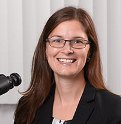
ckanakisheadshot_small

Constantine E. Kanakis MSc, MLS (ASCP)CM graduated from Loyola University Chicago with a BS in Molecular Biology and Bioethics and then Rush University with an MS in Medical Laboratory Science. He is currently a medical student at the American University of the Caribbean and actively involved with local public health.

Lonely Life of a Clinical Pathologist: Thank You

I wanted to say thank you to everyone who has left comments on my past posts and shown encouragement to the topics discussed. I will be taking a break from blogging but wanted to encourage everyone in the clinical pathology field to keep up the hard work of patient care behind the scenes. I hope you can be ambassadors of laboratory services and help influence the care of patients in positive ways throughout the hospital systems you work in.

In lieu of a holiday card, I wanted to sign off blogging with a meme for all clinical pathologists out there:

clin-path-meme


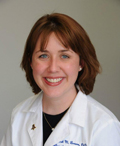
racsa_small

-Lori Racsa, DO, is the director of microbiology, immunology, and chemistry at Unity Point Health Methodist, and a Clinical Assistant Professor at the University Of Illinois College Of Medicine at Peoria. While microbiology is her passion, has a keen interest in getting the laboratory involved as a key component of an interdisciplinary patient care team.

The Lonely Life of a Clinical Pathologist: Finding a Mentor

Over the last few blog posts I have spoken about my involvement in the laboratory and hospital to find other people interested in clinical pathology. While this has helped fuel my passion for laboratory medicine, one of the issues that made me feel the loneliest was the responsibility I felt as a new pathologist and not having someone to help share that burden.

As a pathology trainee I saw several new pathologists start their positions in microbiology, hematology, and even anatomic pathology. They always seemed to be cool, calm, and collected (unless they were running around trying to get their research published).  What I did not focus on was that they also had a built-in mentor (the experienced pathologist) who was there to discuss a tough case or help them make a difficult decision.

When I took a community practice based job I was immediately entrenched in a decision making role. The sense of responsibility I felt to our patients, and making sure those decisions affected care in a positive way, was more overwhelming than I expected. The decisions included items such as which instruments to bring into the lab, when to report certain isolates, and even how to handle irate clinicians about the way we report our results. Every time I encountered a new situation I had not experienced first-hand in residency, I wanted to run my approach by someone to make sure it was the right way of doing things. I had one mentor I am pretty sure I texted every day the first two weeks of my job (thanks Dr. Lars Westblade!) for every single technical question that came up in microbiology. While it may seem excessive, it was the only thing that gave my decision making confidence at that time.

As the year went on, other mentors from training were also there for me, but I realized I needed a mentor on site that I could run major decisions by, as they understood the environment I was in more than my training mentors could. I was hesitant to seek advice from my bosses, as I was hired for my clinical pathology expertise, but as I reached out for guidance, I came to find the senior pathologist could guide me in the politics of my current situation while I could make decisions on the technical background. I can now see that having a senior pathologist with a wealth of information on how to handle situations and clinicians has been invaluable to the start of my career. The wisdom imparted has given me direction and experience in making decisions that residency could not fully prepare me for, such as handling physicians not happy with aspects of the lab or employees who did not want to perform tasks I asked of them.

Beyond individual mentors, another area that helped me with technical aspects of my job has been belonging to clinical pathology societies. American Society for Microbiology has several different list-serves you can post questions and get answers back from experts all over the country and world. The American Association for Clinical Chemistry has a board called “The Artery” that you can also post questions to and experts will answer. These formats have been priceless when seeking advice on certain topics literature does not seem to cover and are examples of why belonging to professional societies really bolsters your career.

As the year has progressed and I have made one decision after the next, my confidence has been built up so that I don’t have to discuss every decision with my mentors; that being said, I still have them on speed dial. While I think that responsibility is one area that residency was not able to fully prepare me for, I can see that it is a work in progress and one aspect of my job that will continue to motivate me to be the best I can be and make the best decisions for our patients.

Now to hear from you: did responsibility overwhelm you your first year of practice? How do you utilize mentors and professional societies to help approach unique and new situations?


racsa_small

-Lori Racsa, DO, is the director of microbiology, immunology, and chemistry at Unity Point Health Methodist, and a Clinical Assistant Professor at the University Of Illinois College Of Medicine at Peoria. While microbiology is her passion, has a keen interest in getting the laboratory involved as a key component of an interdisciplinary patient care team.

The Lonely Life of a Clinical Pathologist: Joining Committees

My first rotation in pathology was at a smaller community hospital; one of the pathologists there used to say, “If you aren’t at the table, you’re on the menu.” I’m not sure the source of this quote, but his point was  good pathologists are involved with different committees in the hospital system, not only to contribute to the well-being of the institution, but to let them know how the laboratory could be of assistance, or if the items they were discussing were not feasible from the laboratory standpoint. This also ensured that any decisions made did not negatively affect the laboratory.

When I started working as a pathologist, it felt like before I could even put my bag down the microbiology coordinator was introducing me to the infection control nurse, whom requested I be a part of the infection control committee. My original plan had been to ease into my position and not over-commit myself, rather just observe the first year and then decide where I could best be utilized and dedicate my focus outside the lab. However, I figured infection control would be a great place to talk microbiology so I went to the meeting and was added to the members list that day. The involvement in this committee has led to some great relationships and changes in our labs. The infection control staff had a difficult time with our C. difficile assay since it was performed as a batch test, leaving their patients in isolation for up to 24 hours after submitting specimens. By attending these meetings I was able to see how the lab could implement a change and we brought in a different assay that had random access for C. difficile. This helped improve patient care, and strengthened the relationship between infection control staff and the laboratory. Since that time, I have gotten involved in a couple of other in-house committees on an ad-hoc basis. The involvement has allowed me to actively participate in other areas of the hospital and make connections with staff and physicians to see how the lab can best serve our patients.

In addition to the in-house committees, I was asked to participate in corporate laboratory service group that includes members of each corporate affiliate in our system. This committee discusses laboratory issues that affect the corporate system as a whole and has a sub-committee for test utilization.  This committee was very active in laboratory utilization and gave me great information and a strong foundation to start from on how our own institute could implement some of these standards. For instance, there was a drive to remove sedimentation rates from most order sets and replace with CRP. This topic gave me a purpose to interact with other clinicians within our institution and talk about how these changes will affect lab results, ultimately the care of their patients, and get everyone on the same page.

While my year of ease and observation did not become a reality, the mentor I had in medical school’s advice did. Being involved with these committees has really shown me that by being at the table as a laboratory representative, we have a voice for how issues will affect patient care.

How about you – what has been the best committee you have gotten involved with? How are you sitting at the table? I look forward to hearing how others have been the voice for the laboratory.


racsa_small

-Lori Racsa, DO, is the director of microbiology, immunology, and chemistry at Unity Point Health Methodist, and a Clinical Assistant Professor at the University Of Illinois College Of Medicine at Peoria. While microbiology is her passion, has a keen interest in getting the laboratory involved as a key component of an interdisciplinary patient care team.

Local is Global

The words “global health” usually triggers thoughts of exotic diseases in exotic locales. But, we should remember that “global” includes our own backyard! Public health and clinical laboratories and lab professionals in the US play an important role in global health efforts, just as labs and lab initiatives in remote, resource poor areas. Labs are important for healthcare at local, national, and international levels. Without labs, we risk antimicrobial resistance, spread of infectious diseases, environmental exposures, and inadequate management of chronic non-communicable diseases like diabetes.

Despite their significant role in healthcare, our labs at home face funding and staffing challenges. It is estimated that 7,000 medical technologist positions need to be filled annually, and only 6,000 are produced each year. The number of training programs have decreased by 15% since 1990. CMS has recently announced that a bachelor’s degree in nursing is equivalent to a degree in biological sciences required to perform high-complexity testing. While nursing education provides invaluable medical knowledge, it does not include in-depth scientific study of principles behind laboratory testing and technology.

Both clinical and public health labs in the US are facing financial challenges. Public health labs, especially, have functioned on minimal budgets for several years. With these challenges, maintaining status quo can be difficult let alone scaling up activities when needed for managing crises. We see this play out with the Zika virus. The CDC has already spent 87% of funding allotted for Zika. State public health labs are worried about their ability to continue to meet routine needs while scaling up to be able to perform Zika testing. The FDA recommendation for screening donated blood products puts additional burden on laboratories and blood banks.

The reason we don’t think of our own backyard when we hear “global health” is because we don’t have as many of the exotic diseases seen in other locales. This is in large part because we do have quality laboratory systems in place. While in the field, comments such as “I had no idea pathologists did this much” have been made to me. As lab professionals we need to advocate for laboratory medicine, at home and abroad.


Sarah Brown Headshot_small

-Sarah Brown, PhD, DABCC, is an Assistant Professor of Pediatrics and Pathology and Immunology at Washington University in St. Louis School of Medicine. She is passionate about bringing the lab out of the basement and into the forefront of global health.  

The Lonely Life of a Clinical Pathologist: Rounding with the Clinical Care Team

A recent article in Critical Values by Dr. H. Cliff Sullivan (Claiming Our Seat at the Cool Kid’s Table: A Rallying Call to Pathologists) discussed how pathologists can be a part of the clinical care team but it is a hard job to complete when we are isolated to our offices or laboratories. One of the recommendations by Dr. Sullivan was to engage fellow clinicians in whatever way we can as pathologists. For this blog post I want to talk about one task in particular that has allowed me to be involved with clinicians: clinical Rounding.

When I first started my job, the most senior pathologist and critical care chair asked that I round in the intensive care unit once a week with the clinical team, consisting of nurses, mid-level providers, residents, pharmacists, and attendings . I am sure my face conveyed my baffled thoughts: what could I offer by rounding in the ICU and more importantly, how will I have time for that? However, being a new pathologist, who was I to say no to my boss and the ICU chair? I might be bold on occasion, but not that bold. The first day I arrived for rounds (still wondering what I would be doing, hoping they would not ask a question I did not know the answer to) a question came up about a susceptibility report: the mid-level provider did not understand how an isolate could be resistant to piperacillin but susceptible to piperacillin/tazobactam. It was a perfect way to impart pathology knowledge to the clinical team. As I continued to round on a weekly basis, question after question would come up – what does it mean if an HSV PCR is negative in a cerebrospinal fluid; why are peripheral smears not reported out at certain times; what does this new LIS Sunquest do differently and why is it so slow; what do you think about an alpha-fetoprotein level of 27; what is the mechanism of ADEM? These questions were sometimes very easy to answer and at other times I needed to do more investigation. In addition to answering questions on rounds, these times spent in the ICU have built up relationships; it puts a face on the name of the laboratory and has allowed the team members to reach out to me on different occasions even when I am not “rounding.”

Over the past year I have found that this one undertaking that I was so uncertain of how I could contribute to has now been one of the constant reminders of why I chose clinical pathology as a profession. While these clinical team members might not understand what I do on a daily basis, they all have one goal in mind: providing the best patient care. I like the role of being a consultant and being able to contribute to medical discussions and I have always known that laboratory results can define patient care but attending these rounds has given me first-hand experiences of how the laboratory truly affects patient care. It has been apparent through these interactions how important it is to have someone involved on the patient care team that understands the laboratory and can shed light about why the assay the provider wants to run may or may not be appropriate or why interpreting specific test results based off other confounding factors is so vital. While being a clinical pathologist may be lonely in the fact few people perform my exact job, however being involved with the clinical care team absolves that loneliness and has reminded me that each role has their place in medicine.

Now to hear from you – how do you interact with clinicians outside of the lab? Have you found a way to round with other interdisciplinary teams and if so, what has been the best approach?

Thanks for reading!


racsa_small

-Lori Racsa, DO, is the director of microbiology, immunology, and chemistry at Unity Point Health Methodist, and a Clinical Assistant Professor at the University Of Illinois College Of Medicine at Peoria. While microbiology is her passion, has a keen interest in getting the laboratory involved as a key component of an interdisciplinary patient care team.

In Regards to Laboratory Medicine, Is Nursing a “Biological Science?”

The Centers for Medicare & Medicaid Services (CMS) think so.

Recently, the American Society for Clinical Pathology (ASCP) alerted its members to this action. From the email:

“On April 1, CMS announced that “an associate’s or bachelor’s degree in nursing is equivalent to an associate’s or bachelor’s degree, respectively, in biological science”—seemingly declaring that individuals with a nursing degree are potentially as qualified to perform advanced testing as certified laboratory professionals. It also appears that CMS’s position could allow individuals with as little as a bachelor’s degree in nursing to direct a CLIA moderate complexity laboratory and/or serve in senior supervisory roles within a CLIA high complexity laboratory. Since the Clinical Laboratory Improvement Amendments (CLIA) of 1988 doesn’t specifically require clinical training of individuals with a degree in biological sciences, CMS’s new policy exempts individuals with a bachelor’s degree in nursing from any specific training requirement prior to performing high complexity testing for diagnostic purposes.”

ASCP is urging the laboratory community to ask CMS to reconsider its position that nursing is a biological science for purposes of performing laboratory testing by signing this petition.


Challenges in Transgender Healthcare

Transgender healthcare is a topic that doesn’t get a lot of attention. Healthcare providers receive little to no formal training in this area, and this population is one of the most under served groups in the United States. The authors of the recent Lab Medicine paper Challenges in Transgender Healthcare: The Pathology Perspective wrote a blog on this topic for Oxford University Press. Check out obstacles in transgender healthcare to learn some of the issues providers and patients face.

The Lonely Life of a Clinical Pathologist: Rounding in the Lab

As I mentioned last month, a big part of my job has been to do daily rounds through the lab to seek out areas that need troubleshooting. One point I noticed was technologists don’t always see the impact of their work on patient care. I wanted to make sure they knew the importance of their work so I decided to incorporate education as a tool to highlight how their work directly affects patient care. Each section of the laboratory has their own ways of communicating so I have done something a little different in both labs.

In the microbiology section, I started a weekly “formal” microbiology rounds with the infectious disease doctors, the pharmacists, and the technologists. While I saw this rounding at both of my training institutions, there were held in different styles. In one, the infectious disease team rounded through the lab and asked the techs questions about their patients; in the other, the team discussed interesting case around a microscope.  I decided to take a combined approach:  we meet in the lab at the microscope so the techs can work if needed yet still be a part of the discussion. The techs save interesting cases that have come up over the last week or so and we show the rest of the team. It usually involves discussing organism identification methods as well as the disease process associated with the organism. This has given the techs the chance to ask the physicians and pharmacists questions about the patient isolates they have worked on directly. In addition, it has given them the opportunity to ask why physicians order certain tests. The pharmacists have added so much to these rounds and it has been nice to see a collaborative effort between multiple areas of the patient care team come together and talk about why things are done and the outcome of the patient based on laboratory results.  It demonstrates to everyone that each member of team is passionate about patient care.  In order to bring some of this knowledge to the second shift staff that performs microbiology processing, I save one or two interesting cases from rounds and present a quick rundown of what the bug is and how it is identified in the lab so they can see how their work is completed the next day.

For chemistry and immunology, the laboratory team has a monthly meeting. At each of these meetings, I run through a formal case presentation based off interesting cases the techs have come across or have had questions on specific disease processes related to the laboratory work they are performing. The topics have ranged from beer potamania (that got a lot of discussion!) to what polymerase chain reaction is. It has been another approach to show the technologists how their work directly impacts patient care and they have really enjoyed it.  The goal is to bring clinicians into these discussions, as well, but that has not been as easy for these meetings. We have been able to bring a pharmacist in to discuss vancomycin trough levels and why draw times are so specific. It really helps having other departments reach out to the laboratory staff to let them see why policies are structured the way they are.

I really enjoy being in the lab and interacting with the technologists, however, one of the principal lessons I have learned this year is how important it is to get out of the laboratory as a clinical pathologist. The next couple of months I will talk about how I have gotten involved in other areas of the hospital. But for now, let’s hear from you, do you have any formal rounding or education that you offer your techs?  What ideas have had the best responses from the technologists? I am looking forward to hearing more ideas on how to integrate education and interdisciplinary teamwork for our laboratory staff.


racsa_small

-Lori Racsa, DO, is the director of microbiology, immunology, and chemistry at Unity Point Health Methodist, and a Clinical Assistant Professor at the University Of Illinois College Of Medicine at Peoria. While microbiology is her passion, she has a keen interest in getting the laboratory involved as a key component of an interdisciplinary patient care team.