Microbiology Case Study: A 52 Year Old Man with End Stage Renal Disease

Case History

A 52-year-old man with multiple medical issues including a history of end stage renal disease on hemodialysis, chronic pancreatitis status post distal pancreatectomy, intravenous drug use through dialysis catheter, and multiple types of bacteremia presented with chills and abdominal pain. Labs on admission included a white blood cell count of 28.64 k/cmm, hemoglobin 8.8 g/dL, and platelets 581 K. He was diagnosed with a pancreatitis flare and admitted for pain management, with further labs drawn. After one day, he felt much better and was discharged with a pending blood culture to follow up on. At 61 hours, one bottle flagged positive with yeast seen on gram stain.

Laboratory findings

cryptlaur1
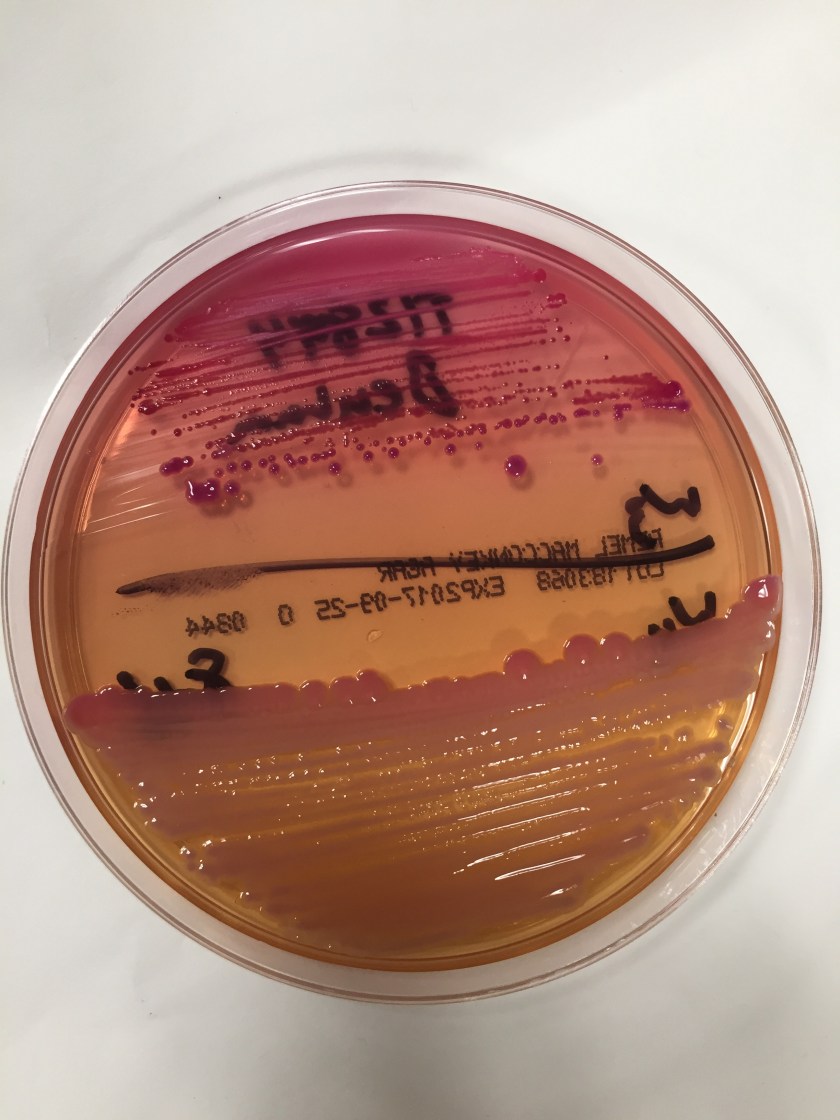
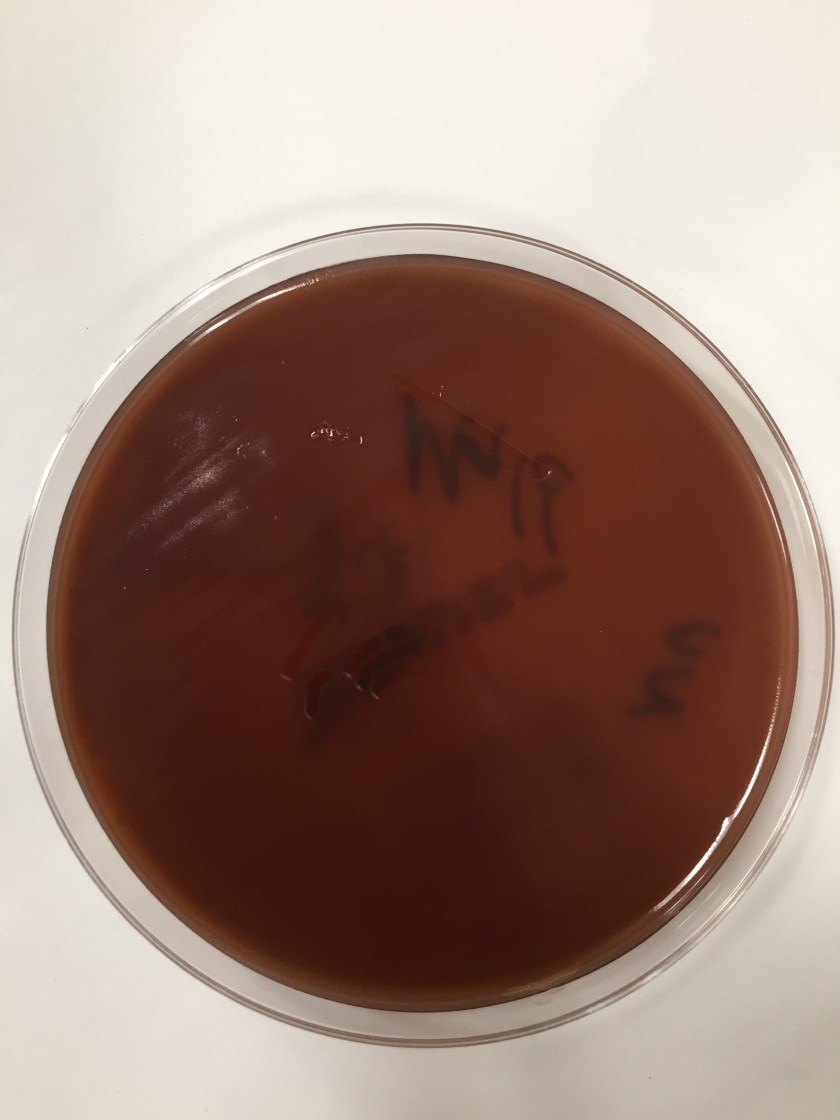
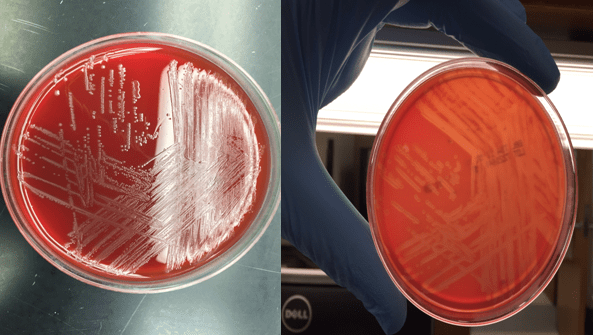
Image 1: potato flake agar with creamy tan-white colonies.
cryptlaur2.png
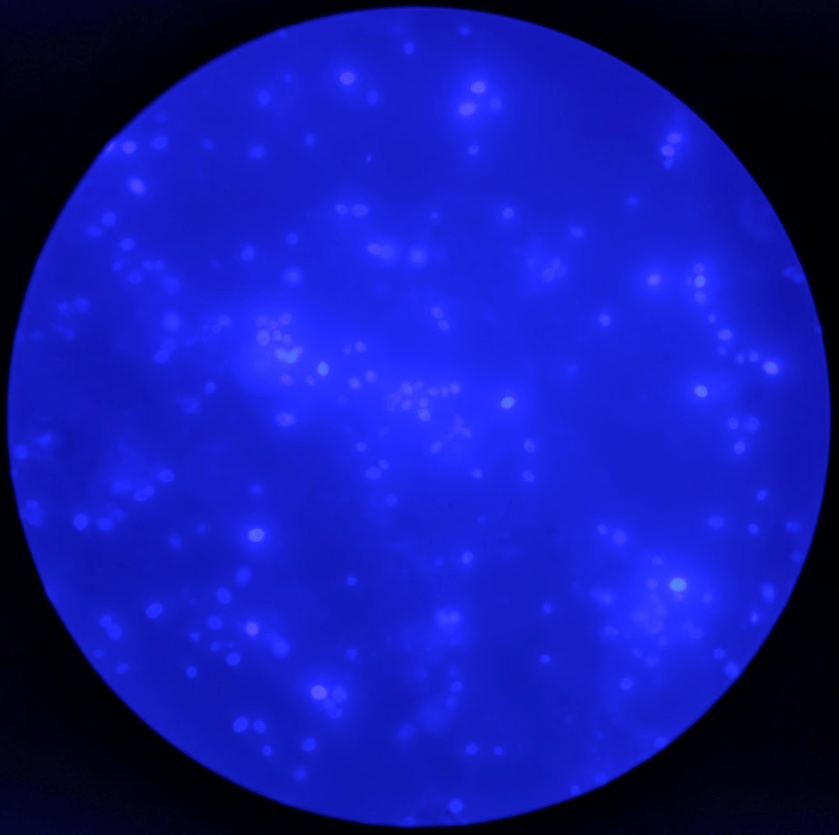
Image 2: calcofluor white fluorescent stain showing round yeast forms.

The organism was identified as Cryptococcus laurentii via MALDI-ToF MS. A follow-up fungal culture was negative, however, repeat blood culture grew Stenotrophomonas maltophilia. His tunneled catheter was removed, and two days later the patient required urgent interventional radiology access for dialysis. He completed a two-week course of ceftazidime and was discharged. 

Discussion 

Cryptococcus laurentii is a very rare fungal pathogen. It is a psychrophilic organism, growing ideally at 15 °C, and is the most common yeast found in tundra.1 Major reservoirs include soil, food, and pigeon excrement.2 C. laurentii usually causes infection in immunocompromised hosts, although rare incidents of infection in immunocompetent patients have been reported. Reported manifestations have included fungemia, meningitis, peritonitis, pneumonia, pyelonephritis, keratitis, and skin infection.3

Cryptococcus laurentii is a urease-positive organism. Gram stain shows large budding yeasts without hyphae. The yeast grows on routine agar as whitish-yellow creamy colonies and on birdseed agar as whitish or greenish colonies. Staining with calcofluor highlights encapsulated yeast forms. Molecular diagnosis can be accomplished by ribosomal RNA sequencing of the internal transcribed spacer and D1/D2 regions. Treatment in most cases has been with fluconazole, although in one case of peritoneal dialysis catheter-related peritonitis, voriconazole was used due to low fluconazole susceptibility.4

References

  1. Molina-Leyva A, Ruiz-Carrascosa JC, Leyva-Garcia A, Husein-Elahmed H. Cutaneous Cryptococcus laurentii infection in an immunocompetent child. International Journal of Infectious Diseases. 2013;17(12). doi:10.1016/j.ijid.2013.04.017.
  2. Johnson, L. B., Bradley, S. F. and Kauffman, C. A. Fungaemia due to Cryptococcus laurentii and a review of non-neoformans cryptococcaemia. Mycoses. 1998;41: 277–280. doi:10.1111/j.1439-0507.1998.tb00338.x
  3. Furman-Kuklińska K, Naumnik B, Myśliwiec M. Fungaemia due to Cryptococcus laurentii as a complication of immunosuppressive therapy – a case report. Advances in Medical Sciences. 2009;54(1). doi:10.2478/v10039-009-0014-7.
  4. Asano M, Mizutani M, Nagahara Y, et al. Successful Treatment of Cryptococcus laurentii Peritonitis in a Patient on Peritoneal Dialysis. Internal Medicine. 2015;54(8):941-944. doi:10.2169/internalmedicine.54.3586.


-Prajesh Adhikari, MD is a 3rd year anatomic and clinical pathology resident at the University of Vermont Medical Center.

Wojewoda-small

-Christi Wojewoda, MD, is the Director of Clinical Microbiology at the University of Vermont Medical Center and an Associate Professor at the University of Vermont.


Microbiology Case Study: A 21 Year Old Female with a Sore Throat

A 21 year-old female presented to the emergency department with a sore throat. Her symptoms started two weeks prior to presentation. She was seen at student health last week and given Tamiflu, but her sore throat has grown progressively worse. She now has pain with swallowing and cannot swallow liquids. Upon examination the patient has no rash, no fever, and is not in respiratory distress. She does have left tonsillar fullness causing her uvula to be slightly deviated to the right along with an enlarged left cervical lymph node. Her complete blood count (CBC) was elevated at 19.7 x10³/ul (reference range 4-10 x103/ul) with 12% lymphocytes, 2% monocytes, and 83% neutrophils. A rapid antigen test for S. pyogenes or Group A Streptococcus was negative. A CT exam of the neck was performed and a peritonsillar abscess of 1 x 1.3 x 1.6 cm was identified. The abscess was drained resulting in 1 ml of yellow purulent fluid which was sent to the microbiology lab for culture. The following was Gram stain was prepared from the abscess material.

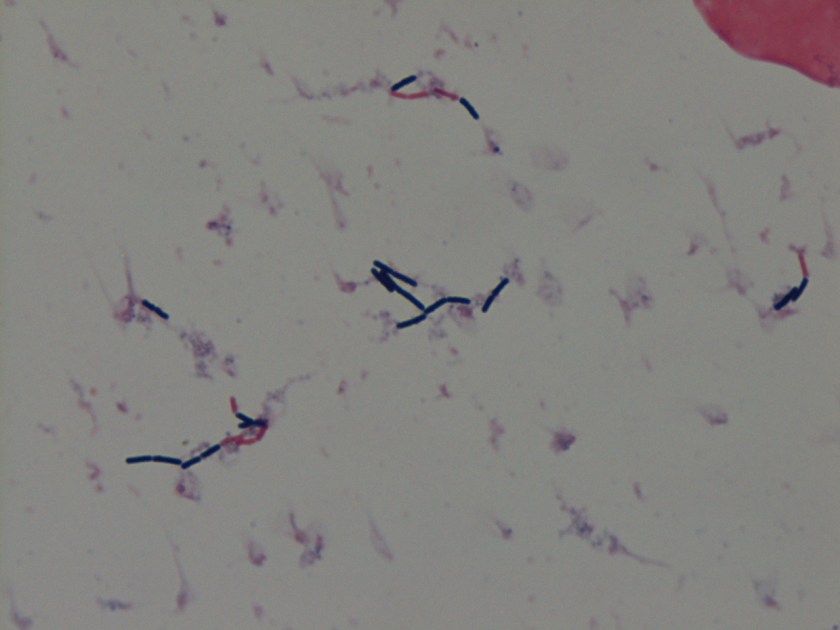
Fusobacterium necrophorum Gram stain

Discussion

The Gram stain of this abscess showed 4+ PMNs and 4+ small, pleomorphic gram negative bacilli. Anaerobic culture grew Fusobacterium necrophorum, identified by MALDI-TOF MS with a confidence score of 2.2. F. necrophorum is a non-motile, non-pigment forming, pleomorphic gram negative bacilli. It is a strict anaerobe that tests catalase negative, indole positive, and lipase positive on egg yolk agar. Anaerobic antibiotic disk testing for this organism shows susceptibility to kanamycin and colistin with resistance to vancomycin.

The two most clinically relevant species of Fusobacterium are F. nucleatum and F. necrophorum. Because they are strict anaerobes which are often not recovered in culture, Fusobacterium spp. are an under-recognized cause of disease. F. necrophorum colonizes the oral cavity, and like other colonizing anaerobes, it tends to cause infections near the mucosal surface where it resides. F. necrophorum most commonly causes pharyngitis, recurrent tonsillitis, and other odontogenic infections. In adolescents, 10% of tonsillitis that is not caused by S. pyogenes can be attributed to F. necrophorum. These infections can progress to septic thrombophlebitis of the internal jugular vein (Lemierre’s syndrome), bacteremia, and rarely F. necrophorum can cause abscesses throughout the body. Because it is an anaerobic bacterium, susceptibility testing is rarely performed on isolates of F. necrophorum. They are highly susceptible to β-lactam–β-lactamase inhibitor combinations, carbapenems, and metronidazole.

Lemierre’s syndrome was of great concern in our patient since it is most commonly observed in adolescents and young adults that were previously healthy, like our patient. Fortunately, CT scan of the neck showed no indication of thrombophlebitis in our patient. After drainage of the abscess, she felt much better and was able to tolerate liquids. The patient was discharged from the ED with a course of amoxicillin/clavulanate (augmentin). Upon follow up in ENT clinic she gave a more through history of 4-5 episodes of sore throat over the past year.

References 

  1. Manual of Clinical Microbiology, 11th edition
  2. Principles and Practices of Infectious Disease, 7th edition


-Erin McElvania, PhD, D(ABMM), is the Director of Clinical Microbiology NorthShore University Health System in Evanston, Illinois.

Microbiology Case Study: Generalized Weakness after a Trip to the United Kingdom

Case History
A 68 year old man presents with complaints of generalized weakness that started 3 weeks after his trip to the United Kingdom. The patient endorses night sweats, myalgia, fever, headaches, decreased appetite, mild nausea but no vomiting or diarrhea. He denied any history of recent rashes or arthralgia. The patient lives in a tick endemic area in the Northeastern part of the United States. Approximately 2 months ago he noticed an engorged tick while in the shower for which he completed a prophylactic course of doxycycline. He has sufficient titers for Lyme antibody; however no antibodies were present for Anaplasma. Blood smears were ordered for review.

Lab Identification
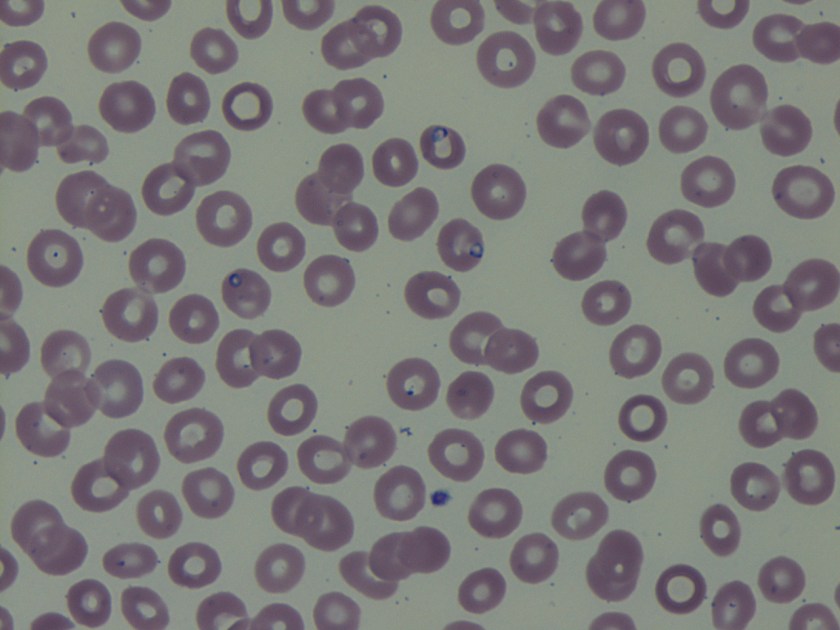
On the thin blood smears, there were multiple vacuolated, pleomorphic, ring-form like organisms seen in multiple infected red blood cells. No extracellular organisms were identified.

babesia
Image 1. Protozoa species on thin blood smears stained with Giemsa (100x oil immersion).

The organism was identified as a species of Babesia with 0.8% parasitemia and confirmed by PCR as Babesia microti.

Discussion
Babesia species are infectious protozoa which infect and cause lysis of red blood cells. Symptoms develop over the course of weeks to months and vary in severity. The most common symptoms are nonspecific flu-like symptoms (e.g., fever, chills, body aches, weakness, fatigue). If left untreated patients can develop hemolytic anemia, thrombocytopenia, disseminated intravascular coagulation, hemodynamic instability, and possibly death.1

The main agents of human babesiosis are B. microti in the northeastern and upper midwestern regions of the United States, B. duncani in the western regions of the United States, and B. divergens in Europe. Occasionally on blood smears Babesia parasites can be difficult to differentiate from Plasmodium falciparum; Babesia species however are pleomorphic, vacuolated, and can appear inside red blood cells or outside red blood cells whereas Plasmodium falciparum are typically only seen inside red blood cells.1 In most cases the diagnosis for babesiosis can be made on the basis of morphological features on thick and thin smears. However, for patients with subclinical symptoms, very low parasitemia with undetectable organisms on blood smears and a high clinical suspicion for babesiosis serologic and molecular testing can be offered. Serologic testing has 88-96% sensitivity and 100% specificity in patients with no concurrent history of malarial infections. There is some possibility of cross-reactions in serum specimens in patients with malarial infections.2 Molecular techniques such as PCR are excellent tools for the purposes of screening and in addition can help to differentiate amongst the different variants of Babesia species.3 As in this case PCR was used to rule out possible infection with B. divergens due to the patient’s recent travel history to the United Kingdom. The two major antimicrobial regimens for babesiosis are atovaquone plus azithromycin  for mild infection or quinine plus clindamycin for more severe infections.1

References

  1. Resources for Health Professionals. (2013, July 19). Retrieved August 21, 2017, from https://www.cdc.gov/parasites/babesiosis/health_professionals/index.html#dx
  2. Krause PJ, Telford S RI, Ryan R, et al. Diagnosis of babesiosis: Evaluation of a serologic test for the detection of Babesia microti J Infect Dis 1994;169:923-926.
  3. Hojgaard A, Lukacik G, Piesman J. Detection of Borrelia burgdorferiAnaplasma phagocytophilumand Babesia microti, with two different multiplex PCR assays. Ticks and Tick-borne Diseases 2014 (5):349–351.


-Noman Javed, MD is a 1st year anatomic and clinical pathology resident at the University of Vermont Medical Center.

Wojewoda-small

-Christi Wojewoda, MD, is the Director of Clinical Microbiology at the University of Vermont Medical Center and an Associate Professor at the University of Vermont.
 

Microbiology Case Study: A 53 Year Old Female with Extreme Dysphagia

Case History 

A 53 year old Caucasian female presented to the emergency department with extreme dysphagia and pain in her mouth and throat. Her past medical history was significant for gastric adenocarcinoma for which she underwent a resection and received chemotherapy & radiation treatment. She had been hospitalized previously due to radiation esophagitis. On physical examination, she was cachectic but her vital signs were normal. Numerous ulcers were observed on her tongue and buccal mucosa. Her count blood count revealed she was pancytopenic with a white blood cell count of 0.19. An infectious disease work up was initiated and included blood and throat cultures as well as viral cultures of the oral ulcers for herpes simplex virus.

Laboratory Identification

capno1
Image 1. Gram stain of a bacterial isolate that grew from blood culture showed long fusiform gram negative rods, which slightly tapered at both ends (100x oil immersion).

The blood culture was positive for long gram negative fusiform rods that tapered at both ends (Image 1). The organism grew as very small, whitish-yellow colonies on both blood and chocolate agars after 24 hours incubation in 5% CO2 at 37°C. Biochemical reactions for both catalase and oxidase were negative. The isolate was identified by addition biochemical reactions by the reference bench as Capnocytophaga sputigena. Her throat and viral cultures were negative for additional pathogens.

Discussion 

The Capnocytophaga genus is comprised of nine species that grow as facultative anaerobes and have a characteristic fusiform appearance on Gram stain. Organisms from this genus make up the normal flora of the oral cavity of humans as well as the oral microbiota of dogs and cats. Capnocytophaga spp. contribute to periodontal disease in adolescents and adults and the majority of disseminated infections arise from this endogenous source. The individuals at most at risk for septicemia include those that are immunocompromised (mainly neutropenic patients), alcoholics, intravenous drug users or those that lack a spleen.

In the laboratory, Capnocytophaga spp. is often first recognized by its characteristic Gram stain which shows long, fusiform gram negative rods that taper at both ends. Organisms with similar appearing Gram stain morphology include Fusobacterium spp. and Leptotrichia buccalis, but both of these bacteria exhibit anaerobic growth in contrast to Capnocytophaga spp which grows aerobically. Capnocytophaga isolates tend to grow slowly and require enriched media and increased CO2 concentrations. The Capnocytophaga genus can further be broken down into a catalase- and oxidase-negative group and a catalase- and oxidase-positive group. Species in the first group include C. sputigena, C. gingivalis and C. granulosa. A notable species in the latter group includes C. canimorsus, which when it causes infection in humans it is most likely due to bites or contact with healthy dogs (25% colonization rate) or cats (15% colonization rate). Species differentiation can be challenging as some automated identification instruments can only identify to the genus level and many labs may not offer extensive biochemical work ups. However, the databases for the Bruker and Vitek MALDI-TOF MS currently include many of the species listed above.

In general, Capnocytophaga spp. are susceptible to broad spectrum cephalosporins, carbapenems, tetracyclines and fluoroquinolones. Resistance has been documented for aminoglycosides and colistin. In the case of our patient, her systemic infection was thought to be due to severe mucositis and the endogenous Capnocytophaga sputigena gained access to her blood stream via the numerous ulcers present. She responded well to antibiotic therapy and was discharged home.


Stempak

-Lisa Stempak, MD, is an Assistant Professor of Pathology at the University of Mississippi Medical Center in Jackson, MS. She is certified by the American Board of Pathology in Anatomic and Clinical Pathology as well as Medical Microbiology. She is the director of the Microbiology and Serology Laboratories. Her interests include infectious disease histology, process and quality improvement, and resident education.

When Rapid Blood Culture Identification Results Don’t Correlate, Part 1: Clinical Correlation Needed

More and more laboratories perform rapid (i.e., multiplex PCR) blood culture identification. For the most part, it has been a wonderful addition to the laboratory workflow, not to mention the added benefits of provider satisfaction and improved patient care. Because the PCR only provides the organism identification (sometimes only to the family-level, i.e.; Enterobacteriaceae), laboratories must continue to culture the positive blood for definitive identification and/or antimicrobial susceptibility results. So what do you do when the results don’t correlate?

The Issue

From time to time, the PCR result is not going to correlate with the direct Gram stain or with the culture results. Although this is an issue one would fully anticipate, what do you do when this happens? Do you take some sort of action to arbitrate? Do you report the results as is?

First of all, the PCR assays do not detect all organisms. They only detect the most common bloodstream pathogens. Therefore, one should fully expect to observe cases in which the Gram stain would be positive, but the PCR results would be negative (scenario 1).  This is not a surprise.

Additionally, one should also assume that the PCR will occasionally detect organisms that were present at the lower limit of detection of the Gram stain. An example of this would be that the Gram stain is positive for one morphology (i.e.; Gram-positive cocci), but the PCR is positive for two organisms (i.e.; Staphylococcus and a Proteus species). Most of these cases tend to correlate with culture. In other words, although the second organism was not originally observed in the Gram stain, it was detected via PCR and then it also subsequently grew in culture (scenario 2).

Another type of discordant result laboratories sometimes experience is when the organism detected via PCR does not grow in culture for whatever reason. Similar to scenario 2 stated above, except that the culture is also negative for the second organism (scenario 3). Perhaps the patient was treated with antibiotics and the organism is no longer viable for culture? Perhaps a sampling or processing error was to blame?

The Solution

Depending on the scenario and how much work you want to do, you can either repeat testing or try an alternative method. Take scenario 2 for example. If the PCR detects two organisms and the Gram stain is only positive for one, then review of the original Gram stain is warranted. It is possible that the Gram-negative was somehow missed. Our eyes tend to go to the darker, more obvious structures. Perhaps the Gram-negative organism was faintly stained and it was overlooked? It is also possible that the Gram-positive is present in much lower numbers and only Gram-negative organism was originally observed. If the Gram stain result remains the same after review (only one organism observed), then there is nothing much left to do except to wait for the culture. That being said, an alternative method, such as acridine orange can be utilized in this type of scenario (two different cell morphologies). Acridine orange is a fluorescent stain that improves organism detection, as it is more sensitive than the Gram stain (1, 2).

If only the Proteus is growing (and the Staphylococcus isn’t from scenario 2) and we normally subculture positive blood to blood, chocolate, and MacConkey agars, then perhaps including an additional media that inhibits Gram-negative growth would be beneficial.

Scenario 3 can be a little more difficult to solve because you can’t make a non-viable organism grow. It just is what it is. [Spoiler alert: in next month’s blog I plan to write about when you should change your thinking from true-positive to false-positive.]

Regardless of why the result is discrepant, our laboratory appends a comment to the discordant result which says, “Clinical correlation needed.” This lets the clinician know that the results are abnormal and that they must use other relevant information to make a definitive diagnosis. In addition to the comment, we also make sure the discrepancy is notified to laboratory technical leadership (i.e.; Doctoral Director, Technical Lead/Specialist). This allows us to keep track of discrepancies as they may become important to know about in the future (see next month’s blog).

The Conclusion

In terms of organism detection, nucleic assays (i.e., NAATs) can provide superior sensitivity over antigen and culture-based methods of organism detection (i.e., sensitivity = PCR > culture > Gram). From the laboratory perspective, other potential benefits of utilizing nucleic acid detection methodologies include decreased TAT, simplified workflows, and reduced hands-on time. In terms of patient care, many have noted improved outcomes due to increased sensitivity and decreased time to result.

Although advances in technology can significantly improve analytical performance, they can also add complexity to the post-analytical process. Making sense of the results can sometimes lead to confusion. It is important to know the product’s limitations and what your risk(s) is. This should already be known and included in your Individualized Quality Control Plan (IQCP). Lastly, guiding the clinician to proper result interpretation is also important to maintain valuable patient care.
References

  1. Mirrett, S., Lauer, B.A., Miller, G.A., Reller, L.B. 1981. Comparison of Acridine Orange, Methylene Blue, and Gram Stains for Blood Cultures. J. Clin. Microbiol. 15(4): 562-566.
  2. Lauer, B.A., Reller, L.B., and Mirrett, S. 1981. Comparison of Acridine Orange and Gram Stains for Detection of Microorganisms in Cerebrospinal Fluid and Other Clinical Specimens. J. Clin. Microbiol. 14(2): 201-205.


Martinez Headshot-small 2017

-Raquel Martinez, PhD, D(ABMM), was named an ASCP 40 Under Forty TOP FIVE honoree for 2017. She is one of two System Directors of Clinical and Molecular Microbiology at Geisinger Health System in Danville, Pennsylvania. Her research interests focus on infectious disease diagnostics, specifically rapid molecular technologies for the detection of bloodstream and respiratory virus infections, and antimicrobial resistance, with the overall goal to improve patient outcomes.

Microbiology Case: An Unusual Case of Cholangitis

Case History
A 64 years old male with a past medical history of atrial fibrillation, obstructive sleep apnea, and hypertension presented to the emergency room due to fevers and chills status post stent removal by endoscopic retrograde cholangiopancreatography (ERCP) 1 day earlier. The patient was admitted 6 weeks prior with Klebsiella bacteremia secondary to cholangitis due to an obstructive stone requiring ERCP with sphincterotomy and stent placement. In the emergency room the patient was febrile to 102.7F. Workup included an abdominal x-ray, right upper quadrant ultrasound, and CT abdomen and pelvis all of which were consistent with expected pneumobilia of the biliary tree due to his recent ERCP. On labs his lipase and liver function tests were within normal limits. Blood cultures were drawn and the patient was empirically started on piperacillin/tazobactam. Blood cultures flagged positive after 12 hours.

Laboratory Identification
Gram smear revealed gram negative bacilli. On the blood agar plates there were two different colony morphologies identified. Colony (A) was beta-hemolytic, oxidase positive, and white appearing on blood agar. Colony (B) was gamma-hemolytic, oxidase negative, and greyish appearing on blood agar. Both colonies were lactose fermenters on the MacConkey agar.

Kleb-Aero1
Image 1. Gram stain from a positive blood bottle showing gram negative bacilli (100x oil immersion).
Kleb-Aero2.jpg
Image 2. Aerobic growth on blood agar showing two different colony morphologies. Colony (A) appears white with beta hemolysis and colony (B) appears grey with gamma hemolysis.
Kleb-Aero3.jpg
Image 3. Aerobic growth on chocolate agar showing two different colony morphologies. Colony (A) appears white and raised while colony (B) appears grey and flat.
Kleb-Aero4
Image 4. Comparison of the two morphologically different colonies sub-cultured from blood agar to MacConkey agar. Both colonies (A) and (B) are lactose fermenters.

Using mass spectrometry, the MALDI-TOF positively identified the two organisms as Aeromonas species (colony A) and Klebsiella pneumoniae (colony B). The MALDI-TOF was unable to differentiate between A. hydrophilia and A. caviae species.

Discussion
Klebsiella pneumoniae is a known opportunistic pathogen implicated in nosocomial bacterial gastrointestinal infections. There are several proposed mechanisms by which this organism causes cholangitis which include ascension from the small bowel, contamination of the portal blood, or via translocation of the bowel wall following hematogenous seeding.1

On the contrary, Aeromonas species are not native to the human gastrointestinal tract. These organisms are commonly found in freshwater and marine environments. They are gram negative, oxidase positive, facultative anaerobes. Most gastrointestinal infections caused by Aeromonas species are thought to be due to transient colonization of the GI tract and present asymptomatically or with mild diarrheal disease.6 Extra-intestinal wound infections are possible in the setting of a traumatic aquatic injury and cases of bacteremia have been reported; however these occur in the setting of malignancy or severe hepatobiliary disease.3

In the literature, there are 41 reported cases of hepatobiliary or pancreatic Aeromonas species infection. In almost all of these cases there are no documented aquatic environmental exposures. In one case series, 8/17 (47%) cases were due to nosocomial infections.3 One possible source for these infections can be the hospital water. Despite chlorination, Aeromonas species can be cultured from hospital water supply.4 Since many patients can be asymptomatic while transiently being colonized with Aeromonas species, it is possible that following an ERCP procedure, some organisms can be translocated from the GI tract to the biliary tree causing cholangitis.

To diagnose Aeromonas species a gram smear and biochemical testing should identify gram negative, rod shaped, non-spore forming, oxidase positive, glucose fermenting, facultative anaerobe organisms that are resistant to the vibriostatic agent O/129 and are unable to grow in 6.5% NaCl.2 Their pattern of hemolysis on blood agar can be variable, although most species are beta-hemolytic. Mass spectrometry can further be used to identify at the level of the species. Most Aeromonas strains are resistant to penicillin and ampicillin and some automated MIC systems such as BioMeriuex Vitek may not be able detect the beta-lactam resistance.2 Susceptibility studies should therefore be performed using standard agar dilution, broth microdilution, or using the Kirby-Bauerdisk diffusion method.7

Most Aeromonas species are susceptible to trimethoprim-sulfamethoxazole (TMP-SMX) and fluoroquinolones.5 There are some reported cases of fluoroquinolone resistance in patients that have a history of leech therapy. Aeromonas species can be isolated from the gut of the Hirudo medicinalis leech. These patients often receive systemic chemoprophylaxis to ciprofloxacin before undergoing leech therapy.5

References:

  1. Kochar R, Banerjee S. Infections of the biliary tract. Gastrointest Endosc Clin N Am. 2013 Apr;23(2):199-218.
  2. Morris, G.B., Horneman, A. (2017). Aeromonas Infections. UpToDate. Waltham, Mass.: UpToDate. Retrieved from uptodate.com.
  1. Clark NM, Chenoweth CE. Aeromonas infection of the hepatobiliary system: report of 15 cases and review of the literature. Clin Infect Dis. 2003 Aug 15;37(4):506-13.
  1. Picard B, Goullet P. Seasonal prevalence of nosocomial Aeromonas hydrophila infection related to Aeromonas in hospital water. J Hosp Infect 1987; 10:152–5.
  1. Patel KM, Svestka M, Sinkin J, Ruff P 4th. Ciprofloxacin-resistant Aeromonas hydrophila infection following leech therapy: a case report and review of the literature. J Plast Reconstr Aesthet Surg. 2013 Jan;66(1):e20-2.
  1. Gracey M, Burke V, Robinson J. Aeromonas-associated gastroenteritis. Lancet 1982; 2:1304–6.
  1. Methods for Antimicrobial Dilution and Disk Susceptibility Testing of Infrequently Isolated Fastidious Bacteria. 3rd ed. CLSI guideline M45. Wayne, PA: Clinical and Laboratory Standards Institute; 2016.


-Noman Javed, MD is a 1st year anatomic and clinical pathology resident at the University of Vermont Medical Center.

Wojewoda-small

-Christi Wojewoda, MD, is the Director of Clinical Microbiology at the University of Vermont Medical Center and an Associate Professor at the University of Vermont.

Microbiology Case Study: A 73 Year Old Male with Fever, Lethargy, and Chills

Case History

A 73-year-old man presents to his primary care provider during the height of a bad influenza season with fever, lethargy, and chills. Symptoms started 24 hours prior to presentation. A rapid influenza rapid test was performed in the physician’s office and the result was negative for influenza A and B. What is the most likely cause of this man’s illness?

Answer

Influenza…but how can that be?

Discussion

Rapid antigen testing has been the mainstay for influenza testing since the 1980’s. These tests detect influenza A and B viral nucleoprotein antigens in respiratory specimens, giving a qualitative “positive” or “negative” result. Antigen testing was developed to shorten the turnaround time to results for common respiratory viruses influenza and respiratory syncytial virus (RSV), with an assay run time of approximately 15 minutes compared to the several days it takes for influenza detection by viral culture. Rapid antigen testing is very easy to perform, allowing CLIA-waived testing to be performed at point-of-care.

Unfortunately, rapid antigen testing has poor sensitivity. The most comprehensive analysis found the sensitivity of rapid antigen testing to be around 60% in adults and slightly higher (although still not good) in children. Due to the poor sensitivity, the CDC recommends only employing rapid antigen testing when the prevalence of influenza in the community is >10%…but why does the prevalence matter? Knowing the prevalence of a disease in your population allow you to calculate the positive and negative predictive value.

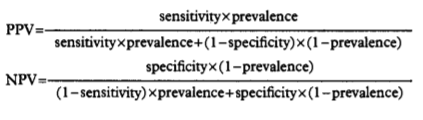
Positive and negative predictive values answer the question, “What is the chance that my positive test result means my patient has the disease (PPV) or what is the chance that my negative test result means my patient does not have the disease (NPV).” You can calculate the PPV or NPV of any assay by knowing the sensitivity and specificity of an assay along with the prevalence of disease in the community (Figure 1).

flu1
Figure 1. Calculation of positive and negative predictive values.

Positive and negative predictive values fluctuate with the amount of disease seen in a community. For example, if testing for polio in the United States, where the virus has been eradicated, a positive test result by any method is far more likely to be a false-positive than a true-positive result. This is due to the low positive predictive value (PPV) of a positive test result in the setting of non-existent polio. The converse is true for negative predictive values (NPV). In the height of influenza season, a negative test result for influenza in a patient with signs and symptoms of influenza disease is more likely to be a false-negative than a true-negative result.

For influenza rapid antigen testing, the PPV is highest when influenza activity in the community is high (positive test result is likely to indicate influenza infection) and the PPV is lowest when influenza activity is low in the community is low such as in summer, when a positive influenza test result is most likely to be a false-positive result.

Conversely, NPV is highest when influenza activity is low in a community, and a negative test result is most likely indicating that the patient does not have influenza infection. NPV is lowest when influenza activity in a community is high, and a negative test result is more likely to indicate a false-negative result in a patient with influenza infection.

The specificity of rapid antigen assays is tied to the circulating influenza viral subtypes in a given season, and is generally quite high. Sensitivity and specificity do not change due to the prevalence of disease in the community, unlike positive and negative predictive values.


References:

  1. Centers for Disease Control and Prevention (CDC) website on influenza testing (https://www.cdc.gov/flu/professionals/diagnosis/clinician_guidance_ridt.htm)
  2. Altman Douglas G, Bland J Martin. Statistics Notes: Diagnostic tests 2: predictive values BMJ 1994; 309 :102
  3. Chartrand C, Leeflang MM, Minion J, Brewer T, Pai M. Accuracy of Rapid Influenza Diagnostic Tests: A Meta-analysis. Ann Intern Med. 2012;156:500–511.doi: 10.7326/0003-4819-156-7-201204030-00403


-Erin McElvania, PhD, D(ABMM), is the Director of Clinical Microbiology NorthShore University Health System in Evanston, Illinois.

Microbiology Case Study: A 51 Year Old Female with New Onset Progressive Weakness

Case History

A 51 year old female with a past medical history for migraines was otherwise healthy up until 6 weeks ago when she began to notice progressive weakness, myalgia and new onset spontaneous lower extremity bleeding. She was evaluated by the internal medicine service and was found to be profoundly thrombocytopenic. A further workup consisting of a bone marrow biopsy revealed findings that were consistent with high-grade (Burkitt’s) lymphoma. She was initiated on chemotherapy. Two days after initiating chemotherapy she became profoundly pancytopenic with recurrent fevers. Additionally, she had worsening erythema and pain in her right buttocks and left thigh. Despite the usage of broad-spectrum antibiotics, her symptoms worsened. Two sets of blood cultures were drawn and the anaerobic bottles of both sets flagged positive after 15 hours.

Lab Identification

Gram stain revealed gram positive rods, some of which did not retain the crystal violet stain but all appeared box car shaped. This organism only grew under anaerobic conditions. On the anaerobic blood plate, the organism swarmed the media.

closept1
Image 1. Gram stain from a positive blood bottle showing gram positive rods (100x oil immersion).
closept2
Image 2. Anaerobic growth on blood agar showing a few colonies with a lawn of growth.

By use of mass spectrometry, the MALDI-TOF positively identified the organism as Clostridium septicum.

Discussion

Clostridium septicum is a gram positive, highly motile, spore-forming organism that grows best under anaerobic conditions. It is found ubiquitously in soil and at a low prevalence rate in the human gastrointestinal tract. C. septicum is best known for its ability to cause neutropenic enterocolitis and “atraumatic” (spontaneous) gas gangrene which is in contrast to “traumatic” gas gangrene caused by C. perfrigens .2 Both neutropenic enterocolitis and atraumatic gas gangrene are commonly seen in association with a malignancy usually hematologic or gastrointestinal in nature. Neutropenic entercolitis is mostly commonly seen in patients that are undergoing chemotherapy treatment. A combination of mucosal injury by the cytotoxic drugs, profound neutropenia, and impaired host defense allows for edema and necrosis of the bowel wall by microorganisms.1 This then allows for hematogenous dissemination of gut flora which includes C. septicum to more distal sites. It is also possible to have weakness in the mucosal lining from mass effect alone without any preceding neutropenia also allowing for hematogenous dissemination. In animal models C. septicum has been shown to be much more virulent than C. perfrigens requiring 300x fewer organisms to have the same lethal effect.2 This lethal infection even with appropriate treatment has a mortality rate of 60%.3

To diagnose C. septicum a gram smear will show gram positive rods with occasional rare sub terminal or terminal spores. They can often appear pleomorphic. They grow under anaerobic conditions and may start out as a single solid colony but usually swarm the plate after 24 hours growth. A more conclusive diagnosis can be made on the MALDI-TOF using mass spectrometry. Effective treatment requires both debridement of infected sites and appropriate antibiotics. The Infectious Diseases Society of America (IDSA) guidelines for skin and soft tissue infections recommend the use of high dose IV penicillin and IV clindamycin.4 Clindamycin is a protein synthesis inhibitor and is believed to aid in preventing toxin synthesis.


References:

  1. Urbach DR, & Rotstein, OD. Typhlitis. Cancer J Surg 1999; 42(6):3 415-419.
  2. Srivastava I, Aldape MJ, Bryant AE, Stevens DL, Spontaneous C. septicum gas gangrene: A literature review, Anaerobe (2017).
  3. Larson CM, Bubrick MP, Jacobs DM, West MA. Malignancy, mortality, and medicosurgical management of Clostridium septicum infection. Surgery. 118(4):592–597
  4. Stevens DL, Bisno AL, Chambers HF, et al. Executive Summary: Practice Guidelines for the Diagnosis and Management of Skin and Soft Tissue Infections: 2014 Update by the Infectious Diseases Society of America. Clinical Infectious Diseases 2014; 59:147–159.


-Noman Javed, MD is a 1st year anatomic and clinical pathology resident at the University of Vermont Medical Center.

Wojewoda-small

-Christi Wojewoda, MD, is the Director of Clinical Microbiology at the University of Vermont Medical Center and an Associate Professor at the University of Vermont.

Microbiology Case Study: 6 Year Old Male with Meningitis

Case History

A 6 year old male presented to the emergency department with a concern for ventriculo-peritoneal shunt (VP) malfunction. His past medical history is significant for myelomeningocele and hydrocephalus since birth. On arrival, symptoms included high fever (102.7°F), headaches and swelling at the VP shunt catheter site in the neck. Over the past week, his mother also noted nausea, vomiting and diarrhea. CT scan of the head revealed increased size of the 3rd and lateral ventricles which was concerning for either a VP shunt malfunction or infection. Lab work showed a white count of 13.5 TH/cm2 and elevated CRP values suggestive of an infection/inflammatory process. He was taken to surgery for VP shunt removal and placement of an external ventricular drain (EVD). Intra-operatively, purulent yellow material was noted at both the proximal and distal ends of the catheter. Cerebrospinal fluid (CSF) was sent for Gram stain and bacterial culture. He was started on vancomycin and ceftriaxone.

 Laboratory Identification

listmon1
Image 1. CSF Gram stain prepared from the cytospin showed many white blood cells and Gram positive bacilli (100x oil immersion).
listmon2
Image 2. Gram stain from the liquid media culture showing gram positive bacilli (100x oil immersion).
listmon3.png
Image 3. Small, grayish colonies with a narrow zone of beta hemolysis grew on blood agar after 48 hours incubation in a 35°C incubator with 5% CO2.

Bacterial cultures collected from a shunt tap and intra-operatively both showed short gram positive bacilli on Gram stain (Image 1&2). The organism grew on blood and chocolate agars as small, gray colonies with a narrow zone of beta-hemolysis when observed closely (Image 3) after incubation at 35°C in CO2. The isolate was positive for catalase and showed a “tumbling motility.” MALDI-TOF MS identified the isolate as Listeria monocytogenes.

 Discussion

Listeria species are gram positive bacilli that grow as facultative anaerobes and do not produce endospores. The major human pathogen in the Listeria genus is L. monocytogenes and it is found in soil, stream water, sewage & vegetable matter and may colonize the gastrointestinal tract of humans and animals.

The most common mode of transmission is ingestion of contaminated foods, in particular, raw milk, soft cheeses, deli meats and ice cream. L. monocytogenes’ ability to grow at cold temperatures (4°C) permits multiplication in refrigerated foods. In a healthy adult, it causes an influenza like illness and gastroenteritis. Pregnant women are especially susceptible to disease and neonates infected in utero can develop granulomatosis infantiseptica which can lead to miscarriage, stillbirth or premature delivery. Elderly or immunocompromised can present with a febrile illness, bacteremia and meningitis (20-50% mortality).

In the microbiology laboratory, L. monocytogenes is usually identified via blood, CSF or placental bacterial cultures. It grows well on standard agars and after overnight incubation, the small, gray colonies show a narrow zone of beta hemolysis on blood agar. L. monocytogenes is positive for catalase & esculin and the CAMP test demonstrates block like accentuated hemolysis. It has characteristic tumbling motility at room temperature and an umbrella shaped motility pattern in semi-solid agar.  Automated methods of identification provide reliable species level differentiation on the majority of current platforms.

Susceptibility testing should be performed on isolates from normally sterile sites. Ampicillin, penicillin, or amoxicillin are given for L. monocytogenes, and gentamicin is often added for its synergistic effect in invasive infections. Trimethoprim-sulfamethoxazole and vancomycin can be used in cases of allergy to penicillin. Cephalosporins are not effective for treatment of listeriosis.

In the case of our patient, after L. moncytogenes was identified, his antibiotic therapy was changed to ampicillin and gentamicin. Antibiotics were administered for 3 weeks before the placement of a new VP shunt. On further questioning, his mother revealed his diet consisted heavily of hot dogs and soft cheeses. She was educated on how to prevent subsequent infections prior to discharge.


JKO

-Jaspreet Kaur Oberoi, MD, is a Pathology resident at the University of Mississippi Medical Center. 


Stempak

-Lisa Stempak, MD, is an Assistant Professor of Pathology at the University of Mississippi Medical Center in Jackson, MS. She is certified by the American Board of Pathology in Anatomic and Clinical Pathology as well as Medical Microbiology. She is the director of the Microbiology and Serology Laboratories. Her interests include infectious disease histology, process and quality improvement and resident education.

Microbiology Case Study: An 89 Year Old with an Infected Wound

Case History

An 89-year-old gentleman presented with a cough, subjective fever, and potential wound infection on his forehead. He has a past medical history notable for hyperlipidemia, coronary artery disease, chronic congestive heart failure, past STEMI, history of gastric lymphoma, diabetes, Parkinson disease, and stage III chronic kidney disease. Two months prior to presentation, he fell down the steps of his apartment and suffered a laceration of his forehead that ultimately required surgical repair. He was discharged home with wound care instructions. He was doing relatively well up to 5 days prior to presentation when he started to develop a small, soft, erythematous lesion on his forehead with swelling and non-purulent appearing serous drainage at the site of repair. After it persisted, he presented to the emergency department where he underwent a small incision and drainage. A specimen was collected in a sterile syringe and sent to the microbiology laboratory for culture.

nocarabs1
Image 1. Gram stain from a fluid culture illustrating filamentous branching gram-positive bacilli (100x, oil immersion).
nocarabs2
Image 2. Modified Kinyoun stain from a fluid culture illustrating filamentous branching modified acid fast bacilli (100x, oil immersion).
nocarabs3
Image 3. Chocolate agar illustrating chalky white colonies.

The organism was confirmed as Nocardia abscessus/asitica by a reference laboratory.

Discussion

Nocardia is a genus of aerobic, weakly Gram-positive, catalase-positive, rod shaped bacteria that are modified acid-fast and form beaded branching filaments. They grow slowly on commonly used nonselective culture media, with colonies becoming evident in 3-5 days, and have the ability to grow in a wide temperature range. Colony morphology is variable, with colors ranging from white to orange and texture ranging from smooth to chalky. They are saprophytic organisms that are commonly found in soil, organic matter, and in the oropharynx as normal flora. Virulence factors for Nocardia include catalase, superoxide dismutase, and cord factor. Cord factor prevents lysosomal fusion with the phagosome, thus inhibiting phagocytosis by macrophages.

There are more than 80 species of Nocardia causing various forms of human disease, the most pathogenic of which are: N. asteroides, N.braziliensis, N.caviae, N.nova and N.abscesses. Symptoms can range from a localized lung or cutaneous infection to disseminated disease. Most infections involve the lung initially following inhalation of the organisms which commonly spread to extrapulmonary sites with the disease being more severe and likely to disseminate in immunosuppressed patients. In addition, the skin can be a site of primary infection through traumatic inoculation in immunocompetent patients.

Primary cutaneous infections occur in 5% of cases and manifest in one of the following ways: lymphocutaneous infection, mycetoma, superficial cellulitis, or localized abscesses. The most commonly involved sites for cutaneous infections are the extremities, though infection can affect any area, including the head and neck.

Treatment for primary cutaneous nocardiosis includes antimicrobial therapy and surgical irrigation and drainage when appropriate. Though antibiotic therapy is recommended, spontaneous resolution can occur without treatment. Trimethoprim-sulfamethoxazole is used most frequently for nocardiosis with the usual duration of therapy being 2-3 months in those cutaneous disease.

References

  1. Wilson JW. Nocardiosis: Updates and Clinical Overview. Mayo Clinic Proceedings. 2012;87(4):403-407. doi:10.1016/j.mayocp.2011.11.016.
  2. Vijay Kumar GS, Mahale RP, Rajeshwari KG, Rajani R, Shankaregowda R. Primary facial cutaneous nocardiosis in a HIV patient and review of cutaneous nocardiosis in India. Indian Journal of Sexually Transmitted Diseases. 2011;32(1):40-43. doi:10.4103/0253-7184.81254.
  3. Lee TG, Jin WJ, Jeong WS, et al. Primary Cutaneous Nocardiosis Caused by Nocardia takedensis. Annals of Dermatology. 2017;29(4):471-475. doi:10.5021/ad.2017.29.4.471.
  4. Outhred, A.C., Watts, M.R., Chen, S.CA. et al. Nocardia Infections of the Face and Neck. Curr Infect Dis Rep 2011 Apr;13(2):132-40. doi: 10.1007/s11908-011-0165-0.


-Clayton LaValley, MD is a 2nd year anatomic and clinical pathology resident at the University of Vermont Medical Center.

Wojewoda-small

-Christi Wojewoda, MD, is the Director of Clinical Microbiology at the University of Vermont Medical Center and an Associate Professor at the University of Vermont.