
The Importance of Relationships and Elective Rotations for the Fellowship Application Process

I know that I’ve said this before, but it is important to cultivate relationships, especially in a small professional community such as pathology. In medical school, it was fine to focus on learning from our lectures, doing well on boards, and performing competently on the wards. This triad was enough then to secure us good letters of recommendation for our residency applications. And most programs invited candidates supposedly based on a magic number calculated from these aspects of our applications. Additionally, most programs, since we have a match and so as not to have to scramble via the SOAP, would invite about 10 candidates per position available.

However, for the fellowship application process, it’s a different ball game. We do not have grades for rotations and most of us have not taken our boards before we apply. So it is no longer as heavily numbers-oriented. Most of our personal statements will not be that different from each other, I would guess. So, the two things that stand out in my mind as having the most impact on receiving an interview invite (at least in my experience), are our letters of recommendation and our CV’s. I know that at every interview, aspects from one or both of these were discussed. Since I was a non-traditional medical student, most often what was brought up from my CV was my extensive research background (I was originally going to be a PhD molecular neuroscientist), long path to residency (I have 4 degrees), and reasons for getting an MPH (two of my main foci were molecular and infectious disease epi because I thought that I’d be interviewing for MGP and clinical microbiology fellowships right now). I also had to explain any gaps in my training.

As far as the CV goes, I think it’s most important to show a consistent commitment to your area of interest through publications, abstracts/poster or platform presentations, and leadership positions with advocacy organizations in your desired subspecialty area. But remember to do things that you are passionate about and not just to put on your CV! Attending national/state/local meetings provides an outlet to meet the experts in your future field who not surprisingly, you may end up interviewing with during the fellowship application process. More weight is now placed on relationships. If you have great letters (or better yet, a phone call or personal email sent on your behalf) from a colleague that the fellowship director knows, you are more likely to be chosen for an interview. Also, if you are a well-liked internal candidate or external candidate who spent time rotating at your dream program, then you also have increased chances of being chosen for their fellowship. Some programs (or subspecialties like some forensics programs that I’ve heard of) either require an “audition” rotation or heavily favor candidates who did rotate with them. So I STRONGLY recommend figuring out what fellowship you want as early as possible and to do an elective rotation (if it is not your own program) at your dream program during your PGY-2.

I cannot emphasize enough that showing what you can bring to your future fellowship by doing an elective rotation before the application period (early PGY-3) and interacting with your future interviewers can only help you. I wish someone had told me this when I was a junior resident. If the program chooses to interview you after you’ve rotated there, it generally means that you’re more competitive than others who they may interview because they know and like you and feel that you meet their competency requirements. I have not had any elective rotations yet so I was surprised at one of my interviews to learn that all the current fellows had completed a 2-month rotation there before they had applied. I had been told just before I left for my interview that this program heavily prefers those who have rotated there but it wasn’t as obvious as when I was told this during the lunch with the fellows. Even though they interviewed only a few candidates, it will be difficult to tease out how much an elective rotation factors into the final decision. I will always wonder if I do not receive an offer.

At this point, the competition is much fiercer than it was for residency, often with only 2-3 candidates invited to interview for each available spot from what I was told at some of my interviews. But I’m not sure how this number varies based on the competitiveness or popularity of each program. I can tell you that the programs I interviewed at would fall under the ‘very competitive’ category so other programs may interview more. But you could always ask the program coordinator how many they plan to interview and how many positions are truly available. They often will let you know if a future position is already filled by an internal candidate. Sometimes, I was given only one day or a few days to choose for scheduling an interview and if I couldn’t on those days, the program moved on down their list. So make sure to ask for lighter rotations and no call during your anticipated interview months (Sept-Jan). This is especially important with small residency programs or those with multiple hospitals to cover where it may be difficult to find someone to switch call coverage with you.

Since applications are accepted and interviews are conducted earlier than in the past and positions may have already been (un)officially promised to internal candidates, research programs and apply early! I do so dislike the word ‘networking’ because to me, it sounds insincere and calculated, but whatever you do, make opportunities for yourself to build relationships with and show your interest to your future colleagues before you have to apply. If you need some financial help to do an external elective, apply for ASCP’s subspecialty grant by clicking here and applying before January 16, 2015!
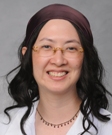
 

Chung

-Betty Chung, DO, MPH, MA is a third year resident physician at Rutgers – Robert Wood Johnson University Hospital in New Brunswick, NJ.


The Importance of Continuing Medical Education, at Least in Theory…

Hello again residents. It’s the wee hours of the morning and I am in Chicago O’Hare International Airport waiting for my connecting flight to Columbus, Ohio, where I will serve as an ACCME/AMA monitor for the College of American Pathologists (CAP) at the Ohio Society of Pathologists (OSP) meeting. I wasn’t allowed on my flight because I was just beyond the cutoff time even though I had rushed out of the hospital, still in my scrubs. And so I got re-routed through Chicago and spent a couple hours at a hotel in order to sleep before catching an early flight the next day.

As the junior (trainee) member on CAP’s Council on Education (COE), I was given this opportunity to monitor this CME meeting for compliance to ACCME/AMA standards and CAP representation as a joint CME partner. I’ve served on the COE since January 2014. We have four meetings a year with two of them in Chicago. I was just approved for a second term that runs until December 2015. We oversee and approve proposed projects from all the educational committees of the CAP: publications, GME, CP education, and the curriculum committee as well as some of the educational aspects of the Annual Meeting.

Despite the airport snafus (which I’m pretty good at getting myself into), it was interesting to serve as a monitor. I met an attending from the Cleveland Clinic who I remembered from my residency interviews. I also met other residents and fellow who were in attendance. The OSP had taken great care to preclude commercial bias from their meeting. They did have a few exhibitors but they were in a separate room from the lecture sessions. I heard a very informative talk on the clinical oncology applications of next generation sequencing (NGS) as well as an engaging case-based session on dermatopathology cases.

The meeting was held in a hotel in Dublin, OH, which I strongly suspect must have Irish and German roots from the names of the town, streets, and types of restaurants (Irish pubs and German-Austrian) that are common here. The hotel restaurant which had an Irish name served a buffet of Irish food (no surprise) for the participants at a discounted rate. Overall, it was a good meeting with a good balance of germane topics covered. Having been a co-chair of a national medical conference when I was in medical school, I totally can appreciate all the pre-planning that goes on behind the scenes to organize meetings such as this. I was also able to have dinner with and catch up with a friend who is a non-pathology resident at the local Ohio State University.

I know that we, as doctors, would like to believe that once we’ve passed through the gauntlet of medical school and graduate medical education training, that we know everything that we need to know and shouldn’t necessarily have to be retested or do CME, but I believe that it only makes us better doctors if do. We should be life-long learners, especially in a technology-driven specialty such as pathology (that is, if we want to remain in control of lab testing). As a scientist in my life prior to medical school, I intimately understand how even dogmas can change (at one time, people thought that protein was the genetic material of the cell!). We can always learn something new and new disruptive technologies like NGS will always arise that will transform how we diagnose, prosnosticate, and treat our patients. We may not always see patients physically but must remain present within the process and that requires us to continue to test our knowledge base. Since I haven’t graduated yet, I don’t really have the experience to say whether the current mix of CME, SAM, and MOC requirements is the way to do it but in some form, we need regulations to help push us as a profession (not necessarily as an individual if we are self-directed and pro-active) in the right direction to be the best physicians for our patients.


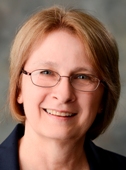
Chung

-Betty Chung, DO, MPH, MA is a third year resident physician at Rutgers – Robert Wood Johnson University Hospital in New Brunswick, NJ.


Pediatric Labs are Different

Why do I say pediatric labs are different? A blood test is a blood test, right? Of course it is, however there are a lot of aspects of operating a pediatric lab that really are different from the way operations run in a lab whose clientele is mainly adults.

Most people can think of the most obvious difference: age-related reference intervals. The concentration of various biomarkers in the body changes as an infant grows and develops into an adult. In some cases, there’s not a lot of change in the biomarker. A blood pH is pretty constant over the course of a person’s life, as are the electrolytes. The reference intervals for these may be broader in infancy, but in general they don’t change a lot. However some biomarkers change so drastically that normal levels in childhood would be considered pathological in an adult. Without reference intervals tied to age or developmental state, these tests are not able to be properly interpreted. Alkaline phosphatase during bone growth and steroid hormones during puberty are two good examples of this.

The things that people tend not to think about that cause a pediatric lab to be different are predominately all centered on issues with sample volume. Especially in infancy, children have limited blood volume for testing, and this fact affects nearly every operation in a pediatric laboratory.

Front end processing of samples is affected, as often more than 60% of the tubes arriving in the lab are microtubes, which hold 1 mL or less. These tubes may not be able to hold a barcode label, nor fit on an instrument robotic system. The sample must be aliquotted into tubes that will fit a system, or hand fed into an instrument, and often hand-programmed into the instrument. More manual steps results in more opportunities for human error. In addition, the amount of sample used by any given instrument for testing must be considered. That sample volume includes the actual volume necessary for analysis, plus the volume necessary to run HIL (hemolysis, icterus, and lipemia) indices and the instrument dead volume (the volume below which an instrument cannot pipet the sample). Instruments with large dead volumes will not be found in pediatric labs.

Small sample volumes also affect the ability of the lab to add-on tests to samples already in the lab, or rerun samples later to check results. There may be insufficient volume to run more tests or rerun tests, or the sample may have evaporated and be unacceptable for running additional analyses. A study done using a 5 mL serum sample and a 0.1 mL serum sample and allowing both to sit open to the air for 4 hours showed that the 5 mL serum sample had less than 10% difference between original test values and those run 4 hours later. The 0.1 mL sample had more than 50% difference in its values. In addition, with just enough sample to run a test one time, if a dilution needs to be made, it may not be possible.

Lastly, there are a few test menu differences in a pediatric laboratory. Tests commonly found in pediatric labs, but essentially never in predominately adult labs include things like testing for inborn errors of metabolism and sweat chloride testing for Cystic Fibrosis. Conversely, common tests in an adult lab that are not performed in a pediatric lab include serum protein electrophoresis, PSA and other tumor markers. Some tests are performed in both labs but for different indications. For example, AFP is used as a tumor marker for hepatocellular carcinoma in pediatrics instead of as a maternal prenatal screening tool like in an adult lab.

These are some of the ways in which pediatric lab medicine differs from adult lab medicine, and offers unique challenges in day to day operations.


-Patti Jones PhD, DABCC, FACB, is the Clinical Director of the Chemistry and Metabolic Disease Laboratories at Children’s Medical Center in Dallas, TX and a Professor of Pathology at University of Texas Southwestern Medical Center in Dallas.

ASCP 2015 call for Proposals

ASCP 2015 ANNUAL MEETING – CALL FOR PROPOSALS
The 2015 Call for Proposals is now open! The ASCP 2015 Annual Meeting will be held in Long Beach, CA October 28-30. If you submitted a proposal for the 2013 or 2014 Annual Meeting, you can log in with your same username and password. You can edit and resubmit your previous proposals and add new ones. The deadline date is Monday, December 8th.

Please inform any co-presenters that you will be submitting a proposal as they will receive an email asking for demographic and disclosure information right after you submit the proposal.  Complete the proposal at ASCP 2015.

You Make the Diagnosis

A 42-year-old male presents with fever and fatigue. A CBC shows the following:

Hgb 14.2 g/dL (normal = 13.5 – 17.5 g/dL)
WBC 18 x 109/L (normal = 4.5 – 11 x 109/L)
Platelet count 320 x 109/L (normal = 150 – 450 x 109/L)

Differential:

  • Neutrophils and precursors: 80%
  • Lymphocytes: 16%
  • Monocytes: 2.5%
  • Eosinophils: 1.4%
  • Basophils: 0.1%

A review of the blood smear shows a slight left shift in the neutrophil series, with occasional metamyelocytes and rare myelocytes present. Several cells similar to the one shown below are noted.

toxic-gran

Which of the following is the most likely diagnosis?

A.  Acute myeloid leukemia
B. Chronic myeloid leukemia
C. Bacterial infection
D. Viral infection
E. Parasitic infection

The answer in this case is C, bacterial infection. The cell shown in the photo is a slightly immature neutrophil showing toxic granulation (heavy, dark azurophilic cytoplasmic granules), a morphologic sign seen most commonly in severe bacterial infections. The elevated neutrophil count with a left shift supports the diagnosis of bacterial infection.

Toxic granulation is thought to be a result of the bone marrow’s response to the need for neutrophils in the peripheral tissues. Promyelocytes are the last dividing stage of the neutrophil series (once a cell reaches the myelocyte stage, it can no longer divide, but only mature). Normally, as promyelocytes divide, their azurophilic granules are dispersed into daughter cells, the end result being a mature neutrophil with few azurophilic granules.

If there is an urgent need for increased numbers of neutrophils, like there is in a severe bacterial infection, promyelocytes may opt to simply mature, rather than divide. As a result, the azurophilic granules are not diluted among daughter cells, but retained in the maturing neutrophil, the end result being a mature neutrophil with many more azurophilic granules than usual.

The normal red cell and platelet count, as well as the lack of a significant number of very immature myeloid cells, rules out the presence of acute myeloid leukemia (AML). In AML, at least 20% of the nucleated cells in the blood or bone marrow must be composed of blast or blast equivalents.

Chronic myeloid leukemia (CML) is often a consideration in patients with an elevated neutrophil count and a left shift. In CML, however, the neutrophil count is usually quite high, and there is a marked left shift, with a particularly large number of myelocytes. In addition, a basophilia is almost always present.

Viral infection often presents with a lymphocytosis, sometimes with reactive changes in the lymphocytes. Finally, some parasitic infections present with an eosinophilia (but not a neutrophilia).


Krafts

-Kristine Krafts, MD, is an Assistant Professor of Pathology at the University of Minnesota School of Medicine and School of Dentistry and the founder of the educational website Pathology Student.

Decisions That Will Impact the Direction of My Pathology Career

So, I’m in Midway Airport in Chicago with a 2.5 hour layover back to the East Coast from my West Coast tour of fellowship programs and interviews. I flew on 5 separate flights and interviewed at 5 programs in 4 cities in 3 states over the past week. Quite a whirlwind schedule to keep even if it wasn’t exacerbated by the fact that I’ve had a wicked flu the entire time (and still am sick as I type). But I look forward to getting at least one night’s comfortable sleep in my own bed and spending some time with my kitties before I start with my first East Coast interviews (2 in 1 day) on Monday. I’m very fortunate that my program director, program coordinator, and fellow co-residents have been supportive, especially when I’ve had to switch multiple days on-call.

On the left coast, I interviewed at 3 hematopathology and 2 molecular genetic pathology programs with overlap at one program where I interviewed for both hemepath and MGP. All of the people that I met at each program were people who I felt that I would like to become colleagues with (and who will be my colleagues in the future). But despite this fact, each program was vastly different from the other and I am reminded that these next decisions about where I’ll spend my fellowship years will probably impact the direction of my career more so than any other decision thus far. The people who will touch my life will help shape the pathologist I will be!

I thought that I had adequately prepared my list of questions that I carried around to each interview but I found that each interaction spurred additional new questions that I had not thought of prior to the interview. Many times, my interviewers had anticipated some of my questions and had answered them as we talked even before I asked. The current fellows I went to lunch with were very helpful in answering my questions and telling me about their lives within their fellowship programs. For me, the “fit” and culture of my working environment is important – finding colleagues who treat each other with respect and notice when others might be struggling and help each other out. I value a strong teamwork mentality as much as I appreciate a rigorous academic environment that will push me to be the best that I can be.

Having come from a graduate research training environment in what I might call some of my formative years, I also value an environment that spurs creativity. I enjoy being able to have open door policy discussions where we bounce ideas off each other and challenge each other in a positive manner to “think out of the box.” I know that research will be an integral part of my future career, hopefully along with hematopathology sign-out and molecular genetic lab directorship (even if it is not for the entire lab but possibly just the molecular hematopathology portion of it). The question for me is whether that research will be more basic science (which means I’d probably be committing to more like 80% research, 20% clinical in terms of my service duties) and on a K-R01 grant track as a physician scientist or will be more toward translational research where I can apply some of the knowledge and skills I gained during my graduate and MPH training. I was very flattered that at my first interview, the fellowship director told me that I could come back after my fellowships to do a post-doc with him and one of his mouse models of hematopoietic disease.

Mentorship for me is really big. I really want to find a program where the faculty take an interest in my career. I want mentors who look out for my future career and who will guide me toward opportunities that will enhance it. Mentors who will support me and make those all-so-important phone calls to help me get my first job, or better yet, offer me my first job. It is not far-fetched to think ahead that I might want to lay down roots where I complete my fellowships so that is an additional factor to consider when it comes time to make the final decisions.

Each program varied with respect to educational philosophy and resources. More so than I previously realized that they would even though I’ve been in two residency programs that I can compare. But right now, I compartmentalize everything I see and learn from each interview and just try to soak everything in like a sponge without assumptions or judgment. I’m placing those observations aside in my head until the time comes that I will need to think about them (which will probably be the end of this month or the very beginning of the next).

It has become very clear to me that being self-motivated and proactive to make opportunities for myself when they did not necessarily exist within the formal structure of my residency program has been a pivotal aspect of getting me this far in interviews. If your program does not have a resource available (eg – NGS for a MGP-minded person like me), then find one and gain access to it (eg – I will go to Rutgers for my last molecular pathology rotation to help with NGS clinical testing validation, and hopefully, a hematopathology elective rotation at an institution with a higher volume and diversity of cases than I can see at my own program)! If you are interested in a particular subspecialty, get involved in research, tumor board presentations, and sign-outs in that area (eg – look at hemepath cases on your free time or on the weekends if that’s what you like) from your first year as much as you can. Whining is not allowed nor is a quality that will help anyone so don’t waste time complaining about aspects of your programs you cannot change. Make your destiny happen rather than be a mere participant in it by accepting the status quo! Good luck to my fellow residents who are also on the interview trail! May we all find our future homes for the next phase of our careers very soon!


Chung

-Betty Chung, DO, MPH, MA is a third year resident physician at Rutgers – Robert Wood Johnson University Hospital in New Brunswick, NJ.
Educating the Doctors

If you had a chance to spend one day with a group of fourth year medical students who had already been accepted into residency programs, and you had the goal of providing them with the information any beginning doctor needs to know about the laboratory, where would you begin and what would you teach them?

I had this opportunity recently. The director of a medical school boot camp for Fourth-year medical students (MS4) who would start residency in two months approached me, wanting to know if I’d like this opportunity. Of course, I jumped at the chance. The hardest thing was deciding what information to leave out, to essentially focus the short course on the minimum information related to the lab that a doctor should know when they begin their career. I can honestly say that the opportunity was educational for me also – it showed me exactly how little a graduating doctor knows about the lab! Now in its third iteration, we learn and add and subtract as we go.

We do a brief introduction and overview of general lab structure and then start with phlebotomy. Most doctors (and I’m going to exclude everyone who entered medical school after being a medical technologist) have no idea that the tube top color indicates the type of anticoagulant, and for instance that every purple top tube everywhere in the world has EDTA anticoagulant in it.  We also covered basic phlebotomy technique. Then we rotated them in groups through the various sections of the lab, allowing each section to educate the group on the some of the items they considered the most important features of that section. Some of the topics that were covered include:

Client services/accessioning: some tests utilize a whole blood sample (CBC, blood gases), many, many samples require spinning and aliquotting while maintaining sample identity. Hemolyis, lipemia and icterus interfere with tests.

Chemistry: batch vs random access testing, main chemistry analyzer vs manual testing, pre-analytical affects on test results; reference intervals

Hematology: why clotted tubes can’t be used, how white cell differentials are performed (mostly manual in pediatric institutions)

Microbiology: blood culture bottles in the instrument vs plating and identification; how susceptibility testing works; likelihood of a false positive on a positive flu test run in the summer

Blood banking: what a type and crossmatch includes; how various blood products should be transported; uncrossmatched blood availability

Each section is also instructed to encourage questions and interaction with the MS4s as they tick off main points.

This is an educational opportunity I wish I were granted for all MS4s everywhere. Each year we run this program we refine it as we learn what they most need to know, as well as what they don’t know and what we don’t know. It’s a wonderful learning process.


???????????????????????????????????????????????????????????????????????????????????

-Patti Jones PhD, DABCC, FACB, is the Clinical Director of the Chemistry and Metabolic Disease Laboratories at Children’s Medical Center in Dallas, TX and a Professor of Pathology at University of Texas Southwestern Medical Center in Dallas.


The Unsung Heroes

I have been very pleased to see our professional societies, such as ASCP, become truly active and engaged in bringing attention to the field of pathology, reminding our clinical colleagues that we are in no way the “Doctors-of-the-Lesser-God.” We certainly represent a valuable part of the healthcare team even if our care is provided in a more indirect than direct fashion.

Indeed, I applaud this effort, however, there seems to me to be another missing element that we pathologists, not just our professional society, should embrace. I would hope that we look to expand this to acknowledge the significant role our laboratory staff plays each day on behalf of patient care. The laboratory staff, whether certified MTs, MLTs, phlebotomists, or administrative personnel are the unsung heroes, often forgotten or neglected and without recognition for their much-needed skills and responsibilities. Our laboratory staff represents the legs upon which we stand.

Sadly enough, in my many years in private practice and subsequent consulting, it is apparent to me that pathologists often have very limited interaction with the staff outside of the Histology/Surgical Pathology suite. This is unfortunate as it limits us both professionally and personally. Some of my favorite memories and shining moments from my practice were those that involved getting to know and being a part of the lab team. There is nothing more rewarding than feeling you have learned and participated alongside these co-workers! And there is nothing sadder to me than hearing laboratory staff members say that they have not laid eyes upon a pathologist in weeks or see their physicians only if they seek them out.

Pathologists should be actively interacting with staff in all areas of the laboratory, whether Surgical or Clinical, fostering good relationships and also acting as ambassadors for these staff and their services. We should encourage our clinical colleagues to understand the importance of this group and utilize their expertise as part of the medical team. This helps us all to grow and learn via sometimes differing perspectives which work together to bring quality patient care.

So, while we are utilizing our professional society to grow our own outreach and highlight the important role of pathologists, let us not forget to include our laboratory staff members and what they bring to the table. Make every day the day to support one another and put our cumulative best efforts to quality safe laboratory practice and patient care.

Burns

-Dr. Burns was a private practice pathologist, and Medical Director for the Jewish Hospital Healthcare System in Louisville, KY. for 20 years. She has practiced both surgical and clinical pathology and has been an Assistant Clinical Professor at the University of Louisville. She is currently available for consulting in Patient Blood Management and Transfusion Medicine. You can reach her at cburnspbm@gmail.com.