
Category: management/administration
What’s That Interference?
I’ve heard it said that there is no such thing as a lab test with no interferences, and I have to admit, I believe that to be true. For every method devised to measure a specific analyte, something else can interfere with that measurement. For example, photometric measurements using absorbance assume that only the analyte of interest absorbs light at the wavelength being used. Quite often, many other compounds absorb light at that wavelength as well. In chromatography methods, we assume only the compound of interest elutes from the column at a specific time point, and again, many other compounds often do. Various types of mass spectrometry are touted as specific for the compounds being measured, however, even using mass spectrometry, compounds may fragment in similar patterns when looking at mass spectra, or fragment into the same size precursor and/or product fragments using tandem MS.
Thus, we routinely report test results knowing that most often what we are reporting is accurate. However, we must always be aware that the result we’re reporting may not be accurate due to interferences.
I recently had an occurrence related to test interference. Like all such cases, the tech responding to the clinician’s call used our standard response. He located the original sample and repeated the test. The assay gave the same results on the repeat and the result was reported back to the clinician as real and accurate, even when questions were raised by the healthcare staff about the result not fitting the clinical picture. And in fact, although the result was reproducible and in the realm of possibility, in this case the result was wrong.
The analyte in this case was plasma free hemoglobin which is performed in our lab by an assay which measures absorbance at one of the wavelengths at which hemoglobin absorbs light and subtracts a background wavelength reading. The test was persistently giving very high plasma free hemoglobin results even though the patient had no other evidence of hemolysis. When the healthcare staff became adamant about the discrepancy, the sample was sent to an outside lab which performs the assay using a full spectrophotometer, and the sample was found to have no hemoglobin present. An interferent in this patient’s sample was being measured as hemoglobin by our method.
Of course, once it’s been determined that a test is experiencing interference the next question from the healthcare provider is always, what is interfering? That’s a much more difficult question to answer, although occasionally it can be answered with some investigation. Looking into the patient’s drug regimen can help, as well as checking other health parameters to see what else is occurring. In the case of the elevated plasma free hemoglobin, the patient did have an elevated myoglobin which may have interfered.
The take home message here is that no matter how reproducible the results are, interferences are possible. As laboratory professionals, we should always be ready to look for ways to prove our results other than by repeating them, especially when the result does not fit the clinical picture and is being questioned by our healthcare colleagues. Sending the test to be run by a different method is one good way of determining interference. Another way is to check the patient’s chart for drugs or other substances that are known to interfere and are listed in the package insert. Finally, understanding the realities of assay interferences, and being willing to continue looking for answers is also important in the laboratory.

-Patti Jones PhD, DABCC, FACB, is the Clinical Director of the Chemistry and Metabolic Disease Laboratories at Children’s Medical Center in Dallas, TX and a Professor of Pathology at University of Texas Southwestern Medical Center in Dallas.
Mentoring Throughout Your Career: A Q&A With Jennifer Hunt, MD
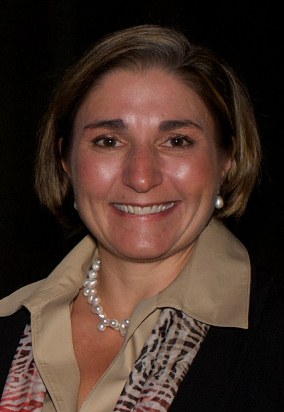
At the 2014 ASCP Annual Meeting in Tampa, Fla., Jennifer Hunt, MD, MEd, FASCP, chair of the Department of Pathology at the University of Arkansas for Medical Sciences, had the opportunity to discuss with curious audience members the influence her mentor has had on her since she started her career. What made the experience even more special was that her mentor, Virginia LiVolsi, MD, MASCP, professor of pathology and laboratory medicine at Penn Medicine, sat right next to her and provided her own view of their mentoring relationship.
The session, which also featured an interview with special guest Barbara Pierce Bush, was out of the norm for a scientific meeting, but the topic is an engaging one, and crucial for pathology and laboratory professionals as they advance in their careers. Here, Dr. Hunt talks to Molly Strzelecki, senior editor for ASCP’s Critical Values, about her experience as both a mentor and a mentee, as well as how pathology and laboratory professionals can develop such relationships for themselves.
Molly Strzelecki (MS): When did you start mentoring others, and what are some characteristics a good mentor should have?
Jennifer Hunt (JH): As a mentor, I think it started rather early on, mentoring people who were junior to me—for example, when I was a chief resident and talking to first-year residents, or talking to junior faculty members and working with fellows. No matter where you are in your career, you’re probably a mentor to someone, whether you know it or not. Sometimes people don’t see the role as a mentor; they see the role as a friend. But if there are generational differences or differences in your status, then you’re probably mentoring as well as being a friend.
The mentor role varies based on the relationship, and what you’re mentoring the person for. I think it’s important to remember that no one mentor will be everything to you, as a mentee. You can’t have just one person and have them teach you everything. More than likely you’ll need multiple mentors at any given time in your career. And that mentor needs to recognize his or her limitations, and be able to send that mentee off to other people rather than trying to be everything to one person.
Great mentors share willingly—not just their opinions, but their opportunities, their professional interests, and the culture of their profession. They connect people. Dr. LiVolsi is the best person at that I have ever known—at meetings she would introduce me to everybody. And that becomes very important. Mentors are generous with their time, even though they are busy, and they’re wise in the areas you need them to be.
Good mentors don’t need credit for what they do. The credit is appreciated, and the mentee needs to recognize what mentors have done for them, but that’s not why mentors do what they do. There’s a lot that goes on behind the scenes. Often, my best mentors have done things that I never knew about, and I may still not know the extent. I am sure that so many of the opportunities that have come my way in life are because Dr. LiVolsi recommended me or suggested my name.
MS: Is it better to let mentorship evolve naturally, or seek it out specifically?
JH: It’s a combination of both. My relationship with Dr. LiVolsi was a very natural evolution, but I’ve had other mentors I approached about being my mentor for something specific. For example, in one of my jobs I wanted to learn lean process improvement, and to explore Six Sigma. So I went to someone in the institution who was pretty senior, and not a physician, and was in charge of those elements, and asked for his help. And he became a mentor not just for those subjects, but for many things.
I think seeking people out in situations like that is very practical and reasonable. And it’s not as awkward as it can sometimes be to seek out a general mentor—you’re approaching a person with a specific skill set and a specific goal in mind. It’s good for both people in the potential mentorship to understand what you’re looking for, or what the skill set is you’re trying to gain, or what the area is you need help with, and to start off with a narrow focus rather than a broad one. It’s easier for you to ask for that, and it’s easier for the other person to say yes when there are well understood limits to the relationship.
Getting to know each other is part of the process, too, whether the mentorship evolves naturally or is asked for specifically. It can be a little clunky, getting to know your mentee and vice versa. It is usually a little bit social, not all professional, and involves figuring out what makes people tick.
MS: Once you’ve found a mentor, how can you make sure you are getting the most out of the mentoring relationship?
JH: Good mentees ask the right questions. One of the things I often see as a problem for mentees is they ask “yes or no” questions, when what they really want is someone to think through an issue with them, and talk through the pros and cons. You don’t want a one-word answer or guidance, because you, as the mentee, may decide differently, which could put you at odds with your mentor. Ask questions that are more open-ended or opinion-based and thought provoking. Not, “Should I write this paper?” Rather, “What would be the benefit to my career if I write this paper?”
Good mentees don’t wait until it is too late for meaningful assistance—they reach out early and they don’t wait until decisions are made and paths are created, when things are harder to turn around. They ask early and touch base and connect while they’re going through things.
Good mentees don’t demand too much. There is a fine line between touching base frequently and bothering your mentor. And I think good mentees follow through and take advantage of opportunities that their mentors create for them. I’ve encountered people for whom you’d find an opportunity, and in response they’d tell me they were too busy. That’s not a good answer. I am “too busy,” too, most of the time but if I find time to present a career enhancing opportunity for a junior faculty member, let us say, the least that person can do is express some interest and enthusiasm even if that person does not feel that way.
MS: How does mentoring benefit pathology and laboratory medicine overall?
JH: If you’re talking about clinical mentoring, we transfer a lot of our knowledge and experience to others through mentoring relationships. We share cases—pathologists are never shy about sharing cases with each other, ever, and I don’t know a lot of surgeons who call each other into the operating room to ask a colleague for help. They tend to be more independent. But in pathology, we share cases; it’s part of the culture. And that’s mentoring. You share a case, you hear people’s opinions, you gather from them, and it’s in many ways mentoring, even though it’s also education.
And it never stops. I still show cases to people. Sharing is part of the process of working through it intellectually—we’re in an extremely collaborative profession. And it also makes for really excellent patient care that way, because we know we have many people to tap into for the best diagnosis.
-Ms. Strzelecki is Senior Editor of Critical Values.
–This interview originally appeared in the digital July issue of Critical Values.
MERS Outbreak in the Republic of Korea
Lablogatory spoke to Kyung Jin Cho, PhD, from the Department of Health and Environmental Science at Korea University about the current outbreak of MERS in the Republic of Korea. This is what he had to say.
Lablogatory: What can you tell us about MERS in the Republic of Korea?
Dr. Cho: MERS is a viral respiratory infection caused by Middle East Respiratory Syndrome Coronavirus (MERS-CoV). The MERS-CoV belongs to the coronavirus family (beta coronavirus). Many MERS patients developed severe acute respiratory illness with symptoms of fever, cough, expectoration, and shortness of breath. The cause of MERS is not yet fully understood. Some infected people had mild symptoms or recovered. Incubation period is known as 2-14 days. The incubation periods are still under dispute since a few cases in Korea reported incubation periods longer than 14 days. Fortunately, the MERS outbreak appears to be subsiding with one or two new cases are reported daily. Many people under the house quarantine at the peak of MERS outbreak are now released.
STATISTICS
The Korean MERS portal reported that there are 27 deaths from 175 cases as of June 23, since the first MERS patient was confirmed on May 20, 2015 (Fatality rate: 15.4%). Most of the people who died had an underlying disease such as chronic lung and kidney disease, cancer, and diabetes mellitus. Of the 27 deaths, 74.1% were male and all were over the age of 40. Of the 175 confirmed cases, male 107 (61.1%), female 68 (38.9%); the Inpatient/outpatients 80 (45.7%), family members/visitors visiting sick persons 62 (35.4%), staff and other hospital employees 33 (18.9%). Most of the MERS cases were infected within the medical facilities. The cumulative number of released individuals from quarantine is 10,718. The current number of isolated is 2,805 (home 2,091 and institution 714).
Lablogatory: How fast is it traveling within Republic of Korea?
Dr. Cho: The major second place of MERS spread was a mammoth hospital which is a top-class institution in Seoul. Within a large hospital, the Hospital S, nearly half of the cases (82 of 166 cases, As of Jun 20, 2015) were exposed to the MERS during June 5th through June 10th. The hospital S admitted the 14th case of MERS and became the epicenter of the second generation of MERS cases. The health authority failed to carry out timely control measures against MERS. The authority and the hospital S were harshly blamed for the late response in the beginning of MERS outbreak.
During the MERS outbreak, a few doubtful MERS patients roamed about a few institutions. Some local hospitals had to refer their untreated cases to the tertiary hospitals located in big cities, like Seoul or Busan, which have excellent specialists and more resources. Unfortunately, some of the hospitals could not cope with the unexpected MERS outbreak. The triage systems in some medical institutions and the house quarantines were not operated successfully at the beginning, which contributed to the spread.
Lablogatory: Beyond the basic protocols, what other measures are being put in place, or SHOULD be put in place to stop the spread of this virus?
Dr. Cho: The Government’s rapid-response team (RST) should have activated much earlier. Government should have timely announced the list of hospitals in which MERS cases appeared and should have issued the compulsory order for the closure or partial closure of the few target hospitals much earlier. We realized that there are too few officials who are working for the government as experts in the epidemiology.
Also, the number of efficient Airborne Infection Isolation Room (AIIR) is largely insufficient. The possibility of MERS spread within the patients’ rooms and emergency room might be much higher than we would have expected.
Even though the government and some hospitals didn’t make timely responses, they disclosed the list of 84 hospitals (As of June 20th, 2015) that had MERS cases onset or MERS cases passed by. They also announced the list of 251 safe hospitals so that general citizens and respiratory patients can take the treatment under the safe conditions.
Seoul City authority asked citizens of Seoul to report MERS outbreak to Dasan Call Center (120) or official website of the Seoul metropolitan city. Citizens of other areas can report the outbreak to Korea government’s official website.
Through text messages or phone calls, the Hospital S tried to reach all the people who visited the Hospital S during the periods of high MERS exposure. Most of citizens are now well complying with the government measures.
Since some MERS patients in Korea exhibited symptoms beyond the two-week latency period, local health authorities will maintain a tent at the entrance of the town for more five days with staff to monitor if any villagers show symptoms.
The health authority is monitoring three hospitals intensively ( Hospital G in Seoul, Hospital A in Chungcheong province and Hospital G in Busan) that could possibly become new epicenters for the spread of MERS.
Lablogatory: How should institutions protect laboratory workers? What steps can clinical laboratory scientists take to protect themselves?
Dr. Cho: Information can be found here:“The Guidelines on Diagnostic Testing for MERS.” These guidelines include information about specimen collection, transport, and testing.
Bad Press
Have you heard the expression “there’s no such thing as bad Press?” This saying makes the assumption that getting your name out there is the important thing, whether it’s something good you did or something bad you did that put you forward. I think there’s some truth to this saying because people’s memory tends to be short. They’ll remember a name but not necessarily a context for that name. This probably explains why crooked politicians, even when it’s known that they’re crooked, continue to be elected.
Thinking about this saying from a lab perspective, it means that even when a mistake is made, you may be able to capitalize on it to make contacts outside the lab, to effectively put your name out there. Even if it is a significant mistake, or is a situation you had no control over, using it as an opportunity to introduce lab personnel and lab concepts to the greater medical community is a good thing. Okay, it may take them a bit to forget the bad incident, but they will remember you and now have a lab contact for other lab-related issues.
I was considering this in the context of notifying physicians of a reagent recall, on a reagent we have been using for about 3 months. Luckily, I have a good rapport with the majority of the physicians involved, but even when fielding negative phone calls from those who do not know me, I used this event as an opportunity, an introduction and an offer of lab help on any other issues they may be having.
As a field, the laboratory tends not to blow its own horn very much outside of lab and pathology. Because that’s true, we need to learn to grab opportunities when they arise, even if they arise from less than ideal situations. It’s also an opportunity to suggest that a laboratory professional sitting on various committees may prevent future issues. Being this “forward” sometimes places people firmly outside their comfort zone, but in this day and age of decreasing test reimbursement, and decreasing money in the medical and laboratory fields overall, being an integral part of the healthcare team is more important than ever.
So, the next time you have to notify other healthcare professionals that test results that were reported may be less than accurate, try considering it as an opportunity to create new contacts and build cross-medical-field relationships. Quickly acting on every opportunity to become a well-recognized and needed part of healthcare is the best way to keep our profession alive and flourishing.
-Patti Jones PhD, DABCC, FACB, is the Clinical Director of the Chemistry and Metabolic Disease Laboratories at Children’s Medical Center in Dallas, TX and a Professor of Pathology at University of Texas Southwestern Medical Center in Dallas.
Should We Do It Here?
How do you decide whether to bring a test in-house or to send it out (or continue sending it out) to a reference lab? It’s not an easy decision, and it should be one based on as many facts as you can gather. The bullet points below are the considerations I employ for making this decision.
- Cost: This is almost always the first consideration. Compare what the test currently costs to send out versus what it will cost to run in-house. If it costs more to run in-house than to send out, then there had better be some pretty over-riding reasons for doing it on-site. There are many items that contribute to the cost to run a test including:
- Basic bottom line cost of the test – i.e. reagents, kit, etc
- Technologist time – actual time to run the test, and to report the results if it’s not auto-verified
- Supplies – test tubes, pipets, controls, calibrators, proficiency testing samples, etc.
- Cost of instrumentation – determine whether a new instrument is needed or whether the test can go on an existing instrument. Either way, depreciation and service contract costs must be considered.
- Development – for bringing in a newly released, FDA-approved assay on a current platform available in-house, this cost may be minimal, especially if the company brings it in and verifies its performance. For a laboratory developed test, this aspect of cost may be extensive and needs to be considered.
- Test volume: The number of these tests that are performed will figure into all the rest of the parameters, including the cost of running it and the tech time involved. In addition, the test volume should be high enough to be able to maintain competency in the techs performing it, as well as to be able to keep in-date reagents on hand and instrument maintenance up to date.
- Turnaround time (TAT): This is often a big factor in the decision to bring a test in-house. Doctors may request that tests be performed in-house to allow for better patient care. For example drug dosing decisions are not optimal if a drug result takes four days to return.
- Workflow/tech time: How the new test will fit into the current workflow needs to be considered. Will it require additional technologist time or re-shuffling of coverage of other tests? Will it be a random access test or run in batches a few times a week and how will it impact staffing?
- Patient care: Occasionally the reason for bringing a test in-house may be related to providing the best patient care, despite costs analysis and impact on the lab workflow and staff. An example is pentobarbital. We brought this test in-house even though we perform less than 50 of these a year because results were needed to make decisions related to continuing life support of not. Under these conditions, a 3 to 4 day TAT is not acceptable.
When all these costs are considered, think about your return on investment (ROI). Determine if you will save your institution money, and if so, over what time period. Sometimes it’s not an immediately obvious ROI, but over time you will save money. Sometimes the ROI is actually improved patient care rather than monetary savings. And sometimes the ROI is simply improved relations with the doctors and clinical staff, and that’s not a trivial ROI.
-Patti Jones PhD, DABCC, FACB, is the Clinical Director of the Chemistry and Metabolic Disease Laboratories at Children’s Medical Center in Dallas, TX and a Professor of Pathology at University of Texas Southwestern Medical Center in Dallas.
Computers and Diagnostic Algorithms
As sophisticated as computers are now, isn’t about time we began using them more to help with the diagnosis of disease? Physicians tend to be diagnosticians, and primary care physicians need to have a massive breadth of knowledge these days in order to correctly diagnose the multitude of disorders in patients that may walk through their doors. The same goes for ER physicians. Currently, new doctors are relying more and more on information at their fingertips rather than information remembered. Perhaps relying even more on computers than we already do makes sense. Currently, we routinely use simple computer algorithms in clinical laboratory testing. Things like test results above an AMR causing the computer to direct the instrument to dilute and repeat the assay on that sample before reporting a result. Or diagnostically, a negative monospot test for Epstein Barr Virus (EBV) on a child under 4 years of age can be programmed to automatically order an EBV IgM and IgG, since the utility of the monospot test is unclear in that age group. This sort of “reflex” testing is already in use, and requires no operator intervention.
Here’s an example of a diagnostic approach that could be used: A sick infant comes in to the ED and has blood work run immediately. The initial results show a low pH, low bicarbonate and high pCO2. When a software program sees that combination of results, it could reflexively order more tests based on the differential diagnoses associated with a high anion gap metabolic acidosis (for example, ordering a blood glucose to detect diabetic ketoacidosis). If that is ruled out, the software then looks at the next most common cause of metabolic acidosis, and so on. The computer would not be diagnosing the child; the software would simply be ordering the appropriate next step tests to allow a rapid diagnosis, and probably doing it faster than the average multi-tasking ED doctor.
Software-based diagnostic systems exist and are on the market. So why are we so slow to adopt these systems into everyday use? We should let technology help us as much as we can. Software-based diagnostic systems have not been shown to be better than humans for diagnosing (http://www.nejm.org/doi/full/10.1056/NEJM199406233302506), and may never be. However, I would opine that they are faster than humans at deciding what tests to order based on lab results, or on a combination of lab results and clinical signs and symptoms. Using them this way would then leave the human to human interactions and the final diagnosis to the doctor and his patient when he has all the necessary test results at hand.
-Patti Jones PhD, DABCC, FACB, is the Clinical Director of the Chemistry and Metabolic Disease Laboratories at Children’s Medical Center in Dallas, TX and a Professor of Pathology at University of Texas Southwestern Medical Center in Dallas.
Food and Drug Administration and Next Generation Sequencing
As readers of this blog are probably aware, The Food and Drug Administration (FDA) is currently considering how to tailor its oversight of Next Generation Sequencing (NGS), methodologies that can produce extremely high quantities of genetic sequences. In turn, these sequences can be used to identify thousands of genetic variants carried by a particular patient. NGS will usher in an age of truly personalized medicine in terms of patient risk assessment, diagnostics, and personal treatment plans.
Currently, the FDA approves all in vitro diagnostic (IVD) tests with the exception of laboratory defined tests (LDTs). These tests are used in clinical laboratories and typically detect one substance or analyte in a patient sample, and this result is used to diagnose a limited number of conditions. (One example would be a cholesterol test; every manufacturer that makes the analyzer and reagents to detect cholesterol in a blood samples has to get their methodology approved.) However, NGSs have the potential to detect billions of base pairs in the human genome, and therefore the potential exists to diagnose or discover thousands of diseases and risk factors for disease. Also, many NGS tests are developed by individual laboratories, not big companies, and so would be considered an LDT.
The FDA has opened a public docket to invite comments on this topic. American Society for Clinical Pathology, as well as other professional societies—American Association of Clinical Chemistry and Association for Molecular Pathology among them—has publically commented on the FDA preliminary discussion paper “Optimizing FDA’s Regulatory Oversight of Next Generation Sequencing Diagnostic Tests.” In its comments to the draft paper, ASCP stated that the “CLIA framework offers a more logical model for providing federal regulatory oversight of LDTs.” Similar points were made by AACC and AMP. The associations also agree that any regulations should not interfere with the practice of medicine.
What do you think? How involved should the FDA be in genomic testing in the clinical setting?
Further reading:
Illinois Summit on Antibiotic Stewardship
Last week, I attended the Illinois Summit on Antimicrobial Stewardship at Northwestern Memorial Hospital. While the target audience was physicians, nurses, pharmacists, and administrators, as a clinical laboratory scientist I found the presentations (with a few caveats, which I’ll get to in a moment) quite informative.
The morning sessions covered the relationship between antibiotic use and resistance patterns; interpretations and implementation of the national guideless for stewardship; and using behavioral science to increase compliance with stewardship programs. Participants spent part of the afternoon in small groups to discuss designing and implementing a stewardship program.
A few notes:
-50% of antibiotics for upper respiratory infections aren’t needed; 50% of antibiotics for inpatients aren’t needed, either
-antibiotics are the only drug where use in one person impacts it effectiveness in another
-based on the literature, antibiotic stewardship programs have at least a transient effect on antibiotic effectiveness—eventually, resistance numbers begin to climb again
-hospital antibiograms are the most widely available measure of resistant organisms, but we aren’t using them as effectively as we could. For example, we typically report that, say, “62.5% of E. coli isolates are resistant to ciprofloxacin,” but we don’t say where those isolates come from. Are they urinary tract infections or upper respiratory infections? What’s the rate of resistance for infected wounds?
-a weighted antibiogram might make empirical treatments for effective. For example, “what % of urinary tract infections are resistant to ciprofloxacin?”
-it’s important to note that the IT department, hospital information systems, and laboratory information systems play a huge role in stewardship programs
-stewardship programs depend on the “5 D’s” Diagnosis, drug selection, dose, duration, and de-escalation of use
-diagnostic uncertainty—driven by lack of early organism identification—drives a significant amount of antibiotic use
-when combined with stewardship, rapid bacterial identification methods such as MALDI-ToF platforms decrease parameters such as length of patient say, time to treatment, etc.
-we can use peer pressure to drive improvements. No one wants to perform worse than the doctor next door
-our efforts might be moot, anyway; other countries take a much laxer stance on antibiotic use
While the laboratory in general and clinical microbiology departments specifically were mentioned during the presentations, I must say they were only mentioned in the context of how little perceived impact we have on stewardship. (“Well, we know the laboratory isn’t going to give us any useful information for another three days…”) It wasn’t until I participated in the small group sessions in the afternoon that attendees at my table admitted that the laboratory is an important piece of the stewardship puzzle. We have mountains of data we can assimilate (antibiogram creation, anyone?). We can bring in new technologies to make identifications faster. We can work closely with the infectious disease doctors to help guide treatment. That brings up a good point—if microbiology labs aren’t in-house, then creating an antibiotic stewardship program becomes that much harder because results can be delayed.
If you’d like to see the powerpoints from the presentations, you can do so by clicking the “downloadable content” tab at Northwestern Memorial Hospital’s antibiotic stewardship page.

–Kelly Swails, MT(ASCP), is a laboratory professional, recovering microbiologist, and web editor for Lab Medicine.
Why We Should Care and Act on the Proposed FDA Regulation of LDTs
So, I wrote briefly to bring awareness about this topic when the U.S. Food and Drug Administration (FDA) first formally proposed in July of 2014 that they intend to begin regulating laboratory developed tests (LDTs). Now that draft regulations have been released, I want to encourage you to not only learn more about this issue but also to decide where you stand and most importantly, to act — to add your individual voice to strengthen a collective voice, whichever side of the argument you choose to stand by. You can read the FDA’s proposed Framework for Regulatory Oversight of LDTs (which are currently non-binding recommendations) to help decide your opinion on this issue.
Congress declared that most diagnostic tests are considered “medical devices” in the Medical Device Amendments (MDA) of 1976. The FDA oversees medical device regulation, but until recently, had only exercised “enforcement discretion” with respect to LDTs. There are 3 classifications for a medical device based on the presumed risk and regulation thought necessary to ensure validity and safety: class 1–general controls for devices considered low risk for human use, class 2–performance standards for devices considered moderate risk for human use, and class 3–premarket approval for devices considered high risk for human use.
So, what is a LDT? Lab developed tests are neither FDA-cleared or approved and are validated and performed in the same lab in which they are developed. While the majority of molecular genetic pathology tests that are currently offered in clinical labs are LDTs (often referred to as “home brew” or “in-house developed” tests), labs can—and do—develop tests for all areas of the laboratory. They would most likely fall under class 2, or for the more highly complex tests, class 3. And the time is now for the pathology workforce to show their value as the diagnostic experts in the development, validation, and interpretation of such tests.
The completion of the Human Genome Project and the basic and translational research that followed has ushered in a new clinical practice landscape. Personalized or precision medicine is a buzz word often touted in the media these days. I was a graduate student researching transcriptional regulation and signal transduction pathways during the Human Genome Project. It was an exciting time where those of us in research could imagine a future where our discoveries would form the foundation for clinical decisions to treat disease. It was a dream that we knew would take at least a decade to begin to achieve its first nascent steps. But personalized/precision medicine, albeit still immature, has arrived and is progressively demanding our care and attention.
It is a term that can be employed to incorrectly exaggerate the implications of diagnostic tests. It can be especially dangerous when misused to support testing that lacks a transparently or rigorously vetted validation process. And inflated clinical claims by a handful of test providers have focused the FDA’s attention in the direction of LDTs. No one disagrees that these highly complex diagnostic tests should require both analytic and clinical validation and continuous monitoring. The questions are who is the best to ensure that these parameters are met? And how can we best encourage the flexibility necessary to incorporate innovation and new discoveries into timely clinical care?
Currently, the Centers for Medicare and Medicaid (CMS) are charged with overseeing all clinical laboratory testing and enforcing adherence to Clinical Laboratory Improvement Amendments (CLIA) that regulate testing on patient specimens. So, all LDTs are under the purview of CLIA regulation and their analytic validation is reviewed biannually. However, CLIA does not address clinical test validity which falls under the FDA’s purview over medical devices during the PMA process. These two regulatory schemes are meant to be complementary and the FDA also includes a more rigorous analytic validation process.
Many clinical labs also participate in the College of American Pathologists (CAP) peer-reviewed biannual inspection process which has requirements more comprehensive than those currently required by CLIA. And having just co-inspected a new molecular genetic lab for the CAP last week, I can state that I believe in the peer-review inspection process. Inspectors must have specific and extensive training in the inspection topic area(s) in order to be certified to inspect those types of labs after successful completion of a certification process. We also have access to resources available through a large network of volunteer inspectors and CAP support so that we are not overburdened and can perform a thorough inspection. Those of us who are certified inspectors also hold the conviction that fastidiously enforcing compliance to accreditation standards is the best for patient care. This is because we know that we are the frontline–we not only know how to develop and validate these tests but need to make sure that other labs follow the same standards.
The average time and cost to complete the FDA approval process from concept to market can be prohibitive to patient care, on the order of 3-7 years and an average $24 million for a successful PMA. Even the time for 510(k) fast track FDA premarketing notification for class 2 devices that are “substantially equivalent” to a pre-existing marketed device (predicate) in terms of safety and effectiveness averages at least 6 months and this process has been criticized as flawed by the Institute of Medicine (IOM). Additionally, both the time and cost for approval have progressively increased over the years, making it more difficult to obtain with the exception of highly financially solvent commercial labs.
At this point, I want to be very clear that these are my personal opinions and not those of any of the organizations that I am affiliated with who may hold more moderate or opposing opinions to mine. Since we all have personal bias, I’ll fully disclose mine: 10 years of basic science research utilizing molecular and cell biology and transgenics, completion of a basic science graduate degree with molecular based research, a future molecular genetic pathology (MGP) fellowship, and hopefully, a future career as a public health (molecular epidemiology/biomarker discovery) focused physician-scientist practicing diagnostics and molecular hematopathology research. So I may have a more vested interest toward a particular view. But what is most important to me and one of the reasons I blog, is that others become aware and inspired to become more informed and engaged in the public health policy process, not that they necessarily agree with me.
Let me give an example of where I stand on this issue which I feel would be a more cogent argument than merely stating my opinion. Advanced non-small cell lung cancer (NSCLC) patients without an EGFR mutation prior to the discovery of the EML4-ALK fusion protein had very few effective therapeutic options. The FDA gave accelerated approval in August of 2011 and regular approval in November of 2013 for the use of crizotinib, a tyrosine kinase inhibitor, for ALK-positive lung cancers diagnosed with a break-apart probe ALK rearrangement fluorescent in-situ hybridization testing kit (Abbott Vysis) on genomic material derived from formalin-fixed paraffin embedded tissue.
Subsequently, ROS1, another tyrosine kinase like ALK, regardless of fusion partner, has also been shown in NSCLC to show 72% tumor shrinkage in response to crizotinib. Since there is no FDA-approved companion test for ROS1, under the current definition of an LDT and proposed regulation (of which this would fall under “LDT for Unmet Needs”), patient specimens would either need to be sent to a lab with an FDA-approved LDT to detect ROS1 rearrangement (of which, none currently exist) or receive diagnosis and treatment at the same facility that has a developed LDT. Currently, these types of specimens can be sent to one of the CLIA-approved labs for this test and the patient treated at their home institution.
Additionally, since the aforementioned FDA approval, genomic material derived in cases of tissue limitation from cytology specimens (eg – pleural effusions) and tested through alternative methods (IHC, qRT-PCR) has been shown to yield at minimum, similarly sensitive, and concordant results. Access to these options would be unavailable if the labs that developed these LDTs could not afford the cost to undergo the FDA PMA or 510(k) process. And even if labs could afford these costs, these tests would not be available to patients in a rapid enough timeframe from the initial discovery of a biomarker and its responsiveness in clinical trials to a targeted therapeutic. If FDA regulation of LDTs does become a reality, what I would like to see is an interdisciplinary conversation that results in an expedited approval process that would still ensure test validity and patient safety.
In response to healthcare reform, many academic based labs are increasingly implementing multidisciplinary clinical care and research teams and utilizing highly complex testing platforms such as next-generation sequencing and microarrays to guide diagnosis, prognosis, and/or treatment. More so now than ever before, healthcare professionals and trainees need to learn to continuously evaluate and practice evidence-based medical care – to really scrutinize whether these tests are valid, safe, and efficacious before recommending them to their patients. The highly dynamic and fast-paced momentum of “-omics” based research demands timely recognition, clinical validation, and test incorporation in order to provide the most up-to-date personalized/precision medical care. Government regulation has proven in the past to be unable to adequately meet this challenge, but I do admit that it is possible. So the time has come for stakeholders (and I hope you realize that you are one) to become informed and stand united behind their principles on this topic. Advocacy is a potentially powerful way that we can shape the current and future healthcare landscape that we will navigate as practitioners and patients. Many of our pathology and other subspecialty advocacy organizations have come out with position statements and signed on to currently available petitions. So FIND YOUR VOICE, STAND UP, and BE COUNTED!
A recent and well-written blog post by a current patient with metastatic lung cancer on this topic can be found at http://www.curetoday.com/community/janet-freeman-daily/2015/02/call-to-action-proposed-fda-regulations-could-limit-cancer-patient-access-to-life-saving-therapies.
References:
- Centers for Medicare and Medicaid (CMS). CLIA Overview: Frequently Asked Questions. Published online on 10/22/13. Accessed on 2/15/2015 at https://www.cms.gov/Regulations-and-Guidance/Legislation/CLIA/Downloads/LDT-and-CLIA_FAQs.pdf
- A Gutierrez, RB Williams, GF Kwass. FDA’s Plan to Regulate Laboratory Developed Tests (webinar powerpoint). Published online on 9/3/14. Accessed on 2/15/15 at http://www.cap.org/apps/docs/membership/fda-ldt-plan-webinar.pdf
- Institute of Medicine (IOM). Medical Devices and the Public’s Health: 510(k) Clearance Process. Released 7/29/11. Accessed on 2/15/15 at https://www.iom.edu/Reports/2011/Medical-Devices-and-the-Publics-Health-The-FDA-510k-Clearance-Process-at-35-Years.aspx
- National Cancer Institute (NCI) at the National Institutes of Health (NIH): Clinical Trials at cancer.gov. Crizotinib Improves Progression-Free Survival in Some Patients with Advanced Lung Cancer (updated). Last updated on 12/4/14. Accessed on 2/15/15 at http://www.cancer.gov/clinicaltrials/results/summary/2013/crizotinib-NSCLC0613
- Schorre. How long to clear 510(k) submission? Published online on 2/2014. Accessed on 2/15/15 at http://www.emergogroup.com/resources/research/fda-510k-review-times-research
- H Thompson. How much Does a 510(k) Device Cost? About 24 Million. Published online on 11/22/10. Accessed on 2/15/15 at http://www.mddionline.com/blog/devicetalk/how-much-does-510k-device-cost-about-24-million
- KM Fargen, D Frei, D Fiorella, CG McDougall, PM Myers, JA Hirsch, J Mocco. The FDA Approval Process for Medical Devices. J Neurointervent Surg, 2013; 5(4): 269-275. Accessed on 2/15/15at http://www.medscape.com/viewarticle/807243_2

-Betty Chung, DO, MPH, MA is a third year resident physician at Rutgers – Robert Wood Johnson University Hospital in New Brunswick, NJ.
 Lablogatory