Microbiology Case Study: A 67 Year Old with Foot Pain

Case description

A 67 year old male presented at the clinic with a primary complaint of foot pain; she has a previous medical history of M. tuberculosis infection of her prosthetic joint, osteoarthritis, and leukopenia. The patient described joint pains during the check-up and mentioned that she also started to have periumbilical pain two weeks ago, along with worm-like objects in her stool. The patient was in Ethiopia for 8 months in the past year and was very active. He has had some weight loss but no change in appetite; he denies any diarrhea, skin rashes, fever, or chills. The patient consumed undercooked meat products during the time she visited Ethiopia. No abnormal neurological symptoms presented at the time of the visit.

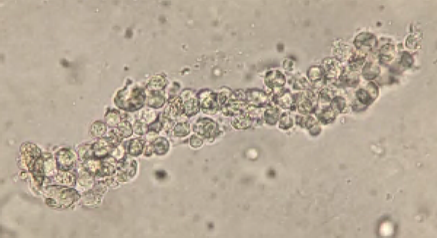
Orders were placed for H. Pylori antigen, fecal bacteria pathogen PCR, Giardia and Cryptosporidium antigen, and Ova & Parasite exam for the patient’s GI symptoms. The Ova & Parasite exam detected the objects in Image 1.
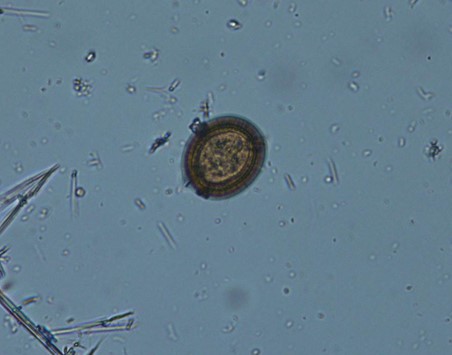
Image 1. Patient stool sample wet mount preparation.

Discussion

The Ova & Parasite exam was reported as Taenia species. The eggs had a diameter of around 37um. An infectious disease consult was ordered and a single dose of 600mg praziquantel was prescribed for the treatment. Repeat Ova & Parasite exams are ordered for 3 days post-treatment looking for dying parasites and 1 month post-treatment to confirm the cure (no eggs).

Taenia in the Taeniidae family of tapeworms (BioLib, n.d.). Three species are commonly found and most clinically important in human infection: Taenia saginata, Taenia solium, and Taenia asiatica; most Taeniasis is asymptomatic or has mild symptoms (Centers for, 2020b).

Taenia solium, or pork tapeworm often found in pork, is the most dangerous species to humans for two reasons. First, this is the only species that can cause the neurologic symptoms by cysticercosis in brain tissue; second, this species can take humans as intermediate hosts, which means it can cause human to human transmission within the household (Schmidt et al., 2009).

Taenia asiatica also lives in pigs, primarily in the liver instead of muscle. This species has a very similar genetic, morphology, and immunology to T. saginata. It is frequently found in Asia (Schmidt et al., 2009).

Taenia saginata, or beef tapeworm, is what our patient was assumed to have in this case. The life cycle is shown below in Figure 2. The patient presented because his ankle pain started to impact his walking significantly; however, he was not seeking help for his worm-like objects in the clinic, probably due to the mildness of the symptoms. The parasite infection was brought into sight because of his travel history and stool observation. Per CDC, Eastern Europe, Russia, eastern Africa, and Latin America are the highest risk areas (Centers for, 2020a). The patient stayed for 8 months in Ethiopia in eastern Africa. Ethiopia has a relatively poor sanitation status and a high prevalence of taeniasis (Jorga, 2020). The major contributors for our infectious disease clinicians to assume this patient has T. saginata infection but not T. solium infection are: there are no neurological symptoms, and there is no pork exposure due to his religion. Visualization of the tapeworm eggs or segments is important for identification the species. In this case, many eggs were found on the wet mount slide from the patient’s stool sample.

Treatment of taeniasis is with Praziquantel. Praziquantel removes the tapeworms from the human body by detaching the worm suckers from vessel walls. The medication is safe to give to ≥1year old patients (UpToDate, 2022).

Image 2. Taeniasis life cycle. Alive Taenia eggs or gravid proglottids in the environment get ingested by farm or wild animals. Oncospheres develop in the GI tract, then hatch to the intestine wall and penetrate the wall to migrate to muscle tissue. In the muscle tissue, oncospheres develop into cysticerci (cysticercosis happens at this step). After the meat products (generally animal muscle) get ingested by humans, the cysticerci grow into adult worms in humans. Some segments/worms/eggs will be released into the environment through feces to complete the life cycle (which allows detection and diagnosis of human infections).
https://www.uptodate.com/contents/image/print?imageKey=ID%2F64879

References

BioLib: Biological library. Taenia | BioLib.cz. (n.d.). Retrieved from https://www.biolib.cz/en/taxon/id43806/

Centers for Disease Control and Prevention. (2020a, September 18). CDC – taeniasis – general information . Epidemiology & Risk Factors. Retrieved from https://www.cdc.gov/parasites/taeniasis/epi.html

Centers for Disease Control and Prevention. (2020b, September 18). CDC – taeniasis – general information . frequently asked questions. Retrieved from https://www.cdc.gov/parasites/taeniasis/gen_info/faqs.html

Jorga, E., Van Damme, I., Mideksa, B. et al. Identification of risk areas and practices for Taenia saginata taeniosis/cysticercosis in Ethiopia: a systematic review and meta-analysis. Parasites Vectors 13, 375 (2020). https://doi.org/10.1186/s13071-020-04222-y

Schmidt, G. D., & Roberts, L. S. (2009). Chapter 21 Tapeworms. In Foundations of Parasitology, eighth edition (pp. 346–351). essay, McGraw-Hill Higher Education.

UpToDate. (2022). Praziquantel: Drug information. UpToDate. Retrieved from https://www.uptodate.com/contents/table-of-contents/drug-information

-Sherry Xu is a Masters student in the department of Pathology and Laboratory Medicine at the University of Vermont Medical Center.

-Christi Wojewoda, MD, is the Director of Clinical Microbiology at the University of Vermont Medical Center and an Associate Professor at the University of Vermont.

Microbiology Case Study: A 46 Year Old with Chest Pain

Case History

A 46 year old male with a history of cystic fibrosis and bilateral lung transplant two years prior presented to the hospital with chest pain and hemoptysis. The patient was recently diagnosed with COVID-19, and a CT chest revealed multiple rounded, mass-like opacities with central cavitation. As imaging was not consistent with COVID-19 pulmonary disease and no clear risk for tuberculosis could be identified, a bronchoscopy with transbronchial biopsy was performed. Tissue and bronchiolar lavage fluid were collected and submitted to the microbiology laboratory for analysis. Viral etiologies including influenza A/B, Parainfluenza 1-3, Adenovirus, RSV and metapneumovirus were ruled out through molecular studies. Galactomannan was negative from the BAL fluid, as were fungal and mycobacterial cultures and Mycobacterium tuberculosis PCR. GMS staining of the biopsy was negative but organizing pneumonia and mononuclear infiltrate was noted. The patient had a history of recurrent multidrug-resistant Pseudomonas aeruginosa infection and was being managed with empiric ceftazidime/avibactam.

Laboratory Identification

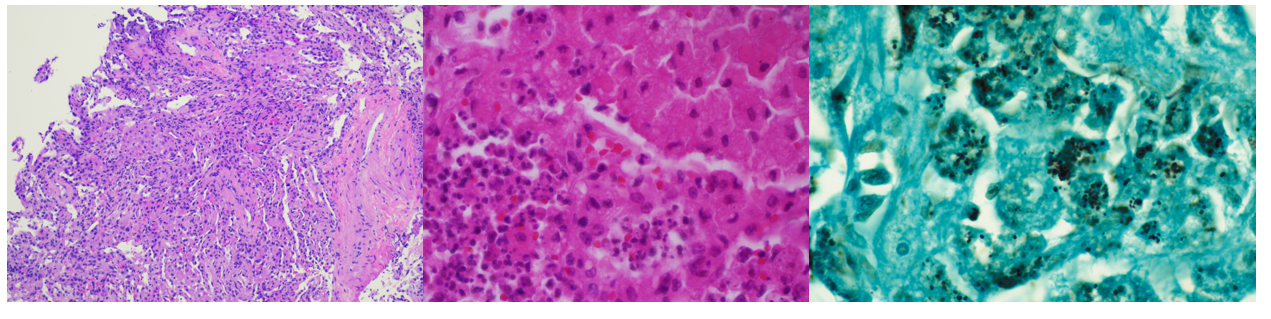
Gram stains of both the tissue and BAL fluid were generally unremarkable. Histopathological analysis of the transbronchial tissue revealed changes suggestive of organizing pneumonia with mononuclear infiltrate (Image 2, left). Bacterial growth of a predominant organism from both the BAL and biopsy tissue was observed on plates after 48 hours on blood and chocolate agars but was absent on MacConkey agar. At 96 hours, the colonies of the organism had become mucoid, slightly pink and had coalesced (Image 1, right). Gram staining of the growth revealed short, poorly staining gram positive coccobacilli with a beaded appearance. Due to the incomplete gram staining of this isolate, modified acid-fast staining was attempted which was positive (Image 1, left). The organism was both catalase- and urease-positive. The isolate was subsequently identified by MALDI-TOF MS as Rhodococcus equi, and the patient was discharged from the hospital on imipenem and linezolid.

Image 1. (Left) Modified acid-fast (MAF) staining revealing small, MAF-positive coccobacilli (black arrowheads).  (Right) Characteristic, mucoid salmon-colored colonies of the isolate on blood agar after 96 hours incubation. ​
Image 2. (Left) Transbronchial biopsy revealing areas of histiocyte aggregation and mononuclear infiltrate (H&E, 10X magnification).  (Middle) Representative image of expanded histiocytes with small, pale-staining round forms in a background of neutrophils (H&E, 40X magnification).  (Right) Representative image of histiocytes filled with coccoid and coccobacilliary forms (GMS, 40X magnification).​

Discussion

Rhodococcus equi is a zoonotic pathogen which primarily causes infections among immunocompromised hosts. Infrequently isolated clinically, the organism is a primary pathogen of horses causing pneumonia with abscess formation in foals, often with dissemination into peripheral sites due to high organism burden. The organism is excreted in feces of infected animals, leading to contamination of soils from farms, ranches, and other agricultural environments from which the organism is either aerosolized and inhaled or acquired via direct inoculation.1 While human infections are classically associated with exposure to horses or their environment, there is a growing body of literature to suggest that many patients with microbiologically proven cases of R. equi infection lack such environmental exposures. This patient falls into the latter category, with no known exposure to livestock.

                R. equi is a member of the aerobic actinomycetes. Like Nocardia sp., the cell wall of R. equi contains mycolic acids which lead to positivity when stained with a modified acid-fast stain. The organism is a facultative, intracellular pathogen surviving within macrophages and histiocytes, leading to granulomatous inflammation, eventually leading to necrosis.2 Immunosuppression (including HIV infection or immunosuppressive therapy) is a major risk factor for R. equi infection, as most clinical cases are reported in this setting. In immunocompromised hosts, the spectrum of disease manifestations of R. equi are diverse, but most commonly (approx. 80%) include pulmonary involvement3 with upper lobe cavitary pneumonia.4 Characteristic malakoplakia (an infiltration of foamy histocytes with intracellular bacteria and basophilic inclusions name Michaelis-Gutmann bodies)1 can be associated with R. equi infection. These structures were noticeably absent in this patient’s case despite the observed histocyte aggregation and mononuclear infiltrate (Image 2, center, left).

R. equi pneumonia among solid organ transplant recipients, such as the patient in this case is associated with low overall morbidity and mortality, but require protracted antibiotic therapy regimens.1 Susceptibility testing is warranted to guide therapy of R. equi due to unpredictable resistance patterns among isolates. This patient’s isolate was revealed to be susceptible to amoxicillin/clavulanate, ceftriaxone, imipenem, ciprofloxacin, moxifloxacin, clarithromycin, amikacin, tobramycin, minocycline, trimethoprim/sulfamethoxazole, vancomycin, linezolid, and rifampin. The patient was discharged on imipenem/linezolid. At follow-up, the patient had clinically improved with a resolution of symptoms, but his radiologic abnormalities persisted and thus remains on oral therapy with moxifloxacin and minocycline.

References

Yamshchikov, AV, Schuetz, A, and Lyon, GM. Rhodococcus equi infection. 2010. Lancet Infect. Dis. 10:350-359.

Prescott, JF. Rhodococcus equi: an Animal and Human Pathogen. 1991. Clin. Microbiol. Rev. 4(1):20-34.

Weinstock, DM, and Brown, AE. Rhodococcus equi: an emerging pathogen. 2002. Clin. Infect. Dis. 34:1379-1385.

Mutaner, L, et. al. Radiologic featuresof Rhodococcus equi pneumonia in AIDS. Eur. J. Radiology. 1997. 66-70.

-Andrew Clark, PhD, D(ABMM) is an Assistant Professor at UT Southwestern Medical Center in the Department of Pathology, and Associate Director of the Clements University Hospital microbiology laboratory. He completed a CPEP-accredited postdoctoral fellowship in Medical and Public Health Microbiology at National Institutes of Health, and is interested in antimicrobial susceptibility and anaerobe pathophysiology.

-Dominick Cavuoti is a Professor in the Department of Pathology at UT Southwestern Medical Center. Dr. Cavuoti is a board certified AP/CP who is a practicing Clinical Microbiologist, Infectious Disease pathologist and Cytopathologist.


-Clare McCormick-Baw, MD, PhD is an Assistant Professor of Clinical Microbiology at UT Southwestern in Dallas, Texas. She has a passion for teaching about laboratory medicine in general and the best uses of the microbiology lab in particular.

Microbiology Case Study: A 17 Year Old with Chest Pain

Case History

A 17 year old female who presented to the emergency department with complaints of fever, vomiting, diarrhea, and chest pain for the past two weeks. She also reported an unintentional weight loss of 20 lbs. Her medical history consisted of essential hypertension for which she was previously on medication, however had been discontinued two years ago due to normal blood pressure. The patient reported that she is sexually active with one male partner and denied use of protection. She denied any other sexual partners or any prior history of sexually transmitted infections. Her urine NAAT testing was positive for chlamydia, but negative for gonorrhea. Blood cultures collected at the time of admission resulted in growth of gram-negative diplococci on day 2 of admission (Image 1) and colony growth on chocolate agar (Image 2). The organism was positive for both catalase and oxidase and identified by matrix-assisted light desorption ionization- time of flight (MALDI-TOF) as Neisseria gonorrhoeae. Due to her chest pain complaints and QT prolongation on EKG, a trans-thoracic echo was performed that demonstrated a large aortic root abscess suggestive of infective endocarditis. Ceftriaxone was started as treatment for her gram-negative endocarditis, and she was emergently transferred to another facility where an aortic valve replacement and patch aortoplasty were performed.

Image 1. Gram stain of the blood culture showing gram negative diplococci.
Image 2. Neisseria gonorrhoeae on chocolate agar producing small gray-white colonies.

Discussion

Neisseria gonorrhoeae is a fastidious, oxidase positive, gram negative diplococcus, commonly transmitted through sexual contact.2,3 Neisseria uniquely grows on chocolate agar and VPN/Thayer Martin agar, and has virulence factors such as pilli that attach to mucosal surfaces, and many antigenic variations that make it a highly resistant organism prone to reinfection.

In the laboratory, N. gonorrhea grows well on chocolate agar after 24-48 hours of incubation (Image 2) with less robust or no growth on blood agar. It is positive for both catalase and oxidase. Traditionally, sugar fermentation was used to differentiate Neisseria species from one another, but more ore rapid identification methods (MALDI-TOF and PCR) are being increasingly used in most clinical laboratories

In men, Neisseria usually ascends the genitourinary tract to cause prostatitis. In women, the infection can disseminate to cause pelvic inflammatory disease, which can cause scarring in the fallopian tubes, resulting in infertility. Neisseria also can present as an asymmetric polyarthritis, most commonly to the knees. The main treatment of Neisseria gonorrhea is ceftriaxone. Gentamicin is an acceptable alternative in patients with severe cephalosporins allergy.

This case involves a rare presentation of infective endocarditis caused by disseminated gonorrhea infection. Previous reported cases of gonococcal endocarditis1,4 reported ad subacute presentation in around 2-4 weeks with generalized fatigue, fevers, arthritis, rash, renal dysfunction, and new cardiac murmurs. Because it can present without preceding genitourinary symptoms, disseminated gonorrheal can be difficult to recognize. The infection is usually aggressive, forming large vegetations and rapid valve destruction, despite antibiotic treatment. Most commonly it involves the aortic valve, as seen in the case presented above, but can also involve the mitral and tricuspid valves in some cases. The damage usually requires valve replacement surgery in addition to antimicrobial therapy.5,6 Lastly, this case demonstrates the limitations of the urine NAAT to diagnose gonorrhea specifically in females and/or asymptomatic patients due the possible presence of inhibitors and the need for further testing if clinical suspicion remains.7

References

  1. Said M, Tirthani E. Gonococcal Infective Endocarditis Returns. Cureus. 2021 Sep 14;13(9):e17955. doi: 10.7759/cureus.17955. PMID: 34660143; PMCID: PMC8515499.
  2. Ryan, K. J., Ray, G., and Sherris, J. C. (2004). Sherris Medical Microbiology: An introduction to Infectious Diseases, 4th edition. McGraw-Hill Medical.
  3. Centers for Disease Control and Prevention. Gonorrhea. Available from: https://www.cdc.gov/std/gonorrhea/stdfact-gonorrhea-detailed.htm. Last updated 2021 July 22; cited on 2022 March 21.
  4. Fenech, Marylou, et al. “Neisseria Gonorrhoeae Infective Endocarditis.” BMJ Case Reports, BMJ Specialist Journals, 1 May 2022
  5. Thompson EC, Brantley D. Gonoccocal endocarditis. J Natl Med Assoc. 1996 Jun;88(6):353-6. PMID: 8691495; PMCID: PMC2608094.
  6. Nie S, Wu Y, Huang L, Pincus D, Tang YW, Lu X. Gonococcal endocarditis: a case report and literature review. Eur J Clin Microbiol Infect Dis. 2014 Jan;33(1):23-7. doi: 10.1007/s10096-013-1921-x. Epub 2013 Jul 16. PMID: 23856883.
  7. Whiley DM, Tapsall JW, Sloots TP. Nucleic acid amplification testing for Neisseria gonorrhoeae: an ongoing challenge. J Mol Diagn. 2006 Feb;8(1):3-15. doi: 10.2353/jmoldx.2006.050045. PMID: 16436629; PMCID: PMC1871692.

-Olivia Piscano is a second-year medical student at the Medical College of Georgia. She is currently interested in Internal Medicine, Pediatrics, and Infectious Disease.

-Hasan Samra, MD, is the Director of Clinical Microbiology at Augusta University and an Assistant Professor at the Medical College of Georgia.

Microbiology Case Study: Severely Immunocompromised Female with Respiratory Failure

Case History

A 50 year old female with a complex medical history consisting of lymphoma, diabetes mellitus (type II), sarcoidosis, congestive heart failure, chronic renal failure (stage 3), and pancytopenia  presented to the emergency department with shortness of breath, cough, fever. She was found to be positive for SARS-CoV-2 and was transferred to the ICU due to hypoxic respiratory failure. She was treated for sepsis and respiratory failure, but her status continued to decline. The patient had multiple admissions due to COVID-19 in the past, received remdesivir and was on corticosteroid therapy due to the interstitial lung disease from last year. Initial evaluation included complete blood count which revealed anemia (hemoglobin=8.7 mg/dl), leukocytosis (WBC = 21,900/mcl), lymphopenia (910/mcl) and thrombocytopenia (Plt = 27000/mcl). The patient was treated with broad antibiotics and additional steroids. Additional tests revealed hyperproteinemia and hypoalbuminemia. Chest x-ray showed worsening infiltrates in lungs and chest CT scan revealed left apical hydropneumothorax, loculated left pleural effusion, pneumomediastinum, and chest wall subcutaneous emphysema. Lung biopsy revealed necrosis. Histopathology examination revealed broad, branching hyphae with sporulation in lung tissue biopsy and bronchoalveolar lavage. Respiratory cultures of lung biopsy and BAL grew rapidly and lactophenol cotton blue tape preps showed broad hyphae with round sporangium and rhizoids between the stolons. The patient was diagnosed with mucormycosis, infection with Rhizomucor, and was treated with Amphotericin B. Surgical debridement of the tissue was not possible due to her declining condition. She passed away after 5 days.

Figure 1. H&E stain of the lung biopsy (top, left) and Papanicolaou stain of bronchoalveolar lavage (top, right) revealed broad, ribbon-like, right-angle branching hyphae (visible in lung biopsy) with sporulation (credits to Dr. Elham Arbzadeh, George Washington University School of Medicine and Health Sciences). Rapid growth was observed from the respiratory cultures of the tissue biopsy by day 2 (bottom, left) where lactophenol cotton blue tape preps showed broad hyphae with sporangium (bottom, right) and intermodal rhizoids (not shown in this image).

Discussion

The term mucormycoses refers to infections caused by the Zygomycetes which is further separated into Mucorales and Entomophthorales. Some of the members of Mucorales are Rhizopus spp., Mucor spp., Lichtheimia (Absidia) spp., Syncephalastrum spp., and Rhizomucor spp.1,2 These organisms live in soil, dung, and vegetative matter. Infection is usually acquired by inhalation/ingestion of their spores or direct inoculation and contamination of wounds. The mold can invade the walls of the blood vessels causing angioinvasion and often results in dissemination of mycotic thrombi and development of systemic infection. Zygomycetes are most commonly known for causing rhinocerebral, pulmonary, cutaneous, and disseminated disease. Infections with Zygomycetes most commonly occur as opportunistic infections in immunocompromised hosts. Risk factors include diabetes, those with acidosis, neutropenia, and sustained immunosuppression such as after transplantation.

Zygomycetes grow very fast (within 48 to 72 hrs.) and is often called a “lid lifter”. The colonies have a wooly mycelium and can be described as cotton candy-like. Lactophenol tape preps of the mold would reveal broad hyphae, aseptate or pauciseptate, ribbon-like hyphae with irregular width. At the tip of the sporangiophore, there is a sack-like structure called a sporangia with contains all the spores. Fungal elements and hyphae seen on tissue biopsies from patients with mucormycosis typically have near right angle branching (usually >40o) broad, non-septate hyphae. In contrary, those with aspergillosis show acute angle branching (usually <45o) with narrow, septate hyphae.3  

Genus-level identification can be achieved by microscopic morphology. Rhizomucor is an intermediate between Rhizopus and Mucor. Rhizoids found in Rhizomucor are few in number and are located on stolons, between the sporangiophores, as opposed to Rhizopus where the rhizoids are often seen directly at the nodes and Mucor which does not produce rhizoids. Sporangia (40-80 µm in diameter) are brown in color and round in shape. Apophysis is absent, which allows for differentiation from Lichtheimia (Absidia) where apophysis can be seen.4 The genus Rhizomucor includes three species: Rhizomucor pusillusRhizomucor miehei, and Rhizomucor tauricus.5

Treatment of mucormycosis consists of antifungal and surgical therapy. Amphotericin B is the most commonly used antifungal agent. Liposomal amphotericin B has also been successfully used in some cases with zygomycosis due to Rhizomucor.6  Early diagnosis and treatment are crucial and mortality rate is high.7  Of note, Zygomycetes are intrinsically resistant to voriconazole.

References

  1. Rippon J W. Medical mycology. The pathogenic fungi and the pathogenic actinomycetes. Philadelphia, Pa: Saunders; 1974. Mucormycosis; pp. 430–447. 
  2. Scholer H J, Müller E. Beziehungen zwischen biochemischer Leistung und Morphologie bei Pilzen aus der Familie der Mucoraceen. Pathol Microbiol. 1966;29:730–741.
  3. Mohindra S., Mohindra S., Gupta, R., Bakshi, J., Gupta, S. K. Rhinocerebral mucormycosis: the disease spectrum in 27 patients. Mycoses. doi: 10.1111/j.1439-0507.2007.01364.x.
  4. de Hoog, G. S., J. Guarro, J. Gene, and M. J. Figueras. 2000. Atlas of Clinical Fungi, 2nd ed, vol. 1. Centraalbureau voor Schimmelcultures, Utrecht, The Netherlands)
  5. Schipper M A A. On the genera Rhizomucor and Parasitella. Stud Mycol. 1978;17:53–71. 
  6. Bjorkholm, M., G. Runarsson, F. Celsing, M. Kalin, B. Petrini, and P. Engervall. 2001. Liposomal amphotericin B and surgery in the successful treatment of invasive pulmonary mucormycosis in a patient with acute T- lymphoblastic leukemia. Scand J Infec Dis. 33:316-319.
  7. Ribes, J. A., C. L. Vanover-Sams, and D. J. Baker. 2000. Zygomycetes in human disease. Clin Microbiol Rev. 13:236-301.

-Maryam Mehdipour Dalivand, MD is a Pathology Resident (PGY-1) at The George Washington University Hospital. She is pursuing AP/CP training.

-Rebecca Yee, PhD, D(ABMM), M(ASCP)CM is the Chief of Microbiology, Director of Clinical Microbiology and Molecular Microbiology Laboratory at the George Washington University Hospital. Her interests include bacteriology, antimicrobial resistance, and development of infectious disease diagnostics.

Answering Your Questions about Monkeypox

I have been hearing many concerned questions about Monkeypox lately, and I wanted to add onto the great job already done by Dan Scungio in his previous post on how laboratorians should be safe around Monkey pox suspected samples. As a part of the queer community, I’ve heard from several people who are very concerned as this is predominately spread among men who have sex with men. I’ll be focusing on what is new about Monkeypox, how it is different, where it is spreading, and what can be done about it so far. I’ll address questions like should we be sequencing Monkeypox like COVID-19 and does your smallpox vaccination will protect you.

What is Monkey Pox?

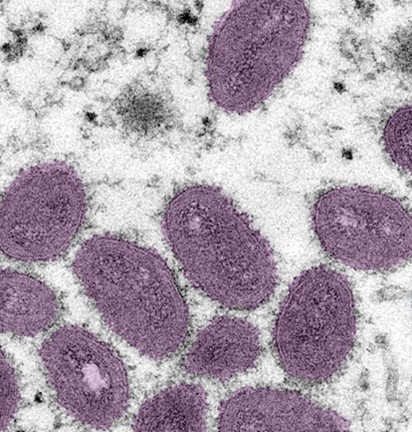
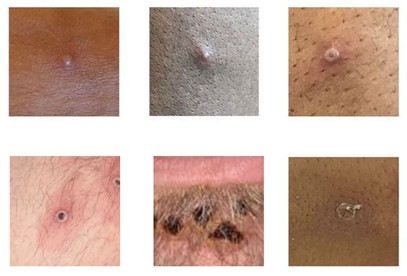
This is an orthopox virus that is from the same family as smallpox, which was so effectively cleared from human circulation that vaccines were discontinued in the U.S. in the early 1980’s. It causes a systemic disease characterized by lesions that start as a red, flat rash (macula) then form vesicles that break open, crust and resolve in 2-4 weeks. If you ever had chicken pox, you may recall how painful it was, and this is the major symptom that requires medical management.

Figure 1. Transmission electron microscope image of Monkey pox (purple). https://www.cdc.gov/poxvirus/monkeypox/index.html

Is it really that big of a concern?

Initially case increases were attributed to undiagnosed disease just as happened with COVID-19 initially. However, now that commercial labs are testing for it and access to testing is not an issue, we still see case counts increasing. This indicates that the rapid spread is real and concerning. That rapid spread is one reason that it has now been declared a national public health emergency.

How is it tested for?

Initially testing was sent out to one of the CDC regional testing centers. However, there were only 60-70 of these sites and they had limited capacity for high throughput testing. Then Labcorp and Quest they can each perform PCR testing, which has expanded access greatly. However they have different specimen types they accept:

  • Labcorp: Lesion swab in VTM sent frozen or refrigerated (room temp not acceptable)
  • Quest: Lesion swab in VTM

What is new?

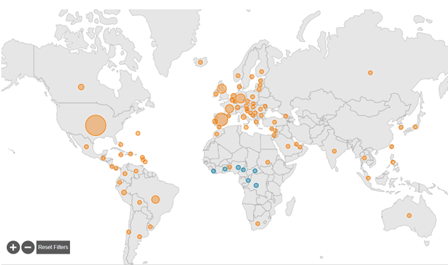
  • It has been in Sub-Saharan Africa for a long time.
  • Early summer it began to spread into other continents like Europe.
  • U.S. now has the highest levels of Monkeypox cases.

This all reinforces the impact of communicable diseases in a global society.

Figure 2. Global distribution of cases Jan 1, 2022-Aug 9, 2022. https://www.cdc.gov/poxvirus/monkeypox/response/2022/world-map.html

How are symptoms different?

  • The rash may begin without the typical prodrome symptoms of fever, malaise, etc.
  • Spread occurs by skin to skin contact
Figure 3. Examples of Monkey pox lesions. https://www.cdc.gov/poxvirus/monkeypox/symptoms.html

Does my smallpox vaccine protect me?

  • Smallpox vaccines are 85% effective for 3-5 years
  • Unknown how well they work after many years
  • They likely decrease severity of disease even if it was given many years ago.

What can be done to prevent it?

  • Monkeypox vaccination: requires 2 shots. Space out 4 weeks apart.
  • FDA recently approved 1) decreasing the dose and 2) performing subcutaneous injection.
  • This would increase the effective doses by 5x and still produce a robust immune response.

Should we be sequencing it?

  • There are 3 major clades of the virus with the Congo clade being more severe (10% death rate) than the one we are seeing (West African: 3%)
  • These differences can be found by PCR based tests
  • There is no treatment difference based on the clade.
  • If this continues to spread and mutate, then there could be a reason to sequence the virus.
  • Some evidence suggests the mutation rate is 2x higher than would be expected.
    • However, the last known samples were sequenced >5 years ago and not many were sampled to get a very accurate measure of the mutation rate.
    • So this news about mutation rate should be taken with a grain of salt.

References

Jeff SoRelle, MD is Assistant Instructor of Pathology at the University of Texas Southwestern Medical Center in Dallas, TX working in the Next Generation Sequencing lab. His clinical research interests include understanding how lab medicine impacts transgender healthcare and improving genetic variant interpretation. Follow him on Twitter @Jeff_SoRelle.

Tick Identification: Why Do We Do It and What Does It Tell Us?

During the warmer months here in the Midwest, ticks are abundant and our microbiology lab receives several tick submissions per day for identification. When possible, we provide species level identification as well as sex for any tick submitted. While this is common practice in most microbiology laboratories, our molecular laboratory accidently received a tick specimen and, in the process of routing it to the microbiology lab, was curious as to why the tick identification matters—what does that tell us clinically? This led to an impromptu plate rounds with both labs and prompted me to write this post.


How do we determine tick identity?

A tick is submitted in a cup and sent to the laboratory. Ideally the tick would be submitted whole without missing appendages or damaged in any way. The tick is placed in ethanol to kill the organism and to allow for examination under a microscope. The mouth parts, scutum, and festoons are examined for defining features. Thorough examination is challenging when the tick arrives damaged or only partially intact.

Why do we provide tick identification?

Certain ticks carry specific pathogens. For instance, Amblyomma americanum (lone star tick) can transmit ehrlichiosis, Francisella tularensis, Heartland virus, Bourbon virus, and Southern tick-associated rash illness, while Ixodes scapularis can transmit Borrelia burgdorferi & Borrelia mayonii (both are causative agents of Lyme disease), Anaplasma phagocytophilum, and Erhlicia muris as well as Powassan virus. Knowing which tick that the patient was bitten by can allow providers to understand what potential pathogens they may or may not have been exposed to. If Amblyomma americanum is submitted, for example, that tick does not carry Borrelia burgdorferi. However, it is important to note that the majority of patients who develop tick-borne illness have no recollection of a tick bite! So while one tick may be discovered and sent to the lab, the patient could still have been unknowingly bitten by a different tick, which could carry other pathogens. When a patient exhibits clinical symptoms that are consistent with a tick-borne disease, such as Lyme Disease, the patient should be tested for that disease regardless of their tick history.

The patient has an Ixodes tick! They are worried about Lyme Disease. Should we send the tick out for molecular testing?

We discourage the use of molecular testing on the ticks themselves because ticks carry a variety of pathogens and there is a high likelihood of carrying a particular pathogen in a high prevalence area. For Ixodes ticks in Lyme Disease endemic areas, 15-70% of ticks may carry the causative agent, Borrelia burgdorferi. However, just because a tick carries a particular pathogen, it does not mean that the patient is now infected. This can lead to unnecessary treatment and misdiagnosis. Moreover, ticks must feed for a certain amount of time before pathogens can be transmitted. For example, Ixodes ticks must typically feed for more than 24 hours before it can transmit Lyme Disease or other pathogens.

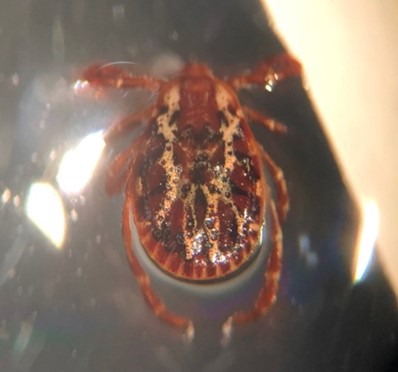
Image 1. A male Dermacentor variabilis (also known as the American dog tick) submitted by one of our patients.

In summary, tick identification can provide a glimpse into what the patient was potentially exposed to and if symptoms do arise days to weeks later, the tick identification may offer additional clues. However, just because a person was bitten by a tick does not mean that they are infected. Identification is just a piece of the puzzle!

References

-Paige M.K. Larkin, PhD, D(ABMM), M(ASCP)CM is the Director of Molecular Microbiology and Associate Director of Clinical Microbiology at NorthShore University HealthSystem in Evanston, IL. Her interests include mycology, mycobacteriology, point-of-care testing, and molecular diagnostics, especially next generation sequencing.

Microbiology Case Study: A 47 Year Old with Eye Pain and Redness

Case history

A 47 year old male with an extensive ocular history including laser assisted in situ keratomileusis (LASIK), multiple ocular traumas with repair, and myopic degeneration with neovascularization for which he was prescribed hard and soft contact lenses presented for bilateral eye redness, watering, and stinging pain. Recently, he had forgotten his soft contacts and wore his hard lenses to his job in construction which he reported doing once every 1-2 months. Ocular exam revealed only his usual chronic changes. His symptoms improved with moxifloxacin eyedrops, but never fully resolved. A month later he returned with what was initially assessed as diffuse corneal edema and conjunctival injection in his left eye, but no ring infiltrate or epithelial defect. Two days later, a large epithelial defect with surrounding ring infiltrate and hypopyon (settling of white blood cells at the base of the anterior chamber) developed in his left eye. Confocal microscopy showed findings concerning for Acanthamoeba infection and the contact lenses and case were sent for culture. Environmental organisms including Klebsiella varicola, Chryseobacterium gleum, and Pseudomonas fluorescens were recovered. In addition, cultures for Acanthamoeba sp., where sample is overlaid on a lawn of E. coli grown on a non-nutrient agar plate, were sent to a reference laboratory.

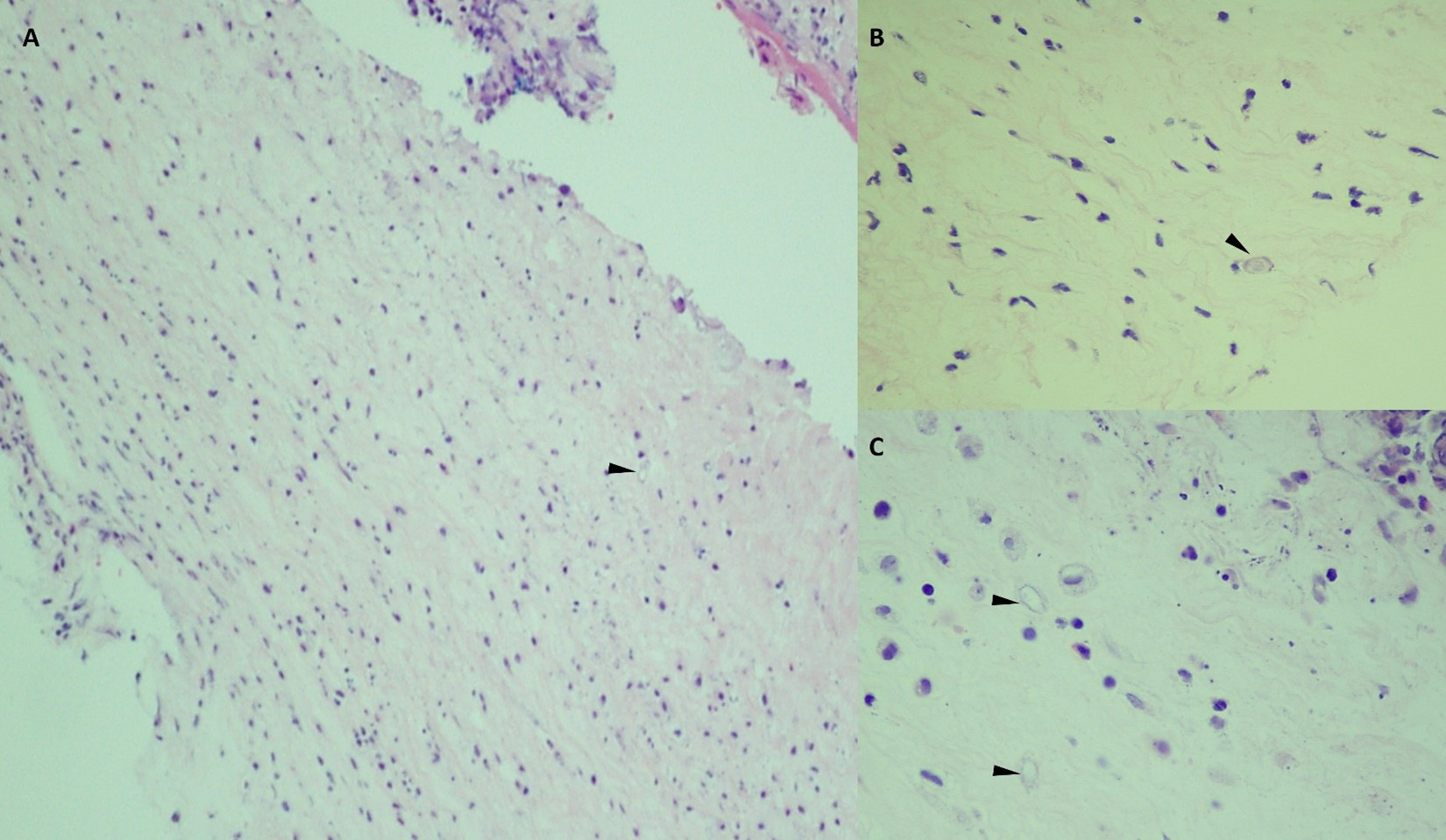
The patient was treated with Brolene, polyhexamide biguanide (PHMB), and chlorhexidine for Acanthamoeba as well as with antibacterial agents. Three months later his LASIK flap failed and was removed and sent for cultures and pathology which both grew Acanthamoeba sp.(Image 1). He continued treatment for another two months, but the corneal defect expanded. He underwent a therapeutic penetrating keratoplasty, and the explant cornea was sent for pathology. Sections showed acute and chronic inflammation of the corneal epithelium and stroma with rare cysts of Acanthamoeba with atypical morphology possibly representing treatment effect or nonviable organisms (Image 2). The patient continued treatment for another month afterward with resolution of symptoms.

Image 1. Representative photomicrographs of cornea with multiple Acanthamoeba cyst forms at differing stages of development (H&E, 400x magnification) and trophozoite with associated acute inflammation (inset, 500x magnification, oil immersion).
Image 2. Photomicrograph of this patient’s explanted LASIK flap. A) Low power magnification demonstrating acute and chronic inflammation in a background of degrading corneal tissue. An empty cyst is highlighted by the arrowhead (H&E, 100x magnification). B and C) High power magnification of likely nonviable cysts indicated by the arrowheads (H&E, 400x magnification).

Discussion

Acanthamoeba sp. are free-living amoebae found ubiquitously in the environment including in water, soil, dust, and air conditioning ducts.1 Over 20 species of Acanthamoeba have been identified, with eight known to cause human disease. A. castellani and A. polyphaga are the most common species identified from clinical infections.2 Acanthamoeba sp. are a primary reservoir of Legionella pneumophilia and can serve as vectors for other bacterial infections.3 These organisms may colonize the nasal passages of normal hosts.4 Acanthamoebal infections have varied clinical presentations depending on the route of transmission, organ(s) infected, and immune status of the host. These include amebic keratitis, granulomatous amebic encephalitis, and disseminated disease.3 Of these, Acanthamoeba keratitis (AK) is the most frequently encountered clinically.

AK can occur when the organisms are inoculated into corneal micro-abrasions, most often from contaminated hard contact lenses rinsed with tap water. AK represents 5% of all cases of contact-lens-associated keratitis, and 70-85% of AK cases are associated with contact lens use.1 Diagnosis of AK is heavily dependent on a high index of suspicion as AK presents with nonspecific ocular symptomology including blurred vision, photophobia, inflammation, and eye pain. A corneal ring infiltrate is characteristic, but only present in 50% of cases.1 Although historically culture is the gold standard for diagnosis, advanced technologies like confocal microscopy and PCR have greatly improved sensitivity and time to diagnosis.5 Cultures are usually grown on agar plates coated with gram negative bacilli such as E. coli.2 If Acanthamoeba are present, trails of bacterial clearing can usually be seen within days but may take up to several weeks.2 They have dormant cyst and active trophozoite forms. Microscopically they appear as round heterogeneous bodies with a distinct nucleus and surrounded by ruffled membrane and are 15-35 μm in length.3 PCR, given its analytical sensitivity, specificity and turn around time, is the more common method of diagnosis of AK and has replaced many instances of culture today.

AK has a poor prognosis and is potentially sight threatening. Factors contributing to disease severity include delayed diagnosis, pathogenic factors, and lack of effective medical management.1 Nearly 40% of patients fail initial therapy.1 Factors that contribute to Acanthamoeba pathogenicity include production of enzymes including elastases and proteases, adhesion molecules, and physiologic tolerance to different temperatures, osmolarities, and pH.6 The cyst stage confers resilience to many therapies which is compounded by poor tissue penetration of the antimicrobial agents often used in therapy.6 Repeated exposure to therapeutic antimicrobials can also lead to the development of resistance.6 In our patient’s case, treatment was successful following the LASIK flap removal, facilitating increased drug penetration and supported by pathologic findings of treatment effect in the explanted cornea.

References

  1. Somani SN, Ronquillo Y, Moshirfar M. Acanthamoeba Keratitis. 2021 Aug 11. In: StatPearls [Internet]. Treasure Island (FL): StatPearls Publishing; 2021 Jan–. PMID: 31751053.
  2. Maycock NJ, Jayaswal R. Update on Acanthamoeba Keratitis: Diagnosis, Treatment, and Outcomes. Cornea. 2016 May;35(5):713-20. doi: 10.1097/ICO.0000000000000804. PMID: 26989955.
  3. Marciano-Cabral F, Cabral G. Acanthamoeba sp. as agents of disease in humans. Clin Microbiol Rev. 2003 Apr;16(2):273-307. doi: 10.1128/CMR.16.2.273-307.2003. PMID: 12692099; PMCID: PMC153146.
  4. Clarke B, Sinha A, Parmar DN, Sykakis E. Advances in the diagnosis and treatment of Acanthamoeba keratitis. J Ophthalmol. 2012;2012:484892. doi: 10.1155/2012/484892. PMID: 23304449; PMCID: PMC3529450.
  5. Hoffman, J.J., Dart, J.K.G., De, S.K. et al. Comparison of culture, confocal microscopy and PCR in routine hospital use for microbial keratitis diagnosis. Eye (2021). https://doi.org/10.1038/s41433-021-01812-7
  6. Lorenzo-Morales J, Khan NA, Walochnik J. An update on Acanthamoeba keratitis: diagnosis, pathogenesis and treatment. Parasite. 2015;22:10. doi: 10.1051/parasite/2015010. PMID: 25687209; PMCID: PMC4330640.

-Tim Kirtek is a fourth year AP/CP resident at UT Southwestern Medical Center in Dallas, Texas.

-Dominick Cavuoti is a professor at UT Southwestern Medical Center who practices Medical Microbiology, Cytology and Infectious Disease Pathology.

-Andrew Clark, PhD, D(ABMM) is an Assistant Professor at UT Southwestern Medical Center in the Department of Pathology, and Associate Director of the Clements University Hospital microbiology laboratory. He completed a CPEP-accredited postdoctoral fellowship in Medical and Public Health Microbiology at National Institutes of Health, and is interested in antimicrobial susceptibility and anaerobe pathophysiology.

-Clare McCormick-Baw, MD, PhD is an Assistant Professor of Clinical Microbiology at UT Southwestern in Dallas, Texas. She has a passion for teaching about laboratory medicine in general and the best uses of the microbiology lab in particular.

Microbiology Case Study: A 75 Year Old Found Unresponsive

A 75 year old female with a past medical history of coronary artery disease, hypertension, pre-diabetes mellitus, chronic obstructive pulmonary disease, prior left lobe cavitary lesion of unknown etiology, and tobacco use presented to the ED after being found nonresponsive on the couch. Family reports the patient said she had emesis the night before and felt as if she had a “stomach bug”. MRI shows T2 hyperintensities in the right MCA distribution. CSF results as follows.

White Blood Cells300
Red Blood Cells12
Protein990
Glucose79
Cryptococcal antigenNegative
Fungal cultureNo fungi isolated
HSVNegative

Laboratory findings

CSF was sent to the microbiology lab for bacterial and fungal smears and cultures. No fungi were identified. Cryptococcal antigen was negative. HSV was also negative. CSF Gram stain shows gram positive bacilli. CSF culture showed a small, white, smooth, translucent appearance on sheep blood agar. In semi-solid agar after overnight incubation at room temperature, an umbrella shaped pattern of motility was seen. The organism was identified as Listeria monocytogenes by MALDI-TOF mass spectrometry.

Image 1. Listeria monocytogenes on sheep blood agar.
Image 2. Listeria monocytogenes showing “umbrella zone” pattern of motility on semi-solid agar.

Discussion

Listeria spp. is a genus of gram positive, aerobic, facultative intracellular, catalase positive bacteria. Listeria monocytogenes is a common colonizer in the environment (animals, soil, vegetable matter) and occasionally colonizes the human gastrointestinal tract. Listeria prefers colder environments and can be found as a food contaminant, most notably in milk, raw vegetables, cheese, and meats. In addition, colonized mothers can pass Listeria monocytogenes to the fetus.1

Listeria monocytogenes has 3 notable virulence factors:2

  1. Listeriololysin O: a hemolytic toxin that allows for survival within phagocytes
  2. Act A: induces actin polymerization that facilitate cell-to-cell spread
  3. Siderophores: organisms capable of scavenging iron from human transferrin to enhance cell growth

Neonates, immunocompromised individuals, and the elderly are more likely to acquire infection. Infection can present as bacteremia and CNS infections including meningitis, encephalitis, brain abscesses, and spinal cord infections. Listeria monocytogenes is the 3rd most common cause of meningitis behind Streptococcus pneumoniae and Neisseria Meningitidis. In neonates, an in-utero infection can cause granulomatous infantisepticum leading to systemic infection and stillbirth.3 Listeria monocytogenes can also present as gastroenteritis.

References

  1. Allerberger F. Listeria: growth, phenotypic differentiation and molecular microbiology. FEMS Immunol Med Microbiol. 2003;35(3):183-189. doi:10.1016/S0928-8244(02)00447-9
  2. Bailey & Scott’s Diagnostic Microbiology – Elsevier eBook on VitalSource, 14th Edition – 9780323433792. https://evolve.elsevier.com/cs/product/9780323433792?role=student
  3. Engelen-Lee JY, Koopmans MM, Brouwer MC, Aronica E, van de Beek D. Histopathology of Listeria Meningitis. Journal of Neuropathology & Experimental Neurology. 2018;77(10):950-957. doi:10.1093/jnen/nly077

-Nicholas Taylor, DO is a 1st year anatomic and clinical pathology resident at the University of Vermont Medical Center.

-Christi Wojewoda, MD, is the Director of Clinical Microbiology at the University of Vermont Medical Center and an Associate Professor at the University of Vermont.

Microbiology Case: A 35 Year Old Male with Left Leg Cellulitis

Clinical History

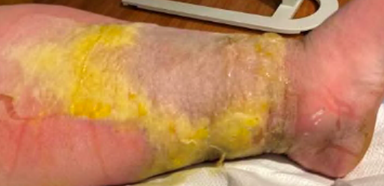
A 35 year old male with chronic bilateral lower extremity lymphedema due to obesity presented with a one-week history of subjective fevers and malaise with associated left lower extremity pain, swelling and erythema. The left leg was markedly edematous with erythema present above the knee down. The leg was tender to palpation, and multiple ruptured bullae and areas of severe desquamation with excessive serous drainage were observed. Importantly, no areas of purulence were noted (Image 2). A clinical diagnosis of severe non-purulent cellulitis was made, and the patient was admitted for parenteral antibiotic therapy of vancomycin and piperacillin-tazobactam. Necrotizing fasciitis was ruled out based on imaging, and significant clinical improvement was seen after 5 days of intravenous antibiotics. The patient was transitioned to oral therapy with amoxicillin-clavulanic acid and doxycycline for a total of 14 days of antibiotics.

Laboratory Workup

During the admission, urinalysis revealed turbid urine with elevated protein (30 mg/dL), and 2+ blood with 5 RBC/HPF on microscopic examination. Given the presence of protein with microscopic hematuria, causes of glomerulonephritis were investigated. Workup revealed a markedly elevated anti-streptolysin O (ASO) titer of 5310 (0-330) and a total complement (CH50) level of 14, which was low given his age. Urine sediment examination revealed red blood cell casts (Image 3). These clinical and laboratory findings were consistent with post-streptococcal glomerulonephritis (PSGN) due to Streptococcus pyogenes skin and soft tissue infection.

 
Image 1. Colony appearance and biochemical testing of S. pyogenes. A) Typical gram positive cocci in chains characteristic of streptococci. B) Growth on Sheep’s Blood Agar of small, translucent colonies with a wide zone of beta-hemolysis indicative of S. pyogenes. C) Catalase-negative S. pyogenes (left) compared to catalase-positive S. aureus (right). D) PYR-positive S. pyogenes (left) compared to PYR-negative S. aureus (right).
Image 2. Left lower extremity at presentation.
Image 3: Red blood cell cast seen in urine sediment.

Discussion

Streptococcus pyogenes are gram positive bacteria that appear in pairs and/or chains by microscopy (Image 1A). In culture, these organisms produce relatively small colonies which elaborate a large zone of beta hemolysis on blood agar plates; colonies are translucent with smooth edges (Image 1B). The beta-hemolytic activity of S. pyogenes is due to the activity of two hemolysins: Streptolysin-S (oxygen-stabile) and Streptolysin-O (oxygen-labile). S. pyogenes is the primary organism which expresses the Lancefield Group A carbohydrate antigen. Less frequently encountered strains of S. anginosus and S. dysgalactiae subsp. equisimilis may also express this antigen, so biochemical identification of S. pyogenes may be helpful for a definitive diagnosis. MALDI-TOF MS may also fail to discriminate between S. pyogenes and closely related β-hemolytic streptococci (including S. dysgalactiae and S. canis), necessitating adjunctive biochemical testing. Like other streptococci, S. pyogenes is catalase negative (Image 1C). Unlike other beta-hemolytic streptococci, S. pyogenes expresses pyrrolidonyl arylamidase (PYR) making this test a rapid and useful adjunctive diagnostic tool (Figure 1D). Bacitracin susceptibility was used historically but has been largely replaced by PYR testing due to concerns over specificity and prolonged turnaround time.

Globally, S. pyogenes is responsible for a large percentage of infection-related morbidity and mortality. The organism colonizes the skin and the nasopharynx of humans, but most colonized individuals do not develop active disease. Colonization however can lead to infection or dissemination to susceptible individuals. S. pyogenes infections exhibit a diverse range of clinical manifestations which can include pharyngitis, impetigo, erysipelas, cellulitis, necrotizing fasciitis, pyomyositis, streptococcal toxic shock syndrome, and bacteremia. S. pyogenes remains susceptible to penicillin, making β-lactams first-line drugs of choice for management. Conversely, rising levels of macrolide, lincomycin, tetracycline, and fluoroquinolone resistance has been observed. Susceptibility testing may be warranted if these agents are to be used, most often in the cases of severe penicillin allergy.

S. pyogenes infection can be complicated by multiple post-infectious immune-mediated sequelae including PSGN and rheumatic fever. Post-Streptococcus glomerulonephritis (PSGN) has a global incidence of > 470,000 individuals per year and occurs due to the deposition of immune complexes in the glomeruli resulting from previous S. pyogenes pharyngitis or soft tissue infection (as seen in this case). Typical clinical presentation of PSGN includes hematuria, proteinuria, edema, hypertension, elevated serum creatinine levels, hypocomplementemia, and general malaise. The elevated ASO titer (5310) was diagnostic of an S. pyogenes acute infection as the cause of this patient’s cellulitis. The development of proteinuria and hematuria following infection further supports a clinical diagnosis of PSGN. Treatment of PSGN is largely supportive with the focus on management of the underlying infection. Most individuals with kidney failure from PSGN recover to baseline renal function; however, there may be a link between PSGN and the later development of chronic kidney disease/end-stage renal disease.

References

  1. De la Maza LM, Pezzlo MT, Bittencourt CE, Peterson EM. 2020. Color Atlas of Medical Bacteriology, 3rd edition. ASM Press. Pg. 11-23
  2. Madaio MP, Harrington JT. 2001. The diagnosis of glomerular diseases: acute glomerulonephritis and the nephrotic syndrome. Arch Intern Med. 161(1):Pg. 25-34. doi: 10.1001/archinte.161.1.25.
  3. Stevens DL, Bisno AL, Chambers HF, Dellinger EP, Goldstein EJC, Gorbach SL, Hirschmann JV, Kaplan SL, Montoya JG, Wade JC. 2014. Practice Guidelines for the Diagnosis and Management of Skin and Soft Tissue Infections: 2014 Update by the Infectious Diseases Society of America. Clin Infect Dis. 59(2): Pg. e10-e52, https://doi.org/10.1093/cid/ciu296.
  4. Walker MJ, Barnett TC, McArthur JD, Cole JN, Gillen CM, Henningham A, Sriprakash KS, Sanderson-Smith ML, Nizet V. 2014. Disease manifestations and pathogenic mechanisms of Group A Streptococcus. Clin Microbiol Rev. (2): Pg. 264-301. doi: 10.1128/CMR.00101-13.
  5. Wong CH, Khin LW, Heng KS, Tan KC, Low CO. 2014. The LRINEC (Laboratory Risk Indicator for Necrotizing Fasciitis) score: a tool for distinguishing necrotizing fasciitis from other soft tissue infections. Crit Care Med. 32(7): Pg. 1535-41. doi: 10.1097/01.ccm.0000129486.35458.7d.

-John Markantonis, DO is the former Medical Microbiology fellow at UT Southwestern and has recently completed his clinical pathology residency. He is also interested in Transfusion Medicine and parasitic diseases.

-Andrew Clark, PhD, D(ABMM) is an Assistant Professor at UT Southwestern Medical Center in the Department of Pathology, and Associate Director of the Clements University Hospital microbiology laboratory. He completed a CPEP-accredited postdoctoral fellowship in Medical and Public Health Microbiology at National Institutes of Health, and is interested in antimicrobial susceptibility and anaerobe pathophysiology.

-Clare McCormick-Baw, MD, PhD is an Assistant Professor of Clinical Microbiology at UT Southwestern in Dallas, Texas. She has a passion for teaching about laboratory medicine in general and the best uses of the microbiology lab in particular.

Microbiology Case Study: Genotypic-to-phenotypic Discordant Results

Case History

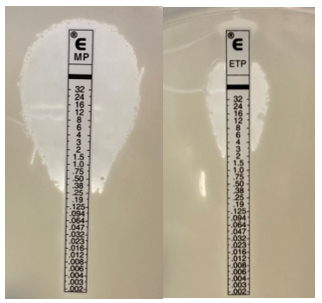
Scenario 1: A 51 year old male with a history of diabetes, hypertension, coronary artery disease, gastric ulcer, chronic kidney disease and bilateral below knee amputation presented with epigastric pain, nausea, and vomiting. He was febrile and tachycardic. Computerized scan showed ascending/ transverse colitis and cholelithiasis. Blood cultures grew gram negative rods; the Biofire BCIDv2 panel reported Enterobacter cloacae with no genotypic, resistance markers detected. Phenotypic antimicrobial susceptibility testing (AST) from the Microscan Walkaway revealed resistance to ertapenem (>1mg/ml) but susceptibility to meropenem (£ 1mg/ml). Additionally, the isolate was resistant to 3rd-generation cephalosporins, fluoroquinolones, and intermediate-resistant to tetracyclines. Identification was confirmed by the MALDI-TOF MS upon growth on agar plates. The isolate was subbed with a meropenem disk to select for carbapenem resistance for further confirmatory testing. A Cepheid Carba-R test was ran on a sweep of the isolate growing near the carbapenem disk, which resulted in no carbapenemases detected. Results from E-tests with meropenem and ertapenem were consistent with original phenotypic result. Here, we reported the discrepant phenotypic result and genotypic results as is.

Image 1. Phenotypic testing results (E-test) for meropenem (MP,left) and ertapenem (ETP, right) of Enterobacter cloacae isolate described in scenario 1. E-test results were consistent with original phenotypic results which also identified the isolate as meropenem susceptible and ertapenem resistant. (Photo credit: Gizachew Demessie, Lead Tech, George Washington Hospital.)

Scenario 2: An 80 year old female underwent a Whipple procedure for a pancreatic mass. A wound culture was submitted from the operating room which grew both Streptococcus anginosus and Enterobacter cloacae complex. Phenotypic AST for the E. cloacae revealed susceptibility to ertapenem (≤0.5 mg/ml) but resistance to meropenem (4 mg/ml). The isolate was pan-susceptible to other drug classes (aside from intrinsic resistance). Similar to Case 1 above, identification was confirmed by the MALDI-TOF MS and the isolate was subcultured with selective pressure. A Cepheid Carba-R test did not detect any carbapenemases. However, upon repeating a phenotypic test, both ertapenem and meropenem were susceptible. Our investigation here led to the avoidance of reporting an incorrect phenotypic AST result.

Discussion

Genotype-to-phenotype discrepancies may occur in antimicrobial susceptibility testing. For example, an antimicrobial resistance (AMR) gene may be detected in a phenotypically susceptible isolate or an AMR gene may not be detected in a phenotypically resistant isolate. Such discordant results should be investigated so appropriate antimicrobial therapy is used on these patients. This leads us to an important question “What can laboratories do to solve these discrepancies?”

The first step in detection of discrepancies requires educating and teaching the lab staff to be vigilant in looking for odd susceptibility patterns (from results within a drug class and also the overall AST profile). Next, check if there was pure isolation of the organism on the purity plate; if not, each individual isolate should be subbed, identified and re-tested on both genotypic and phenotypic platforms. Of note, subbing the bacteria under selective antibiotic pressure (e.g. growing the isolate on agar plate with an antibiotic disk) can increase the potential of detecting resistance. Alternative methods (e.g. CarbaNP, mCIM, etc) could be considered if one is looking into specific resistant mechanisms. Due diligence in checking for clerical, transcription errors and contamination on equipment, especially when there is a consistent pattern of detection for a specific molecular target, is highly recommended. As such, a lab should maintain constant communication with the test manufacturer in case there are issues with batches or lots of reagents.1,2

While these rapid, genotypic panels tend to include the more common AMR mechanisms, there are still other mechanisms of resistance not on the panels. For gram negatives, AMR mechanisms such as AmpC beta-lactamases, porin mutations, efflux pumps and rare carbapenemases such as GES, IMI, and SME types are typically not included.3 Additionally, although the gene blaCTX-M is used as a marker for Extended Spectrum Beta-Lactamases (ESBL), different variants of ESBLs confer different cephalosporin (e.g. 3rd and 4th generation) phenotypes.4 A heteroresistant subpopulation, decreased or lack of expression of an AMR gene may also be potential explanations.

If a discrepancy is not resolved, it is suggested to report the isolate as resistant. If both the discrepant genotypic and phenotypic results are reported, one should consider recommending an infectious diseases consult or to contact the antimicrobial stewardship team.1 Additional information and suggested laboratory workflow can be found in Appendix H of the M100 guidelines from the Clinical Laboratory and Standards Institute.2 While molecular AMR approaches have many advantages such as a shorter turnaround time, phenotypic susceptibility testing can still offer valuable clinical information.5

  1. CLSI. Performance Standards for Antimicrobial Susceptibility Test. CLSI supplement M100. Wayne, PA: Clinical and Laboratory Standards Institute; 2022, Edition 32
  2. Yee R, Dien Bard J, Simner PJ. The Genotype-to-Phenotype Dilemma: How Should Laboratories Approach Discordant Susceptibility Results? J Clin Microbiol. 2021 May 19;59(6):e00138-20.
  3. Tamma PD, Sharara SL, Pana ZD, Amoah J, Fisher SL, Tekle T, Doi Y, Simner PJ. 2019. Molecular epidemiology of ceftriaxone non-susceptible Enterobacterales isolates in an academic medical center in the United States. Open Forum Infect Dis 6:ofz353.
  4. Paterson DL, Bonomo RA. 2005. Extended-spectrum beta-lactamases: a clinical update. Clin Microbiol Rev 18:657–686.
  5. Dien Bard J, Lee F. 2018. Why can’t we just use PCR? The role of genotypic versus phenotypic testing for antimicrobial resistance testing. Clin Microbiol Newsl 40:87–95. 10.1016/j.clinmicnews.2018.05.003. 

Rami Abdulbaki, MD is a Pathology Resident (PGY-3) at The George Washington University Hospital. His academic interest includes hematopathology and molecular pathology.

-Rebecca Yee, PhD, D(ABMM), M(ASCP)CM is the Chief of Microbiology, Director of Clinical Microbiology and Molecular Microbiology Laboratory at the George Washington University Hospital. Her interests include bacteriology, antimicrobial resistance, and development of infectious disease diagnostics.