Laboratory Data and Global Health Security

Hello! If you’ve been following my posts these last few months you’ve seen my work here in the country of Sint Maarten regarding the Zika virus outbreak. I have been very fortunate to be involved at various levels of work with this new epidemic from lab testing and seroprevalence research to public health and policy initiatives. As 2016 comes to a close, I would like to celebrate that work by highlighting a few great milestones here and offer a few thoughts for the future starting next year.

I mentioned before that immunological lab testing has been ongoing, targeting IgM and IgG seroprevalence of Zika virus (along with other Arboviruses i.e. West Nile, Chikungunya, Dengue, and Yellow Fever etc) within the community around my medical school. Nearly two hundred samples later—and counting—the results point to a presence of nearly 10-15% of people are confirmed positive for an active (IgM) or resolved (IgG) infection with Zika. Despite the small sample size and ever-developing data sets, these numbers are highly suggestive of a correlation mimicking that presented to us by the Ministry of Health (see my Zika virus primer post from October of this year). This holds promise for future studies like these which depend heavily on that type of medical laboratory science and analytics. My involvement in the seroprevalence project has been very rewarding and I have been able to contribute my experience and skills as a laboratory professional in writing SOPs/protocols, ensuring proper laboratory safety, and highlighting specimen collection standards. With several years as a medical laboratory scientist, I have been lucky to find a place to do such good work. The opportunity to step up as a leader when it comes to laboratory skills is always fulfilling!

12_24-1

Figure 1: Seroprevalence research and testing publicity for the AUC campus community, collection and specimen processing. photo credit: A. Yancone, 2016.

Along with the success of the lab-driven research at school, the project I spend the most time with is aimed at public health. My last post highlighted some of the successes my team and I have had with creating and maintaining a good relationship between members of the local Ministry of Health and the school system. In February earlier this year, my school strengthened their partnership with the Ministry by establishing a mission of public health initiatives driven by students and faculty who were engaged in community affairs, service learning, and public health. This increased sustainability will surely create a more long-lived effort for translational research to have an impact on health. I couldn’t be prouder of the work my team has done to show the community that medical students here represent the very best ASCP qualities of advocacy, partnership, and outreach through science and education. It is an honor to have my contributions recognized by the local public health officials—even moreso when they have now incorporated and sponsored my teams’ message of vector control and source reduction to schools across the island. Having children aged 4-16 enthusiastically repeat back to us and representatives from the Ministry they would “throw standing water away!” made a strong impact on public health officials, students, and their parents/families. Setting goals for the community’s health metrics are supported by local epidemiologic data and pushed forward by policy initiatives, and always rooted in diagnostics and laboratory-confirmed cases. This means that all of our efforts, all of my presentations, and each step along the way holds a foundation in laboratory science and continues to motivate me as we continue forward. We all know the lab-week tag line that “nearly 70% of a patient’s chart is lab-data-driven,” and I can attest that for issues in public health and policy the same if not more applies!

12_24-2.jpg

Figure 2: American University School of Medicine Partners with Sint Maarten Ministry of Health, Social Development, and Labour to bolster public health efforts and community involvement. AUC 2016.

Last month, Sint Maarten’s Ministry of Health sent Dr. Virginia Asin, the section director of the Collective Prevention Services office, to a Global Health Security Meeting in Miami. In this meeting she presented the policy initiatives her country had in dealing with risk reduction in the Caribbean. As a leader in this field, she cited ongoing partnerships with NGOs, public health offices, and medical professionals. She also shared her strong support for a project she said was truly a foundation for success—my team’s public health outreach! Dr. Asin and other staff members from the Ministry were present at an end-of-the-quarter presentation and meeting regarding this community outreach work based from the school. She shared with us her thoughtful admiration and ongoing support for the work we do here and said she was proud to have us as colleagues. Strong words and poignant sentiment from a real public health physician working in the field. It is incredible to have these efforts noticed by the Global Health Security Agenda (GHSA)! The GHSA exists at the forefront of the CDCs efforts to address the spread of various diseases, the global preparedness for them, and their economic impact on the global community. Dr. Asin and the Ministry’s continued support continue to inspire me, as well as other students, to look toward the future in creating more opportunities to merge medicine, data analytics, and positive outcomes.

12_24-3

Figure 3: Global Health Security Agenda platforms. GHSA and the CDC 2016.

Slated to begin in January of next year, my team will begin conducting a new project aimed at improving local health literacy and source reduction. Under our IRB proposals, we hope to gather the data about the residents of this island and subsequently match them with correlated health statistics (i.e. confirmed/reported Zika cases) and actively engage with the Ministry in improving these numbers. With this current momentum, I would argue that even though a few successful highlights have come, the best is yet to come. If I have learned anything during my time as a medical laboratory scientist, there is a certain exciting progress to the dynamic way data is being used as we move forward. Breakthroughs in communication and analysis are allowing these advancements to take off: ASCP pathologists consulting on cases of chronic diseases in Africa, growing credibility surrounds our profession as our voice accomplishes great things in Washington, and advancing diagnostics are getting more efficient every day. Hopefully, projects like the ones I keep all of you updated on will continue to strengthen the connections between the labs, media, and public health officials as we continue to improve outcomes globally.

Until next time! Happy Holidays and Have a Happy New Year!

(…and don’t keep standing water around if you live in a warmer area, because…vector control!)


ckanakisheadshot_small

-Constantine E. Kanakis MSc, MLS (ASCP)CM graduated from Loyola University Chicago with a BS in Molecular Biology and Bioethics and then Rush University with an MS in Medical Laboratory Science. He is currently a medical student at the American University of the Caribbean and actively involved with local public health.
Healthy Me

Hello again! Last month, I wrote a primer on my experiences working in the realms of public health while in medical school. I am proud to have an active role in leading some Zika virus-related research and outreach while here in the country of Sint Maarten.

I left off last time with a photo of our most current successful partnership with local government and the local Red Cross where we organized student volunteers to do home inspections and contribute to vector control efforts. Our contributions were praised and are ongoing as more students volunteer for tangible public health working experience in the field. Concurrent with another research project happening on campus regarding Zika seroprevalence, the school community is excited and engaged in all of these efforts. Though it is early now, by the next phase of that project I will be sharing how immunologic work aimed at Zika detection is done here and how labs—everywhere—are absolutely vital.

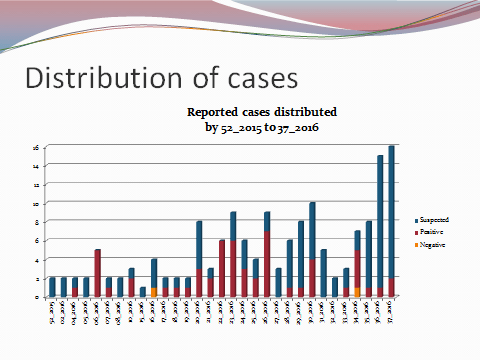
Relying on epidemiologic and laboratory data has shaped the way we look at Zika virus in this area. A vast spike in reported cases to public health offices matched with an equal increase in laboratory confirmed cases has raised alarm for local officials. While the increased ability to detect and report Zika within the community is growing due to advancing research, the measures taken to mitigate the risks of infection and transmission have not changed despite public health efforts already. With the history of Arbovirus being a routine part of life in the region, behavioral change seems to be a significant hurdle with respect to social determinants of health.

health1

Figure 1. Distribution of cases on Sint Maarten per epidemiologic year 2015-2016, per the Ministry of Health, Social Development, and Labor – Collective Prevention Services Department.

For now, working partnerships have grown in the last month and have brought on exciting developments. Incorporating the public health outreach within the oversight of a service-learning course at AUC School of Medicine, ongoing works related to Zika education and prevention are supported by local government. The Sint Maarten Ministry of Health, Social Development, and Labour as well as their office of Collective Prevention Services were impressed with my team’s initiative and so enthusiastic about our first public health effort that they wanted to be a involved with our work. Having such prominent sponsors is lending both credibility and attention. The relationship that has developed between the mobilized student volunteers has fostered an attitude of inclusivity and collaboration.

health2

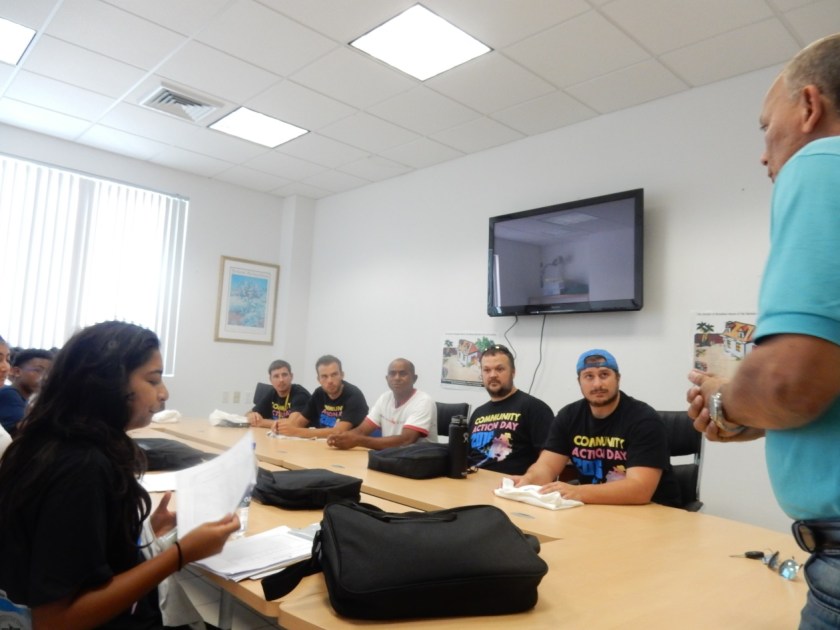
Figure 2. Representative meeting of student volunteers, Sint Maarten Red Cross, and others at a briefing of the Collective Prevention Services training session, October 2016.

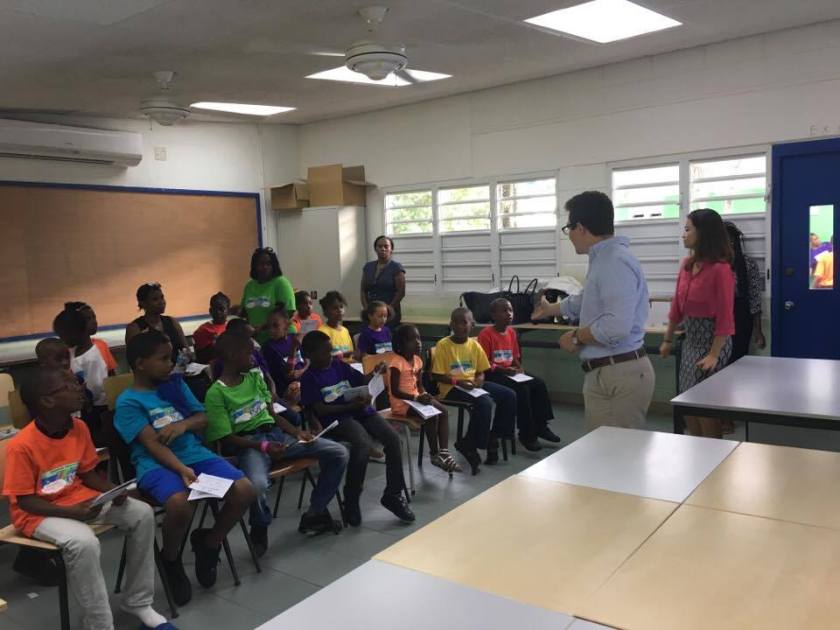
One of the more recent and successes involved a program aimed at school children from various parts of the island. Local churches here have a program called “Healthy Me” where by school-aged children between 4 – 16 from various regions within the Sint Maarten community come to one school or community center to learn about their own health. Often times, my medical school’s pediatric interest group will send a large number of volunteers to talk to the children about metrics of health including conducting eye exams, measuring height and weight, blood pressure, pulse, and discussing diet. This time, my team proposed we collaborate with this event and hold Zika related presentations in one of the classrooms adjacent to those other screening rooms. We were approved and held nearly ten sessions with a total of almost 400 children!

Having a youth-tailored presentation along with coloring-activity books, we were able to impart a strong message to the children regarding source reduction and vector control. Writing an age appropriate presentation, engaging the children with active participation, and distributing activity booklets modeled after CDC education materials received positive feedback. Our community partners with Collective Prevention Services at the Ministry of Health supplied their overwhelming support and truly enjoyed being a part of the project. They have since requested to use our presentation materials and activity books at schools throughout Sint Maarten with the hopes of contributing positive public health outcomes from children to their parents and families.

health3.jpg

Figure 3. Me delivering one of the Healthy Me presentations to children, October 2016.

health4.png

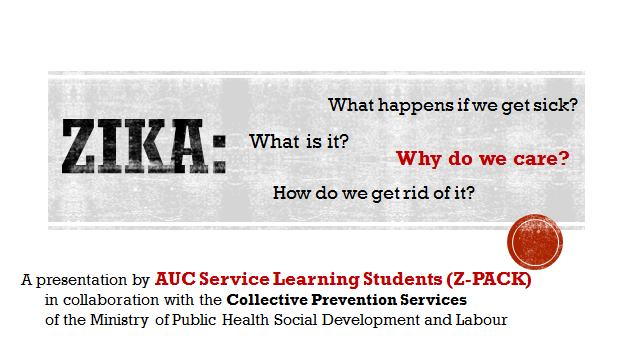
Figure 4. Healthy Me Zika Presentation.

health5

Figure 5. Pamphlets for Children.

Citing the CDC’s approach to similar Arbovirus threats in the past, it became clear to my team and I that behavioral change is a significant part of improving public health outcomes within a community. A grassroots, or “bottom up” approach, both involves the community and positively influences behavioral changes to reduce risk and transmission. While the region here is fraught with historical exposure to Arbovirus threats, awareness and risk reduction are still critical for a population’s overall health.

Recently, the WHO released a statement calling for Zika to no longer be considered an epidemiologic emergency. This news has been met with both relief and criticism. Despite the virus receiving this downgrade, they still assert that it will continue to pose a threat as an ongoing infectious agent with complications that must be monitored by public health officials. While cases continue to increase over time, the management and reduction of risk is something both laboratories and public health officials will continue to address. Regardless of its status as an emergent epidemic or not, laboratories will still conduct studies to confirm reported cases, local government will continue to address the residents of this island to reduce risk, and I will continue to report about the state of progress between them. Labs, public health, and media are all part of the mechanism which translates data into results—and I am happy to be a part of that process.

Thanks for reading!

References

1. Vlaun, N., & Davelaar, G. (2016). ZIKA Virus on Sint Maarten . Philipsburg, Sint Maarten: Ministry of Public Health Social Development and Labour, Collective Prevention Services.

2. Davelaar, G. (2016). Results of the Pilot project “Cull de Sac,” a Mosquito Surveillance Plan for Sint Maarten . Philipsburg, Sint Maarten: Ministry of Health Social Development and Labor, Collective Prevention Services.

3. Gubler, D. J. (1988, December 7). Aedes Aegypti and Aedes Aegypti-borne Disease Control in the 1990s: Top Down or Bottom Up. Washington, DC: Centers for Disease Control and Prevention.

4. WHO (2016). “Fifth meeting of the Emergency Committee under the International Health Regulations (2005) regarding microcephaly, other neurological disorders and Zika virus” Statement, 18 November 2016. http://www.who.int/mediacentre/news/statements/2016/zika-fifth-ec/en/


ckanakisheadshot_small

-Constantine E. Kanakis MSc, MLS (ASCP)CM graduated from Loyola University Chicago with a BS in Molecular Biology and Bioethics and then Rush University with an MS in Medical Laboratory Science. He is currently a medical student at the American University of the Caribbean and actively involved with local public health.
The Heavy Problem of Lead Exposure

Lead toxicity has been a hot topic in the lay press since the news broke of contaminated water in Flint, MI. Over 4% of children less than 6 years old had blood lead levels (BLL) greater than 5 mcg/dL, the CDC recommended upper reference interval threshold. While Flint has caught much attention, lead toxicity is not an isolated problem. In the US, there are at least 12 states with elevated BLL prevalence higher than that of the Michigan town. For example, in 2014, Pennsylvania reported 8.5 percent of children tested had high BLL. Ohio reported a prevalence 3 times that of Flint.

Globally, lead toxicity accounts for 0.6% of the burden of disease. Some researchers suggest that 26 million people are at risk for lead toxicity, worldwide.

Lead toxicity occurs from environmental exposure. The leading causes of lead exposure include:

  • Lead added to gasoline
  • Lead from active industry, such as mining (especially in soils)
  • Lead based paints and pigments
  • Lead solder in food cans
  • Ceramic glazes
  • Drinking water systems with lead solder and lead pipes
  • Lead in products, such as herbal and traditional medicines, folk remedies, cosmetics and toys
  • Lead released by incineration of lead-containing waste
  • Lead in electronic waste (e-waste)
  • Lead in the food chain, via contaminated soil
  • Lead contamination as a legacy of historical contamination from former industrial sites

In the United States, lead exposure is primarily from lead paint, followed by lead in the soil and lead in pipes. Leaded paint and pipes are found mostly in older homes and buildings in urban areas. In fact, zip codes associated with high numbers of pre-1950s housing were significantly associated with high BLLs in children <6 years old (1). Unfortunately, these are more likely to be inhabited by low income families.

Lead exposure can cause irreversible cognitive and behavioral impairment. Lead toxicity is due to several mechanisms. Lead can disrupt cellular pathways by binding to metal-binding enzymes, and sulfhydryl and amide groups on enzymes. Lead is particularly detrimental to the heme synthesis pathway, because it can downregulate 3 of the 7 enzymes in the pathway.

Lead can be measured in whole blood by AAP or ICP. Venous whole blood should be collected in metal-free phlebotomy tubes. Screening for elevated BLL can be done at the point of care with the LeadCare II, the only FDA-approved, CLIA-waived POCT device that measures lead currently on the market. The LeadCare measures lead by anodic stripping, and is designed to use capillary blood samples. While elevated capillary blood samples should be confirmed with mass spectrometry on venous blood, the POCT does have the advantage of a quick result while at the patient’s side, increasing the likelihood of obtaining that confirmatory sample.

Despite the availability of fast and affordable testing for lead exposure, the US is not doing a great job maintaining screening programs. 2012, CDC released new guidelines moving the threshold from 10 mcg/dL to 5 mcg/dL. At the same time, federal funding for lead screening programs was cut – from $29 million to $2 million! According to the CDC, we are currently testing ~10% of our at-risk, less than 6 year old population. Only 11 states have federally supported lead screening programs. While Medicaid requires all enrolled children to be screened for lead exposure at 1 and 2 years of age, this requirement is not enforced.  Based on Medicaid payment claims, in Ohio only 41% of children enrolled in the program and living in high-risk zip codes were screened for lead exposure.  Other states, like Missouri, have state-run programs. Still others have no recommended guidelines for lead screening. Many states do not report lead screening results to the CDC, meaning that lead exposure in the US might be severely under-reported.

On October 20, 2016, the EPA released a Management Alert recommending clarification of EPA authority to issue emergency orders to protect the public. Some argue this is too little too late. Should all the blame go to the EPA? Should we as laboratory professionals join the effort to eradicate lead exposure? We can help by championing and advocating for lead screening programs in our states and consistently and thoroughly reporting lead testing results.

Blood Lead Concentration (mcg/dL) Effect(s)
10-20 Impaired cognition and behavior, fine-motor coordination, hearing, growth
20-40 Reduced nerve conduction velocity, impaired vitamin D metabolism, decreased hemoglobin synthesis, increased blood pressure, peripheral neuropathy
40-90 Colic, frank anemia, nephropathy, encephalopathy
90-150 Encephalopathy, death

Table: Some clinical manifestations of lead poisoning in children.


Reference:

  1. McClure LF, Niles JK, Kaufman HW. Blood lead levels in young children: US, 2009-2015. J Pediatr 2016; 175: 173-81.


Sarah Brown Headshot_small

-Sarah Brown, PhD, DABCC, is an Assistant Professor of Pediatrics and Pathology and Immunology at Washington University in St. Louis School of Medicine. She is passionate about bringing the lab out of the basement and into the forefront of global health.  

An Arbovirus Abroad

Hello! My name is Constantine Kanakis and I am very happy to contribute to Lab Medicine’s online blog! As my first post, I would like to introduce myself, tell you a little bit about my interests in laboratory medicine, and also discuss Zika virus research I’m actively involved in.

I studied molecular biology at Loyola University and medical laboratory science at Rush University, both in Chicago. From undergraduate to graduate school, I was fortunate enough to work on research topics involving the neurology of nematodes, enzymatic plant assays, social justice/urban planning work, microbiological lab equipment development, and novel biochemical hematopoietic interventions. This comprehensive experience in research work provided a strong foundation which I have found useful in my career both in and out of the hospital laboratory. Other than research, I spent nearly nine years working in some of Chicago’s busiest hospitals. I learned the ropes in a variety of settings: trauma center transfusion medicine, academic center quality assurance, public health work, and community hospital laboratory work. I feel personally drawn to laboratory medicine and pathology, as it connects translational research to patient outcomes and puts us in a position to mobilize fellow professionals to improve health care in our communities.

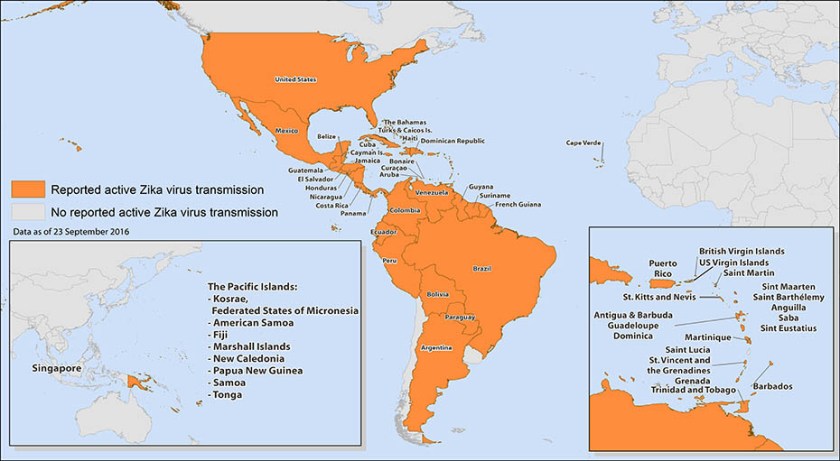
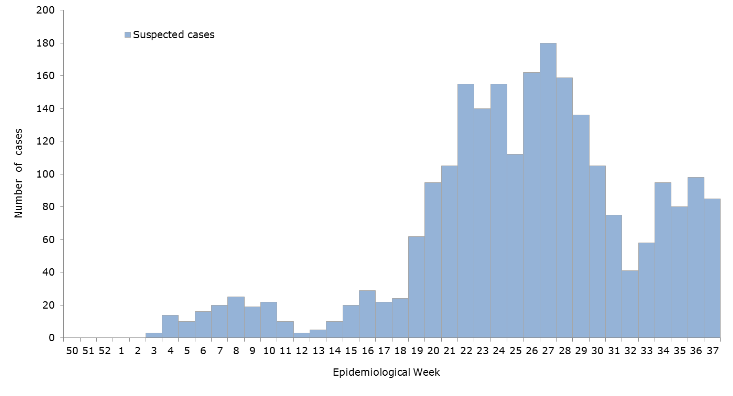
This bridge from lab discoveries to bedside and beyond motivated me to write for this blog community. The current Zika virus outbreak as well as the start of my medical school career has provided a great opportunity for me to explore translational research and its direct impact into a local community. Currently, I am a second year medical student at American University of the Caribbean School of Medicine located on the island of Sint Maarten, in the Netherlands Antilles (Figure 1). I find myself in the epicenter of the now infamous viral epidemic of everyone’s new favorite Arbovirus: Zika. Studying in the Caribbean, I am actively involved in projects assessing the emergence of this viral phenomenon. Today, CDC lists countries with active infections with a Level 2 travel active warning notice, “[to] Practice Enhanced Precautions.” These projects have three tiers: laboratory studies, collaboration with local health partners, and integration of research with public health efforts. My location here provides ample opportunity to gather information at its source, most notably from our neighbors in Brazil, Puerto Rico, and even Florida. This island is high on the list of endemic countries with 1,730 suspected Zika cases reported as of July, 2016, however only 12% of those cases were serologically confirmed. The suspected cases have been rising in the last few months (Figure 2) and epidemiologists are watching the trends very closely.

10-24-fig1

Figure 1. The Centers for Disease Control and Prevention (CDC), updates regions on the world map which have reported active Zika virus infections, CDC 5 October 2016.

10-24-fig2

Figure 2. Suspected Zika viral infection cases per epidemiological week, Pan-American Health Organization (PAHO) and World Health Organization (WHO) 2016.

As a primer for those who are interested, the Zika virus is a Flavivirus/Arbovirus undergoing its second recent epidemic spread in the last decade. Discovered in the 1950s, it has been considered a minor viral infectious agent. To date, researchers near and far are exploring both potential vaccination and prevention measures, as well as infection control efforts as some claims link the virus to microcephaly, Guillain-Barre, and other various sequale. It is transmitted primarily by mosquito bites directly into the blood, though its antigenic presence has persisted in urine and even seminal fluid. Research in public health and epidemiology has also related the management of this outbreak to previous ones, including that of the 2014 Ebola epidemic. There is contention between various public health organizations and laboratory researchers in detailing any exact correlation of the viruses secondary effects as well as the difficulty in specific detection and diagnosis relative to reported vs. confirmed cases (Figure 3).

10-24-fig3

Figure 3. A general demonstration of the purported Zika infection cases and how this reflects the true nature of the epidemic in the Caribbean in collaboration with the PAHO and WHO, from the Caribbean Public Health Agency (CARPHA) 2016.

Several research projects are starting here on campus, a majority of which involve serologic prevalence and surveillance studies. Some new studies are aimed directly at using commercially available testing, while others compound data from previously significant outbreaks of other arboviruses (e.g. Chikungynya, Dengue, Yellow Fever, West Nile). Our work in the laboratories here is also matched with significant public outreach. I am involved in one particular service and outreach project through the university here which targets the dissemination of Zika prevention/infection knowledge through various informational outlets such as town hall meetings, health drives for children, and vector control projects in the field. Our school-based task forces have been fortunate enough to form partnerships with the local Ministry of Public Health, Social Development, and Labor here on the island. And, coordinating with their Collective Prevention Services, they are now involved in reaching out to the community at large (see Figure 4).

10-24-fig4

Figure 4: One of the newest school projects sponsored this year included a vector control initiative partnership with the Sint Maarten Red Cross, and the Ministry of Health’s Collective Prevention Services, conducting home inspections in areas of statistically high reportable cases, photo credit: A. Yancone 2016.

On a personal note, I will add that my wife and I, along with several of our friends here have ironically been “bitten by the Zika bug.” We all suffered the same relative symptoms (fever, malaise, myalgia, headaches, and the infamous maculopapular rash), so I can speak personally on the effects of an active Zika infection! Really though, it isn’t that bad; it felt like a bad flu—most locals are not too worried about Zika because they already have several other arthropod-borne viral infections to stay away from with significantly worse courses of infection. Chikungynya, Dengue Fever, Yellow Fever, West Nile, less often Plasmodium/Malaria, and others offer more of a threatening presence than the several day woes of a Zika infection. Moreover, those other infections sometimes have even worse complications and clinical presentations.

As I begin and continue my work through these projects, I will provide updates—both on our efforts here in the laboratory as well as our work in reaching out and partnering with local public health officials to try and make a positive impact on our local community. And since I am now “inoculated,” I’ll be happy to get really close to the action for all of you.

Thanks for reading!


ckanakisheadshot_small

-Constantine E. Kanakis MSc, MLS (ASCP)CM graduated from Loyola University Chicago with a BS in Molecular Biology and Bioethics and then Rush University with an MS in Medical Laboratory Science. He is currently a medical student at the American University of the Caribbean and actively involved with local public health.
 

Local is Global

The words “global health” usually triggers thoughts of exotic diseases in exotic locales. But, we should remember that “global” includes our own backyard! Public health and clinical laboratories and lab professionals in the US play an important role in global health efforts, just as labs and lab initiatives in remote, resource poor areas. Labs are important for healthcare at local, national, and international levels. Without labs, we risk antimicrobial resistance, spread of infectious diseases, environmental exposures, and inadequate management of chronic non-communicable diseases like diabetes.

Despite their significant role in healthcare, our labs at home face funding and staffing challenges. It is estimated that 7,000 medical technologist positions need to be filled annually, and only 6,000 are produced each year. The number of training programs have decreased by 15% since 1990. CMS has recently announced that a bachelor’s degree in nursing is equivalent to a degree in biological sciences required to perform high-complexity testing. While nursing education provides invaluable medical knowledge, it does not include in-depth scientific study of principles behind laboratory testing and technology.

Both clinical and public health labs in the US are facing financial challenges. Public health labs, especially, have functioned on minimal budgets for several years. With these challenges, maintaining status quo can be difficult let alone scaling up activities when needed for managing crises. We see this play out with the Zika virus. The CDC has already spent 87% of funding allotted for Zika. State public health labs are worried about their ability to continue to meet routine needs while scaling up to be able to perform Zika testing. The FDA recommendation for screening donated blood products puts additional burden on laboratories and blood banks.

The reason we don’t think of our own backyard when we hear “global health” is because we don’t have as many of the exotic diseases seen in other locales. This is in large part because we do have quality laboratory systems in place. While in the field, comments such as “I had no idea pathologists did this much” have been made to me. As lab professionals we need to advocate for laboratory medicine, at home and abroad.


Sarah Brown Headshot_small

-Sarah Brown, PhD, DABCC, is an Assistant Professor of Pediatrics and Pathology and Immunology at Washington University in St. Louis School of Medicine. She is passionate about bringing the lab out of the basement and into the forefront of global health.  

The Importance of Laboratories to Global Health

While in graduate school, before I knew anything about laboratory medicine or pathology, I served as a translator for a medical team in Haiti. The team traveled from village to village setting up temporary clinics that consisted of little more than several chairs set up for the physicians and patients. A makeshift pharmacy of donated medications – NSAIDs, vitamins, basic broad-coverage antibiotics, mostly – set up in the corner completed the clinic. While translating for patients, hearing their complaints, and hearing the physician attempt a diagnosis based on clinical signs, I was profoundly struck by how the lack of laboratory diagnostics complicated establishing a diagnosis. It was this poignant awareness that led me to the field of laboratory medicine and clinical chemistry.

Laboratory medicine is a vital part of public health. It is important for detection of disease in individuals and populations. Laboratory tests are also important for detection of environmental toxins such as lead. As we laboratory professionals know well, for a lab test to be useful is has to be available and accurate. For most of the United States, this is not a problem. There are 18,000 pathologists in the U.S. – around 5.7 per 100,000 people – plus clinical laboratory scientists such as clinical chemists and microbiologists. There are over 250,000 accredited clinical laboratories.

However, in the developing world, there is a severe shortage of both quality laboratories and laboratory professionals. For example, all sub-Saharan countries, except Botswana and South Africa, have less than one pathologist for every 500,000 people. Haiti, a country of over 1 million, has only 7 pathologists. Diagnostic testing is offered by the occasional network of unregistered laboratories, operating without regulatory oversight. A survey of 954 labs in Kampala, Uganda, revealed 688 unregistered labs completely unknown to the Ministry of Health. Lack of professional direction and oversight might contribute to poor quality tests, misguided use of tests, and faulty interpretation of results. In fact, the WHO estimates 80% of suspected malaria cases are treated without confirmatory test results, in part due to lack of availability and in part due to physician mistrust of inadequate testing.

Because the gap is so big, it’s easy for me to tell you about the differences in access to quality lab testing in the developing world compared to the US. But it would be remiss of me to not mention the public health burden here at home, and how expansion of laboratory programs within our own boarders could help alleviate the problem. For instance, could a lead screening program have caught the lead exposure in Flint, Michigan earlier?

Global health – a healthy global population – needs quality laboratories and dedicated laboratory professionals both at home and abroad. It’s our responsibility to stay abreast of the issues, to stay active in advancing the field, and to educate those in healthcare, public health, and policy formation about what labs can do. This blog will explore applications of laboratory medicine to global health. Stay tuned!


Sarah Brown Headshot_small

-Sarah Brown, PhD, DABCC, is an Assistant Professor of Pediatrics and Pathology and Immunology at Washington University in St. Louis School of Medicine. She is passionate about bringing the lab out of the basement and into the forefront of global health.  


Zika Virus

If you’re an infectious disease geek and you’ve been following the news, you know that the Zika virus is causing a pandemic in Central and South America and is linked to cases of microcephaly in those regions. It’s gotten bad enough fast enough that the CDC has issued travel warnings for pregnant women and women of child-bearing age.

If you’d like to get up-to-date on this outbreak, check out Maryn McKenna’s blog on National Geographic. Also, the CDC has great information for clinicians and laboratory professionals.


The Aftermath of Ebola

The Ebola outbreak may no longer make front page news in the United States and Liberia may have been declared Ebola free in May, but the consequences of the outbreak are still ever present, and will be for years to come.

The first reported Ebola case was in December 2013 in Guinea. By June of 2014 the outbreak had rapidly spread and the rest of the world was taking note. In May 2015 Liberia was declared Ebola free. Currently, the situation in Guinea and Sierra Leone is improving and each country is now able (from a health care standpoint) to isolate and treat current patients. However, new cases are still being reported in both countries so continued vigilance is paramount.

As the disease itself abates and it is possible to see the light at the end of the tunnel, it is clear that Ebola may be (nearly) gone, but its effects will linger for decades and it has left devastation in its wake.

The CDC estimates that, in the hardest hit countries of Guinea, Liberia, and Sierra Leone, the death toll from Ebola cases is: Guinea: 2,509, Liberia: 4,806, Sierra Leone: 3,947. The total number of cases is hard to track but estimates of total cases, including those that are suspected, probable, and confirmed are as high as 3,784 in Guinea, 10,666 in Liberia, and 13,241 in Sierra Leone (numbers are as of July 17, 2015).

The socio economic consequences of the outbreak are numerous.  Much of the day-to-day workings of the economy ground to a halt as people stayed home or fled jobs in factories, mines, and fields. Panicked investors fled as the disease began to spread. Disruption during the agricultural season caused diminished agricultural yields which had both economic consequences and resulted in severe food insecurity across the region. Internal and regional trade were dramatically affected due to boarder closures and movement restrictions to help staunch the transmission of the disease. Those who survived the outbreak are now left to pick of the pieces of their daily lives and learn to live without loved ones. Parents were left without children, children were left without parents. The courage it would take to find jobs, housing, a support system after watching loved ones die (and possibly being sick oneself) is hard to fathom.

A portion of the damage left in Ebola’s wake includes health care systems and infrastructure. Already weak to begin with, Ebola wreaked havoc on the human and infrastructural health care resources in all three countries. The Economist reports that an estimated 509 health care workers died in Guinea, Liberia, and Sierra Leone. This is an enormous loss of human resources in countries where, before the outbreak, the average doctor to patient ratio was less than 10 doctors per 100,000 people. Looking to the future, one of the biggest health care concerns is the number of children who went unvaccinated during the height of the outbreak. Because of this, vaccine-preventable diseases, such as measles and polio, will contribute, indirectly, to Ebola’s death toll.

To end on a positive note, however, the local and international communities are now left with an opportunity: to remake the systems better than they were before. In many places physical infrastructure, human resources, and other necessary systems will be starting anew. With the right expertise and resources, using best practices and with cooperation among international agencies, private donors, and local governments, among others, health care can be built stronger than before with an eye toward preventing such devastating outbreaks in the future and caring for the day-to-day health needs of the local populations.

For further reading:

Levy

-Marie Levy spent over five years working at American Society for Clinical Pathology in the Global Outreach department.

Dr. Frank Artress and FAME Africa

A couple of weeks ago I had the wonderful fortune of reconnecting with someone from my past. In 2007 I lived and worked in Tanzania and through that work had the pleasure to meet Dr. Frank Artress and his wife, Susan Gustafson. In rural Tanzania, Dr. Frank, as he is known, stands out. He is a tall white guy with an infectious laugh and booming voice. An American cardiac anesthesiologist, he spent the early part of his career building a successful practice in California. However, in 2002, after a near death experience as a tourist climbing Mt. Kilimanjaro, he and Susan changed paths. They sold everything, uprooted their lives, and moved to Tanzania where he has practiced medicine ever since.

They started by conducting mobile medical clinics in rural Tanzania out of a large red and white van reaching areas with no access to Western medical care. Today, Frank and Susan run a 24 bed hospital. The hospital, located in Karatu, Tanzania, continues to grow and recently began to offer not only maternity care but has a fully functioning surgical ward where they are now able to deliver babies via c-section. They have an outpatient clinic, a dispensary, and a laboratory and are almost entirely staffed by Tanzanian nurses, doctors, lab techs, and administrators. Their laboratory, operational since 2011, has a fully automated blood chemistry machine which makes them the only hospital within a 140 kilometer radius with the diagnostic capabilities it provides. The lab is also in the process of developing a telepathology program in conjunction with ASCP, the College of American Pathologists, and the American Society of Clinical Oncology.

As their reputation spreads throughout the region, their catchment area continues to expand. In a country where the average doctor to patient ratio is approximately 1/50,000 they are providing critical care to a large population of people.

Our recent interaction was while they were in town on a fundraising tour in the United States. Over 70% of their funding comes from grants and individual donations. They are always in need of more support. In addition, they have a small volunteer program for people with the skills that match their current needs.

They are wonderful people doing amazing work. I could sing their praises for hours, but Dr. Frank is the best at telling his story. Check out this video: https://www.youtube.com/watch?v=_-ud_cS6Mek and find their organization, FAME Africa, online: http://www.fameafrica.org/.

Levy

-Marie Levy spent over five years working at American Society for Clinical Pathology in the Global Outreach department.