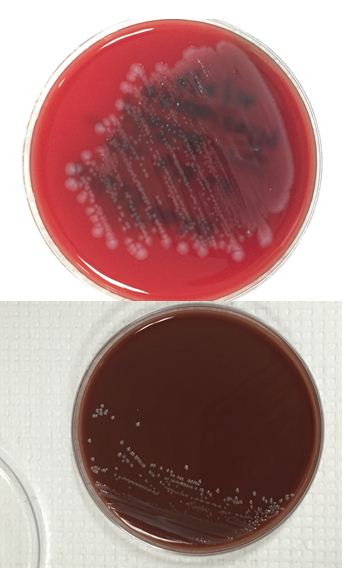
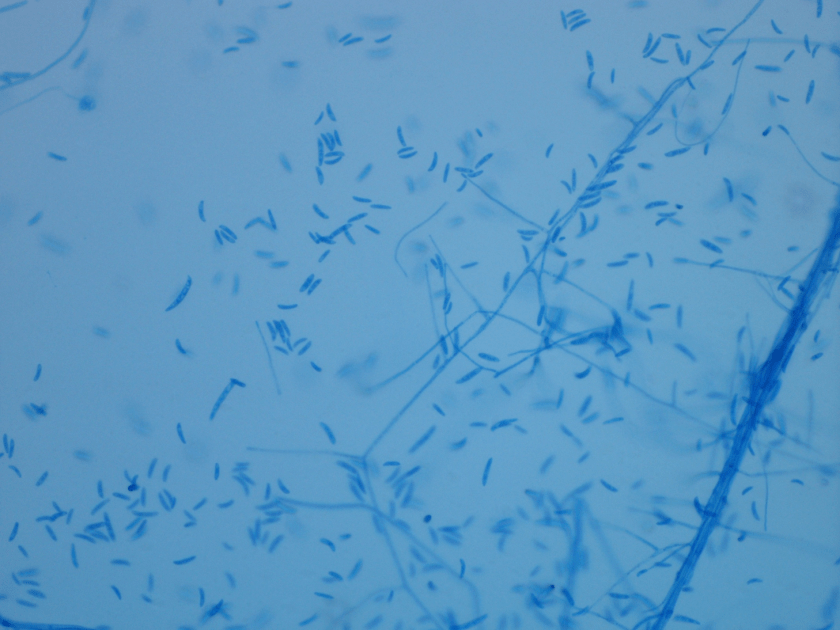
Microbiology Case Study: A 22 Year Old Female with Recent Travel

Case History

A 22 year old female with recent travel to Nicaragua noted passage of a 10-12 cm long worm in her stool. She also noted some intermittent hematochezia over the past several days and had developed an itchy eczematous rash on her extremities.

Laboratory Diagnosis

Stool sample was submitted for ova and parasite exam. Stool sediment exam showed the presence of multiple fertilized eggs measuring 50 microns (Image 1). Based on the size of the egg, and the presence of the thick and yellow mammelated coat, she was diagnosed with an Ascaris lumbricoides infection.


ascaris-1
Image 1.

Discussion

Ascaris is the largest of the common nematode parasites of humans with females measuring 20-35 cm long and males measuring 15-31 cm. Notably, males have a curved posterior end. Infection is acquired through ingestion of the embryonated eggs from contaminated soil. In the larval migration phase of infection, diagnosis can be made by finding the larvae in sputum or in gastric washings. One female worm can lay up to 20,000 eggs, therefore enumeration of eggs does not correlate with worm burden. Both fertilized and unfertilized eggs can be easily be recovered using the sedimentation concentration from a fecal sample. It is estimated that 25% of the world population is infected with Ascaris and since transmission depends on fecal contamination of the soil, in areas where infection rates are high, mass population treatment plans with Abendazole have been successful.


-Agnes Balla, MD is a 3rd year anatomic and clinical pathology resident at the University of Vermont Medical Center.

Wojewoda-small

Christi Wojewoda, MD, is the Director of Clinical Microbiology at the University of Vermont Medical Center and an Assistant Professor at the University of Vermont.

Microbiology Case Study: A 72 Year Old Man with Extreme Fatigue

Patient History

A 72 year old Caucasian man with diabetes presented to his primary care physician in late September complaining of recent extreme fatigue while baling hay on his farm in southern New England. A thorough interview revealed recent anorexia with a 15 pound weight loss, dyspnea on exertion, joint pain and easy bruising. Blood work demonstrated pancytopenia with 17% blasts on peripheral smear. Further work-up established a diagnosis of acute myelomonocytic leukemia (AML) and the patient was started on chemotherapy.  During his admission, he spiked a fever (101°F) and based on a chest x-ray showing a left basilar consolidation was consistent with pneumonia and he treated with vancomycin and Zosyn. Symptoms persisted despite the addition of acyclovir and anidulafungin. Given an infectious etiology was continually suspected based on a chest CT showing right upper and left lower lobe opacities, infectious disease (ID) was consulted.

The detailed ID work-up noted an exposure history including interaction with chickens and cows, though the veterinarian reported that the livestock were avian flu negative and vaccinated against brucellosis, respectively. Further, it was revealed that the farmer’s hay had recently been infested with voles and that mold had been found growing in his home and barn. ID recommended a bronchoscopy and a CT-guided lung biopsy to characterize the patient’s pathology more completely. The patient remained febrile (102.9°F) and his condition deteriorated to the point of requiring MICU admission. A new chest CT showed rapid progression of airspace opacities.

Gross findings from the bronchoscopy raised concern for an invasive fungal infection but all specimens obtained for cytology and culture were negative for a fungal process.  The patient continued to decline with multisystem organ failure, the development of new hypoechoic liver lesions on ultrasound and a brainstem mass without evidence of herniation on head CT. His fever peaked at 106.2°F at which time he was transitioned to comfort measures only and passed away shortly after.

Pathology Identification

Post-mortem, a limited autopsy was performed and gross, histologic and special stains finding are shown in Figure 1.

lichthem1

Figure 1. Gross and histologic lung images from autopsy. Target shaped lesions on the lung surface can be seen in this gross photograph of the upper and middle lobes of the right lung in situ (A). A sample of lung parenchyma was sectioned and H&E staining revealed broad, irregularly branched, pauci-septate fungal elements admixed with a brisk inflammatory infiltrate within damaged alveoli (B). Depiction of angioinvasion as the fungal organisms penetrate the walls of pulmonary vessels; GMS and PAS fungal stains, respectively (C and D).

Grossly, both lobes were abnormal. Specifically, as seen in Figure 1A, the right upper lobe exhibited multiple target shaped lesions on its surface in addition to a thin fibrinous coat involving the visceral and parietal pleurae. Moreover, the right upper lobe was adhered to the chest wall. Histologic examination of the lesions demonstrated abundant inflammatory cells and board fungal hyphae that were irregular and “ribbon like” with occasional septations within the disrupted lung parenchyma and invading into blood vessels as seen in Figure 1B-D.  Tissue from the lung lesions were cultured at autopsy and grew Lichtheimia spp.

A battery of additional tests collected premortem for Streptococcus pneumoniae, Cryptococcus neoformans, Mycoplasma, Histoplasma, Blastomyces and Toxoplasma gondii were all negative.  The AFB culture from the BAL specimen grew Mycobacterium avium after 8 weeks of incubation.

Discussion

Lichtheimia is a fungal genre, which shares the order Mucorales with variety of other clinically relevant organisms including Rhizopus, Rhizomucor and Mucor. It was formerly referred to as Absidia and many resources still use this term. As a saprophyte, Mucorales species live freely in the environment and can often be found indoors as well as outdoors. In the healthcare setting, infections are most frequently encountered in diabetic patients. In fact, along with its other Mucorales relatives, Lichtheimia spp. demonstrate a particular tropism for high glucose environments. Immunosuppressed individuals, especially those with hematologic malignancy, are also commonly infected with the fungi of this order – an observation, which speaks both to the ubiquity of these organisms in the human environment as well as the crucial role played by the immune system in their control. Today, the infection caused by Lichtheimia and its relatives is referred to as mucormycosis, though the related term zygomycosis remains deeply ingrained in the medical lexicon. The most striking presentations of mucormycosis are those involving the rhino-orbital-cerebral tissues. However, Mucorales organisms can also colonize many other organ systems. Relevant to this case, pulmonary mucormycosis is a particularly severe form of the infection with a mortality rate nearing 90%. Further, in a patient with pulmonary mucormycosis, the likelihood of concomitant disseminated mucormycosis is also very high (nearing 50%). Though in the present case the post-mortem examination was limited to only particular lung lobes, clinicoradiographic findings preceding the patient’s death strongly suggested that the infection also involved the liver and brain.

Diagnosis of pulmonary mucormycosis can be tricky and often hinges upon histopathologic findings and culture results. As in the present case, Mucorales organisms are differentiated from other common fungi with similar presentations based on their broad hyphae with limited septations and irregular branching. By contrast, Aspergillus spp. exhibits more narrow hyphae with septations and regular, acute-angle branching patterns. Additionally, Mucorales organisms, like Lichtheimia, are often angioinvasive and histologic examination may demonstrate fungal elements entering vascular lumina and even inducing thrombotic infarctions (both noted in the current case). In the laboratory, if a Mucorales is in the differential diagnosis, the tissue specimen should be minced instead of ground in order to preserve viability of the organisms. Mucorales grow rapidly as non-descript, whitish-gray molds within 4 days and are described as “lid lifters” due to their predilection to completely fill the plate. Due to its highly infectious nature, plates should be wrapped in parafilm and only examined in certified biosafety cabinets. On a lactophenol cotton blue prep, the sporangiophores of Lichtheimia and Rhizomucor spp. arise internodally between the rhizoids. This is in contrast to Rhizopus spp. in which the sporangiosphores arise directly over the rhizoids and Mucor spp. where rhizoids are not produced.

While there is little doubt that the patient in the above case was particularly susceptible to environmental Lichtheimia spores as a consequence of his immunosuppressed condition and status as a diabetic, the contribution played by his occupational exposures is less clear. Though provocative, it would be challenging to establish a link between the patient’s terminal infection and his agricultural encounters with decaying vegetable matter and the associated molds.

lavik

-JP Lavik, MD/PhD, is a 3rd year Anatomic and Clinical Pathology Resident at Yale New Haven Hospital.

Stempak

-Lisa Stempak, MD, is an Assistant Professor of Pathology at the University of Mississippi Medical Center in Jackson, MS. She is certified by the American Board of Pathology in Anatomic and Clinical Pathology as well as Medical Microbiology. She is the director of the Microbiology and Serology Laboratories.  Her interests include infectious disease histology, process and quality improvement and resident education. 

Microbiology Case Study: A 50 year Old Man with Dysuria and Hematuria

Case History

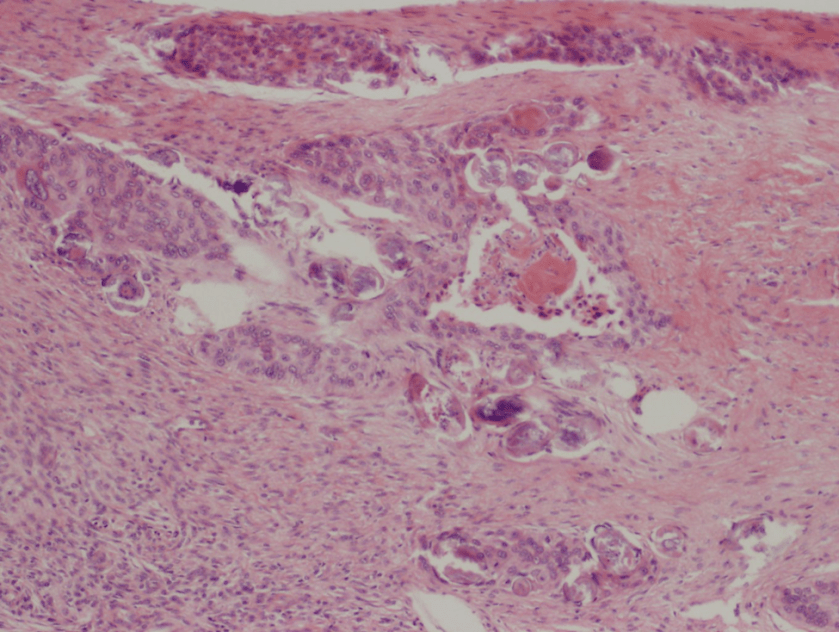
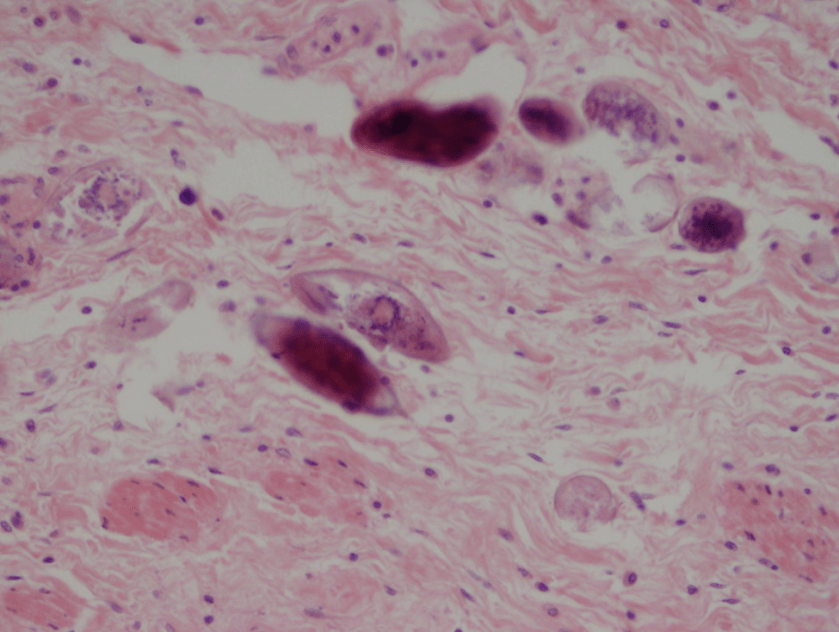
A 50 year old healthy man presented with dysuria and hematuria for 4 months. He had briefly lived in the Middle East 3 years ago. The patient underwent cystoscopy which demonstrated a solid mass in the lateral wall of the bladder. Bladder biopsies were performed and showed invasive squamous cell carcinoma associated with ova consistent with Schistosoma haematobium (Figures 1&2).

schisto1

Figure 1. H&E of bladder biopsy showing invasive squamous cell carcinoma and ova of Schistosoma haematobium.

schisto2

Figure 2. High power view of Schistosoma haematobium ova.

Discussion

Schistosomiasis is caused by blood flukes of the genus Schistosoma. There are three major species related to human disease: S. haematobium, S. japonicum, and S. mansoni. Clinical presentation of schistosomiasis depends on the species. S. haematobium infection causes urinary schistosomiasis. Urinary schistosomiasis can range from asymptomatic to gross hematuria and possible obstruction resulting in renal failure.  S. haematobium is geographically distributed primarily in Africa and the Middle East. Transmission to humans requires direct contact with water harboring snails infected with S. haematobium. The cercaria that are released from infected snails penetrate human skin and then migrate to venules of the bladder and ureters. The cercaria develop into adult male and female flukes.  The adult schistosomes reside in the bloodstream and lay eggs that pass through the urine. The eggs are highly immunogenic and produce an intense inflammatory response resulting in hematuria and dysuria. Progression to fibrosis, renal failure and carcinoma may occur as in our patient with squamous cell carcinoma of the bladder. In addition to detection in surgical specimens, S. haematobium may be detected by identification of ova in urine. The ova of S. haematobium are oval and 112-170 µm x 40-70 µm in size with a characteristic terminal spine.  In patients with a high clinical suspicion of S. haematobium, serology may be useful when ova are not identified in urine or surgical specimens. The recommended treatment for schistosomiasis is praziquantel.  The timing of treatment is important because praziquantel is most effective against the adult worm and requires a mature antibody response to the parasite. The Centers for Disease Control and Prevention recommend starting treatment for infected travelers at least 6-8 weeks after the last exposure to contaminated water.


-Jill Miller, MD is a 4th year anatomic and clinical pathology resident at the University of Vermont Medical Center.

Wojewoda-small

-Christi Wojewoda, MD, is the Director of Clinical Microbiology at the University of Vermont Medical Center and an Assistant Professor at the University of Vermont.

Microbiology Case Study: A 4 Day Old with Eye Drainage

A 4 day old infant presented to the ED with copious amounts of left eye drainage. He was born at 38 weeks via vaginal delivery and was discharged home on day 2 of life. On day 3 of life the baby had acute onset of left eye drainage. On day 4 of life the discharge had become so profuse that the mother was cleaning the baby’s eye several times per hour and his eye was red. In the ED, the discharge was collected and sent to the lab for culture. The specimen Gram stain was reported as many polymorphonuclear leukocytes (pmns) and rare gram negative diplococci. Two days later the following growth was noted on chocolate, 5% sheep blood, and Thayer Martin agars (Figure 1).

ngono1

Figure 1. Growth of organism on (A) chocolate, (B) 5% sheep blood, and (C) Thayer Martin agars

Discussion

The organism was identified as Neisseria gonorrhoeae. N. gonorrhoeae are gram negative diplococcic that grow on solid media in 24-48 hours when incubated under aerobic conditions at 35-37°C with 5% CO2. They exhibit more robust growth on chocolate agar, but can grow on 5% sheep blood agar as well (Figure 1A and B). Like most other Neisseria spp., N. gonorrhoeae are oxidase and catalase positive. Species-level identification can be made by testing carbohydrate utilization; N. gonorrhoeae can only utilize glucose while N. meningitidis can utilize glucose and maltose.

To increase the sensitivity of N. gonorrhoeae detection from mucosal (non-sterile) sites, selective media such as Thayer Martin agar is commonly used (Figure 1C). Selective media for N. gonorrhoeae contains colistin, vancomycin, and antifungal agents to suppress gram negative bacteria, gram positive bacteria, and yeast, respectively, along with other inhibitory agents. N. gonorrhoeae are fastidious bacteria that are at great risk for dying in transport. For maximal recovery of N. gonorrhoeae, special transport packs have been developed. Figure 2 is an image of a Thayer Martin transport pack including agar plate, CO2 generating tablet, and plastic bag for transport back to the lab.

ngono2

Figure 2. Components of the Thayer Martin transport system for bedside plating of specimen.

Neisseria spp. reside in the mucosal membranes of animals including humans and most species are considered normal flora of the upper respiratory tract. N. gonorrhoeae is an exception and is always considered a pathogen no matter what amount or from what location it is isolated. N. gonorrhoeae is spread by sexual transmission where it infections the mucosal surfaces of the urethra, cervix, rectum, and pharynx. Infection presents as acute urethritis in men with symptoms of urethral discharge and sometimes dysuria, but infection is asymptomatic in up to 10% of cases. In women, N. gonorrhoeae infection is most often asymptomic. If symptoms are present, they are generally mild and non-specific including increased vaginal discharge, dysuria, and intermenstrual bleeding. Delay in treatment due to lack of recognition of infection can lead to assentation of the bacteria resulting in pelvic inflammatory disease. Rectal and pharyngeal infections occur in both men and women and are generally asymptomatic. N. gonorrhoeae can cause conjunctivitis which leads to corneal ulceration. In adults conjunctivitis is caused by autoinoculation of the eye. In newborns, such as our case patient, it is transmitted from infected mother to child as the baby moves through the birth canal. In the olden days N. gonorrhoeae infection of newborns was a cause of blindness, but now it is standard to administer 1% aqueous solution of silver nitrate or antibiotic ointment containing erythromycin to newborns just after birth to prevent infection.

These days, molecular detection of N. gonorrhoeae from urine is the most common method used to identify N. gonorrhoeae infection in adult males and females. One of the benefits of molecular detection is that it does not require live bacteria for detection. Many reference laboratories and public health clinics have validated their molecular assays for detection of N. gonorrhoeae from rectal and pharyngeal swabs. Traditionally for sites such as eyes, molecular detection was not available and culture was the only means of N. gonorrhoeae detection. This is a rapidly changing area of microbiology as we were able to get our patient’s eye drainage tested by transcription-mediated amplification (APTIMA) at our reference lab and the specimen was positive.

Our patient was treated with cefotaxime and is being followed outpatient by his pediatrician and ophthalmology clinic.

References

  1. MCM, 10th edition
  2. CDC (https://www.cdc.gov/std)


-Erin McElvania TeKippe, PhD, D(ABMM), is the Director of Clinical Microbiology at Children’s Medical Center in Dallas Texas and an Assistant Professor of Pathology and Pediatrics at University of Texas Southwestern Medical Center.

Microbiology Case Study: A 43 Year Old Woman with Headaches and Stiff Neck

Case history

A 43 year old woman with no significant medical history arrived at the emergency room complaining of several days of right-sided headaches, and worsening neck stiffness. Two days prior to coming into the emergency room, she had noticed some “bumps” on her posterior scalp, which her hairdresser looked at for her and confirmed the presence of a rash. Physical exam revealed a low-grade temperature of 100.6F. A small rash on the right side of the head was seen, consisting of a few erythematous patches and vesicles. A lumbar puncture was performed revealing clear and colorless cerebrospinal fluid, and the patient was given doses of ceftriaxone, vancomycin, and acyclovir.

Laboratory diagnosis

Analysis of the CSF was as follows:

  • Glucose: 45
  • Total Protein: 148 (H)
  • RBC Count: 15
  • Nucleated cell Count: 314
  • Neutrophils: 5%
  • Lymphocytes: 72%
  • Monocytes: 20%
  • Eosinophils: 3%

PCR of the CSF was positive for varicella-zoster virus (Figure 1).

vzv1

Figure 1. Real-time PCR amplification curves and melting curves for Varicella Zoster Virus in patient’s CSF sample. The amplification curve demonstrates decrease of Relative Fluorescence Units (RFUs) corresponding with detection of viral DNA. The melting point is determined by the composition of nucleic acids, and is unique to VZV, confirming the identity of the virus detected.


Discussion

Primary infection with VZV causes the classic chickenpox illness characterized by a widespread vesicular rash, with lesions of varying ages. Herpes zoster (shingles) occurs when latent varicella-zoster virus (VZV) in a sensory ganglion becomes reactivated, resulting in a painful vesicular rash typically in a dermatomal distribution. By 7-10 days after eruption, the vesicles of the rash will crust over and are not considered infectious. However, in immunocompromised patients, new vesicles may continue to erupt. The predominant complaint is pain along the site of the rash, in 75% of patients.

Even in immunocompetent patients, there is a risk of aseptic meningitis and even encephalitis with VZV reactivation. This can occur from the virus spreading centrally, to the CNS, rather than distally down a spinal nerve. Some studies have even indicated that subclinical meningitis (defined as CSF pleocytosis) occurs in up to 50% of individuals with herpes zoster. In one study, 0.5% of patients with herpes zoster developed meningitis. The typical findings of zoster meningitis on lumbar puncture include elevated protein as well as lymphocytosis.

Antiviral therapy (either with valacyclovir, famciclovir, or acyclovir) is often advised for the treatment of shingles if patients present within 3 days of symptom onset; it has the benefits of shortening the duration of skin lesions and acute neuritis, though its effects on post-herpetic neuralgia are less clear. After three days, the clinical benefit of antiviral treatment is debatable; however, it is recommended for patients with neurologic complications or with compromised immune systems.

The patient had chickenpox when in college. Although she had her zoster outbreak for 4 days by the time of presentation, because of the meningitis a course of oral Valtrex was prescribed. She was discharged home as she was clinically stable.


-Alison Krywanczyk, MD is a 3rd year anatomic and clinical pathology resident at the University of Vermont Medical Center.

Wojewoda-small

-Christi Wojewoda, MD, is the Director of Clinical Microbiology at the University of Vermont Medical Center and an Assistant Professor at the University of Vermont.


Microbiology Case Study: A 50 Year Old Male with High Fevers and Chronic Cough

Case History

A 50 year old male of Indian descent presents to the pulmonary clinic with complaints of high fevers and chronic cough. The cough has persisted for the past month and recently became productive with green sputum.  His fevers are cyclic in nature and reach 104°F.  He denies hemoptysis, unintentional weight loss or chest pain.  He has tried over the counter decongestants and cough suppressants as well as a course of levofloxacin, with minimal improvement. His past medical history is significant for rheumatoid arthritis, which is currently treated with methotrexate and prednisone. He works as a long distance truck driver and is a non-smoker.  A recent chest x-ray demonstrated a left hilar opacity with a nodular appearance. A computed tomography scan of the chest shows focal consolidation of the left lower lobe along with mediastinal and hilar adenopathy. Also, there are innumerable non-calcified nodules seen throughout bilateral lung fields. A bronchoscopy with bronchoalveolar lavage (BAL), transbronchial biopsy, and fine needle aspiration (FNA) of the enlarged lymph nodes were performed. BAL fluid was transported to the microbiology lab for bacterial, fungal and mycobacterial cultures.

Laboratory Identification

cocimm1

Figure 1. Histologic evaluation of the lung biopsy showed diffuse necrotizing granulomas which contained large yeast-like forms (red arrow) (H&E, 100x).

cocimm2

Figure 2. The large yeast-like forms measured between 10-25 µm in size and demonstrated a thick walled capsule (Grocott’s methenamine silver (GMS), 600x).

cocimm3

Figure 3. White mycelium with a downy texture and faint brown reverse grew on Mycosel agar after 28 days of incubation at 25°C.

cocimm4

Figure 4. Numerous coarse, septate hyphae producing thick walled, “barrel shaped” arthroconidia (lactophenol cotton blue stain, 1000x oil immerson).

Histology of the lung biopsy specimen showed necrotizing granulomas with occasional large, yeast-like spherules which measured between 10-25 µm in diameter (Figures 1 & 2). The spherules had a thickened capsule and endospores were not visualized. The fungal BAL cultures grew a white mycelium with a downy texture and light brown reverse after incubation for 28 days at 25°C on Mycosel agar (Figure 3). Microscopic morphology of a lactophenol cotton blue prep illustrated alternating thick walled arthroconidia suggestive of Coccidioides immitis/posadasii (Figure 4). The dimorphic mold was confirmed by DNA probe testing. Due to the findings on histology and the unusually slow growth of this particular isolate, Coccidioides IgM and IgG antibodies were performed by ELISA in the interim. They were found to be 5.4 and 4.4, respectively, suggestive of a current or recent infection. Laboratory studies for Aspergillus galactomannan, Fungitell, Cryptococcus antigen, and Histoplasma & Blastomyces urinary antigens were all negative. A Quantiferon Gold for Mycobacterium tuberculosis and all other cultures were also negative.

Discussion

Coccidioides immitis is often considered a thermally dimorphic mold geographically distributed to the arid climate of the southwestern United States and Mexico. It is morphologically identical to the C. posadasii, a species which is more widespread and endemic in South America. The two species can only be differentiated by molecular methods, although it is not routinely necessary as there is no difference in symptoms and treatment between the two.

Inhalation of infectious arthroconidia occurs as a result of environmental exposure to dust, sand and soil that has been disturbed. While many immunocompetent individuals who are exposed to C. immitis will show mild flu-like symptoms which resolve with no treatment, a portion of patients will go on to have pulmonary disease. A severe disseminated infection can occur in individuals with underlying immune system disorders, including rheumatologic diseases, HIV and transplant recipients on immunosuppression. C. immitis can have direct invasion of adjacent structures and can cause eruptive chronic granulomatous cutaneous disease. Women who are diagnosed with Coccidiomycosis during pregnancy are also at high risk for disseminated disease due to the presence of estrogen-like receptors in the fungus.

In the environment and when cultured in the laboratory at 25°C, C. immitis grows as a hyphal mold with alternating barrel-shaped arthroconidia (3-6 µm) separated by disjunctor cells. The arthroconidia are highly infectious and cultures in the laboratory must be worked up in a biological safety cabinet to minimize the risk of accidental exposure. The yeast-like phase occurs in tissue at temperatures above 35°C and is characterized as the transformation of arthroconidia in to large spherules (10-80 µm) which become filled with endospores. The cell wall of the spherule ruptures and the endospores are released into the tissue to become additional spherules.

Most patients with primary Coccidiomycosis do not require specific therapy as the disease will resolve on its own. For those patients who are immunocompromised, or whom exhibit severe disease, treatment is amphotericin B followed by fluconazole or itraconazole as maintenance therapy. In the case of our patient, he was placed on oral fluconazole twice daily for at least 3 months.


ka

-Kristen Adams, MD, is a fourth year Anatomic and Clinical Pathology resident at the University of Mississippi Medical Center. 

Stempak

-Lisa Stempak, MD, is an Assistant Professor of Pathology at the University of Mississippi Medical Center in Jackson, MS. She is certified by the American Board of Pathology in Anatomic and Clinical Pathology as well as Medical Microbiology. She is the director of the Microbiology and Serology Laboratories.  Her interests include infectious disease histology, process and quality improvement and resident education.  

Microbiology Case Study: A 60 Year Old Woman with a Skin Papule

Case history

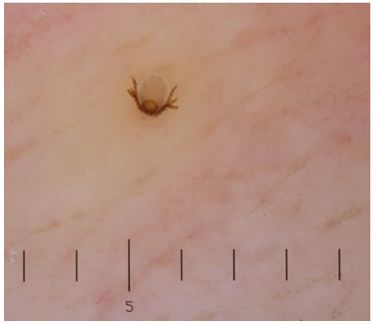
A 60-year old woman residing in Vermont presented to the dermatology clinic for a routine annual skin exam. She had no complaints. On physical exam, a pink papule was seen on the patient’s back, with a centrally embedded tick (Figure 1). The tick was removed and sent for identification, with the plan to give a single prophylactic dose of doxycycline if identified as Ixodes scapularis.

Laboratory Identification

The tick was examined and noted to be less than 1 mm in size, with six legs (Figure 2). This was identified as the larval stage of Ixodes scapularis.

ixo1

Figure 1. Photograph of Ixodes scapularis larva embedded in the patient’s back. Six legs are visible.

ixo2

Figure 2. Photograph of the tick larva received in the laboratory, demonstrating a light tan-brown color.


Discussion

I scapularis, also known as the blacklegged tick, deer tick, or bear tick, is most clinically significant for its ability to transmit the pathogens Borrelia burgdorferi, Babesia spp., and Anaplasma phagocytophilum. It has four separate life stages (egg, larva, nymph, and then adult), spanning approximately 2 years. Each of these stages feeds on different preferred host animals.

Eggs are deposited on the ground by blood-engorged females in the late spring, where they subsequently hatch into 6-legged larvae. Because they have not yet fed, larva forms generally do not carry or transmit B. burgdorferi or other tick-borne pathogens. Trans-ovarial transmission of Borrelia, Anaplasma, or Babesia from adult I. scapularis females to eggs of is not a significant mode of pathogen transmission; however, in a similar tick species, I. ricinus (prominent in Europe), trans-ovarial transmission of Babesia divergens does occur, and so infection may be transmitted by larvae. The I. scapularis larvae will take their first blood meal from small mammals and birds, and then when engorged fall to the ground and molt into nymphs.

The nymph forms, which have already taken a blood meal, can carry pathogens and in fact are more likely to transmit pathogens to humans than the adult form of the tick. This is because the nymph form is much smaller (<2mm in size) than the adult form, and therefore is likely to go undetected when it attaches to a host. The nymphs are dormant over the winter, and re-activate the following spring to take their second meal. By fall, nymph forms have molted into adult ticks, which prefer to feed on white-tailed deer. However, while these deer support the tick population, they are not a large reservoir for Lyme disease. Rather, it is the white-footed mice preferentially fed upon by larvae and nymph forms that act as the main reservoir for B. burgdorferi, B. microti, and A. phagocytophilum. The female adults of I. scapularis are red to orange and larger than males, around 1/8 of an inch long, with a dark brown to black dorsal shield. If females do not feed in the fall, they can remain dormant over the winter and may emerge if the weather gets temporarily warmer (so the onset of cold weather does not necessarily mean the risk of tick exposure is over). Male adults do not take blood meals, and so do not transmit blood-borne pathogens.

To be considered in the differential diagnosis is Dermacentor variabilis, or the American dog tick. This tick species is larger than Ixodes spp., and adult forms have a white-to-gray collar on their backs. D. variabilis have more rectangular-shaped head and mouth parts than the deer tick. Both nymph and larvae forms are yellow-brown in color before feeding, and then turn gray once engorged. It is extremely uncommon for nymph and larval forms of D. variabilis to feed on humans, in contrast to I. scapularis. D. variabilis does not transmit Lyme disease, though in endemic areas it may transmit Rickettsia rickettsii or Francisella tularensis.

Because the tick in the presented case was identified as an I. scapularis larva, the patient was not treated with antibiotics as there was an exceedingly low risk of pathogen transmission.


-Alison Krywanczyk, MD is a 3rd year anatomic and clinical pathology resident at the University of Vermont Medical Center.

Wojewoda-small
-Christi Wojewoda, MD, is the Director of Clinical Microbiology at the University of Vermont Medical Center and an Assistant Professor at the University of Vermont.

Microbiology Case Study: A 21 Month Old Boy with Diaper Rash and Diarrhea

Case history

The patient was in his otherwise healthy state of being until 3 days prior when he developed non-bloody diarrhea. On the morning of presentation the stool had become bloody. The patient was afebrile, had some reduced intake of food, but drinking fine. Most notably, he periodically stops walking and bends over as if he is in pain. This happened 3-4 times the previous day and these episodes tended to last for about one minute, after which the boy would continue to play. He does not attend daycare and his immunizations are up to date.

Stool culture was sent and a predominant organism was an oxidase negative, lactose-fermenting, Gram-negative rod (Figure 1). The organism was non-sorbitol fermenting based on growth on Sorbitol-MacConkey agar, and grew as mauve colonies on E. coli 0157 screening agar. MUG testing was negative.

O157.png
Figure 1: Subculture of the disease causing organism on (A) MacConkey, (B) Sorbiol-MacConkey, (C) and E. coli O157 screening agars.

Discussion

The isolate was E. coli O157. Isolates of E. coli O157 commonly produce shiga toxins (sxt1 and sxt2) which are responsible for diarrhea, hemorrhagic colitis, and most famously hemolytic-uremic syndrome (HUS). Typical illness starts with non-bloody diarrhea which becomes bloody after 2-3 days due to onset of hemorrhagic colitis. Often severe abdominal pain and low grade fever are present as well. HUS is a serious complication of E. coli O157 infection which results in acute renal dysfunction. HUS most often occurs in children < 5 years of age, of which 15% of those with laboratory confirmation of E. coli O157 developing this complication, compared to 6% in the general population. It is possible for other E. coli to produce shiga toxins, with 1% of HUS is caused by non-E. coli O157 infection.

It is recommended that all patients with suspected HUS should have stool cultured on selective and differential media for detection of E. coli O157 and direct shiga toxin detection should be performed to identify non-E. coli O157 isolates that are producing toxin. E. coli 0157 isolates look exactly the same as non-E. coli O157 normal fecal flora on 5% sheep blood, chocolate, and MacConkey agars. All E. coli ferment lactose on MacConkey agar (Figure 1A). E. coli O157 can be differentiated from other E. coli strains by growth on Sorbitol-MacConkey (SMAC) agar; E. coli O157 is a non-sorbitol fermenter while most other E. coli will ferment sorbitol (Figure 1B). Chromagenic agar for E. coli O157 is another option to screen stool specimens for E. coli O157. E. coli O157 grow mauve colored colonies on this particular agar (BBL CHROMagar O157 , Becton Dickinson) (Figure 1C). A summary of this data can be found in Table 1.

Growth of organisms suspicious for E. coli O157 on any media requires confirmation prior to reporting. Biochemical confirmation tests include E. coli O157 antiserum or latex agglutination and 4-methylumbelliferyl-beta-D-glucuronide (MUG) testing. For latex agglutination or antisera testing, it is essential to test the isolate of interest with the E. coli O157-specific reagent as well as a non-specific control to exclude non-specific binding. Unlike most E. coli strains, E. coli-O157 does not express beta-glucuronidase and is therefore MUG test negative (Table 1).

Table 1. Characteristics of E. coli O157 in comparison to other E. coli strains

Test Non-E. coli O157 E. coli O157
Appearance on MacConkey agar Lactose fermenter Lactose fermenter
Appearance on Sorbitol-MacConky agar Sorbitol fermenter Non-sorbitol fermenter
MUG testing Positive Negative

For direct detection of shiga toxin, there are several commercially available immunoassays available for detection of shiga toxin protein. New on the market are multiplex gastrointestinal panels that can be used for molecular based detection of shiga toxin genes sxt-1 and sxt-2 among a host of other agents of gastrointestional disease.

E. coli O157 is spread via fecal oral route. It can be acquired directly from person to person or indirectly through food and water sources contaminated with fecal matter from infected humans and animals. Classic scenarios are undercooked ground beef, leafy greens, unpasteurized milk and juice, petting zoos, and contaminated drinking water. The incubation period prior to symptoms is 3-4 days (range 1-8 days).

Treatment for E. coli O157 is largely supportive consisting of fluids to prevent dehydration. The role of antibiotics is controversial with some studies suggesting antibiotics increase the risk of developing HUS while others found no association between the their use and increased HUS.

Following our patient’s stool culture result for E. coli O157, he was recalled to the Emergency Department for evaluation. He was still having diarrhea and vomiting, but it was reduced compared to the previous day. The patient was given fluids and sent home without antibiotic treatment and via phone conversation with his mother, his symptoms resolved a few days later.

-Erin McElvania TeKippe, PhD, D(ABMM), is the Director of Clinical Microbiology at Children’s Medical Center in Dallas Texas and an Assistant Professor of Pathology and Pediatrics at University of Texas Southwestern Medical Center.

Microbiology Case Study: A 73 Year Old Man with Altered Mental Status and Fever

Case History

A 73 year old man was brought to the emergency room with altered mental status and fever, which developed a few days following a 1-2 day illness characterized by myalgia and diarrhea. He was admitted to the hospital and blood cultures were drawn.

Laboratory Identification

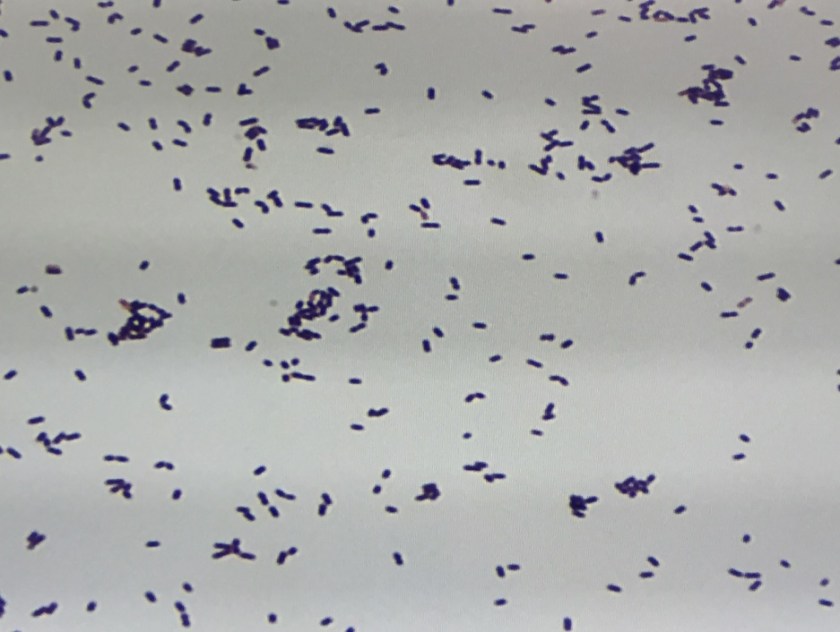
The bottles flagged positive after 12 hours and Gram stain showed small, Gram positive rods (Figure 1). Growth of white, smooth translucent colonies was seen on the blood and chocolate plates, with a small rim of beta-hemolysis on the blood plate (Figure 2). MALDI-TOF confirmed the identification as Listeria monocytogenes.

list2

Figure 1. Gram stain morphology of the colonies growing, demonstrating short Gram positive bacilli.

 list1

Figure 2. Smooth white colonies growing on the blood and chocolate plates, with a soft rim of beta-hemolysis visible on the blood plate.

Discussion

Listeria monocytogenes is prevalent throughout the environment, and can also colonize the human gastrointestinal tract. Humans are exposed by consumption of contaminated food, particularly soft cheeses, deli meats, and fruit. Listeria can grow at 4C which means it can multiply in refrigerated foods, making even low-level contamination a potential hazard. On gram stain, it is a short gram positive rod which may form chains. In some cases, the rods may be so short as to resemble chains of Streptococci, and with the soft surrounding beta hemolysis, could potentially be confused for Group B Streptococcus. However, Listeria is catalase positive, while Group B Strep is negative. Another characteristic feature of Listeria is the “tumbling motility” on wet prep at 20-25C, or “umbrella motility” in tube agar. Listeria also has the unique feature of manipulating the host cells’ intracellular actin framework, using it to facilitate direct cell-to-cell spread of the bacteria. The main virulence factor is the listeriolysin toxin, which is postulated to permit survival of the organism within macrophages via cytotoxic activity.

Listeria can cause a self-limited febrile gastroenteritis in previously healthy individuals, but typically only if they consume a large inoculum. However, in neonates, the elderly, or the immunosuppressed, it can invade and cause sepsis, meningitis, or meningoencephalitis. In pregnant women, Listeria can cross the placenta and lead to intrauterine fetal demise, premature labor, or neonatal meningitis, as well as the typically fatal condition granulomatosis infantiseptica in which the newborn develops widespread abscesses throughout multiple organ systems. Infection during pregnancy usually happens during the 3rd trimester, though the effects seem to be more severe with earlier infection.

 Listeria has been cultured from the stool of up to 3.4% of healthy, asymptomatic humans, and so there is little utility in stool cultures for Listeria except for epidemiologic purposes during an outbreak. Infections due to outbreaks of Listeria are far less common than sporadic infections, which comprise 95% of Listeria infections. Additionally, traditional stool cultures are poor at detecting Listeria and selective media is usually required. Blood and cerebrospinal fluid are the preferred sites of culture if there is suspicion for disseminated infection. Meningitis caused by Listeria is unique in that is can cause a lymphocyte-predominant CSF pleocytosis, which may result in confusion for viral meningitis. Additionally, gram stains of the CSF are only positive in approximately 1/3 of patients, so a high index of suspicion needs to be maintained while awaiting final culture results. While antibiotic treatment is not recommended for otherwise healthy patients with febrile gastroenteritis, it is recommended for those with disseminated infection or at high risk of dissemination (i.e. extremes of age, immunocompromised, or pregnant).


-Alison Krywanczyk, MD is a 3rd year anatomic and clinical pathology resident at the University of Vermont Medical Center.

Wojewoda-small

-Christi Wojewoda, MD, is the Director of Clinical Microbiology at the University of Vermont Medical Center and an Assistant Professor at the University of Vermont.

Microbiology Case Study: A 57 Year Old Woman with Recurrent Fever

Case History

A 57 year old female presents to the hospital with complaints of a recurrent fever for the past few days. Her past medical history is significant for acute myeloid leukemia (AML). On physical examination, she has multiple, warm, erythematous, non-painful papules and nodules involving her extremities. One of the lesions, located on the dorsal aspect of her finger, had ulcerated. She is found to be neutropenic with a white blood cell count of 0.36 TH/cm2 (reference range 4.0-10 TH/cm2). A chest CT scan is performed and reveals multiple, small hyperdense pulmonary nodules.  As part of the work up for febrile neutropenia, blood cultures are collected. Dermatology was also consulted and a skin biopsy at the advancing edge of the lesion was performed.

Laboratory Identification

fus1

Figure 1. Review of the deep portion of the punch biopsy demonstrates panniculus with a deep, dilated vessel containing fibrin and possible fungal organisms (H&E, 40x).

fus2

Figure 2. Deep dilated blood vessel with fibrin and fungal forms consistent with a hyaline septate mold were identified (H&E, 400x). Mycotic organisms were confirmed by a Grocott’s methenamine silver (GMS) stain.

fus3

Figure 3. Gram stain from a positive blood culture vial highlighting narrow hyphal elements with acute angle branching consistent with a hyaline septate mold (400x).

fus4.png

Figure 4. Lactophenol cotton blue preparation highlighting septate hyphae and numerous macroconidia that can be described as canoe or banana shaped (400x).


All of the specimens were collected on the same day and the results from the skin biopsy which showed fungal elements consistent with a hyaline septate mold were reported first (Figure 1). After 2 days of incubation, multiple blood culture bottles were positive for a mold similar to what was seen on tissue biopsy, indicating a disseminated fungal infection in this severely immunocompromised patient (Figure 2). Fungal cultures were set up from the blood and after 5 days of incubation at 30°C, lavender cottony colonies with lighter periphery grew on Sabouraud’s dextrose agar (SDA). The lactophenol cotton blue preparation showed many macroconidia with three to five septa (Figure 4). All of the findings are consistent with Fusarium spp.

Discussion

Fusarium spp. are filamentous fungi which are classified as a rapidly growing, hyaline septate mold. This opportunistic mold can be found all over the United States in the soil and on plants. In immunocompetent individuals, Fusarium spp. can cause localized infections, most commonly as the result of traumatic inoculation. Frequently, the eye is the site of infection, leading to keratitis. This can be due to trauma, contamination of contact lenses or solution, or corticosteroid drops. Fusarium has been reported as the infectious pathogen and has many clinical manifestations such as pneumonia, sinusitis, and wound infections. However, in immunocompromised patients, Fusarium spp. pose a greater threat for invasive and disseminated infections. Of the fungal organisms routinely implicated in fungemia (in addition to Candida, Cryptococcus and Histoplasma), Fusarium spp. have a high frequency of positive blood cultures.

Blood cultures positive for a septate mold and the presence of characteristic skin lesions are highly indicative of a disseminated Fusarium infection, especially in a severely neutropenic patient. To support the diagnosis of fusariosis, it is reassuring to have two different specimens each growing the same pathogen. In the case of our patient, both blood and skin tissue cultures grew Fusarium spp. with the same colony and microscopic morphology. The patient was unable to produce sufficient sputum for respiratory cultures, but the lung abnormalities were attributed to the fungal process as well.

In the laboratory, Fusarium spp. grow relatively rapidly on Sabouraud’s dextrose agar and can usually be identified within 3 to 5 days. Colonies are typically cottony in appearance and develop a pink to lavender color as they mature. The reverse of the plate is usually light. Fusarium spp. produce both macroconidia and microconidia. The characteristic macroconidia have been described as canoe, banana or sickle shaped and are separated by 3 to 5 transverse septa. The microconidia arise from short conidiophores and are more oval in shape, containing zero to one septa and can be single or arranged in clusters.

In cases of invasive fusariosis, anti-fungal agents such as voriconazole or high-dose amphotericin B are therapies of choice. In the case of neutropenic patients, growth factors (G-CSF or GM-CSF) or granulocyte transfusions are potential treatment options as well. Surgical debridement of necrotic tissue has shown benefit in patients with large abscesses. Additionally, if the cause of the fungemia is thought to the result of an infected line, the catheter should be removed.

Disseminated involvement of Fusarium spp. has a high rate of mortality associated with the infection.  Often times the prognosis is related to the extent of infection and the degree immunosuppression.  It is important to suspect Fusarium infections in the clinical setting of a severely neutropenic patient with skin lesions and having a low threshold for beginning anti-fungal therapy. An accurate and prompt diagnosis will lead to appropriate treatment and improved outcomes.


kt

-Katie Tumminello, MD, is a fourth year Anatomic and Clinical Pathology resident at the University of Mississippi Medical Center. 

Stempak

-Lisa Stempak, MD, is an Assistant Professor of Pathology at the University of Mississippi Medical Center in Jackson, MS. She is certified by the American Board of Pathology in Anatomic and Clinical Pathology as well as Medical Microbiology. She is the director of the Microbiology and Serology Laboratories.  Her interests include infectious disease histology, process and quality improvement and resident education.