
Chief Resident Advice to Junior Residents

I haven’t been able to blog as much of late. It’s been a busy year with more than its fair share above the usual crises that a chief resident is expected to handle – an “August year” for me as my program director put it. But I’ve learned a lot and have been lucky to have the support of my attendings, program coordinator, and program director to help. Even when we’ve not always agreed on what is best for our residents, I’ve always been allowed to speak up for our residents and felt as if our concerns were heard and acknowledged even if policies didn’t go our way. I think that’s the biggest strength of a smaller program–the ability to form strong relationships with mutual respect, whether it is with one’s mentors, peers, or hopefully, both–and I know we will cheer each other on when we hear of each other’s accomplishments in the future even if we won’t see each other daily as we do now because of those bonds we built during these past couple of years. The lessons I’ve learned regarding “soft skills” have been equally as important as the knowledge I’ve gained about my favorite lymphomas or molecular mutations. And four years is really shorter than one might think to fit in all we need to as AP/CP pathology residents, so see it for the gift it is–protected time to grow into the physician you want to be. I see the fruits of these lessons more clearly now as I prepare to graduate. Much of it was obtained through mentorship, formal and informal, from those more experienced and with my best interests at heart.

So here are some pearls I’d like to hand down:

  1. Know thyself as early as possible: Be honest with yourself about your strengths and weaknesses so that you can build on the one while working on the other. As we have now signed on to be life-long learners, identify what works for you early or adjust those learning habits which might have worked before but are no longer working. Designate a couple of hours on a weekend day every week to do learning above and beyond what is expected for your current rotation and consistently stick to it. If you can, designating an hour everyday would be even better and it doesn’t have to be hard core studying like our med school days—you can leisurely read a review article, watch TedMed videos, casually look over boards materials or qbanks from day 1, and so forth as long as you do set aside time consistently. Take advantage of experiential opportunities to help decide early where you see yourself as a physician (academics, private practice, commercial lab, subspecialty, etc) in the future so that you can plan as early as possible your rotations, electives, opportunities, and networking with that goal in mind. But most importantly, knowing who you are, what you believe in, how you work best, and what you want and knowing early, will help you plan and see opportunities earlier. But always, be true to yourself.
  1. Time management is key: Learning to plan early and efficiently is a skill and it takes time to learn. Honestly, I’m not the best on a daily basis unless I take time ahead of time to plan my day, which I don’t always do, but plan to be better about during fellowship. But I do know how to plan effectively to juggle multiple long-term projects with deadlines at a time. You will constantly hear about time management – whether on rotation evaluations or during fellowship interviews. I find that those who are very good at time management, all have checklists and planners (whether hard copy or digital) so maybe they’re on to something there. Whatever works for you, being a deliberate planner ahead of time will serve you well.
  1. Be proactive: In some way, we’ve all be conditioned in a passive learning style where those who are more experienced hand down information to us which we are expected to regurgitate or ruminate on and respond. During residency, we don’t have the strict structure we are used to from medical school as we may be only given loose guidelines but are expected to figure out how best to manage our time on our own. We no longer have every hour planned out for us and so the quicker you learn to plan ahead and effectively use your time while at work, the more time you’ll have for personal activities. Don’t just do the minimum but use gaps in your time during the day to study, to build relationships with mentors with whom to work on book chapters, abstract submissions (for posters/platform presentations at conferences), and publications, to attend conferences/tumor boards outside your rotation even in non-pathology departments, to work with others outside of pathology on interdisciplinary projects. In some ways, these activities are networking without our even realizing it. For the rest of our lives, we will constantly be judged and compared to others by our character and work ethic and that often will include tangible items on our CV whether this is fair or not. Challenge yourself on every rotation by trying to do as much as a junior attending would within the limits of what you are allowed to do and not just the minimum.
  1. Get involved in advocacy: Participate in leadership positions at an organized level–within our professional organizations, with interdisciplinary teams within your hospital, or with volunteer organizations in your community. Bringing about change takes time but if done with a positive goal in mind, can have such a rewarding impact on those we wish to serve as well as yourself. You might discover a previously unknown passion or skill you possess that you can share. Before residency, I was heavily involved with on-the-ground, upstream-minded health equity efforts in immigrant and minority communities. And while I took a hiatus from my work due to residency training, I know that as a future public health pathologist-scientist with both public health and research training, I will return to working to change those systemic and institutionalized societal structures that maintain health inequity within those communities. So it’s now your time to find your passion and to give back. Pay it forward for every good gesture someone has shown you.
  1. Build relationships with mentors: Since I’ve been involved with organized medicine, I’ve always heard the word “networking”. Too me, it always seemed somewhat a Machiavellian “ends justify the means” insincere word but I guess that’s all up to interpretation. What I prefer to say is focus on finding colleagues with whom you share values and passions, who you respect and would like to emulate, and with whom in the future, you might want to collaborate. If your premise is sincere, opportunities always unexpectedly follow has been my experience.
  1. Step outside your comfort zone: As busy physicians-in-training who are used to structure and consistency, it’s good every once in a while to try something new. You never know what you may find–it may even turn out to be a new passion for you. Life is too short and you want to live it without regrets. You want to say when your time comes that you lived life to the fullest and maybe even tried some things that scared but surprisingly made you happy.
  1. Recharge with some “me” time: All work and no play can make any of us dull and cranky. Set aside time to spend with friends (especially non-physician friends) and family and do non-work related activities. Especially when life is getting you down, some time away from thinking about work may be the recharge you need.
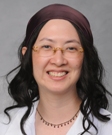
 

Chung

-Betty Chung, DO, MPH, MA is a fourth year resident physician at Rutgers – Robert Wood Johnson University Hospital in New Brunswick, NJ.

The Value of Electives (Both Internal and External) During Pathology Residency

It’s been a while since my last blog. I haven’t had as much time and energy as I would like this past year. For now, I’ll just say…appreciate all that your chief residents do because much more time and effort lies beneath the surface than everyone is able to see.

But the topic for this blog is the value of electives during pathology residency. Our programs vary with respect to electives in terms of number and ability to take them externally or not. My previous program had five electives that could be taken internally or externally. However, external electives did not receive salary support and I didn’t take any electives although I could’ve during my two years in Chicago. Since we had a decent number of electives, many residents scheduled them internally during fourth year to have lighter months to study for boards although a handful did utilize them during earlier years for external electives.

My current program has two and we do receive salary support with external electives. For my first, I had an extra month of hematopathology internally because I wanted to see another perspective on one of my chosen subspecialties. Internal electives are good to spend more focused time in an area of subspecialty interest that you may have for fellowship. It also allows for the opportunity to develop deeper relationships with the faculty who will most likely be writing your letters of recommendation for that fellowship. They may also provide you with the opportunity to become more involved in research and/or publications (eg – book chapters, case reports, research articles) with a mentor and these are all helpful in enhancing your fellowship and future job applications and build up your CV.

Currently, I’m on an external elective at the institution where I’ll do both my hematopathology and molecular genetic fellowships. I’m laying the groundwork for molecular hematopathology research now that hopefully results in data analysis over the ensuing months to culminate in an abstract submission for the American Society of Hematology (ASH) which has a deadline only a month after I start fellowship. I also want to use this time away to get to know people at my future program better, prepare for my eventual move here, and study for boards. Hopefully, I’ll also get a sense of the daily work flow as I am also attending signouts and intra- and interdepartmental conferences so that I can manage my time as efficiently as I can from day 1 of fellowship. I really like the culture and people here, but that’s subject matter for a future blog. I also am enjoying the benefits of attending inter-program activities as TMC is the largest medical center in the world with active interaction and collaboration between member hospitals. Not so much in my case since I obtained both my consecutive fellowships last year as a PGY-3, but for many, the value of an early external elective is that it can be seen it as an “audition” rotation to obtain a desired fellowship. You may even be able to ask for an interview before you finish (which saves you time and money). I also have some friends who were offered fellowship spots at the end of their elective rotation because they impressed the fellowship director. Obtaining fellowship positions is pretty competitive and there tends to be fewer spots than there are for residency. And in many cases, positions are not even available if an internal candidate is chosen early (even during their PGY-1) so anything to augment your fellowship application is a plus.

Now that I’ve mentioned external electives, I’d like to give some advice on setting up an external elective. First, start as EARLY as possible! Even a year or more before isn’t too early to ask about getting the ball rolling. Start preparing and updating your CV from your PGY-1 as you’ll need this for both external elective and fellowship applications. Scan and keep a PDF of all your vaccinations and work-related health requirements (eg – PPD/Quantiferon results, flu vaccine, hepatitis B testing, MMR and hepatitis B antibody titers, and N-95 fit testing) as well because its likely you’ll also have to include this in your external elective application.

I initiated the elective rotation request about a half year prior to the actual rotation. And even then, that was not early enough and everything came down to the wire. It’s far more complicated than when we applied for elective rotations as a medical student and takes much more time. Since we are now physicians, you are more than likely required to have at least a medical permit in that state to rotate and this process can take a while. Also the back-and-forth between program coordinators and the respective GME departments can appear glacial at times, and in my case, was the main cause of delay. I hit several delays at obtaining paperwork (especially between Christmas and New Year’s when many staff were off at both programs, my medical school, and the Texas Medical Board where I needed paperwork from). It can be time-consuming to have to make multiple phone calls, and often, the process cannot be completed until its antecedent step has been approved. I know residents who have had to postpone external rotations because paperwork between GME departments (eg – PLAs or malpractice agreements) were not in place in time. Maintaining constant and open communication between all parties involved is a must and sometimes easier said than done the more people that are involved.

In addition to obtaining the state medical permit (which generally requires an application fee; in my case, $135), there may be other requirements that are also time-consuming and financially expensive. You may be required to do pre-employment-type health screening (in my case, a $36 urine drug screen) at your own cost as you are not a true employee. I also had to become ACLS certified (at $120, despite being BLS certified and a former American Red Cross CPR instructor). But since I’m going to be a fellow here, I can get it reimbursed through my GME funds and would have to do it later anyways so I might as well do it now. But if you are not doing an elective at your future fellowship institution, it’s good to find out what items may incur cost in your application for your elective since you are not likely to get reimbursed and so you can decide whether those expenses are acceptable. One way to defray costs is to apply for grants such as the ASCP subspecialty grant which is administered to six residents twice a year (Jan/Aug). In fact, the next deadline is this Friday, Jan 15th! You can find more information on how to apply at http://www.ascp.org/Residents/Resident-Grants.


Chung

-Betty Chung, DO, MPH, MA is a fourth year resident physician at Rutgers – Robert Wood Johnson University Hospital in New Brunswick, NJ.
The Importance of Time Management and Benefits Outside of Residency Training

So I was recently in beautiful Miami for the ASCP Leadership Forum as the resident representative on their Commission on Science, Technology, and Policy (CSTP). While I can’t talk about the specific details of our work, I’d like to take this time to elaborate on some benefits of working within organized medicine for residents and on the realizations that it has brought me concerning the importance of time management.

As residents, it’s difficult to see the “big picture” sometimes because residency training feels like a journey with multiple landmarks we must pass in order to reach a destination far into the future. But I’ve found that my work in organized medicine has always expanded my peripheral vision. In these roles, I have increased my exposure by meeting residents and attendings from other programs – I’ve been able to hear how training differs between their experiences and mine. And this provides me with a context in which to view both the strengths and weaknesses of my previous and current training. And as a chief resident, these experiences have provided me with invaluable insight that allows me to come up with creative solutions to improve both myself and my program. Of course, organized medicine also has provided me with a myriad of benefits from networking.

But participating in extracurricular activities, and in particular, organized medicine efforts as well as union efforts (as one of my hospital’s five CIR/SEIU delegates), takes a lot of time and as expected, time management. In terms of long term time management, I would say that the many leadership positions I have held have helped me to plan out tasks and to meet deadlines. And so as a first year resident, after my first three months or surgical pathology, I was surprised to see “needs to improve time management skills” on my evaluation. And even though I improved on subsequent rotations, I think it has taken me until now as a third year and as a chief to truly understand what that comment meant.

My time management is fine when planning long term goals and overseeing the tasks of those I supervise – skills I honed while participating in organized medicine for many years. But what my first evaluation as a resident was pointing out was that I had trouble initially managing my time in terms of my DAILY service duties (ie – very short term goals). Despite rotating in pathology as a medical student, as a neophyte first year, I didn’t truly understood the scope of what pathologists really did day in and day out, and more importantly, the workflow to achieve these goals. And each year, my skills have improved and shaped my outlook about what is required to be a good, patient and public health centered pathologist. But as a chief now, my view has again been further refined in this regard.

When I interviewed for fellowships, the #1 attribute that programs mentioned as important in a fellow was great time management skills. #2 was being a good team player. My yearly residency training and leadership roles in organized medicine have both hopefully nurtured those two desirable characteristics. But I guess we’ll see when I start my first fellowship in July 2016. Don’t forget to include in your planning time to relax, eat and exercise, sleep well, and set aside one day each weekend to do some casual training-related work such as reading on your current rotation topic.

Chung

-Betty Chung, DO, MPH, MA is a third year resident physician at Rutgers – Robert Wood Johnson University Hospital in New Brunswick, NJ.

Tumor Boards and Multidisciplinary Conferences (MDC)

Even if we are not as visible to the patients that we care for as other physicians, pathologists are amazing! Of course, I admit that I’m biased since I am a pathology resident but, this does not make this fact any less true. Others may not always realize that pathologists often have to make life altering diagnoses on the most miniscule of tissue samples. Or that we need to incorporate clinical histories, imaging, and previous clinical test and pathology results just as much as the primary clinician, I’ll dare say, sometimes, even more so, since we often do not have the opportunity to talk with the patient face-to-face. And that in the future, especially as precision medicine develops an increasing foothold in the treatment decision making process, we should, and will be, taking more active leadership roles within multidisciplinary teams.

One of the places where I feel that pathologists can show their value to the patient care team is in the multidisciplinary conference (MDC) setting. These can include tumor boards where we discuss specific patient cancer cases or other interdepartmental conferences where we explore an area of common interest that doesn’t necessarily have to be neoplastic. “Doctor” is derived from the Latin word, docere, which means “to teach” and it is within MDC’s that we can shine as teachers. It is impossible to learn about you need to know in medical school in terms of patient care. Not only is the fount of knowledge ever increasing but also our training directs us toward subspecialization since the volume knowledge is so vast, we have to choose which areas we will spend more time mastering.

Way back in the day, surgery residents had to spend significant time (often at least six months) rotating on the surgical pathology service. I find that these more experienced attendings are often the ones who scrub out and sit with our pathologists at the multi-headed scope during frozen sections. And they are also the ones who can make the surgical pathology diagnosis and know the staging summaries even better than junior, and even some senior, pathology residents. But training requirements change. Most of the other clinical physicians we will interact with as colleagues were not trained in this manner.

One of the reasons I chose hematopathology was because I enjoy the daily increased face-to-face interaction I experienced while on this rotation. At most of the hospital sites I’ve trained (four at my previous program and two at my current program), hem/onc physicians and fellows often make the trek to the pathology department to discuss patient cases with the hematopathologist, especially over the microscope. They had some idea of what they were looking at, too. In fact, at a couple of the programs I interviewed (Hopkins and UW), hem/onc physicians are, or were in past in the case of UW, responsible for reading the liquid specimens (peripheral blood smears and aspirates). They also often had multiple interdisciplinary conferences – leukemia, lymphoma, coagulation/benign heme.

But, since I’m on a surgical pathology rotation right now, I was thinking about when we interact most with our surgeons – and I think that is during tumor board. A few of the “old school” surgeons will scrub out and come to the department to look over a frozen with us but most often than not, this is not the case. But during tumor boards, there is always active discussion which includes the pathology in order to come to a treatment decision on not-so-straightforward cases. And these are opportunities to demonstrate just how important the pathologist is to the process. At least in the difficult cases, we do not merely write out diagnoses for other doctors to read and move on without us to treat the patient. It is in these moments when we not only educate but can also actively participate in helping to direct care. But in order to do so, we need to be able to integrate the clinical, epidemiologic, morphologic, radiologic, ancillary diagnostic, and prognostic (lots of “-ogics” there) factors along with know the potential treatment alternatives. We don’t just deal with the morphologic and leave everything else to the referring physicians…at least, if you want to be the best pathologist that you can be. This is also the time when we can leave a lasting impression on other trainees (medical students, residents, and fellows) about how a pathologist can contribute when added to the team mix so that they will be more apt to seek out and work together with pathologists when they become attending physicians.

We are the physicians who understand the intricacies and implications of many of the ancillary tests if we understand well how they are performed and why and also what can cause erroneous or false positive/negative results. I think that I learned a lot of those types of things through serving as an accredited lab inspector (or you can help with your department’s lab self-inspections) and also by being more pro-active during my CP rotations to work with the lab staff and not just sit at my desk and read a book (or study for boards). And we can help guide other physicians regarding which tests are useful for specific situations and which tests really won’t impact prognosis or treatment management. So, be deliberate during your rotations! Try to understand the “big picture” and how important we can be (and really are) in the patient safety and care process! I think that tumor boards and interdepartment MDC’s are a great venue for us to showcase the “true” contributory potential of what pathologists to the patient care team.

Chung

-Betty Chung, DO, MPH, MA is a third year resident physician at Rutgers – Robert Wood Johnson University Hospital in New Brunswick, NJ.

The Importance of Relationships and Elective Rotations for the Fellowship Application Process

I know that I’ve said this before, but it is important to cultivate relationships, especially in a small professional community such as pathology. In medical school, it was fine to focus on learning from our lectures, doing well on boards, and performing competently on the wards. This triad was enough then to secure us good letters of recommendation for our residency applications. And most programs invited candidates supposedly based on a magic number calculated from these aspects of our applications. Additionally, most programs, since we have a match and so as not to have to scramble via the SOAP, would invite about 10 candidates per position available.

However, for the fellowship application process, it’s a different ball game. We do not have grades for rotations and most of us have not taken our boards before we apply. So it is no longer as heavily numbers-oriented. Most of our personal statements will not be that different from each other, I would guess. So, the two things that stand out in my mind as having the most impact on receiving an interview invite (at least in my experience), are our letters of recommendation and our CV’s. I know that at every interview, aspects from one or both of these were discussed. Since I was a non-traditional medical student, most often what was brought up from my CV was my extensive research background (I was originally going to be a PhD molecular neuroscientist), long path to residency (I have 4 degrees), and reasons for getting an MPH (two of my main foci were molecular and infectious disease epi because I thought that I’d be interviewing for MGP and clinical microbiology fellowships right now). I also had to explain any gaps in my training.

As far as the CV goes, I think it’s most important to show a consistent commitment to your area of interest through publications, abstracts/poster or platform presentations, and leadership positions with advocacy organizations in your desired subspecialty area. But remember to do things that you are passionate about and not just to put on your CV! Attending national/state/local meetings provides an outlet to meet the experts in your future field who not surprisingly, you may end up interviewing with during the fellowship application process. More weight is now placed on relationships. If you have great letters (or better yet, a phone call or personal email sent on your behalf) from a colleague that the fellowship director knows, you are more likely to be chosen for an interview. Also, if you are a well-liked internal candidate or external candidate who spent time rotating at your dream program, then you also have increased chances of being chosen for their fellowship. Some programs (or subspecialties like some forensics programs that I’ve heard of) either require an “audition” rotation or heavily favor candidates who did rotate with them. So I STRONGLY recommend figuring out what fellowship you want as early as possible and to do an elective rotation (if it is not your own program) at your dream program during your PGY-2.

I cannot emphasize enough that showing what you can bring to your future fellowship by doing an elective rotation before the application period (early PGY-3) and interacting with your future interviewers can only help you. I wish someone had told me this when I was a junior resident. If the program chooses to interview you after you’ve rotated there, it generally means that you’re more competitive than others who they may interview because they know and like you and feel that you meet their competency requirements. I have not had any elective rotations yet so I was surprised at one of my interviews to learn that all the current fellows had completed a 2-month rotation there before they had applied. I had been told just before I left for my interview that this program heavily prefers those who have rotated there but it wasn’t as obvious as when I was told this during the lunch with the fellows. Even though they interviewed only a few candidates, it will be difficult to tease out how much an elective rotation factors into the final decision. I will always wonder if I do not receive an offer.

At this point, the competition is much fiercer than it was for residency, often with only 2-3 candidates invited to interview for each available spot from what I was told at some of my interviews. But I’m not sure how this number varies based on the competitiveness or popularity of each program. I can tell you that the programs I interviewed at would fall under the ‘very competitive’ category so other programs may interview more. But you could always ask the program coordinator how many they plan to interview and how many positions are truly available. They often will let you know if a future position is already filled by an internal candidate. Sometimes, I was given only one day or a few days to choose for scheduling an interview and if I couldn’t on those days, the program moved on down their list. So make sure to ask for lighter rotations and no call during your anticipated interview months (Sept-Jan). This is especially important with small residency programs or those with multiple hospitals to cover where it may be difficult to find someone to switch call coverage with you.

Since applications are accepted and interviews are conducted earlier than in the past and positions may have already been (un)officially promised to internal candidates, research programs and apply early! I do so dislike the word ‘networking’ because to me, it sounds insincere and calculated, but whatever you do, make opportunities for yourself to build relationships with and show your interest to your future colleagues before you have to apply. If you need some financial help to do an external elective, apply for ASCP’s subspecialty grant by clicking here and applying before January 16, 2015!


Chung

-Betty Chung, DO, MPH, MA is a third year resident physician at Rutgers – Robert Wood Johnson University Hospital in New Brunswick, NJ.


The Importance of Continuing Medical Education, at Least in Theory…

Hello again residents. It’s the wee hours of the morning and I am in Chicago O’Hare International Airport waiting for my connecting flight to Columbus, Ohio, where I will serve as an ACCME/AMA monitor for the College of American Pathologists (CAP) at the Ohio Society of Pathologists (OSP) meeting. I wasn’t allowed on my flight because I was just beyond the cutoff time even though I had rushed out of the hospital, still in my scrubs. And so I got re-routed through Chicago and spent a couple hours at a hotel in order to sleep before catching an early flight the next day.

As the junior (trainee) member on CAP’s Council on Education (COE), I was given this opportunity to monitor this CME meeting for compliance to ACCME/AMA standards and CAP representation as a joint CME partner. I’ve served on the COE since January 2014. We have four meetings a year with two of them in Chicago. I was just approved for a second term that runs until December 2015. We oversee and approve proposed projects from all the educational committees of the CAP: publications, GME, CP education, and the curriculum committee as well as some of the educational aspects of the Annual Meeting.

Despite the airport snafus (which I’m pretty good at getting myself into), it was interesting to serve as a monitor. I met an attending from the Cleveland Clinic who I remembered from my residency interviews. I also met other residents and fellow who were in attendance. The OSP had taken great care to preclude commercial bias from their meeting. They did have a few exhibitors but they were in a separate room from the lecture sessions. I heard a very informative talk on the clinical oncology applications of next generation sequencing (NGS) as well as an engaging case-based session on dermatopathology cases.

The meeting was held in a hotel in Dublin, OH, which I strongly suspect must have Irish and German roots from the names of the town, streets, and types of restaurants (Irish pubs and German-Austrian) that are common here. The hotel restaurant which had an Irish name served a buffet of Irish food (no surprise) for the participants at a discounted rate. Overall, it was a good meeting with a good balance of germane topics covered. Having been a co-chair of a national medical conference when I was in medical school, I totally can appreciate all the pre-planning that goes on behind the scenes to organize meetings such as this. I was also able to have dinner with and catch up with a friend who is a non-pathology resident at the local Ohio State University.

I know that we, as doctors, would like to believe that once we’ve passed through the gauntlet of medical school and graduate medical education training, that we know everything that we need to know and shouldn’t necessarily have to be retested or do CME, but I believe that it only makes us better doctors if do. We should be life-long learners, especially in a technology-driven specialty such as pathology (that is, if we want to remain in control of lab testing). As a scientist in my life prior to medical school, I intimately understand how even dogmas can change (at one time, people thought that protein was the genetic material of the cell!). We can always learn something new and new disruptive technologies like NGS will always arise that will transform how we diagnose, prosnosticate, and treat our patients. We may not always see patients physically but must remain present within the process and that requires us to continue to test our knowledge base. Since I haven’t graduated yet, I don’t really have the experience to say whether the current mix of CME, SAM, and MOC requirements is the way to do it but in some form, we need regulations to help push us as a profession (not necessarily as an individual if we are self-directed and pro-active) in the right direction to be the best physicians for our patients.


Chung

-Betty Chung, DO, MPH, MA is a third year resident physician at Rutgers – Robert Wood Johnson University Hospital in New Brunswick, NJ.


Decisions That Will Impact the Direction of My Pathology Career

So, I’m in Midway Airport in Chicago with a 2.5 hour layover back to the East Coast from my West Coast tour of fellowship programs and interviews. I flew on 5 separate flights and interviewed at 5 programs in 4 cities in 3 states over the past week. Quite a whirlwind schedule to keep even if it wasn’t exacerbated by the fact that I’ve had a wicked flu the entire time (and still am sick as I type). But I look forward to getting at least one night’s comfortable sleep in my own bed and spending some time with my kitties before I start with my first East Coast interviews (2 in 1 day) on Monday. I’m very fortunate that my program director, program coordinator, and fellow co-residents have been supportive, especially when I’ve had to switch multiple days on-call.

On the left coast, I interviewed at 3 hematopathology and 2 molecular genetic pathology programs with overlap at one program where I interviewed for both hemepath and MGP. All of the people that I met at each program were people who I felt that I would like to become colleagues with (and who will be my colleagues in the future). But despite this fact, each program was vastly different from the other and I am reminded that these next decisions about where I’ll spend my fellowship years will probably impact the direction of my career more so than any other decision thus far. The people who will touch my life will help shape the pathologist I will be!

I thought that I had adequately prepared my list of questions that I carried around to each interview but I found that each interaction spurred additional new questions that I had not thought of prior to the interview. Many times, my interviewers had anticipated some of my questions and had answered them as we talked even before I asked. The current fellows I went to lunch with were very helpful in answering my questions and telling me about their lives within their fellowship programs. For me, the “fit” and culture of my working environment is important – finding colleagues who treat each other with respect and notice when others might be struggling and help each other out. I value a strong teamwork mentality as much as I appreciate a rigorous academic environment that will push me to be the best that I can be.

Having come from a graduate research training environment in what I might call some of my formative years, I also value an environment that spurs creativity. I enjoy being able to have open door policy discussions where we bounce ideas off each other and challenge each other in a positive manner to “think out of the box.” I know that research will be an integral part of my future career, hopefully along with hematopathology sign-out and molecular genetic lab directorship (even if it is not for the entire lab but possibly just the molecular hematopathology portion of it). The question for me is whether that research will be more basic science (which means I’d probably be committing to more like 80% research, 20% clinical in terms of my service duties) and on a K-R01 grant track as a physician scientist or will be more toward translational research where I can apply some of the knowledge and skills I gained during my graduate and MPH training. I was very flattered that at my first interview, the fellowship director told me that I could come back after my fellowships to do a post-doc with him and one of his mouse models of hematopoietic disease.

Mentorship for me is really big. I really want to find a program where the faculty take an interest in my career. I want mentors who look out for my future career and who will guide me toward opportunities that will enhance it. Mentors who will support me and make those all-so-important phone calls to help me get my first job, or better yet, offer me my first job. It is not far-fetched to think ahead that I might want to lay down roots where I complete my fellowships so that is an additional factor to consider when it comes time to make the final decisions.

Each program varied with respect to educational philosophy and resources. More so than I previously realized that they would even though I’ve been in two residency programs that I can compare. But right now, I compartmentalize everything I see and learn from each interview and just try to soak everything in like a sponge without assumptions or judgment. I’m placing those observations aside in my head until the time comes that I will need to think about them (which will probably be the end of this month or the very beginning of the next).

It has become very clear to me that being self-motivated and proactive to make opportunities for myself when they did not necessarily exist within the formal structure of my residency program has been a pivotal aspect of getting me this far in interviews. If your program does not have a resource available (eg – NGS for a MGP-minded person like me), then find one and gain access to it (eg – I will go to Rutgers for my last molecular pathology rotation to help with NGS clinical testing validation, and hopefully, a hematopathology elective rotation at an institution with a higher volume and diversity of cases than I can see at my own program)! If you are interested in a particular subspecialty, get involved in research, tumor board presentations, and sign-outs in that area (eg – look at hemepath cases on your free time or on the weekends if that’s what you like) from your first year as much as you can. Whining is not allowed nor is a quality that will help anyone so don’t waste time complaining about aspects of your programs you cannot change. Make your destiny happen rather than be a mere participant in it by accepting the status quo! Good luck to my fellow residents who are also on the interview trail! May we all find our future homes for the next phase of our careers very soon!


Chung

-Betty Chung, DO, MPH, MA is a third year resident physician at Rutgers – Robert Wood Johnson University Hospital in New Brunswick, NJ.

Reminiscing Tampa

ASCP 2014 at Tampa provided the perfect getaway for a New Yorker forced to wear fleece early October. The same attire seemed to be mocking me the moment I stepped out of the Tampa International Airport on Wednesday night. It was a pleasant surprise and I gleefully tucked it right into my suitcase.

At the hotel, I took a quick glance at the lecture schedule. Having already missed the first day, I was eager to extract the best out of the next two days. I was thrilled to see an array of topics specially aimed at residents. Also, many lectures focusing on novel or state-of-the-art techniques, including molecular methods, virtual microscopy, digital pathology, informatics, etc. It seemed to me like “The future beckons!!” Being a hard-core morphologist, it was a tough call for me, as I would have to forego a host of other good lectures. But I decided to focus on the resident review courses and ancillary techniques.

Keeping with my agenda, I set the ball rolling on day two by attending the lecture on “Automating Anatomic Pathology.” It was an eye opener for me, dealing with the scope and future of automation in anatomic pathology lab. “Anatomic Pathologist’s Role in Patient Safety” was the next. Dr. Silverman cited studies revealing that soft tissue lesions, with an error rate of 20-30%, led the list of organ specific error rates. He deliberated on the importance of second opinions in error reduction. He aptly concluded his lecture with the remark, “the pathologist is the Final Quality Assurance Officer or ‘the buck stops here.’” It was a huge wake up call for me.

I moved on to my first lecture on Molecular Pathology, “Welcome to the Beginning: Molecular Pathology for the General Pathologist and Molecular Pathologist.” It was just the right one for me and helped me firm up basic concepts. In the evening I attended “Molecular Diagnostic Methods in Oncology: an update on practical aspects.” Dr. Larissa Furtado and Dr. Yue Wang from University of Chicago were simply brilliant in elucidating the role of molecular techniques in oncologic practice. The prior morning session, helped me understand the deliberations in this talk much better.

I made it a point to attend most of the Resident Review courses. Though my Board Exams are two years away, I took it as a perfect platform to acquaint myself with the “hot” topics. I spent almost the entirety of day three attending the courses. A packed audience was testimony to these sessions’ popularity. Most of the speakers were brilliant. The case based presentations followed by an interactive voting format helped keep us all fully involved. However, the lab administration and last day hematology section could have been better.

In between, I found some time to listen to one of my all time favorites: Dr. Goldblum’s trademark lecture on soft tissue pathology. He quipped in his inimitable style “Don’t hunt for lipoblasts to diagnose a liposarcoma” and warned us of the vast plethora of “pseudolipoblasts” lurking around. Rather, he stressed the importance of analyzing the entire histology in the correct clinical context.

Let’s wander into the poster sessions! We had a total of twelve posters from our program itself, probably the largest representation from a single center. I had four posters and one of them was selected as a finalist in the Best Resident Poster section. It was an entirely new experience for me. However, I did some homework to prepare myself for the judging session. The judges on both the days were very pleasant and spent a significant amount of time discussing the work with me. It was disappointing not to get the award, though I knew the competition was tough.

The evening Mixology Lab was the perfect concluding session in the backdrop of the setting sun across the scenic Hillsborough river. There was delicious food and wine as Dr. Baloch announced the various poster award winners. It was special for me for another reason, as my very good friend Shree Sharma was one of the “top 5 under 40” award winners.

Mixology Lab attendees soaking up the sun.
Mixology Lab attendees soaking up the sun

It would be so improper if there were all work and no play. Friday evening provided the perfect opportunity to explore the city. I went out with friends to the Ybor City, taking the streetcars, which surprisingly provided 50% discount to conference attendees. Ybor City was such a happening place, full of fun. While strolling along the 7th avenue, we took pictures with people celebrating Gasparilla festival, dressed as pirates. A glass of sangria at the historic Columbia Restaurant provided the perfect toast to end the day.

My trip was not to end here as I had already registered for the TRIG Genomic Pathology Workshop for Saturday. This was my first exposure to such a session in molecular technology. We were divided into small groups. In a case based approach, the workshop deliberated on teaching principles related to the development of genomic assays and result interpretation. There were four cases pertaining to single gene testing, prognostic gene panel testing, how to design a cancer gene panel and whole genome sequencing, respectively. Both Richard Haspel and Andrew Beck were simply brilliant and they took special care to approach each group separately and clarify their doubts. It was a highly stimulating experience for me and I learned a whole new facet of pathology. The utilization of online genomic pathology tools for result interpretation appealed to me. It also gave me the opportunity to work with fellow residents from other programs in a very close and interactive manner. Though the warm sun outside beckoned, I believe this was the perfect finale for three full days of extensive learning activities.

A trip to Tampa would be incomplete without a visit to the Florida Aquarium. I took a relaxed tour of the aquarium after the workshop, visiting the lovely marine friends. When I boarded the flight back to New York on Sunday afternoon, I felt very content. It was also reassuring to see that ASCP indeed cares about resident education and needs. The meeting opened my eyes towards the new horizons in pathology and how many options lie before us for shaping our careers.


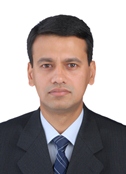
rifatpassportpic

-Rifat Mannan, MD is a second year Pathology resident at Mt Sinai St.-Luke’s Roosevelt Hospital Center, New York.

Resident Concerns, Part 3: Networking Opportunities

Just as an addendum to my previous post about fellowship applications, my suggestion would be to have everything ready to send by July 1st or earlier, if possible. I’ve found that some programs started accepting applications on July 1st. And this includes asking for letters of recommendation as early as possible so that they are ready by then as well or you may find yourself, like I have, in the bottleneck with programs emailing weekly that all they need are your letters because they have started reviewing and/or interviewing already and won’t look at your materials until its complete with letters of rec. I submitted most of my applications (minus letters of rec which still have to come) by September 9 and one of the programs had already filled for both hematopathology and molecular pathology. I would guess with an internal candidate or an early interview candidate because their website didn’t list yet that the position was filled. Some of the programs for molecular genetic pathology, in particular, have early deadlines of September 1st, so make sure you know the deadlines and have your materials ready to go way in advance.

Now on to this week’s topic: networking. Throughout our journey to and during medical school, it was often hard work and studying that got us to where we needed to be. Yes, there were the “legacy” students who got into colleges and medical school based on who their parents or families were but those are not the students that I speak of. I speak of those like myself who form the majority and who didn’t have those types of connections. But in the workplace, if we take the group of “legacies” out, we still have to deal with the power of connections but at a more palpable and potent level than previously encountered. On multiple workplace surveys, the #1 manner through which people (and pathology trainees) obtained jobs is through “word of mouth” and referrals. Having someone make a call on your behalf can be a powerful factor in helping you to obtain that fellowship or job.

With respect to fellowships or jobs, the market is tighter. There are far fewer positions available. So how do you set yourself apart from the crowd of others with similar or even, slightly better, credentials than yourself? Connections can greatly help so start early. Local and national conferences are great places to meet other residents but more importantly, other pathologists in your intended field. Make yourself business cards and give them out like there’s no tomorrow. If you impress someone, they most likely will keep your business card and remember to get in contact with you when a position opens up that you’re a great fit for. At annual meetings, there often are networking receptions for residents to meet practicing pathologists. Also at these venues, job seekers get the word out that they are available and have access to job boards. This also holds true for attending your state society or other local subspecialty meetings.

Another way to meet and make connections is through getting involved with organized medicine and advocacy organizations. ASCP, CAP, USCAP, and subspecialty organizations (like AMP for molecular pathology) often have junior positions on their committees and councils for a resident. Find one in an area of pathology that you have an interest in and apply. Many also have travel awards to their annual meetings or grants for research also set aside for residents. I’ve found that many of the people who volunteer in national leadership positions in these organizations frequently overlap so once you start meeting people, you will see them at other meetings, and it makes it easier to meet more people. So if you are able to obtain a junior member/resident position, work hard. People recognize and value hard work and enthusiasm and it’s a way to make a great impression doing work that you are passionate about. And if you apply and are not chosen, then don’t give up. These positions have many more people applying for them than positions that are available. But persistence is a virtue and when TPTB (“the powers that be”) see your name on a subsequent application, they might be impressed that you applied again.

Some of these positions are advertised and others are through referrals. As a resident, I never found it that easy to find when many of these positions have an opening so I’ll try my best to advertise through this blog when those times arise. But you can get involved early and at a more junior level first by being a representative for your program to ASCP (contact angela.papaleo@ascp.org) or a delegate to the CAP Residents Forum (contact Jan Glas at jglas@cap.org). I know that at some programs, this is through election, but even if you are not elected, you can still attend the CAP Residents Forum (you just won’t be your program’s voting delegate) and still ask to get the ASCP e-newsletter (where they advertise when new resident volunteer positions are open).

If you can decide early what you want to do when you are a pathologist (subspecialty-wise, etc), then the easier it will be for you to get involved with your specific pathology community in leadership/volunteer positions early. You can even participate in other activities such as blogging, creating podcasts, and writing for these organizations. You’ll be surprised that you meet people through these venues as well. You can write about a pathology topic of interest for CAP NewsPath which is then converted into a podcast. I blog for ASCP’s Lab Medicine Lablogatory as you all know, but we are always looking for resident bloggers. If you can’t commit to writing weekly, then contact me (chungbm@rwjms.rutgers.edu) and I’ll happily have you do a guest blog here one week! For those of you attending the upcoming ASCP Annual Meeting in Tampa, I’ll be looking for bloggers to write on their experiences at the meeting so just shoot me an email or find me at the meeting (I’ll be one of the poster judges). Check out the websites of organizations you are interested in to see how you can get involved – it does take some effort on your part but you won’t be disappointed! For positions that work through referrals (where I didn’t have one), I was still able to apply because I identified the person in charge (internet searches are your friend), contacted them, and asked. So, it never hurts to be proactive.

And in my attempt to keep you all informed of opportunities, for those of you who want to do an external/away elective or international/global elective and need financial support, the application period is now open for round 2 of ASCP’s subspecialty grants. You can find more info at the ASCP website but you need to apply by Jan 16th!


Chung

-Betty Chung, DO, MPH, MA is a third year resident physician at Rutgers – Robert Wood Johnson University Hospital in New Brunswick, NJ.

Resident Concerns, Part 2: Fellowship Applications

So, continuing on with resident concerns I heard about during conversations at the 2014 CAP Residents Forum and Annual Meeting, let’s move on to the fellowship application process.

One nice offering by the Residents Forum for the past two years at the Annual Meeting is a mock fellowship interview. The process was simple in that I only needed to fill out a brief application prior to the meeting with my fellowship interests and I was matched up with a member of the CAP Board of Governors or another CAP national leader who either practiced or had experience in my area of interest (or as close to it as CAP could find out of the available pool of mock interviewers). Once matched, I emailed my personal statement and CV to my mock interviewer (who turned out to be someone I already knew from my work on a CAP Council). I also participated in the mock interviews last year with a pathologist who I didn’t know beforehand. Both times, I received valuable feedback on my submitted materials and advice for the actual interview as well as an open invitation to contact them in the future if I had questions or needed more advice. I highly recommend these mock interviews if you are attending a future CAP Annual Meeting.

Obtaining fellowships can be even more competitive than getting into a residency. There are far fewer spots in that some may only offer one position per year in that subspecialty, programs may have already filled their positions with internal candidates, and the majority of residents (96%) apply for at least one fellowship (85% of third and fourth year residents according to the 2014 ASCP Fellowship and Job Market Survey had already accepted fellowship positions by the time of this survey during the RISE).

The trend these days is to complete at least one fellowship (56% answered yes to this question on the ASCP survey) and many often complete two (39% on the ASCP survey indicated that they would pursue two fellowships). I personally also know individuals who completed three although they are in the minority.

And it’s currently fellowship application season. Even though the suggested deadline is December 1st, we all know that most programs start accepting applications in September. I called some programs in August with questions and they had received applications already! Suffice it to say, from totally anecdotal evidence that I’ve heard, it seems that there are two periods for interviews: Oct/Nov for those accepting applications early and Jan/Feb for those who wait until December 1st to look at their applications. Even from friends in other specialties also going through this process, it seems that the process actually begins the year prior to application.

For those who want to be ahead of the game, at least start getting your CV and personal statements together. Since I’ve been updating my CV whenever something new came up since college, the CV was no problem. But I can tell you that I wished that I had started on the personal statement as a second year. I thought that I was being a semi-early bird to write my initial draft in August. But it took about a month of back-and-forth feedback from people who I asked to read it for me to whittle it down to less than one page. Turns out that most programs want something short and sweet (one page or <500 words). One program even wanted <250 words so I gave them a super abridged version of what I submitted to other programs. So, second years, start now so that you can submit everything in complete form on September 1st. The other part of applications are letters of recommendation. I’ve only heard residents from one program tell me that their letter writers will give them a letter within a day after being asked. If you’re like me, you’ll probably need to ask your letter writers way in advance and sometimes, give quiet reminders. So start early if you want letters ready by the time you submit.

The controversial issue that I always hear whispers about at the three Residents Forums I have attended is that of a standardized fellowship match like we had when we applied for residency. There are pros and cons for and against a standardized match. I was speaking with someone from the Association of Pathology Chairs (APC) and he supported a match. I would agree that it would deter residents from being subjected to undue pressure from programs to decide quickly once an offer is made (most 4th year residents who I spoke with said that they had up to 1 week at most to decide). It would also eliminate the situation that many of them found themselves in where they had accepted a position but later interviewing programs encouraged them to still interview and disregard their previous acceptances (which I think is unethical and I’d politely decline to interview at that program). But I can understand the conundrum that the later interviewing programs that follow the suggested CAP deadlines are subject to when many of their desirable candidates have already signed by the time they interview.

Unlike when the NRMP decided to go a match system for residencies, and later on, to bar pre-matching from participating institutions, the incentives and ability to leverage are very different when it comes to fellowships. Most fellowship programs offer a small number of single digit positions which they can usually easily fill without a centralized application service. And fellowships are a quasi-limbo state between school and our first “real” job. The job market does not cater to regulation and it is hoped that free competition is enough to ensure that everyone ends up where they are meant to be (although we know that connections and word of mouth still matter, especially in the small world of pathology). Programs (supposedly 51% from one study) will also often fill their spots with internal candidates and residents often feel the need to apply earlier and undertake audition rotations for the most competitive fellowships (eg – 2nd year for dermatopathology). While a standardized match may alleviate some of the aforementioned pressures, it does provide some of its own. Residents often have to spend more money to interview at a larger number of programs to feel secure that they will match somewhere and they also need to wait until later in the year to learn their fate. They also would likely have difficulty if they are trying to match for two successive fellowships which is not that unheard of, especially when those fellowships are related.

So, in terms of a standardized match, even though I usually have an opinion on most topics, I’m not sure which is better and the jury is still out. But I do know that the ability to incentivize programs into such a match process is much more difficult than it was for residency programs. It does seem though that residents do prefer a standardized application timeline according to multiple ASCP surveys even if they don’t support a match process. APC and PRODS (program directors section) tend to support a pan-pathology fellowship match while other organized groups within pathology and most residents remain skeptical that one would solve all the issues on both the resident and institution sides of the equation.

Well, for my compadres who are wading in these murky waters this interview season as I will also be, it’s a moot point. So I leave you with this: CAP had a great webinar last year by two pathologists-in-training who had survived this process as well as a program director. The webinar can be accessed here as well as a Q&A FAQ PDF from that webinar.

References:

  1. KD Bernacki, BJ McKenna, and JL Myers. Challenges and Opportunities in the Application Process for Fellowship Training in Pathology. AJCP, 2012; 137: 543-552. Accessed at http://ajcp.ascpjournals.org/content/137/4/543.full.pdf+html
  2. WS Black-Schaffer and JM Crawford. The Evolving Landscape for Pathology Subspecialty Fellowship Applications. AJCP, 2012; 137: 513-515. Accessed at http://ajcp.ascpjournals.org/content/137/4/513.full.pdf+html
  3. JM Crawford, RD Hoffman, WS Black-Schaffer.Pathology Subspecialty Fellowship Application Reform, 2007-2010. AJCP, 2011; 135: 338-356. Accessed at http://ajcp.ascpjournals.org/content/135/3/338.full.pdf+html
  4. RE Domen and A Brehm Wehler. An examination of professional and ethical issues in the fellowship application process in pathology. Hum Path, Apr 2008; 39(4): 484-488.
  5. N Lagwinski and JL Hunt. Fellowship Trends of Pathology Residents. Arch Path Lab Med, Sept 2009; 133(9): 1431-1436. Accessed at http://www.archivesofpathology.org/doi/pdf/10.1043/1543-2165-133.9.1431
  6. JL Myers, SA Yousem, BR DeYoung, ML Cibull (on behalf of ADASP). Matching Residents to Pathology Fellowships: The Road Less Traveled? AJCP, 2011; 135: 335-337. Accessed at http://ajcp.ascpjournals.org/content/135/3/335.full.pdf+html

Chung

-Betty Chung, DO, MPH, MA is a third year resident physician at Rutgers – Robert Wood Johnson University Hospital in New Brunswick, NJ.