Global Health Narratives Interview Series: Meet Nichole Baker

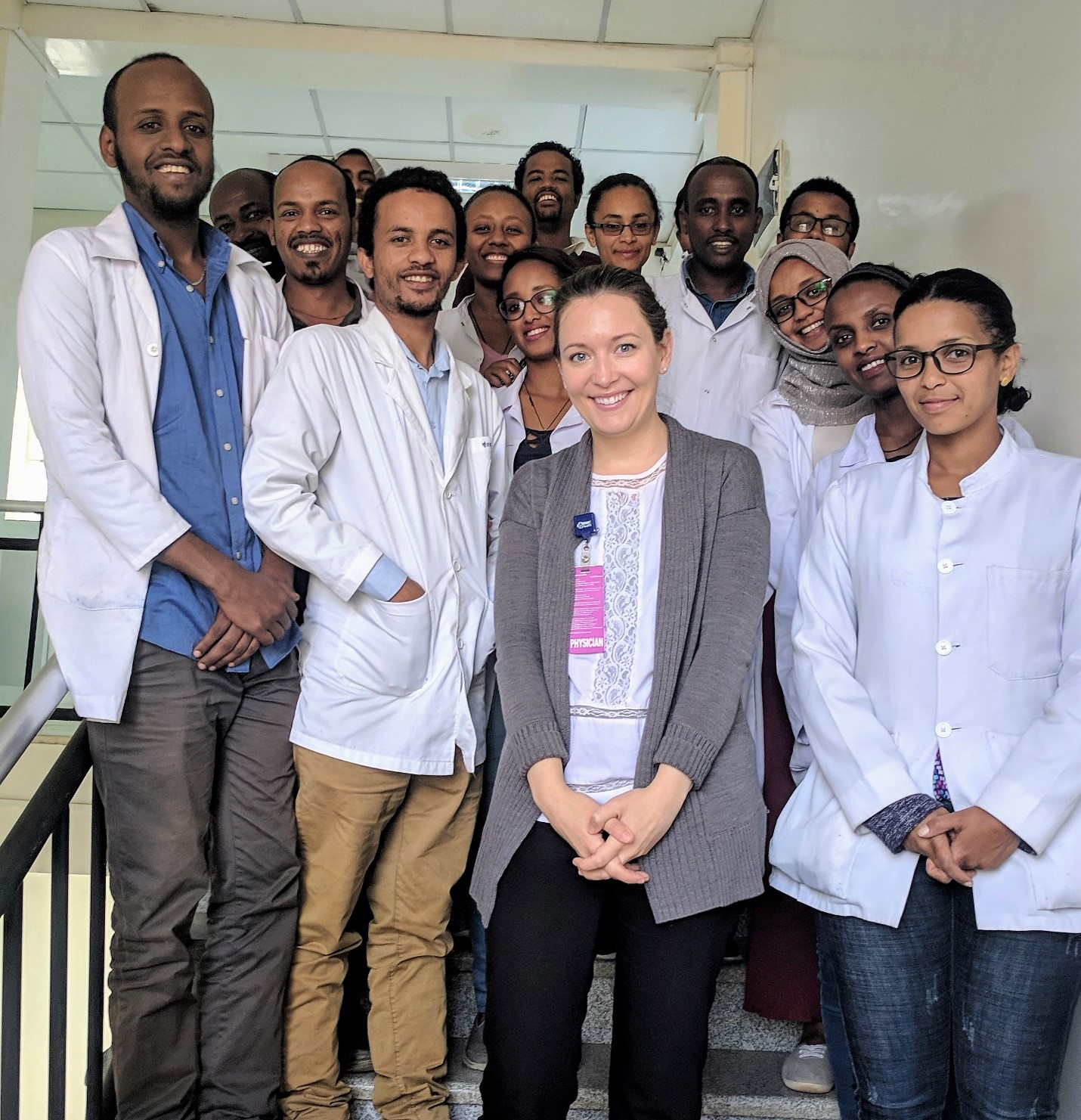
Nichole Baker, PA, works at Mercy Regional Medical Center in Durango, Colorado as a Pathologists Assistant. Nichole started working as a volunteer with Mbarara University of Science Technology (MUST) in 2017 through the existing partnership with Massachusetts General Hospital Pathology department– she responded to an advertisement looking for pathology volunteers that Dr. Drucilla Roberts had placed in a pathology journal. She decided to visit the laboratory and see in what ways she could help. In total, she has visited three times, and in that time, has accomplished incredible things! What was particularly impressive to me is that Nichole single-handedly solved a very complex problem in the MUST laboratory. In fact, it was this same problem that many people (including myself!), had attempted to solve and could not find the means to do so! Not only did she implement a solution to the problem, but she did it in just two weeks!

Read on to hear from Nichole about her experience making positive changes in her global community. I guarantee you will be inspired by her work, her enthusiasm, and her can-do attitude!

Q: Nichole, I know that you recently returned from Uganda, and you were able to team up with the pathology staff at MUST to make some major changes and implemented a solution to a major problem. Can you tell me about your project?

A: It started with realizing from my two prior visits to the anatomic pathology lab at MUST that the laboratory had a faulty internal tracking system for cases. This had two consequences: The first is that the case turn-around time has been very difficult to track. This even results in occasional cases being lost entirely. The second is that there is no repository of cases to be able to easily conduct research.

What I decided to do was build a free computer program that could accession the cases, track them, generate a pathology report, and give a report of turn-around-time. Not having a computer science background myself, I contacted a friend who connected me with a software engineer in Denver, Colorado. He helped guide me in what would be feasible to accomplish and helped me find a pro-bono programmer based in Belize named Maurice, who had some background in healthcare IT. We started building the system less than a month away from my departure to Uganda.

My goal was to work with the laboratory staff to build a program based around their needs, for which I needed to be there in person to clearly identify – I set out on my third trip in March 2019, this time for two weeks. Maurice and I built a cloud-based tracking program and every day, we would try it out in the laboratory. Day by day, issues would arise, such as the need to add a sign-out function, general localization changes, or adding a timestamp for a particular function. Fortunately for me, Maurice and I had a substantial time difference which really worked to our advantage. I would try the system out during the day and then email Maurice a report that he would just be waking up to. He was able to work in Belize while we were asleep in Uganda, and when I returned to the lab the next day, the program had been updated with the changes. This allowed for rapid progress and the pathology staff grew more and more excited to use the system as it improved. So, day by day, we made the program better and better.

Q: What were some of the unique challenges that you faced when implementing the program?

A: Originally, we had planned to use a laptop with boosted RAM to act as a local server, but the network in the hospital wasn’t functioning as needed. On-site we realized we’d need to shift to an internet server and to do so we had to improve the internet access in the laboratory in order to run the program –this was difficult because IT progress can be slow in Uganda.

Another example that is unique to this setting is the difficulty we had in generating unique patient identifiers in the registration system. In the US, two patient identifiers are required for each sample, and that is easy to obtain because everyone knows their date of birth. In Uganda, things are not as clear and straightforward. We might only have the village they live in, or a phone number. We had to look to see what items were most consistently reported and use those.
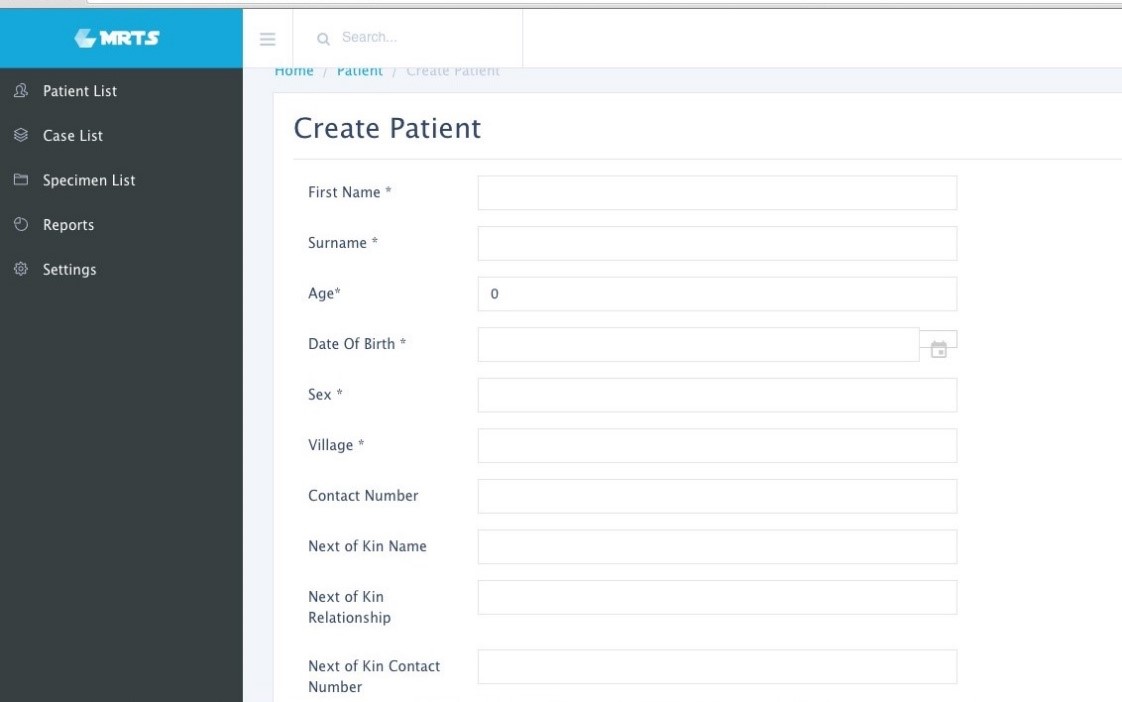
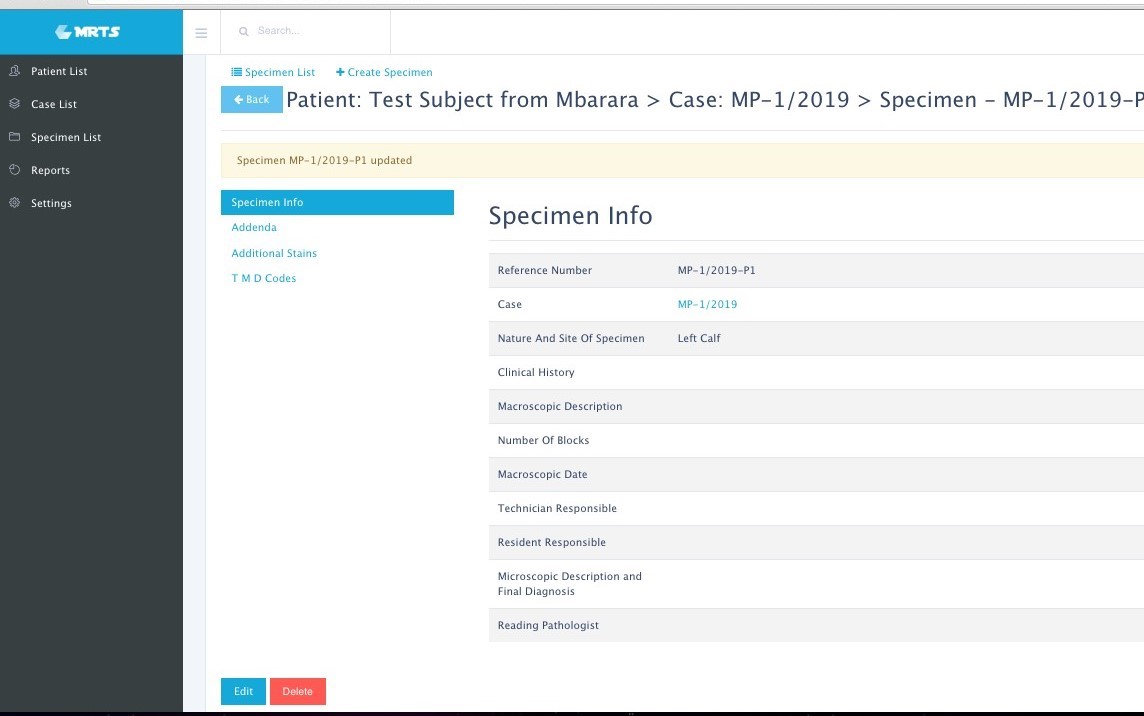
Image 1. Sample patient intake page. Patients can be uniquely identified and stored for future visits.
Image 2. Sample case information page. All aspects of the case can be stored and easily retrieved, including IHC performed, and diagnosis codes.

Q: How are you financing the data storage and internet?

A: All fees and costs associated with the program were raised by a small charity organization I started in 2017 called “Path of Logic” which has 501c3 status, making any donations tax deductible. With the funds raised, a shared laboratory laptop was purchased. We are using a cloud-based system that charges based on storage space. Right now, the storage need is low because reports are stored as PDFs, but we may need to expand in the future. The internet connection is also a low expense, as it’s simply a backup modem that’s used when the university internet is not functioning.

Q: It’s now been two months since you rolled out the program in the lab. What results have you seen from that?

A: Once we got going, we have been able to identify where the delays were in processing the cases. After I returned back to the US, Maurice and I continued to work on small issues remotely, such as single vs. double click preferences and those sorts of things.

So far, 421 cases have been registered in the system. The average turnaround time is 12.5 days. We still have a lot of work to go, but this is the first we’ve been able to track this number. Many of the cases that were started in the weeks following my departure were not signed out, but as the team sees the value in the system, the more accurate that average will be, allowing adjustments to be made accordingly. 

We also added in the ability to assign ICD codes to the final diagnosis to allow for a way to categorize the cases to make the diagnosis searchable. Now we are going to be able to generate epidemiological data. This feature is not yet in use by the pathology team, but we are hopeful that as the system becomes more routine, this will be the next step to incorporate.

Image 3. Sample Final Pathology Report, stored as a PDF.

Q: What future impact do you think this program might have?

A: In addition to being able to easily track cases, build pathology reports, generate icd codes for researching cases more easily, we also hope that this will eventually result in increased funding for pathology services in Uganda. Right now, the money allocated from the Ugandan Ministry of Health is going towards HIV, malaria, and cancer treatment – but not for diagnostics. The Department of Education allows some funds for Pathology, but only about 30% of what is needed. Part of the reason why is that until now, there has been no way to quantify the number of cancer cases. With our program, we will be able to generate that data to show real numbers when lobbying for increased funds.

-Dana Razzano, MD is a Chief Resident in her third year in anatomic and clinical pathology at New York Medical College at Westchester Medical Center and will be starting her fellowship in Cytopathology at Yale University in 2020. She was a top 5 honoree in ASCP’s Forty Under 40 2018 and was named to The Pathologist’s Power List of 2018. Follow Dr. Razzano on twitter @Dr_DR_Cells.

Global Health Narratives Interview Series: Meet Dr. Drucilla Roberts

Drucilla Roberts, MD is a perinatal pathologist and a faculty member at Massachusetts General Hospital (Boston, Massachusetts). I found out about her work in global pathology when I spent time in a Ugandan laboratory she has been working in for about a decade. We didn’t meet there, but since then, I’ve read everything she has written about global pathology – she has published a wealth of knowledge on the topic. I recently spoke with her on the phone to find that she is incredibly kind, humble, and a true luminary. Read on to understand the needs of global pathology better and learn how you can get involved!

Q: Dr. Roberts, I’m curious to know how you got started in global health.

A: I have always wanted to give back to the continent–both my daughters and my husband are from Africa and I spent time in the early part of my career working in research under the Women and Infants Transmission Study (WITS) that studied the congenital transmission of HIV. I decided that I would find a way to volunteer my time as a pathologist while my family and I were in Ethiopia. I went to a teaching hospital and offered to volunteer my services–I made contacts and soon enough, I was giving lectures. And that’s how it all started! Since that humble beginning I have given three courses in sub Saharan Africa on the anatomic pathology of women and children. It is a privilege to teach in Africa and I hope to continue to do so.

Soon I was contacted by people working in perinatal global health that had heard I was working in Africa and recruited me to help with their projects in Botswana, Kenya, Tanzania, and Uganda. One main objective for me to become involved in research projects in Africa was to improve pathology capacity. For the last ten years, the majority of the work that I have done has revolved around capacity building.

Due to the nature of my work as a perinatal pathologist, many opportunities have arisen to work with populations internationally due to the abundance of research and volunteer roles that exist. I am often contacted to consult on perinatal and autopsy cases, and my subspecialty expertise has presented a perfect opportunity to provide mentorship.

Q: What are some improvements that you have seen in that time?

A: Generally, in medical academic institutions in East Africa, departments are split between the hospital and the university creating a competition for resources and energy between teaching and service work. Often service work suffers due to the discordant provision of resources. When I first started working there, I saw a very long turnaround time for cases due to issues beyond the lab’s control (e.g. supply chain problems and faculty disruptions). I’ve been fortunate to witness these institutions begin to prioritize patient care and create avenues to decreasing turnaround time. It’s been very rewarding for me to help support these efforts. Many exciting things have happened—an example from Mbarrara—when I first arrived, there was one broken microscope that the resident used, and one microscope that the chief pathologist used. There was no immunohistochemistry, and no cameras for photographing slides. Now, there is a multiheaded scope, multiple individual microscopes (that work!), and a microscope camera. There is power backup so equipment still runs when the power goes out (a common occurrence across the continent), an adequately equipped histology lab, and most recently a case tracking system! [More to come about this tracking system in a future interview with an amazing pathology PA–Nichole Baker.] The histology staff have received additional training and mentorship. The pathology residents have increased from one to four and have also received additional training, mentorship, and have access to subspecialist consult services from MGH when needed. The pathologists and residents can send MGH pathology case photos via email or blocks by courier and together we come up with a diagnosis. When on site immunohistochemistry was introduced, it was a huge advance! [Author’s note: I remember the effect this had when I was working in the lab in Mbararra–the clinicians used to ask the pathologist “Is it lymphoma?”, now after IHC they ask “Which type of lymphoma?”]

Q: What are some of the main problems to improving pathology services in Africa right now?

A: One of the biggest problems is that there are not enough pathologists. You can help improve things in individual labs to a point, but for long term there has to be more pathologists working in Africa. For example, the laboratory in Mbarrara went an entire year without a senior staff pathologist with a senior resident essentially running the department. Often the renumeration for the pathologists (residents and faculty) in government hospitals is so low that they take on second jobs in the private sector. One of the things that we in pathology need to focus on is building systems and influencing healthcare management policy across the continent. Recruitment of pathology residents, teaching, training, and continued medical education all need to be prioritized. [Authors note: Dr. Roberts has written extensively about the need for pathology services in Africa – for anyone interested in this topic, there are two key articles she authored that are a must read: “Pathology Functionality in Resource-Poor Settings” and “Improving Diagnostic Pathology Capacity for Global Cancer Care”. Another that she co-authored is crucial for understanding the seriousness and scope of the problem, “Improvement of pathology in sub-Saharan Africa”.]

Q: What can readers of this article do? Is there a way to volunteer and get involved?

A: Yes! Many pathologists volunteer, from fresh graduates to retired pathologists. Some come for just a few weeks, but some stay six months, or even a year. Volunteering to teach, train and do service work goes a long way to filling needs in these institutions. One major thing that pathologists can contribute in addition to service work is mentorship and teaching. It has an enormous impact on the trainees when they can benefit from an experienced pathologist, not only from signing out cases, but also having a role model and mentor. African pathologists often do not get the benefits that we take for granted -the value of attending conferences, continuing medical education, and interacting with our peers.

Research is another avenue in which it is possible to get involved – there are endless opportunities. For example, any tumor that you can imagine has probably not yet been fully characterized in Sub-Saharan Africa. In Mbarrara, the residents do a research project as part of their graduation requirement and many have paired up with volunteer Pathologist mentors. Some have published their work. Currently the MGH is sponsoring two projects with residents in Mbarara – MSI in colorectal tumors and TMPRSS2-ERG in prostate cancers. In addition to resident projects, I have several research projects in Ghana, Kenya, and Tanzania involving either placenta or autopsy studies. For example, we are looking at the effects of HIV infected mothers and placental health and how that relates to the child’s morbidity and mortality outcomes. My other projects are focused on studying the effects of poor air quality on placental health (many women use indoor stoves without proper ventilation) and similarly the placental effects of exposure to high concentration of pesticides (often lacking government regulation). To combat the infrequent performance of medical autopsies, and therefore lack of mortality data, I’m involved in a study that is exploring the use of minimally invasive autopsies and validating that data against a full autopsy. For all of these projects I engage and include local pathologists for training and mentoring in academic pathology.

The volunteers get a lot out of their service too – they see extremely interesting cases that are rarely seen in the US, and they have increased feelings of self-worth because they are really valued. It’s a very rewarding experience for all.

Another way to get involved is to advocate for global health partnerships in your home department, especially if you are in an academic center. Speak with the leadership to discuss getting involved globally, develop a budget, and advance opportunities for outreach. Make a global pathology contact and maintain continuity – offer support and help them advocate for pathology in their hospital, local government, and ministries of health.

Q: Your attention and focus could be used to serve in many areas; why focus on global health?

A: We are so fortunate in the USA that we can get a diagnosis that can guide treatment – when most of the world cannot! We should aim for equipoise, so there is a better chance for people to get the proper treatment with the right diagnosis. It really is not an unattainable task. It’s easy to get caught up in your own challenges here, but there are bigger challenges out there. If you go, you will see. You have to just go!


-Dana Razzano, MD is a Chief Resident in her third year in anatomic and clinical pathology at New York Medical College at Westchester Medical Center and will be starting her fellowship in Cytopathology at Yale University in 2020. She was a top 5 honoree in ASCP’s Forty Under 40 2018 and was named to The Pathologist’s Power List of 2018. Follow Dr. Razzano on twitter @Dr_DR_Cells.

Global Health Narratives Interview Series: Meet Dr. Ann Marie Nelson

Ann Marie Nelson, MD has been a long-time hero of mine from afar. If you don’t know who she is and what she has done, then after reading this interview – you will see why! She is brilliant, selfless, kind hearted, and is simply an inspiration!

Dr. Nelson is an anatomic and clinical pathologist with more than 30 years’ experience in global infectious disease pathology and is committed to improving health care by promoting timely and accurate diagnoses, especially in parts of the world where resources are limited. She is currently Infectious Disease Pathology Consultant at the Joint Pathology Center and Professor of Pathology (visiting) at Duke University. The focus of her work has been in HIV/AIDS pathology in the US and in sub-Saharan Africa. Currently she works on educational projects and capacity building in anatomic pathology, and linking anatomic pathology to ongoing clinical and epidemiologic research. She is a founding member of InPaLa (International Pathology and Laboratory Medicine), ASAP (African Strategies for Advancing Pathology) and serves as co-chair of the subcommittee on education for the ASCP Partners in Pathology initiative.

Recently, I had the good fortune of meeting her in person and we sat down to talk about her amazing life and career, and what she continues to do to contribute to the world.

Q: Your entire career has been focused on improving the lives of others, through helping people get the care they need by improving access, education, and opportunity. What inspired you to pursue a career in global health in the first place especially as it relates to working through pathology?

A: I’ve always had a desire to travel even since I was young – I thought I wanted to do something involving travelling – something like photography. When I was older, I worked as a medical technician and the pathologist I worked under advised me to pursue medical school. It was Vietnam war time though, so the odds of going to medical school were 30:1 in California – but an opportunity arose to go to medical school in Guadalajara, Mexico. I did, and this was my first time living outside of the country. While there, I would participate in medical outreach projects orchestrated by the medical school to serve the rural community members. Naturally, since I was a Med Tech, I would run the laboratory point-of-care diagnostics for the outreach. We would screen for parasites for example, and this got me interested in infectious diseases.

I thought at first, I would pursue pediatrics, but pathology drew me in. In 1979, I took a course in ‘Parasites for Medical Technicians’ and met the folks in Tropical Medicine at UCLA.  I met Dr. Marietta Voge, who had written a book in Parasitology, and she became a mentor to me. Also, at the course, there was a pathologist named Dr. Daniel Connor, from the AFIP [Armed Forces Institute of Pathology], who was the editor of the ‘Atlas of Pathology of Tropical and Extraordinary Diseases’.  He gave a lecture on his fascinating work which took place all around the world, but at length in Uganda, and this was the inspiration for me.  I thought “that’s what I want to do!”. Dr. Connor would become like a father figure to me, and to this day my son calls him Grandpa. He has always been an important supporter and mentor throughout my career.

Fast forward, I finished my residency training in pathology and had the opportunity to spend four months at the AFIP working with the Infectious disease pathology department. A few months later, they invited me to take a job with them – which I did.

One of the hospitals in Africa that the AFIP supported was the Karawa hospital in the Ubangi territory in the former Zaire. I worked for a few months in the hospital there. While there, I met an African physician who had just returned from completing his master’s in public health at Tulane University. His name is Sambe Duale – I am now married to him. [She said this point with a smile and we both giggled at how charming this story was!]

Towards the end of my work at Karawa, I was asked to help bring pathology services to Kinshasa in a collaboration with the NIH, CDC, and the Tropical Medicine Institute of Antwerp to work on Project SIDA [the first project on AIDS in Africa]. I began working with Jim [James] Curran, Tom Quinn, and Peter Piot, who were some of the people leading the project. I worked at the Medical School in the Department of Pathology from the fall of 1986, and continued to work there until 1991 when we were evacuated out [by the US government due to the civil unrest that brought violence to the capital].

After that, I continued to work in infectious disease pathology in the US, waiting for my son to graduate from high school before considering working abroad again. In that time, I continued to be heavily involved in IAP [International Academy of Pathology], working to organize meetings, and contributing to building educational systems. I have given world-wide lectures in at least 23 countries, in all continents except for Antarctica. I retired from full time practice in 2015.

After my son graduated from high school, I decided to work in Africa again on a Fulbright in Tanzania and Uganda. Professor Nelson Sewankambo, who was the head of Makerere University College of Health Sciences, invited me to mentor the young pathologists at Makerere University. Robert Lukande was one of them – he is now Chair of the pathology department there. We worked and wrote several papers together, focusing on AIDS and autopsy. I gave lectures to multiple departments, mentored staff, and made connections. I went and built partnerships with everyone I could. You have to just go and talk to people, and ask them “What can we do?”

Q: You worked to conduct a landmark survey of African pathologists to determine the status of pathology resources in Sub-Saharan Africa. What were some of the key findings and how did you collect all this data?

A: The idea for the survey came when I was in Victoria Falls, South Africa for a pathology conference, when I was speaking with Martin Hale. The realization that most of the conference presenters were foreign pathologists, not African pathologists, struck us. We who had been working in Africa knew the answer as to why – there weren’t enough African pathologists. But there wasn’t any data, nobody knew how bad the situation really was. The idea evolved over the next decade, Dan Milner helped to put together an on-line survey that was translated into French and Portuguese.  When we finished the survey in 2014, there were less than 800 pathologists in Sub-Saharan Africa. The question then became, why aren’t there more African pathologists? How do you advocate for this to improve?

The data was largely based on person to person connections. We had to reach out individually, involving people who spoke multiple languages, made phone calls, sent emails…we worked for hundreds and hundreds of hours. You have to really just get out on the street and talk to people.

This was the starting point so that we could measure improvement. We are now working to update the survey and measure the progress that’s been made.

Q: I’ve heard you have the nickname “Mama” in and outside of Africa. How did this come about?

A: In 2006, it was the 100th anniversary of the IAP, and there was a pathologist from Nigeria who I had known, and he unofficially crowned me the “Mother of African Pathologists.” It stuck because people still refer to me as “Mama.” [Dr. Nelson told this story with a warm smile, and it was clear that this designation is an honor for her – I can easily tell that it is her kind soul and motherly nature that make people feel trust in her – “Mama” is absolutely a perfect fit.]


-Dana Razzano, MD is a Chief Resident in her third year in anatomic and clinical pathology at New York Medical College at Westchester Medical Center and will be starting her fellowship in Cytopathology at Yale University in 2020. She was a top 5 honoree in ASCP’s Forty Under 40 2018 and was named to The Pathologist’s Power List of 2018. Follow Dr. Razzano on twitter @Dr_DR_Cells.

A Pathologists’ Assistant Abroad

Jennison Hartong, MLS(ASCP)CM, PA(ASCP)CM, is a Pathologists’ Assistant who recently went to Ethiopia to teach grossing techniques. The editors of Lablogatory asked her a few questions about her experiences.

Lablogatory: How’d you get involved with ASCP’s Center for Global Health?

Jennison: Dr. Milner, Chief Medical Officer of ASCP, initially reached out to one of the pathologists at M.D. Anderson to inquire if any Pathologists’ Assistants (PAs) would be interested in attending a workshop in Nigeria. I reached out and expressed my interest in teaching grossing techniques rather than public speaking (not one of my strengths). Dr. Milner then told me about this opportunity in Ethiopia where pathologists were requesting advanced, gross training in lymph node dissections on breast and colon specimens. I immediately jumped at the opportunity to help in this way.

L: What were your motivations for going?

J: Whether with basic health needs or more complex areas like cancer treatments, I’ve always wanted to use my education and experience to help others and impact lives in areas around the world where certain aspects of healthcare may not be accessible. Before becoming a PA, I was a medical technologist and was always interested in working with Doctors Without Borders, however, I did not have the years of experience to apply. I decided to go to PA school and was disappointed to learn that Doctors Without Borders does not utilize PAs. I figured that dream would have to be accomplished another way, which was why I was so eager to work with the ASCP and their global health initiatives.

Another motivation for going on this trip was experiencing the work and organizational skills required for making a trip like this successful. I am currently finishing my second master’s degree in public health with a focus in health policy and management. I was very interested in learning everything I could about planning programs to help developing countries as well as being able to network with like-minded health professionals.

L: What did you hope to accomplish while you were there?

J: My main goal of this trip was to help advance Ethiopian residents and pathologists in certain grossing techniques. More specifically, I aimed to assist with lymph node dissections and, as it turned out, how to locate and sample the radial margin in colon cancer cases.  I also wanted to experience a different culture than my own, step out of my comfort zone and challenge myself as a PA by teaching others. At the end of this experience, I can say that this trip was definitely a life changing experience and one I am extremely grateful for.

Image 1. Jennison (black scrubs) training residents from St. Paul Hospital to locate radial margins on colorectal cancer cases.

L: What did you learn about lab medicine in Ethiopia?

J: During my week in Addis Ababa, I quickly realized that it was up to me to make this trip as successful as possible. Never before in my professional career were all the decisions up to me, and at first, it was slightly uncomfortable. I was worried I would come across as too bossy or even condescending. However, after meeting Eshetu Lemma, the ASCP local representative, along with the other participants and experiencing their kindness and eagerness to learn, I was newly determined to make this trip an absolutely positive experience for everyone. I made some changes to the training sessions and after the first day, the rest of the week ran smoothly. I learned a lot about how lab medicine is practiced in Ethiopia. I learned that, in the case of a power outage, you carefully set your blade down and wait it out. I learned that resources like aprons and sleeves are not thrown away unless completely used up. I learned that due to cassette shortages, tissue submission is done quite thoughtfully- more so than in the United States. I learned that the overwhelming majority of cancer cases are presented at stage 4 due to issues surrounding resources, fear, myths, and lack of cancer education. But most importantly, I learned that the labs in Addis Ababa, Ethiopia, are doing an amazing job with the resources they are given and are eager for opportunities to positively impact patient care.

L: Is what you learned there applicable to your work in the States?

J: I’ll take what I learned there and incorporate it into my work here in the States. I’ve gained confidence in my ability as a health professional and reignited my passion to help others.

To put it simply, this trip has been life changing. It has allowed me to experience and accomplish a lifelong dream for which I am forever grateful. I’m hopeful that my future holds more opportunities to serve other communities and help strengthen cancer programs in developing countries.

Image 2. View from St. Paul Hospital.

-Jennison Hartong, MLS(ASCP)CM, PA(ASCP)CM is a board certified Pathologists’ Assistant, specializing in surgical and gross pathology working mainly in oncology cases. Before attending graduate school, she worked as a Medical Laboratory Scientist (MLS) at Lurie Children’s Hospital of Chicago, Illinois. Upon graduating, Jennison started working at Memorial Sloan Kettering Cancer Center. In 2018, she relocated to Houston and currently works at M. D. Anderson Cancer Center in Houston, Texas. In May of 2019, Jennison will graduate with a second Master’s in public health with a focus in health policy and management from New York Medical College. She plans to use her extensive lab experience and newfound knowledge of public health to help bring basic healthcare to communities that would otherwise not have access to these necessities.

Global Health Narratives Interview Series: Meet Dr. Danny Milner

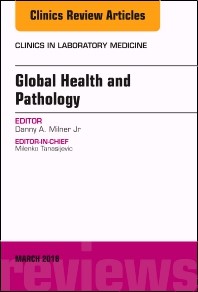
I had the pleasure of talking recently with Danny Milner, Jr., MD, MSc(Epi), who serves as the Chief Medical Officer of ASCP. He has worked to improve diagnostic access and improve laboratory medicine services in low- and middle-income countries [LMICs] his entire career. I recently read his book for which he served as editor for titled “Global Health and Pathology.” This highly informative compilation of articles written by the foremost experts in the field is a MUST READ for anyone interested in global health! You can order your copy here: https://www.elsevier.com/books/global-health-and-pathology-an-issue-of-the-clinics-in-laboratory-medicine/milner/978-0-323-58158-5.

After reading the book, I hoped to learn more about Dr. Milner and how he became a leader in global health and pathology. Below you will find his fascinating narrative of his career and his reflections on the importance of providing high quality pathology services worldwide.

Q: Dr. Milner, I’m curious to know where your service in global health began and how your career in pathology has intersected with that?

A: Truly, many events occurred that were serendipitous in shaping my career and life. I grew up very poor in a rural community in Alabama, in an area known as the “black-belt” of the southern states due to the rich black soil found there. This area was home to many of the relocated former slaves after the end of the civil war and is now home to a 50/50 mix of Caucasian and African-American members of the community.

Towards the end of high school, I was awarded a scholarship for high achievement and a scholarship geared to support healthcare careers.  At the award ceremony, a person giving me an unrelated award knew of my scholarship for pre-med and said to me and the crowd, “go become a doctor”. When I was in college, I worked as a nurse’s assistant for a physician and became interested initially in primary care . After some careful consideration, I decided to embark on a path that would take me to medical school, finishing my pre-med requisites and graduating in three years. I was accepted to the MD/PhD program at the University of Birmingham [UofB] wanting to do my PhD in Medicinal Chemistry. Unfortunately, this particular PhD wasn’t allowed, so I decided to pursue a MD only.

In medical school, I decided to slow down my fast track through school– so I applied to a post-sophomore fellowship in Pathology and at the same time applied for a summer program offered by UofB that entailed working in a clinic in The Gambia. This would be the first time that I had traveled outside the United States. I first went to Africa, with my fellowship to follow on my return.

In The Gambia, I lived in a compound with 12 people in an extremely rural area with no running water or electricity. I spent four weeks working in a clinic with a Gambian doctor, seeing patients without the use of diagnostics. I was traumatized by the extreme suffering of the patients we saw. My take away from the experience was the idea that it would have been so much easier to help had there been any sort of diagnostics available – a malaria smear, a microscope, anything that could have helped us do a better job than we were doing.

When I returned from Africa, I started my post-sophomore fellowship and my first rotation was autopsy. There was a neuropathologist there named Angelica Oviedo, and she had just gotten back from Malawi. Hearing about my recent trip to The Gambia, she encouraged me to pursue more work in global health. She put me in contact with Terrie Taylor – who is an internal medical physician who has been working in Africa since 1986. It was in the 1990’s and she had just started a cerebral malaria autopsy study which would become the largest study on this topic in the world.

This post-sophomore fellowship really inspired me to pursue pathology. I was thrilled to be offered a position at the Brigham and Women’s in Massachusetts for pathology residency.  I finished medical school by spending time in Germany and then under the supervision of Terrie Taylor in Malawi working on the cerebral malaria autopsy study. I continued to work with her for thirteen years following this.

In residency, it was a natural fit for me to gravitate towards all things related to global health which meant a focus on infectious diseases. I continued to work in Africa and traveled there 4-5 times during residency, scrounging together any time and any money that I could to try to help.  It was during my second time in Malawi, around 2001, that I was surprised to find that all the cases crossing the surgical pathology bench were cancer – there was nothing but cancer, and it was often very advanced. This was 15 years before the WHO resolution on cancer. I was suddenly very interested in this aspect of care. Up until this point, I was heavily focused in infectious disease, and how this related to oncology, but now I wanted to really focus on cancer. I was not encouraged by my elders to try and tackle this because they said, “they are all going to die anyway.”

Fast forward, I finish a fellowship in Microbiology and am joining the Brigham as faculty to work in infectious disease pathology. During this time, I continue to go to Malawi and I am continuously signing out cancer cases for Africa. This was tragic since there was no intervention at that time, and every case was essentially a death sentence. The first oncologist did not arrive in Malawi until somewhere around 2008-2009.  

During my time at the Brigham, Partners in Health [PIH] began sending tissue biopsy cases to us to diagnose. Every year, the cases increased more and more. Because cancer started to become the majority, PIH decided to strategize the best way to meet this need. Larry Shulman, the lead for PIH based at Dana-Farber in Boston, reached out to me to build a pathology laboratory in Haiti, but since that idea was quickly followed by an epidemic of cholera, it was decided to build a pathology lab in Rwanda instead – this was in 2011. After a massive effort entailing equipment installation, capacity building, infrastructure, and staff training, Butaro Cancer Center officially opened 6 months later. With the help of a few other volunteers, we continued to run the lab remotely using static image telepathology. In 2016, a full-time local pathologist took over the lab and ASCP brought in whole-slide telepathology services. In 2015, I met Blair Holladay in person for the first time. He shared his vision for ASCP to expand their global outreach and we had a healthy discussion about the details of making it happen. Blair asked me to volunteer to become part of the team, and I worked together with ASCP to launch the Partners for Cancer Diagnosis and Treatment in Africa Initiative. The project grew and ASCP reached out to recruit me to work as the Chief Medical Officer and lead the global health team. I was excited to have the opportunity to work in global health full time.

Dr. Milner (left center, front row) with members of the Partners Initiative local team at the 2017 ribbon cutting ceremony to celebrate the opening of the second telepathology lab in Rwanda.

Q: Why is pathology the essential cornerstone of global health?

A: First, you should consider how important the laboratory is in medicine. An often-quoted study says approximately 70% of the clinical decision making is based on laboratory results. In certain subspecialties of medicine, like surgery or oncology, these clinicians are nearly 100% dependent on the laboratory for delivering care. In fields like psychiatry, it is going to be much less dependent on the laboratory. Even so, it is reasonable to say that almost all medical decisions are best informed by high quality laboratory results.

Starting with that statement, the laboratory is what allows clinicians in certain fields to function. In the field of cancer, which is a major problem in LMICs, you cannot treat the patient without a diagnosis – and the diagnosis must come from the laboratory.

Q: Historically, pathology hasn’t always been associated with creating global health solutions. Why do you think that is now that we know it is an essential component of building health systems?

A: It’s a general challenge in global health that pathologists haven’t been involved as much as they could be. This could be due to multiple reasons. The need for pathologists to serve in low- and middle-income countries hasn’t traditionally been recognized. This may be due to a disconnect in understanding our potential to make an impact. We, like surgeons and radiologists, require electricity, supplies, and resources in order to volunteer in very remote settings worldwide. This is unlike clinicians and emergency medical doctors for instance, that can see patients without extensive resources available – they are more readily available to serve in small, remote communities. An exception would be the use of cytology which can, with very limited resources, be extremely effective even in remote areas. However, as a specialty, pathologists are typically able to serve in larger cities in LMICs and, there, have an enormous impact. So, there are plenty of opportunities for pathologists to practice their specialty in improving global health and make an impact.

It may also be that people and their families have concerns about their safety, or they don’t have the support of their institution in terms of time, or they may not feel they have a connection to a potential site. The desire may be there but there are perceived obstacles.

ASCP works to create relationships and facilitate connections, as well as allay fears for safety concerns. We also offer institutional support, for example, we provide a letter of explanation and support for our Trainee Global Health Fellows.  We try to bridge the gaps for people to feel that they have the ability and are empowered to volunteer, remove the barriers to participation, and make it as easy as possible for people to do so.

-Dana Razzano, MD is a Chief Resident in her third year in anatomic and clinical pathology at New York Medical College at Westchester Medical Center and will be starting her fellowship in Cytopathology at Yale University in 2020. She was a top 5 honoree in ASCP’s Forty Under 40 2018 and was named to The Pathologist’s Power List of 2018. Follow Dr. Razzano on twitter @Dr_DR_Cells.

Tired Traveler Travel Tips

When I was considering the Chief Medical Officer role at ASCP, there was significant travel on the table. Prior to ASCP, I was already a seasoned traveler, having been to every continent except Antarctica. I had a few travel tricks up my sleeve. However, the nearly 2 weeks per month that I find myself out of the ASCP offices have evolved my travel skills from seasoned to ninja. For your enjoyment, here are some of my best tips.

Join and explore a loyalty program. We all have frequent flyer miles with one or more airlines; however, consistent use of a single airline or group of airlines (Star Alliance, Sky Team, etc) will rapidly add up and provides perks and benefits you may have to research a bit. Most importantly, don’t get discouraged by one bad flight and switch! They are called loyalty programs for a reason. In addition to upgrades, lounge access, early boarding, and free premium snacks, perks like premium economy for the same price as economy make a huge difference as planes seats get tighter.

Book economy, fly business. Economy non-refundable tickets are the least expensive typically, especially when booked on a Tuesday. If you’re booking a common business commuter flight (Chicago to NYC, Boston to DC), make sure you’re staying over a Saturday and watch prices to book effectively over time. Typically, business customers book last minute (paying highest prices) so prices are lower when booked very early; however, commuter flights are often packed with business travelers so booking early may not always be cheapest. When you get to the airport, ask if upgrades to business are available when you check in but be patient! Booking the upgrade at the gate desk is often significantly cheaper. Set a limit for yourself. “I won’t upgrade unless the cost is less than $XXX.” This will keep your personal budgeting in check and not let your exhaustion or irritation with your last economy leg lead to something rash. 

Plan ahead. If you’re planning a vacation, especially a long flight (not a typical business flight), research prices way ahead of time and watch them for some time. There are websites into which you can load your favorite flights and received pricing alerts. Even if you’re a business traveler (for example, attending conferences), you’ll likely know the dates early and be able to do the same. The earliest flights of the day are often the cheapest but remember the opportunity cost to you of having to get up extra early (especially if hauling little ones!).

Carry on. Don’t check a bag. There are exceptions but, for the most part, don’t check a bag. Consider the laundry services at your hotel or access to laundry machines. When you are packing, lay everything out and ask yourself, “Am I going to die if this is not with me?” If the answer is “no,” move to the “maybe” pile. If you’re bringing gifts, carry them in a reusable sack as your personal item. Speaking of reusable sacks, organizing your back pack with a few of these means you can pull out “computer” or “clothes” or “other” quickly and replace them easily (it’s like file folders). If you are going on a big trip and just can’t do without a checked bag, try to fly direct and/or make sure you have a full one hour (domestic) or two hour (international) layover between flights— both will increase the likelihood of your luggage arriving. If you are a business traveler, INVEST in a very good carryon bag. Because carryon luggage at the low end of the scale is assumed to never be checked, one bad flight can destroy it. 

Toiletries. I know you have a strict beauty regiment with 12 products you can’t live without but consider lightening your load when possible. All hotels provide basic toiletries and there are stores everywhere (clearly, if you’re vacationing or working very remotely, there may be limitations, but remember context and consider the essentials). Most large format toiletries have to be checked and that’s adding challenges you don’t need. Some of my pro-travel colleagues who MUST have their complete hygiene system check bags but always use the suggestions I mention above about checked bag security. A clever, lovely friend of mine once said (when I asked why she was wearing only mascara in the middle of Africa), “If I just have this one thing I do every morning, I feel normal.” Sound advice.

Security. There is general anxiety about going through security but there doesn’t have to be. First, it’s for your safety and, unless you are a criminal or a terrorist, the security people are there for your protection and they are quite nice. Second, if you get TSA pre-check, know the drill. Nothing infuriates fellow travelers like a confused passenger in the TSA pre-check line disrobing and regurgitating the contents of their bag into a bin. If you’re not TSA pre-check, be ready to remove coats, shoes, laptop, belt, all pocket contents, and sunglasses. You can do all of that during your 10 + minute waiting in line. You should not do it when you get to the table—that’s why the line is so long. Third, when you travel internationally, the rules are always different but the security agents are still just human beings doing their job. Politeness and paying attention will make all the difference. Fourth, some of us are more likely to experience friction with security because of the way we look, our clothes, or even our perceived attitude. It’s not right, it’s not fair, and it’s annoying… but we know this and can prepare for it. Displaying courtesy and politeness at all points in the airport will get you through security quickly. If you happen to have a difficult experience, I encourage you to send a strongly worded, formal letter later (you can write it on your smartphone on the plane… just don’t send it until you are back home). There is no point in ruining your trip over someone else’s potential unfounded fear or ignorance. Lastly, I understand the world is liberated (being liberated) and we all think we have the freedom to do as we wish l; however, showing up to a security check point drunk or stoned or reeking of pot will get you heavily screened and searched. The rest of us enjoy the show but not the delays.

Boarding. The bin above your seat is not assigned to you. The space under the seat in front of you is. The bin above your seat is determined to be full by the crew, not by you. Other peoples’ bags are going to touch yours. The crew can and will place your bag correctly in the overhead bin. When you find your seat, quickly store your bags and sit quietly with your seatbelt unfastened and your hands in your lap. Don’t pull out your laptop. Don’t have 5 things in your hands and in the seat pocket. Your personal item under the seat in front of you should contain anything you’ll need during the flight. Organize yourself at home before you depart—not while the rest of the plane is trying to board. People will like you. The crew will like you. 

Seat selection. If you know you get up frequently to use the restroom normally, book an aisle seat. If you pass out on airplanes at takeoff and wake up at landing, book a window seat. If you are in a middle seat (someone has to be), it’s frustrating but it does not entitle you to more space than the people on either side of you. Booking early and checking in early is the best way to score a window or an aisle. We are all trapped on the same plane and courtesy wins the day. If you are rude or discourteous, the crew will notice and you will have a miserable flight.

Jet lag. It happens. It’s terrible. It can take you out for a day or more of your trip. There are apps and websites that explain how to avoid, reduce, or beat jet lag. But each person’s physiology is different and these remedies may fail. Common chemicals used include melatonin and caffeine. You’ll have to find your own way of coping but, for fun, here is mine. First, sleep when it’s dark and stay awake when it’s light. Avoid napping during the day. Second, if you are on an overnight flight to an earlier time zone (US to Europe), do your best to sleep on the plane. I don’t recommend drugging yourself but earplugs and an eye mask can do the trick. Lastly, the first night you are in your final destination and about 1.5 hours before bed, run a hot bath and drink a very cold beverage (beer is my preferred coolant but anything cold, with calories, and no caffeine will work). Turn the AC down to a low setting so the room is chilly (even if it’s winter).The hot bath relaxes your muscles, shifts your blood flow, and tells your brain to cool down your body. The cold liquid helps do this. Why? We are naturally diurnal and our bodies are warmer when we are awake than when we are asleep (and the switch is related to light cycles and perceived time of day). After the bath, don bathrobe or towel and sit in the cool room for 15 to 30 minutes so your body dries with water on it (more cooling effect!). Now that you are chilled, crawl in bed and sleep. As I said, this works for me and it may not work for you. And, of course, it requires a bathtub.

Consumption. Drink plenty of water. Deep vein thromboses are no laughing matter. Being well hydrated and getting up to use the restroom a few times is actually good for you. Don’t drink tea or coffee on an airplane (google it to see why). If you’re on an international flight and the alcohol is free, pretend you’re at your grandmother’s house. A glass of wine or a cocktail are fine but becoming inebriated will do you no favors. It can also cause you to sleep when you shouldn’t and it dehydrates you. Make your own choices about eating food on the airplane. It’s often hit or miss so my decisions are made in real-time.

Here’s some self-explanatory one-liners to wrap up:

  1. Wear comfortable, slip on shoes
  2. Loose fitting pants (with belt)
  3. Leave you giant pillow at home
  4. Headphones! No exceptions
  5. Ziplock bags to organize electronics
  6. Always have a pen
  7. Seats are for people, not bags
  8. Understand time zones in advance
  9. Learn “Hello” and “Thank you” in the local language
  10. Carry at least two universal travel adapters
milner-small

-Dan Milner, MD, MSc, spent 10 years at Harvard where he taught pathology, microbiology, and infectious disease. He began working in Africa in 1997 as a medical student and has built an international reputation as an expert in cerebral malaria. In his current role as Chief Medical officer of ASCP, he leads all PEPFAR activities as well as the Partners for Cancer Diagnosis and Treatment in Africa Initiative.

Global Health Narratives Interview Series: Meet Dr. Blair Holladay

In my short career in pathology, I’ve had the opportunity to meet some amazing laboratory medicine specialists working in global health. I’ve been curious to know their personal stories of how they got involved in global pathology and their suggestions of how we can also contribute.

In my first article for Lablogatory, I detailed my recent experience participating in ASCP’s Trainee Global Health Fellowship in Addis Ababa, Ethiopia. It was incredibly exciting, and I was thrilled to be involved with what ASCP is accomplishing there. I thought it would be fascinating to hear from the CEO and the driving force behind the global health initiatives at ASCP – Dr. Blair Holladay. He was kind enough to reserve some time for me to interview him. I felt inspired after talking with him, and even more excited about the future of pathology in leading the way to success in global health! In the following, I share our conversation. I hope it will also leave you inspired to go out and change the world!

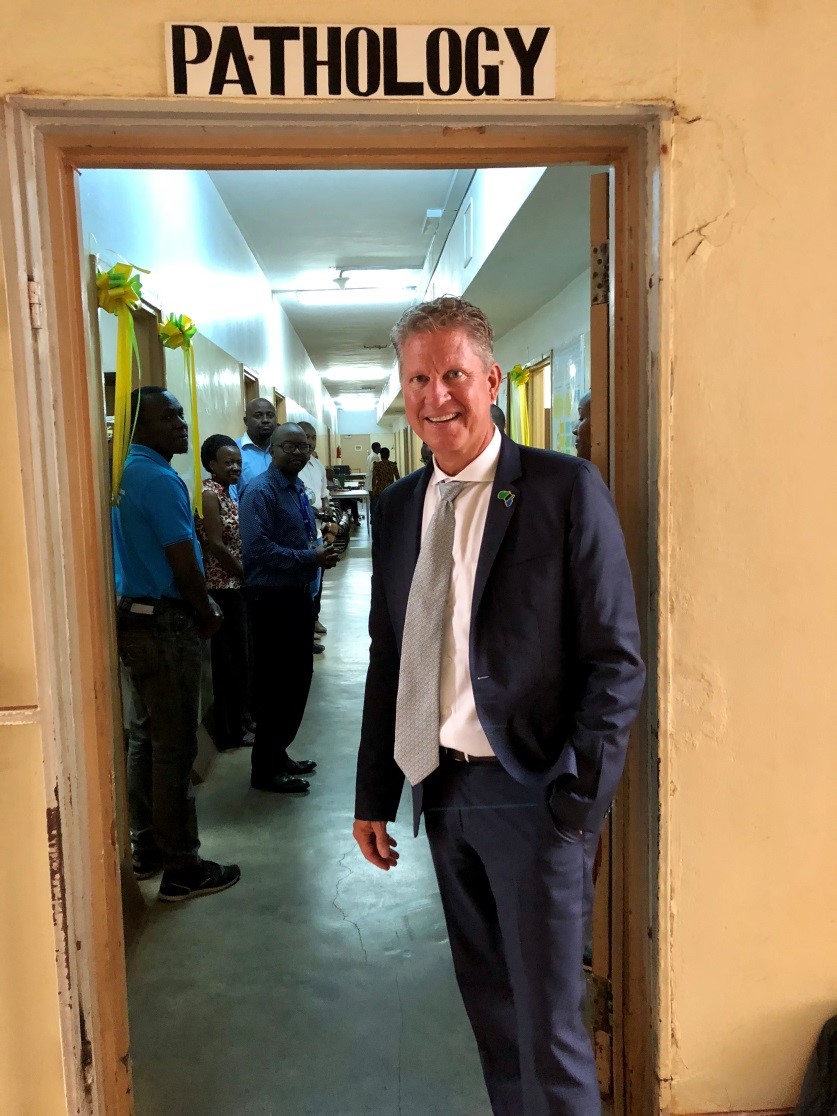
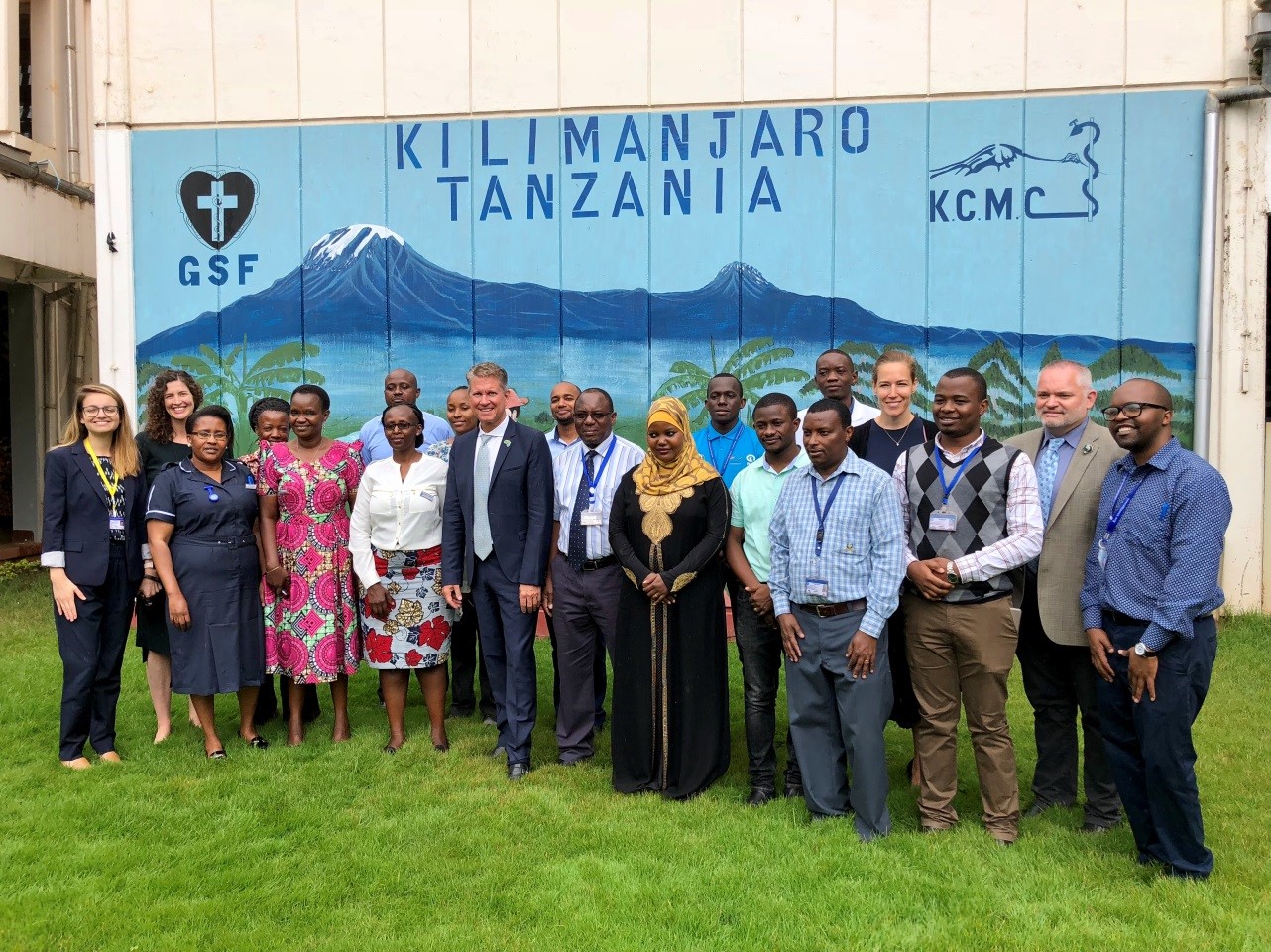
Dr. Holladay during a recent trip to Tanzania with ASCP.

Q: Dr. Holladay, how did you get started working in global health through laboratory medicine?

A: Beginning in the late-1980’s while working as a professor at the Medial University of South Carolina in Charleston, I directed a clinical trials cancer research center focused on developing better diagnostic test methods with the goal of improving access. My interest was focused on creating innovative pathways to diagnostics for people who don’t currently have access to testing, including those in developing countries. We sought alternative diagnostic methods, such as molecular biomarkers, that could act as screening tools and as targets for drug therapies.

Through the course of this work, what became interesting to me is that I found that a lot of low- and middle-income countries didn’t have an essential toolkit for population screening and were seeking to mirror the US in their broad test menus. This goal is realistically impossible, and unnecessary. This led me to the next step in my global health career, which was to work with companies around the world to develop alternative screening techniques and diagnostics that are more feasible to be used in low- and middle-income countries. To try to apply the same tests used in the US around the world is not possible and not helpful. You cannot retrofit a square test into a round hole — meaning that every country, every culture, every population, will have unique epidemiological issues and different access to healthcare. Considering this, I worked to develop individual diagnostic tool kits for each country – for each unique population, each unique financial setting, in order to bring the best diagnostics to populations without access. It is important to bear in mind that any test is better than no test. 

Q: How did you start working with ASCP and expanding the global health initiatives?

A: I started working as the Vice President for Scientific Activities for ASCP in 2005, but in the early 2000’s, ASCP’s global outreach was limited to only as distant as Canada. We worked to expand our outreach around the globe, with a strategy to look at where the need was the greatest, and next to focus on individual opportunities where the yield would be the greatest. This was, in our opinion, in Sub-Saharan Africa. We first started working with a [U.S. President’s Emergency Plan for AIDS Relief] PEPFAR grant to provide access to testing for HIV. With infectious disease, namely HIV, being the most problematic issue at the time, we focused our work to build capacity and infrastructure around this epidemic – our goal was to train the trainer, build a self-sustaining diagnostic system, and move on to the next country and do it all again. This was very successful until we ran into the next big problem – cancer. Suddenly people were living longer and developing cancer and other non-communicable diseases [NCDs]. One memory stands out – It was around 2012-13, while serving as ASCP’s CEO and working  with the Clinton Global Initiative,  I remember visiting Botswana where I walked into the main hospital ward to find beds upon beds full of women, laying there dying of cancer, while their young children sat on the floor around them.  The waiting areas were also full of children and their grandmothers, while their mothers were either dying or had already died of cervical cancer. We, at ASCP, realized then that we needed to do something about this growing epidemic, and we realized the need to focus on creating strategies for the prevention and intervention of NCDs.

As we set forth, one problem that we discovered was that the World Health Organization had undervalued malignancy as a global health threat – largely because the cancers were going undiagnosed and the cancer registries to generate data were anemic to non-existent. Realizing the urgency of the situation, we began working with the US federal government and other groups to enhance diagnostic access.

In 2014, I met with the Obama administration to urge them to place value on developing outreach to address cancer and other non-communicable diseases in low- and middle-income countries, particularly in Sub-Saharan Africa. Emphasizing the urgency that because NCDs are the inevitably worsening epidemic in Africa, with a population approaching 1 billion, 800 million people or more who had little to no access to diagnostics and were clearly at risk for developing cancer. This will serve to threaten their rapidly growing economies and the ability for their economies to continue to grow.

The Obama administration agreed to let ASCP work with them to develop a program for the prevention, diagnosis, and treatment of NCDs in Africa. I was able to also garner the support of the Clinton Foundation and we brought in significant partners (such as Paul Farmer with Partners in Health) with cohorts such as the pharmaceutical industry, diagnostic industry, people in the public health sector, and key members in Pathology. ASCP proposed the Partners for Cancer Diagnosis and Treatment in Africa initiative and together we launched this program from the White House in October of 2015.

This was the first time that any pathology association had ever launched a large-scale initiative of this kind to bring pathology and laboratory medicine to the forefront of the global health solution.

We began our work by partnering with the ministries of health in each country to establish disease registries. We forged a partnership with the World Health Organization and the Center for Global Health at the NIH to develop pathology-led early detection testing so that early intervention strategies could then be developed.

The Partners Initiative has grown into a 150-million-dollar operation run through the ASCP Center for Global Health which functions to first survey the disease prevalence in the country, next to build pathology and laboratory medicine capacity with the help of technology and pharmaceutical vendors, and to supplement the diagnostics with alliances with the interventionalists who can provide appropriate treatment.

Q: What about sustainability? How will these systems stay in place when ASCP leaves?

A: Before ASCP launches to build capacity and create the necessary partnerships for treatment, we ensure that there is government buy-in for long term sustainability. There is a ten-year exit strategy for each site – we aim to create turn-key facilities, where we can walk away and begin work in the next country. We do this by requiring each country to contractually prioritize diagnostics and develop a plan to financially sustain these systems. They must train enough laboratory and medical staff to run the facilities – and they must have a plan to train and retain pathologists to do the work.

We’ve also focused on the prevention of diseases and invested in a lot of education and training to teach the population about preventive medicine. We also support vaccination programs that lead to prevention of NCDs. For instance, in Rwanda, one hundred percent of the girls there have been vaccinated against HPV – a rate not seen even in the US. We’ve also had great success in dispersing laboratories throughout the country and the government has responded to support this by increasing the training of laboratory medicine specialists to nearly a 1000-fold increase since when ASCP first began working there.

Q: What are some ways laboratory members can contribute their skills to this cause?

A: Anyone that is willing to volunteer time is welcomed and needed, and there are opportunities available no matter your specialty. We try to match each person to their specific interest.

  • On the clinical side, we have many opportunities to volunteer with our PEPFAR initiatives around the world working in the microbiology and infectious disease space.
  • Much of our telepathology diagnostics are provided by our board-certified Anatomic Pathologist members that take time to remotely review cases.
  • We need the help of forensic specialists, for example in Puerto Rico, where we are working to go through the back-log of victims from the 2018 hurricane.
  • For residents and fellows, we have the ASCP Trainee Global Health Fellowship where they have the opportunity to spend a month at one of our global partner sites.
  • We’ve also started a Global Health Ideation Challenge that is an opportunity for anyone to contribute solutions to challenges uniquely faced by low- and middle-income countries.
  • There’s also ample opportunity for anyone to help us with our global education initiatives. We need people to work with institutions to help with educating and training laboratory members, build curriculums, and develop educational systems.

Q: Why is Global Health something that Pathology as a field needs to prioritize?

A: All you have to do is look at the world’s population – 80% of the population lives in developing countries. These are all our brothers and sisters and they deserve the same access to care and the same standard of care as we do in the US. At ASCP, we fervently believe health care for is a universal right.  How can we stand by and let children die of preventable diseases?

The Obama administration had initially raised the point that we in the US have our own health related issues to deal with – and they queried the incentives to prioritize the health of those in sub-Saharan Africa. I explained that if you consider that the US is currently the largest distributor of global aid – and that a threat such as the enormous burden that uncontrolled NCDs will place on the fast-growing economies of sub-Saharan Africa – then you must consider this situation a priority.

The US National Security Council shared these concerns and recognized that if even if only one of the booming African economies crumbles under the looming healthcare crisis, it is our economy that is ultimately affected.  We will be the ones to pay the price.

One must realize that the world is fluent – we are all connected now, and we work not only for altruism but also to ensure global health security. Compared to the scale of the HIV crisis, NCDs are the health threat that gone unchecked, will go far beyond in affecting huge proportions of the global population.

We cannot turn our backs on our brothers and sisters in other countries who are just like us, who just want the same access to healthcare that we have. We must have the life-cycle of our patients in mind when we offer diagnostic testing – how sad it would be to treat a young woman’s HIV infection for example, only to the let her die of cervical cancer in her thirties. We at ASCP believe it is a fundamental fiduciary responsibility to provide access to healthcare – and is part of why our members join us.

What was the reason that we went into medicine in the first place? Wasn’t it to help patients? We have the obligation to help not only our local population of patients, but also all those around the world. The work is difficult, but immensely rewarding. We can help make a difference in a big way, we just need to TAKE ACTION.

-Dana Razzano, MD is a Chief Resident in her third year in anatomic and clinical pathology at New York Medical College at Westchester Medical Center and will be starting her fellowship in Cytopathology at Yale University in 2020. She was a top 5 honoree in ASCP’s Forty Under 40 2018 and was named to The Pathologist’s Power List of 2018. Follow Dr. Razzano on twitter @Dr_DR_Cells.

ASCP’s Inaugural Global Health Trainee Fellowship – My Experience in Addis Ababa, Ethiopia

ASCP has led the way in bringing pathology and laboratory medicine to the forefront of the discussion about global health. Through their many international partnerships, they have been working to bring high quality pathology services to patient populations in need worldwide.

In an effort to engage and enrich the next generation of pathologists, ASCP created the Global Health Trainee Fellowship in which those in a residency or fellowship (in the US or Canada) have the opportunity to apply for a minimum of a four-week rotation at one of ASCP’s global partner sites. This serves as an opportunity for trainees to gain hands-on laboratory medicine experience in low resource settings and to broaden their knowledge of pathology outside of the scope found in the typical western demographic. As a recipient of the inaugural American Society of Clinical Pathology Global Health Trainee Fellowship, I chose to go to Addis Ababa, Ethiopia for the month of December 2018. I knew that laboratory services were actively advancing, and I hoped that this would help me understand the challenges faced by an expanding laboratory working with constrained resources. Ethiopian people are known to be warm-natured, welcoming, and hospitable. Reputable also for their love of good food and coffee (both of which are near and dear to my own heart!), I knew I would be heading to a vibrant community of kindred spirits.

Ethiopia

Known as the birthplace of humanity, Ethiopia is a country that is rich in culture, ancient traditions, and beautiful scenery. In the last 100 years, Ethiopians have faced attempts at invasion and occupation, severe famine, drought, ongoing water shortages, and challenges most in the western world would never need to even think about. Despite these challenges, Ethiopia has shown to be a resilient nation, constantly moving forward, and is now considered to be the fastest growing economy in East Africa.1

Ethiopia’s Cancer Problem

Worldwide, cancer incidence is increasing each year. Developing countries are no exception; not only do they bear the burden of communicable diseases; they are also faced with an increase in non-communicable diseases, creating a ‘double burden of disease’. One estimate of the growing cancer epidemic in Ethiopia demonstrated that death from cancer accounts for nearly 6% of total national mortality with 80% of reported cases diagnosed at advanced stages.2 The Ethiopian Federal Ministry of Health has composed a national cancer control plan to address the growing threat of cancer. In it, issues such as lack of expertise on cancer diagnosis and treatment as well as lack of diagnostic and treatment facilities are cited as major obstacles to achieving cancer control. Addressing these factors is an enormous task, as there are currently only approximately 40 pathologists in Ethiopia to serve a population of over 100 million.3 Training enough pathologists in sub-Saharan Africa at the current rate of matriculation is a major barrier to developing a rapid solution. It is estimated that it would take over 400 years to match the number of pathologists to the population to reflect the ratio found in the USA or UK.4 Therefore, those in higher resource settings have a unique opportunity to help close this gap by joining in the effort to improve access to pathology services.

My work with ASCP in Ethiopia

In Ethiopia, ASCP has partnered with the two largest hospitals – Black Lion and St. Paul’s Hospital Millennial Medical College (SPHMMC). They are working to improve the quality management systems, introduce immunohistochemistry into the testing menu, and provide mentorship.

SPHMMC-Future Cardiac and Cancer Center

I had the privilege of spending a month with the remarkable anatomic pathology team at St. Paul’s; here, there is an impressive staff of pathologists, a residency program, a busy fine needle aspiration biopsy (FNAB) clinic, and a histopathology laboratory. They average around 600 surgical specimens monthly and perform between 40-50 fine needle aspiration biopsies daily. This volume will only increase in the future, as a major cancer treatment center is in construction now. I was fortunate to attend daily sign-outs where I saw innumerable cases of tuberculosis- and HIV-related pathology, massive thyroid goiters and malignancies, breast lesions that were sampled by both FNAB and surgical methods, and a spectrum of tumors with the majority presenting in advanced stage. I was so impressed by the diagnostic ability of both the pathologists and the residents, and they were eager to share and teach the cases that were rare to me. This was very valuable to me as a third-year resident, as I do not see nearly as many infectious disease related specimens and was exposed to an abundance of very advanced cases with unusual presentations. In addition to these sign-outs, I had the opportunity to help with frozen section diagnostics, which was quite challenging, but an extremely rewarding experience.

One of my favorite experiences was working with the talented and committed laboratory staff. I had the pleasure of working with George Okbazgi, the anatomic laboratory manager, and Eshetu Lemme, the ASCP local representative – both of whom are extremely passionate about quality standards in the laboratory. We accomplished many things together, including conducting a thorough mock inspection of the cytopathology department that concluded with a detailed written report, and plan for improvements. We also went through all the laboratory standard operating procedures as well as the AP quality manual – we spent many hours going through these documents revising and editing, identifying missing portions, and comparing to current laboratory procedures. This was tedious work, but fortunately, we had an abundance of delicious Ethiopian coffee to carry us through!

George Okbazgi and I discussing laboratory quality improvement plans (over coffee, of course!)

I reached out to the residents and attendings to see where else I could be of use. I was excited that they asked for my help with editing and revising several research reports, proposals, and grant applications. I was delighted with this task because, in my residency, we’ve had ample opportunity to participate in research and I’ve been fortunate enough to receive training in manuscript writing. This was an area that the team at St. Paul’s felt that they could improve, so it was a fantastic opportunity for me to be able to share the benefits of my training.

I’m excited that my departure from the lab back to the US did not mark the end of the relationship, as I was asked by the department to be involved in their endeavor to develop a fellowship program in gynecologic pathology – which will make this the first pathology fellowship program for the nation! I am thrilled to be a partner in such a monumental venture and hope that this will be the first of many long-term collaborative projects with the wonderful pathology group at St. Paul’s.

The wonderful pathology team at St. Paul’s!
(From left to right):
Back Row: Drs. Addishiwot Tadesse; Aisha Jibril; Dawit Solomon; Eyerusalem Fekade; Amanuel Yeneneh.
Middle Row: Drs. Eskindir Redwan; Nebiat Zerabruk; Melat Debebe; Hewan Hailemariam; Mersha Mekonnen; Menal Hassen.
Front Row: Drs. Taye Jemberu; Dana Razzano; Samrawit Goshu; Abinet Admas.
Pathologists and Residents missing from photo: Drs. Bereket Berhane (Chairperson); Mesfin Asefa (Program Director); Zewditu Chayalew; Selamawit Tadesse; Kirubel Girma; Tsion Betremariam; Zemen Asmare; Mahlet Guu’sh; Tadesse Musie; Azeb Gezahegn; and Ashenafi Getachew.

Conclusion

My time in Ethiopia was time truly well spent – together, we were able to make significant gains in improving the quality of the laboratory, engaging in research, and began laying the foundation for future collaborations.

I highly encourage all residents and fellows to apply to participate in this trainee fellowship with ASCP. It is an invaluable opportunity to exchange knowledge, build new collegial relationships, and help develop solutions to problems unique to these settings. And for the pathologists out of training, ASCP offers many ways to get involved in global health – please visit the ASCP Center for Global Health Website for more information about the changes they are making worldwide and how you can play a role: https://www.ascp.org/content/get-involved/center-for-global-health

References

  1. Ethiopia Overview. World Bank. http://www.worldbank.org/en/country/ethiopia/overview. Accessed January 7, 2019.
  2. Federal Ministry of Heatlh Ethiopia. National Cancer Control Plan of Ethiopia. 2015.
  3. Adesina A, Chumba D, Nelson AM, et al. Improvement of pathology in sub-Saharan Africa. Lancet Oncol. 2013;14(4):e152-e157. doi:10.1016/S1470-2045(12)70598-3
  4. Wilson ML, Fleming KA, Kuti MA, Looi LM, Lago N, Ru K. Access to pathology and laboratory medicine services: a crucial gap. The Lancet. 2018;391(10133):1927-1938.

-Dana Razzano, MD is a Chief Resident in her third year in anatomic and clinical pathology at New York Medical College at Westchester Medical Center and will be starting her fellowship in Cytopathology at Yale University in 2020. She was a top 5 honoree in ASCP’s Forty Under 40 2018 and was named to The Pathologist’s Power List of 2018. Follow Dr. Razzano on twitter @Dr_DR_Cells.
Solutions, Not Resolutions

The turn of the year is a quasi-inspiring time for many people who attempt to change something about themselves or their situation with “New Year’s Resolutions.” When my friends and I were heading to brunch on New Year’s Day in southern California, there were many people running (alone or in groups) which I hadn’t seen before and my one thought was, “How long will that last?” When I returned to Chicago after the holidays, I dusted off my gym membership card and logged some treadmill time—my one thought was, “I hope this lasts!” But we are all too familiar with the breaking of these resolutions by most of us, and the ultimate regret we feel in the latter part of the year when our hopes and dreams of thinness/money/power/rare pokemon/fame have been dashed by the collision with our actual lives and the limited time we have to get done what needs to be done. Fortunately, we are human beings and we are allowed to be disappointed with ourselves over this (or these) tiny failings as long as our life trajectory is heading the way we want*. Then there are those handful of people that each of us will ultimately know who stick to their resolution and shed the weight, get a new job, or (hopefully with increasing numbers!) quit smoking! And we are more inspired by their actual doing of these things than by our lack of resolve.

As individuals, this trivial annual mindset is acceptable and even entertaining. But as a society, empty promises and feigned changes are simply unacceptable. To certain things, we must as a society—and as individuals in that society—commit. Recycling, for example, is a strategy that is both an economic and environmental boon. But as of January 2018, our major “solution” for plastics (especially from the West) that was China has now ended. Other nations willing to take these recyclables stopped their acceptance as well towards the end of 2018. What can we do to solve (not resolve) this situation permanently? Each country should consider first the role of plastics in their society and perhaps, like many African nations, simply ban the product(s). Secondly, encouraging personal recycling and reuse of plastics, for example through water filters to refill plastic bottles or fees on reusable grocery bags, can minimize impact. But, ultimately, each nation needs a sustainable recycling plan that represents a balance of production and utilization, creating a negative plastic total impact (i.e., no new plastic created).

In pathology, the theme of recycling is very important for any laboratory but can have major benefits for laboratories in developing nations. Formalin, xylene, alcohol, and paraffin (the four principle reagents for pathology processing), can be recycled using devices or process plans that can have minimal capital costs to set up. Consider that a given country may have shipping challenges such that an order placed today for 10 gallons of neutral buffered formalin may take 6 weeks to 6 months to arrive and cost 3 to 5 times the price in another country. In that setting, recycling formalin is clearly a superior approach and extrapolates to xylene and alcohol. Process approaches to paraffin (e.g., collecting waste paraffin from trimming and lids, using minimized mold sizes, lateral flow to minimize contamination) can optimize the use of the wax and reduce costs.  As these four reagents represent core elements to the process, efficient utilization, reuse, and management can keep costs low and processes running. But the laboratory must commit to this process and adhere to it every moment of every day to change patient’s outcomes for the better.

Similarly, core histology equipment (unlike many clinical laboratory machines) is almost indestructible when properly managed and maintained. Laboratories in developed nations may replace this equipment when it is several years to a decade old when the equipment may have another decade (or sometimes two) left of life. Decisions to replace functional equipment are left to the individual laboratory; however, once this process occurs, functional equipment should not be left to collect dust and should be moved to a new location where it can be of value. Every laboratory considering the replacement of older equipment must ask the question, “What is the remaining functional life of this device?” If that number is many years or the often stated 70%, a plan for donation of the equipment is highly suggested.  It is this philosophy that inspired the ASCP Center for Global Health program along with many other groups to actively seek out donated, functional equipment and transfer it to nations and colleagues who desperately need it to maintain their pathology services (Do you have equipment for donation? Email us!). This is especially important because the perceived demand for histology equipment in many low-income countries is so low that manufacturers and distributors refuse to become involved with the equipment (especially with trade and tariff barriers standing in the way). But, in truth, the demand is the same per population as in any other country with at least one high volume, functional pathology laboratory needed for every 1 to 3 million people (depending on population age structure and clinical utilization).

As we begin a new year together, reflecting on what we did (and didn’t) do in 2018 and what we can (and should) do in 2019 is an iterative process that can guide us through many decisions. I hope that everyone reading this blog takes a few moments (or even an hour if you can spare it!) to delve into 2018 and really plan for 2019 with true solutions in mind for any challenges you identify. And, lastly, always take some time every day to think outside yourself and even your laboratory to others in your local community or in foreign lands. Consider what little (and big) things you can do that may improve the life of just one person other than yourself and commit to those things.

*If your life trajectory is not going the way you want, consider performing a personal SWOT (strengths, weaknesses, opportunities, threats) analysis and think outside the box about where you are and where you want to be. Don’t be afraid to make life changes or new life choices that give you a better piece of mind and stronger sense of self and self-awareness. A room full of happy people who are self-aware and emotionally intelligent can solve problems at light speed because their personal issues (good or bad) don’t get in the way. So, for 2019, I strongly encourage everyone to consider really solving (not resolving) the problems you perceive in your life so that we can all work together to solve (not resolve) the challenges we face as a society moving into the next decade.

milner-small

-Dan Milner, MD, MSc, spent 10 years at Harvard where he taught pathology, microbiology, and infectious disease. He began working in Africa in 1997 as a medical student and has built an international reputation as an expert in cerebral malaria. In his current role as Chief Medical officer of ASCP, he leads all PEPFAR activities as well as the Partners for Cancer Diagnosis and Treatment in Africa Initiative.

The Best Laid Plans: A “Trial by Fire”

From around 2009 to 2016, I worked very closely with a USA-trained surgeon, Dr. Brian Camazine of Earthwide Surgical Foundation, who visits Nigerian Christian Hospital in Aba, Nigeria for one month every quarter. He performs between 200 to 300 surgeries, which produce 40 to 60 surgical pathology specimens each visit.  Dr. Camazine has invested time, energy, and money into training local Nigerians in surgical skills, acquiring surgical and medical supplies to support his patient population, and following up all of his patients with Skype clinics after he returns.

My role in Dr. Camazine’s activities was to receive the surgical pathology samples, process them, and return results for him as quickly as possible. When Dr. Camazine contacted me, there was no pathology laboratory at NCH. Dr. Camazine uses a heavily subsidized model for all of the services provided at NCH such that a patient may pay ~$200 for a surgery (complete care including pathology) that would have cost them $2,000 to $4000 elsewhere in Nigeria. My hospital at the time had an ongoing project of a similar fashion with several sites in Africa but the costs of that program were growing. Dr. Camazine agreed to pay a fee of $25 per sample to my hospital to offset the technical costs of our laboratory processing the samples, and I provided all diagnostic results pro bono. Dr. Camazine was only charging patients $20 per case for pathology; thus, he subsidized the service further.

I had many long and difficult discussions with Dr. Camazine about this program and how we needed to focus on a sustainable solution that did not involve transport to the US for processing for many reasons including (but not limited to): a) danger and difficulty with sending tissue, b) long turnaround time because of shipping delays, c) chain of custody and requisition challenges, and d) capacity building in pathology. We kept at it with this long-term plan in mind but, as I departed my hospital to join ASCP in 2016, a drastic decision had to be made because I would no longer be able to shepherd this service. Dr. Camazine reached out locally to Nigerian laboratories and was fortunate to meet Dr. Chidi Onwuka from the Department of Histopathology at the University of Uyo Teaching Hospital. Brian and Chidi came to a feasible financial arrangement and, with the closeness of the laboratory, Chidi can return results to Brian in about 1 week (Meet Chidi and read Brian’s Blog here). This was a great success for Brian and Chidi because it represented moving from a non-sustainable, bridging program (i.e., what I had set up with Brian) to a permanent solution with the local laboratory. For over two years, Chidi has provided high quality service with quick turnaround time and massively improved the patient care journey for NCH patients.

On June 27th, 2018, however, that complete pathology solution came to a screeching halt when a fire swept through the laboratory and destroyed all of the equipment and reagents. The laboratory in question had just been completely updated with 40 Million Naira (~$115,000 USD) worth of equipment and upgrades, but it was all lost. Dr. Chidi reached out to Brian, myself, and many others with an urgent request to help him get a replacement laboratory up and running. After so much success, it was heartbreaking to hear such a loss had occurred.

IMG_20180627_143654 (1).jpg

The ASCP Partners for Cancer Diagnosis and Treatment in Africa Initiative was launched in 2015 with a goal of bringing 100% access to cancer diagnostics services to all patients. Although the population of patients Brian cares for and Chidi diagnoses are within Africa and within the scope of the Partners Initiative, at the time of the fire, there were at least 10 laboratory projects (including equipment, training, IHC, telepathology, etc.) in process through the Partners project. We were seemingly “at capacity” to help. What could we do? Although we have ASCP member volunteers that donate equipment, we have a waiting list of labs wanting to receive the equipment. Although Brian and Chidi are my colleagues and friends, the distribution of global health resources, assistance, and capacity should always be done with equity. As part of the Partners Initiative, ASCP Center for Global Health acquires equipment (typically through donation which means donor requirements of the local countries) and covers shipping costs to move the equipment to the recipient sites but we had not yet formalized this process. But, for Chidi, I simply didn’t have the equipment available to send.

Then, I received a WhatsApp message from Chidi on August 3rd with a small bit of good news. He had located a microtome in the USA that he could purchase; however, he did not have sufficient funds to ship the equipment. Now, finally, ASCP could help him! But it was not quite that easy!

ASCP staff member Dr. Debby Basu got the microtome in the USA to Chidi in Nigeria. This was not an easy task. Debby faced two major challenges for organizing Chidi’s shipment. First, she had to establish key templates and tools necessary to facilitate donation. Although we have several sets of donated equipment that are to be shipped from ASCP to other sites, Chidi’s microtome was the first actual piece of equipment that would go with our new shipping agent. As this was our first shipment with Bollore, she first had to work with Bollore to determine what documentation ASCP was responsible for providing. She then developed the in-house documents, templates and tools needed to facilitate shipment using Bollore’s services (e.g. commercial invoice, packing list, Shipper’s Letter of Instructions (SLI) Form (customs information), donor letters, etc.). She served as the liaison between the original vendor, recipient and shipper to make sure that donation and shipping documentation was consistent, and that information was clear and available to all parties. The second challenge was understanding the complex international shipping guidelines for exporting scientific instruments and goods on US side and importing donation on receiving end. To address this on the domestic side, she worked closely with the shipper directly to clarify domestic customs guidelines specific to the context of the items being shipped and ensure customs documentation was completed appropriately. On the Nigerian side, she connected Chidi to Bollore’s Nigeria-based shipping team to establish a local point of contact for him. She then coordinated with both the US-based and Nigeria-based shipping teams to clarify country-specific importation requirements and provide Chidi with necessary documentation to ensure smooth receipt of instrument. It had been ASCP’s intention to use Bollore for the donation program but Chidi’s emergency pushed our agenda forward and Debby was able to race into action to make the process go. Now, Chidi has his microtome (and is replacing his other equipment) and ASCP’s shipping donation program has its process finalized for the next series of donations.

SPC L4 (1).jpg

ASCP is so grateful to all of our members and member volunteers who have made the Partners Initiative a functional and impactful global health program. We are careful in our assessments, planning, and development of implementation plans with each of our sites and their leadership. However, terrible things happen unexpectantly. We hope that ASCP can always be a light in the dark when all others have gone out.


milner-small

-Dan Milner, MD, MSc, spent 10 years at Harvard where he taught pathology, microbiology, and infectious disease. He began working in Africa in 1997 as a medical student and has built an international reputation as an expert in cerebral malaria. In his current role as Chief Medical officer of ASCP, he leads all PEPFAR activities as well as the Partners for Cancer Diagnosis and Treatment in Africa Initiative.