Microbiology Case Study: A 27 Year Old with Disseminated Joint Pain

Case History

A 27 year old male presented to the Emergency Department (ED) with complaints of right knee pain and swelling for one week. Two weeks prior, he tripped while walking to work and began to feel pain in his right calf. Upon physical examination, swelling was noted in his ankles, knee, shoulders, and fingers. The knee and shoulder were tender to palpation. In the ED, he was afebrile and vitals were normal. He denied any sort of injury, chills, or rash and no history of tobacco, alcohol, or illicit substance abuse. CT scan of the lower extremity showed no acute fracture but moderate to large knee joint effusion was observed. He and his fiancé (male partner) has been in a monogamous relationship for almost a decade, however the patient did have a history of gonorrhea nine years ago but was treated. Knee arthrocentesis was performed. The fluid was yellow and cloudy and contained 27,000 WBCs. The Gram stain of the synovial fluid showed many intracellular gram negative diplococci and the joint fluid culture grew out Neisseria gonorrhoeae. PCR of the rectal swab also detected N. gonorrhoeae.

Discussion

N. gonorrhoeae is the causative agent of gonorrhea, a sexually transmitted disease. In the United States, it is the second most commonly reported communicable disease.1 While infections can be asymptomatic, in men, gonorrhea commonly causes acute urethritis with dysuria, urethral discharge, and rarely, epididymitis.2,3,4 In women, gonorrhea can cause cervicitis and lead to pelvic inflammatory disease (PID), infertility, ectopic pregnancy, and chronic pelvic pain.5,6 Those with gonococcal endocervicitis can be co-infected with Chlamydia trachomatis and/or Trichomonas vaginalis, other causative agents of sexually transmitted diseases. N. gonorrhoeae can cause extragenital infections in the pharynx and rectum, which are most commonly seen among men who have sex with men (MSM). Disseminated gonococcal infection is rare (0.5-3% of infected individuals) and can be characterized by low grade fever, hemorrhagic skin lesions, tenosynovitis, polyarthralgia and septic arthritis. Complications of disseminated infections may include permanent joint damage, endocarditis, and meningitis. Gonococcal conjunctivitis mainly affects newborns from untreated mothers.7

Gonorrhea can be diagnosed clinically by a history and physical examination and also, by microbiological methods. Home collection kits are available to increase convenience. On a Gram stain, N. gonorrhoeae, a gram negative coccus, frequently appears within or closely associated polymorphonuclear leukocytes (PMNs) typically as diplococci pairs. Direct smears can be prepared from urethral, endocervical sites, and normally sterile or minimally contaminated sites such as joint fluid. Swab specimens (e.g. urogenital, pharyngeal, vaginal or rectal) should be collected with a Dacron or Rayon swab as calcium alginate and cotton swabs may be toxic or inhibitory for the bacteria.8 Specimens must be transported to the microbiology immediately. 9 Blood and joint fluid are also acceptable specimen types for culture for detection of disseminated gonococcal infection.

Enriched selective media for culture of N. gonorrhoeae includes MTM medium, ML medium, GC-Lect and the New York City medium. Plates should be incubated in a CO2 incubator (between 3-7%) at 35C to 37C for optimal growth.9 Gram negative diplococci recovered from urogenital sites that grow on the selective media and are oxidase-positive can be presumptively identified as N. gonorrhoeae. Another quick biochemical test that can be done is superoxol; N. gonorrhoeae produce immediate bubbling whereas N. meningitidis and N. lactamica produce weak, delayed bubbling. Confirmation using other testing methods such as carbohydrate utilization tests (e.g. N. gonorrhoeae produces acid from glucose only), immunological methods, enzymatic procedures, or DNA probe are also available.10

Compared to standard culture methods, Nucleic Acid Amplification Tests (NAAT) offer more rapid results and increased sensitivity. Additionally, NAATs may also include additional targets such as C. trachomatis, a frequent co-pathogen, as part of the assay. NAATs should be used according manufacturer’s protocols and on validated specimen types. For example, the Cepheid Xpert CT/NG test (as used by our patient here) can be used to test asymptomatic and symptomatic individuals and the acceptable specimen types are urine, pharyngeal, and rectal swabs, patient-collected vaginal swabs, and clinician-collected endocervical swabs.11 Given the legal implications of a N. gonorrhoeae diagnosis in a child, the CDC recommends that NAATs can be used to test for N. gonorrhoeae from vaginal and urine specimens from females and urine for males.12 For extragenital specimens, only validated FDA-cleared NAATs assays using pediatric specimens should be used.

The CDC recommends that uncomplicated gonorrhea be treated with ceftriaxone and azithromycin. However, between 2000-2010s, elevated MICs to both ceftriaxone and cefixime were seen and emerging azithromycin resistance is still a concern. The CLSI M100 currently recommends agar dilution or disk diffusion for antimicrobial susceptibility testing for N. gonorrhoeae. Susceptible and resistant interpretative breakpoints are available for penicillin, most cephems, tetracycline, ciprofloxacin, and spectinomycin. Of note, for azithromycin, only the susceptible category has a breakpoint.13
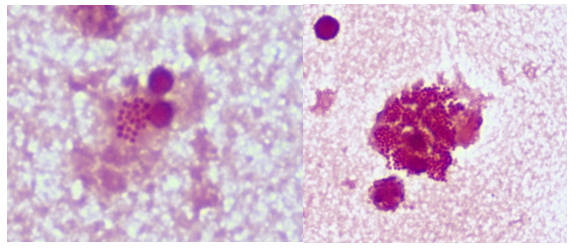
Image 1. Gram stain of synovial fluid showing many intracellular gram negative diplococci.
Image 2. Chlamydia trachomatis and Neisseria gonorrhoeae PCR. Orange and Brown= targets for N. gonorrhoeae; light and dark green=control genes.

References

  1. CDC. Sexually Transmitted Disease Surveillance, 2020. Atlanta, GA: Department of Health and Human Services; April 2022.
  2. John J, Donald WH. Asymptomatic urethral gonorrhoea in men. Br J Vener Dis 1978; 54:322.
  3. Handsfield HH, Lipman TO, Harnisch JP, et al. Asymptomatic gonorrhea in men. Diagnosis, natural course, prevalence and significance. N Engl J Med 1974; 290:117.
  4. Sherrard J, Barlow D. Gonorrhoea in men: clinical and diagnostic aspects. Genitourin Med 1996; 72:422.
  5. McCormack WM, Johnson K, Stumacher RJ, Donner A, Rychwalski R. Clinical spectrum of gonococcal infection in women. Lancet, 1(8023), 1182–1185 (1977).
  6. Curran J, Rendtorff R, Chandler R, Wiser W, Robinson H. Female gonorrhea: its relation to abnormal uterine bleeding, urinary tract symptoms, and cervicitis. Obstet Gynecol, 45(2), 195–198 (1975).
  7. O’Brien JP, Goldenberg DL, Rice PA. Disseminated gonococcal infection: a prospective analysis of 49 patients and a review of pathophysiology and immune mechanisms. Medicine (Baltimore) 1983; 62:395.
  8. Laurer BA, Masters HB. Toxic effect of calcium alginate swabs on Neiserria gonorrhoeae. J Clin Microbiol 1988: 26:54-56
  9. Leber, A. 3.9 Genital Cultures. Clinical Microbiology Procedures Handbook, 4th Edition. ASM Press, Washington, DC. 2016. p.3.9.3.1-3.9.3.15. 
  10. Knapp JS. Historical perspectives and identification of Neisseria and related species. Clin Microbiol Rev 1988;1:415-431.
  11. Cepheid GeneXpert. Xpert CT/NG (English). 2019. 301-0234 Rev.K
  12. CDC. Gonococcal Infections Among Infants and Children. Sexually Transmitted Infection Treatment Guidelines, Atlanta, GA: Department of Health and Human Services; 2021.
  13. CLSI. Performance Standards for Antimicrobial Susceptibility Test. CLSI supplement M100. Wayne, PA: Clinical and Laboratory Standards Institute; 2022, Edition 32

-Maikel Benitez Barzaga, MD is a Pathology Resident (PGY-1) at The George Washington University Hospital. His academic interest include hematology, microbiology, molecular and surgical pathology.

-Rebecca Yee, PhD, D(ABMM), M(ASCP)CM is the Chief of Microbiology, Director of Clinical Microbiology and Molecular Microbiology Laboratory at the George Washington University Hospital. Her interests include bacteriology, antimicrobial resistance, and development of infectious disease diagnostics.

BOGO: Biopsy One, Get One Free

I’ve mentioned before how important it is to know clinical history before attending a biopsy, and I cannot stress this point enough. As the first line of screening, the intermediary between clinician and pathologist, the role of the cytologist is to prepare, assess, and convey. In a cancer center, we have three main populations: the patients with the unknown primary, the patients with the suspected primary, and the patients with the suspected metastasis. In the event of a suspected metastasis, we’ll review previous relevant pathology material if we have it onsite. Unless the clinician is requesting additional prognostic markers, the review process helps us eliminate the unnecessary repetition of immunostains (IHC) by confirming that the current material is morphologically consistent with the prior material. Sometimes we still perform old-school cytology without a plethora of ancillary studies. HA!

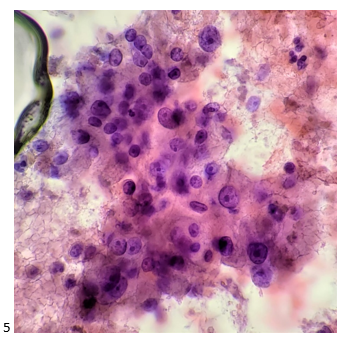
Most of the endobronchial ultrasound (EBUS) procedures performed at our institution are for lung cancer staging or differentiation between a lung cancer metastasis and an extra-pulmonary metastasis. Not that we don’t see the occasional sarcoid- or anthracosis-related process from time to time, but our most common indication is cancer. For an 88-year-old male patient with multiple lung nodules and both mediastinal and hilar lymphadenopathy, confirmation of metastasis was the main objective of the EBUS procedure. The patient’s pertinent medical history includes former tobacco use, squamous cell carcinoma of the lung (diagnosed percutaneously in 2022), clear cell renal cell carcinoma (s/p partial nephrectomy in 2020), prostate cancer (radiated in 2007), melanoma (excised in 2001), and cutaneous squamous cell and basal cell carcinoma (also previously excised in 2002 and 2008). With an extensive cancer history, the lung nodules and thoracic nodes could be any of them, although metastatic squamous cell carcinoma of the lung was clinically favored. My awesome cytologist colleague, Kelly, attended the EBUS procedure. The Rapid Onsite Evaluation (ROSE) was a clear-cut “adequate for diagnostic material,” and the attending pathologist added “tumor cells present.” The following morning, Kelly stopped by my desk to ask my opinion of the 12R (right hilar) lymph node she was screening. She said, “look at my dots. Do these look like the same cells to you? Or are they different? Because I feel like they’re different.” Before putting the slide on my scope, I asked, “so… like a combined adenosquamous? Or a small cell component?” She replied, “not small cell. Something… I don’t know, but they look different. The patient was recently diagnosed with lung cancer and has a history of renal cell.” I fixated on the H&E cell block slides (Images 1-3) before perusing the Diff-Quik and Papanicolaou-stained slides (Images 4-5). “Uhm… Why are there two different types of tumor cells here?! The cytoplasm here is so… vacuolated, but it’s not quite like lung adeno, and the other group… even the n/c (nuclear-to-cytoplasmic) ratio is different. What is this?” Kelly replied, “okay, so there are definitely two different types of tumor here.” I looked up, “It has to be. Absolutely, yes.”

Images 1-4. Lymph node, 12R, EBUS-guided FNA. 1-3: H&E cell block sections 1, 100x; 2, 400x; 3, 100x. 4: Diff-Quik stained smear.
Image 5. Lymph Node, 12R, EBUS-guided FNA. Pap-stained smear.

Kelly entered her diagnosis into our laboratory information system and brought the case over to the pathologist on cytology service for the day. She explained her thought process, and the pathologist also questioned if it was a combined process, such as a lung adenosquamous and maybe the original lung biopsy only sampled the squamous component. With the most recent clinical history of both lung squamous cell carcinoma and clear cell renal cell carcinoma, an IHC panel was appropriately selected. Later that afternoon, the pathologist exclaimed, “IT’S BOTH! IT’S SQUAMOUS AND RCC!” The clusters of squamous cell carcinoma did not stain for PAX8 (a renal cell carcinoma marker) (Image 6), and the same cluster stained positive for p40 (a squamous cell carcinoma marker) (Image 7). Within the same level of the cell block, the cluster of cells that appeared morphologically different than squamous cluster stained positive for PAX8 (Image 8) and negative for p40 (Image 9), confirming a renal cell carcinoma component. A small focus of p40-positive cells was present next to the p40-negative renal cell carcinoma (Image 9), further demonstrating mixed histology. This finding was shared with other pathologists, and the results were immediately called to the pulmonologist as this was a critical finding. Sometimes we encounter a partially involved node where the tumor cells are intermixed with lymphocytes, sometimes the lymph node yields more tumor than the primary site, and sometimes, albeit rarely, we encounter a lymph node infiltrated by two different carcinomas.

Images 6-9. Lymph Node, 12R, EBUS-guided FNA. Cell block section immunocytochemistry. Squamous cell carcinoma cluster – 6: PAX8-negative; 7: p40-positive. Renal cell carcinoma cluster – 8: PAX8-positive, 9: p40-negative (with small focus of p40-positive squamous cell carcinoma).

Due to the patient’s bulky disease and PD-L1 expression of 30%, the medical oncologists primary aim was to treat the squamous cell carcinoma first and follow up renal cell carcinoma therapy second. After the first few cycles of treatment, the lung nodules have decreased in size, but the thoracic nodes remain unchanged. Once the squamous cell carcinoma is controlled or demonstrates a more significant response, immunotherapy may be added to target both, with a tyrosine kinase inhibitor directed at renal cell carcinoma metastases in the event of progression.

-Taryn Waraksa-Deutsch, MS, SCT(ASCP)CM, CT(IAC), has worked as a cytotechnologist at Fox Chase Cancer Center, in Philadelphia, Pennsylvania, since earning her master’s degree from Thomas Jefferson University in 2014. She is an ASCP board-certified Specialist in Cytotechnology with an additional certification by the International Academy of Cytology (IAC). She is also a 2020 ASCP 40 Under Forty Honoree.

“Being a Doctor” Vs. “Doing Your Job”

I awoke to a text recently that simply said, “Can I ask you a question?” Having finished medical school 22 years ago, I get this very frequently and know from personal anecdotal statistics that it’s either a medical issue (high probability) or someone needs money (much less common). This is not a text from work nor is it from a channel that will result in additional funds deposited on my behalf. This is from an acquaintance, by which I mean it could be any of the following: family member, friend, colleague, ex-girlfriend of an ex-boyfriend, co-worker, random person I met somewhere, etc. I spent some time on the phone in response to this text, recommended a course of action, and solved the problem. The details of this discussion (or the hundreds of others I had over the years) are privileged and irrelevant. The point is that I was “being a doctor’. A problem was presented by a person in need with real concerns about their health (or a loved one’s), I assessed the information they provided, and suggested a next step. My advice is usually spot on and appreciated which stems from my being cautious but concerned. Another important feature of my advice derives from one of my mantras: “Don’t scare the straights!” (which I learned from the comic genius, Bill Murray, in Ghostbusters).

This is one of the hardest aspects of being a doctor (especially when you are a student). It’s really great that you recognize (sometimes immediately) that someone has a life-threatening illness… but they don’t need to know that unless they are within a safe, secure medical environment where action can be taken. Moreover, medical issues are private for the same reason. It’s pretty clear to all of us that we shouldn’t yell “Fire!” in a crowded theatre or even jokingly say words that sound like “bomb,” at an airport. But here’s a true story of what I mean with medicine. Many years ago, I happen to be on an airplane (at cruising altitude) coming back from Africa, where my friend, Paul Farmer (RIP), was also a passenger. Another colleague of ours (a surgeon) was also on the plane. Paul was having an eye issue which looked mild but irritating. Our colleague said, loudly in her confident tone, “Do you think it could he Ebola?” Paul and I exchanged a quick glance, both thinking, “Don’t scare the straights!” I think you see my point. But, for clarity, a personal example. One winter, my husband and I were returning from the city to our suburb, which required a brisk, long walk from the train. The sidewalks were icy and, in places, uneven. He stepped off and fell full force on his shoulder. The next morning he couldn’t move it and it was painful. My immediate thought was, “He broke his shoulder.” Did I say, “Dude, you totally broke your shoulder!” No. We were having an open house to sell our place and he was all stressed about it. So, I said, “Be careful with your arm and we will go to urgent care afterward.” This made him calm. I even made him drive to urgent care (it was not his dominant shoulder) to reassure him he was okay. In urgent care, the ortho surgeon (who happened to be that day’s coverage) walked in after the x-ray and said, “Dude, you broke your shoulder!” And my husband promptly passed completely out onto the examination table. It’s all about understanding the acuity of the situation and striving to not make it worse.

Have I ever been wrong? Of course! Because the only way to truly care for a medical concern is to evaluate it yourself in person with appropriate tools. And almost all of the times I have been wrong (which is only a few), there was some crucial aspect that was not shared because either it wasn’t known or there was discomfort with sharing.

But what I am describing is not unique to me. I’m quite sure every doctor gets these calls with frequency. It’s the purest form of practice because there is no financial transaction presumed, assumed, or demanded.

But what about “doing my job?” Let’s break that down. I work for a non-profit and have a private consultation practice (non-overlapping, non-conflicting). Currently, I am financially compensated (at about $175/hour (pre-tax)) for any/all of the following: health system implementation, grant writing/administration, education, research management, social media production/communication, expert scientific/business consultations, committee participation, abnormal laboratory case review, daily laboratory management, intra-operative consultation, market insights/research, etc. Not much of that sounds like I’m fighting death and stamping out disease at the individual patient level, the life task I as trained for in medical school. Importantly, I’m also hard salaried across all my work so I don’t do individual billing except for a few things like abnormal slide review. Many of my physician colleagues do have to engage in individual billing. But I think much of what I do still sounds very familiar to many of my physician colleagues who see patients every day. When (in my opinion) my physician colleagues should be spending every hour of every day “being a doctor,” as I described above, I fear they spend a lot of time instead documenting, managing, and administrating to ensure they are compensated. I am of the very unpopular opinion that healthcare should be free but I also believe healthcare workers should be compensated aligned to their impact on patients. The medical profit insistence paradigm continues to widen inequity while decreasing the care time for patients in lieu of format/template/documentation to justify billing. I have to spend time doing this non-patient care but, fortunately, they are limited because of the narrow slice of medical billing to which my services are privy.

Here is a specific example to demonstrate the difference I’m discussing. I received an abnormal smear to review from the laboratory. The white blood cell count was over 400,000 cells (ref 10 – 30), the smear was a “medical student”-level diagnosis, the patient was on a supposedly effective treatment, but they had left against medical advice. There are many ways to respond to this case. My question was, “Is this patient okay, right now?” and my immediate action reflex said, “This patient needs to see an oncologist right now.” But she left AMA. How you as a patient or doctor respond to this says a lot about you as a person but also about the fiscal constraints in which you work. What did I do? I called the patient who had, thankfully, been admitted elsewhere, and asked them to please have their doctor call me back. The doctor did, I told them the information, and my suggestion that oncology see them immediately. Oncology saw them a few hours later. Let’s summarize. I spent about 20 minutes reviewing all of the clinical and laboratory information, about 1 hour on the phone over 2 days, and about 10 minutes documenting all of this in the patient’s medical record. I was subsequently paid an additional $25 two months later for that documentation by the patient’s insurance company. So, I “did my job” for $16.67/hour over my base but I was also “being a doctor,” which likely was best for the patient. Which is most important at the end of the day? I certainly didn’t need the extra $25 but the patient definitely needed my input. Importantly, note that the insurance company valued my time at a 10-fold lower rate than did my hospital.

A recent study demonstrated that when nurse practitioners are used instead of physicians, healthcare costs were higher.1 This study follows other studies which have shown the opposite. I don’t have an opinion about quality of care, appropriateness, or territorial pissings in the current debate between MDs and NPs about scope of practice; in fact, I see NP’s quite frequently for my healthcare. But we are all being asked to always be conscious of costs in healthcare when all we should be focusing on is, “How is the patient doing right now?” Grand efforts, like task shifting domestically and internationally, are assumed to save money but they simply don’t do so universally. Where costs could be easily cut (i.e., administration) or outsourced (i.e., finance, HR, IT), they aren’t because C-suites are in charge of cost cutting. But doctors (and NPs and all front line medical workers) are the ones being told to be cost conscious and find cost savings—when their job should only be asking the question, “How is the patient doing right now?”

I love “being a doctor,” especially when I can help someone reach a positive outcome. I love “doing my job” because it’s variable, ever-changing, challenging, rewarding, and I feel my compensation is appropriate. I really love when “doing my job” and “being a doctor” align around the same task. Finding this alignment as frequently as possible produces the happiest healthcare workers and the best care for patients, in my opinion.

Note: As an employee of a 501(c)(3), my salary information is public knowledge.

Reference

  1. https://www.ama-assn.org/practice-management/scope-practice/amid-doctor-shortage-nps-and-pas-seemed-fix-data-s-nope
milner-small


-Dan Milner, MD, MSc, spent 10 years at Harvard where he taught pathology, microbiology, and infectious disease. He began working in Africa in 1997 as a medical student and has built an international reputation as an expert in cerebral malaria. In his current role as Chief Medical officer of ASCP, he leads all PEPFAR activities as well as the Partners for Cancer Diagnosis and Treatment in Africa Initiative.

Microbiology Case Study: A 32 Year Old with Lower Extremity Swelling

Case History

A 32 year old male with alcoholic cirrhosis presented to the emergency department with progressive lower extremity swelling. On presentation he was found to have jaundice due to hemolytic anemia secondary to spur cell anemia. Admission hemoglobin was 4.3 mg/dL (4.0-11.0 mg/dL) and bilirubin, both total and direct, were 6.3 mg/dL (0.2-1.3 mg/dL) and 2.9 mg/dL (0.0-0.5 mg/dL), respectively. He also had acute kidney injury (AKI) thought to be secondary to hepatorenal syndrome leading to the development of anasarca. A urinalysis was performed as part of the evaluation for his AKI that showed 100 WBC/HPF, > 187 RBC/HPF, and moderate bacteria which triggered a urine culture.

Laboratory Identification

Urine received in the microbiology laboratory was plated on Blood and MacConkey/CNA agars and grew non-hemolytic, lactose-fermenting gram negative rods (Image 1). Indole testing was negative. Given this biochemical pattern, a member of the Enterobacterales was suspected as typically seen in urine cultures. However, MALDI-TOF MS provided the surprising identification of Salmonella enterica subsp. arizonae. Xylose Lysine Deoxycholate (XLD) agar was set up to confirm the unusual identification (Image 2). Hydrogen sulfide production is typical of Salmonellae, and lactose fermentation, a trait unique to some isolates of S. enterica subsp. arizonae, was confirmed. The organism was submitted to the Texas Department of Health laboratory where the isolate was definitively identified as Salmonella enterica subsp. arizonae (IIIa 14:z4,z23) by whole genome sequencing.

Image 1. Patient isolate of S. enterica subsp. arizonae exhibiting lactose fermentation on MacConkey agar after 18 hours of incubation at 35°C (A). Lactose-fermentation is a unique hallmark of S. enterica subsp. arizonae compared to other Salmonellae (B).
Image 2. Patient isolate of S. enterica subsp. arizonae exhibiting hydrogen sulfide production and lactose fermentation on XLD agar after 18 hours at 35°C (A). Note the abundant yellow color of the medium (black arrowhead) compared to S. enterica subsp. Enterica serovar Enteritidis which does not ferment lactose, but also produces hydrogen sulfide (B, white arrowhead).

Discussion

This is a rare case of an extraintestinal infection caused by Salmonella enterica subsp. arizonae. Salmonellaeare motile, gram negative, facultatively anaerobic bacilli that are members of the Enterobacterales. The genus is composed of two species, S. enterica and S. bongori. Salmonella enterica is further subdivided into six subspecies: enterica (group I), salamae (group II), arizonae (group IIIa), diarizonae (group IIIb), houtenae (group IV), and indica (group VI). Salmonella bongori used to be classified as group V but was separated as a unique species based on genomic analysis.1 S. bongori almost exclusively causes zoonotic infections, while S. enterica subsp. enterica is the most frequent cause of human clinical disease. Salmonella taxonomy is complicated further by the division of members of S. enterica subsp. enterica into >2500 unique serovars based on immunoreactivity to lipopolysaccharide (O) and two flagellar (H) surface antigens. These are then further separated into “typhoidal” and “non-typhoidal” serovars based upon the characteristics of infection (Image 3).

Image 3. Hierarchical structure of Salmonella taxonomy. S. enterica subsp. arizonae is boxed in red to highlight is taxonomic position away from other pathogenic Salmonellae. Adapted from reference number 6.

Until recently, determinative testing was almost uniformly performed by serological confirmation of agglutination with O and H antigen-specific antisera. This has been a mainstay of epidemiological analysis of foodborne Salmonella outbreaks. Only recently has whole genome sequencing been adapted as a higher throughput and more discriminatory alternative to classical serotyping schemes. Salmonella nomenclature often uses a genus-species-subspecies format followed by serovar (e.g. Salmonella enterica subsp. enterica serovar Typhi), or it can be reported as genus-serovar for short (e.g. Salmonella Typhi). Formal identification will include information concerning the two flagellar antigens and lipopolysaccharide antigens, in addition to the formalized subspecies using the formula: genus-species-subspecies [space] O antigens [colon] Phase 1 H antigen [comma] Phase 2 H antigen. In this case, the formal identification from the state laboratory for this isolate was Salmonella enterica subsp. arizonae IIIa 14:z4,z23.

About 99% of human infections are due to Salmonella enterica subspecies enterica (group I)including the serotypes Enteritidis, Typhimurium, Typhi, Paratyphi.2 Infections due to Salmonella enterica subspecies arizonae are rare; serovar IIIa 41:z4,z23 is associated with 10-20 infections per year.3 Infection typically begins as gastroenteritis from food poising or from animal sources, particularly reptiles or poultry. Disease is typically seen in the young and immunocompromised and can progress to invasive disease including sepsis, meningitis, and osteomyelitis.4 It is unclear why there are lower rates of Salmonella enterica subspecies arizonae infections in humans as compared to Salmonella enterica subspecies enterica, but there is evidence to suggest Salmonella enterica subspecies arizonae and diarizonae have altered intestinal colonization in murine models leading to failure of Salmonella to persist in the mammalian intestinal tract.5

This patient had alcoholic cirrhosis and uncomplicated cystitis secondary to Salmonella extraintestinal infection at the time of presentation. It is unclear if this patient had gastroenteritis prior to developing cystitis and the limited medical history did not reveal exposure to reptiles or poultry. In this case, the patient completed seven days of ceftriaxone without complication or recurrence of infection.

References

  1. Agbaje M, Begum RH, Oyekunle MA, Ojo OE, Adenubi OT. Evolution of Salmonella nomenclature: a critical note. Folia Microbiol (Praha) 2011; 56(6): 497-503.
  2. Brenner FW, Villar RG, Angulo FJ, Tauxe R, Swaminathan B. Salmonella nomenclature. J Clin Microbiol 2000; 38(7): 2465-7.
  3. Shariat NW, Timme RE, Walters AT. Phylogeny of Salmonella enterica subspecies arizonae by whole-genome sequencing reveals high incidence of polyphyly and low phase 1 H antigen variability. Microb Genom 2021; 7(2).
  4. Abbott SL, Ni FC, Janda JM. Increase in extraintestinal infections caused by Salmonella enterica subspecies II-IV. Emerg Infect Dis 2012; 18(4): 637-9.
  5. Katribe E, Bogomolnaya LM, Wingert H, Andrews-Polymenis H. Subspecies IIIa and IIIb Salmonellae are defective for colonization of murine models of salmonellosis compared to Salmonella enterica subsp. I serovar typhimurium. J Bacteriol 2009; 191(8): 2843-50.
  6. Achtman M, Wain J, Weill FX, Nair S, Zhou Z, et al. (2012) Multilocus Sequence Typing as a Replacement for Serotyping in Salmonella enterica. PLOS Pathogens 8(6): e1002776. https://doi.org/10.1371/journal.ppat.1002776

Denver Niles, MD is the Medical Microbiology fellow at UT Southwestern Medical Center. Prior to his Medical Microbiology fellowship, he completed pediatric infectious disease training at Baylor College of Medicine/Texas Children’s Hospital.

Muluye Mesfin, SM(ASCP)CM is the microbiology laboratory supervisor at UT Southwestern Medical Center where he has worked for 12 years.  Prior to this, Mo completed a bachelor of science degree in medical technology at the University of Maryland.

-Clare McCormick-Baw, MD, PhD is an Assistant Professor of Clinical Microbiology at UT Southwestern in Dallas, Texas. She has a passion for teaching about laboratory medicine in general and the best uses of the microbiology lab in particular.

-Andrew Clark, PhD, D(ABMM) is an Assistant Professor at UT Southwestern Medical Center in the Department of Pathology, and Associate Director of the Clements University Hospital microbiology laboratory. He completed a CPEP-accredited postdoctoral fellowship in Medical and Public Health Microbiology at National Institutes of Health, and is interested in antimicrobial susceptibility and anaerobe pathophysiology.

Microbiology Case Study: An Adult Woman with a Pelvic Abscess

Case History

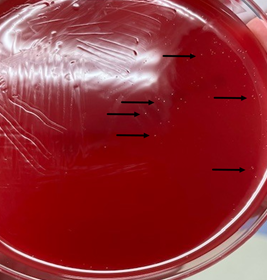
An adult woman presented to the emergency department five days after undergoing gynecological surgery. The patient presented with fever and severe right lower quadrant abdominal pain. Computed tomography (CT) scan with contrast showed a ring enhanced loculated fluid collection within the cervix, which was concerning for an abscess. The patient was admitted to the hospital and empirically started on piperacillin-tazobactam, but continued to have fevers despite the antibiotics. Blood and urine samples were sent to the microbiology lab for bacterial culture but no organisms were isolated from either source. Two days later, the patient underwent a diagnostic laparoscopy, abdominal wash-out, and drainage of the abscess. The abscess fluid was sent for aerobic and anaerobic bacterial culture. Gram stain of the specimen showed 3+ white blood cells with no organism seen. The anaerobic culture grew 4+ pinpoint white colonies on blood agar after 5 days of incubation. Further identification of these colonies by MALDI-TOF MS revealed Mycoplasma hominis.

Image 1. Blood agar with 4+ pinpoint translucent colonies.

Discussion

Mycoplasma hominis is often a commensal of the urogenital tract, but it can be associated with urogenital infections including pelvic inflammatory disease (PID), pregnancy-related infections, and urethritis in males. There are multiple risk factors for Mycoplasma hominis genital infection including young adult age, multiple sexual partners, and pregnancy. Immunocompromised patients have a higher risk for Mycoplasma hominis extragenital infections as nearly 50% of reported extragenital infections isolated from immunocompromised patients.2 Mycoplasma hominis can cause extragenital infections including septic arthritis,4 septicemia, osteitis, retroperitoneal abscesses3, mediastinitis,1 and pneumonia.

Laboratory diagnosis of Mycoplasma hominis is challenging due to the fastidious nature of the organism and its lack of the cell wall makes it undetectable by gram staining. The more specific tests including molecular tests for Mycoplasma hominis are not routinely ordered unless there is a strong clinical suspicion, which makes diagnosis more challenging. Mycoplasma hominis can grow on 5% sheep blood and chocolate agars; however, such growth is very slow and may take from 2 to 7 days of incubation.1 The usual growth of Mycoplasma hominis reveals tiny-sized pinpoint colonies that may be overlooked (Image 1). Once growth is observed, MALDI-TOF MS can be used for identification.6

There are multiple types of selective media for the isolation of Mycoplasma hominis including SP4 agar supplemented with arginine, Hayflick agar, A7, and A8 agars.9 Both A7 and A8 agars contain arginine to enrich Mycoplasma growth but differ in the antibiotic content used to inhibit the growth of other commensals. Agar plates should be put for incubation under 5 to 10% CO2 or under anaerobic conditions at 35°C for at least 5 days.9 On these selective agars Mycoplasma hominis has a characteristic fried egg appearance and can be seen by the aid of a stereomicroscope. However, use of specific agar is not widespread.

Molecular testing of Mycoplasma hominis using nucleic acid amplification (NAAT) assays such as polymerase chain reaction (PCR) is a more sensitive and faster method of detecting Mycoplasma hominis compared with culture. However, PCR is neither widely available nor standardized. PCR assays for Mycoplasma hominis generally use 16S rRNA as a gene target, but other targets, including gap, fstY, and yidC, have been developed.7 Clinical picture should be taken into account when evaluating the significance of a positive PCR test as Mycoplasma hominis can be a commensal organism and PCR does not distinguish between live and dead organisms.

Mycoplasma spp. lack a peptidoglycan cell wall. This makes Mycoplasma spp. intrinsically resistant to β-lactams and to all antibiotics, which target the cell wall, including glycopeptide antibiotics. Mycoplasma hominis is also resistant to rifampin, sulfonamides and trimethoprim. Tetracyclines, macrolides, and fluoroquinolones are often used. Antimicrobial susceptibility testing is rarely performed, with only a few specialized laboratories offering the testing. Clinical and laboratory standards institute guidelines (CLSI M43) is followed using microbroth dilution. Agar disc diffusion testing is not used for Mycoplasma hominis as there is no correlation between inhibitory zones and minimal inhibitory concentrations.8 Mycoplasma hominis can be evaluated for susceptibility to clindamycin, tetracycline, and levofloxacin.10

After isolation of Mycoplasma hominis was reported, doxycycline was added to the patient’s antibiotic regimen. The patient responded well with subsiding of the fever and stabilization of her vital signs.

References

  1. Xiang, L., & Lu, B. 2019. Infection due to Mycoplasma hominis after left hip replacement: case report and literature review. BMC infectious diseases, 19(1), 50. https://doi.org/10.1186/s12879-019-3686-z
  2. Meyer RD, Clough W. 1993. Extragenital Mycoplasma hominis infections in adults: emphasis on immunosuppression. Clin Infect Dis. Suppl 1:S243-9. doi: 10.1093/clinids/17.supplement_1.s243. PMID: 8399923.
  • Adams M, Bouzigard R, Al-Obaidi M, Zangeneh TT. 2020. Perinephric abscess in a renal transplant recipient due to Mycoplasma hominis: Case report and review of the literature. Transpl Infect Dis.(5):e13308. doi: 10.1111/tid.13308. Epub 2020 Jul 7. PMID: 32378787.
  • Luttrell LM, Kanj SS, Corey GR, Lins RE, Spinner RJ, Mallon WJ, Sexton DJ. 1994. Mycoplasma hominis septic arthritis: two case reports and review. Clin Infect Dis.19(6):1067-70. doi: 10.1093/clinids/19.6.1067. PMID: 7888535.
  • Wylam ME, Kennedy CC, Hernandez NM, Peters SG, Maleszewski JJ, Cassivi SD, Scott JP. 2013. Fatal hyperammonemia caused by Mycoplasma hominis. Lancet 382:1956.
  • Pereyre S, Tardy F, Renaudin H, Cauvin E, Del Pra Netto Machado L, Tricot A, Benoit F, Treilles M, Bebear C. 2013. Identification and subtyping of clinically relevant human and ruminant mycoplasmas by use of matrix-assisted laser desorption ionization–time of flight mass spectrometry. J Clin Microbiol 51:3314–3323.
  • Ferandon C, Peuchant O, Janis C, Benard A, Renaudin H, Pereyre S, Bebear C. 2011. Development of a real-time PCR targeting the yidC gene for the detection of Mycoplasma hominis and comparison with quantitative culture. Clin Microbiol Infect 17:155–159.
  • Clinical and Laboratory Standards Institute. 2011. Methods for antimicrobial susceptibility testing for human mycoplasmas; approved guideline M43-A. Clinical and Laboratory Standards Institute, Wayne, PA.
  • Stabler S, Faure E, Duployez C, Wallet F, Dessein R, Le Guren R. 2021. Mycoplasma hominis extragenital abscess. J Clin Microbiol, 59(4). https://doi.org/10.1128/JCM.02343-20
  • https://sites.uab.edu/dml/tests/

Omar Abdelsadek, MD is a PGY-1 (AP/CP) Pathology Resident at University of Chicago (NorthShore) Pritzker School of Medicine.

-Paige M.K. Larkin, PhD, D(ABMM), M(ASCP)CM is the Director of Molecular Microbiology and Associate Director of Clinical Microbiology at NorthShore University HealthSystem in Evanston, IL. Her interests include mycology, mycobacteriology, point-of-care testing, and molecular diagnostics, especially next generation sequencing.

Microbiology Case Study: Pain and Discharge from the Eye of a 27 Year Old Female

Case presentation

A 27 year old female with a history of substance abuse, presented to the ED with a swollen left eye, resulting from a fall in the shower that hit her eye on the tub. She denies losing consciousness or neck pain. Her eye has swollen since then and she noticed yellow drainage from her eye. Her past medical history was unremarkable although she was diagnosed as having sexually transmitted infections (STI) with Neisseria gonorrhoeae and Chlamydia trachomatis 3 months prior to the current event. Her HIV and syphilis screening were negative. 

The drainage from her eye was collected for culture and Gram stain and sent to the Microbiology laboratory. The initial Gram stain showed moderate neutrophils and very few gram negative diplococci (GNDC). The culture grew pure growth of the same organism on Chocolate agar during overnight incubation. It was identified as Neisseria gonorrhoeae by MALDI-ToF. The patient was reached out by the emergency nurses for the Ceftriaxone injection. 

Discussion

Neisseria gonorrhoeae belong to the Neisseriaceae family, including Kingella, Eikenella, and many other genera. Neisseria gonorrhoeae is gram negative cocci in pairs and have a distinct kidney bean shape. They thrive in the mucous membranes of the respiratory and urogenital tracts.1 While the pathogenicity tends to vary among Neisseria spp; N. gonorrhea is a primary pathogen that does not belong in the usual flora of humans in any amount, unlike other Neisseria that are opportunistic and can be part of usual flora.1 N. gonorrhoeae only has been reported in human cases. N. gonorrhoeae and N. meningitidis are considered fastidious organisms that require CO2 and iron. These organisms are aerobic bacteria that only grow on chocolate media that has RBC hemolyzed. When N. gonorrhoeae infects humans; it has a surface receptor that binds transferrin directly competing with the human host for iron supplies.1 Transferrin is a glycoprotein that delivers iron throughout the body.2

N. gonorrhoeae is typically acquired through unprotected sexual activity. Once transmitted, it can be found in vaginal, oral and anal secretions.3 The recorded cases of N. gonorrhoeae in 2018-2019 have gone up 5.9%; since 2009 there has been a 92.0% increase in cases, with a lot more young men contracting the disease since 2009.3 Improvement in screening and tracking techniques can also be a reason for the drastic increase in U.S cases.3 While most of the time N. gonorrhoeae stays in the mucosal membranes, it can also thrive in other parts of the body.1 The most common genital infection causes painful urination, a pus-like substance that discharges from the penis, and pain and tenderness in the testicular region.4 For women, it can cause increased discharge, pelvic pain, and bleeding between periods.4 Untreated genital N. gonorrhoeae can cause pelvic inflammatory disease (PID) which can lead to abortion and sterility in both men and women.1 N. gonorrhoeae also has the potential to affect but is not limited to the rectum, eyes, throat, and joints where it can cause pain, swelling, and rashes.4 Pregnant women that have an N. gonorrhoeae infection can pass it onto their offspring through vaginal delivery, and it is very important to screen for N. gonorrhoeae during pregnancy.4 In the US providers must put antimicrobial (erythromycin) eye drops in the babies born regardless of the STD status of the mother.1 A neonate exposed to N. gonorrhoeae can develop blindness and rashes.1 Untreated N. gonorrhoeaecan commonly causes recurrent rectal infection in women. While ocular gonococcal eye infection can be encountered more frequently in neonates born to infected mothers through vaginal delivery, ocular gonococcal infections in adults are extremely rare and can potentially be caused by incidental inoculation of infected genital secretions of their own (auto-infection).1 

In most cases, N. gonorrheae can be cultured from a swab of the male urethral or female endocervix, or vaginal samples. Non-genital samples, such as rectal and oral sources can also be used to diagnose extra-genital gonococcal infections. Nucleic acid amplification tests (NAAT) are commonly used for rapid diagnosis of gonococcal infection from genital, anal, or oral sources. For samples collected from other sources, culture is the primary method of the diagnostic approach. N. gonorrhoeae grows well on chocolate agar. MTM (modified Thayer martin) agar supports the growth of N. gonorrhoeae as it is a selective media for N. gonorrhoeae, containing nystatin, colistin, and vancomycin to suppress the growth of other bacteria.5 N. gonorrhoeae was susceptible to penicillin in 1976, and, by 1980, penicillinase-producing N. gonorrhoeae was discovered in Southwest Asia.1 The most common treatment is ceftriaxone intramuscularly with oral azithromycin for those who are allergic to cephalosporins like ceftriaxone gemifloxacin or injectable gentamicin.4

References

  1. Mahon, C. R., & Lehman, D. C. (2019). Textbook of diagnostic microbiology. Elsevier Saunders.
  2. Ogun, A. S. (2021, July 31). Biochemistry, transferrin. StatPearls [Internet].
  3. Centers for Disease Control and Prevention. (2014, January 29). Std facts – gonorrhea.
  4. Mayo Foundation for Medical Education and Research. (2021, October 5). Gonorrhea.
  5. Cheng, A., & Kirby , J. (2014, March). Evaluation of the hologic gen-probe panther, APTIMA Combo 2 assay in a tertiary care teaching hospital. American journal of clinical pathology. 

-Alejandro Soto, MLS(ASCP)CM

-Phyu M. Thwe, Ph.D., D(ABMM), MLS(ASCP)CM is Microbiology Technical Director at Allina Health Laboratory in Minneapolis, MN. She completed her CPEP microbiology fellowship at the University of Texas Medical Branch in Galveston, TX. Her interest includes appropriate test utilization and extra-pulmonary tuberculosis.

Microbiology Case Study: Worsening Liver Function and Bacteremia in a 35 Year Old Male

Case History

A 35 year old male with a history of alcohol use disorder in early remission, acute alcoholic hepatitis with multiple admissions for worsening liver function was admitted for acute kidney injury and worsening encephalopathy. Blood cultures were collected due to leukocytosis and the anaerobic bottle flagged positive for gram negative bacilli at 4.6 days. The organism, shown in Image 1, was sent to a reference laboratory and was identified as a Campylobacter species, unable to further identify. The patient will receive a liver transplant at another institution.

Image 1. Campylobacter species morphology in a blood smear.

Discussion

Campylobacter species are gram-negative, oxidase-positive, non-fermenting, microaerophilic, non-spore forming, motile rods typically with one or more helical turn.1,2 When two bacteria form short chains, these appear as “S” shaped and/or “gull-wing” shaped. These bacteria are generally 0.2 µm by 0.5-5.0 µm in size and can be as long as 8.0 µm.1 Campylobacter species are widely distributed in most warm-blooded animals (e.g., poultry, cattle, pigs, sheep, cats, and dogs) and they grow optimally at 37-42 °C. There are more than 20 Campylobacter species, not all of which cause illness but are potentially pathogenic. Campylobacter jejuni accounts for approximately 90% of human Campylobacter infections, while less common species such as Campylobacter coli, Campylobacter upsaliensis, Campylobacter fetus, and Campylobacter lari can also cause infection.3

Transmission of Campylobacter is believed to be foodborne via undercooked meat (particularly poultry), unpasteurized milk, or improperly treated water. Person-to-person transmission is rare, but may occur via the fecal-oral route. The infection load for Campylobacter species is relatively low, with fewer than 500 organisms causing infection.4 In human infection, these bacteria usually colonize the intestinal tract leading to diarrhea (often bloody), stomach cramps, fever, nausea, and vomiting.5 Clinical manifestation usually occurs 2 to 5 days after the individual is infected and lasts approximately a week. Diagnosis is established definitively by stool culture and sometimes by blood culture.2 In some cases, long-term effects of Campylobacter infection include an array of clinical syndromes including enteritis, bacteremia, arthritis, septic abortion, meningitis, irritable bowel disease, and Guillain-Barre syndrome [4]. Individuals with a greater risk for infection include those 65-years or older, pregnant women, and those with weakened immune systems.5

Campylobacteriosis is the most common form of acute infectious diarrhea in developed countries with a higher incidence than both Salmonella and Shigella.1 The Center for Disease Control and Prevention estimates that 1.5 million people in the United States are affected by Campylobacter infection each year—making it the most common bacterial cause of diarrheal illness in the United States.3 Unfortunately, the incidence of hepatitis associated with Campylobacter species infection is unknown, as few case-reports related to Campylobacter colitis6and Campylobacter jejuni 7,8,9,10 have been published. Although the liver is often involved in systemic infections resulting in various types of abnormal liver function tests, mild to severe hepatocellular dysfunction is an uncommon observation in those with Campylobacter infection.

Most individuals infected with any Campylobacter species recover with only fluid replenishment while the diarrhea lasts and no antibiotic treatment. However, those with or at risk for severe illness should be considered for antibiotic treatment. The antibiotics that are used to treat infection are azithromycin and fluoroquinolones (usually resistant). Antimicrobial susceptibility testing can help guide appropriate therapy.3

References

  1. Hardy Diagnostics. Campylobacter [Internet]. 2016. Available from: https://catalog.hardydiagnostics.com/cp_prod/Content/hugo/Campylobacter.htm#:~:text=In%20general%2C%20Campylobacter%20spp.%20appear%20as%20gray%2C%20flat%2C,glistening%2C%20with%20little%20spreading.%20Campylobacter%20spp.%20are%20non-hemolytic.
  2. Perez-Perez GI, Blaser MJ. Campylobacter and Helicobacter. In: Baron S, editor. Medical Microbiology. Galveston (TX): University of Texas Medical Branch at Galveston Copyright © 1996, The University of Texas Medical Branch at Galveston.; 1996.
  3. Centers for Disease Control and Prevention. Campylobacter (Campylobacteriosis) For Health Professionals [Internet]. 2019 [updated December 23, 2019]. Available from: https://www.cdc.gov/campylobacter/technical.html.
  4. Ehrenpreis ED. Campylobacter infection [Internet]. Epocrates2022 [updated January 22, 2022]. Available from: https://online.epocrates.com/v2/print/disease/1175?subSectionId=11#:~:text=Bacteria%20of%20the%20genus%20Campylobacter%20cause%20a%20variety,%5B%203%5D%20There%20are%20many%20species%20of%20Campylobacter.
  5. Centers for Disease Control and Prevention. Campylobacter (Campylobacteriosis) Symptoms [Internet]. 2019. Available from: https://www.cdc.gov/campylobacter/symptoms.html.
  6. Reddy KR, Farnum JB, Thomas E. Acute hepatitis associated with campylobacter colitis. J Clin Gastroenterol. 1983;5(3):259-62. Epub 1983/06/01. doi: 10.1097/00004836-198306000-00013. PubMed PMID: 6863882.
  7. Humphrey KS. Campylobacter infection and hepatocellular injury. Lancet. 1993;341(8836):49. Epub 1993/01/02. doi: 10.1016/0140-6736(93)92521-t. PubMed PMID: 8093289.
  8. Vermeij CG, van Dissel JT, Veenendaal RA, Lamers CB, van Hoek B. Campylobacter jejuni peritonitis in a patient with liver cirrhosis. Eur J Gastroenterol Hepatol. 1996;8(12):1219-21. Epub 1996/12/01. doi: 10.1097/00042737-199612000-00016. PubMed PMID: 8980944.
  9. Korman TM, Varley CC, Spelman DW. Acute hepatitis associated with Campylobacter jejuni bacteraemia. Eur J Clin Microbiol Infect Dis. 1997;16(9):678-81. Epub 1997/11/14. doi: 10.1007/bf01708559. PubMed PMID: 9352262.
  10. Yoon JG, Lee SN, Hyun HJ, Choi MJ, Jeon JH, Jung E, et al. Campylobacter jejuni Bacteremia in a Liver Cirrhosis Patient and Review of Literature: A Case Study. Infect Chemother. 2017;49(3):230-5. Epub 2017/06/14. doi: 10.3947/ic.2017.49.3.230. PubMed PMID: 28608661; PubMed Central PMCID: PMCPMC5620392

-Amelia M. Lamberty is a MS in Pathology student at the Larner College of Medicine at the University of Vermont.

-Christi Wojewoda, MD, is the Director of Clinical Microbiology at the University of Vermont Medical Center and an Associate Professor at the University of Vermont.