A Traveler from Southern America with Nightly Fevers and Dysuria

Case Presentation

A 26 year old male presented to the emergency department (ED) with 1 week of malaise, high nightly fevers, abdominal pain, dark urine, and dysuria. He had no past medical history and was not taking any medications. He had been living in shelters since arriving in the US approximately 1 month ago after several months traveling through South and Central America from Venezuela. On review of systems, he also reported 3-4 days of constipation and a single episode of non-bilious, non-bloody vomit 2 days ago, accompanied by nausea. He denied mosquito bites, bloody or dark stools. On physical exam, patient appeared thin, mildly jaundiced, and had LUQ/LLQ moderate tenderness to palpation without guarding and splenomegaly. Given his travel history and presenting symptoms, the infectious disease service was consulted, and blood was drawn in the ED for further analysis. CBC and CMP were significant for normal WBC (10.21 x 10³/mcL), normocytic anemia (hemoglobin 11.3 gm/dL, MCV 80.4 femtoliters), thrombocytopenia (48 x 103/mcL), hyperbilirubinemia (total bilirubin 2.4 mg/dL, indirect bilirubin 1.7 mg/dL), and slightly elevated AST (46 units/L). Thin blood smear showed relatively enlarged erythrocytes infected with multiple ring forms and trophozoites with ameboid cytoplasm, consistent with Plasmodium vivax. Parasitemia was calculated to be 0.4%. The patient was diagnosed with uncomplicated malaria and started on artemether-lumefantrine for 3 days. He was found to a severe deficiency (41 units/1012 RBC) of glucose-6-phosphate dehydrogenase (G6PD) and therefore, at high risk of hemolysis if administered primaquine. Given his complex social situation, the patient decided to monitor himself for symptoms of relapse and defer starting primaquine for treatment of the liver stages of P. vivax. He was discharged to a local shelter with plans to follow-up closely with the outpatient infectious disease department, with strict precautions to return to the ED urgently for recurrent symptoms.

Figure 1. Thick (left) and thin (right) peripheral blood smears from patient reveal large infected red blood cells and “amoeboid” forms suggestive of P. vivax. Photo taken by Dr. Zoon Tariq, PGY3, Department of Pathology at The George Washington University School of Medicine and Health Sciences.

Discussion

Malaria should be suspected when a patient presents with a febrile illness and a travel history within a malaria-endemic region. Diagnosis of P vivax can be made through microscopic examination of blood smears, immunochromatographic rapid diagnostic tests (RDTs) and nucleic acid detection through amplification techniques.1 Examination of a thick blood smear allows efficient screening for malaria parasites, while a thin blood smear allows for species identification since parasite morphology is more clearly visualized.2 Upon examination of thin blood smears, infections by P. vivax and P. ovale may appear indistinguishable as both species infect immature, enlarged erythrocytes (1.25-2x normal), can be visualized at any stage in peripheral blood (ring, trophozoite, schizont, and gametocyte) and because Schuffner’s dots are a common morphologic feature during most stages. Defining characteristics of P. vivax include the presence of a large, ameboid trophozoite cytoplasm, and fine Schuffner’s dots and schizonts with >12 merozoites. Of note, preparation with Giemsa stain over Wright stain is preferred for demonstration of Schuffner’s dots.2 Immunochromatographic RDTs detect parasite-specific antigens (e.g., Plasmodium lactate dehydrogenase, Plasmodium specific aldolase) in a finger-prick blood sample. These tests are commercially available and relatively simple to perform and interpret, making them a useful tool for resource-limited regions.1 Nucleic acid amplification-based tools (e.g., PCR, loop-mediated isothermal amplification) are not routinely used for clinical management of malaria but do have diagnostic advantages over light microscopy and RDTs.3 PCRs are highly sensitive, can detect mixed infections even at low parasite densities, and are useful for epidemiological studies such as drug resistance identification.1

Malaria is a potentially fatal, but preventable and treatable, disease caused by infection of erythrocytes with protozoan parasites of the Plasmodium genus. Parasites are transmitted by the bites of infected female Anopheles mosquitos. Five species of Plasmodium (P. falciparum, P. vivax, P. ovale, P. malariae, P. knowlesi) infect humans. While each species of Plasmodium has unique characteristics, all species follow a similar life cycle. Erythrocyte lysis and release of merozoites cause release of pyrogens and production of inflammatory cytokines such as IL-1 and TNF-alpha, resulting in the symptomatic presentation of Plasmodium sp. infection, termed malaria. An important distinction between P. vivax and P. ovale and other Plasmodium species is that P. vivax/ovale may remain dormant in the liver (“hypnozoites”) and may resume intrahepatic replication, causing relapse of malaria weeks to years later.4 According to the WHO Malaria Report 2021, approximately half the world’s population lives in areas at risk of malaria infection. P. vivax is found predominately in Asia, Latin America, and some parts of Africa. It is the most common infective species in Latin America, accounting for an estimated 71.5% of cases in 2021.

The typical incubation time between transmission of parasites and onset of disease is approximately 14 days. P. vivax parasitesprimarily infect immature erythrocytes, representing 1-2% of the cell population. Synchronous replication and rupture of infected erythrocytes leads to the hallmark clinical presentation of cyclical severe fever and chills. Classically, P. vivax and P. ovale present with “tertian” malarial paroxysms, with fever and chills occurring every 48 hours. Patients may also complain of fatigue, malaise, headache, diaphoresis, abdominal pain, myalgias, dark urine, nausea, and vomiting. Additional clinical features and complications include anemia, jaundice, splenomegaly, and hepatomegaly. Severe infection presents with hemodynamic instability, pulmonary edema, coagulopathy, organ failure, neurological dysfunction, and potentially death.4, 5

Chloroquine or artemisinin-based combination therapy (ACT) are both effective treatments against uncomplicated, non-falciparum malaria (P. vivax, P. ovale, P. malariae, P. knowlesi).In a large systematic review, ACTs were found to be at least equivalent to chloroquine when treating the blood stage of P. vivax infection.6 ACTs are the drug of choice for non-falciparuminfections in countries where chloroquine resistance has developed, notably New Guinea and Indonesia.7To prevent relapse caused by hypnozoites of P. vivax/ovale, initial treatment is followed by administration of primaquine. Before treatment initiation with primaquine, quantitative testing for glucose-6-phosphate dehydrogenase (G6PD) deficiency should be completed since this drug may induce hemolysis in those who are deficient. A modified dosing schedule under close medical supervision is used for those who are G6PD deficient. Treatment of severe malaria is with at least 24 hours of intramuscular or intravenous artesunate, with an option to transition to an ACT regimen once oral therapy can be tolerated.1

Malaria caused by P. falciparum is typically more severe than malaria caused by P. vivax since P. falciparum infects erythrocytes of all ages, causing extensive hemolysis and related complications.4, 5 P. vivax malaria may also cause severe malaria and also relapses, emphasizing the importance of radical cure of hypnozoites with primaquine.8 Expedient and appropriate treatment leads to resolution of fever and parasitemia within days, with successful treatment confirmed by undetectable parasitemia on blood smear. Recurrence of a febrile illness should prompt re-evaluation and may suggest recrudescence or relapse due to failed therapy, or reinfection.

References

1. World Health Organization. (‎2023)‎. WHO guidelines for malaria, 14 March 2023. World Health Organization. https://apps.who.int/iris/handle/10665/366432.

5. Despommier DD, Griffin DO, Gwadz RW, Hotez PJ, Knirsch CA. Chapter 9: The Malarias. In: Parasitic Diseases. 7th ed. Parasites Without Borders, Inc.; 2019:93-122.

4. Ryan KJ. Chapter 51: Apicomplexa and Microsporidia. In: Sherris & Ryan’s Medical Microbiology. 8th ed. McGraw Hill; 2022. Accessed June 20, 2023. https://accessmedicine-mhmedical-com.proxygw.wrlc.org/content.aspx?bookid=3107&sectionid=260929904

2. DPDx – Laboratory Identification of Parasites of Public Health Concern: Malaria. Centers for Disease Control and Prevention. Updated: October 6, 2020. Accessed: June 20, 2023. https://www.cdc.gov/dpdx/malaria/index.html

3. World Health Organization. Malaria Policy Advisory Group: Meeting Report of the Evidence Review Group on Malaria Diagnosis in Low Transmission Settings. Geneva, Switzerland: WHO Headquarters, 2013. Accessed June 20, 2023. https://www.who.int/publications/m/item/meeting-report-of-the-evidence-review-group-on-malaria-diagnosis-in-low-transmission-settings

6. Gogtay N, Kannan S, Thatte UM, Olliaro PL, Sinclair D. Artemisinin-based combination therapy for treating uncomplicated Plasmodium vivax malaria. Cochrane Database Syst Rev. 2013;2013(10):CD008492. Published 2013 Oct 25. doi:10.1002/14651858.CD008492.pub3

7. Price RN, von Seidlein L, Valecha N, Nosten F, Baird JK, White NJ. Global extent of chloroquine-resistant Plasmodium vivax: a systematic review and meta-analysis. Lancet Infect Dis. 2014;14(10):982-991. doi:10.1016/S1473-3099(14)70855-2

8. Dini S, Douglas NM, Poespoprodjo JR, et al. The risk of morbidity and mortality following recurrent malaria in Papua, Indonesia: a retrospective cohort study. BMC Med. 2020;18(1):28. Published 2020 Feb 20. doi:10.1186/s12916-020-1497-0

-Cleo Whiting is a fourth-year medical student at George Washington School of Medicine and Health Sciences. Her research interests include infectious disease, autoimmune disease, and dermatopathology.

-Rebecca Yee, PhD, D(ABMM), M(ASCP)CM is the Chief of Microbiology, Director of Clinical Microbiology and Molecular Microbiology Laboratory at the George Washington University Hospital. Her interests include bacteriology, antimicrobial resistance, and development of infectious disease diagnostics.

Microbiology Case Study: Worm Seen in Toddler’s Stool

Case History

A worm specimen—as shown in Image 1—was found in a stool sample from a 21 month old, otherwise healthy female.

Image 1. Specimen collect from patient’s stool.

Discussion

The worm specimen in question is Ascaris lumbricoides, the largest of the nematode parasites. Females typically measure 20-35 cm long with straight tails, while males are smaller at 15-31 cm with curved tail.1 A characteristic feature in adults of both sexes are the three “lips” at the anterior end of the body, as shown in Image 2.

Image 2. Close up of the anterior end of an adult A. lumbricoides. Three “lips” are highlighted with a black arrow.

Humans are the definitive host for these roundworm parasites. Infection with these soil-transmitted helminths is quite common, with an estimated 807 million to 1.2 billion people affected.2,3 Children are infected much more frequently than adults.4 Nearly all A. lumbricoides cases occur in tropical and subtropical areas of Asia, sub-Saharan Africa, and the Americas. This infection is rare or absent in developed countries, but sporadic cases may occur in rural regions.3

Individuals affected with adult Ascariasis worms usually show no acute symptoms. However, since these worms are commonly situated in the small intestines, the clinical presentation of a heavy worm burden in children might include stunted growth via malnutrition. In both adults and children, a high worm burden may result in abdominal pain and intestinal obstruction leading to potential perforations. Migrating worms may lead to symptomatic occlusion of the biliary tract, appendicitis, or nasopharyngeal expulsion.3

In the clinical setting and for diagnosis, A. lumbricoides eggs should be found in the feces, juvenile worms in the sputum, and in some cases adults in the feces. For deworming, the recommended treatment are anti-helminthic medications such as albendazole and mebendazole.3 These medications kill the adults, but not the migrating larvae thus repeat treatment might be needed.

References

  1. Centers for Disease Control and Prevention. DPDx – Laboratory Identification of Parasites of Public Health Concern. Internet [updated July 19, 2019]. Available from: https://www.cdc.gov/dpdx/ascariasis/index.html.
  2. Jourdan PM, Lamberton PHL, Fenwick A, Addiss DG. Soil-transmitted helminth infections. Lancet. 2018;391(10117):252-65. Epub 2017/09/09. doi: 10.1016/s0140-6736(17)31930-x. PubMed PMID: 28882382.
  3. Centers for Disease Control and Prevention. Parasites – Ascariasis. Internet [updated November 23, 2020]. Available from: https://www.cdc.gov/parasites/ascariasis/index.html.
  4. Veesenmeyer AF. Important Nematodes in Children. Pediatr Clin North Am. 2022;69(1):129-39. Epub 2021/11/20. doi: 10.1016/j.pcl.2021.08.005. PubMed PMID: 34794670.

-Amelia Lamberty is a Masters Student in the Department of Pathology and Laboratory Medicine at the University of Vermont.

-Christi Wojewoda, MD, is the Director of Clinical Microbiology at the University of Vermont Medical Center and an Associate Professor at the University of Vermont

Microbiology Case Study: A 36 Year Old Male Traveler with Fever

Case Description

A 36 year old male presented to the emergency department with complaints of fevers, chills, night sweats, nausea, diarrhea, weakness, and decreased appetite for 6 days. He often travels between India and Dallas, and five months prior to presentation returned from two years abroad. While overseas, he developed similar symptoms, but due to COVID-19 restrictions, he was unable to see a provider at that time. His family doctor prescribed a course of medication for presumed malaria, which he completed but could not recall the name of the medication. He endorsed being ill for two weeks at that time and improved with medication to complete resolution of his symptoms. Prior to presentation, he also endorsed 3-4 episodes of non-bloody diarrhea per day and remembered a period of self-resolving chills a month prior. His fever and rigors were cyclic, occurring every other day, worsening up to presentation.

Given his travel history and symptomology, blood was drawn in the emergency department for analysis including a malaria smear. CBC and CMP were significant for elevated bilirubin (Total bilirubin 1.6 mg/dL, Direct bilirubin 0.4 mg/dL), leukopenia (3.60 x 10(9)/L), macrocytosis (92.5 femtoliters), thrombocytopenia (86 x 10(9)/L), and elevated CRP (6.6 mg/dL). His blood differential was significant for neutrophilia (91%), lymphocytopenia (7%), and monocytopenia (1%). The malaria smear was positive, and the patient was given a dose of artemether/lumefantrine in the emergency department. Plasmodium vivax was identified at a parasitemia of 0.5% (Figure 1), and the infectious disease service recommended admission for further workup including testing for G6PD deficiency prior to starting primaquine. He was not G6PD deficient, and an ultrasound of the spleen was unremarkable. The patient was treated with chloroquine for the erythrocytic and primaquine for the exo-erythrocytic stages of P. vivax malaria.

Figure 1. Photomicrograph of Plasmodium vivax ring forms observed in this patient’s Giemsa-stained peripheral blood smear, which are counted to determine the level of parasitemia in a patient’s bloodstream (500x oil immersion).

Discussion

Malaria is an infection caused by protozoan parasites of the genus Plasmodium. These organisms are transmitted by female Anopheles mosquitos upon taking a blood-meal. Human malaria is caused by five defined Plasmodium species: P. falciparum, P. vivax, P. ovale, P. malariae, and P. knowlesi.1 While not endemic to the United States, there is significant disease burden worldwide. In 2019, an estimated 230 million cases of malaria were reported causing approximately 409,000 deaths.2

The two lifecycles of Plasmodium sp. in the human host are classically defined as “erythrocytic” and “exo-erythrocytic”, involving red blood cells and hepatocytes, respectively. Plasmodium sporozoites are inoculated into the human host from the salivary glands of the mosquito upon feeding. From there, the sporozoites travel to the liver where they infect hepatocytes, mature into schizonts and ultimately merozoites. The infected hepatocyte then ruptures, releasing merozoites which enter the circulation and infect erythrocytes, initiating the erythrocytic cycle. This is a unifying trait of all Plasmodium sp. causing human malaria. Importantly, P. vivax and P. ovale form hypnozoites (dormant forms) in the liver, which can reactivate (oftentimes months to years later) following bloodstream clearance, resulting in relapse. It is therefore important that Plasmodium sp. infections be accurately speciated, as management of liver stage parasites differs from that of those in the bloodstream. By contrast, P. malariae and P. falciparum do not form hypnozoites and thus do not chronically infect the liver.

Plasmodium speciationis accomplished by evaluating thin and thick blood spears,4 allowing for assessment of parasite morphology and determination of parasitemia to guide patient management. In cases of P. vivax, the red blood cells are often enlarged (1.5 to 2 times the size of uninfected erythrocytes). Ring forms in all stages of development can be observed in P. vivax infection. These ring forms subsequently mature into trophozoites or gametocytes. P. vivax trophozoites exhibit a large, amoeboid cytoplasm, large chromatin dots, and fine yellow-brown pigment. Trophozoites subsequently develop into schizonts in the infected erythrocytes, subsequently rupturing leading to autoinfection. P. vivax schizonts are large with coalesced pigment and harbor 12 or more merozoites3 (Figure 2). P. vivax gametocytes are large and round to oval shaped and have scattered brown pigment, hemozoin, that may fill the erythrocyte (Figure 3). Gametocytes will migrate to the capillaries which are taken up by a mosquito upon taking a blood-meal, completing the Plasmodium lifecycle.

Figure 2. Photomicrograph of Plasmodium vivax merozoites in a schizont (1000x oil immersion) from this patient.
Figure 3. Photomicrograph of Plasmodium vivax gametocyte with malaria pigment (500x oil immersion) from this patient.

Here we present a case of relapsed P. vivax infection. Blood stage P. vivax parasites are susceptible to chloroquine, but dormant hypnozoites in the liver are resistant to its effects. Hypnozoites can be treated with primaquine, and thus routine management of either P. ovale or P. vivax usually consists of a combination of both antimalarial drugs. It is important to note that primaquine is contraindicated in cases of G6PD deficiency and pregnancy due to hemolytic complications,2 which is why this patient was tested prior to initiating therapy.

P. vivax has a worldwide distribution but has higher prevalence in colder climates as compared to other malaria species. P. vivax is most commonly encountered in Latin America and Southeast Asia. In addition to colder climate adaptation, P. vivax is interesting in that the parasite uses Duffy red cell antigens to enter erythrocytes and in populations with low frequency of Duffy on the surface of RBCs those groups are generally resistant to P. vivax infection. However, there have been rare cases of P. vivax in Africans who are Duffy-null.5

References

  1. Gladwin, M., Mahan, C. S., & Trattler, B. (2021). Malaria. In Clinical microbiology made ridiculously simple (pp. 343–346). essay, MedMaster, Inc.
  2. Menkin-Smith L, Winders WT. Plasmodium Vivax Malaria. [Updated 2021 Jul 23]. In: StatPearls [Internet]. Treasure Island (FL): StatPearls Publishing; 2021 Jan-. Available from: https://www.ncbi.nlm.nih.gov/books/NBK538333/
  3. Procop, G. W., Koneman, E. W., & Winn, W. C. (2017). Malaria. In Koneman’s color Atlas and textbook of diagnostic microbiology (pp. 1467–1470). essay, Lippincott Williams & Wilkins.
  4. Laboratory diagnosis of malaria: Plasmodium vivax. Laboratory Identification of Parasites of Public Health Concern. (n.d.). Retrieved September 14, 2021, from https://www.cdc.gov/dpdx/resources/pdf/benchAids/malaria/Pvivax_benchaidV2.pdf.
  5. Gunalan, K., Niangaly, A., Thera, M. A., Doumbo, O. K., & Miller, L. H. (2018). Plasmodium vivax infections of duffy-negative erythrocytes: Historically undetected or a recent adaptation? Trends in Parasitology, 34(5), 420–429. https://doi.org/10.1016/j.pt.2018.02.006

-Elisa Lin is a fourth-year medical student at UT Southwestern Medical Center in Dallas, Texas. She is interested in AP/CP track residencies.

-Clare McCormick-Baw, MD, PhD is an Assistant Professor of Clinical Microbiology at UT Southwestern in Dallas, Texas. She has a passion for teaching about laboratory medicine in general and the best uses of the microbiology lab in particular.

-Andrew Clark, PhD, D(ABMM) is an Assistant Professor at UT Southwestern Medical Center in the Department of Pathology, and Associate Director of the Clements University Hospital microbiology laboratory. He completed a CPEP-accredited postdoctoral fellowship in Medical and Public Health Microbiology at National Institutes of Health, and is interested in antimicrobial susceptibility and anaerobe pathophysiology.

Microbiology Case Study: A Patient, A Toilet, and a Worm

Case History

A patient presents with a worm they found in the toilet.

Image 1. The offender.
Image 2. Mouth parts of the worm.

Discussion

This is Ascaris lumbricoides, a roundworm. Distinctive morphologic features include tapered ends, mouthparts consisting of three prominent lips (pictured in image 2), and a length of up to 35cm for females. The adults live in the duodenum and proximal jejunum. The eggs have an irregular external mamillated outer shell that gives them a roughened outer surface. Clinically, infection can range from asymptomatic to severe disease, in which the larvae, hatched from ingested eggs, migrate from the small bowel through the circulatory system to the lungs, where they mature in the alveolar capillary bed and cause Ascariasis pneumonitis (Löffler syndrome).

Other diagnostic considerations include Enterobius vermicularis (pinworm), Lumbricus terrestris (earthworm), Trichuris trichiura (whipworm), and the hook worms, Necator americanus and Ancylostoma duodenale.

Enterobius vermicularis, the pinworm, is the most common helminth infection in the United States. Clinically, the classic presentation is a child with pruritus ani. Females measure up to 1.3 cm in length and have a pointed posterior end, and both sexes have lateral alae and a prominent esophageal bulb. The worm in this case is far too large to be a pinworm.

The earthworm, Lumbricus terrestris, is soil-dwelling and non-pathogenic but occasionally encountered in the laboratory for identification purposes. Key morphologic features include a segmented body with no distinctive mouthparts and a clitellum (a mating organ that is a non-segmented portion of the body and often a different color from the rest of the body).

Trichuris trichiura, the whipworm, have a classic whip-like appearance with long, narrow anterior ends that anchor the worm to the large intestine, where they can remain for up to 10 years. Both males and females measure up to 5.0 cm in length, and diagnosis is often made by identification of the eggs, which are football-shaped and have polar plugs at both ends. Clinically, trichuriasis can cause dysentery-type symptoms and, in heavily infected children, can lead to rectal prolapse.

Necator americanus and Ancylostoma duodenale are the hookworms. Adult females measure up to 1.2 cm, and these two species are differentiated by examination of the mouthparts: Necator americanus has cutting plates, while Ancylostoma duodenale has cutting teeth. In addition to the large size difference between hookworms and roundworms, the lamprey-like appearance of these mouthparts is notably different from the “fleshy lips” of Ascaris. Hookworms and roundworms, however, are similar in that their larvae have the ability to migrate through tissue to the blood stream then the lungs, where they can cause Löffler syndrome and are expectorated then swallowed before reaching the small bowel. Unlike Ascaris, the larvae of which hatch from ingested eggs and penetrate the host through the bowel wall to get to the lung capillary beds where they can mature, hookworm larvae hatch outside the body and, on contact with a host (once again, lamprey-style), directly penetrate the skin, enter the circulation, travel to the lungs, then migrate up the bronchial tree to be swallowed. If ingested, Ancylostoma larvae can mature into adults in bowel without needing to migrate through the lungs.

References

  1. Centers for Disease Control and Prevention. “Stool Specimens – Intestinal Parasites: Comparative Morphology Tables.” https://www.cdc.gov/dpdx/diagnosticProcedures/stool/morphcomp.html. Last reviewed May 3, 2016. Accessed April 2, 2021.
  2. “Earthworms.” University of Pennsylvania. https://www.sas.upenn.edu/~rlenet/Earthworms.html. Accessed April 2, 2021.
  3. McPherson, R, and M Pincus. (2011). Henry’s Clinical Diagnosis and Management By Laboratory Methods (22nd Edition, pp. 1218-1220). Philadelphia, PA: Elsevier Saunders.

-Frederick Eyerer, MD is a 3rd year anatomic and clinical pathology resident at the University of Vermont Medical Center.

-Christi Wojewoda, MD, is the Director of Clinical Microbiology at the University of Vermont Medical Center and an Associate Professor at the University of Vermont.

Microbiology Case Study: A 29 Year Old Man with Fevers and Chills

Case History

A 29 year old African American male presented to the emergency department for a 3 day history of fever, chills, and night sweats, approximately four weeks after returning home from a trip to Uganda. He denied any diarrhea, vomiting, cough, abdominal pain, nausea, or sick contacts. His past medical history was non-contributory. A complete blood count (CBC) was performed, which revealed anemia and low platelets. The patient’s blood was also analyzed through Giemsa stain on a thin smear preparation (Image 1). Findings revealed only several platelets present. In addition, the patient’s red blood cell morphology was varied and atypical. The cells appear smaller than normal (microcytic) with several shapes and form being present: acanthocytes (burr cells), schistocytes (fragmented red blood cells), and bite cells (red blood cells which appear as if a “bite” has been taken out of them). In addition, many red blood cells contained a delicate ring form with either a central chromatin dot or two dots in a “headphone” arrangement (Image 2). This ring form was the only form identified in the thin smear. In addition, it was only present inside the red blood cells (with no forms present outside the cells) and the red blood cells with the ring form were the same size as those blood cells without the ring form. Finally, several red blood cells were seen occupied by more than one ring form. A thick smear of the patient’s blood was prepared in order to lyse the red blood cells so that the cellular contents could be analyzed with increased sensitivity. Findings on the thick smear revealed the similar delicate ring form structure found inside the red blood cells on the thin smear. These were the only forms identified and they also contained either a central chromatin dot or two bi-lobed dots (“headphone” forms) (Image 3).

Image 1. Thin smear with variable red blood cell morphology (acanthocytes, schistocytes, and bite cells) and lowered platelet number.
Image 2. Delicate ring form with a central chromatin dot inside a red blood cell.
Image 3. Numerous delicate ring forms with either a central chromatin “dot” or bi-lobed “dots.”

Diagnosis

The main differential diagnoses of ring forms present in red blood cells include two parasitic organisms: Babesia and Plasmodium species. Endemic regions for Babesia include the Midwest and Eastern United States, the majority of Europe, and parts of central Asia and Far East Asia. In addition, the ring forms of Babesia are pleomorphic (varying in size and shape from cell-to-cell) with rare distinctive “Maltese cross” forms (indicative of asexual budding).

Plasmodium, on the other hand, is endemic to South America, most of Sub-Saharan Africa (including Uganda), and parts of Asia (such as India, Southern China, and Indonesia). The most common Plasmodium sub-species in Uganda is P. falciparum, which accounts for over 90% of Plasmodium cases. The ring forms of Plasmodium are monomorphic. Considering the patient’s travel history, as well as the findings on the thin smear and thick smear of the patient’s blood, the organism was confirmed as Plasmodium falciparum through polymerase chain reaction (PCR).

Discussion

Malaria is caused by the single-cell parasitic protozoan Plasmodium species, which is transmitted through an arthropod vector (Anopheles mosquito). Approximately 40% of the world’s population lives in endemic areas, 300-500 million clinical cases occur world-wide per year, resulting in 1.5-2.7 million deaths (90% of which are in Africa). However, this is an increasing problem even in non-endemic areas, considering the ease and flexibility of international travel, vague generalized clinical symptoms which could cause a delay in diagnosis, and drug resistance to the main active agents against the protozoan.

The Anopheles mosquito injects a sporozoite form of the parasite into humans, which then penetrates liver cells and matures into a schizont. The schizont then breaks through the liver cell and enters the blood stream as a merozoite, which invades red blood cells. The trophozoite form then matures in the red blood cells (as a “ring form”), which then re-enters the blood stream as a merozoite form. Finally, the merozoite matures into macrogametocytes and microgametocytes, which are taken up by the Anopheles mosquito.

The onset of symptoms usually occurs within 1 month (for patients that are not endemic to the region) or up to 6 months (for patients who have lived in Plasmodium regions and have presumably developed some sort of an immune tolerance to the parasite). These symptoms are characterized as “paroxysmal” and “cyclical,” which include chills, fever, sweats, and resolution, followed by another cycle of symptoms. Studies have shown that symptoms correlate with the release of merozoites into the blood stream, causing tissue necrosis factor release from circulating white blood cells. Patients may also develop anemia, splenomegaly, and acute renal failure. A unique complication of P. falciparum is its ability to infect a large number of mature red blood cells, rather than only young red blood cells. This results in high levels of parasitemia and increased clumping of red blood cells due to the induction of proteins in the cell that cause agglutination to other cells. This may result in “cerebral” malaria, which may cause altered mental status, coma, or even death.

References:

  1. Laboratory diagnosis of malaria: Plasmodium falciparum. CDC Laboratory Identification of Parasites of Public Health Concern. https://www.cdc.gov/dpdx/resources/pdf/benchAids/malaria/Pfalciparum_benchaidV2.pdf
  2. Kerlin, Douglas and Gatton, Michelle. Preferential Invasion by Plasmodium Merozoites and the Self-Regulation of Parasite Burden. Public Library of Science. 2013; 8(2): e57434. https://www.ncbi.nlm.nih.gov/pmc/articles/PMC3584029/

Jamaal Rehman, MD is a 4th year anatomic and clinical pathology resident at University of Chicago (NorthShore) program based at Evanston Hospital, Evanston, IL. His academic interests include Surgical pathology, specifically Gastrointestinal pathology. He will be matriculating to the University of Iowa for a Gastrointestinal pathology fellowship following residency training.

-Erin McElvania, PhD, D(ABMM), is the Director of Clinical Microbiology NorthShore University Health System in Evanston, Illinois. Follow Dr. McElvania on twitter @E-McElvania. 

An Asymptomatic 52 Year Old Female with a Surprise Finding on Colonoscopy

Case Presentation

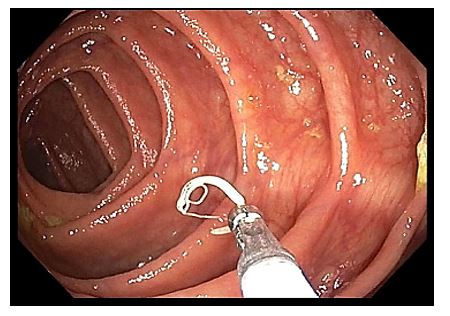
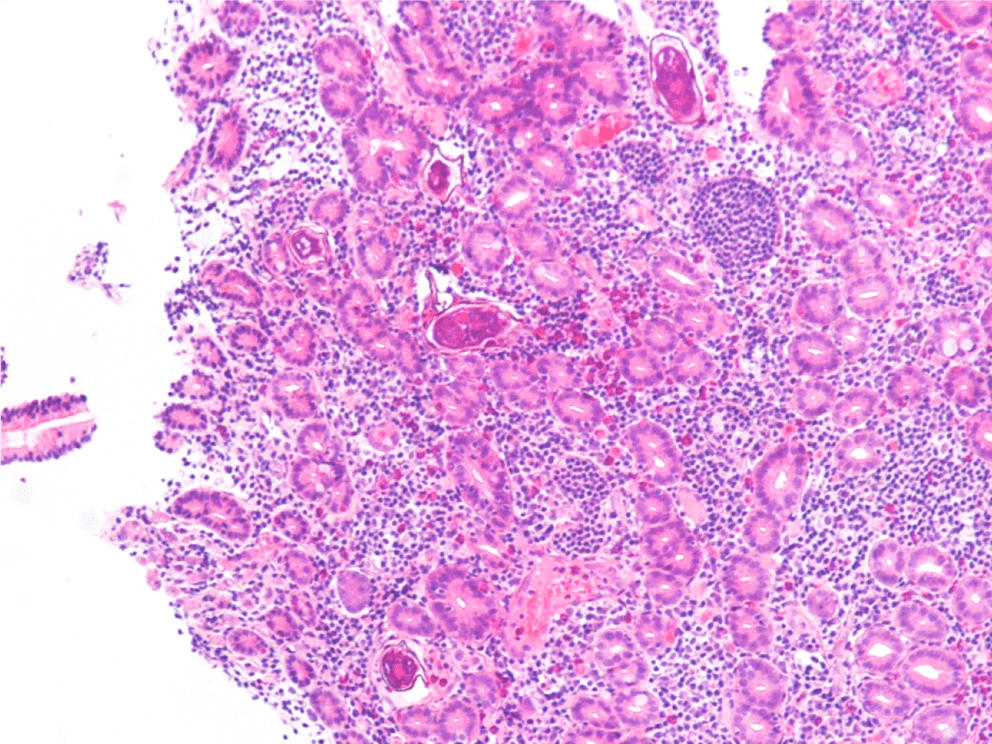
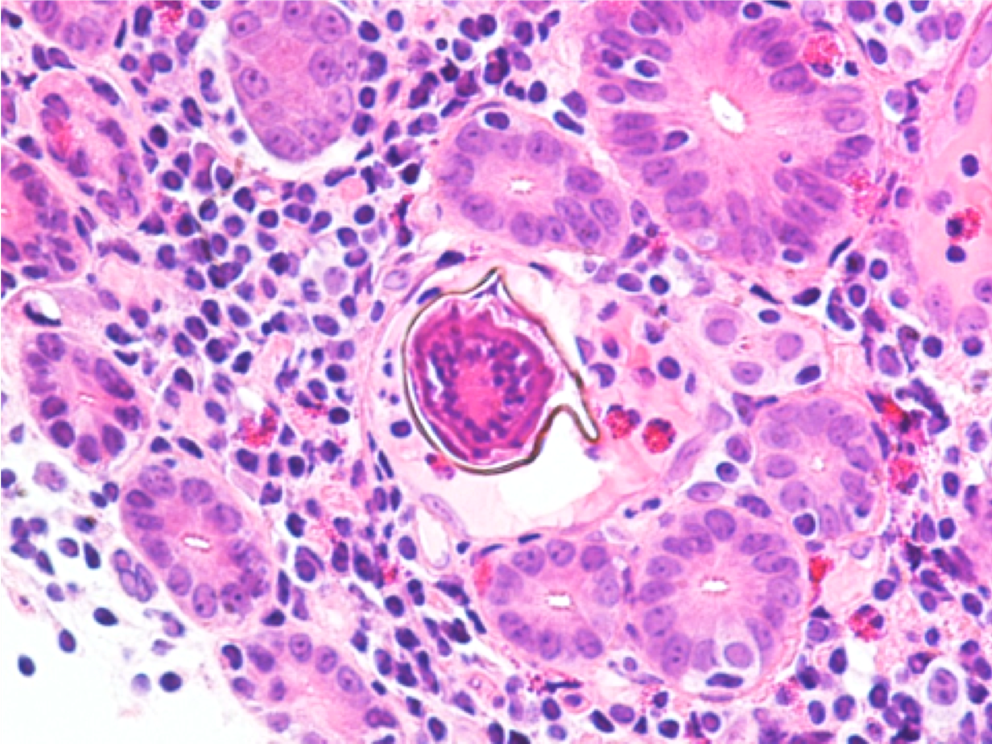
A 52-year-old female with no significant past medical history is seen for a routine annual examination and is scheduled for a colonoscopy due to her age being over 50 years. The colonoscopy was performed and an isolated single worm was found within the cecum (Images 1-2). The worm was removed with cold forceps and subsequently placed in paraffin and sectioned (Images 3-5).

Image 1. The worm is depicted within the cecum attached to the mucosal wall by its anterior end.
Image 2. The worm is captured using cold forceps.
Image 3. Hematoxylin and eosin stained section of the worm.
Image 4. Higher power magnification, showing eggs with distinctive characteristic bilateral polar plugs and barrel shape.
Image 5. Higher power magnification, showing eggs with distinctive characteristic bilateral polar plugs and barrel shape.

Discussion

The worm was identified as Trichuris trichiura. The common name for this organism is the whipworm. It belongs to the Nematode classification of parasites, which are commonly referred to as roundworms. Adults measure up to 5 cm in length and have a tapered or whip-like anterior end. The eggs measure 50 x 25 µm, and have brownish thick shells on stool smear. The eggs also have a barrel shape and distinctive protruding polar plugs at each end. These morphologic characteristics of the egg are diagnostic of Trichuris trichiura. The lack of a tissue migration phase and a relative lack of symptoms characterize whipworm infection, with only those with a heavy parasite burden becoming symptomatic. If these symptoms do arise, they are usually mild, ranging from loose stools with minimal blood loss and nocturnal stools, to iron deficiency anemia and vitamin deficiency. As parasite burden increases, however, symptoms can progress to dysentery, colitis, or rectal prolapse. Prolapse is more frequent in the Pediatric population, but has been described in adults as well.

Trichuris trichiura has one of the simplest of the Nematode life cycles. Eggs are unintentionally ingested, hatching in the small intestine by way of exploitation of signaling molecules from the intestinal microbiome. The larvae then burrow through the villi and continue maturing in the wall of the small intestine. They then return to the intestinal lumen, migrating to the cecum and subsequently into the large intestine, where they finish the process of maturation. Finally, the worm uses its anterior end to anchor into the bowel mucosa, where it feeds on tissue secretions and uses its posterior end for reproduction and laying eggs. Female worms can live from 1-5 years and can lay up to 20,000 eggs per day.

Whipworm infection is principally a problem in tropical Asia and, to a lesser degree, in Africa and South America. Children are most commonly infected, and can experience failure to thrive as well as cognitive and developmental defects. Transmission is by the fecal-oral route, explaining the large incidence of infection in children from developing countries, as they are far more likely to be in physical contact with soil and environmental contaminants, with subsequent placement of their fingers in their mouths. The fecal-oral route can also be facilitated by improper washing and cooking of fruits and vegetables, as well as overall poor hygiene, no matter what the geographical location. In the United States, whipworm infection is exceedingly rare. When it does happen, it is most commonly seen in the rural Southeast. Although it is rare, the incidence of infection is reported to be as high as 2.2 million individuals within the United States, with 1-2 billion cases worldwide.

Studies often reveal eosinophilia in nematode infections from ongoing tissue invasion. However, the lack of a tissue migration phase in Trichuris life cycles makes this a rare laboratory finding. Other studies such as anemia can give an indication to the presence of the worm. Characteristic egg morphology on stool smear remains the cheapest and easiest way to diagnose infection, but polymerase chain reaction using new sequencing techniques are now available in some laboratories to detect the presence of Trichuris with great sensitivity and specificity. The parasite burden can be quantified per gram of stool by the Kato-Katz technique. This procedure filters stool through mesh, with the filtered sample being placed within a template on a glass slide. The template is then removed and the remaining fecal material is removed with a piece of cellophane soaked in glycerol, leaving only eggs on the slide.

Discovery of T. trichiura in our patient was an unexpected finding, as our patient had no symptoms.  Asymptomatic detection of T. trichiura has been described in the past, so this finding is not unique. The medication of choice is mebendazole, showing a cure rate of 40-75%. The drug works well by inhibiting glucose uptake from the gastrointestinal tract of the helminth. However, this drug is very expensive, and as a result is difficult to obtain. The patient is currently receiving an alternative drug called albendazole as outpatient therapy and will be switched to mebendazole as soon as resources become available should the need remain. The patient is following up with her primary care physician and is expected to make a full recovery.

References

  1. Donkor, Kwame; Lundberg, Scott;
    https://emedicine.medscape.com/article/788570-overview. Trichuris trichiura (Whipworm) Infection (Trichuriasis).
  2. Sunkara T, Sharma SR, Ofosu A. Trichuris trichiura-An Unwelcome Surprise during Colonoscopy. Am J Trop Med Hyg. 2018 Sep;99(3):555-556. doi: 10.4269/ajtmh.18-0209. PubMed PMID: 30187847; PubMed Central PMCID: PMC6169157.

-Cory Gray, MD is a second year resident in anatomic and clinical pathology at the University of Chicago (NorthShore). His interests include hematopathology and molecular and genetic pathology, as well as medical microbiology.

-Erin McElvania, PhD, D(ABMM), is the Director of Clinical Microbiology NorthShore University Health System in Evanston, Illinois. Follow Dr. McElvania on twitter @E-McElvania. 

Microbiology Case Study: 41 Year Old Male with Complaints of Abdominal Pain for One Month

Case History

A 41 year old African male presented to the ED with complaints of abdominal pain, weight loss, and decreased appetite over one month. He immigrated from Zimbabwe 10 years prior, and most recently visited 4 months ago. His past medical history is non-contributory. He was found to have microcytic anemia (Hgb 9.3 g/dL, MCV 77.0 fL), pneumonia, and focal small bowel dilation with thickening and inflammatory changes on abdominal CT.

Endoscopy revealed a large, villous, infiltrative mass in the third portion of the duodenum. On histologic examination of the duodenum biopsy, viable Schistosoma eggs were seen within the vessels in the lamina propria and associated with adenocarcinoma (Images 1 and 2). Schistosoma mansoni eggs were identified on stool ova and parasite exam (Image 3), and serology was positive for Schistosoma IgG antibody.

Image 1. 10x objective magnification of a hematoxylin and eosin stained histology slide of the duodenal biopsy with associated adenocarcinoma and multiple eggs can be visualized.
Image 2. 40x objective magnification of a hematoxylin and eosin stained slide from the duodenal biopsy of a man from Africa who presents with abdominal pain who is found to have a mass on endoscopy. Seen is a viable egg with intact miracidium and no evidence of calcification.
Image 3. 100x oil immersion objective magnification of an iodine prep from a concentrated formalin-fixed stool specimen demonstrating a Schistosoma mansoni egg with its characteristic large lateral spine.

Discussion

Although this is not a common infection to encounter in the US, prevalence in endemic areas ranges from 30-100%. Infection occurs through contact with water contaminated with human feces; common circumstances are irrigation ditches as well as bathing and washing water.1

Schistosomiasis may be an indolent infection in many immunocompetent hosts. Chronic infection requires a shift from inflammatory TH1 response to a modulatory TH2 response.2 There is also evidence that Schistosoma infection may downregulate the immune response by inducing M2 differentiation of macrophages.3 These anti-inflammatory macrophages have been associated with a microenvironment favorable to malignancy. It has also been shown that S. mansoni is a risk factor for hepatocellular carcinoma (HCC) and colonic adenocarcinoma, possibly by altering p53 activation, initiation of chronic granulomatous response that blocks venules, increasing cell turnover, and promotion of ROS and RNOS production.4 Anti-idiotype antibodies produced in chronic infection may also down-regulate both specific and non-specific immune responses.5

This case is an unusual presentation in the US in that viable ova are typically not seen, and S. mansoni is more likely to involve the distal colon and liver rather than the small bowel. There is a known association between S. mansoni infection and HCC, and there are sporadic reports of association with tumors of the prostate, ovary, uterus, and cervix.5,6 To our knowledge however, there are no other reported cases of duodenal adenocarcinoma with concurrent schistosomiasis.

References

  1. Chai J and Jung B. Epidemiology of Trematode Infections: An Update. 2019. Adv Exp Med Biol. 1154:359-409.
  2. Barsoum RS, et al. Human Schistosomiasis: Clinical Perspective: Review. 2013. Journal of Advanced Research. 4:433-44.
  3. Hussaarts L, et al. Chronic helminth infection and helminth-derived antigens promote adipose tissue M2 macrophages and improve insulin sensitivity in obese mice. 2015. FASEB J. 29(7):3027-39.
  4. El-Tonsy MM, et al. Schistosoma mansoni infection: Is it a risk factor for development of hepatocellular carcinoma? 2013. Acta Trop. 128(3):542-7.
  5. Palumbo E. Association Between Schistosomiasis and Cancer. 2007. Infectious Diseases in Clinical Practice. 15(3):145-8.
  6. Peterson MR and Weidner N. Gastrointestinal neoplasia associated with bowel parasitosis: real or imaginary? 2011. J Trop Med. 2011:234254.

-Daniel Welder, MD is a second year Clinical Pathology resident at UT Southwestern Medical Center in Dallas, Texas. He has interests in Hematopathology, Transfusion Medicine and dabbles in Microbiology.

-Dominick Cavuoti, DO is a Professor at UT Southwestern in the Department of Pathology. He is multifaceted and splits his time as the Medical Director of the Parkland Hospital Clinical Microbiology Laboratory and Parkland Cytology attending among other administrative and educational activities.

-Clare McCormick-Baw, MD, PhD is an Assistant Professor of Clinical Microbiology at UT Southwestern in Dallas, Texas. She has a passion for teaching about laboratory medicine in general and the best uses of the microbiology lab in particular.

Microbiology Case Study: A 52 Year Old with a Liver Abscess

Clinical history

A 52 year old patient with a history of recent travel to India presented to interventional radiology from an outside hospital for aspiration of a liver abscess, and was subsequently returned to the outside hospital. The patient had spent 2 months in India before returning to the US, and about 1 month later developed right upper quadrant pain. Abdominal CT showed 2 cystic masses measuring 2-4cm. Aspiration of the cysts yielded 0.5mL of bloody fluid, which was sent for bacterial culture and smear. Infectious disease prescribed antimicrobial treatment consisted of ceftriaxone and metronidazole, followed by paromomycin and levofloxacin.

Laboratory findings

A gram smear of the patient’s liver mass aspirate showed few neutrophils and no bacteria. Culture of the aspirate showed no growth at 5 days. Multiple sets of blood cultures collected at the outside hospital all showed no growth at 5 days.

Image 1. Entamoeba coli trophozoite seen in the patient’s stool ova and parasite exam, demonstrating an eccentric karyosome and coarse, irregular peripheral chromatin.

A single ova and parasite exam of the patient’s stool was sent and showed few Entamoeba coli trophozoites. A sample of the patient’s blood was sent to the Mayo reference lab for serum Entamoeba histolytica antibody testing, which came back positive. Stool was sent for Entamoeba histolytica antigen testing which was negative.

Discussion

Entamoeba coli is a non-pathogenic protozoan that can exist as a commensal organism in the human gastrointestinal tract. This organism has not been established to have any disease causing effect per se, but its presence may indicate exposure to water sources that could contain parasitic organisms. (3)

Entamoeba histolytica, by contrast, is a parasitic protozoal pathogen. Most infections are asymptomatic, but they can manifest as amebic dysentery or extraintestinal disease. The most common extraintestinal manifestation is amebic liver abscesses.1

Intestinal amebiasis occurs via ingestion of amebic cysts, typically through contaminated food or water, but also through other forms of fecal-oral contact. Infections are seen most commonly in areas with poor sanitation, but can be found in developed countries in patients who have migrated from or traveled to endemic areas.2

Once the amebic cysts pass into the small intestine, they form trophozoites, which are able to penetrate the mucous barrier of the gut and destroy intestinal epithelial cells. This leads to blood and mucus in the stool. (2) Once the amebae penetrate the gut wall, they are able to reach the blood and ascend through the portal system to the liver and form amebic liver abscesses.3

Clinical presentation of these abscesses typically includes right upper quadrant pain and fever in a patient with a history of travel to an endemic area. Serologic testing is used for confirmation if clinical presentation and imaging are suggestive, but this cannot distinguish between current infection and prior exposure, and up to 35 percent of uninfected inhabitants of endemic areas show positive serology.3 Stool microscopy may be the initial, and indeed only test available in some areas, but cannot differentiate E. histolytica from non-pathogenic E. dispar and E. moshkovskii strains.2

Image 2. E. histolytica trophozoite with ingested red blood cell, visible as a dark inclusion, as well as demonstrating a central karysome and fine, uniformly distributed chromatin. (CDC: https://www.cdc.gov/dpdx/amebiasis/index.html) Erythrophagocytosis is suggestive of E. histolytica.

Empiric treatment in the setting of consistent epidemiology, clinical picture, and radiology consists of metronidazole or tinidazole for tissue clearance followed by paromomycin, diiodohydroxyquin, or diloxanide furoate for intraluminal clearance.

Infectious diseases was taking care of this patient and decided her clinical syndrome is probably extraintestinal Entamoeba histolytica amoebiasis based on the results of the CT findings and the antibody in the right clinical setting.  Although her stool ova and parasite only showed Entamoeba coli, she clearly has been exposed to contaminated food or water.  In addition, the Entamoeba histolytica stool antigen was negative, but this can be an insensitive test.

References

  1. Leder, Karin, and Peter F. Weller. “Extraintestinal Entamoeba histolytica amebiasis.” UpToDate, Wolters Kluwer, 27 Jan. 2020, http://www.uptodate.com/contents/extraintestinal-entamoeba-histolytica-amebiasis?search=entamoeba%20histolyticatreatment&topicRef=5727&source=see_link. Accessed 4 Feb. 2020.  
  2. Leder, Karin, and Peter F. Weller. “Intestinal Entamoeba histolytica amebiasis.” UpToDate, Wolters Kluwer, 27 Jan. 2020, http://www.uptodate.com/contents/intestinal-entamoeba-histolytica-amebiasis?search=entamoeba%20histolyticatreatment&source=search_result&selectedTitle=1~46&usage_type=default&display_rank. Accessed 4 Feb. 2020.
  3. Weller, Peter F. “Nonpathogenic enteric protozoa.” UpToDate, Wolters Kluwer, 25 July 2019, http://www.uptodate.com/contents/nonpathogenic-enteric-protozoa?search=entamoeba%20coli%20treatment&source=search_result&selectedTitle=1~6&usage_type=default&display_rank=1. Accessed 4 Feb. 2020.

-Tom Koster, DO is a 1st year Anatomic and Clinical Pathology Resident at the University of Vermont Medical Center.

-Christi Wojewoda, MD, is the Director of Clinical Microbiology at the University of Vermont Medical Center and an Associate Professor at the University of Vermont.

Microbiology Case Study: A Man with History of ALL Presents with Fever and Diarrhea

Clinical History

A man in his 40’s with a past medical history of acute lymphoblastic leukemia/lymphoma (in remission), multiple infections including bacteremia and pulmonary aspergillosis, presented to the hospital with fever and diarrhea. Over the course of his stay, he had worsening renal function and developed profound hypotension and shock, which prompted initiation of two vasopressors and high-dose steroids. Eventually he developed acute hypoxic respiratory failure, requiring intubation. Complete blood count demonstrated an absolute eosinophilia of 8.58 x10⁹/L (reference range 0.04-0.62 x10⁹/L). Imaging revealed bilateral pulmonary infiltrates and a pleural effusion. Respiratory culture with gram stain was ordered for his tracheal aspirate, which revealed few polymorphonuclear cells, many gram-negative rods, yeast, and larvae of Strongyloides stercoralis (Image 1A). Wet mounts of the tracheal aspirate revealed numerous larvae and a few eggs of S. stercoralis (Image 1B-C); many of the larvae were motile (Movie 1). Stool examination of ova and parasites (O & P) were positive for larvae. Given the burden of organisms and prior administration of steroids, he was diagnosed with severe strongyloidiasis, consistent with hyperinfection. Concurrent blood cultures grew Enterococcus faecalis and Stenotrophomonas maltophilia; the respiratory culture also grew S. maltophilia, and tracks from the migrating larvae were observed on respiratory culture bacterial media (Image 1D).

Image 1. Tracheal aspirate Gram stain with S. stercoralis larvae, 100x objective magnification (A). Wet mount of tracheal aspirate revealing larvae (B) and eggs (C), 40x objective magnification. Blood agar plate growing S. maltophilia in an abnormal pattern, indicating motile larvae tracking through the agar (D).

Discussion

Strongyloidiasis is a spectrum of clinical disease caused by the nematode Strongyloides stercoralis.1,2 Descriptions of acute infection have been described in other Lablogatory entries here,3,4 and the full lifecycle is described in detail on the CDC DPDx website.5

Severe strongyloidiasis includes the syndromes of hyperinfection and disseminated disease. Hyperinfection is when there is an elevated burden of the typical autoinfection cycle involving the lungs and GI-tract. Usually there is an antecedent immunosuppressive event, such as administration of corticosteroids. Within the GI-tract lumen, increased numbers of rhabditiform larvae transform into the infective filariform larvae, which traverse the GI mucosa, migrate to the lungs via bloodstream/lymphatics where they enter alveolar air spaces, then ascend the respiratory tract, and are coughed up by the host and swallowed to re-enter the GI tract. In the GI tract adult females lay eggs through parthenogenesis, which give rise to further rhabditiform larvae. In extreme cases of hyperinfection, adults can be found in the lungs, where they may also lay eggs. Finding eggs in respiratory specimens is unusual, and may be related to the burden of disease.6

Disseminated disease is when larvae can be found in any additional organs/organ systems, such as the central nervous system, kidneys, liver, adrenals, etc. Invasive sampling is not typically performed, and larvae can be observed at autopsy.

Laboratory diagnosis of S. stercoralis involves identification of rhabditiform larvae in stool O &P exam; the presence of adults or eggs in stool is rare. Rhabditiform larvae have short buccal cavities and an ovoid genital primordium structure midway through the body (Movie 2). O&P exams can be performed on other body fluids, such as sputum and CSF. Serology can be useful to identify past exposure, especially prior to initiating immunosuppressive therapeutics such as corticosteroids. A nonspecific finding can be observed, as in this case, in the complete blood cell count and differential. Relative and absolute eosinophilia can be found in patients with parasitic infections; therefore, it is reasonable to rule out parasitic infection in this subset of patients. In the case presented here, the absolute eosinophilia was likely due to a persistent S. stercoralis infection, since these nematodes can live in the human host for decades.

The treatment of choice for severe strongyloidiasis is oral ivermectin, though albendazole is an alternative therapy. In some instances, subcutaneous ivermectin administration may be used.7

Follow-up

Oral ivermectin was administered to treat the strongyloidiasis and antibiotics were administered to treat the bacterial infections. Over the coming days, serial tracheal aspirates continued to reveal many larvae and eggs, so therapy was escalated to subcutaneous ivermectin. Over the course of therapy, the patient developed a fungemia with Candida guilliermondii. Despite aggressive antimicrobial therapy and intensive care, the patient remained hypoxemic and hypotensive. The family decided to transition to comfort measures and the patient passed away.

References

  1. Maguire JH. Intestinal Nematodes (Roundworms), in Mandell, Douglas, and Bennett’s Principles and Practice of Infectious Diseases, B. Mandell, Dolin, Editor. 2010, Elsevier: Philadelphia, PA. p. 3577-3586.
  2. Parasitology, in Koneman’s Color Atlas and Textbook of Diagnostic Microbiology, Procop et al., Editors. 2017, Lippincott Williams & Wilkins: China. p. 1452-1454.
  3. Kaur J, Stempak L. An 81 Year Old Female with Persistent Fevers. Lablogatory 2019 [cited 2019 11/5/2019]; Available from: https://labmedicineblog.com/2019/04/23/microbiology-case-study-an-81-year-old-female-with-persistent-fevers/.
  4. Mohammed M, Wojewoda C. A 47 Year Old Male with Abdominal Pain and Diarrhea. Lablogatory 2016 [cited 2019 11/5/2019]; Available from: https://labmedicineblog.com/2016/05/16/microbiology-case-study-a-47-year-old-male-with-abdominal-pain-and-diarrhea/.
  5. Centers for Disease Control. Strongyloidiasis. DPDx 2019 [cited 2019 11/5/2019]; Available from: https://www.cdc.gov/dpdx/strongyloidiasis/index.html.
  6. Keiser PB and Nutman TB. Strongyloides stercoralis in the Immunocompromised Population. Clin Microbiol Rev, 2004. 17(1): p. 208-17.
  7. Hurlimann E and Keiser J, A single dose of ivermectin is sufficient for strongyloidiasis. Lancet Infect Dis, 2019. 19(11): p. 1150-1151.

-IJ Frame, MD, PhD, Microbiology Fellow, University of Texas Southwestern Dallas, Texas

-Clare McCormick-Baw, MD, PhD is an Assistant Professor of Clinical Microbiology at UT Southwestern in Dallas, Texas. She has a passion for teaching about laboratory medicine in general and the best uses of the microbiology lab in particular.

Microbiology Case Study: An 18 Year Old with Fever, Chills and Abdominal Pain

Clinical History

An 18 year old male presented to the emergency department (ED) with fever, chills, and generalized lower abdominal pain. He noted the fever began 6 days ago and had been intermittent since that time. He also reported nausea and vomiting with a decrease in appetite. The patient was from India and was treated for malaria 8 months ago, directly prior to arrival in the United States. He stated he received three days of intravenous medications with resolution of symptoms. In the ED, his vitals were blood pressure 129/75, heart rate 133, temperature 104.1°F, respirations 20, and 99% oxygen saturation on room air. On physical exam, patient had mild jaundice and scleral icterus and severe right lower quadrant pain on palpation. CT scan of the abdomen showed mesenteric adenitis, but no appendicitis. Initial laboratory testing showed a mild anemia and thrombocytopenia (hemoglobin 12.1 g/dL, hematocrit 35.9%, platelets 78,000 TH/cm2) and increased indirect bilirubin (2.67 mg/dL). The patient received piperacillin-tazobactam while blood and urine cultures as well as a malaria smear were pending.  

Laboratory Identification

The BinaxNOW lateral flow immunochromatographic assay for Plasmodium spp. was performed.

Image 1. The BinaxNOW assay was positive for malaria protein antigen, representing P. vivax, P. ovale, P. malariae, or a mix of these species.
Image 2. A thin smear showed amoeboid gametocytes in enlarged red blood cells as compared to uninfected cells (Giemsa stain, 100x oil immersion).
Image 3. A thin smear showed very rare trophozoites with thick chromatin bands and single, large chromatin dots (Giemsa stain, 100x oil immersion).

The positive BinaxNOW results and morphologic findings on smear review were most consistent with a P. vivax infection. The level of parasitemia was approximately 0.2%. Blood and urine cultures were negative.

Discussion

Malaria classically presents with fever and chills, weakness, headache, myalgias, nausea, and vomiting in patients who live in tropical and subtropical regions. The four most common species that infect humans through transmission by the female Anopheles mosquito include P. falciparum, P. vivax, P. ovale, and P. malariae. If malaria is not diagnosed and treated in a timely manner, complications including anemia, thrombocytopenia, renal failure, acute respiratory distress syndrome (ARDS), and cerebral malaria can result. P. falciparum is the most deadly species due to the parasite’s ability to cause high levels of parasitemia.  

In laboratories in the United States, malaria testing often times incorporates Plasmodium spp. antigen detection via the BinaxNOW assay and peripheral blood smears. While the performance of the BinaxNOW is acceptable, particularly for P. falciparum, thick and thin peripheral blood smears remain the gold standard for malaria diagnosis, especially when the parasitemia level is low. The thick blood smear allows for screening a large amount of blood for malarial parasites and the thin smear allows for species identification and assessment of parasitemia. Ideally, multiple blood smears obtained from different times of the day should be collected in order to exclude the diagnosis. The window prior to a febrile spike is the best time to obtain the specimen, as the number of circulating parasites is greatest.

Clinically, the most important distinction is between P. falciparum and all other species. A number of features including the morphology of the trophozoites, schizonts, and gametocytes, size of the infected red cells, the presence of multiply infected red blood cells, and the region that the patient lives in or traveled to are helpful in determining species level identification.

P. vivax infects enlarged, young red blood cells and multiple trophozoites may be present in one red blood cell. The trophozoites have thick, blue cytoplasm and usually one, large chromatin dot. The schizont can contain 12 to 24 merozoites and the gametocyte is large and oval in shape. Schuffner’s stippling and malarial pigment are common. It is important to correctly identify P. vivax and P. ovale as they have hypnozoite forms in the liver and patients can relapse unless they are treated with an additional medication to eradicate these forms.

In the case of our patient, he received chloroquine, the treatment of choice for P. vivax arising in India. Primaquine and tafenoquine are both options for eradication of the hypnozoite form in the liver. These medications can cause hemolytic anemia in patients with glucose-6-phosphate dehydrogenase (G6PD) deficiency so quantification of the enzyme is required prior to administering therapy. Our patient had normal G6PD levels and received tafenoquine as well. 

-Karla Perrizo, MD, is a clinical pathology resident at the University of Mississippi Medical Center.

-Lisa Stempak, MD, is an Assistant Professor of Pathology at the University of Mississippi Medical Center in Jackson, MS. She is certified by the American Board of Pathology in Anatomic and Clinical Pathology as well as Medical Microbiology. She is the Director of Clinical Pathology as well as the Microbiology and Serology Laboratories. Her interests include infectious disease histology, process and quality improvement, and resident education.