
The Importance of Recognizing Gender Identity in Death

Despite being a forensic pathologist, I (and many of my colleagues) still consider our work “patient care.” The people we autopsy are our patients, even though they have not actively sought care. Knowing this, forensic pathologists understand that we still must maintain our patient’s dignity and provide compassionate care, even after their death. Not infrequently, they are people who, in life, avoided doctors and hospitals for many reasons – a distrust of mainstream medical establishments, financial insecurity, previous negative experiences with medical care, or a combination of all three. Yet because they have no documented medical history or physician to sign their death certificate, we are the last doctor they see.

Transgender people, unfortunately, often fall into this category. Studies have shown that transgender people are more likely to experience poverty and food insecurity, and they have often had negative experiences while seeking healthcare. There is data to suggest that transgender and other gender diverse individuals are at increased risk of violent death, including homicide and suicide.

Before continuing, it may be helpful to review some definitions. “Sex” refers to the phenotypic markers of one’s chromosomes. In contrast, “gender” refers to a self-assigned identity, based on societal constructs of expected appearances and behaviors. At birth, one’s assigned gender often defaults to the phenotypic sex. As one becomes older, people may begin to realize that their gender identity and manner of expression differs from the gender assigned at birth – and hence, they may self-identify as “transgender” or “non-binary”.

Unfortunately, the available evidence regarding health risks for transgender people is limited by the lack of data collection in death investigation. Death certificates in most states do not offer a “transgender” or “non-binary” option. Legally the physician signing the certificate may be compelled to put the assigned gender at birth, if it was never formally changed on legal identification documents. Some national databases of violent or drug-related deaths include a checkbox to mark an individual as non-binary or transgender, but this may be omitted if the person entering the data is unsure of the definition or is unaware of the decedent’ gender identity. Additionally, transgender people are often misgendered in investigative and media reports. This has been described as a “nonconsensual detransitioning”, which leads some transgender individuals to worry about how they will be remembered after death.

This misgendering and erasure of an individual’s identity contributes to two distinct problems. The first problem is direct harm to the deceased, by disrespecting their self-identity, and contributing to distrust of the medical profession by the transgender community. The second is a lack of quality public health data to enumerate risks and identify where preventative efforts are best focused.

It is only within the past 5 to 10 years that changes are being made to infrastructure systems to better collect this data. There are also increasing efforts to educate death investigators on documenting and asking questions about sexual orientation and gender identity (aka “SOGI”) data. In death, we have an obligation not only to maintain the dignity of our patient, but to collect accurate and complete data to identify existing threats to public health. Government executive orders notwithstanding, transgender and non-binary people exist. And they deserve compassionate and affirming medical care, in both life and death.

REFERENCES

Fedor, Juniper MS, PA (ASCP)CM; Krywanczyk, Alison MD; Redgrave, Anthony EdD. Gender Identity in Forensic Death Investigation: A Narrative Review and Suggested Guidelines for Documenting and Reporting. The American Journal of Forensic Medicine and Pathology 45(3):p 231-241, September 2024.

Blosnich, John R. PhD, MPH; Butcher, Barbara A. MPH; Mortali, Maggie G. MPH; Lane, Andrew D. MSEd; Haas, Ann P. PhD. Training Death Investigators to Identify Decedents’ Sexual Orientation and Gender Identity: A Feasibility Study. The American Journal of Forensic Medicine and Pathology 43(1):p 40-45, March 2022.

Rummler, Orion. ‘They’re erased’: When trans people are misgendered after death, the consequences extend beyond paper. The 19th. Published Jan. 11 2023. Available at:https://19thnews.org/2023/01/trans-people-misgendering-death-certificates/

Walters, Jaime K. MPH; Mew, Molly C. MPH; Repp, Kimberly K. PhD, MPH. Transgender and Nonbinary Deaths Investigated by the State Medical Examiner in the Portland, Oregon, Metro Area and Their Concordance With Vital Records, 2011-2021. Journal of Public Health Management and Practice 29(1):p 64-70, January/February 2023.

Alpert AB, Mehringer JE, Orta SJ, Hernandez T, Redwood EF, Rivers L, Manzano C, Ruddick R, Adams S, Sevelius J, Belanger E, Operario D, Griggs JJ. Transgender People’s Experiences Sharing Information With Clinicians: A Focus Group-Based Qualitative Study. Ann Fam Med. 2023 Sep-Oct;21(5):408-415. doi: 10.1370/afm.3010.

-Alison Krywanczyk, MD, FASCP, is currently a Deputy Medical Examiner at the Cuyahoga County Medical Examiner’s Office.
Death in the Bathtub: A Classic Forensic Scenario

When the Medical Examiner’s office receives a report of someone dead in a bathtub, the reporting party often presumes that the individual must have drowned. Yet deaths in bathtubs can be surprisingly complex. We initially discussed drowning back in June of 2023 but to summarize, drowning is a diagnosis of exclusion. The few signs of drowning at autopsy (pulmonary edema, watery fluid in the stomach and sinuses), are neither sensitive nor specific, so it is critical to exclude other potential causes of death. Particularly when a bathtub (or hot tub) is involved, a methodical step-by-step approach is helpful to avoid jumping to inaccurate conclusions.

The first step for us is to determine if the tub contained water. While this may sound obvious, this critical detail isn’t always reported initially. The first person on scene often reflexively turns off running water and opens the drain – and (understandably) in the heat of the moment, this alteration of the scene might not be documented. Our investigators are experienced at identifying indirect evidence of a wet bathtub, such as a water line, wet clothing, or wet sponges and washcloths.

Simply having water in the tub isn’t sufficient, though. We need to know whether the person’s nose and mouth were beneath the water. Sometimes, the physical dimensions of the tub and the position in which the person was found are incompatible with complete submersion. If the body has been moved, though, this evidence may be lost. Conversely, just because someone’s face is under the water doesn’t prove that they drowned; someone may die suddenly from heart disease while filling the tub, for example, and subsequently the water rises.

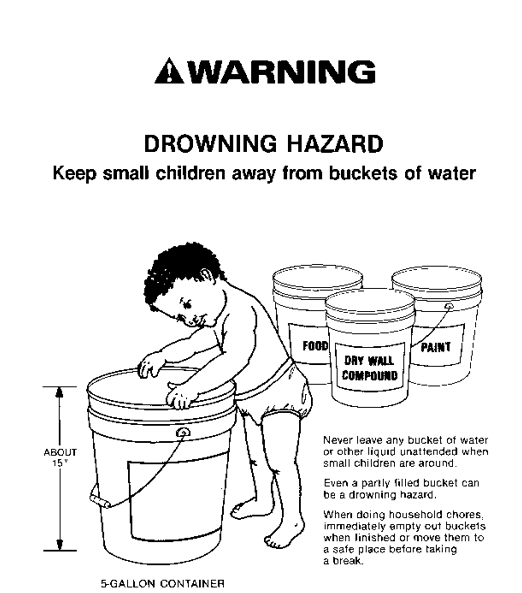
As mentioned earlier, there are no pathognomonic signs of drowning at autopsy. This isn’t necessarily a problem in the proper context. Take this example: a person who doesn’t know how to swim (and isn’t wearing a flotation device), falls out of a boat into a natural body of water. The body is recovered a day later. An autopsy reveals no “typical” drowning findings, but no other potential causes of death. In this scenario, drowning is the only remaining reasonable option for a cause of death. But to diagnose drowning in a shallow body of water, we need to explain why the person couldn’t escape the environment. In other words, in a bathtub, why didn’t the decedent just sit up? Sometimes, the reason is the age of the deceased – infants or young toddlers clearly can’t escape a deep bathtub, but even large buckets can be dangerous if they fall head-first (figure 1). Elderly and frail individuals, or those with neuromuscular conditions, may be unable to pull themselves up to a sitting position. Conditions like epilepsy can be dangerous if a seizure occurs while the person is bathing, and intoxication by alcohol, opiates, or other sedative-hypnotic drugs may cause someone to lose consciousness and slip beneath the water.

As you can see, there are a lot of avenues for interrogation investigating a death in a bathtub. That’s why these cases can be excellent examples of forensic casework – the correct answer is only identified following thorough scene investigation, autopsy, toxicology, and a review of the medical history.

Figure 1: This illustration released by the U.S. Consumer Product Safety Commission warns that 5-gallon buckets, in particular, are a drowning hazard for young children.

References:

United States Consumer Product Safety Commission. “Large Buckets are Drowning Hazards for Young Children”. Originally published 07/12/1989. Available at: https://www.cpsc.gov/Newsroom/News-Releases/1989/Large-Buckets-Are-Drowning-Hazards-For-Young-Children

-Alison Krywanczyk, MD, FASCP, is currently a Deputy Medical Examiner at the Cuyahoga County Medical Examiner’s Office.

Death in Custody

When a person dies in police custody, forensic pathologists are responsible for performing an autopsy and determining cause and manner of death. While many people think “in custody” specifically means “in jail”, custody technically begins whenever the individual perceives that their freedom is being restricted. This leads to a broader timeline which can be divided into two main sections – the “pre-custody” and “custody” phases.

The “pre-custody” phase begins with the first interaction with law enforcement when the individual can no longer leave at will. Note that this does not necessarily mean they are under arrest, and it doesn’t necessarily involve physical contact. A wide variety of situations are therefore encompassed in this definition – it can mean a patrol office stopping (or “detaining”) someone on the street to ask questions, a police car putting on lights and sirens to pull someone over, or law enforcement arriving at a home with a lone person in crisis barricaded inside. This may seem like an excessively broad definition, but including this phase is necessary to capture deaths that occur during police pursuit and/or before apprehension. These are myriad and include deaths from blunt force injuries sustained in motor vehicle accidents, self-inflicted or other-inflicted gunshot wounds during a stand-off, or even a myocardial infarct (heart attack) while fleeing on foot. It isn’t hard to believe that amongst these many scenarios, some of these deaths could be preventable by policy changes or education. Without categorizing these deaths as in custody, we have no way of being able to review them and identify areas for potential improvement.

Once the individual is under physical control by law enforcement, the custody phase begins. This phase continues throughout incarceration until release (or, less commonly, judicial execution). Again, the types of deaths during this phase are widely variable and include natural diseases, accidental overdoses, suicidal hangings, and homicidal deaths from inflicted injuries. Because prisoners are a vulnerable population, unable to independently access medical care or report mistreatment, complete investigation and autopsy are needed. Even if prisoners are transported to the hospital for care and may be considered “discharged” from prison, they must be considered a custody death and reported to our office. After all, if the injury was sustained (or the disease began) while they were incarcerated, we need to make sure that foul play or neglect did not play a role.

During the autopsy, additional procedures are done to rule out occult trauma. The subcutaneous soft tissues of the wrists and ankles are examined, to identify injuries that may be associated with restraints. In situ examination of the muscles and cartilage of the neck can clarify whether pressure was placed on the neck (i.e. a chokehold). Given the degree of public interest, full transparency is of the utmost importance. Therefore, additional photographs (of both positive and negative findings) are performed to ensure reproducibility of the findings.

The public discourse around these deaths can be emotionally and politically heated, which is why it is so important that forensic pathologists and medical examiners are empowered to render scientific, unbiased opinions. In many areas of the United States, the death investigation system is run by a Coroner (an elected official). In some regions, the medical examiner is under the authority of the Sheriff. This problem was highlighted in 2017 in San Joaquin County, CA, when both the forensic pathologists resigned. Their resignation announcement informed the public that the Sheriff-Coroner was overruling their findings on death in custody. Subsequent legal changes were made to hopefully remedy the problem, but similar conflicts of interest exist in many other jurisdictions. If there is pressure from a politician or law enforcement, then forensic pathologists may not be able to fulfill their role of providing an impartial and scientific assessment of the facts.

It’s important to remember that our manner of death determination does not necessarily imply criminal actions. Most often, a ruling of homicide for an in-custody death doesn’t result in legal prosecution (think of the example of a person shot while pointing a gun at police). The autopsy can even help dispel concerns over excessive force or medical neglect. But without transparency and freedom from influence, the results will be viewed with suspicion. Deaths in custody therefore provide a crucial example of why forensic pathologist independence is a foundational element of death investigation.

References:

Prados MJ, Baker T, Beck AN, Burghart DB, Johnson RR, Klinger D, Thomas K, Finch BK. Do Sheriff-Coroners Underreport Officer-Involved Homicides? Acad Forensic Pathol. 2022 Dec;12(4):140-148. doi: 10.1177/19253621221142473.

Mitchell RA Jr, Diaz F, Goldfogel GA, Fajardo M, Fiore SE, Henson TV, Jorden MA, Kelly S, Luzi S, Quinn M, Wolf DA. National Association of Medical Examiners Position Paper: Recommendations for the Definition, Investigation, Postmortem Examination, and Reporting of Deaths in Custody. Acad Forensic Pathol. 2017 Dec;7(4):604-618. doi: 10.23907/2017.051.

-Alison Krywanczyk, MD, FASCP, is currently a Deputy Medical Examiner at the Cuyahoga County Medical Examiner’s Office.

Bearing Witness

One of the relatively unique components of forensic pathology is the experience of testifying in court. While it isn’t something we do on a daily basis (or even weekly), being well-prepared is an important professional responsibility. After all, another person’s life and freedom can be in the balance.

The most common situation in which we’re called to testify are homicides. Usually these involve gunshot wounds, but they may also involve blunt force, sharp force, or even caretaker neglect. Yet even deaths ruled ‘accidental’ in manner may end up in a court of law – for example, motor vehicle accidents. Occasionally, if there are concerns about the quality of medical care or negligence, we end up involved in civil lawsuits for wrongful death or medical malpractice.

Forensic pathologists are considered “expert witnesses” when they give testimony. The opposite of “expert witness” is a “fact witness.” Fact witnesses are only allowed to testify to their own personal experience – what they’ve seen or heard directly. In contrast, expert witnesses are able to interpret evidence (e.g. autopsy findings) and offer opinions. In order to be allowed to testify as an expert, one’s qualifications must first be recognized and approved by the court. As such, the initial questions we answer are fairly mundane and directed toward eliciting our training history, board certifications, and licensures.

In TV courtroom dramas, testifying is a fraught experience – the question-and-answer sessions are witty, emotionally charged, and often end with some unexpected bombshell. As usual, though, real life fails to be quite as entertaining. My job as a forensic pathologist is to remain emotionally neutral and do the best job I can explaining my findings in a clear and concise manner. The questions, from both prosecution and defense attorneys, are usually straightforward and fair – focused on the autopsy, and what can or cannot be concluded from them. Most importantly, I don’t have any professional stake in the outcome of a trial. The determination of the defendant’s guilt or innocence most often depends on investigative findings beyond those identified at autopsy. Take the example of gunshot wounds – while I can enumerate and describe the individual wounds, I don’t have any information which might identify the person holding the gun. It’s a common misconception that the forensic pathologist is on the “side” of the prosecution – probably because we’re almost always called to testify by the prosecution. But if our ruling doesn’t support the presence of foul play or trauma, any criminal charges fizzle out long before a trial. The evidence I present may not be completely favorable to the prosecution’s version of events, either, which is why it’s so important the defense attorney has the opportunity to bring this information to light.

There are occasions where the autopsy findings are more critical – perhaps in distinguishing a homicide from a suicide or accident. In these cases, an opposing expert witness may be hired by the defense team to critique my report or offer a contrasting opinion. It’s crucial to not take this development personally. The legal system is adversarial by nature, and those charged with a crime are entitled to the best defense possible. Sometimes that requires obtaining another opinion, much like any living patient can seek a second opinion for a serious diagnosis. Maintaining this neutral mentality helps one to stay focused, even in the face of questions which might feel inflammatory or misdirected.

The first time in court can feel very intimidating, with two tables full of lawyers, a judge, and at least twelve jurors paying close attention. For any witness, remembering that you’re only there to speak to the truth might help to calm any nerves. Maintaining a neutral mindset helps keep the focus where it should be – on the science.

-Alison Krywanczyk, MD, FASCP, is currently a Deputy Medical Examiner at the Cuyahoga County Medical Examiner’s Office.

Changing the Way We Talk about Domestic Violence

Language can have an indirect but profound impact on perception. The words we use to describe events can change how the act is interpreted, either consciously or subconsciously.

With that in mind, the way professionals and media speak about domestic violence (DV) often leaves much to be desired. Predictably, assaults and murders are described as “incidents” or “episodes”. This gentle substitution is a way to sanitize the physical and emotional trauma for a general audience. It is so commonly used that many professionals implicitly recognize ‘incident’ and ‘situation’ as a code for ‘abuse’. Yet these seemingly innocuous terms of convenience diminish the significance of the event. An “incident” is something small; a fender bender, or two people arguing in the security line at an airport. Tensions are raised but nobody is hurt, and things are soon back to normal. To label something an incident suggests it is of minimal importance to the general population. But when speaking about DV, this isn’t true. Unfortunately, the scope of the problem is incredibly wide. One study from the U.S. indicated 35.6% of women and 28.5% of men will be victims of DV in their lifetime (1). So even if you have not personally experienced it, you absolutely know someone who has (whether you know it or not). Every time someone is injured or murdered in a domestic violence “incident”, the entire community bears the loss – whether it is the loss of a friend, a parent, a co-worker, or all three.

In one relatively recent example, the District Attorney of Norfolk, Massachusetts described a double murder followed by suicide as a ‘domestic violence situation’ and a ‘domestic incident’. He stated it was ‘confined’ in the typically ‘nice neighborhood…safe community’. This ignores the obvious contradiction – safe community for most might be a better statement. But perhaps the most glaring mischaracterization is calling a crime of this nature ‘confined’. The intent is easy to interpret – there is no immediate threat to the safety of other residents – and that is an important piece of information. But to treat an act of violence so dismissively in a press conference is dishonest and diminishes the repercussions for the family, friends, and community of the victims. The effects reverberate through surviving family and friends in the community. There is nothing ‘confined’ about the effect of homicidal violence on a community. To speak about it that way treats the victims as though they were property of the perpetrator.

Relegating homicide to the category of ‘incident’ also dampens the emotional response to the loss. To place this in perspective, we would never describe the natural death of an elderly individual as a ‘cardiac incident’, or a fatal car crash as a ‘motor vehicle incident’. By allowing this compartmentalization, there is less public urgency to investigate the root causes and implement prevention efforts.

There are multiple tiers of responsibility. Media cannot do a better job reporting on these crimes if the professionals who autopsy, prosecute, and investigate cannot improve the language used. As one of the professionals who has used the term ‘incident’, I’m also trying to do better.

If you or someone you know is affected by domestic violence, please contact the National Domestic Violence Hotline at www.thehotline.org, or 1-800-799-SAFE.

References:

  1. Black, M.C., Basile, K.C., Breiding, M.J., Smith, S.G., Walters, M.L., Merrick, M.T., Chen, J., & Stevens, M.R. (2011). The National Intimate Partner and Sexual Violence Survey (NISVS): 2010 Summary Report. Atlanta, GA: National Center for Injury Prevention and Control, Centers for Disease Control and Prevention.

-Alison Krywanczyk, MD, FASCP, is currently a Deputy Medical Examiner at the Cuyahoga County Medical Examiner’s Office.

Advances in Determining Time of Death: A Cautionary Note

“Those who cannot remember the past are condemned to repeat it.”

– George Santayana.

Unfortunately, there are many mistakes to learn from if we examine the history of forensic science. Despite being a relatively new discipline, there have been several disastrous failures that were only realized following the advent of DNA analysis – bite mark analysis, tool mark comparison, and arson investigation techniques (to name but a few) have all contributed to past wrongful convictions. Suffice to say that there is historical precedent for “bad” science making its way into the courtroom (see https://innocenceproject.org/misapplication-of-forensic-science/ if you’re interested in reading more).

Lately, I’ve seen several articles about a new method of determining time of death – analysing the “microbial succession” of a decomposing body.1,2 We reviewed the basics of time of death in a previous blog https://labmedicineblog.com/2023/01/25/determining-time-of-death-separating-science-from-pseudoscience/), where we established that estimating postmortem interval is nowhere near as precise as depicted on television. This new technique hopes to change that, and the concept is ingenious. We know the body’s microbiome shifts as postmortem decomposition and putrefaction progress. By measuring and quantifying these changes in different body sites over time (using 16s rRNA sequencing), researchers then identify how our bacterial profiles change. These patterns can then be used to estimate postmortem intervals in cases where it is unknown.

Despite the impressive nature of the preliminary data, I have several reservations about the intent of this research. Many articles discuss microbiome analysis in the context of investigating homicidal deaths, and mentioning this technique in the same sentence as fingerprint and bloodstain evidence draws a direct connection in the readers’ minds to a criminal investigation. It isn’t an unreasonable jump; considering the budgetary limitations of most forensic offices, such an innovative test would likely only be performed in high-stakes cases. If we follow this chain of logic, there is a good probability that this kind of “evidence” would eventually end up as a factor in a homicide trial. When we face the risk of convicting an innocent person, sending them to death row or a life of imprisonment, our excitement around scientific achievement needs to be tempered with pragmatism.  

Research environments are typically well-controlled, in stark contrast to the variety of situations in which people die. This most recent study included 36 cadavers in varying environments; the largest study to date included 63 cadavers had 63.3,4 This sounds like a large number, but imagine the number of variables that need to be considered. Even with attempts to consider factors like soil moisture levels and temperature, the same inevitable problem will arise: each decedent will represent new, unique variables outside of our existing dataset. What if the body has been set on fire? Covered with bleach? Heavily soiled with blood, feces, or vomit? How would gastrointestinal injuries affect the microbiome? Add in varieties of body habitus, baseline commensal bacteria, and environmental variations – the possibilities are nearly endless.

Something can also be statistically significant yet lack practical utility. The reported precision of this method is highly variable between different studies. One recent study estimated time of death within +/- 3 days,3 but other studies have shown higher uncertainty (up to +/- 34 days).4 But how does this error rate compare to our gold standard of investigative context to determine someone’s “window of death”? When were they last seen alive? When did they last text someone, or post on social media? What’s the expiration date on the milk in their fridge? These are methods that seem less “scientific” to a layperson, but they are much more reproducible.

The researchers acknowledge the preliminary nature of these findings, and note further studies are needed. With these admissions, it may sound like my concerns are overly pessimistic. However, even if scientists and pathologists can understand the limitations and nuance, can we also expect lawyers and law enforcement professionals to understand and act accordingly? Most lawyers, judges, and police officers do not have a scientific background.

There may be occasions where a rough estimate is appropriate and helpful to an investigation. If resources eventually allow adoption of microbiome testing on a widespread, affordable basis, I’m sure many families would be interested in knowing what it means for their loved one. But the uncertainty is too high right now to accept microbiome analysis as a tool in criminal proceedings. A high level of scientific scrutiny needs to be applied before any new forensic science techniques are adopted in the courtroom. If this test could possibly be the deciding factor in a person’s innocence or guilt, we need to be absolutely certain the science behind it is quantifiable and reproducible, lest we allow mistakes of the past to be repeated.

REFERENCES:

  1. Barron, Madeline. “Microbial fingerprinting: postmortem microbiome and forensics”. American Society for Microbiology. Published June 3, 2022. Accessed May 18, 2024. https://asm.org/articles/2022/june/microbial-fingerprinting-postmortem-microbiome-and
  1. Schwaiger, Christopher, and LiveScience. “‘Microbiome of death’ uncovered on decomposing corpses could aid forensics”. Scientific American. Published Feb 27, 2024. Accessed May 18, 2024. https://www.scientificamerican.com/article/microbiome-of-death-uncovered-on-decomposing-corpses-could-aid-forensics/#:~:text=’Microbiome%20of%20Death’%20Uncovered%20on%20Decomposing%20Corpses%20Could%20Aid%20Forensics,-Microbes%20that%20lurk&text=The%20same%20%E2%80%9Ckey%20decomposers%E2%80%9D%20show,their%20location%20or%20surrounding%20climate.&text=Microbiology-,Microbes%20that%20lurk%20in%20decomposing%20human%20corpses%20could%20help%20forensic,death%2C%20a%20new%20study%20finds.
  1. Burcham, Z.M., Belk, A.D., McGivern, B.B. et al. A conserved interdomain microbial network underpins cadaver decomposition despite environmental variables. Nat Microbiol 9, 595–613 (2024). https://doi.org/10.1038/s41564-023-01580-y
  1. Tozzo P, Amico I, Delicati A, Toselli F, Caenazzo L. Post-Mortem Interval and Microbiome Analysis through 16S rRNA Analysis: A Systematic Review. Diagnostics (Basel). 2022 Oct 31;12(11):2641. doi: 10.3390/diagnostics12112641. PMID: 36359484; PMCID: PMC9689864.

-Alison Krywanczyk, MD, FASCP, is currently a Deputy Medical Examiner at the Cuyahoga County Medical Examiner’s Office.

The Eyes Have It: Clues from Vitreous Humor at Autopsy

When it comes to laboratory testing at autopsy, our options are limited compared to those for living patients. We’ve previously discussed the complexities of postmortem toxicology testing (https://labmedicineblog.com/2023/05/23/toxicology-and-forensic-pathology-more-than-a-numbers-game/) but even basic laboratory studies like a glucose or sodium level cannot be reliably measured from postmortem serum specimens. Upon death, hemolysis and cellular breakdown rapidly set in; as tissue oxygen stores and ATP are depleted, the careful balance of intracellular and extracellular electrolytes is lost, making serum essentially useless as an analyte. This makes potentially lethal conditions which leave only non-specific clues (like diabetic ketoacidosis, dehydration, or hyponatremia) difficult or impossible to prove postmortem. Fortunately at autopsy we can access a unique, relatively protected body fluid which cannot be obtained from living patients- the vitreous humor.

Vitreous humor is the clear, thick fluid which fills the globe of the eye. It is nearly acellular, composed predominantly of water with admixed hyaluronic acid and collagen proteins, and its insulated location provides it relative protection from the effects of decomposition and hemolysis. Vitreous humor is typically collected it at the beginning of an autopsy by inserting a needle into the most lateral aspect of the eye and aspirating the fluid; using this method, one can avoid collecting bits of retina (which interfere with analysis of the sample), and avoid creating any noticeable puncture marks or hemorrhages.

Years of data have shown that vitreous fluid approximates serum levels of major electrolytes, glucose, urea nitrogen (VUN), creatinine, ketones, and ethanol. Vitreous fluid is also valuable in the detection of 6-monoacetylmorphine (6-MAM), a metabolite of heroin which is quickly metabolized to morphine in the blood. Identifying 6-MAM in vitreous fluid allows us to ascertain a decedent used heroin, rather than just morphine.

While vitreous fluid is less affected by decomposition, it is not completely immune. The changes are predictable, though, and learning these patterns prevents misinterpretation of decomposition changes, and allows the pathologist to identify which results are still meaningful.

Vitreous fluid potassium will increase with the postmortem interval – in fact, this electrolyte is often touted (erroneously) as a method to determine time of death. Unfortunately there are many other variables (for example, antemortem potassium levels and rate of decomposition) affecting the rise of vitreous potassium, and this method has not proven to be the “holy grail” many were hoping for.

In contrast, vitreous sodium, chloride, and glucose levels all decrease following death – so while a low level may just be an artifact, a high level can be very meaningful. Even “low” levels should be assessed in the clinical context of the case and the concomitant potassium level. If the potassium is normal or barely elevated, it’s unlikely a “low” value is just decomposition-related.

Vitreous humor poses some challenges in the laboratory, though. Because of the thick, viscous nature of the fluid, it can be challenging to actually run it through the instrument. As decomposition progresses, the eyes can desiccate and make the vitreous humor even thicker. In cases of eye trauma, intraocular hemorrhage can contaminate the vitreous humor as well. Importantly, in situations of suspected head trauma in infants, the recovery of vitreous fluid is deferred until the end of the autopsy. Retinal and optic nerve hemorrhages are usually not identified until the brain is removed, and we need to be sure that any trauma we identify was not created artificially during the autopsy.

In summary, the use of vitreous humor as an analyte is a great illustration of creative problem solving. At autopsy the quality of blood specimens is limited, but we aren’t limited to blood. This lesson can be translated to any area of the laboratory: thinking outside of the proverbial box can lead to unexpected, paradigm-shifting opportunities.

References

Rose KL, Collins KA. Vitreous postmortem chemical analysis. NewsPath. December 2008.

Wyman J, Bultman S. Postmortem distribution of heroin metabolites in femoral blood, liver, cerebrospinal fluid, and vitreous humor. J Anal Toxicol. 2004 May-Jun;28(4):260-3. doi: 10.1093/jat/28.4.260. PMID: 15189677.

-Alison Krywanczyk, MD, FASCP, is currently a Deputy Medical Examiner at the Cuyahoga County Medical Examiner’s Office.

Introduction to Shotgun Wounds

We’ve previously addressed the basics of gunshot wounds (see https://labmedicineblog.com/2023/09/22/the-ins-and-outs-of-gunshot-wounds/) but forensic pathologists need to be familiar with injuries inflicted by a variety of firearms. If you grew up in a rural area (like me) you are probably familiar with shotguns as a typical hunting tool. However, shotguns also have several unique characteristics which are crucial for forensic pathologists to understand.

First, the barrel of a shotgun is most often a “smooth bore” as opposed to the longitudinal spiraling lands and grooves (or “rifling”) found in the barrels of rifles and handguns. This means traditional ballistic “matching” (testing to see if a bullet was fired from a particular weapon) is impossible.

Secondly, shotgun ammunition is constructed differently. Broadly speaking there are three types of shotgun ammunition – birdshot, buckshot, and slugs (from smallest to largest in individual size).

A single shotgun projectile is composed of the ‘shell’, an outer casing of plastic with a metal base. The shell contains primer and gunpowder, “wadding” (fiber or cardboard material), and a plastic “sleeve” which holds the projectile(s) (or “shot”). The individual characteristics can vary depending on the “gauge” (caliber) used, but a single shell will typically contain hundreds of birdshot pellets, tens of buckshot pellets, or one slug. The sleeve initially holds these individual pellets together – but upon leaving the barrel, the plastic flays outward, and the pellets or slug are released. For birdshot and buckshot, this means the individual pellets begin to spread apart and lose speed.

This spread of pellets explains why shotguns are a popular choice for hunting birds – a small, constantly moving target. It also helps us determine the range of fire from the shape of the entrance wound. At a close or contact range, there is minimal opportunity for the pellets to spread, resulting in a single circular wound. As the distance from the target increases to several feet, the wound edges become scalloped and individual pellet wounds are observed around the main entrance wound. At a distant range (approximately ten feet), there are only individual pellets wounds. Importantly, these wound characteristics can only be assessed on the skin surface – not on radiographs, which will only show the pellets in their final location within the body.

The other components of the shell can add to the wound characteristics. At contact range, the plastic sleeve (and even the shell) will enter the body but will likely not be visible by radiograph – these still need to be recovered as evidence. At medium distances, the sleeve and/or shell may strike the skin surface and impart a distinct patterned abrasion, without penetrating the skin.

Fortunately, shotgun wounds are a less common part of day-to-day practice – yet it is still important to be prepared with a basic understanding of how these weapons function and the diverse types of ammunition available.

The petri dish on the left holds a representative sample of birdshot pellets, recovered from a contact-range shotgun wound. The plastic sleeve (right) was also in the wound – note the opened flaps.
This contact-range gunshot wound is large and circular, although there is still some faint scalloping of the edges. The black discoloration to the left is caused by searing of the skin from the hot gas exiting the shotgun barrel.
This intermediate-range shotgun wound has a central main wound with scalloped edges and surrounding satellite entrance wounds caused by the pellets beginning to spread.
At distant range, all the pellets have dispersed. At this range the pellets have lost energy, and the wounds are often superficial; however, depending on the location of the injury on the body, even single pellets can cause lethal trauma.
The dispersal of individual pellets within the body can lead to unexpected findings. In this autopsy, the decedent had a self-inflicted shotgun wound to the chest with birdshot. A few pellets entered the aorta near the arch, and several embolized down the length of the aorta before lodging in the right iliac artery (shown here). This illustrates why the spread of pellets should only be assessed on the skin surface, and not based on radiographs.

References

DiMaio, Vincent J. Gunshot Wounds. 3rd ed., CRC Press, Taylor & Francis Group, 2016.

Dolinak, et al. Forensic Pathology: Principles and PracticeElsevier Academic Press, 2005.

-Alison Krywanczyk, MD, FASCP, is currently a Deputy Medical Examiner at the Cuyahoga County Medical Examiner’s Office.

Homicide by Unspecified Means

Let’s imagine you are a forensic pathologist, called by investigators to the basement of an abandoned house where a building inspector found human remains. Upon your arrival, you identify a human skeleton, still partially encased in trash bags. The plastic trash bags have melted over the exposed surfaces, and there are charred cans of lighter fluid lying on top of the body. After a full examination of the body at your morgue, however, you cannot find any remaining signs of injury. One need not be an expert to recognize that the circumstances in which this body was found are extremely concerning, regardless of the absence of injuries at autopsy. This is when the diagnosis of “homicide by unspecified means” (“HUM”) enters consideration.

As we have previously discussed (see Undetermined, Undetermined – Lablogatory), in situations of extensive soft tissue loss or incomplete remains, we may not be able to identify the cause of death. It is unfortunately not uncommon for bodies of homicide victims to be concealed, delaying their discovery and allowing decomposition to progress. Out of a desire to hide the victim’s identity or to conceal the crime itself, attempts may be made at dismembering or destroying the body, which can further hinder efforts to identify injuries. Still, there are situations which are easily recognized as suspicious – yet we need to be careful to not rush to conclusions. There are less malignant explanations for some strange circumstances – for example, a person who accidentally overdoses may be moved to a different location, to divert law enforcement attention from a specific house or person. A hiker in an isolated location may suffer a natural cardiac event but not be found before decomposition and animal predation have occurred.

There are five criteria required to meet the diagnosis of “homicide by unspecified means,” a term which was originally coined by the late Dr. Joe Davis in Miami, Florida. These criteria were designed to ensure that all possible alternatives are thoroughly considered before arriving at the diagnosis. The criteria, as delineated in the original 2010 article, are:

  1. Objectively suspicious circumstances of death. This would include evidence that the body was deliberately concealed (in trash bags, luggage, or a shallow grave, for example), attempts were made to destroy the body (e.g. with fire, or bleach), or that the victim was restrained. There may be evidence at the scene (or in the victim’s home) of significant blood loss, or there may still be non-lethal injuries (for example, a shallow laceration, or numerous bruises) identifiable on the body.
  2. No anatomic cause of death. Meeting this criterion requires the completion of a full autopsy, despite the potential lack of tissue or complete remains. Sometimes evidence of lethal trauma is still identifiable – for example, gunshot wounds or knife marks on bone – and in this situation, the better “cause of death” is the specific type of injury. In other situations, there may be significant cardiovascular disease found at autopsy; the presence of a competing, natural cause of death must be carefully weighed with the other evidence.
  3. No toxicological cause of death. This essentially means we have excluded an overdose as a possible cause of death. At times, this is a difficult standard to meet – in the example of skeletal remains, no material may be present to test. Other remains may be so decomposed that obtaining quantitative results (rather than qualitative) is impossible. Even if results are ‘positive’ for drugs of abuse, there is strong evidence that intoxicated individuals are at increased risk for interpersonal violence, and it would be a public disservice to automatically ascribe these deaths to overdose. This criteria, much like criteria #2, needs to be considered carefully in the context of all other findings.
  4. No environmental, circumstantial, or historical causes of death. One always needs to consider the scene investigation and surrounding environment. Take the example above of a hiker in an isolated location – a death from hypothermia can have no or minimal findings at autopsy, let alone in the context of decomposition. Deaths due to drowning, epileptic seizures, or transient exposure to a toxic agent (like carbon monoxide) are similarly difficult to identify in these circumstances. If any of these possibilities cannot be confidently excluded, the diagnosis of “HUM” should not be made.
  5. A more specific cause of death cannot be suggested by the data set. Essentially a reminder to review the totality of the evidence. Ruling a death as a ‘homicide’ sets off a chain of events which could result in a person being permanently incarcerated or executed. It is not a ruling to be made lightly.

Not every jurisdiction uses “HUM” as a term. Some will rule the cause of death as purely ‘undetermined’ and the manner of death ‘homicide’. In either case, the point is the same – there are clear indicators of homicidal violence, yet we cannot determine the specific type – and these criteria are still helpful to make sure alternative manners of death are thoroughly considered.

References:

  1. Matshes EW, Lew EO. Homicide by unspecified means. Am J Forensic Med Pathol. 2010 Jun;31(2):174-7. doi: 10.1097/PAF.0b013e3181df62da. PMID: 20436340.

Krywanczyk A, Gilson T. Homicide by Unspecified Means: Cleveland 2008 to 2019. Am J Forensic Med Pathol. 2021 Sep 1;42(3):211-215. doi: 10.1097/PAF.0000000000000657. PMID: 33491950.

-Alison Krywanczyk, MD, FASCP, is currently a Deputy Medical Examiner at the Cuyahoga County Medical Examiner’s Office.

Forensic Pathology and Heritable Cardiovascular Disease: Room for Growth

In most areas of the United States, the sudden and unexpected death of a previously healthy person falls under the jurisdiction of a forensic pathologist. Forensic pathologists are therefore often in a position to diagnose a multitude of potentially heritable diseases including cardiomyopathies, channelopathies, and aortopathies. Importantly, these conditions can remain clinically undetected until lethal complications occur—for example, a cardiac arrhythmia or an aortic dissection—and the first chance for diagnosis may come at autopsy.  While finding a genetic diagnosis at this stage obviously comes too late for our patient, it affords families the chance to seek diagnosis and proactive treatment. If we identify a causative mutation, cascade testing of family members can identify those who are at risk and those. This information can also give peace of mind to family members who do not carry the gene and allow them to safely forgo follow-up screening.

Despite the potential benefits of postmortem genetic testing, there are many obstacles which have prevented routine implementation. One of the main barriers is cost. Insurance companies do not reimburse for postmortem genetic tests, and while the affordability has improved, a single panel (testing multiple genes at once) typically costs hundreds of dollars. If expanded testing (whole exome or whole genome) is needed, the cost is even greater.  Medical Examiner and Coroner offices are funded by local or state governments and have limited resources which are typically strained by high rates of homicides and overdoses. On such tight budgets, the occasional genetic test may be pursued – one or two a year, perhaps – but more regular testing is out of reach. Some families are willing and able to pay for genetic testing, but many cannot afford the cost.

Additional challenges can arise when interpreting the results of genetic testing, which are more complex than a simple ‘positive’ or ‘negative’ result. The classification of cardiovascular gene variants as either benign (normally found in the population) or pathogenic (causative of disease) is more challenging than the classification of cancer-related genes, and many fall in the indeterminate category of ‘VUS’ – a variant of uncertain significance.  Typically, in clinical settings when the patient is still alive, a genetic counselor helps the family interpret the findings. With a “VUS”, they may help coordinate further testing of family members to identify whether the variant shows an association with the disease phenotype; they can also be a point of contact if genetic variants are reclassified as more data becomes available. Having the input of a clinician is imperative because family members need phenotypic screening as well – by CT or MRI scans, echocardiogram, electrocardiogram, and/or other modalities – as the yield of postmortem genetic testing is far from 100%, even for disorders that show clear autosomal dominant inheritance patterns.

Some medical examiner offices have successfully developed regional systems to ensure that decedent’s families receive coordinated care in the event a heritable cardiovascular disease is suspected. These systems are multidisciplinary and include the forensic pathologists, genetic counselors, cardiologists, and specialists in connective tissue disease, and are often informally built networks of clinicians with a common goal. While this is an excellent way to care for families, the majority of the United States lacks such coverage because of regional variation in death investigation and access to medical specialists. Even in the face of these limitations, forensic pathologists can have a huge impact by simply recognizing the potential for genetic disease and saving a sample for possible testing. Genetic testing is expensive and complex, but a phone call to a next-of-kin is cheap and straightforward. Freezing a sodium-EDTA tube of whole blood is also relatively inexpensive, yet preserves an otherwise irretrievable sample. Notifying families of their potential risk for disease, and encouraging them to seek medical diagnosis and treatment, provides a forensic pathologist the opportunity to potentially save lives—a rarity in our field.

-Alison Krywanczyk, MD, FASCP, is currently a Deputy Medical Examiner at the Cuyahoga County Medical Examiner’s Office.